

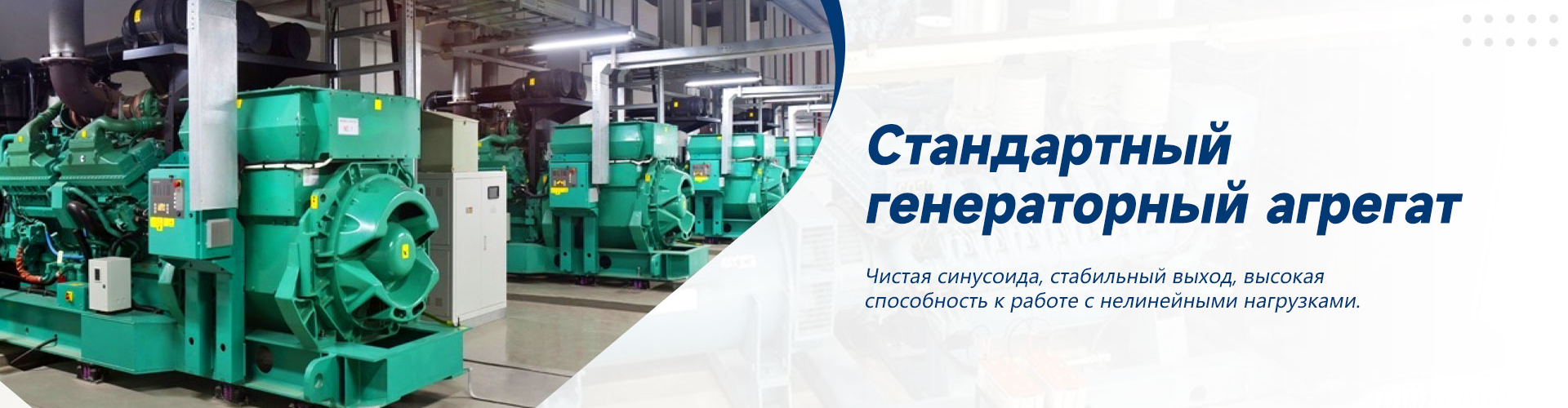
China: top buyer of oil generators?
2026-01-21
You see a headline like this and you immediately want to say: well, not quite like that, and if so, then not in the sense that many people think. It is often implied that China is massively purchasing ready-madeoil generatorssomewhere on the world market, as an end consumer. In reality, everything is more complicated and interesting. Rather, we are talking about something else: about gigantic domestic production, which itself creates demand for components and technologies, and about specific market niches where such installations still exist. Let's understand it without gloss.
Where does this question even come from?
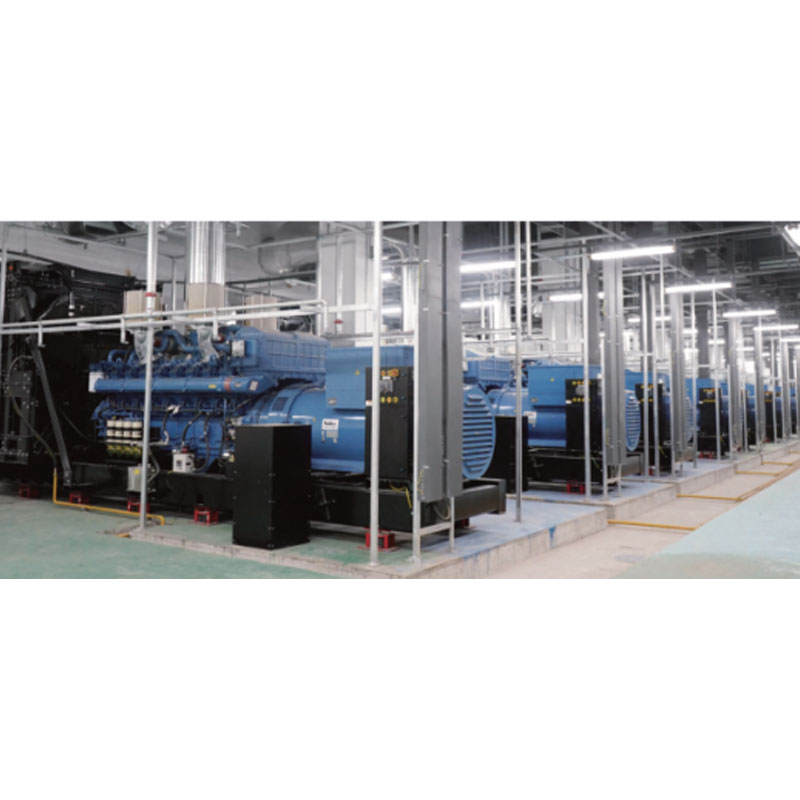
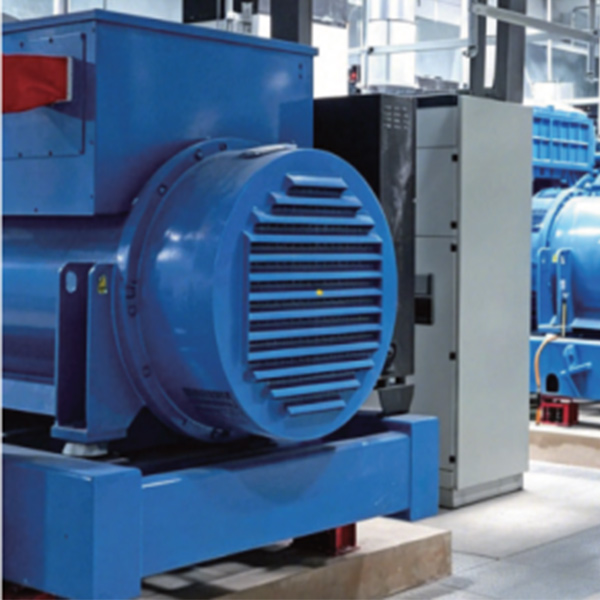
There are indeed requests for oil-fired (diesel) power plants from China, and there are quite a few of them. But if you are in the industry, then the first thing that catches your eye is not the pure import of finished units, but requests for engines, control systems, and generator heads. That is, for the “filling?”. China has long become the workshop of the world, and many ?Chinese? generators are assembled from imported highly reliable engines (say, Volvo Penta, MTU, Cummins) and Chinese or international generator heads (Leroy Somer, Stamford, Marathon). Demand foroil generatorsoften this is a demand for technological chains, and not for finished goods off the shelf.
The second point is that these are turnkey projects. in third countries. Chinese contractors building infrastructure in Africa, Central Asia, and Latin America often include energy supplies in their contracts. And here they can purchase equipment, including diesel power plants, for these projects. From the outside it seems that “China is buying”, but in reality it is a Chinese company buying for a Chinese project abroad. This is an important distinction.
And the third layer is the domestic market. Yes, there are remote areas, mines, backup systems for hospitals and data centers. But the trend in recent years is gas (natural, biogas) and, of course, green energy. Pure fuel oil (heavy diesel fuel) is often a story about old industrial facilities or specific locations where there are problems with gas. The volumes are large, but not growing.
Why not ?top buyer? in the classical sense?
Because China is, first of all, a top producer. Look at Alibaba catalogs or the websites of specialized companies. Thousands of offers. The issue of quality is a separate issue, but production volumes are colossal. When such a country purchases something, it is usually very specific things: either high-tech components that are not available locally (or their production has not yet reached the required level), or equipment for unique projects. Massiveoil generatorsmedium power is exactly what China is more likely to export.
I remember how several years ago we were looking for a reliable heavy fuel power plant for operation in Arctic conditions for a project in Siberia. Chinese options were also considered. The price is attractive, but when they started digging into the technical documentation, it turned out that the “heart?” — the engine is still German or Japanese, the control system is prefabricated, and adaptation to cold is described very generally. In the end we went a different route. This case illustrates the situation well: China often acts as an integrator, rather than a source of key technologies in this segment.
There are, of course, purely Chinese developments, for example, based on Weichai or Shangchai engines. They dominate the domestic market and are moving into developing countries. But for critical facilities or difficult conditions, priority is often given to proven international brands of power units. Therefore ?purchase? China may come down to purchasing these particular engines.
A niche is a niche: where fuel oil still holds
Despite all the trends, heavy fuel cannot be completely written off. There are segments where replacing it is unprofitable or technically difficult. For example, ships. Many ship power plants run on fuel oil. China is the largest shipbuilding nation. Here's a huge "buyer" for you. fuel oil generator sets, but again - often within the framework of in-house production of housings and assembly.
Another example is remote quarries or temporary construction sites, where it makes no sense to lay a gas pipeline or power line. Mobile or container diesel power plants operate there. Chinese construction companies operating around the world are active consumers of such equipment. They can purchase it from their own compatriots, but according to the requirements of a specific project.
The third case is backup power for large facilities. The sun and wind are fickle, and gigawatt-hour batteries are still very expensive. Therefore, in hybrid systems, a diesel generator is often used as the last line of defense. In China, many such hybrid systems are being built for remote villages or industrial parks. But here again the trend is important: such a generator can operate only a few tens of hours a year, and its role is insurance.
A look from the inside: an example of an integrator company
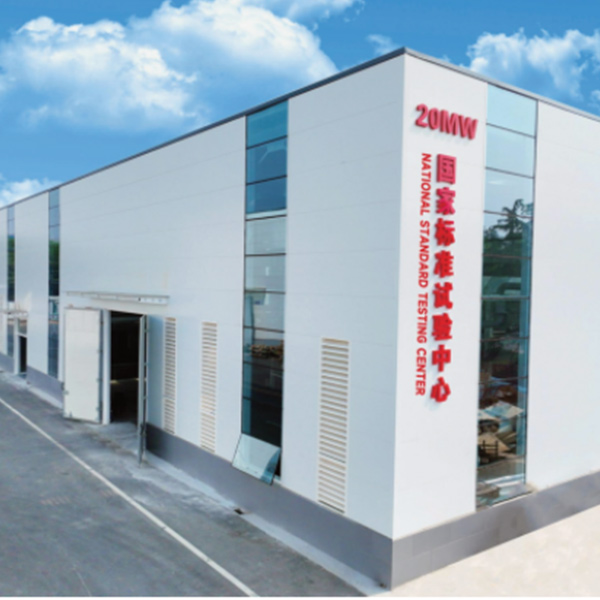
To make it clearer how this kitchen works, you can take a look at the work of a Chinese engineering company. Here, for example,Yuke (Shandong) Electrical Technology Co.,Ltd(Yuke Electric). I won’t advertise for them, but their story is typical. The company grew from a team founded back in 2003 in Qingdao (DEVER Electric). They position themselves not as simple hardware sellers, but as a technology enterprise that combines R&D, consulting, supply and turnkey construction.
If you go to their websitevoyoko.ru, it is clear that the range of solutions is wide: from solar energy to diesel and gas generators. This is the very portrait of a modern player: they are not fixated on one fuel oil. They look at the customer's need and provide a solution. Perhaps it will be a hybrid system, whereoil generator- only part. Their competence is integration, and not the sale of one type of equipment.
For such a company, the question is “buy or produce?” can be solved flexibly. They can assemble some units themselves from components, others they can purchase from a trusted partner (like Cummins or SDEC) and integrate them into their control system. Therefore, when they talk about “Chinese demand,” they often mean precisely the demand of such integrators for high-quality components for their complex solutions.
Mistakes and pitfalls: personal experience
When working with Chinese suppliers or for Chinese projects, you step on a rake. One of the main problems is the discrepancy between the declared and actual characteristics under load, especially in cold or hot weather. The engine may be good, but the cooling or fuel supply system is designed for average conditions. We once received a station that on paper produced 500 kW, but at -25°C and with the switch to local, non-ideal fuel, it barely produced 400, and even with overheating.
The second common story is with documentation and service. Technical manuals in English are sometimes made by machine translation, which is impossible to understand. And without clear diagrams and instructions for maintenance, any, even the most reliable unit, turns into a headache for local mechanics. Chinese engineers are often tied to their time zone, and it can be difficult to quickly solve a problem in a remote corner of Russia or Africa.
And the third stone is logistics and customs. It seems that buying and delivering is a simple matter. But incorrectly issued certificates, delays at ports, damage during transportation - all this eats up the benefit from the low initial price. This is especially true for large and heavy installations that travel by sea. Here you need either a very trusted supplier who takes all the risks, or your own person at the acceptance site in China.
So who is the top buyer?
Returning to the title. If we talk about China as a “top buyer?”, then we need to clarify: the buyer of technologies, licenses and key components for productionfuel oil generators. And also - a buyer/customer of energy solutions for their global infrastructure projects. Net import of finished household or industrial power plants in large volumes is not his profile.
The market is shifting. Demand for clean diesel is falling under environmental pressure and rising fuel costs. The future lies with hybrids, gas and hydrogen. Chinese companies are the same asYuke Electric, are actively mastering this. Their website and portfolio are direct proof of this. They are no longer just “generator manufacturers”, they are energy solution providers.
So, to answer the question from the title: yes, China is a huge player in the fuel oil generation market. But rather as a creator, integrator and exporter of complex chains in which ?purchase? - just one of the technological stages. And understanding this difference is the key to working in this market. Anything else is a simplification that can lead to poor business decisions. Tested in practice.
-


-
-


WeChat

-
WeChat