

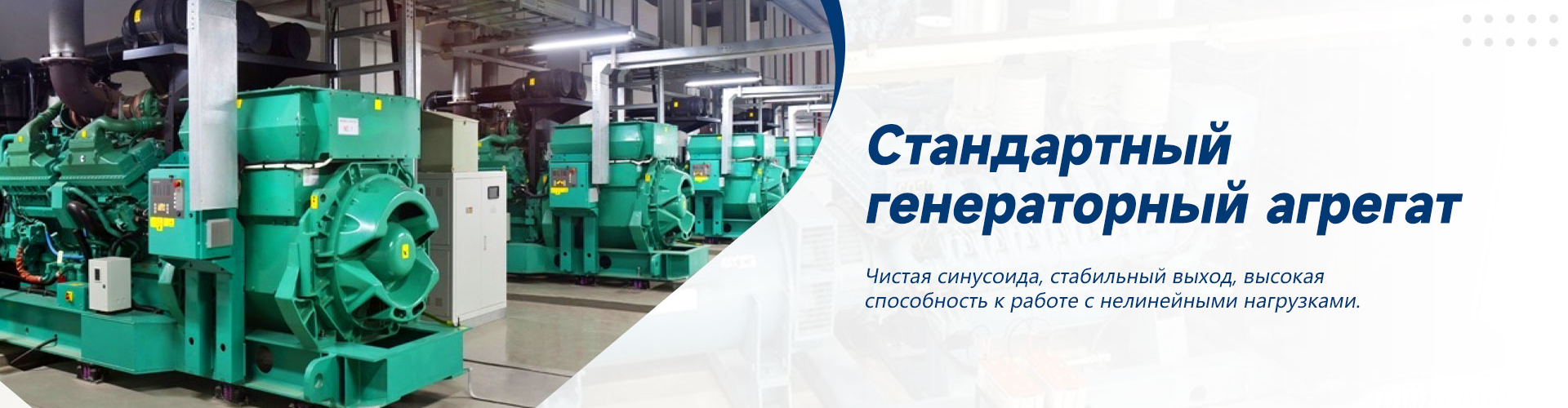
China: 60 countries buying diesel power plants?
2026-01-26
You see this headline and the first thought is: marketing. The number is beautiful, round, and attracts attention. But is there reality behind it or just a list of all the countries where at least one generator has ever been shipped? In our industry, the supply of power equipment from China, such generalizations are often misleading. We are not talking about 60 equivalent markets with stable imports. It is, rather, a map of disparate opportunities and challenges, where there are at most two dozen permanent partners, and the rest are occasional orders against the backdrop of specific projects or crises. Let's put aside the pretty statistics and see how this works in practice.
From the ?mailing list? to a real partner
When I first started working with Chinese manufacturers, I fell for this bait myself. The manager proudly shows a world map covered with flags: “Here, we supply to 60 countries!?” Creates a feeling of global reliability. Until you come across your first order for, say, Bolivia or Angola. This is where all the nuances come out: adaptation of equipment to specific voltage or frequency standards, issues with logistics deep into the continent, customs procedures, about which in Shandong they have a very vague idea. These ?60 countries? - not an indicator of streamlined processes, but rather a testing area for the supplier’s engineering and logistics flexibility.
The key point is the transition from one-time deliveries to service partnerships. Many markets, especially in Africa and Southeast Asia, bought generators as "hardware". And then problems arose with the warranty, spare parts, and repairs. Chinese companies that were able to gain a foothold understood one thing: they don’t just need to selldiesel power plant, but to ensure its life cycle. Those who did not do this, although they are listed in statistics as exporters to 60 countries, in fact lost most of their customers after the first breakdown.
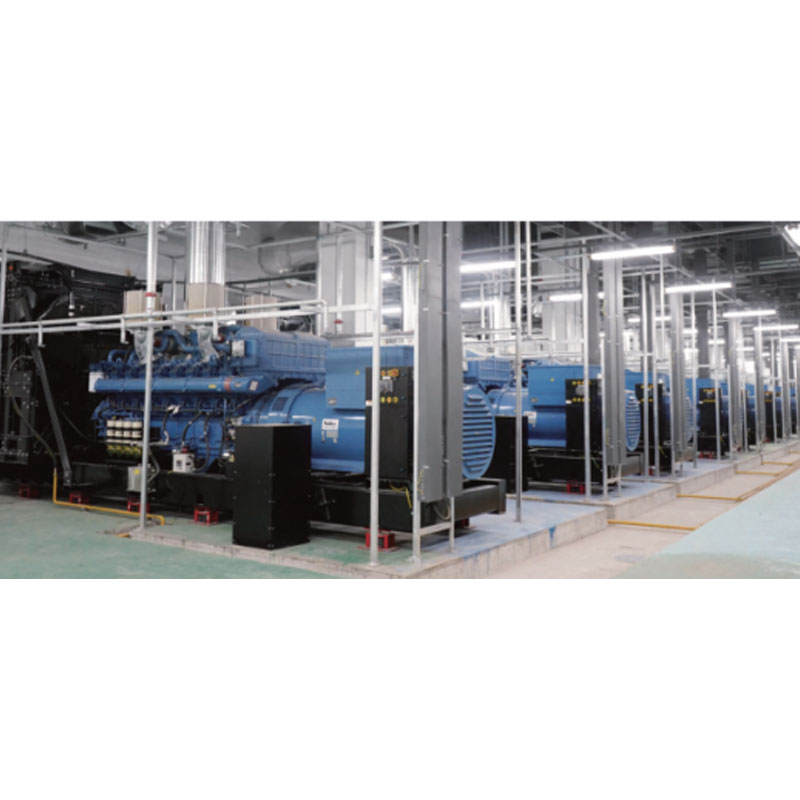
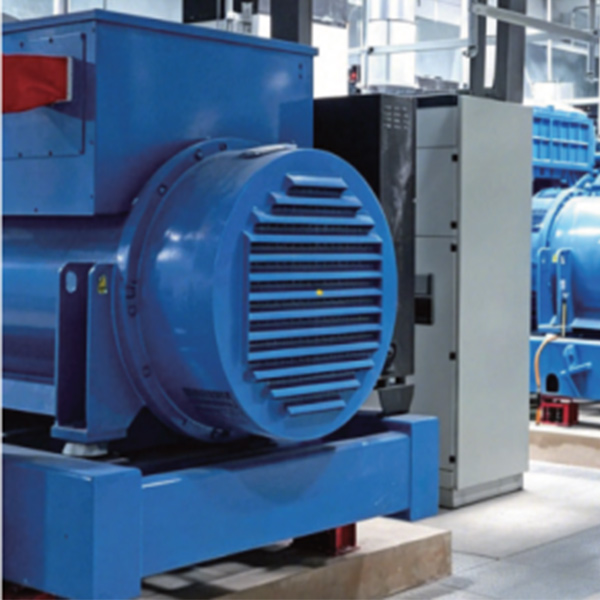
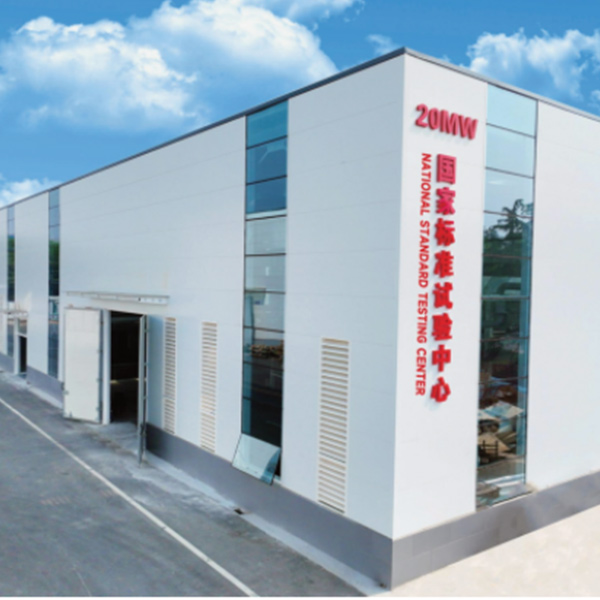
Here is an example of a companyYuke (Shandong) Electrical Technology Co.,Ltd(Yuke Electric). Their approach, as I observed it, was more systematic. They didn't just send out sales pitches all over the world. After checking out their websitevoyoko.ru, it is clear that the emphasis is on engineering and integrated solutions. This is the same attempt to move from equipment trade to the export of technological solutions. Their background - the DEVER Electric team, founded back in 2003 in Qingdao - speaks of a serious technical foundation. For a buyer from Nigeria or Kazakhstan, such a story is more important than the abstract number “60”.
Geography of demand: where the lights are on and where they go out
If you filter out the noise, the geography of sustainable demand is clearly tied to several factors. The first is a chronic shortage of energy networks. This is sub-Saharan Africa, part of South Asia. There, generators are not a reserve, but the main source of energy for business. The second factor is resource projects: mines, remote oil and gas fields around the world, from Siberia to Latin America. The third is infrastructure booms, as was the case in the Gulf countries or now in some countries of Southeast Asia.
But ?sustainable? does not mean ?simple?. The African market, for example, is extremely fragmented. The requirements in Nigeria, Kenya and South Africa are three different universes. In one country, protection from humidity and salt fog (coastal regions) is critical, in another - from dust (Sahara), in a third - adaptation to low-quality fuel, which can ruin European-style fuel equipment in months. Chinese manufacturers have learned to be flexible here: there can be one base engine (often Perkins, Cummins, Deutz or their Chinese licensed versions), but the filtration system, cooling system, and control panel are custom.
There are also markets that seem paradoxical at first glance. For example, Europe. It would seem that developed networks. But the demand forChinese diesel power plantsavailable in the segment of temporary power supply for construction sites, events, and also as a reserve for telecom facilities. The main trump cards here are price and delivery speed. But the barriers are strict emission standards (Stage V, Tier 4 Final). Not every Chinese factory will be able to cope with them, so exporting to the EU is already a filter based on the manufacturer’s technology level.
Failed case: when to turnkey? turned out to be without a key
I'll tell you about an incident that taught me a lot. There was a project to supply a power plant for a small mining and processing plant in Central Asia. The Chinese supplier (I won’t name) packaged everything beautifully: a generator in a container, “turnkey”. The price is attractive. But when the station was delivered and installed, it turned out that the automatic transfer system (ATS) was programmed to the conditional “standard” ones. network parameters that were not in place. Frequent voltage sags, surges - and the ATS simply did not work as it should, or, worse, worked incorrectly, creating a threat to the equipment.
Local engineers could not understand the logic of the Chinese control panel; the documentation was translated by machine. The supplier sent his specialist only a month later. Downtime of an enterprise means colossal losses. Moral: selling ?iron? - this is 30% success. The remaining 70% is engineering, adaptation, documentation and post-sales support. After this incident, we always work out in detail the terms of reference for the management system and specify in the contract the conditions for training local personnel.
The competition is not where you think it is
It is generally accepted that the main competitors of Chinese manufacturers are European brands like Caterpillar, Cummins or SDMO. Yes, this is true in the premium segment. But in the mass markets, those same 60 countries, the main competition is between the Chinese companies themselves. And here the separation occurs.
There are large factories that have reached the level of global players: SDEC, Weichai, Yuchai. They invest in R&D, have their own engines, and comply with international eco-standards. Their products can be found at major infrastructure facilities. And there are hundreds of small and medium-sized assemblers who assemble stations from ready-made components. Their strength is their low price and willingness to do anything upon request. Their weakness is the build quality and no real support.
A buyer, say, in Pakistan or Vietnam, faces a choice: take it cheaper from an “assembler?” and hope for luck, or pay 20-30% more, but get a comprehensive solution from a technology company likeYuke Electric, which positions itself as an innovative enterprise with a full cycle from R&D to construction. For a critical project, the choice is usually the second option. The cost of equipment downtime is many times greater than the savings on the initial purchase.
The future: hybrids and digital
The trend that is shaking up the market is not just diesel sales. Increasingly, the request sounds like a “hybrid energy system”: diesel generator + solar panels + storage devices. Especially in countries with high diesel costs. China is in a unique position here because it is a world leader in both solar panel and battery production. The ability to offer an integrated solution is a huge competitive advantage.
The second trend is digitalization. Remote monitoring of generator parameters, predictive analytics for maintenance, load management. This is no longer an option, but a necessity for many customers. Chinese companies are actively introducing such systems, often offering them as a standard option for medium and high power stations. This is the same “technological” one. a breakthrough that allows you to escape competition only on price.
So, to answer the question from the title: yes, China supplies diesel power plants to a huge number of countries. But the point is not the number of flags on the map. The key is depth of penetration and evolution from equipment supplier to energy solutions provider. Those who will remain in these statistics in five years will not be those who sold one generator to 60 countries, but those who were able to build long-term partnerships in two to three dozen key regions for themselves, solving real, not hypothetical problems of their clients. The rest will simply join the mailing list for other people's marketing presentations.
-


-
-


WeChat

-
WeChat