

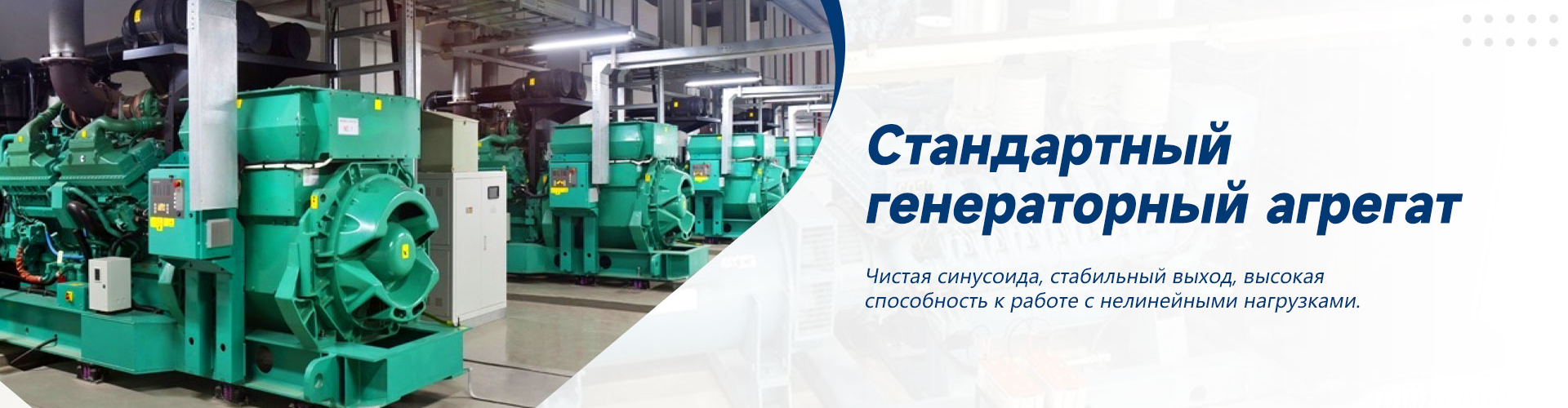
Who is the main buyer of jacketed diesel power plants from China?
2026-01-30
I often hear this question, and many immediately think about large construction projects or government tenders. In fact, the picture is more complicated and, to be honest, banal answers like “builders?” or ?industry? They only interfere with understanding the real market. Over the years of working with supplies from China, especially with such units asDiesel power plants in a casing, you see that the portrait of the buyer is formed not so much by the industry as by specific, often very pragmatic circumstances. This is not about demand “in general”, but about specific pains, budgets and conditions in which people find themselves. I’ll try to break down what it looks like from the inside, without the gloss.
A non-obvious portrait: who is looking for the “casing?” and why
When they say “casing”, many people simply think of protection from the rain. In practice, the key here is noise. Yes, everyone knows about noise reduction, but clients often realize the scale of the problem only when faced with complaints from neighbors or fines from Rospotrebnadzor. Therefore, the first large group of buyers are those who work near residential buildings or have strict internal regulations on noise levels in the area. For example, logistics complexes on the outskirts of the city, which have expanded, and residential buildings are now a hundred meters away. Or small production facilities in an industrial zone, where inspectors have become stricter. These are not always giants; often they are medium-sized businesses that cannot afford a spacious isolated site.
The second point is climate. A casing, especially a high-quality one with insulation and a ventilation system, is not just a box. This is an opportunity to work in cold weather without long warm-up times and the risk of thickened fuel. We had a client from Siberia who was purchasing stations for remote telecommunication towers. For them, the heated shroud was not an option, but the only way to ensure starting at -40. And this is a typical story for mining camps, where the power plant is life, not a reserve.
And the third type are those for whom mobility and safety are important. The casing protects against dust, small debris, and accidental impacts. I saw how open stations on construction sites turn into dirty lumps within a week, air filters clog instantly. A container station is expensive, but a mobile one on a trailer in a casing is optimal. These are often ordered by contractors working under short contracts at various sites. They don’t buy dozens, but they buy reliable models for a specific power, and Chinese manufacturers win here in terms of price and speed of delivery.
Why China? Analysis of the buyer's motives
It all comes down to the price-quality-time ratio. European brands in a casing are often a premium segment that not everyone can afford. Russian assembly... There are nuances with it in terms of components and, what is important, in terms of production time to order. Chinese factories, especially as our partnerYuke (Shandong) Electrical Technology Co.,Ltd(Yuke Electric), who grew out of the 2003 DEVER team, have learned to do very worthy things. Their strength is flexibility. Do you need an 80 kW station with a casing of specific dimensions for a ship? Need a heavy-duty enclosure for high humidity? Need a custom connection point? Chinese factories discuss this, quickly make a 3D model and make changes to the production line. For a European, this is often customization with a huge markup and a six-month wait.
But there are also pitfalls that the buyer is sometimes unaware of. The main thing is the “filling”. You can buy a cheap casing with excellent paint, but with poor sound insulation inside. Or saving on the cooling system, which will lead to overheating in the summer. An experienced buyer always looks at the specifications: steel thickness, brand of soundproofing material, radiator manufacturer, ventilation system (natural or forced). This is where it is important to work with a trusted supplier who does not just resell, but provides technical advice. For example, through the websitevoyoko.ruWe always enter into direct dialogue with Yuke engineers to coordinate every detail to suit the client’s tasks. This is not just “buy and sell”, this is engineering consulting, which they declare in their philosophy.
Another motive is the completeness of the delivery. The Chinese often offer “turnkey”: a station in a casing already with a muffler, a fuel tank, and an ATS (automatic transfer switch) as standard. For the buyer, this saves time and effort on designing connection nodes. This is especially appreciated in the small and medium-sized business sector, which does not have its own large engineering department. A person receives a “box” ready for connection, which only needs to be placed on the platform and the cables connected.
Consumer sectors: from expected to unexpected
Telecommunications and Infrastructure
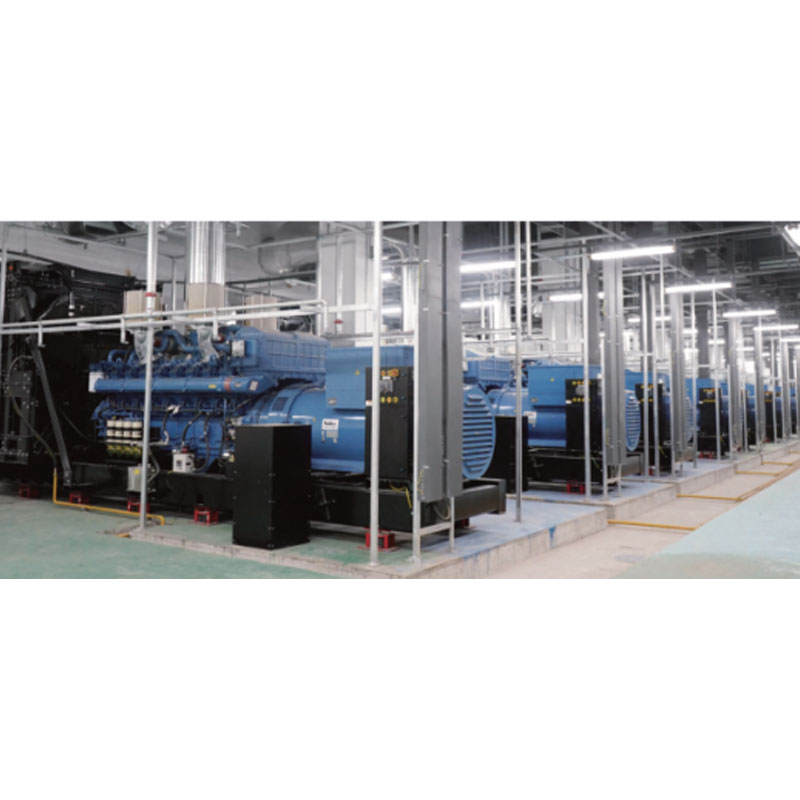
Huge and stable consumer. This includes cellular operators, owners of fiber optic lines, and Internet providers. Their facilities are scattered throughout the country, often in places without a reliable network. Requirements: maximum reliability, remote monitoring, operation in a wide temperature range.Diesel power plant in a casingfor them this is a standard because it protects against vandalism and weather. They usually buy in batches, but the first samples are carefully tested. Not only the engine parameters are important here (Perkins, Cummins are often preferred, but the Chinese Weichai or Yuchai have become quite competitive), but also the automation system. Chinese manufacturers have stepped up their game in this regard, offering compatibility with popular telemetry systems.
Medium industrial and commercial sector
This includes factories, food production facilities, refrigeration complexes, and shopping centers. For them, the station is most often a backup source. But ?reserve? does not mean ?simple?. When the network goes down, it must start within seconds so that lines don't stop or goods in refrigerators don't melt. The enclosure is important here because of the location: often the unit is placed next to the building, and the noise should not disturb either employees or visitors. An interesting trend in recent years is purchasing for local generation, when a business wants to partially evade the network tariff by using a station during peak hours. This requires more complex payback calculations and attention to fuel consumption, but the demand is there.
Rotational camps and remote sites
Classic consumer. Mining, logging, road construction away from infrastructure. Here the station is the main source of energy. The requirements are extreme: reliability, maintainability, ability to operate in long-term mode, frost resistance. A casing is almost always required. Often ordered complete with a block container, turning it into a mini-power station. The key factor in choosing a Chinese supplier here is the availability of a service network or, at worst, the availability of spare parts. Good manufacturers, like Yuke Electric, have this in order: they supply not just a unit, but a complete package of documentation and often have a spare parts warehouse in Russia.
Selection mistakes and what to look for first
The most common mistake is to chase a low price per kW, ignoring operating conditions. The seller can show excellent passport data, but they are valid for +20°C at sea level. What if the station operates in the mountains in thin air or in the heat of +45°C? Power will drop by 15-30%. It is necessary to require passport data for specific conditions or to provide a power reserve. This is not a whim, but a necessity.
The second mistake is underestimating logistics and installation issues. The dimensions and weight of a station in a casing can be impressive. You need to think in advance: how it will be delivered to the site, whether there are access roads, whether the crane will be able to install it on the prepared foundation. There were cases when the station was delivered, but it did not fit through the gate or the fence had to be dismantled to unload it. These are additional costs and time.
Third, ignoring future expenses.Diesel power plant– it’s not just a purchase. This includes fuel, oil, filters, maintenance. The quality of assembly and components used (for example, fuel pump, controller) directly affects these costs. A cheap unit can “eat” all savings from the purchase during the first year of intensive use. It is always worth requesting a maintenance schedule and a list of critical spare parts that should be kept in stock.
Working with a supplier: not only the price in the invoice
Choosing a supplier is 50% of success. Ideally, if the supplier is likeYuke (Shandong) Electrical Technology Co.,Ltd, has a full cycle from R&D to engineering services. This means that they can not only sell a standard model, but also adapt it. Important points: availability of detailed drawings and diagrams BEFORE payment, transparency in the choice of power plant (which engine, alternatives), warranty conditions (what is covered and what is not, where the service is carried out).
It is imperative to request video reports from production: assembly, painting, load testing (the so-called “hot test?”). Self-respecting factories provide this. This gives you confidence that you are buying exactly what you saw in the picture. It is also critical to discuss packaging for sea transport - it must protect against salty moisture and shock.
And the last thing is documentation. It must be in Russian, understandable and complete: operating instructions, installation instructions, passport, certificates of conformity. The lack of quality documentation is a red flag that indicates that the supplier is not committed to long-term work and does not think about your convenience after the sale. Ultimately, the main buyer of an enclosed diesel power plant from China is a pragmatist who considers not only the purchase price, but also the total cost of ownership, and finds a partner capable of covering all his technical and logistical challenges.
-


-
-


WeChat

-
WeChat