

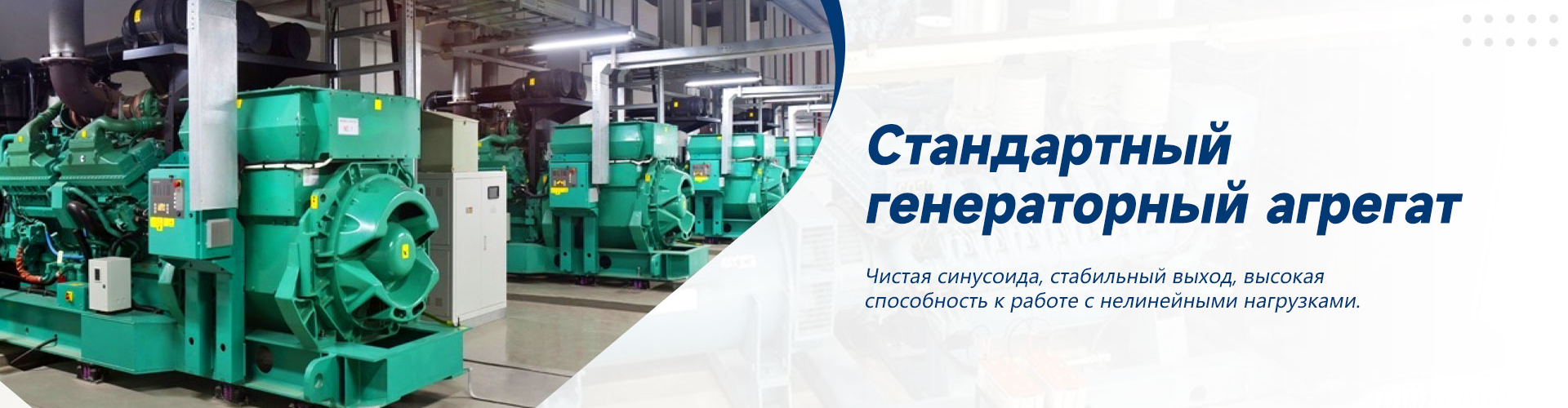
Who is the main buyer of Chinese 500 kW gas power plants?
2026-01-23
I often hear this question, and many immediately think about large industrial facilities or government tenders. In practice, the picture is more complicated and, frankly, often not obvious. If you simply take data on shipments, you can draw incorrect conclusions. I’ll try to sort it out, based on what I saw myself on the CIS market and beyond.
Buyer profile: not who you expect
When we talk aboutChinese gas power plantsprecisely at 500 kW, this is a very specific product. This is not small-scale energy for the home, and not gigawatt stations for megaprojects. This is the same “workhorse”? for facilities where there is constant access to gas, but there is no stable or any connection to the networks. And the main buyer here is not the end user in the classical sense, butspecialized integrator or contractor.
Why? Because installation alone is half the battle. We need integration into the system, piping, and sometimes the construction of a mini-boiler house for heat recovery (cogeneration). An individual or even an average factory cannot cope with this. The buyer is someone who already has a portfolio of projects for autonomous energy supply: construction of remote production bases, logistics centers, agricultural processing plants in open fields. They take the station as the main equipment for their tender or proposal.
For example, I saw a story when a 500 kW station was bought by a company building a salmon farm in Karelia. There is no network there, but there is a gas pipeline nearby. Their MEP contractor was the “main buyer?” for the manufacturer. He was also responsible for commissioning and warranty.
Key market segments: where they operate
To summarize, there are several segments, and each has its own nuances.
Extractive industry (oil, gas, quarries)
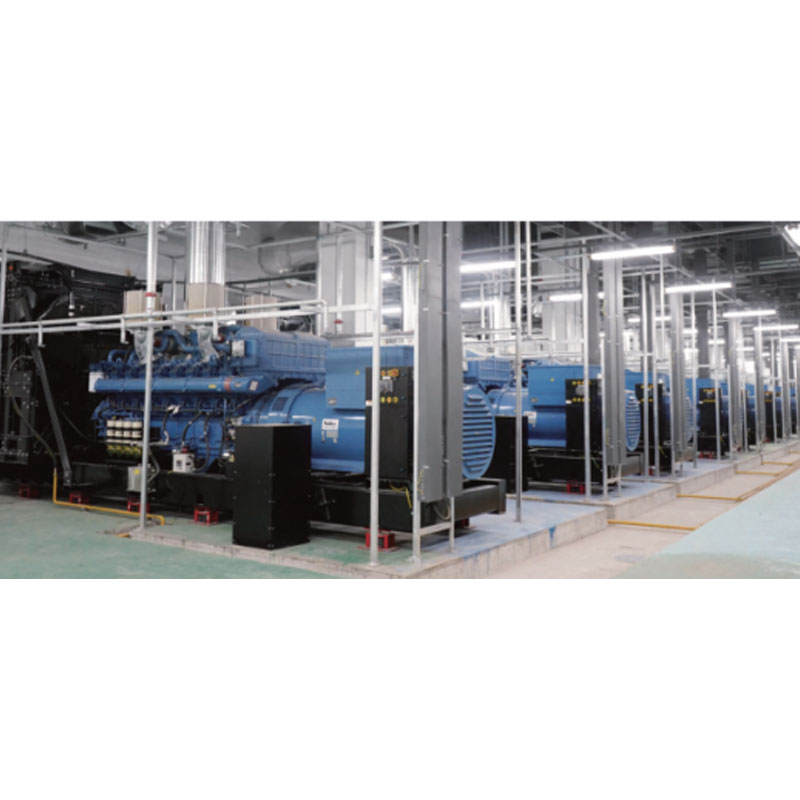
This is perhaps the most understandable segment. New exploration areas, well pads, temporary camps for shift workers. Often there is already gas there (associated or from a nearby pipe), and building a power line is time-consuming and expensive.Gas power plant 500 kWturns out to be an ideal solution for providing basic infrastructure. But there are strict requirements for automation (frequency and load characteristics for the operation of drilling rigs) and for operation in automatic mode for a long time. Chinese stations here compete with Turkish and, to a lesser extent, German ones, winning on price but sometimes losing on brand perception.
Agriculture and processing
This is an interesting trend in recent years. Large elevators, feed mills, and greenhouse complexes are built far from cities, on land. Connecting to networks is a different story with bureaucracy and costs. And if there is a gas line nearby, the choice is obvious. A 500 kW station can cover the needs of such a facility completely or become a backup main source. An important point is heat recovery for heating greenhouses or drying grain. If the project takes cogeneration into account, the return on investment improves dramatically. Agricultural holdings themselves often buy through their technical departments.
Remote infrastructure and tourism
Recreation centers, ski resorts, campsites in national parks. A power of 500 kW is already a serious complex with a hotel, swimming pool, and restaurant. There is either no network or it is weak. The environmental friendliness of gas (compared to diesel) and the relative quietness of operation play a big role here. The buyer is the developer or management company of the property.
Why Chinese? Price, equipment and turnkey?
I won’t lie, the first reason is the price. It can be 30-50% lower than that of European analogues with similar passport characteristics. But it's not just that.
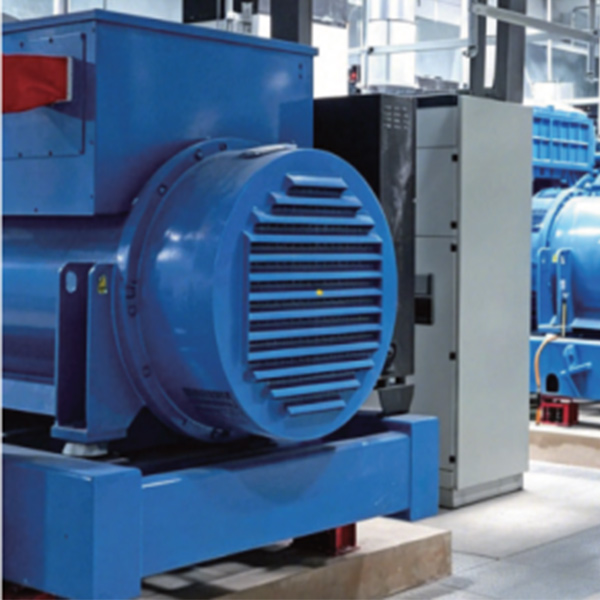
Chinese manufacturers, especially those that have been on the market for a long time, have learned to make very flexible “turnkey” offers. They won't just deliver you a container with a generator. The basic package often already includes a radiator cooling system, a control panel with ATS (automatic transfer switch), a muffler, and a set of spare parts. That is, a minimum of headaches for the integrator. I worked with different factories, and the difference in approach is colossal. Some simply sell hardware, others sell a technological solution.
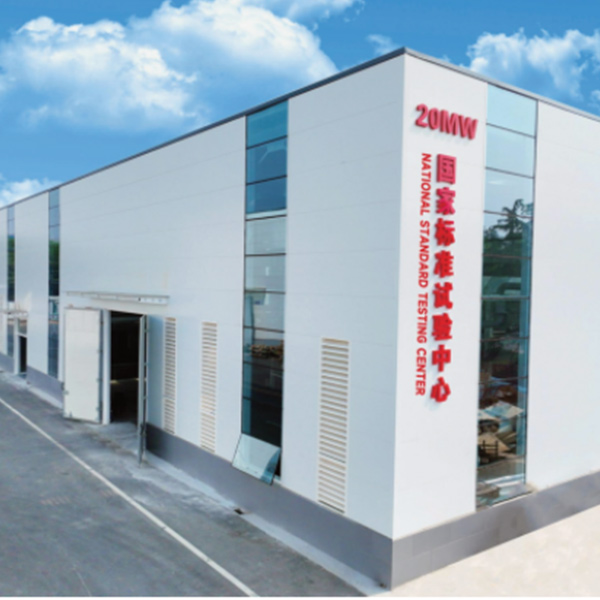
For example, a companyYuke Electrical Technology Co., Ltd. (Shandong), which grew out of the DEVER Electric team, founded back in 2003 in Qingdao, is just one of these. They position themselves not just as a supplier, but as an innovative enterprise with a full cycle: R&D, consulting, supply, construction. Their websitevoyoko.ru- this is, in fact, a gateway for clients from the CIS. Their strength is the ability to customize the station for specific client tasks, which is invaluable for the integrator. You don’t need to “farm” yourself. control system, you can get a ready-made circuit.
Pitfalls and what a smart buyer looks for
And now about the sad thing. Saving on price can lead to problems. There are two key risks.
The first is the engine. At 500 kW it is almost always a gas combustion engine rather than a turbine. Chinese manufacturers often use licensed engines (for example, based on MTU, Perkins, Cummins) or their high-quality replicas. But it happens that they install engines of unknown local brands with a dubious reputation and zero availability of spare parts in the region. A smart buyer (that same integrator) always digs down to the engine model and its origin. He knows that replacing a cylinder block from a no-name manufacturer after three years can “eat”? all the initial savings.
The second is service and warranty. Where will the maintenance be carried out? Who will supply spare parts and how quickly? Ideally, if the supplier is the sameYuke Electric, has a representative office or reliable partners in the sales region who can not only sell, but also serve. Because the paper guarantee from the factory in Shandong, in which any repair requires a month of correspondence and waiting for parts, is a fiction. In fact, the buyer is looking at the availability of a service center within reasonable logistics.
Trends and future: what's next for this market
The demand for such stations, according to my observations, will grow. Reasons: development of remote areas, the desire of businesses to be energy independent from state networks, as well as the trend towards gas as a cleaner transitional fuel option.
But competition is also shifting. It is no longer enough to just make a cheap generator. Intellectualization comes to the fore: remote monitoring and control systems via IoT, the ability to easily integrate with solar panels or wind generators into hybrid systems. Those who simply offer an “iron box” will lose.
The main buyer will still be a technically savvy intermediary - an integrator or an engineering company. But he will become even more demanding. He will need a ready-made, “smart”, maximally adapted solution with a clear service scheme. And those Chinese manufacturers who will understand this, as they are apparently trying to doYuke Electricwith their focus on full service, will capture the market. The rest will remain in the niche of one-time, often problematic, deliveries for those who are chasing only the lowest price in the catalog.
So, returning to the main question: the main buyer is a professional problem solver who is not looking for a station, but for reliable and economical energy autonomy for his client. And he makes his choice very down to earth, counting every penny not only when purchasing, but throughout the entire life cycle.
-


-
-


WeChat

-
WeChat