

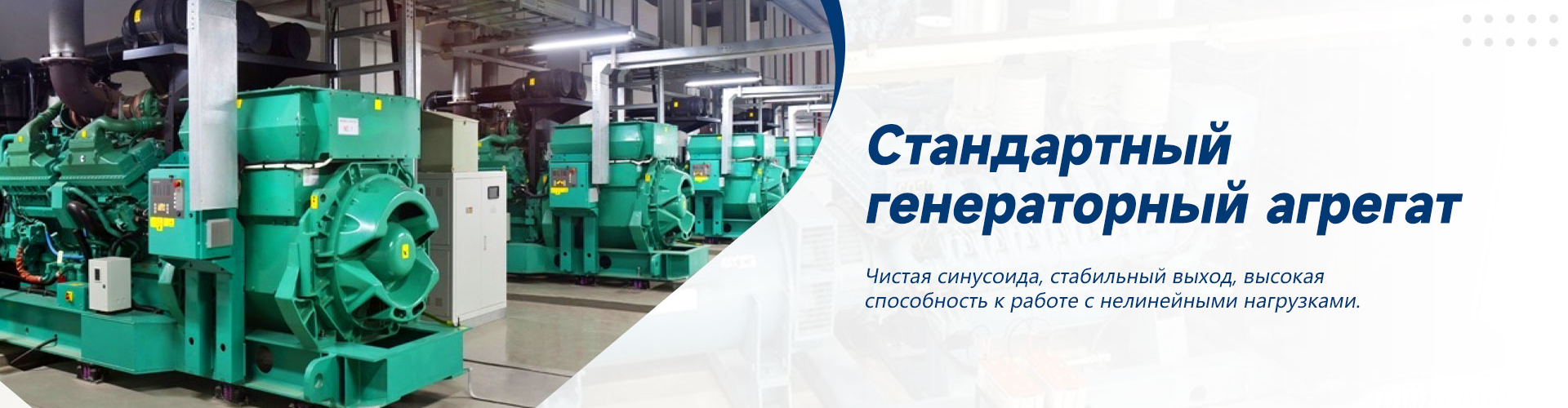
Who buys 1800 kW container generators from China?
2026-01-23
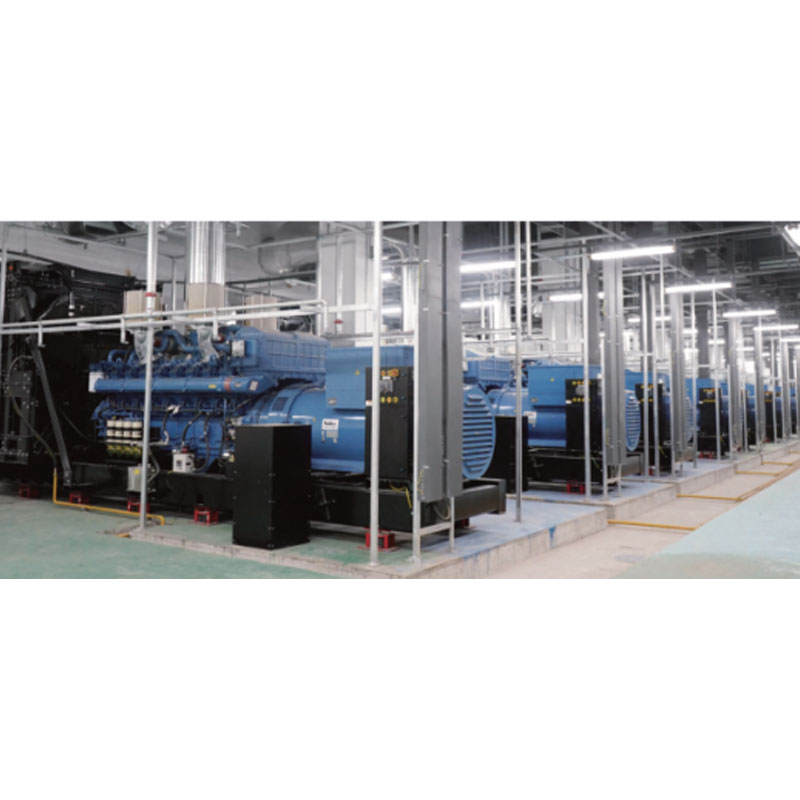
I often hear this question, and many immediately think about large government tenders or oil giants. Reality, as usual, is more complex and interesting. Request for such powerfulcontainer generators- it’s not just the need for more power, but a whole tangle of requirements for mobility, autonomy, climate control and, what is critical, for the price ratio and long-term reliability. China here is not just a cheap option, but often the only one who is ready to quickly assemble an installation for the specific conditions of the customer.
Buyer profile: not what it seems
So who are they? The first thing that comes to mind is mining companies in remote areas of Africa or Asia. Yes, that's true. But there is a nuance: they rarely buy just a generator. They need a complete power unit, often with distribution boards, an automatic transfer system (ATS), possibly with a heat recovery system. And Chinese manufacturers, like the sameYuke (Shandong) Electrical Technology Co.,Ltd, are just strong in such complex turnkey delivery. Their websitevoyoko.ruis a good example where the emphasis is not on the bare unit, but on engineering solutions.
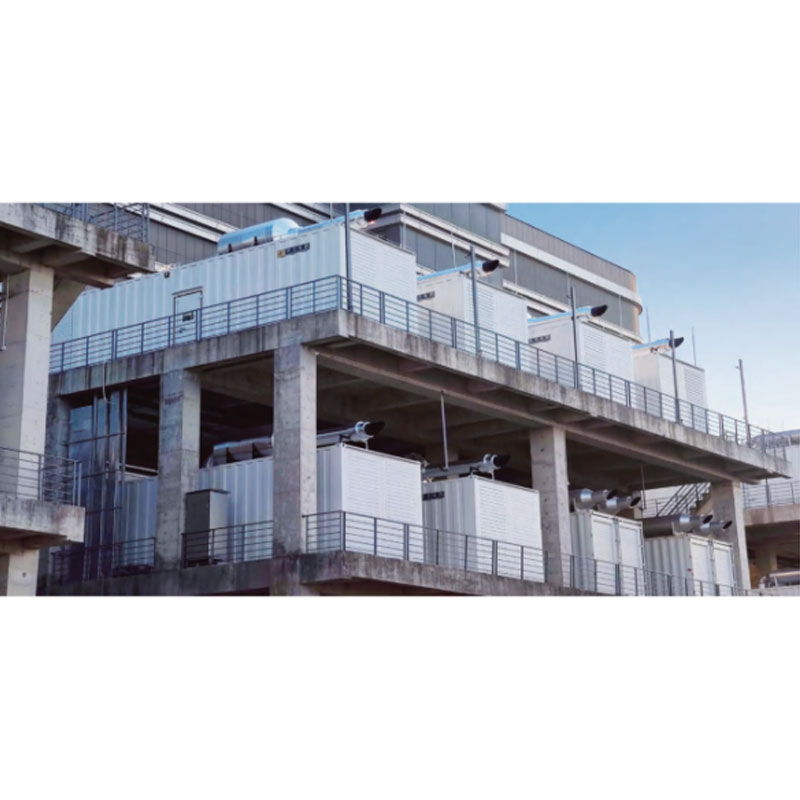
The second large segment is contractors on large-scale infrastructure projects. Construction of a port, factory, railway. Here the deadlines are strict, the object may be in an open field. Modularcontainer generator 1800 kWbrought it, connected it to a pre-prepared site - and you already have stable energy for the entire construction site. An important point: such contractors often rent rather than buy. But someone has to produce these installations and sell them to rental companies. This is where Chinese factories have a competitive advantage in terms of capital cost to the lessor.
The third type is industrial enterprises in countries with weak networks. Not necessarily in the middle of nowhere. It happens that a plant is located on the outskirts of a large city, but the local networks are unstable, power surges kill the equipment. Constantly running on diesel is expensive, but having such a powerful backup source is a matter of survival. For them, not only the purchase price is critical, but also the cost of ownership: fuel consumption, availability of spare parts, maintainability. And this is where the real dancing begins.
China does not mean disposable
The stereotype about low quality is tenacious. But in the segment of powerful diesel power plants, everything is different. Many Chinese manufacturers, includingYuke Electric, use proven power units - Perkins, Cummins, MTU, or Chinese Weichai engines, which themselves are the product of long development and licensing agreements. The problem is often not in the hardware, but in the assembly, the quality of welding of the container, and the proper layout of ventilation and noise reduction systems.
From personal observation: the key difference between a good and a bad supplier is the approach to management systems. You can install a premium motor and alternator, but save on the control panel by installing a cheap controller with poor logic. This leads to frequent false alarms and difficult diagnostics. More serious players, like the team behindYuke Electric(they have experience since 2003, as stated in their description), understand this and offer Deepsea, ComAp or their own, but well-developed control systems. This is no longer a question of the manufacturing country, but of the specific engineering culture of the plant.
Another practical point is adaptation. A request from Siberia and from Saudi Arabia for the same power are two different machines. The first requires pre-heating, insulation, and special oils. For the second - an enhanced cooling system and dust protection. The ability to flexibly modify a standard container to suit such conditions is what customers really value. And Chinese factories here are often more efficient than European ones.
Trick story: when cheaper turns out to be more expensive
I’ll tell you about one incident that is not directly related to my activities, but instructive. A company from the CIS purchased severalcontainer power plantsfrom a little-known Chinese assembly shop. The price was 25% below the market price. Everything seemed to work. Operation at -25°C has not yet begun. It turned out that the pipelines of the fuel system inside the container were laid without proper slope and insulation, air pockets had formed, plus thin metal of the casing. The generators kept sputtering and shutting down. The project stopped. Only expensive modifications by local engineers saved it.
Moral: saving at the stage of purchasing powerful energy equipment is the riskiest path. A smart buyer does not look at the price list, but at the portfolio of completed projects in similar climatic conditions, the availability of detailed diagrams and instructions, the warranty conditions and - most importantly - the availability of technical support. Can the supplier promptly send an engineer or send a 3D model of the unit for local manufacturing? Companies that position themselves as full-service technology businesses, from R&D to construction (as stated in Yuke's description), tend to be more reliable in this regard because they control the process rather than simply resell.
This raises the issue of logistics. The container is 40 feet, weighing about 20 tons. Delivery, customs, unloading are a different story. A good supplier does not abandon the client at this stage, but provides a full package of documents, certificates, and helps with the route. This is the invisible work for which you pay.
What are sane customers looking for today?
The trend of recent years is the request for smart functions. Remote monitoring of parameters, forecasting of maintenance, integration into the overall energy management system of the facility.Generator 1800 kWceases to be an insulated iron box. It becomes part of the infrastructure. And Chinese manufacturers have caught on to this. The same voyoko.ru shows that the emphasis is on technological innovation as the basis of competitiveness.
The second is fuel efficiency. With such power, a difference in specific consumption of even 5 g/kWh results in a huge amount of money over a year of continuous operation. Therefore, now the specifications increasingly require not just engine nameplate data, but real results of factory tests at different loads.
And third is ecology. Even in developing countries, emissions regulations are becoming stricter. Compliance with Stage II, Tier 3 or higher is not just a tick, but a necessary condition for import and operation in many territories. Chinese engines of the latest generations already fully comply with these standards.
Bottom line: not who, but how and why
So who's buying? Pragmatists. Those who consider the total cost of ownership rather than the invoice price. Those who need not just power, but a ready-made, secure, customized solution that can be quickly deployed and operated for a long time with minimal problems. These can be large corporations, medium-sized businesses, and government agencies.
China is a serious and often optimal player in this niche. But the market is segmented. There are handicraft assemblies, and there are companies with deep engineering expertise, likeYuke (Shandong) Electrical Technology Co.,Ltd, which grew out of specialized teams (like DEVER Electric, founded in 2003) and offer a comprehensive service. Their product is not a container with a motor, but guaranteed energy in the right place at the right time.
Therefore, the answer to the question in the title lies not in demographics, but in the technical specifications. The buyer is the one who has a clear understanding of operating conditions, future costs, and who has found a supplier who can translate this understanding into metal, and not just ship the goods from a warehouse. The difference is colossal.
-


-
-


WeChat

-
WeChat