

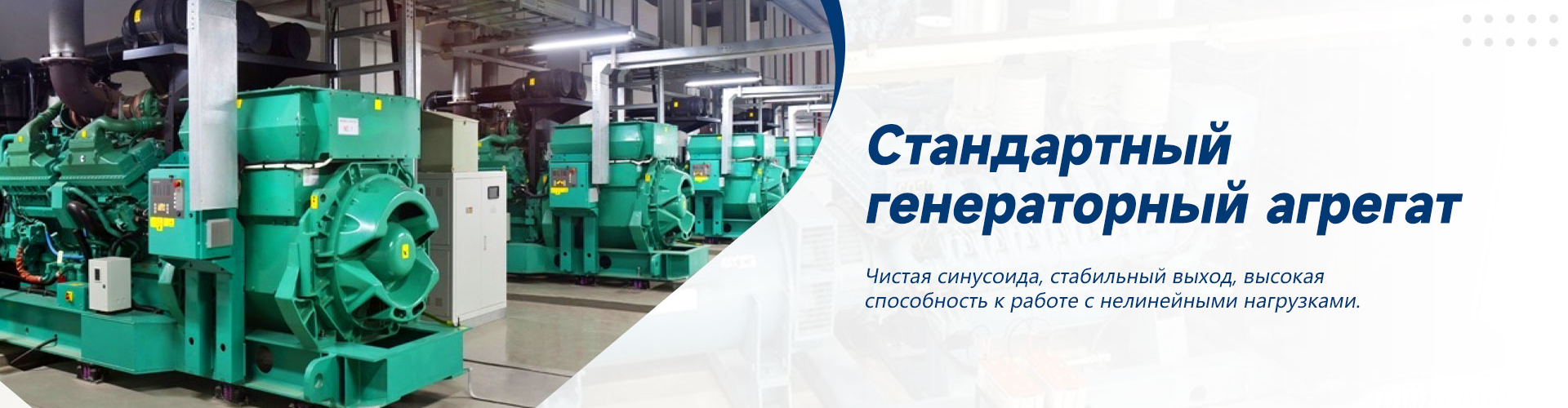
Who is the main buyer of Chinese gas CHP plants?
2026-01-19
If we talk about Chinese gas-fired thermal power plants in our market, many immediately imagine large state-owned energy companies or industrial giants. But reality, according to my observations over recent years, often turns out to be subtler and more interesting. There are nuances here that are not always on the surface, and sometimes the key buyer is not the one you name first. I’ll try to break down what it looks like from the inside, with caveats and examples from practice.
Stereotypes and the real picture of the market
Let's start with a common misconception. It is generally accepted that the main demand comes from large generating companies that are renewing their fleet or building new capacities for large projects. Yes, there are such contracts, they are high-profile, but in terms of the number of transactions, they are not always the majority. They often work with direct manufacturers or through large-scale tenders, where the specifics are slightly different.
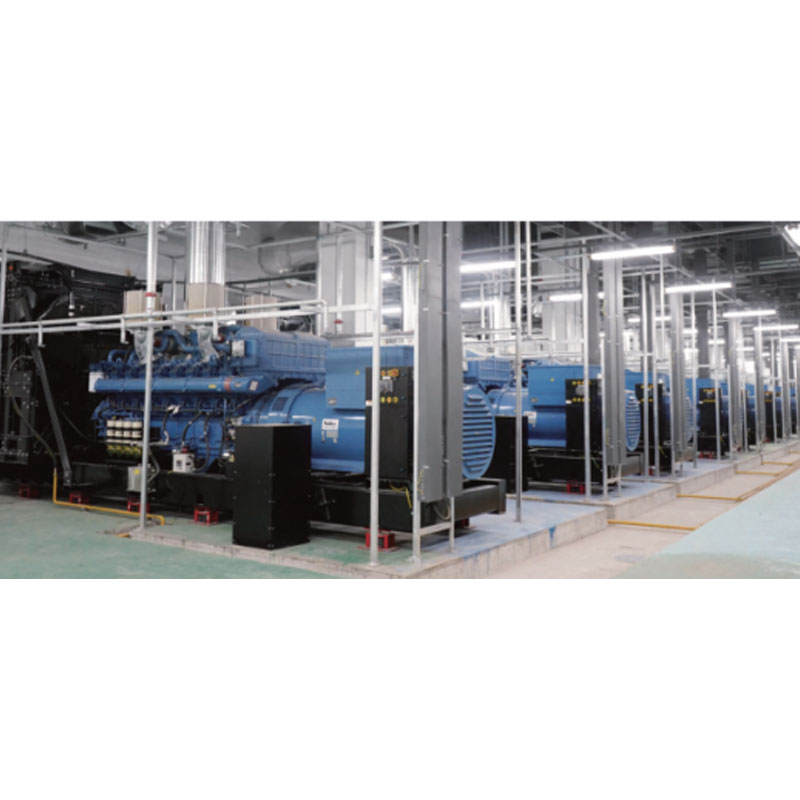
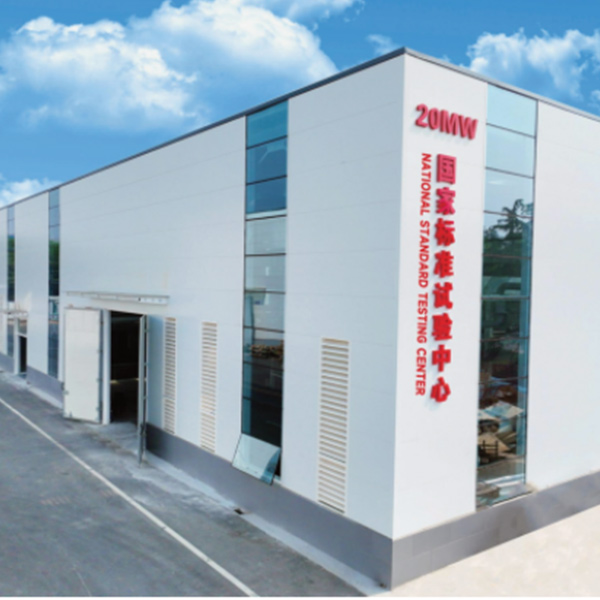
A much more active and, I would say, the determining segment of buyers often becomes medium-sized regional energy service companies and developers of industrial parks. Why? Their task is faster, more flexible and often with stricter budget constraints. Chinese technology, especially in the segment of gas-fired thermal power plants of medium and relatively small power (say, up to 20-25 MW), offers them a very specific balance of price and technological sufficiency. Not “the most advanced”, but working reliably under the given conditions.
I remember one project near Kazan - the construction of an industrial park. There, the investor also considered European options, but ultimately settled on a Chinese complex with gas piston units. The decisive factor was not so much the capital investments, although they are important, but the delivery time of the complete turnkey solution. and the manufacturer’s willingness to adapt design documentation to our standards. This is the same “flexibility” that large brands sometimes lack.
The role of integrators and specialized suppliers
This is where we come to the key link - companies that act as intermediaries between the Chinese factory and the end customer in Russia. These are not just trading houses. These are the integrators who take on technical adaptation, logistics, customs, and often supervision of installation and commissioning. For many end buyers, especially those who are encountering Chinese power equipment for the first time, such a partner is the main condition for the success of the project.
Such companies include, for example,Yuke (Shandong) Electrical Technology Co.,Ltd(Yuke Electric). They are a typical example of a structure that has grown from an engineering team (DEVER Electric) and now offers a full cycle: from consulting and delivery to construction. Their websitevoyoko.ruThis approach reflects this approach well - the emphasis on comprehensive solutions, and not just on selling “hardware”. For the buyer of a gas CHP plant, working with such an integrator reduces a lot of risks.
Why do buyers go to them and not directly to the factory? Experience. Direct negotiations with a Chinese plant without a serious technical team and experience in Russian SNiPs and PUEs is a lottery. The integrator has already gained knowledge, knows which components on a particular model require increased attention during installation, and how to circumvent typical problems with automation in our winter conditions. He is not selling a station, but a working solution. And it is precisely such companies that often create demand by “pulling up” for its customers, the optimal Chinese manufacturer.
Geography of demand and typology of objects
If you look at the map, buyers are unevenly distributed. This is not only Moscow or the oil and gas north. Regions where there is an active replacement of outdated coal boiler houses or the development of local, distributed generation are very active. Tatarstan, Bashkortostan, a number of regions of Siberia and the Far East.
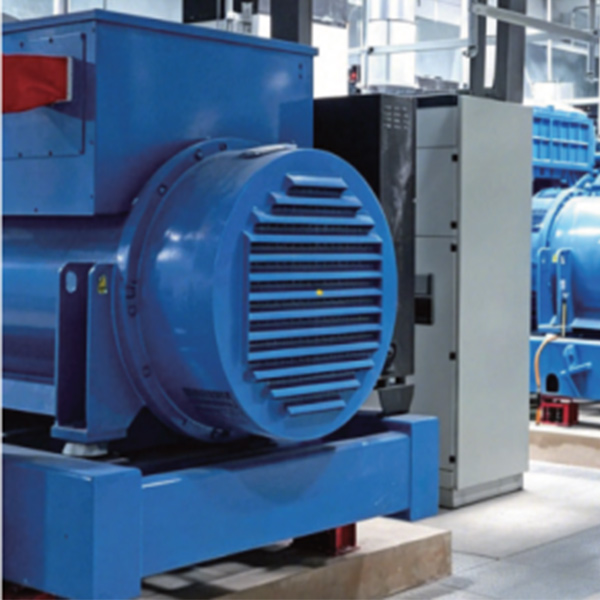
Typical facilities are not gigawatt stations. More often this is: 1) Modernization of boiler houses with switching to gas and generating electricity (cogeneration). 2) Providing energy for new production workshops or logistics complexes. 3) Isolated objects where connecting to networks is expensive or impossible - for example, fields with associated gas. In recent years, Chinese thermal power plants operating on low-pressure gas have become in great demand over the past five years.
I had experience with the supply of equipment for a small fish processing plant in Kamchatka. There is just case number 3. There are no networks, there is diesel, which is ruinous. We found a solution with a Chinese gas piston unit running on imported LPG. The integrator (I won’t name it) did all the work to containerize the solution. The main headache was not the station, but the organization of fuel delivery and training of local personnel. But the unit itself worked, there were no problems with any complaints. This is an illustrative case.
Price expectations and pitfalls
Of course, the main factor for the buyer is the economy. Chinese thermal power plants offer capital costs 20-40% lower than their European counterparts. But a smart buyer, and such people now predominate, looks at more than just the price in the contract. He considers life cycle costs. And there are nuances here.
Firstly, the cost and availability of spare parts. High-quality Chinese manufacturer (for example, the sameYuke Electricor their production partners) now often localize the warehouse of the most consumables in Russia. This is critical. Previously, this was precisely the problem - stopping for a month due to a simple filter killed all the savings.
Secondly, efficiency and resource. Not all Chinese thermal power plants are the same. Buyers began to understand. Now demand is shifting from simply “cheap” ones. towards “optimal in terms of reliability and efficiency?”. Those who are chasing the lowest price sometimes end up with outdated models or simplified configurations, which are then expensive to operate. Successful integrators filter this flow, offering the client proven options.
Thirdly, service. The buyer, especially the regional one, asks: “Who will serve?”. Having a service partner within a radius of 500-1000 km is often a decisive argument. Many Chinese manufacturers, through their distributors, are developing this network.
Impact of the current economic and logistics situation
The last two years have been a lot of confusion. On the one hand, supply chains have become more complex and transportation costs have increased. On the other hand, the departure of a number of Western manufacturers has freed up a niche. Chinese manufacturers have become more active in localizing not only warehouses, but also some assembly operations.
The buyer is now more cautious, but also more interested. The requests became more specific: “We need a 10 MW station, with the ability to operate on liquefied gas, with a full package of permits and a service contract for 5 years. Consider your options? It’s no longer just “send me a commercial offer?”. This is a request to an integrator with deep expertise.
Companies that can close such a request comprehensively, like the sameYuke Electricwith their groundwork in engineering and construction, they are winners. They do not sell equipment, but guaranteed power and peace of mind for the customer. And it is precisely such structures that today largely form the portrait of the “main buyer?” is a pragmatic business that is looking not just for a product, but for a responsible partner for a long-term project.
As a result, to summarize, the main buyer today is not an abstract large corporation, but rather a technically competent and pragmatic customer (be it a private company or a municipal enterprise), who makes a choice in conjunction with a “proven Chinese manufacturer + an experienced Russian integrator”. This bundle reduces risks, provides support and ultimately determines what equipment will be purchased, installed and, most importantly, operated successfully.
-


-
-


WeChat

-
WeChat