

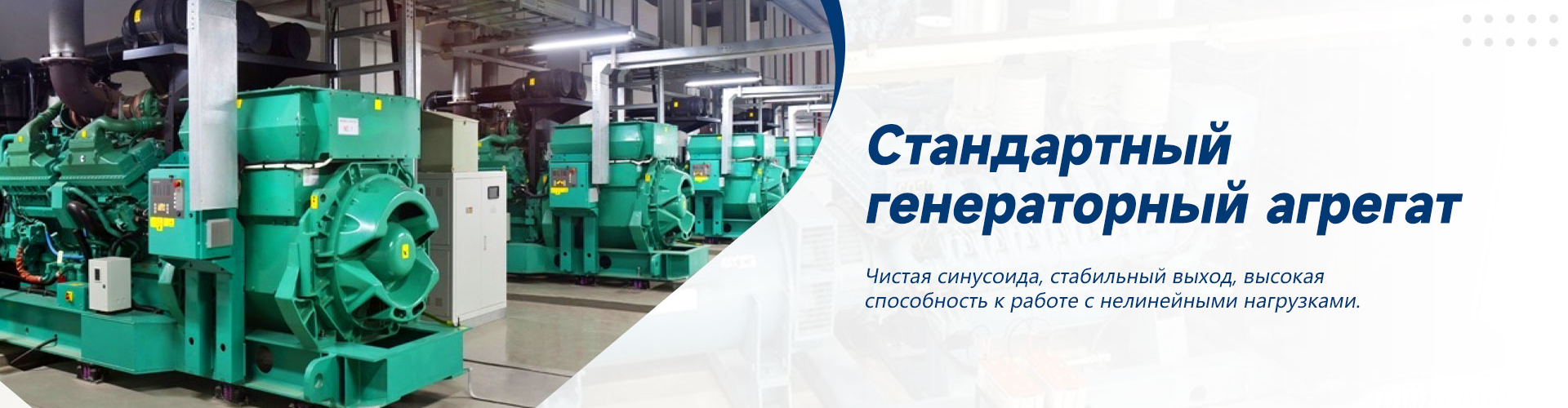
Where are Chinese 2000 kW diesel generators supplied?
2026-01-20
I often hear this question, and many immediately think about Africa or cheap construction projects. The reality, as usual, is more complicated. A power of 2 MW is already a serious player, not just a reserve, but often the basis of energy supply. And Chinese installations have long been not just a budget option, but a very specific choice for specific tasks. I’ll try to sort it out based on what I saw myself and what my colleagues encountered.
Key markets: non-obvious geography
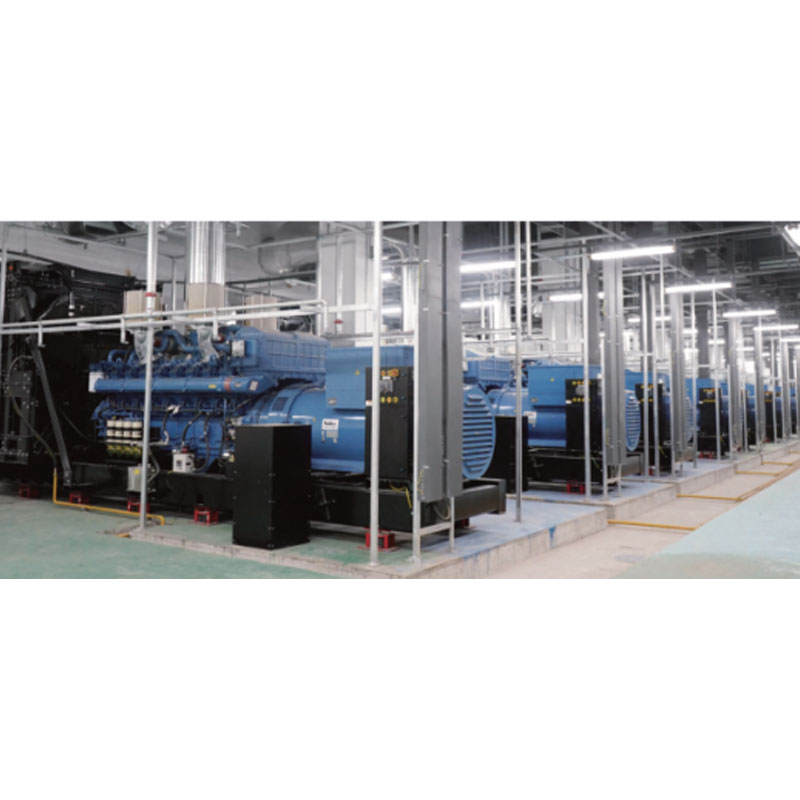
If we take it globally, the picture has changed a lot over the past 5-7 years. Previously, the main flow really went to developing regions with poor networks. Now - yesAfricaandSoutheast Asiaremain key areas, but the reasons are different. They often build not temporary camps, but full-fledged industrial facilities: mining and processing plants, cement plants, textile factories. They need stable, predictable energy to cycle continuously. There are no networks or they are unreliable, so they install thesediesel generatorsas the main source. I saw a project in Zambia for three such units for a copper mine - they have been operating in basic mode for years.
But there are also surprises. Supplies to the CIS countries and Eastern Europe have increased significantly. Especially for objects where not only price is important, but also relative manufacturability and installation speed. For example, logistics hubs or food production in Kazakhstan and Belarus. There, a Chinese 2000 kW generator can compete with Turkish or Korean counterparts based on a combination of factors: turnkey package solution, availability of spare parts in stock in the region, adaptation of controls to local requirements.
And the third large segment is the developing industrial zones themselves inside China. It sounds paradoxical, but yes, they are also supplied inside. Not all remote areas have stable power lines, plus there are specific facilities such as port terminals or waste treatment plants that prefer their own, autonomous power plant. By the way, this is a good testing ground for testing technologies before export.
Who buys and why: the customer’s logic
The typical buyer is not an individual, but an engineering company or contractor who has won a tender to build a factory or hospital. Their logic is simple: you need to meet the budget and deadlines, while providing guarantees. Chinese manufacturers often benefit from flexibility here. You can order not just a 2000 kW generator, but a complete set to suit your needs: a cooling system for hot climates, a noise-absorbing casing of a certain class, a control panel with the necessary communication protocols. European brands don't move that fast.
Another type of client is power rental companies. They care about total cost of ownership and field maintainability. Here, Chinese units, especially from trusted brands that have been on the market for decades, perform well. Parts are more accessible and diagrams are easier for local mechanics to understand. I saw how Weichai installations were working at a coal mine in Mongolia, moving between quarries - broken, but working.
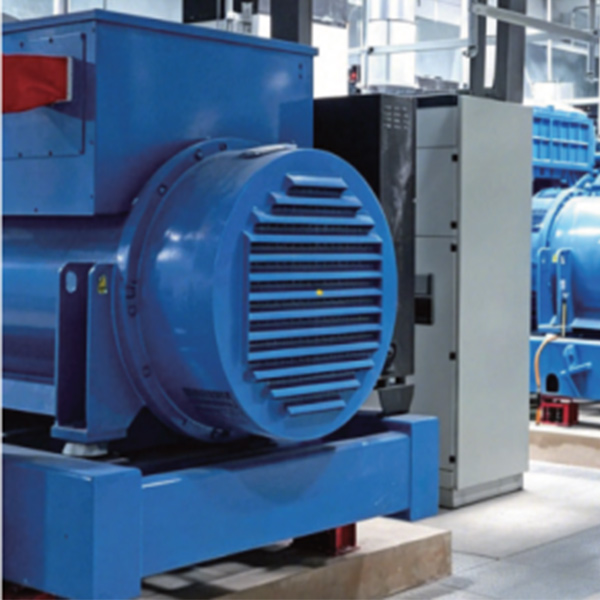
But there is also a downside. They don’t just buy Chinese, but look for a specific manufacturer with a history. A lot of consumer goods that fall apart after warranty. Therefore, those in the know look at the origin of the engine and alternator. It’s good if the engine is, say, Cummins, Weichai or Yuchai, and the alternator is Leroy Somer or Stanford - even if the assembly is Chinese, this is a different level of trust. By the way, they are often collected with very high quality.
Pitfalls and failed deliveries
Not everything is smooth, of course. The most common failure is when they skimp on engineering and adaptation. We delivered a standard car, designed for temperatures up to +35°C, to Saudi Arabia, where it is +50 in the shade. And that's all, overheating, constant stops. Or they didn’t take into account the quality of local diesel fuel - filters become clogged many times faster. This is not a mistake by the manufacturer, but often by an intermediary supplier who simply resold the box.
The second problem is logistics and customs. A 2 MW unit is a colossus, often delivered disassembled. If the documents are filled out incorrectly or the foundation is not prepared on site, the project is delayed for months. There was a case in Nigeria: generators arrived, but special cranes for installation could not get to the site due to the rainy season and washed out roads. Downtime costs hundreds of thousands of dollars.
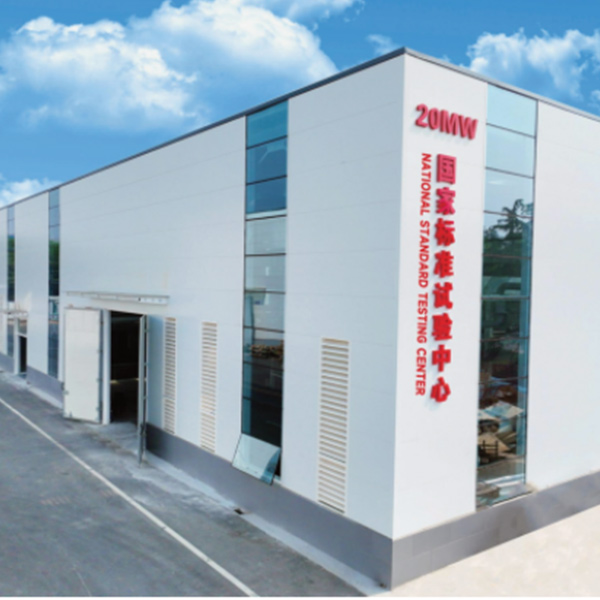
And third - service. Many Chinese factories are now opening service centers in key regions, but not everywhere. If the nearest engineer is two thousand kilometers away, and the contract provides for a response within 24 hours, this is a problem. Successful suppliers work through local partners with trained teams. For example, some projects are implemented through companies that have long been integrated into the local market, such asYuke (Shandong) Electrical Technology Co.,Ltd. They don't just sell equipment from their websitehttps://www.voyoko.ru, but offer a full cycle: from consultation and design to installation and maintenance. This is exactly the case when the DEVER Electric brand, which has been behind them since 2003, provides a basis for technological solutions, and a local presence solves problems on the ground.
Technical nuances that decide everything
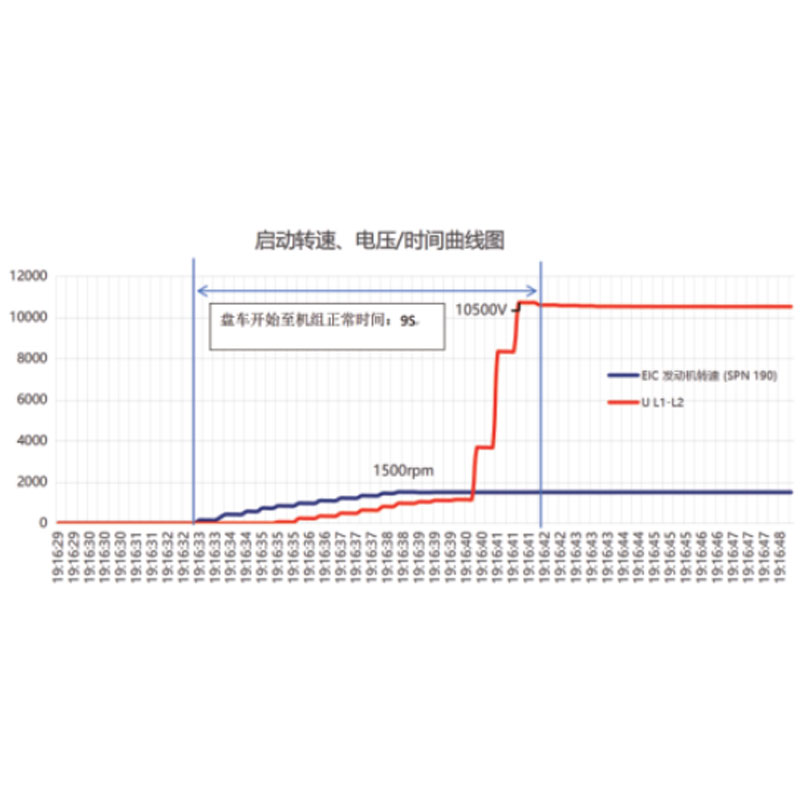
Here's what you really need to look at when choosing a supplier. Firstly, the control system. A modern 2000 kW installation is already a digital complex. It is important that the controller be intuitive, with the ability to remotely monitor and integrate into the overall SCADA system of the facility. Chinese manufacturers have stepped up their game here; many use their own developments or licensed platforms.
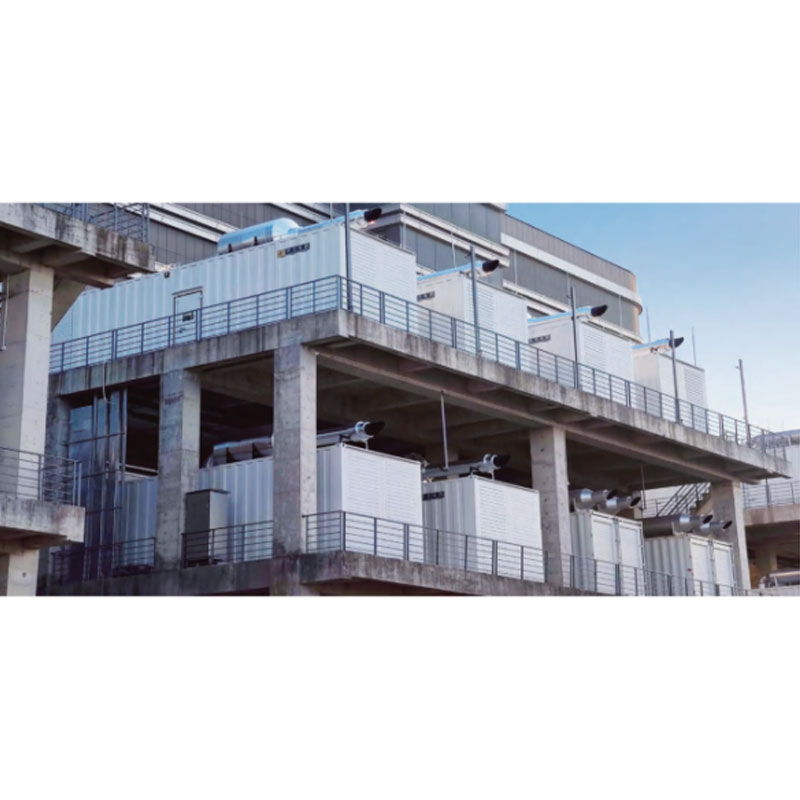
Secondly, noise and exhaust levels. Environmental standards are already becoming stricter even in Africa. A generator without a high-quality casing and exhaust cleaning system may simply not be accepted for operation. Good suppliers offer options right away, from a basic container to an all-weather hood with noise reduction of up to 75 dB(A) at a distance of a meter.
Thirdly, power reserve and the possibility of cascade operation. Often they install not one 2 MW unit, but two 1 MW units or three smaller ones for flexibility and redundancy. Chinese turnkey power plants are often designed with exactly this modular logic, which increases the reliability of the entire facility.
The Future: Where is the Market Heading?
The trend is obvious - hybridization. Increasingly, requests are not for pure diesel, but for diesel-solar hybrids or units capable of working with biofuels. Especially in places where there is access to cheap solar radiation, but a 100% guarantee of power at night is needed. Chinese engineers are on trend here; many R&D departments are developing exactly this.
The second is smart maintenance. Sensors, predictive analytics to change the oil not according to a schedule, but according to the real condition. This reduces the cost of ownership. Such solutions are no longer exotic; they are offered by advanced integrators.
And finally, the supply market itself. It becomes more segmented. There is a niche for premium assembly with European components, and there is a niche for low-cost but reliable solutions for basic tasks. The main thing is to understand for what project this particular one is needed.Chinese diesel generator 2000 kW. There is no universal answer to where it is supplied. It is delivered where there is a specific need for reliable, adaptable and economically feasible energy, and the supplier has been able to prove that it will solve not only the issue of iron, but also all the associated problems. Like the sameYuke Electric, which positions itself precisely as a full-cycle innovative and technological enterprise - from R&D to construction. This, perhaps, is the main shift: they are no longer selling a device, but a guaranteed energy function at the desired point in the world.
-


-
-


WeChat

-
WeChat