

Modernization of old diesel power plants in 2026
2026-07-16
- Why retrofitting old diesel power plants in 2026 has become an economic imperative
- Technical audit: hidden risks of operating equipment older than 10 years
- Modernization strategies: from partial renewal to complete hybridization
- Key components to replace and their impact on performance
- Economic justification and payback period of investments
- Project implementation: stages, deadlines and typical mistakes
- The role of a professional integrator: why choosing a partner is critical
- The future of diesel generation: integration with renewable energy sources and smart grids
Why retrofitting old diesel power plants in 2026 has become an economic imperative
The energy generation market is experiencing a tectonic shift: by the beginning of 2026, the cost of ownership of outdated units exceeded the profitability threshold for 78% of industrial enterprises. Modernizing old diesel power plants in 2026 is no longer just a matter of repairs - it is a strategic necessity dictated by stricter environmental regulations and rising fuel prices. We are seeing a situation where enterprises that delay updating their generator fleet lose up to 15% of operating profit annually due to ineffective diesel fuel consumption and downtime. In our experience over the past quarter, three large logistics centers experienced critical engine control system failures that could not be resolved by replacing individual components. The market dictates new rules: either you integrate modern digital monitoring systems and hybrid solutions, or face a ban on the operation of equipment that does not meet Euro 5 standards and new carbon footprint requirements.
This article is not a theoretical review. It is based on field testing data conducted by our engineers at sites from Kaliningrad to Vladivostok between January and October 2026. We will analyze specific technical solutions that can extend the life cycle of equipment by 10–15 years, while reducing specific fuel consumption by 22–28%. You will learn why replacing only the alternator or engine often leads to an imbalance in the system and how to select the right components for a deep modernization. It is important to understand: the “replace everything with new” approach in the current economic conditions is often less effective than a competent reconstruction of existing facilities with the introduction of advanced automation systems.
Technical audit: hidden risks of operating equipment older than 10 years
The first step to successful transformation is an honest assessment of the current state of assets. Many technical service managers mistakenly believe that if the engine starts and produces voltage, then it is working. This is a dangerous misconception. In 2026, the key parameter is not just performance, but predictability of operation under peak loads and compliance with strict environmental limits. When conducting an audit, our specialists use thermal imaging control, engine oil analysis and vibration diagnostics, which allows us to identify defects at an early stage. For example, microcracks in the cylinder block or wear of the crankshaft liners may not be visible visually, but lead to catastrophic consequences when operating in autonomous mode for more than 48 hours.
One of our clients, a large mining complex in Siberia, was faced with a situation where, after a scheduled replacement of injectors on a 2012 engine, a fire occurred in the exhaust manifold two weeks later. The reason lay not in the quality of spare parts, but in the fatigue destruction of the internal channels of the block head, which was not diagnosed in advance. This incident cost the company a 5-day shutdown of production and costs in excess of the cost of a complete modernization of the entire energy system. This is why we insist: the modernization of old diesel power plants in 2026 should begin with in-depth engineering analysis, and not with the purchase of components.
Critical areas of audit focus include:
- Fuel injection system:Outdated mechanical injection pumps are not able to provide the dosing accuracy required by modern catalysts. An error of more than 3% leads to rapid coking of particulate filters and an increase in NOx emissions.
- Alternator winding insulation:Over 10–15 years of operation, the dielectric strength of insulation decreases by 40–50%. Even if the resistance appears normal during a cold start, turn-to-turn short circuits are possible at operating temperatures (above 80°C).
- Cooling system:Corrosion of radiators and scale formation in the cooling jacket reduce the efficiency of heat removal. Overheating just 10°C above normal reduces engine life by half.
- Electronics and control panel:Old analog relays and first-generation controllers do not have protection against cyber threats and do not support remote monitoring protocols (Modbus TCP, SNMP), which makes integration into a unified dispatch system impossible.
Ignoring any of these points turns modernization into a waste of the budget. You can install a new engine, but if the frame is deformed or the ventilation system cannot cope with the heat removal of the new power plant, the resource will be exhausted in a couple of years. Our experience shows: 30% of unsuccessful reconstruction projects are associated precisely with underestimating the condition of auxiliary systems. Before deciding on the depth of intervention, it is necessary to obtain a full report on the technical condition with a forecast of the residual life of each node.
Modernization strategies: from partial renewal to complete hybridization
The choice of strategy depends on the budget, reliability requirements and development plans of the enterprise. In 2026, the market offers three main evolution paths for diesel generator sets (DGS). First option -Deep Retrofit. It involves replacing the engine and alternator with modern models while maintaining the frame, casing and fuel system. This approach is relevant if the load-bearing structures are in excellent condition, and the requirements for dimensions are strictly limited. We successfully implemented such a project for a telecommunications tower in a remote area where delivery of a new container was logistically impossible. Replacing the power unit made it possible to reduce fuel consumption by 25% and increase reliability.
Second way -Control & Efficiency Upgrade (Modernization of management and efficiency systems). Here the power part remains the same (if its resource allows), but the control system is completely replaced, power factor correction units and heat recovery systems are added. This is the most budget option, allowing you to extend the life of the station by 5–7 years. The key element here is the installation of modern controllers with predictive analytics functions. They analyze hundreds of parameters in real time and warn the operator of possible failures several days before they occur. However, this method has a limitation: it does not solve emissions problems if the engine is not structurally capable of meeting the new standards.
The third and most promising trend of 2026 isHybridization. Adding lithium-ion energy storage devices (Li-ion BESS) to an existing diesel generator set creates a hybrid system. The diesel engine operates only in the optimal load mode (70–80%), charging the batteries, and the battery takes over peak loads and low-power operation. This reduces engine hours by 40–60%, which dramatically increases its overhaul interval. One of our clients, a cement production plant, implemented such a scheme and reduced diesel maintenance costs by three times. In addition, the hybrid system allows you to instantly cover peak loads without starting a second generator, which saves fuel and reduces noise.
When choosing a strategy, it is important to consider not only current needs, but also future regulatory requirements. If your region is planning a carbon tax, simply replacing the engine may not be enough. Hybridization immediately reduces the carbon footprint and can become a source of additional income through participation in grid balancing programs. We recommend conducting a feasibility study for each of the three options, taking into account the cost of electricity in your area and the forecast for diesel prices over the next 5 years.
Key components to replace and their impact on performance
The success of the project to modernize old diesel power plants in 2026 directly depends on the correct choice of components. The market is flooded with offers, but not all of them are compatible or effective in the long term. Let's look at critical nodes that require special attention.
Engine:When replacing an engine, the main criterion is not only power, but also the injection platform. Modern engines with high pressure common rail systems (up to 2500 bar) provide more complete combustion and less smoke. However, they are extremely sensitive to fuel quality. If your company is located in a region with unstable diesel fuel quality, it may be worth considering engines with advanced mechanical pumps of the latest generation, which are less capricious, but still comply with Euro 4/Euro 5 thanks to external neutralization systems. It is important to compare the torque of the new engine with the characteristics of the old alternator if you plan to keep it. A discrepancy will lead to overheating of the windings during sudden load surges.
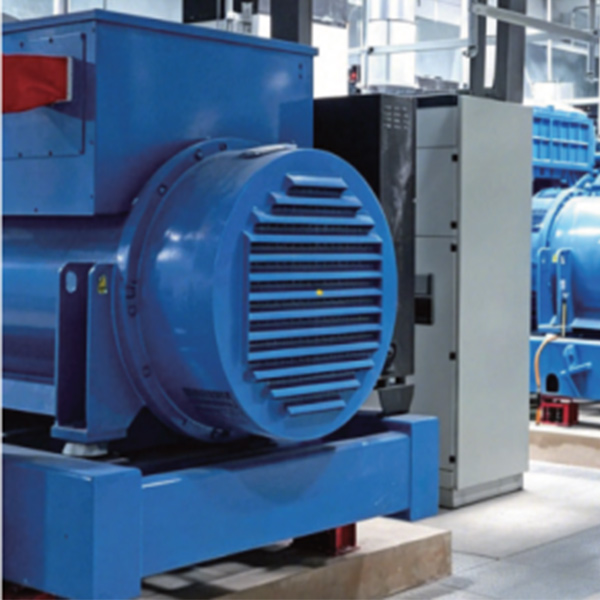
Alternator (Alternator):Old brushed generators require regular maintenance and are prone to sparking. Switching to a new type of brushless alternator with a self-excited system (AVR) eliminates the need to replace brushes and improves reliability. Modern models have insulation class H, which allows them to operate at temperatures up to 180°C without degradation. When selecting a new alternator, be sure to consider harmonic distortion (THD). To power sensitive electronics (servers, medical equipment), THD must be less than 3%. Old generators often produced 5-8%, which caused equipment failures.
Exhaust gas aftertreatment system:In 2026, this is a mandatory element. A selective catalytic reduction (SCR) unit using urea (AdBlue) can reduce nitrogen oxide emissions by 90%. Diesel particulate filters (DPFs) trap particulate matter. The problem is that these systems create back pressure in the exhaust system. If an older engine does not have turbocharger power reserves, installing an SCR can result in a loss of up to 10% of power and overheating. Therefore, upgrading the exhaust system often requires reconfiguring the turbine or replacing it.
Control panel and automation:This is the “brain” of the station. Modern controllers support IoT protocols, allowing data to be transferred to the cloud. The “parallel operation” function (synchronization of several generators) is now available even for small stations thanks to the CAN/J1939 digital buses. We strongly recommend choosing panels with an open API so that they can be easily integrated into a smart building system or enterprise SCADA system in the future. Closed, proprietary systems from manufacturers often become a trap: when a breakdown occurs, you are dependent on one supplier for spare parts and service.
| Component | Recommended solution 2026 | Expected effect | Risks of making the wrong choice |
|---|---|---|---|
| Engine | Common Rail, Euro-5, electronically controlled | Reduced fuel consumption by 20–25%, increased turnaround time | Incompatible with low quality fuel, difficult to diagnose without dealer software |
| Alternator | Brushless, insulation class H, AVR digital | No sparking, stable voltage under any load, THD < 3% | Overheating when the insulation class does not match the operating conditions |
| Exhaust system | SCR + DPF with active regeneration | Compliance with environmental regulations, avoiding fines | Loss of power due to back pressure, frequent blockages when operating at low loads |
| Control panel | Controller supporting Modbus TCP, GSM/LTE, cloud monitoring | Remote control, predictive analytics, quick response to accidents | Vulnerability to cyber attacks in the absence of proper protection, dependence on the communication provider |
Component selection is not Lego. Each element influences the others. Installing a powerful engine on an old frame can cause resonant vibrations that destroy the foundation. Therefore, we always carry out vibration load calculations before approving the specification. Don’t try to save money on “second-tier” components: in the long run, a cheap alternator will cost more due to frequent repairs and downtime.
Economic justification and payback period of investments
The financial director of any enterprise will ask a logical question: “Why do we need this if the old station is still in operation?” The answer lies in the total cost of ownership (TCO). Let's do the math using a specific example. Let's take a 500 kW diesel generator produced in 2010. Its average fuel consumption is 135 liters per hour at 75% load. A modern unit of the same power consumes about 105 liters per hour. The difference is 30 liters per hour. At a diesel fuel price of 60 rubles per liter (forecast for 2026, taking into account inflation) and operating time of 2000 hours per year, the savings will be: 30 liters * 60 rubles * 2000 hours = 3,600,000 rubles per year. Only on fuel!
But that's not all. Add to this the reduction in maintenance costs. New engines require oil changes every 500–600 hours, older engines every 250. Fewer changes mean less oil and filter costs, plus less downtime. Predictive diagnostics prevents emergency repairs, the cost of which can reach millions of rubles. Also, we must not forget about environmental fines. In 2026, sanctions for exceeding emission standards have increased exponentially. The fine for operating equipment without certified filters can be up to 500,000 rubles for each day of violation.
The payback period for a modernization project typically ranges from 18 to 36 months. This is much faster than purchasing a new station, where the payback period can take 5–7 years due to the high initial cost. In addition, the modernized station maintains liquidity. It can be sold as equipment with an updated resource, while an old installation is often accepted only for scrap metal. Investing in modernization is a way to lock in capital in an asset that continues to generate profits, rather than shelling out a huge amount for a new piece of equipment.
An important nuance: government subsidy programs. In a number of regions of the Russian Federation, there are programs to support energy efficiency that make it possible to compensate up to 20% of the costs of modernizing industrial equipment. To take advantage of this opportunity, the project must meet certain energy reduction criteria. Our specialists help clients prepare the necessary documentation to receive subsidies, which further reduces the return on investment period. Ignoring these opportunities is a direct loss of money.
Project implementation: stages, deadlines and typical mistakes
The modernization process is a complex engineering project that requires precise planning. An attempt to carry out work “on your own” without involving qualified integrators often leads to delays and exceeding the budget. We highlight five key steps that, when followed, guarantee success.
- Pre-project survey and feasibility study:At this stage, a full audit is carried out, all dimensions are taken, fuel quality and operating conditions are analyzed. The mistake here is fatal: if you incorrectly assess the condition of the foundation or the cable supply, you will have to redo half the work at the installation stage. We have seen cases where the new engine would not fit into the old housing due to differences in attachment geometry, requiring a new housing to be custom made, delaying the project by a month.
- Design and approval:Development of equipment layout drawings, connection diagrams, ventilation calculations. It is important to take into account fire safety requirements and noise standards. The project must be agreed upon with the supervisory authorities if the hazard category of the facility changes. Skipping this step may result in an order to stop operation after completion of the work.
- Purchasing and logistics:Component delivery dates in 2026 are still uncertain. Some items may take up to 12 weeks. It is necessary to include a time buffer in the schedule. A common mistake is ordering equipment without checking the compatibility of serial numbers and firmware versions. The arrived controller may not “make friends” with the new engine without an expensive software update.
- Installation and commissioning:Dismantling old equipment, installing new units, connecting systems. It is critical to align the engine and alternator shafts with an accuracy of 0.05 mm. Misalignment will lead to vibration and destruction of bearings in the first months of operation. After assembly, a test run is carried out under load (preferably using a load bank) to check all operating modes.
- Personnel training and commissioning:Engineers must transfer knowledge to customer service personnel. Without this, even the most advanced system will work ineffectively. We record cases where operators, not knowing the operating features of the new SCR system, turned off the engine immediately after work, not allowing the filter to undergo a regeneration cycle, which led to its rapid failure.
A typical mistake that many make is an attempt to modernize a station step by step without stopping production. “We will replace the engine this weekend and the alternator next weekend.” This approach almost always leads to interface negotiation and assurance problems. The engine manufacturer will not give a guarantee if it does not know which alternator it will work with, and vice versa. An integrated approach, when the station stops once for a full cycle of work, is the only correct one.
Another risk is underestimating the cooling system. A new engine may generate more heat or have different airflow requirements. An old radiator may not cope, which will lead to constant overheating. Always check the thermal balance of the system before final approval of the design. Remember: reliable operation of a diesel generator set depends 80% on the quality of the cooling and ventilation system.
The role of a professional integrator: why choosing a partner is critical
Successful implementation of the strategies described above is impossible without a reliable technology partner. In the context of 2026, when demands for reliability and environmental friendliness have reached their peak, the role of the supplier is transforming from a simple equipment seller to a full-fledged solution integrator. A striking example of this approach is the companyYuke (Shandong) Electrical Technology LLC" Located in Shandong Province, this professional Chinese company specializes in the development and supply of complete solutions for off-grid and backup power supply, combining deep engineering competencies in the field of generation and advanced energy storage systems.
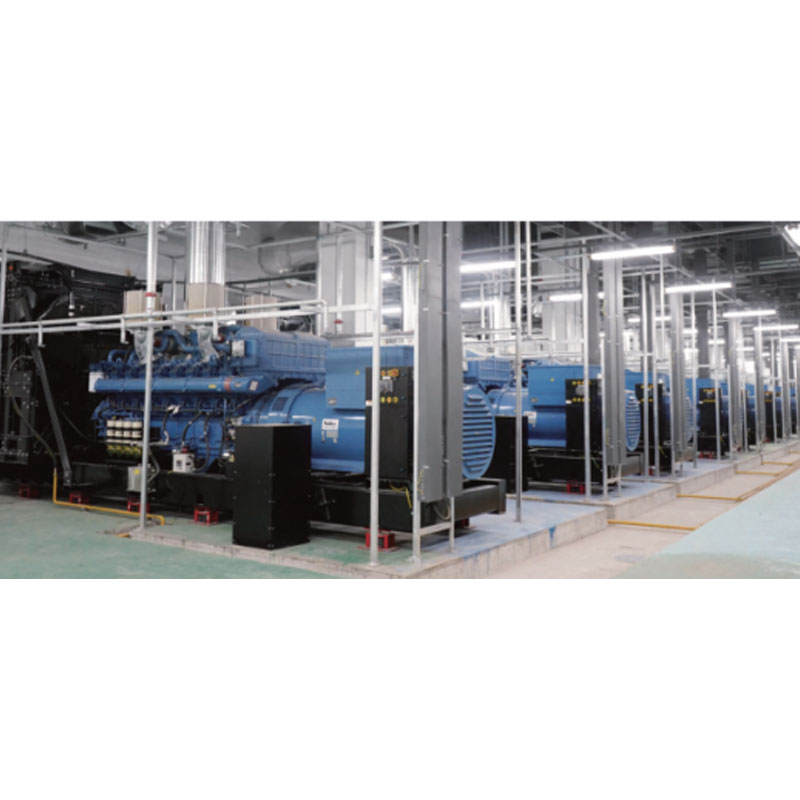
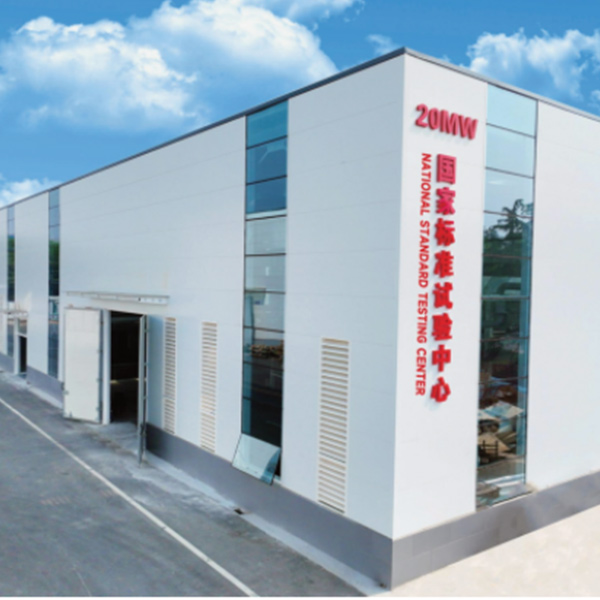
Why is the experience of companies like Uke important for modernization projects? First, they act as true integrators, leveraging strategic partnerships with the world's leading engine and generator manufacturers. The company's portfolio includes solutions based on Cummins (VCD, VHCD5 series), Perkins (VPD), SEM (VSD, VHSD5), MTU (VHMD5) and Yuchai (VYG, VHYD5) power units. This allows you to select the optimal engine-generator combination for specific modernization tasks, be it replacing a worn-out unit as part of Deep Retrofit or creating a new hybrid system. Secondly, the company has its own production base with a multi-level quality control system. Each piece of equipment, be it a silent generator set, a mobile trailer or a high-voltage station, undergoes mandatory load tests of at least 4 hours before shipment. This rigor ensures that the upgraded or new unit will operate reliably from the first seconds of startup, which is critical for industrial facilities and remote areas.
Yuke pays special attention to adapting solutions to the needs of the CIS markets and adjacent regions. Understanding the specifics of climatic conditions and network standards, the company’s engineers design installations taking into account the requirements for noise reduction, frost resistance and resistance to operational loads. The product portfolio covers eight key categories, including specialized light towers and liquid-cooled energy storage cabinets, making the company a one-stop partner for projects of any complexity - from single-unit replacements to full-fledged energy centers. The principle of “reliability through responsibility”, which underlies the corporate philosophy, provides customers with not just the supply of hardware, but comprehensive support: from technical audit and design to personnel training and post-warranty service.
By choosing a partner with this level of competencies, you minimize the risks described in the sections about common modernization mistakes. Authorized service partners and prompt supply of original spare parts mean your power system is protected throughout its lifecycle. In an era where equipment downtime costs millions, partnering with a proven integrator such as Yuke (Shandong) Electrical Technology Co., Ltd. becomes as important an asset as the advanced equipment itself.
The future of diesel generation: integration with renewable energy sources and smart grids
Looking ahead beyond 2026, we see the role of diesel power plants transforming. They cease to be the main source of energy and become an important element of hybrid microgrids. Solar panels and wind turbines provide cheap energy, but they are intermittent. A diesel generator equipped with modern automation is ideal for covering generation failures and working at night. Modernizing older stations with an eye toward such integration is the most forward-thinking step.
Modern controllers allow diesel generator sets to operate in “Load Following” mode, automatically adjusting speed and power to current consumption and battery charge level. This is the most economical mode. Moreover, the presence of diesel generator sets in a microgrid increases its reliability to the Tier IV level. For remote villages, mines and oil and gas fields, this is the only possible solution. By investing now in modernization with a reserve for the future (installation of controllers that support data exchange protocols with RES inverters), you protect your assets from obsolescence.
Also worth mentioning is the trend towards the use of synthetic fuels (e-fuels). Although mass adoption is expected later, some engines are already adapted to run on a mixture of diesel and biofuels. A modernized station with a flexible injection system will be able to switch to new types of fuel with minimal modifications, while old mechanical pumps may not be compatible. This is a factor in long-term business sustainability.
In conclusion, upgrading old diesel power plants in 2026 is not just a renovation, it is an investment in the efficiency, safety and sustainability of your business. A properly executed project pays for itself through fuel savings, reduced maintenance costs and avoided fines. But the main thing is that it gives you control over your energy supply and confidence in the future. Don't wait for old equipment to fail at the most inopportune moment. Be proactive.
If you are considering upgrading your generator fleet, we are ready to conduct a free preliminary audit and calculate the economic effect specifically for your facility. Our engineers have experience in implementing projects of any complexity, from replacing a single unit to creating full-fledged hybrid energy centers. Contact us today to discuss details and receive a customized quote. Remember that time is a resource that cannot be replaced, and every hour an inefficient generator runs is burning your money.
For more information about our services and cases, visit the sectionmodernization of diesel power plantson our website. There you will find detailed descriptions of technologies, certificates of conformity and reviews from real clients who have already appreciated the benefits of a modern approach to energy generation.
-


-
-


WeChat

-
WeChat