

Environmental standards for diesel generators: new standards
2026-07-16
- New environmental standards of 2026: what has changed for diesel generators
- Technical requirements of Stage V and Euro 6 standards
- The impact of new rules on the choice of equipment and TSO
- Certification and documentary evidence of compliance
- Problems of operation in harsh climatic conditions
- Supplier selection strategy and risk minimization
- Frequently Asked Questions
- Conclusion and recommendations for action
New environmental standards of 2026: what has changed for diesel generators
From January 1, 2026, toughenedenvironmental standards for diesel generators: new standards, which radically change the rules of the game in the industrial energy supply market. If you are planning to purchase equipment this year, older Stage IIIA or Euro 3 models will no longer pass certification in most regions of the Eurasian Economic Union and the European Area. We are seeing large logistics centers and mining enterprises face fines for using outdated fleets of equipment that were considered fully functional just a year ago. The main goal of the new regulations is to reduce emissions of nitrogen oxides (NOx) and particulate matter (PM) by 80% compared to ten years ago. This is not just bureaucracy, but a real engineering challenge that requires the implementation of complex exhaust gas aftertreatment systems.
In our energy solutions implementation practice, we encountered a situation where a client from the oil and gas sector ordered a batch of 500 kW generators without taking into account updated noise and emissions requirements. The result was that the equipment sat in customs for three weeks until engineers designed and installed additional particulate filters and selective catalytic reduction (SCR) systems, which increased the final cost of the project by 22%. This case clearly demonstrates: ignoring relevantSource: UNECEleads to direct financial losses. Now, when we are writing this material at the beginning of 2026, the market has finally divided into those who have adapted to Stage V / Euro 6 standards, and those who are trying to sell the remaining stocks at dumping prices, hiding the risks of operation.
Technical requirements of Stage V and Euro 6 standards
Understanding specific numbers and parameters is critical for the chief engineer or purchasing director making capital investment decisions. Newenvironmental standards for diesel generators: new standardsdictate maximum permissible concentrations of harmful substances that cannot be achieved by simple engine tuning. We are talking about a comprehensive redesign of the exhaust system. For engines with power over 56 kW (the range most in demand in industry), the limit on particulate matter (PN - Particle Number) is reduced to 6 × 10¹¹ pcs./kWh. This requires the mandatory use of diesel particulate filters (DPF), which were previously used only in road transport.
Nitrogen oxides (NOx) remain the main enemy of environmentalists. The limit for new fixed and mobile installations is now 0.4 g/kWh for most power categories. To achieve this figure, manufacturers are forced to integrate SCR (Selective Catalytic Reduction) systems that use the AdBlue reagent (urea solution). In our engineering practice, we see that many users underestimate the complexity of maintaining such systems. For example, one of our clients in Siberia encountered crystallization of urea in the nozzles at temperatures below -15°C, since the tank heating system was designed for the European climate, and not for the realities of the Russian winter. This led to an emergency shutdown of the generator during peak load periods.
It is important to note that the Stage V standard, which became the de facto benchmark for 2026, also introduced the concept of “non-cyclic testing”. Previously, manufacturers optimized engines only for laboratory test cycles. Now monitoring is carried out under real operating conditions (RDE - Real Driving Emissions for mobile equipment and similar protocols for stationary equipment). This means that the characteristics stated in the passport must be observed not only at the stand, but also during load changes, changes in altitude and temperature fluctuations. When selecting equipment, be sure to ask for test reports from independent laboratories, not just the manufacturer's internal reports.
Another critical parameter was data transparency. Modern generator set controllers are required to transmit data on the operation of environmental systems in real time. If the DPF system is clogged or the urea level is critically low, the engine must automatically go into reduced power mode or stop to comply with the law. For the operator, this means the need for strict adherence to maintenance regulations. An attempt to bypass the sensors or use cheap analogs of consumables now leads not just to breakdown, but to legal liability of the owner of the object.
The impact of new rules on the choice of equipment and TSO
Transition to newenvironmental standards for diesel generators: new standardsinevitably affects the cost structure. The initial purchase price (CAPEX) of a Stage V generator is 15–25% higher than that of the previous generation. This difference is due to the cost of catalysts, NOx sensors, control units and the complicated design of the exhaust tract. However, focusing only on the purchase price is a serious financial planning mistake. It is necessary to consider the total cost of ownership (TCO) over a 5-7 year horizon.
Let's look at the economics of the issue using a specific example. An old-style 250 kW generator costs approximately 25,000 euros, and a new one, corresponding to 2026 standards, costs 30,000 euros. The difference of 5,000 euros seems significant. But the old unit consumes 8–12% more fuel due to less efficient combustion and the lack of advanced injection control electronics. With 2,000 engine hours per year and a diesel fuel price of 0.9 euros per liter, the overconsumption will be about 3,600 - 4,500 euros annually. Thus, the overpayment for “ecology” pays off in less than two years solely due to fuel savings.
In addition, the new standards require accounting for operating expense expenditures (OPEX) associated with maintaining treatment systems. You will need to regularly purchase urea (AdBlue) and change DPF filters. Urea consumption is usually 3–5% of diesel fuel consumption. For a 250 kW generator, this is an additional cost of about 800–1000 euros per year. It is also necessary to take into account the cost of replacing the catalyst, the service life of which is approximately 15,000 - 20,000 operating hours. This is a major expense that needs to be reserved in advance. However, even with these costs taken into account, the overall balance often favors new equipment due to increased reliability and the absence of the risk of fines.
Penalties for exceeding emissions standards in 2026 have reached unprecedented levels. In a number of EU countries and regions of the Russian Federation, the inspectorate can not only issue a fine amounting to tens of thousands of euros, but also seal the equipment until the violations are eliminated. For industrial enterprises, a downtime in a production line due to a power outage costs more than any fine. Therefore, purchasing certified equipment is a form of business continuity insurance. When calculating the project budget, we recommend setting aside at least 10% of the cost of equipment to create a supply of consumables for environmental systems for the first year of operation.
Certification and documentary evidence of compliance
In a market saturated with offers from different jurisdictions, the issue of document legitimacy comes to the fore. The buyer must clearly distinguish between certificates of conformityenvironmental standards for diesel generators: new standards. The main document for the market of the Eurasian Economic Union (EAEU) is the Certificate of Conformity TR CU 014/2011 “Road Safety” (for internal combustion engines) and the declaration of conformity with the technical regulations of the Customs Union. Without EAC marking, the operation of equipment in Russia, Belarus, Kazakhstan, Armenia and Kyrgyzstan is illegal.
To export to Europe or work with international contractors, an EU Type Approval certificate confirming compliance with EU directives 2016/1628 (Stage V) is required. It is important to understand the difference between certification of the engine itself and certification of the complete generator set. An engine may be Stage V certified, but if the muffler and generator exhaust system have not undergone additional noise and emissions testing as part of a specific frame, the entire installation may be considered non-compliant. In our practice, there was a case when a client bought a “certified engine”, assembled the installation in a local workshop and was refused acceptance of the object by the supervisory authorities precisely because of the lack of a certificate for the finished product.
When requesting a commercial offer, always request copies of current certificates, checking their relevance in the RosAccreditation registers or European databases. Fraudsters often provide expired documents or certificates issued for other engine models. Please note the date of issue and expiration date. Standards are changing quickly, and a document issued in 2023 may no longer cover 2026 requirements for certain power ranges. Also check the presence of an annex to the certificate, which indicates specific HS codes and equipment modifications.
The issue of warranty deserves special attention. Many manufacturers will void warranties if the owner uses uncertified consumables (such as cheap high-biuret urea) or tampers with the engine control unit (ECU) to disable environmental systems. The supply contract must clearly state the list of permitted technical fluids and filters. Violation of these points gives the supplier the legal right to refuse free repairs even if there is a manufacturing defect, citing improper operation.
| Comparison parameter | Stage IIIA / Euro 3 standard | Standard Stage V / Euro 6 (2026) | Practical impact on the user |
|---|---|---|---|
| NOx emissions (g/kWh) | 3.5 – 5.0 | 0.4 – 0.6 | Requires SCR system with urea. Increased maintenance complexity. |
| Particulate Matter (PM/PN) | 0.2 g/kWh (mass) | Particle limit (PN) | Mandatory installation of a diesel particulate filter (DPF). Risk of clogging when operating at light loads. |
| Control system | Mechanical or simple electronics | Sophisticated electronics with constant monitoring | The need for qualified personnel to diagnose errors. |
| Fuel consumption | 10-15% higher | Optimized injection, lower consumption | The savings on fuel offset the cost of urea. |
| Sensitivity to fuel quality | Average | Critically high | Requires Euro 5 or higher fuel. Risk of damage to injectors and catalysts. |
| Cost of ownership (5 years) | Low purchase, high operating costs | High purchase, optimized operating costs | The TCO of new equipment is often lower due to fuel savings and no penalties. |
Problems of operation in harsh climatic conditions
Russia and the CIS countries are characterized by vast areas of extremely low temperatures, which pose unique challenges to complianceenvironmental standards for diesel generators: new standards. Stage V and Euro 6 technologies have been developed primarily for moderate European climates. Integrating complex neutralization systems into environments where temperatures drop to -40°C or below requires special engineering solutions that are often overlooked by standard suppliers.
The main problem is the operation of the SCR system at subzero temperatures. Urea solution (AdBlue) freezes at -11°C. If the fluid freezes in the tank or pipes, the system will stop delivering reagent to the exhaust pipe. The electronic control unit (ECU) will detect a malfunction and, according to law, is required to limit engine power or prevent it from starting. To avoid this, modern generators for the northern version are equipped with electric heaters for tanks, fuel lines and the catalysts themselves. The energy consumption of these systems can reach 2–3 kW, which must be taken into account when calculating the generator’s own electricity needs (own needs).
The second critical aspect is diesel particulate filter (DPF) regeneration. The process of burning off accumulated soot requires increasing the temperature of the exhaust gases to 600°C. This process is only possible when there is sufficient load on the engine (usually above 40–50% of the nominal value). In reality, many generators operate in standby mode or at partial load (less than 30%), especially in telecommunications towers or remote camps. When working this way, the filter does not have time to clean itself and quickly becomes clogged. Forced regeneration is possible, but it requires operator intervention and additional fuel consumption. We have recorded cases where generators failed after 500 operating hours due to complete coking of the filter, because the operating mode did not meet the technology requirements.
The quality of fuel in remote regions also plays a fatal role. High-pressure Common Rail systems and sensitive catalysts do not forgive the presence of water, mechanical impurities or high sulfur content in diesel. Using fuel with a standard lower than Euro-5 leads to rapid poisoning of the catalyst and failure of expensive injectors. The solution to this problem lies in organizing a high-quality fuel pre-filtration system with water separation and heating of fine filters. Ignoring this step turns a modern high-tech generator into a source of constant problems.
One of our clients in Yakutia was faced with the fact that imported “premium class” generators refused to start in winter not because of the engine, but because of icing of the air intakes of the exhaust gas recirculation (EGR) systems. The condensation, mixing with soot, turned into an ice plug. The manufacturer had to modify the design of the air ducts and install additional moisture separators at the site of operation. This example emphasizes: you cannot blindly trust the factory settings; adaptation to local conditions is necessary.
Supplier selection strategy and risk minimization
Selecting a generator equipment supplier in harsh conditionsenvironmental standards for diesel generators: new standardsshould not be based on the lowest price, but on technical competence and the ability to provide service support. The market is flooded with offers from “gray” importers who sell equipment without official adaptation to the requirements of 2026. Buying from such a seller is a lottery where winning is unlikely.
When evaluating a supplier, ask the following questions:
- Does the equipment have a valid certificate of conformity for the current year?
- Does the supplier provide training for your staff to maintain SCR and DPF systems?
- Is the supply of original consumables (filters, catalysts, urea) guaranteed throughout the entire service life?
- Does the service department have experience in repairing Euro 6 level electronics, or do they only know how to “change the oil”?
We recommend giving preference to manufacturers who have their own engineering centers in the region where they operate and can quickly make changes to the design to suit your needs. Large concerns (Cummins, Perkins, Volvo Penta) offer high quality, but often at a high price. The optimal compromise is found in companies that combine advanced global components with flexible adaptation to regional standards. A striking example of this approach isYuke (Shandong) Electrical Technology LLC. This professional Chinese company specializes in the development and production of comprehensive solutions for autonomous energy supply, combining engineering competencies in the field of generation and modern energy storage technologies.
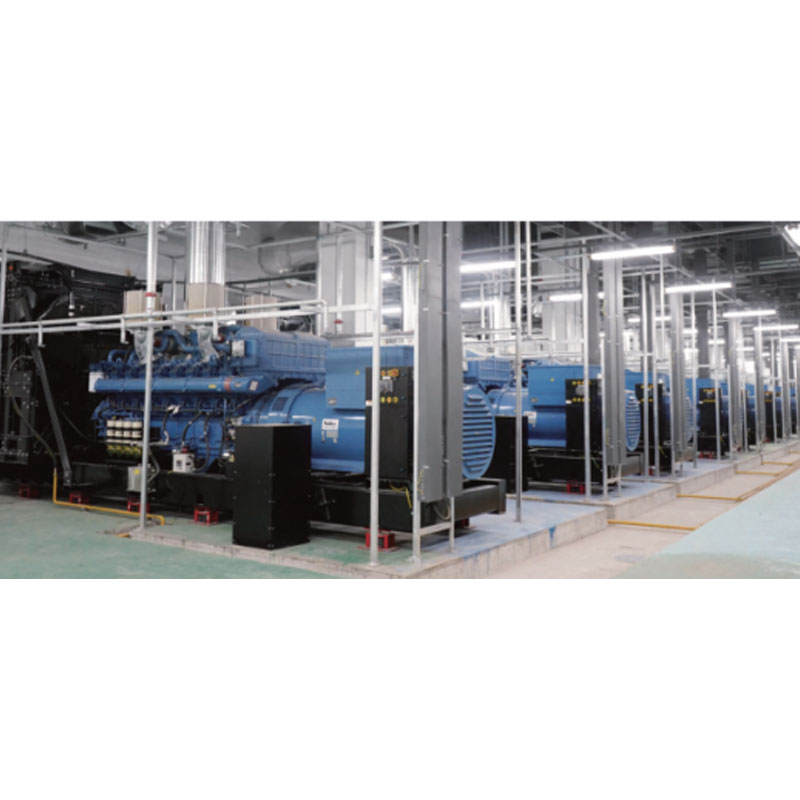
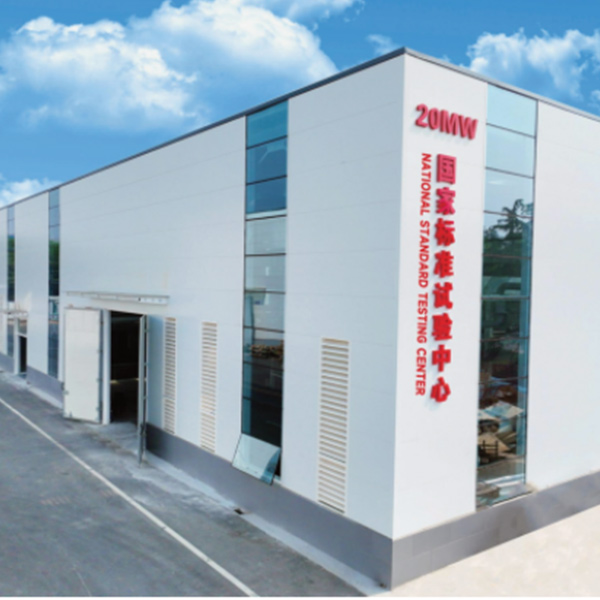
Unlike many competitors, Yuke operates as a full-fledged integrator, relying on strategic partnerships with industry leaders. Their product line includes solutions based on Cummins (VCD, VHCD5 series), Perkins (VPD), SEM (VSD, VHSD5), MTU (VHMD5) and Yuchai (VYG, VHYD5) engines. This approach allows for installations designed from the ground up to Stage V/Euro 6 requirements, including sophisticated noise reduction systems and compatibility with digital control systems. The company pays special attention to quality control: each piece of equipment undergoes mandatory load tests lasting at least 4 hours, as well as checking noise, vibration and temperature parameters before shipment.
For the CIS markets and other regions with harsh climates, Yuke's key advantage is the ability to adapt solutions to local conditions. The company has its own technical base for modernizing heating systems for AdBlue tanks, protecting air intakes from icing and installing reinforced filters for low-quality fuel. Their portfolio includes not only classic diesel generators, but also specialized mobile stations, high-voltage installations and liquid-cooled energy storage cabinets, making them a one-stop partner for infrastructure projects of any complexity. The presence of a network of authorized service partners and a guarantee of supply of original spare parts ensure reliable operation throughout the entire life cycle of the equipment.
An important aspect is the availability of a spare parts warehouse. The ecology system makes the generator more vulnerable. The failure of one NOx sensor can shut down the entire power plant. If a part needs to wait 4–6 weeks from Europe or Asia, the losses from downtime will be many times greater than the savings on purchase. Check the availability of running parts at the supplier's warehouse in your time zone. The supply agreement must include clauses on service team response times (SLA). For critical facilities, the engineer's arrival time should not exceed 24 hours.
Don't forget about the possibility of modernization. If you have a fleet of older equipment, a complete write-off may not be economically feasible. There are retrofit (retrofit) programs that allow you to install DPF and SCR systems on older engines. However, the effectiveness of such solutions depends on the condition of the base engine. It is often easier and more reliable to buy a new car than to try to revive an old one to new standards. Conduct a feasibility study (TES) for each specific case, taking into account the remaining engine life.
Frequently Asked Questions
Can old-style generators be used after 2026?
You can use previously purchased equipment if it was put into operation and registered before the new regulations came into force. The law generally does not apply retroactively to an existing fleet. However, you will not be able to officially put into operation new generators of the old standard, and you will also face restrictions when selling or exporting such equipment abroad. In addition, tightening emission controls in cities may result in mobile equipment below a certain emission class being prohibited from entering or operating in certain areas.
How expensive is urea (AdBlue) for a generator?
Urea consumption is approximately 3–5% of the volume of burned diesel fuel. For a 100 kW generator operating at 70% load, fuel consumption will be about 20 liters per hour. Accordingly, the urea consumption will be about 0.6–1 liters per hour. When the price of urea is significantly lower than the price of diesel, the increase in the cost of a kilowatt-hour of energy is insignificant (less than 1–2%). The main problem is not the price, but the availability of a quality product in remote areas and the risk of freezing.
What happens if you run out of urea while working?
Modern engine control systems (ECU) monitor urea levels. First, the system will issue a warning to the operator. If the level is not replenished, the engine will go into derating mode (reducing power), usually to 50-60% of nominal. If there is a complete lack of reagent or a malfunction of the SCR system, the engine will be blocked from restarting after stopping. It is impossible to remove this blocking without refueling and resetting errors with a special diagnostic scanner.
Do new regulations affect generator noise levels?
Stage V/Euro 6 standards do not have a direct impact on acoustic characteristics; they regulate the chemical composition of the exhaust. However, there is an indirect effect: installing additional mufflers and particulate filters can change the aerodynamics of the exhaust system and create additional backpressure. A properly designed next-generation exhaust system should compensate for this, but sometimes the hood design may need to be adjusted to maintain the same decibel ratings.
Is it possible to disable the ecology system programmatically?
Technically, such a possibility exists (“chin-tuning”), but this is a direct violation of the law and the terms of the warranty. After flashing, the control unit will no longer control emissions, which will lead to exceeding the standards tens of times. Any formal inspection or diagnosis will reveal this. In addition, operation without cleaning systems on a modern engine often leads to overheating of the valves and turbine, since the calibration of fuel injection is closely related to the operation of the recirculation and neutralization systems. We categorically do not recommend such solutions for legal businesses.
Conclusion and recommendations for action
Go toenvironmental standards for diesel generators: new standardsin 2026 is an irreversible process that requires a proactive position from business. Attempts to save money at the procurement stage, ignoring the requirements of Stage V or Euro 6, will lead to a multiple increase in costs at the operation stage, fines and the risk of stopping production. A modern diesel generator is a complex software and hardware complex, where ecology and economics are tightly coupled.
The key to success lies in careful planning: only select equipment with full, up-to-date certifications, consider your local climate when ordering heating and filtration options, and provide qualified training to your staff. Don't view exhaust aftertreatment systems as an unnecessary burden, but instead view them as an integral part of a reliable energy source. Partnership with companies such as Yuke (Shandong) Electrical Technologies LLC allows you to gain access to world-class technologies adapted to real operating conditions in the CIS, with a guarantee of quality and service support.
If you are faced with choosing equipment for your facility and want to make sure that the selected solution meets all the requirements of 2026 and the conditions of your operation, do not risk the project budget. Our team of engineers is ready to audit your needs, calculate the true cost of ownership and offer options that have stood the test of time and harsh conditions.
Explore the catalog of certified diesel generatorsorContact us todayto receive personal advice and calculate a commercial offer taking into account all new environmental standards.
-


-
-


WeChat

-
WeChat