

Wholesale purchases of lighting towers for municipalities
2026-07-18
Selection criteria and technical requirements for wholesale purchases of lighting towers for municipalities
Wholesale procurement of lighting towers for municipalities is a process that requires not just finding the lowest price, but an in-depth analysis of the equipment's life cycle. In our practice, we have repeatedly encountered a situation where budget solutions, chosen by tender commissions without taking into account actual operating conditions, failed in the first winter, requiring expensive repairs at the expense of taxpayers. The municipal sector is responsible for the safety of citizens, so the reliability of the light source and the resistance of the structure to wind loads are the number one priority. When planning mass purchases, it is necessary to take into account not only the initial cost of a unit of equipment, but also maintenance costs over a period of 10–15 years.
The modern market offers a wide range of solutions: from classic diesel generator sets to hybrid systems with solar panels and lithium batteries. However, the choice of a specific type of equipment must be based on a clear understanding of the application: is mobile lighting required for emergency services or permanent street lighting support in remote areas? The mistake many buyers make is trying to find a universal solution “for everything.” In fact, different city departments require different specifications. For example, speed of deployment (no more than 5 minutes) is critical for road services, while noise level and battery life are more important for organizing temporary events.
In this guide, we will look at the key parameters that should be reflected in the technical specifications for the supplier. We rely on data from real implementation projects in regions with harsh climates, where temperatures drop below -40°C. You will learn why standard ISO certificates are not sufficient for government procurement in the Russian Federation and the CIS, and which clauses of the contract will save your budget from hidden costs. If you are preparing tender documentation right now, pay special attention to the section on warranty obligations and the availability of service centers within a radius of 200 km from the place of operation.
Technical specifications: power, height and type of energy source
The first step when creating an application forwholesale purchases of lighting towers for municipalitiesis to determine the necessary technical characteristics. There is no abstract “best” tower; There is equipment that is ideal for your specific tasks. Let's look at the three pillars of the technical specification: mast height, lumen output and energy carrier type.
The height of the telescopic mast directly affects the coverage area and uniformity of lighting. For municipal needs, the most popular range is a height from 6 to 9 meters. Masts 6 meters high provide effective illumination of a site with a radius of about 30–40 meters, which is optimal for local repair work or small construction sites. If we are talking about lighting large city events, parking lots or emergency response zones, models with a lift of up to 9–12 meters are required. It is important to understand the physics of the process: doubling the height does not quadruple the illumination area due to the angle of incidence of the light and the illuminance requirements (Lux) at ground level. In our projects, we often recommend combining batches: 70% towers with a height of 7 meters for routine tasks and 30% tall models (9+ meters) for special cases.
Light output is measured in lumens (Lm), not watts. The transition to light-emitting diode (LED) technology has become the de facto standard for government procurement. Traditional 1000W metal halide lamps (MHLs) consume huge amounts of fuel and require frequent replacement, while modern 4x100W or 4x150W LED floodlights provide comparable or better lumen output while consuming 3-4 times less energy. When drawing up specifications, require suppliers to indicate the exact value of lumens per watt (efficiency). A good indicator for industrial equipment is 140–160 Lm/W. Also pay attention to the color rendering index (CRI). For municipal tasks where correct color recognition is important (for example, when inspecting infrastructure damage or police work), the CRI should be at least 80 Ra.
The choice of type of energy source is dictated by logistics and environmental requirements. Diesel generator sets remain the most reliable for operation in all weather conditions and under long-term loads. However, they require a supply of fuel and produce noise. Hybrid systems (Diesel + Solar + Battery) are becoming increasingly popular due to the ability to operate silently at night when the generator is switched off and power comes from the batteries. This is critical for residential areas or nighttime events. In our practice, there was a case when the use of purely diesel towers in a residential area led to complaints from residents and fines for the contractor due to exceeding noise standards (more than 65 dB at a distance of 7 meters). The hybrid model solved this problem by allowing the generator to only run during the day to charge the batteries.
When purchasing in bulk, it is important to unify the fleet of equipment. Using towers from different manufacturers or with different types of lamps complicates the logistics of spare parts and training of personnel. We strongly recommend choosing one basic platform with the ability to customize it to suit specific departmental needs. This will reduce the total cost of ownership (TCO) by 15-20% in the long term.
Adaptation to climatic conditions and reliability standards (GOST, EAC)
Russia and the CIS countries are characterized by a huge variety of climatic zones, from subtropics to permafrost. Equipment certified for Europe (CE) may completely refuse to work in Yakutia or Yamal without special adaptation. Thereforewholesale purchases of lighting towers for municipalitiesmust strictly regulate the climatic design of equipment. Ignoring this factor is the most expensive mistake you can make during the planning stage.
The key document here is GOST 15150-69, which defines designs for various climatic regions. For most regions of Russia, UHL (Moderate and Cold Climate) category 1 or 2 is required. This means that the equipment must be guaranteed to start and operate at temperatures down to -40°C or even -50°C. Standard Chinese or South Asian models are often rated for a minimum of -10°C or -20°C. At lower temperatures, the hydraulic oil in the mast lifting system thickens, making it impossible to deploy the tower. Batteries lose capacity and plastic becomes brittle. In one of our projects, a batch of towers, purchased without specifying the climatic design, stood idle for three months in the winter, since the hydraulics failed at -30°C. The solution required a complete oil change to synthetic low-temperature oil and the installation of crankcase heaters, which increased the budget by 30%.
In addition to temperature, it is important to consider wind load. A lighting tower with a raised mast works like a sail. According to SNiP and modern standards, the structure must withstand the wind load of a certain region. This is usually indicated in the product passport (for example, resistance to wind up to 15 m/s in the working position and up to 35 m/s in the transport position). For coastal cities or steppe regions, this parameter is critical. Underestimating the wind load can cause the tower to tip over, resulting in injury to people and damage to property. Request stability calculations and wind load test certificates from the supplier.
EAC (Eurasian Compliance) certification is a mandatory requirement for the legal commissioning of equipment in the territory of the Customs Union (Russia, Belarus, Kazakhstan, etc.). The presence of the EAC marking confirms that the product has been tested in accredited laboratories and complies with the technical regulations TR CU 010/2011 “On the safety of machinery and equipment” and TR CU 004/2011 “On the safety of low-voltage equipment.” However, having a certificate does not in itself guarantee quality. There are many formal certificates on the market obtained for limited quantities. When purchasing in bulk for a municipality, it is necessary to request test reports for the exact model being supplied and check the validity period of the certificate. In addition, it is worth paying attention to the degree of IP protection (Ingress Protection). For outdoor use, the minimum acceptable standard is IP65 for floodlights and IP54 for the generator compartment. This guarantees protection against dust and pressurized water jets.
Another aspect of reliability is the quality of steel and anti-corrosion coating. Municipal equipment is often stored in open areas. Hot-dip galvanizing of all metal elements (frame, mast, fasteners) is a necessary condition to ensure a service life of more than 10 years. Conventional paint will begin to peel after 2-3 years, especially in conditions of high humidity or the use of reagents on the roads. In our experience, we have seen towers that, after one winter in a large city, became covered with rust at the welds, which required expensive restoration. Require in the specification the thickness of the galvanizing layer to be at least 60–80 microns.
Cost Efficiency: TCO Calculation and Hidden Costs
When conducting tenders, municipal customers often focus on the initial purchase price (CAPEX), losing sight of operating expenses (OPEX). This approach leads to the choice of cheap equipment, which ultimately costs the treasury many times more. The correct approach to evaluating proposals involves calculating the total cost of ownership (Total Cost of Ownership, TCO) over a horizon of 5–7 years.Wholesale purchases of lighting towers for municipalitiesshould be assessed precisely according to this criterion.
The main share of OPEX is fuel and maintenance costs. Let's look at an example. Let's say we are comparing two towers for 24/7 operation for a month. Model A is equipped with an old diesel engine with a flow rate of 2.5 l/h at 70% load. Model B has a modern engine with an automatic speed control system (Smart Throttle), consuming 1.4 l/h at the same illumination thanks to efficient LED spotlights. The difference in consumption is 1.1 liters per hour. For a month of continuous operation (720 hours), the savings will be 792 liters of diesel fuel. Given the average price of fuel, this is a significant amount. Over a year of operation, the difference may exceed the initial cost of the tower itself. Therefore, when evaluating commercial proposals, be sure to ask for the fuel consumption graph at various loads provided by the manufacturer, and not average data.
The second important component is maintenance intervals (MOT). Cheap generators often require oil and filter changes every 250 hours. High-quality industrial engines (for example, Perkins, Kubota, Yanmar or their high-quality licensed analogues) allow you to increase the service interval to 500–1000 hours. For a municipal fleet of 50 towers, this means reducing the number of service team visits by half, which reduces costs for mechanics’ salaries, transport and equipment downtime. In addition, high-quality components are less likely to break. The cost of one hour of downtime of an emergency tower during a storm or utility accident is difficult to put a monetary value on, but the reputational losses and safety risks are obvious.
The third factor is liquidity and residual value. Branded equipment from well-known manufacturers, even if used, retains a high market value. Nameless prefabricated structures after 3 years of operation turn into scrap, which is difficult to sell or transfer to another department. When purchasing in bulk, consider leasing or life-cycle contracts, where the supplier takes over maintenance in exchange for recurring payments. This shifts the risk of breakdowns to the vendor and guarantees the operation of the equipment.
The cost of staff training also needs to be taken into account. Complex hybrid systems require expertise to maintain inverters and battery management systems. If the municipality does not have such specialists on staff, it will have to include the cost of annual training or outsourcing of services. Simple diesel derricks can be serviced by ordinary utility mechanics. The choice must balance between technology and availability of personnel.
| Comparison parameter | Budget model (China/Assembled) | Industrial model (Euro/Premium China) | Impact on the municipal budget |
|---|---|---|---|
| Starting price | Low (30–40% cheaper) | High | Budget savings in the moment, but the risk of overspending in the future. |
| Fuel consumption | High, no Smart Throttle system | Optimized, adaptive | Overpayment for fuel can reach 100% of the cost of the tower in 2 years. |
| Engine life before overhaul | 3,000 – 5,000 operating hours | 10,000 – 20,000 operating hours | The need to replace the unit after 1–2 seasons of active operation. |
| Operation at -40°C | Needs modifications (heating, oil) | Standard function (UHL version) | Risk of equipment downtime during peak loads in winter. |
| Warranty and service | Often formal, delivery time for spare parts is 1–2 months | Expanded, spare parts warehouse in the region | Long downtime in case of breakdown vs quick recovery. |
Wholesale logistics and supply chain management
Purchasing a large batch of lighting towers (for example, 50–100 units) is a complex logistics operation that requires careful planning of timing and routes. Mistakes at this stage can lead to equipment arriving in the wrong season or being damaged along the way. For municipalities operating within a budget year, meeting delivery deadlines is critical to contract performance.
The first question is the delivery method. Lighting towers are classified as oversized cargo, especially if they are supplied assembled. However, most manufacturers ship them knocked down (SKD - Semi Knocked Down) or partially assembled to optimize container loading. A 40' High Cube container typically holds 8 to 12 fully assembled small towers, or up to 20 to 25 units when disassembled. When purchasing in bulk, it is more profitable to order a full container load (FCL) than to collect less cargo (LCL), as this reduces the risk of damage during transshipment and reduces the cost of delivery per unit of goods. Warehouse areas must be prepared in advance for reception and, if necessary, final assembly.
The second aspect is customs clearance. For smooth customs clearance, all documents must be prepared perfectly: invoices, packing lists, certificates of origin and, most importantly, valid EAC certificates. Any error in the HS code or discrepancy between the description in the documents and the actual product can lead to a delay of the cargo for weeks and the accrual of fines for storage at a temporary storage warehouse. We recommend hiring a specialized broker who has experience working specifically with special equipment and lighting equipment. In our practice, there was a case when a batch of towers was stuck at customs for 3 weeks due to incorrect indication of the generator power in the declarations, which was interpreted as an attempt to understate the customs value. This disrupted the preparation schedule for the city holiday.
The third point is cargo insurance. Sea transportation and subsequent delivery by road to the regions are associated with risks. Insurance conditions must cover not only complete loss of cargo, but also partial damage (broken spotlight glass, frame dents, moisture ingress). Particular attention should be paid to packaging. The wooden crate must be processed in accordance with international phytosanitary standards (IPPC marking), otherwise the cargo may not be released from the port. High-quality packaging includes fixation of moving parts of the mast, protection of control panels and moisture insulation.
For municipal customers, the issue of goods acceptance is also important. It is necessary to develop clear regulations for incoming control. You can’t just sign the acceptance certificate by counting the boxes. It is necessary to selectively open the packages, check for completeness, absence of external damage, presence of passports in Russian and warranty cards. It is advisable to conduct a test run of 5–10% of the batch before final acceptance in order to identify hidden defects. If a systemic defect is identified, the batch should be returned or replaced at the supplier's expense until payment is made (if the terms of the contract allow).
Tender procedure and supplier assessment: how to avoid risks
Preparing tender documentation for the purchase of special equipment is a legally complex process, where any inaccuracy may cause the tender to be declared invalid or the delivery of low-quality goods. The wording in the technical specifications (TOR) should be as specific as possible, but at the same time not limit competition with unreasonable requirements (so as not to violate antitrust laws).
When describing the purchase item, avoid specifying specific brands without adding the words “or equivalent.” Instead, use functional and technical specifications. For example, instead of “Perkins engine” write “Liquid-cooled diesel engine with a power of at least X kW, a resource of at least Y operating hours, corresponding to an environmental class of at least Euro III.” Be sure to include a requirement for a sample or facility for production inspection prior to shipment. For large wholesale contracts, an on-site inspection at the manufacturing plant is the best guarantee of quality. It allows you to make sure that the manufacturer has real production facilities, and not just an assembly shop in a garage.
The criteria for evaluating applications should not be limited to price alone. Use the “Best Value for Money” evaluation method. Enter a point system where price has a weight, for example, 60%, and quality indicators - 40%. Quality indicators include: warranty period (the longer, the better the score), availability of service centers in the customer’s region, delivery time (the faster, the better), energy efficiency (fuel consumption). This will allow us to cut off dumping suppliers offering illicit goods.
An important element is the warranty obligation. For municipal equipment, the standard 1-year warranty is often insufficient. It is worth asking for an extended warranty of up to 2-3 years or an extended warranty option. The contract must clearly specify the response time of the service department (for example, an engineer’s visit within 24 hours) and the time frame for troubleshooting. Penalties for violating these deadlines must be significant to motivate the supplier to keep the equipment in working order.
It is also worth checking the financial strength of the potential supplier. Participation in government procurement requires the availability of certain resources. Request audit reports or recommendations from other municipal clients. Working with an unreliable intermediary can lead to the fact that if the tower breaks down in six months, the selling company will already be liquidated, and the guarantee will become a useless document. Direct contracts with manufacturers or their official dealers with a long history are preferable.
It is precisely this approach to production and quality control that is demonstrated by Yuke (Shandong) Electrical Technologies LLC, a professional developer and supplier of integrated solutions in the field of autonomous power supply. Located in Shandong province, the company specializes in creating mobile power systems, including mobile light towers, which are adapted to the stringent requirements of international markets, including the CIS countries. Yuke's product portfolio spans eight key categories, including mobile power trailers and custom lighting towers designed for noise reduction and durability.
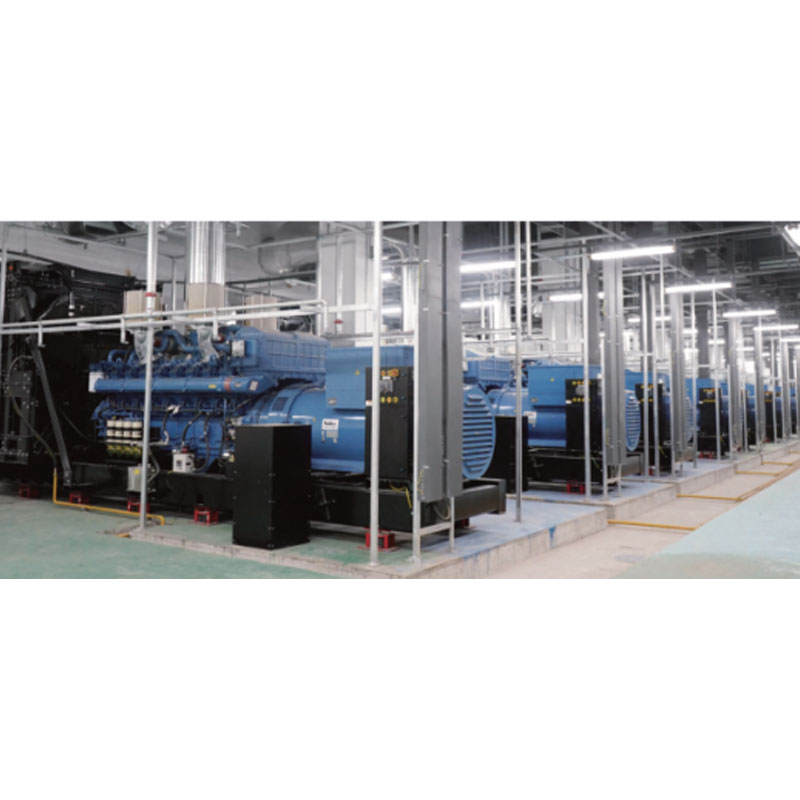
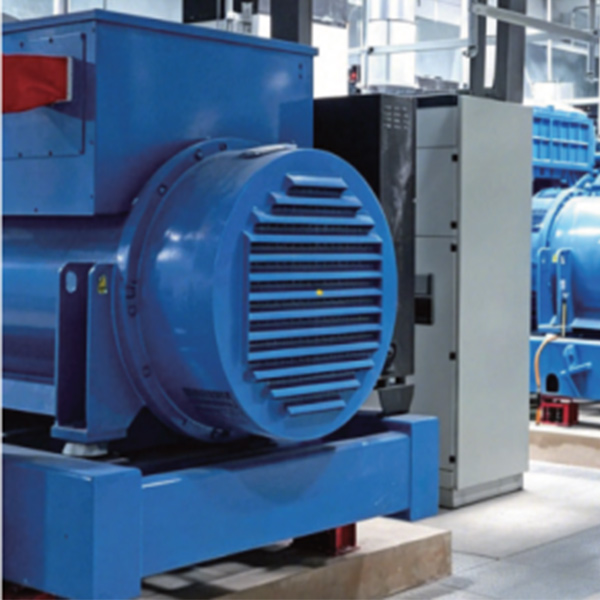
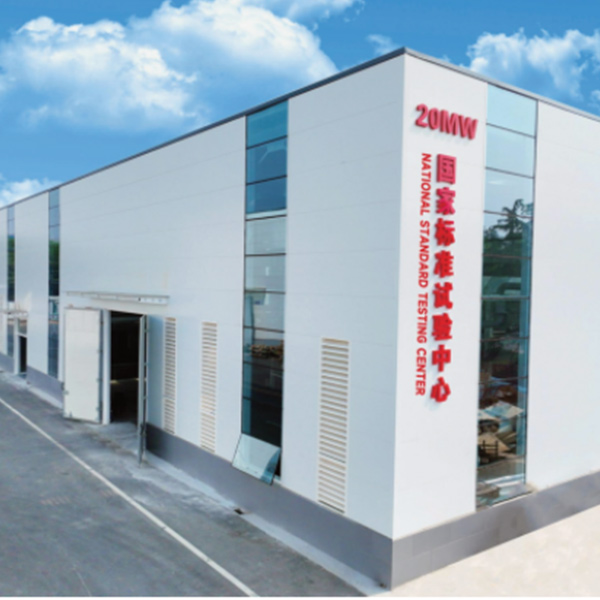
A key strength of the company is engineering flexibility: Yuke uses engines and generators from leading global brands such as Cummins, MTU, SEM, Perkins and Yuchai in its designs. This allows you to create equipment that combines the reliability of proven components with modern ergonomics. The company's production base is equipped with modern equipment for assembly and testing, where a multi-level quality control system is implemented. Each product undergoes mandatory load testing for at least 4 hours under rated and partial load, as well as a final check of noise, vibration and voltage stability parameters. This rigorous approach ensures that towers delivered to municipalities are as specified and ready to operate in the harshest environments.
The company acts as a solutions integrator, providing not only the supply of equipment, but also full support: from technical support at the design stage to personnel training and prompt delivery of original spare parts. The philosophy of “reliability through responsibility” is at the core of Uke's activities, making it a reliable partner for large-scale infrastructure projects and emergency services.
Frequently Asked Questions
What is the minimum batch size considered a wholesale purchase?
The concept of “wholesale” in the field of special equipment is relative. Typically, manufacturers offer special pricing conditions and custom configurations for orders of 5–10 units. However, real wholesale discounts and the possibility of customization for the municipal brand start from batches of 20–50 pieces. When ordering less than 5 units, the price is usually close to retail, since the logistics costs per unit are high. To obtain the best conditions, we recommend combining the needs of different city departments into one lot.
Can light towers be used in winter at -50°C?
Yes, this is possible, but only if you order a special “northern version”. Standard models are not designed for such extreme conditions. The northern version includes: the use of arctic grades of diesel fuel (or the installation of pre-heaters), the use of frost-resistant hydraulic oils, enhanced thermal insulation of the generator casing and the use of batteries with a low temperature threshold. Without these modifications, startup and operation at -50°C is impossible and will lead to equipment failure.
How quickly can a tower be deployed by one operator?
Modern models with hydraulic or pneumatic mast lifting allow one operator to deploy the tower from the transport position to the working position in 3–5 minutes. The process involves stabilizing the supports, raising the mast and aiming the floodlights. Models with manual lifting (winch) require more time (10–15 minutes) and physical effort, as well as the participation of a second person for insurance. For emergency services and quick responses, choosing models with automated lifting is critical.
Is a special permit required to operate such towers?
The light tower itself is not a vehicle (unless it is self-propelled) and does not require a driver's license like a car. However, to transport it on public roads on a trailer, a license of category “E” is required (if the trailer weight exceeds 750 kg) and the corresponding equipment of the tractor. Operation at the site does not require a license, but personnel must undergo safety training when working with electrical installations and lifting mechanisms. Registration with Gostekhnadzor may be required for self-propelled models depending on regional regulations.
What to do if the supplier delays delivery?
The contract must clearly state penalties (penalties) for each day of late delivery. Typically this is 0.1%–0.5% of the contract amount for each day. In the event of a critical delay, the municipal customer has the right to unilaterally terminate the contract and contact a supplier from the reserve list (if the tender provided for such a possibility) or re-tender. To minimize risks, always build a time buffer of 2-3 weeks beyond the promised delivery time into your work schedule.
Conclusion and next steps
Organizing a successful purchase of lighting equipment for municipal needs is a balance between technical competence, economic feasibility and legal purity of the process. As we have found out, saving at the purchase stage often leads to a multiple increase in costs during operation. A reliable tower with the right climatic design and an efficient engine pays for itself through fuel savings and lack of downtime.
Don't make the mistakes of the past. Avoid the temptation to choose the cheapest supplier without checking their reputation and service capabilities. Remember that you are not just buying hardware, but a tool to ensure the safety and comfort of the residents of your city. The quality of light on the streets is the face of the municipality at night.
If you are ready to move from theory to practice and discuss the details of the upcoming purchase, our team is ready to provide a detailed TCO calculation for your specific case. We will help you draw up a competent technical specification that will weed out low-quality proposals, and we will offer equipment options that have been tested in the real conditions of the Russian winter.
Contact us todayto receive expert advice and an up-to-date catalog of solutions for municipal problems. We guarantee transparency of the transaction and full support until the equipment is put into operation. For more information about our products, please visitlighting towers wholesale.
-


-
-


WeChat

-
WeChat