

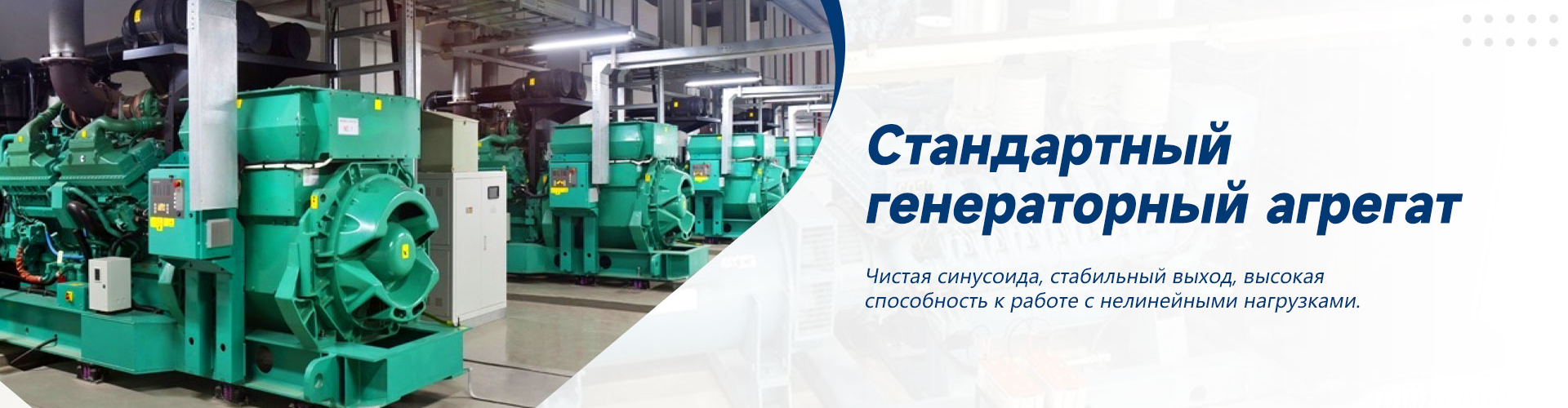
Diesel generator set service manual
2026-07-14
- Why regular maintenance of a diesel generator set determines its service life
- Preparing for Maintenance: Tools and Safety Precautions
- Daily monitoring and weekly maintenance: preventing minor problems
- Scheduled maintenance-1 and maintenance-2: replacement of consumables and critical operations
- Seasonal preservation and preparation for winter use
- Diagnosis of common faults and methods for their elimination
- The impact of service quality on warranty obligations and cost of ownership
- Frequently asked questions about diesel generator set maintenance
- Conclusion and recommendations for choosing a service partner
Why regular maintenance of a diesel generator set determines its service life
Ignoring routine maintenance reduces the life of a diesel generator by 40–60% already in the first two years of operation. In our practice, we have repeatedly encountered a situation where customers applied for major engine repairs after 3,000 operating hours instead of the required 20,000–25,000 hours. The reason is always the same: the lack of a systematic approach todiesel generator set maintenance manual. Many technical directors believe that it is enough to change the oil once a year, but this is a fatal mistake for modern high-precision units. Real wear does not occur during operation under load, but during idle times and cold starts, when lubricant drains into the crankcase. That's why this manual is compiled from the field experience of engineers working with equipment in harsh climates from Siberia to the Arctic.
The purpose of this document is to give you a clear course of action that will prevent sudden failures. We will not retell the factory instructions, which are often written in dry technical language. Instead, we will analyze real cases, show where exactly mistakes are made, and provide checklists for your service department. If you want your diesel generator set to work like clockwork during a city network outage, follow every point in this guide without exception.
Preparing for Maintenance: Tools and Safety Precautions
Before starting any work, you must ensure that you have specialized tools and that safety protocols are followed. An attempt to carry out maintenance with “improvised means” often leads to the threads of fasteners breaking or connections being tightened incorrectly, which causes vibration and frame destruction. In one of our projects, a customer tried to replace a fuel filter with a regular wrench, damaging the high-pressure pump housing, which cost him three times more than a scheduled service visit. Therefore, the first step is not opening the hood, but checking the equipment of the service team.
To perform the work efficiently, you will need the following set of equipment:
- Diagnostic scanner:A device that supports the communication protocol of a specific controller model (Deep Sea, ComAp, Woodward). Without it, it is impossible to read history error codes and check injector parameters in real time.
- Torque wrench:Critical for tightening cylinder head bolts and exhaust manifold studs. The tightening torque must comply with the manufacturer's specifications to within 1 Nm.
- Refractometer or antifreeze tester:Allows you to accurately determine the freezing point of the coolant, rather than relying on a visual assessment of color.
- Set of probes and pressure gauge:To check valve clearances (if the adjustment is mechanical) and measure compression in the cylinders.
- Specialized consumables:Original filters (oil, fuel, air), engine oil class API CI-4/CJ-4 or ACEA E7/E9, corresponding to SAE viscosity.
Personnel safety comes first. Before starting work, be sure to turn off the power to the installation, move the circuit breaker to the “OFF” position and lock it with a padlock (LOTO procedure - Lockout/Tagout). Remove the negative terminal from the battery to prevent accidental starting of the starter. Allow the engine to cool for at least 30 minutes after stopping to avoid burns from hot oil or antifreeze. Remember: hot oil is under pressure, and careless unscrewing of the filter can cause injury.
Make sure the work area is well ventilated, especially if servicing is being carried out in a container area. Accumulation of exhaust gases or fuel vapors creates a risk of explosion or poisoning. Prepare containers for collecting used technical fluids - draining oil or antifreeze onto the ground is strictly prohibited by environmental standards and entails large fines. Only after complete preparation can you begin to directly inspect the unit.
Daily monitoring and weekly maintenance: preventing minor problems
Daily checks take no more than 5 minutes, but they identify 80% of potential faults at an early stage. The operator's main task is to notice changes in operating parameters that have not yet resulted in an emergency stop. Visual inspection should become a habit: approach the diesel generator set before each start-up or immediately after stopping, while the engine is still warm and defects are more visible.
- Checking fluid levels.Open the hood and check the engine oil level using the dipstick. It should be between the MIN and MAX marks. Important: check the level only with the engine turned off after the oil has flowed into the crankcase (after 5–10 minutes). Low oil levels lead to oil starvation of the turbocharger, which rotates at speeds of up to 100,000 rpm. Also check the coolant level in the expansion tank. If the level drops regularly, look for a leak - it could be a crack in the pipe or a faulty radiator.
- Inspect for leaks.Carefully inspect the area under the engine and around the fuel lines. The presence of fresh oil or diesel fuel stains indicates depressurization of the seals or loose clamps. The fuel system operates under high pressure, and even a microcrack in the high pressure pipe can lead to a fire. In our practice, there was a case when a drop of fuel falling on a hot exhaust manifold caused a fire in a matter of seconds.
- Battery condition monitoring.Inspect the terminals for oxidation (white or green deposits). Oxidized contacts increase the resistance of the starter circuit, which leads to difficult starting in winter. If necessary, clean the terminals with a wire brush and lubricate them with a special conductive lubricant. Check the open circuit voltage: for a 24V system it should be at least 25.5V.
- Analysis of work by ear and instruments.While the diesel generator set is operating, listen to the sound of the engine. Extraneous knocking, whistling or uneven operation (“tribbing”) indicate problems with injectors, valves or bearings. Check the instrument readings on the control panel: oil pressure should be in the green zone (usually 4-6 bar), coolant temperature should not exceed 95°C.
Weekly maintenance includes more in-depth checks that require stopping the unit. Once a week, it is necessary to blow out the air filter with compressed air (if it can be cleaned) or visually assess its contamination. A clogged air filter increases fuel consumption and reduces engine power due to a rich fuel mixture. Also check the tension of the fan and generator belt: the belt deflection when pressed with a finger should not exceed 10–15 mm. A loose belt will cause the engine to overheat and the batteries to undercharge.
Don't forget to keep a log of your observations. Record engine hours, fluid levels, and any abnormalities noticed. This log will become an invaluable source of information for diagnosticians when complex faults arise. The lack of records often makes it difficult to find the cause of a breakdown, since the history of parameter changes is lost.
Scheduled maintenance-1 and maintenance-2: replacement of consumables and critical operations
Scheduled maintenance is fundamental to the longevity of a diesel generator set. Replacement intervals depend on the quality of the fuel used and operating conditions, but the standard regulations require maintenance-1 every 250 engine hours and maintenance-2 every 500-600 engine hours. Exceeding these intervals is unacceptable, since the properties of oils and filters degrade irreversibly.
Replacing engine oil and oil filter.This is the most important procedure. Old oil contains metal wear debris, soot and acidic compounds that act as an abrasive inside the engine. The oil must be drained immediately after the engine is running, while it is hot and fluid. Be sure to replace the oil filter with a new one. Before installing a new filter, lubricate the rubber O-ring with fresh oil and tighten it by hand until it touches the gasket, then tighten it 3/4 of a turn. Using a torque wrench is preferable here to avoid oversqueezing the gasket. After replacing, start the engine for 1-2 minutes, turn off and check the oil level again, as part of the volume will be used to fill the new filter.
Fuel system maintenance.Coarse and fine fuel filters require mandatory replacement according to regulations. Water in diesel fuel is the main enemy of Common Rail fuel equipment. Condensate accumulates in the sump of the separator filter. Drain the water regularly through the drain screw at the bottom of the filter. If water gets into the nozzles, it causes water hammer and expensive repairs to the nozzles. When replacing filters, try to minimize air entering the system. Modern systems remove air themselves, but it is better to fill the new filter with clean fuel before installation to make starting easier.
Coolant and radiator.Once a year or every 1000 operating hours, it is necessary to check the chemical composition of antifreeze. Over time, corrosion inhibitors are washed out and the fluid becomes aggressive to aluminum engine and radiator parts. Use test strips or a refractometer. If the density is below normal or the color has changed to rusty, completely drain the system, rinse with distilled water and fill in a new mixture of antifreeze and distilled water in the proportion recommended by the manufacturer (usually 1:1 for protection down to -40°C). Clean the outer surface of the radiator from dust, lint and dirt with compressed air or low pressure water. Clogged radiator honeycombs are a common cause of overheating in summer.
Valve adjustment.Many industrial engines require periodic checking and adjustment of valve clearances (usually every 1000–1500 operating hours). An increased gap causes a characteristic clatter and shock loads on the timing mechanism, while a decreased gap leads to burnout of the valves and loss of compression. This operation requires skill and the use of feeler gauges of a certain thickness on a cold engine. Violation of the adjustment order can lead to a collision of the piston with the valve.
Each maintenance stage must be completed by a test run under load. Do not leave the engine idling for a long time (more than 10–15 minutes), as this leads to coking of the piston rings and increased oil consumption. Let the diesel generator set operate at at least 30–40% power to warm up all components to operating temperature and ensure that the parameters are stable.
Seasonal preservation and preparation for winter use
The operation of diesel generators in winter imposes special preparation requirements. Low temperatures change the physical properties of materials and liquids, making standard procedures insufficient. A mistake in winterization could cost you a frozen engine block or an inability to start during a critical power outage.
The first rule of winter operation is to use seasonal fuel. At temperatures below -5°C, summer diesel fuel begins to wax, clogging filters and fuel lines with paraffin crystals. Switch to winter or arctic fuel in advance, before the onset of persistent cold weather. In extreme cases, anti-gel additives can be used, but they are only effective if added to warm fuel before crystallization begins. Adding an additive to already frozen fuel is useless.
Batteries lose up to 50% of their capacity at -20°C. To ensure a guaranteed start, it is necessary to keep the batteries warm or use electrolyte heating. The ideal solution is to install a stationary coolant heater (Webasto or equivalent), which maintains the engine temperature at +40°C even when idle. This not only makes starting easier, but also reduces engine wear as the oil remains fluid. In our practice, objects without preheating encountered startup failures in 30% of cases at frosts below -25°C.
Check the condition of the glow plugs (or intake manifold heating coils). A single faulty spark plug can make starting impossible. Test the spark plug control circuit and make sure that the heating relay operates correctly. The preheating time in severe frosts can reach 30–60 seconds. Do not try to turn the starter for more than 10-15 seconds without a break - this will cause it to overheat and drain the batteries.
If the diesel generator set is used seasonally and will be preserved for summer or winter, the preservation procedure must be thorough. Drain all technical fluids (or replace them with fresh ones with additives), remove the battery and store it in a charged state in a warm room. Seal the exhaust pipe and air intake with moisture-proof plugs to prevent rodents and moisture from getting inside. Once a month, it is recommended to turn the crankshaft by hand several revolutions so that the lubricant is distributed over the friction surfaces and prevents corrosion.
Pay special attention to the heating system of the container or room where the diesel generator set is installed. The temperature inside should not fall below +5°C. Freezing of condensate in the muffler can create an ice block that will block the exhaust gases and cause the engine to stall immediately after starting. Install drain holes at the bottom of the muffler to drain condensate.
Diagnosis of common faults and methods for their elimination
Even with ideal service, abnormal situations can arise. The ability to quickly diagnose a problem saves time and money. Below are the most common symptoms and their causes, based on analysis of actual failures.
The engine does not start.
There may be several reasons, and you need to look for them sequentially.
1.No starter rotation.Check the battery charge, the integrity of the terminals and the ground on the engine housing. Often the problem lies in the oxidized ground contact.
2.The starter turns, but the engine does not catch.Check the presence of fuel in the tank and the operation of the fuel priming pump. Air in the fuel system is a common cause. Bleed the system with a hand pump. In winter, check if the fuel is frozen.
3.The engine starts but stalls.Perhaps the low oil pressure protection is triggered (the sensor is faulty or there is a real lack of oil) or there is a problem with the electronic control unit (ECU).
Increased oil consumption and smoky exhaust.
The color of the smoke says a lot.
—Black smoke:Overrich mixture. Check the air filter (clogged?), injectors (flowing?), injection timing. It is also possible that the permissible load may be exceeded.
—Blue smoke:Oil burning. Wear of piston rings, stuck rings (often a consequence of long idling), wear of oil seals or turbocharger (turbine shaft play).
—White smoke (steam):Antifreeze entering the combustion chamber. The cylinder head gasket is broken or there is a crack in the cylinder head. Requires immediate shutdown and repair.
Engine overheating.
If the temperature gauge goes into the red zone, immediately reduce the load and let the engine idle for 5 minutes before stopping (to avoid thermal shock). Reasons: low antifreeze level, faulty thermostat (does not open), weak fan belt tension, contamination of the radiator outside or scale inside. In rare cases, there is a malfunction of the water pump (the impeller is destroyed).
Unstable rotation speed (floating speed).
Often caused by an air leak in the intake manifold or a problem with the fuel pump speed controller. Check all pipes for leaks. For electronic systems, read controller errors.
It is important to remember: independent repair of complex components (injection pump, Common Rail injectors, ECU) without a special stand and qualifications often leads to aggravation of the breakdown. If diagnostics indicate an internal malfunction of the engine or fuel equipment, it is better to contact certified specialists.
The impact of service quality on warranty obligations and cost of ownership
Many diesel generator owners perceive the warranty card as insurance against any problems, but this is a misconception. Manufacturers clearly state the conditions for maintaining the warranty, and the main one is compliance with maintenance regulations. The absence of documents confirming that maintenance was carried out on time (service reports, certificates of work performed, receipts for original spare parts) gives the manufacturer the legal right to refuse warranty repairs.
In the event of a serious breakdown, such as a crankshaft or cylinder block failure, the first question from the service department will be: “Show your service history.” If it turns out that the oil change intervals were exceeded or that improper quality filters were used, all repairs will fall on the owner's shoulders. The cost of such repairs can be up to 60–70% of the price of a new installation. In our practice, there was a case when a denial of warranty due to the lack of a record of replacing the air filter led to the client paying for the replacement of the entire engine, since dust caused abrasive wear of the cylinder-piston group.
Additionally, quality service directly impacts your total cost of ownership (TCO). Regular replacement of inexpensive consumables prevents catastrophic failures. Statistics show that the cost of preventive maintenance is less than 5% of the budget for repairing emergency breakdowns. Investment in original filters and qualified service pays off by increasing the service life by thousands of hours.
Compliance with standards should also be considered. To work in a number of industries (oil and gas, construction, medicine), confirmation of the technical condition of equipment is required. Having an up-to-date maintenance log and diagnostic reports is a mandatory requirement for safety audits and license renewals. Chaotic maintenance jeopardizes not only the operation of the equipment, but also the legal security of the business.
Therefore, take documentation as seriously as the technical work itself. Keep all acts, work orders and certificates for materials used. This is your main argument in a dispute with the manufacturer and proof of the professionalism of your technical service.
Frequently asked questions about diesel generator set maintenance
Below are answers to the most frequently asked questions from diesel generator set operators.
How often should the engine oil in a diesel generator be changed?
The standard replacement interval is 250–500 hours depending on the engine model and oil quality. However, if the generator operates in difficult conditions (high dust levels, frequent start-stop cycles, use of poor quality fuel), the interval should be reduced to 200–250 hours. It is also important to change the oil at least once a year, even if the hours have not been reached, as oil ages and oxidizes over time, regardless of mileage. Always check the owner's manual for your specific model, as some modern engines with Long Life systems allow intervals of up to 600 hours when using synthetic oils.
Is it possible to mix different brands of antifreeze?
It is strictly not recommended to mix antifreeze of different types and colors. Different manufacturers use different additive packages (silicate, carboxylate, hybrid). When mixed, a chemical reaction may occur, leading to the formation of sediment, which will clog the radiator and cooling channels, and the anti-corrosion properties will be lost. If you need to add coolant and don't have the same brand on hand, it's best to use distilled water to temporarily restore the level, and then completely replace the coolant with the correct mixture as soon as possible.
What to do if the diesel generator set has been idling for a long time?
Prolonged idling (more than 15–20 minutes continuously) is harmful to a diesel engine. It leads to a decrease in combustion temperature, incomplete combustion of fuel and, as a result, coking of piston rings and injectors (“glazing” of cylinder liners). This causes increased oil consumption and smoking. If the operating mode involves light loads, it is necessary to periodically (once a month) load the generator with at least 40–50% of the rated power for 30–60 minutes. This will burn off the carbon deposits and restore the mobility of the rings. In extreme cases, it may be necessary to decarbonize the engine with special compounds.
Is it necessary to warm up the engine before applying a load?
Yes, warming up is required. Immediately after starting, let the engine idle for 3–5 minutes (up to 10 minutes in winter). This is necessary so that the oil is distributed to all friction units, and the engine parts expand to the working gaps. Applying a full load to a cold engine causes a sharp increase in mechanical stress and accelerated wear. However, do not allow prolonged idling after warming up - as soon as the coolant temperature has reached 40–50°C and the oil pressure has stabilized, you can gradually increase the load.
Conclusion and recommendations for choosing a service partner
Compliancediesel generator set service manuals- this is not just a formality, but a strategic necessity to ensure uninterrupted power supply to your facility. As we showed above, savings on timely replacement of filters or the use of cheap oil increase many times over in the form of repair costs and equipment downtime. The reliability of diesel generator sets depends on the discipline and competence of the personnel.
We recommend implementing a system of scheduled preventive maintenance (PPR) using digital engine hour logs and automatic reminders of upcoming maintenance. If your staff does not have qualified diesel technicians, enter into a service agreement with a specialized organization that has access to original spare parts and diagnostic equipment. A professional outside view often helps to identify hidden defects that are not noticeable to the operator.
When choosing a partner for the supply and maintenance of power equipment, it is important to pay attention not only to price, but also to the depth of engineering expertise and the quality of production control. A striking example of a company combining these principles isYuke (Shandong) Electrical Technology LLC. This professional Chinese company specializes in the development and supply of comprehensive solutions in the field of autonomous and backup power supply, combining advanced generation technologies with modern energy storage systems. Located in Shandong province, the company is a reliable integrator based on strategic partnerships with global industry leaders.
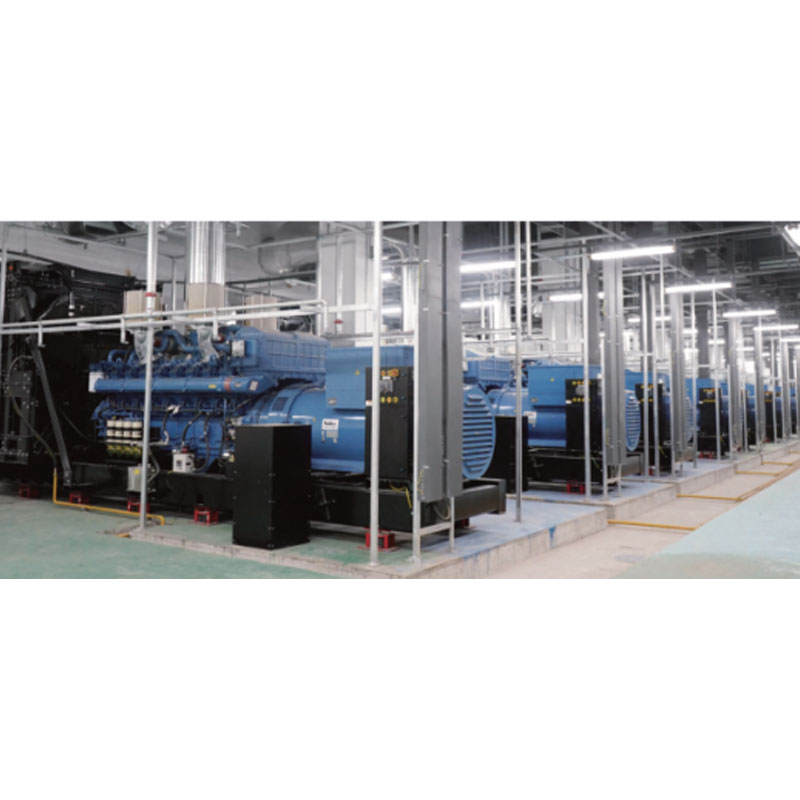
Yuke LLC's product portfolio covers eight key categories, including silent generator sets, mobile power trailers, emergency power supply vehicles, as well as specialized heavy fuel solutions and high-voltage installations up to several megawatts. The line includes models of the VCD (Cummins), VSD (SEM), VPD (Perkins) series, VYG (Yuchai) gas generators and high-voltage series based on MTU and other leading brands. Particular attention is paid to adapting equipment to the harsh climatic conditions of the CIS countries, Asia and the Middle East, which makes their products an ideal choice for operating in extreme temperature conditions, which were discussed in the winter operation section.
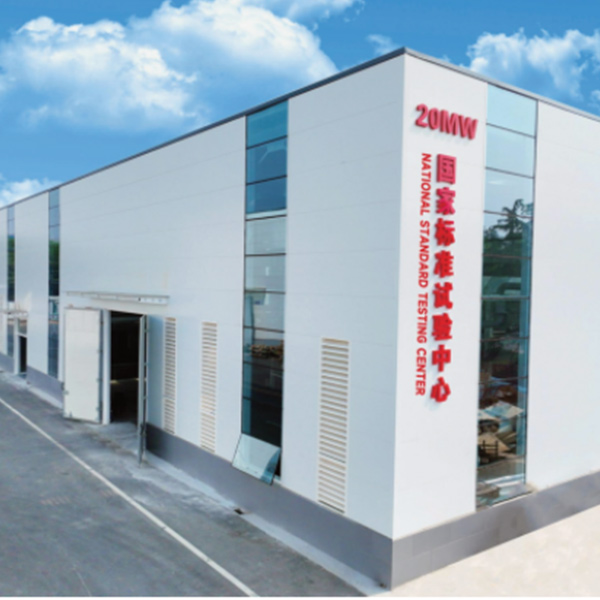
The company's key advantage is its strict quality control system. Each piece of equipment undergoes mandatory load tests lasting at least 4 hours before shipment, which guarantees the stability of noise, vibration and output voltage parameters. This approach is fully consistent with the philosophy of “reliability through responsibility,” allowing customers to minimize the risks of emergency downtime. In addition, Yuke LLC is developing a network of authorized service partners, providing customers not only with high-quality equipment, but also prompt delivery of original spare parts, technical audit and personnel training.
Remember that a diesel generator is a complex engineering system that forgives errors only to a certain extent. Follow the instructions, use high-quality consumables from trusted manufacturers, and do not ignore warning signs. Only this approach guarantees that at the time of an accident your station will start up and provide the facility with electricity.
To receive advice on selecting the optimal diesel generator model, organizing a service contract, or conducting an audit of the current state of your equipment, contact the technical specialists of Yuke (Shandong) Electrical Technologies LLC. We are ready to offer customized solutions that combine the reliability of traditional energy sources with innovations in digital monitoring.
-


-
-


WeChat

-
WeChat