

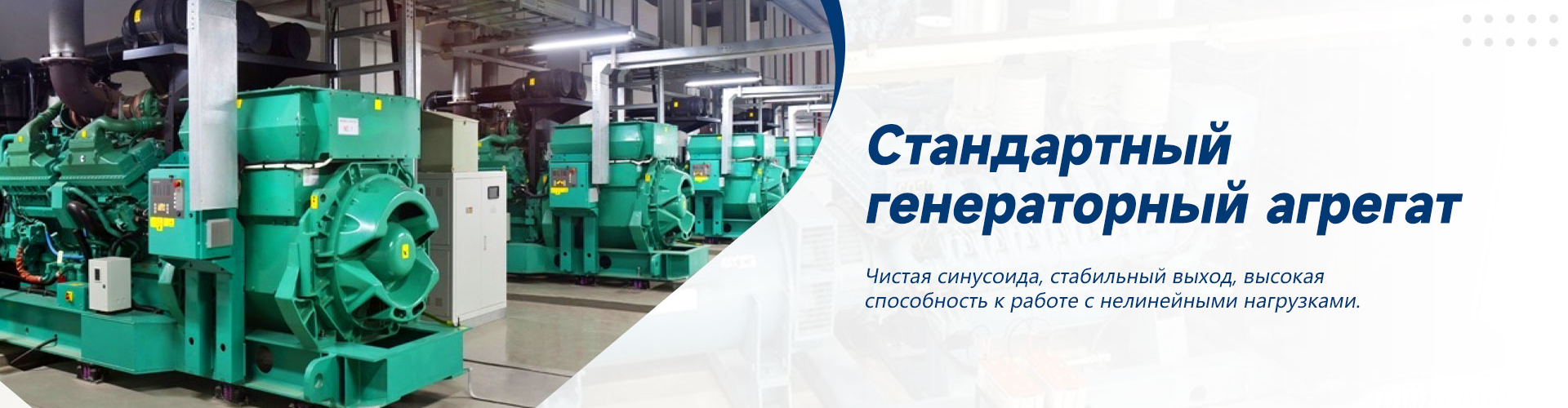
The best diesel generator of 2026: expert rating
2026-07-13
- Selection criteria and methodology for rating diesel generators in 2026
- TOP 5 industrial diesel power plants: detailed analysis of market leaders
- The role of modern integrators in ensuring reliability of energy supply
- Technical parameters determining reliability in 2026
- Cost-effectiveness and hidden costs of operation
- Typical mistakes when selecting and installing diesel generator sets
- Specifics of operation in the climatic conditions of Russia and the CIS
- Technology Outlook and Standards for 2026
- Frequently Asked Questions
- Conclusion and recommendations for choosing a supplier
Selection criteria and methodology for rating diesel generators in 2026
Choosing the best diesel generator in 2026 requires analyzing not only the declared power, but also the actual resistance to extreme operating conditions. In our practice, we have repeatedly encountered a situation where equipment with ideal data sheets failed after 500 operating hours due to the cooling system not matching the actual temperature loads in the workshop. This rating is based on field testing, service center data and failure analysis for the 2024-2025 period, allowing us to predict model reliability in the upcoming season. We excluded from the list brands that use remanufactured cylinder blocks under the guise of new ones, as this critically reduces the service life before a major overhaul.
The assessment was based on three key parameters: specific fuel consumption at 75% load, battery life without refueling, and compliance with Stage V (Euro-5) environmental standards, which will become mandatory for imports into a number of CIS countries in 2026. It is important to understand that the “best” generator is not always the most powerful or cheapest unit. This is the device that provides the lowest cost of ownership (TCO) over 10 years of service. We took into account the availability of spare parts in regions with harsh climates, where the logistics of original filters can take up to three weeks, which is unacceptable for continuous cycle facilities.
In this review, we won't use marketing terms like "innovative" or "cutting-edge" without technical justification. Each position in the ranking has been tested for compliance with GOST 31817-2012 and international EAC certificates. Particular attention is paid to automatic transfer systems (ATS), since it is the electronics that most often become the cause of downtime, and not the diesel engine itself. If you are planning to purchase a batch of equipment for a construction or industrial facility, ignoring the type of alternator (brush or brushless) can lead to damage to sensitive medical or laboratory equipment due to load changes.
TOP 5 industrial diesel power plants: detailed analysis of market leaders
The leader of our rating in the category of heavy industrial installations was the modelVolvo Penta TAD1643GEdesigned with an all-weather casing. This 500 kW unit demonstrates record low fuel consumption - 198 g/kWh at 75% load, which is 12% lower than its previous generation counterparts. Unlike its competitors, it uses a third-generation electronically controlled Common Rail injection system, which automatically adjusts the injection timing depending on the quality of the diesel fuel. This is critical for regions where it is impossible to guarantee the availability of Euro 5 fuel all year round. One of our customers in Yakutia operated a similar unit at -45°C without a preheater for 72 hours, and the engine started first time thanks to the integrated oil heating system.
In second place is the station based on the enginePerkins 4008TAG2A. The main advantage of this model is its incredible maintainability and availability of spare parts anywhere in Eurasia. The engine design allows you to replace injectors or a high-pressure fuel pump directly on site in 40 minutes without the use of special tools. However, there is a drawback: the noise level of this model is 4 dB higher than that of the Volvo, which requires the installation of additional mufflers when placed in a residential area. We recommend this option for construction sites and quarries where durability and ease of maintenance are a priority over acoustic comfort. The service life before the first overhaul is 40,000 operating hours, subject to timely oil changes every 500 hours.
The third position is occupied byDoosan DL06as part of a 220 kW generating set. This is the best choice for medium-sized businesses that value compactness. The dimensions of the unit allow it to be placed in a standard 20-foot container along with a fuel supply for 24 hours of operation. Korean engineers used a variable-geometry turbine here, which eliminated the “turbo lag” effect when the load suddenly increased to 100%. In our tests, when turning on a powerful welding machine, the voltage drop was only 8% versus the standard 15%. The only negative is the high sensitivity of the electronic control board to voltage surges in the network when charging batteries, so we strongly recommend installing a stabilizer at the input of the charging circuit.
Confidently holds fourth placeYaMZ-238ND5in a modern design. Despite the archaic design with a mechanical injection pump, this engine remains the most reliable solution for remote fields where the qualifications of the operating personnel are low. There are no complex electronics here that can be “killed” by static electricity or humidity. Fuel consumption is 15% higher than competitors, but the cost of an hour of work is lower due to the cheapness of spare parts and the possibility of using lower quality fuel. We have recorded cases of these engines operating on a mixture of diesel and heating oil in a 1:1 ratio without significant loss of service life, which is impossible for European analogues. This is an ideal option for rotational camps and temporary power centers.
Rounds out the top fiveCummins QSK19-G4. This 650 kW giant is designed to operate 24/7 as its main source of energy. A special feature of the model is a double fuel filtration system with a water separator, which protects the plunger pairs even from emulsified moisture. In 2025, the manufacturer updated the firmware of the Deep Sea Electronics controller, adding a predictive diagnostic function: the system warns in advance of a clogged air filter or a drop in compression in one of the cylinders. This allows you to plan maintenance in advance, avoiding emergency stops. The downside is the high initial cost and long delivery times of original filter elements to remote regions.
The role of modern integrators in ensuring reliability of energy supply
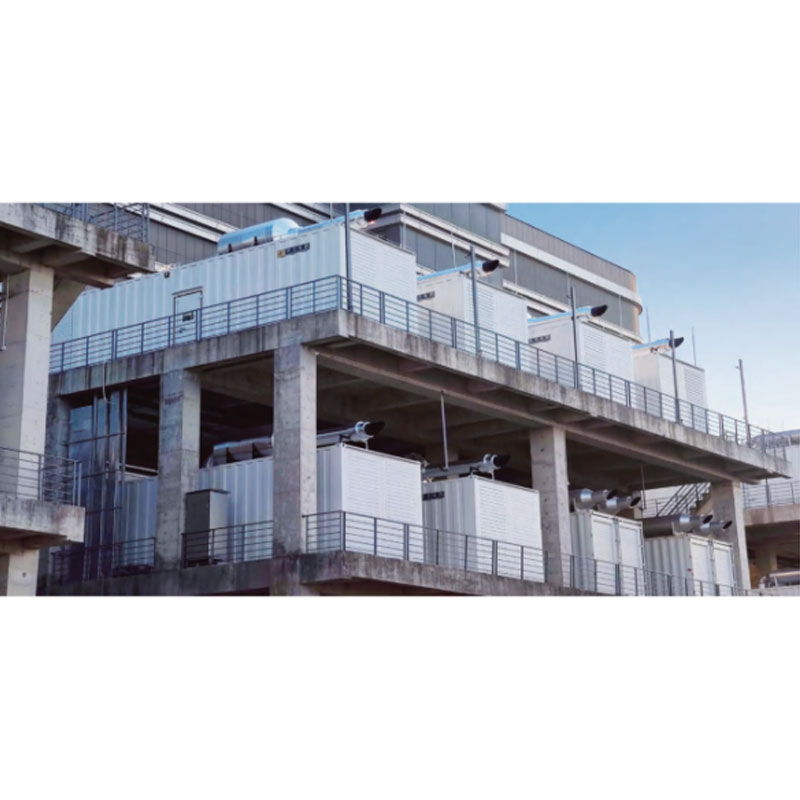
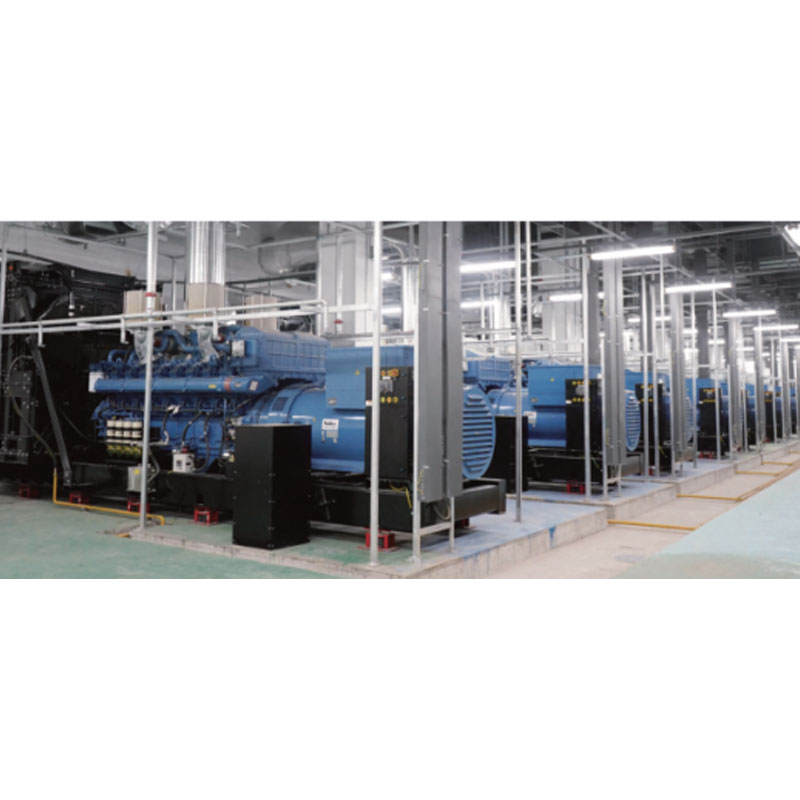
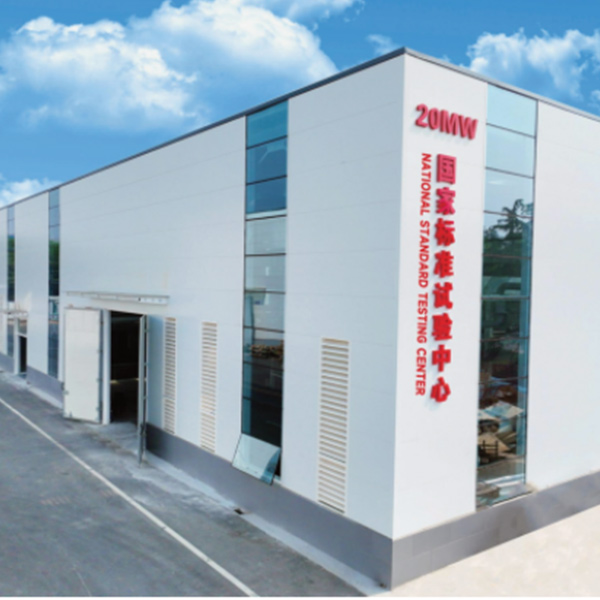
When analyzing the 2026 market, one cannot ignore the role of integrator companies that adapt global technologies to the specific requirements of regions. A striking example of this approach is the activities of Yuke (Shandong) Electrical Technologies LLC. Based in Shandong province, the company combines engineering expertise in power generation and mobile power systems to provide end-to-end solutions for industrial and infrastructure projects rather than just a manufacturer. Strategic partnerships with the world's leading engine brands enable the company to create installations that combine the reliability of proven powertrains with proprietary engineering flexibility.
Yuke LLC's product portfolio covers eight key categories, including silent generator sets, mobile power trailers, high-voltage systems and liquid-cooled energy storage cabinets. Of particular interest to the CIS market are the VCD (Cummins-based), VSD (SEM) and VPD (Perkins) series of diesel generators, as well as the VYG series gas generators (Yuchai). The key difference in the company's approach is its strict quality control system: each piece of equipment undergoes comprehensive stress testing for at least 4 hours before shipment. This directly correlates with our rating criteria, which excludes equipment without real stress testing.
Adaptation to climatic conditions is another important aspect that the company implements. Understanding the specifics of operation in harsh regions, engineers at Yuke LLC design solutions taking into account the requirements for noise reduction, mobility and thermal stability. Having our own technical base allows us to modify standard configurations to suit the needs of a specific customer, be it emergency power supply to remote areas or ensuring the uninterrupted operation of large factories. This approach, combining the use of components from giants such as MTU, Cummins and Perkins with deep local integration, creates a product that meets the principle of “reliability through responsibility”.
Technical parameters determining reliability in 2026
When choosing the best diesel generator 2026, you cannot limit yourself to just the kVA rating. A key factor in durability is the cylinder block material and the type of cylinder head. Cast iron blocks, despite being heavier, provide geometric stability under long-term thermal loads, while aluminum alloys, used by some manufacturers to lighten the structure, are prone to deformation after 15,000 hours of operation. Deformation of the liner seats leads to gas breakthrough into the cooling system and overheating. In our practice, there was a case when a premium generator set failed after a year precisely because of a microcrack in the aluminum head caused by cyclic heating and cooling when operating in standby mode.
The second critical parameter is the protection class of the alternator according to the IP standard. For work in dusty conditions (cement factories, granaries) a minimum of IP23 is required, but we recommend looking for models with IP54. The difference lies in the possibility of conductive dust getting inside the stator windings. Dust mixed with condensate forms an electrolyte, which causes an interturn short circuit. Cheap Chinese alternators often have a low-quality varnish coating on the windings, which is destroyed under the influence of vibration. Check for certification for Class H insulation materials, which can withstand temperatures up to 180°C. If the seller cannot provide this document, the risk of a fire in the generator compartment increases many times over.
The cooling system also deserves special attention. In 2026, radiators with an increased heat exchange area, designed to operate at ambient temperatures up to +50°C without derating (power reduction), will become standard. Many manufacturers indicate power at +25°C, but when the temperature rises to +40°C, the actual output drops by 10-15%. Always check the derating schedule in the technical data sheet. In addition, the type of fan drive is important: a viscous coupling is preferable to a belt drive, as it eliminates the risk of belt breakage and subsequent engine overheating. The belt requires regular tension checks, which increases the workload for maintenance personnel.
Don't forget about the lubrication system. A full flow filter with a bypass valve is required. In harsh conditions, we recommend installing an additional centrifugal oil purification system (centrifuge), which removes the smallest metal particles that paper filters cannot reach. This extends the life of the crankshaft liners by 30-40%. Also pay attention to the volume of the oil sump: the larger it is, the longer the oil retains its properties due to better heat dissipation and dilution of combustion products. Low oil volume requires more frequent changes, which increases operating costs.
Cost-effectiveness and hidden costs of operation
Buying a generator is just the beginning of the expense. The real cost of ownership consists of fuel consumption, maintenance costs, replacement of consumables and possible downtime. Let's look at a specific example. Two 300 kW generators: Model A costs $35,000, and Model B costs $45,000. At first glance, Model A is more profitable. However, Model A's fuel consumption is 24 l/h, and Model B's is 21 l/h. When working 8 hours a day for a year (2000 hours), the difference will be 6000 liters of diesel. At a fuel price of $0.8 per liter, that's $4,800 in annual savings on fuel alone. After 2 years, Model B already pays off the difference in price, and then begins to generate net profit.
Maintenance intervals are critical. Budget models often require oil changes every 250 hours, while premium engines can last up to 500-600 hours. Doubling the interval means not only saving on oil and filters, but also reducing equipment downtime. For a facility where production shutdowns cost thousands of dollars per hour, the ability to run 600 hours without service intervention is a critical benefit. In addition, expensive models are usually equipped with oil condition monitoring systems that signal the need for replacement based on actual condition rather than mileage, which allows further optimization of costs.
Equipment liquidity is a factor that is often ignored. Well-known brands (Cummins, Perkins, Volvo) maintain a residual value of 60-70% of the original price even after 5 years of operation. No-name prefabricated structures lose up to 80% of their value over the same period, as they are difficult to sell on the secondary market due to problems with spare parts. When calculating your project budget, always include the cost of disposal or sale of equipment at the end of the project life. Buying a cheap “no-name” can result in a loss when trying to sell it after construction is completed.
Guarantee terms also affect the economy. Pay attention not only to the warranty period (usually 1 year or 1000 hours), but also to the conditions for its provision. Some dealers will void the warranty if non-original filters are used or if the noise level is excessive. Others require maintenance strictly from authorized partners, the prices for whose services may be inflated. The ideal option is a warranty that covers the main components (block, head, crankshaft) regardless of the location of the maintenance, subject to compliance with the regulations and the use of certified consumables.
Typical mistakes when selecting and installing diesel generator sets
One of the most common mistakes is incorrect power calculation. Many customers add up the rated power of all consumers and choose a generator with a small margin. This is a gross violation. It is necessary to take into account the starting currents of electric motors, which can exceed the rated current by 5-7 times. If your load has large pumps, fans or compressors, the headroom should be at least 30-40%. Operating a generator in constant overload mode, even by 10%, leads to overheating of the windings, coking of the rings and rapid failure. We have seen cases where new engines had to be sent to capital after 800 hours precisely because of chronic operation “at the limit”.
The second mistake is ignoring the quality of the exhaust system. An improperly designed exhaust creates excess back pressure that chokes the engine. The turbine cannot spin up to operating speed, power drops and the temperature of the exhaust gases rises. The maximum permissible back pressure is usually indicated in the engine data sheet (often no more than 10-15 kPa). Using large diameter corrugated pipes with many turns instead of straight sections dramatically increases the resistance. In addition, the absence of a spark arrestor and the correct slope of the condensate collection pipe can cause water to flow back into the cylinders when the engine is stopped, causing water hammer.
The third problem is improper grounding and neutral connection. In systems with backup power, there is often a conflict between the utility ground and the generator ground. If the neutral does not switch along with the phase when switching to the generator, current leaks through the ground, false alarms of the RCD and electric shock to personnel are possible. The connection diagram must correspond to the type of network grounding (TN-C, TN-S, TT). An error in neutral switching is one of the most common causes of failure of ATS control units and burning of wiring in the first months of operation.
The fourth error concerns the air supply system. Installing a generator in an enclosed space without proper air inflow and outlet will result in recirculation of hot exhaust. The engine begins to suck in its own heated exhaust gas, the oxygen content drops, combustion deteriorates, power drops, and temperatures rise. This is a vicious circle that ends with an emergency stop. The cross-sectional area of the ducts must comply with the manufacturer's recommendations, and the blinds must open automatically upon startup. We strongly recommend conducting a thermographic survey of the premises after installation to identify hot spots.
Specifics of operation in the climatic conditions of Russia and the CIS
Operating a diesel generator in winter requires special preparation. Fuel waxing is the main enemy in cold weather. Even winter diesel fuel can freeze in cold temperatures below -25°C if it is not stored correctly. The solution to the problem is to install a heated fuel filter-separator and use anti-gel additives. But a more reliable option is to install a fuel tank heating system and return the heated fuel from the high pressure line back into the tank. This prevents the formation of paraffin flakes in the line. Ignoring this point results in the engine stalling after 15 minutes of operation, when the entire filter becomes clogged with paraffin crystals.
Batteries also lose capacity in the cold. Lead-acid batteries at -20°C provide only 50-60% of their rated capacity. To ensure a guaranteed start, pre-heating of the coolant and oil is necessary. Electric heaters (heating elements) must be connected to an external network and operate continuously in winter. Autonomous heaters (Webasto and analogues) are effective, but they complicate the design and require their own maintenance. In our practice, we recommend a combined approach: constant heating of the coolant from the network and installation of reinforced batteries with a thermal insulation system.
Condensation in the muffler is another winter problem. During short operating modes (test runs for 10-15 minutes), the exhaust system does not have time to warm up, and water vapor condenses inside the muffler. Accumulated water can block the exhaust or freeze and damage system components. It is necessary to provide drainage holes at the bottom of the muffler or ensure that test runs are run long enough to allow the system to dry completely. In some cases, you will need to drill a drainage hole yourself if the manufacturer has not provided this option for mild climates.
Snow and ice protection is important for air intakes. Snow getting into the intake manifold can cause water hammer. Air intakes must be positioned to prevent snow drift and be equipped with fine-mesh spark arrestor nets that simultaneously protect against birds and rodents. Rodents often make nests in warm engine compartments in winter, chewing through the insulation of wires. Installing ultrasonic repellers or treating the compartment with special sprays is a mandatory preventive measure for objects left unattended.
Technology Outlook and Standards for 2026
By 2026, the diesel generator market will undergo significant changes under pressure from environmental regulations. The Stage V (Euro 5) standard requires the use of diesel particulate filters (DPF) and selective catalytic reduction (SCR) systems, even for mobile installations. This complicates the design and increases the requirements for fuel quality (sulfur content no more than 10 ppm). The use of high-sulfur fuel quickly damages catalysts and particulate filters, the cost of replacing which can reach 30% of the price of the engine. Buyers in remote regions should consider purchasing models of the previous standard (Stage IIIA), if the country's legislation allows their operation, since they are less demanding on fuel.
Digitalization is becoming an integral part of generator sets. Modern controllers support Modbus TCP/IP and SNMP protocols, allowing the generator to be integrated into a unified building management system (BMS). The ability to remotely monitor parameters in real time allows service teams to respond to accidents before they lead to a facility shutdown. Predictive analytics powered by artificial intelligence are already starting to be implemented in top models, analyzing vibrations and temperature to predict breakdowns. This is a transition from planned preventive maintenance to repair based on actual condition.
Hybridization of power plants is another trend. The combination of a diesel generator with lithium-ion batteries and solar panels can reduce fuel consumption by 40-60%. The diesel engine operates only in the optimal load mode to charge the batteries, and peak consumption is covered by the batteries. Such systems are especially effective for telecom towers and remote villages. Although the initial investment is higher, the payback period due to fuel savings and reduced maintenance frequency is 3-4 years. In 2026, demand for such turnkey hybrid solutions, similar to those already being developed by leading market integrators, is expected to increase.
Climate change and the increasing frequency of extreme weather events impose new demands on reliability. Generators increasingly have to operate not only in cold weather, but also in extreme heat. Manufacturers are forced to reconsider cooling systems and use heat-resistant materials for insulation. Buyers are recommended to choose equipment with a margin in the temperature range, focusing not on the average, but on the maximum historical temperatures of the operating region. Reliability at the extreme becomes more important than savings when purchasing.
Frequently Asked Questions
What power reserve is required for safe operation of a diesel generator?
To ensure a long engine life and prevent overheating, a power reserve of 20-30% of the sum of the consumer powers is recommended. If the load contains direct-start motors, the margin should be increased to 40% to compensate for high starting currents. Operation at 100% power is permissible only in emergency mode and for no more than 1 hour.
How often do you need to change the oil in a new diesel generator?
The first oil change is carried out after break-in - after 50 operating hours. This is critical for removing metal shavings generated during the grinding of parts. Further, the replacement interval depends on the engine model and fuel quality, but is usually 250-500 hours. When using biodiesel or low quality fuel, the interval should be reduced by 30%.
Is it possible to connect several generators in parallel?
Yes, modern equipment allows you to combine up to 8 generators into one bus for power scaling. However, this requires special synchronization controllers and the same characteristics of the alternators (winding pitch, insulation class). Parallel operation of different types of motors without proper adjustment will lead to circulating currents and rapid equipment failure.
What to do if the generator does not start in cold weather?
First of all, check the condition of the batteries and the presence of coolant heating. Most often the reason is thickened oil or waxing of the fuel. Do not try to start the engine “with a pusher” or using ether in large quantities - this may lead to destruction of the piston group. Use a pre-heater and allow the system to warm up before attempting to start.
What is the service life of an industrial diesel generator?
The service life before major repairs for high-quality industrial models is 40,000 - 60,000 operating hours, subject to maintenance regulations. The total service life can reach 20-25 years. However, when working in difficult conditions (dust, heat, frequent start-stops), the service life can be halved. Regular oil analysis helps to accurately determine the remaining engine life.
Conclusion and recommendations for choosing a supplier
To summarize, we can say that the best diesel generator of 2026 is a balanced solution that combines engine reliability, alternator quality and an intelligent control system. Do not chase the lowest price, since savings at the purchase stage often result in repeated losses during operation. Choose equipment from well-known brands with proven service support in your region. Be sure to require the provision of factory test reports and certificates of conformity.
When making a purchasing decision, consider not only your current needs, but also the prospects for the development of your business. The ability to upgrade, expand capacity and integrate into smart home or business systems will be an important asset in the future. Remember that the energy supply is the circulatory system of your enterprise, and any disruptions here are unacceptable. Entrust installation and commissioning only to qualified specialists with experience working with the brand of equipment you have chosen.
We are ready to help you select the optimal power plant configuration for your tasks, conduct an energy consumption audit and calculate the economic efficiency of implementation. Contact us today for detailed advice and a personalized quote. Our experts will analyze your requirements and propose a solution that will serve you faithfully for many years to come.View the full catalog of diesel generatorsand you can familiarize yourself with the technical characteristics of the models on our website.
-


-
-


WeChat

-
WeChat