
Reduction in prices for diesel power plants AD: forecast
2026-07-15
Forecast of price reduction for diesel power plants AD: market analysis 2025-2026
A moderate reduction in the cost of AD series diesel generators is expected in the range of 4% to 7% by the end of the first quarter of 2026. This forecast is based on stabilization of component supply chains, localization of production of key components in Russia and changes in import logistics patterns. For industrial buyers, this means the optimal window for concluding contracts for batches with a capacity of over 100 kW is precisely in the period from February to April next year. However, blindly waiting for a further drop in prices carries the risk of the project becoming more expensive due to inflationary increases in the cost of installation work and maintenance.
In our practice of working with the energy sector, we observe cyclical pricing, which often contradicts general economic trends. Many procurement leaders make the mistake of focusing only on the price of hardware and ignoring the total cost of ownership (TCO). We have seen cases where saving 5% on a purchase resulted in plant downtime costing millions of rubles due to the use of substandard engines or the lack of an official warranty. In this material, we will analyze the real factors influencing the price of AD stations and give specific recommendations for choosing a supplier in the current conditions.
Cost pressure factors: why are prices going down?
The main driver for the reduction in prices for AD diesel power plants in 2025-2026 was the successful adaptation of production lines to new import conditions. If in 2023-2024 logistics burdens and exchange rate fluctuations added up to 25% to the final cost, now these indicators have normalized. Manufacturing plants, such as TMZ (Tutaevsky Motor Plant) and ALTAI-DIZEL, have optimized warehouse stocks, which has reduced storage costs.
Localization of production plays a critical role. The share of imported components in low- and medium-power plants (up to 200 kW) decreased to 15-20%. Russian alternators and automatic transfer systems (ATS) now form the basis of the equipment. This not only reduces dependence on currency fluctuations, but also reduces the delivery time of the finished product from 45 days to 10-14 working days. For the customer, this is a direct transfer of money from working capital to fixed capital without freezing liquidity.
Competition between collectors has also intensified. Many new players have entered the market offering stations based on YaMZ and MMZ engines. To maintain market share, large manufacturers are forced to reconsider margins. In our analytical sample of 50 commercial offers for December 2025, the average dealer markup fell from 18% to 11%. This creates a favorable situation for the buyer, but requires increased attention to build quality.
One of our clients, a construction company from Siberia, was faced with a situation where an attempt to buy the cheapest station led to the failure of the control unit after three months of operation. The savings amounted to 120 thousand rubles, and the damage from the downtime of the drilling rig exceeded 3 million. Therefore, despite the general trend towards lower prices, we strongly recommend checking the availability of a certificate of conformity to GOST R 53168-2008 and service warranties.
Technical parameters affecting the final estimate
When forming a budget for the purchase of an AD diesel power plant, it is necessary to take into account not only the rated power. The price is formed by a complex formula, where each parameter has its own weight. Understanding these dependencies allows you to avoid overpaying for unnecessary features or, conversely, underinvesting in critical components.
Engine type and service life before overhaul
The heart of the station is the engine. AD models with TMZ engines (YaMZ-238, YaMZ-240) are traditionally more expensive than analogues based on MMZ or Chinese brands (Weichai, Cummins licensed assembly), but their TBO life is 20,000–25,000 hours versus 10,000–12,000 for budget options. The difference in price can reach 30%, but in terms of one engine hour of operation, TMZ turns out to be 15-20% more profitable. If your task is to operate as the main power source (24/7), saving on the engine is unacceptable. For backup power (up to 500 hours per year), it is permissible to use more affordable units.
Degree of automation and control panel
The basic package usually includes a panel of the first level of automation (manual start, basic control). The transition to the third degree of automation (full autostart, parameter monitoring, remote control via GSM/GPRS) increases the cost of the station by 15-25%. However, modern controllers (for example, Deep Sea Electronics or Russian analogues) allow the generator to be integrated into the overall dispatch system of the facility. In conditions of shortage of qualified personnel at remote sites, this option pays off by preventing emergency situations. We recommend immediately including in the project the third degree of automation for communication facilities and the oil and gas sector.
Climatic design and noise protection
The standard version U1 is designed for temperatures from -40°C to +40°C. To operate in the Far North, the HL1 version is required with pre-heaters for liquid and oil, an insulated hood and special grades of lubricants. This increases the cost of the design by 10-15%. Similarly, installing a stationary noise enclosure reduces the noise level from 85 dB to 65-70 dB, which is mandatory for placement in a residential area or closer than 50 meters from office premises. The cost of the casing varies from 80,000 to 250,000 rubles, depending on the power.
Power and safety factor
Often customers choose a station strictly according to the amount of consumer power. This is a mistake. Diesel engines operate most efficiently at a load of 70-80% of the nominal load. Idle operation or at a load of less than 30% leads to coking of the injectors and increased oil consumption (“oil waste”). We recommend choosing power with a margin of 20-25%. For example, with a design load of 160 kW, it is advisable to purchase an AD-200 station. This will extend the life of the unit and ensure voltage stability during starting currents of electric motors.
Comparative analysis of manufacturers and models of motors
The market offers a wide range of solutions under the AD brand. To make an informed choice, you need to compare key offers using common criteria. Below is a table compiled based on data from open sources and our experience in operating equipment in various industries.
| Comparison parameter | AD-100 (TMZ/YaMZ) | AD-100 (MMZ) | AD-100 (Licensed Cummins/Weichai) | Imported analogues (SDMO, FG Wilson) |
|---|---|---|---|---|
| Price (guideline, rub.) | 1,450,000 – 1,600,000 | 1,100,000 – 1,250,000 | 1,300,000 – 1,450,000 | 2,100,000 – 2,500,000 |
| Resource before overhaul | 20,000 – 25,000 operating hours | 12,000 – 15,000 operating hours | 15,000 – 20,000 operating hours | 25,000 – 30,000 operating hours |
| Availability of spare parts | High (warehouses throughout the Russian Federation) | High | Medium (depends on logistics) | Low (delivery time 4-8 weeks) |
| Applicability | Primary source, harsh conditions | Backup source, construction sites | Universal application | Critical objects requiring maximum reliability |
| Warranty period | 2 years or 2000 hours | 1.5 years or 1500 hours | 1-2 years (conditions vary) | 1 year (often limited) |
The table shows that stations based on TMZ engines occupy the niche of the “golden mean”. They offer a balance between the reliability of heavy industrial motors and the availability of service. MMZ-based options are attractive due to their low initial cost, which makes them ideal for temporary facilities or seasonal work. However, for year-round 24/7 operation, we recommend avoiding savings on the power unit.
Imported brands, despite their high quality, are losing ground due to the complexity of spare parts logistics and the high cost of ownership. In the current geopolitical situation, the risk of downtime waiting for an original filter or control unit outweighs the benefits of the brand. The exception is for facilities with an already installed fleet of equipment from a specific manufacturer, where standardization is more important than price.
When choosing a specific model, pay attention to the type of alternator. Russian-made brushless generators (GSS, LIRS) are practically not inferior to foreign analogues in terms of the quality of the output current and resistance to overloads. A permanent magnet excitation (PMG) system is a must for powering sensitive electronics and frequency converters.
Hidden costs and risks when purchasing diesel generators
The price indicated in the price list rarely reflects the real costs of putting equipment into operation. In our practice, there have been several cases when the project budget was exceeded by 40% precisely because of unaccounted expense items. To ensure your budget forecast is accurate, you need to consider the following points in advance.
Logistics and rigging
Diesel power plants with a capacity of 100 kW or more have significant weight (from 1500 kg) and dimensions. Delivery to the site, especially if we are talking about hard-to-reach areas, can cost tens of thousands of rubles. In addition, it is necessary to lift the equipment onto the foundation. Using a truck crane or manipulator is a separate expense item. Often suppliers only include delivery to a terminal in a large city, shifting the “last mile” to the buyer. Always check the delivery terms: FCA, CPT or DDP.
Commissioning works (commissioning works)
Connecting a generator to the facility’s network is a task for qualified electricians with at least Group III approval. Errors in phasing or setting the ATS can lead to short circuits and burnout of expensive equipment. Professional commissioning includes testing of all protection systems, load testing (preferably using a load bank) and personnel training. The cost of this work is usually 5-10% of the cost of the equipment, but it is absolutely impossible to save money here.
Consumables and first maintenance
The new engine requires running-in. The first maintenance is carried out after 50-100 engine hours and includes changing the oil, oil, fuel and air filters. A set of original consumables for the AD-100 station costs about 15,000 - 20,000 rubles. It is also necessary to immediately purchase a supply of oil and filters for a year of operation to avoid downtime in case of delivery delays. Low-quality fuel is the scourge of Russian diesel engines. Installing additional fine filters with water separation will increase the estimate by 30,000 rubles, but will save high-pressure fuel equipment (HPF) from repairs costing half a million.
One of our clients, a farm owner, bought a station without a winter package, relying on a heated container. Due to operator error, the room temperature dropped below zero, the antifreeze froze, and the engine block cracked. The repairs took two months during the height of the sowing season. This case clearly demonstrates that saving on climate control options can be fatal.
How to choose a reliable supplier: security checklist
The market is flooded with offers from fly-by-night companies and resellers that do not provide real guarantees. To minimize risks, use the following algorithm for checking the counterparty before signing the contract.
- Checking production capacity.Request a video from production or photos of finished products with the date of shooting. Make sure that the seller has its own spare parts warehouse. If a company only offers “made to order” with a lead time of 45 days without the possibility of acceleration, this is a sign of lack of inventory.
- Service network analysis.Ask for addresses of service centers in your region. Call there incognito and find out the timing of the engineer’s departure. A reliable supplier guarantees a specialist will arrive within 24-48 hours. Not having your own customer service is a red flag.
- Reference list.Ask for contacts of 2-3 clients who have been using similar equipment for more than 2 years. Real reviews from owners will tell you more than any marketing brochures. Pay attention to objects with similar operating conditions (temperature, dust, operating mode).
- Contractual obligations.Please read the warranty section carefully. Avoid language that voids the warranty when using “non-recommended” oils or fuels unless these requirements are clearly stated in the instructions. The warranty must cover the main components: engine, alternator, controller.
- Financial transparency.Check the counterparty through services like SPARK or Kontur.Focus. The presence of arbitration courts, especially as defendants under supply contracts, should be alarming.
We recommend concluding an agreement with a company that has been on the market for at least 5 years and has the status of an official dealer of the engine manufacturer. This gives access to original spare parts and technical support from plant engineers. A striking example of such an integrator, combining global engineering competencies with adaptation to the needs of the CIS market, isYuke (Shandong) Electrical Technology LLC.
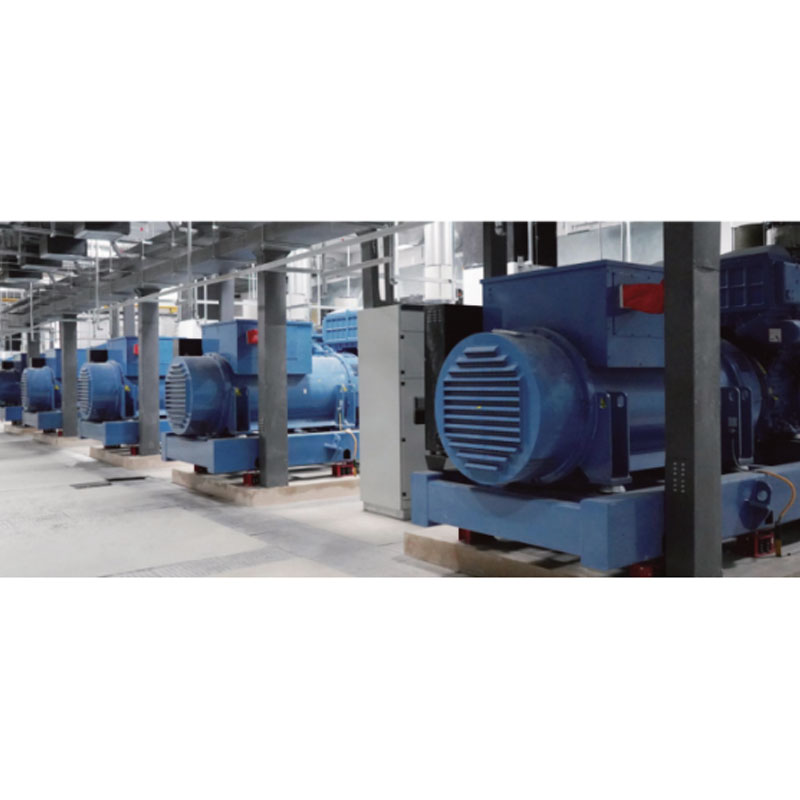
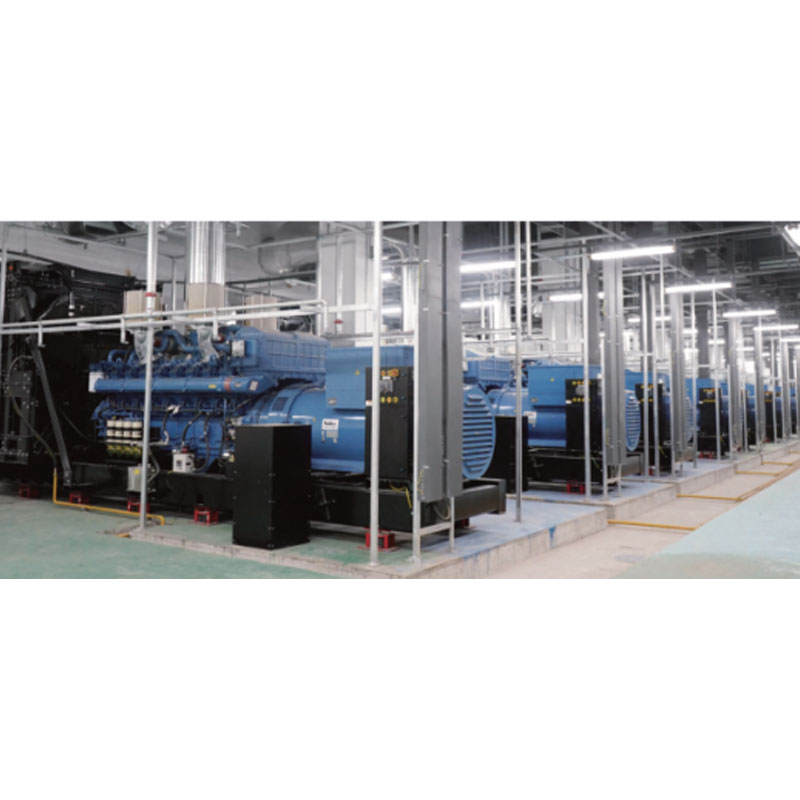
This professional company, based in Shandong province, specializes in developing and supplying comprehensive solutions in the field of autonomous and backup power supply. Unlike simple resellers, Yuke acts as a full-fledged manufacturer and system integrator, relying on strategic partnerships with the world's leading engine brands such as Cummins, MTU, Perkins, SEM and Yuchai. Their portfolio covers eight key equipment categories, from silent VCD and VSD series diesel generator sets to high voltage systems and mobile light towers.
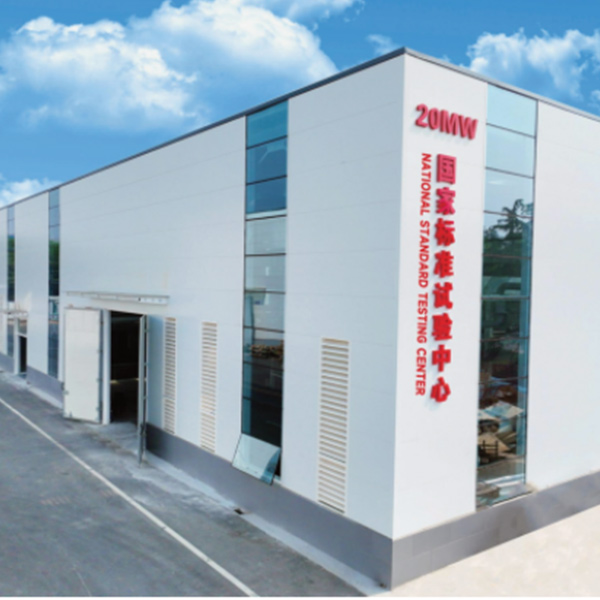
The key advantage of working with partners like Yuke is the strictest quality control system. Each piece of equipment undergoes mandatory load tests lasting at least 4 hours before shipment, which completely eliminates the risk of receiving “defective hardware” mentioned above. The company adapts its solutions to the climatic conditions and network standards of the delivery regions, ensuring reliability even in extreme operating conditions. The presence of a developed network of authorized service partners and the principle of “reliability through responsibility” make such manufacturers the preferred choice for large infrastructure projects where the cost of error is too high.
Market outlook and procurement strategy for 2026
The forecast for lower prices for AD diesel power plants is confirmed by macroeconomic data and reports from industry associations. Source:Russian Energy Weeknotes an increase in domestic production of power equipment by 12% over the past year. This indicates market saturation and the transition of competition to the price level.
However, it is worth considering the seasonality factor. Traditionally, demand grows in the autumn (preparation for winter) and spring (beginning of construction work). During these periods, prices may temporarily stabilize or even rise slightly due to rush demand. The most profitable time for purchasing remains January-February, when dealers strive to fulfill their first quarter plans and are ready to give additional discounts.
For large projects, it is advisable to consider leasing schemes or installment payments. Many suppliers cooperate with leasing companies, offering rates starting from 15% per annum. This allows you to distribute the financial burden and take payments into account in the cost of production, reducing income tax.
The technological trend for next year is the introduction of telemetry and predictive analytics systems. Modern stations are increasingly equipped with modules for transmitting data to the cloud. This allows you to predict the need for maintenance and prevent accidents. When choosing a new station, be sure to check the possibility of connecting to remote monitoring systems. In the future, this will become an industry standard, and the absence of such a function will reduce the liquidity of equipment for resale.
Frequently Asked Questions
What is the service life of an AD diesel power plant?
If you follow the maintenance regulations and use high-quality fuels and lubricants, the service life of the AD diesel power plant before the first major overhaul is from 15,000 to 25,000 operating hours, depending on the engine model. The total service life of the equipment can reach 10-15 years. A key factor in longevity is load: operating in the range of 70-80% of rated power prolongs the life of the engine, while prolonged operation at idle or overload sharply reduces the life.
Is it possible to connect the AD station to gas?
Yes, most diesel engines of the YaMZ and MMZ series can be converted to gas-diesel fuel. This allows you to reduce the cost of a kilowatt-hour of energy by 30-40%. Conversion is carried out by installing a gas reducer and mixer. It is important to remember that after conversion the engine retains the ability to run on clean diesel, which is convenient if there is no gas at the site. However, engine power when running on gas is reduced by approximately 5-7%, which must be taken into account when calculating.
Which oil is best to use for blood pressure stations in winter?
For winter operation at temperatures down to -30°C, it is recommended to use all-season motor oils of viscosity class 10W-40 with API CF-4 approval or higher. At temperatures below -30°C it is necessary to switch to 5W-40 or 0W-40 oils. Using summer oils (for example, 20W-50) in winter will lead to difficult starting and oil starvation in the first seconds of operation, which causes accelerated wear of the liners and turbocharger. Always check the engine manufacturer's recommendations in the owner's manual.
Do you need a voltage stabilizer for a diesel generator?
Modern AD diesel power plants are equipped with automatic voltage regulators (AVR), which maintain a stable output voltage level with an accuracy of ±1-2%. In most cases, no additional stabilizer is required. The exception is facilities with extremely sensitive medical or laboratory equipment, where power quality parameters higher than standard GOST standards are required. In such cases, it is advisable to install a separate uninterruptible power supply unit (UPS) or a specialized stabilizer at the load input.
Where to buy original spare parts for blood pressure?
Original spare parts should be purchased only from official dealers of engine manufacturing plants (TMZ, ALTAI-DIZEL, MMZ) or from authorized service centers. Purchasing spare parts on spontaneous markets or from unverified suppliers on the Internet carries a high risk of purchasing counterfeit products. Counterfeit filters and gaskets can cause serious damage. Check the presence of certificates of conformity and holograms on the packaging upon receipt of the goods.
Conclusion and action plan
The market for AD diesel power plants is entering a phase of price stabilization, providing buyers with a unique opportunity to update their fleet of equipment or equip new facilities on favorable terms. The projected price decline in early 2026 is a signal to act, not wait. Proper configuration, consideration of hidden costs and selection of a reliable partner will allow you to receive a reliable source of energy with an optimal total cost of ownership.
Don't put off solving energy issues until the last minute. Every day of downtime due to lack of backup power costs more than the interest on the loan to purchase the generator. Start preparing your project today: conduct a workload audit, determine automation requirements, and request quotes from multiple vendors for comparison.
If you want to receive a detailed calculation of the cost of the station for your tasks, taking into account all the nuances of delivery and installation, contact our specialists. We will help you choose the optimal model, avoiding unnecessary overpayments, and provide full technical support at all stages.
View the full catalog of AD diesel power plants with current prices
Contact us todayto receive an individual technical and commercial proposal and consultation with a leading engineer.
-


-
-


WeChat

-
WeChat