

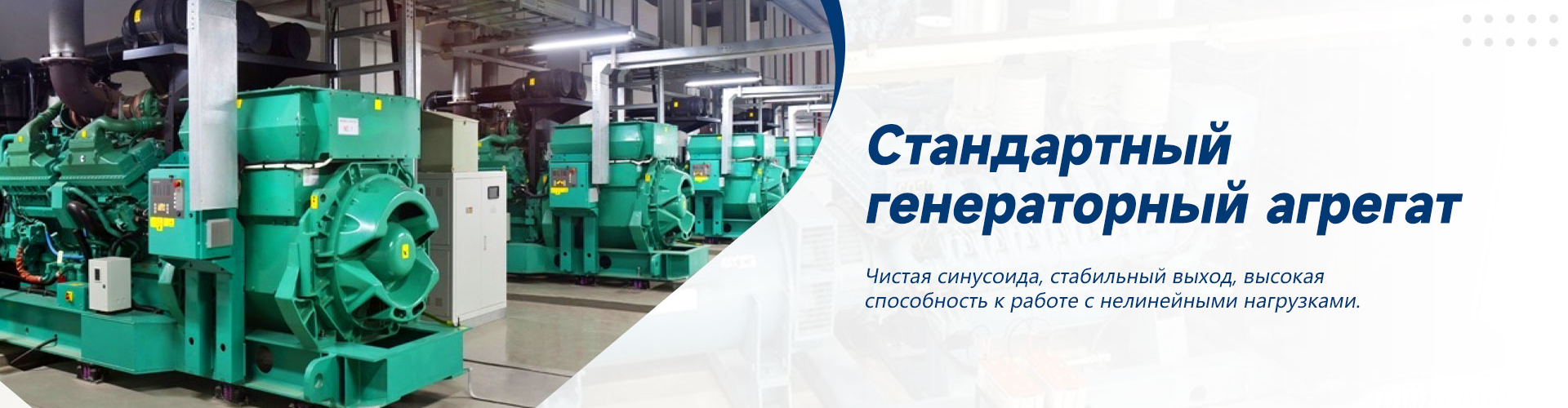
New products among biogas generators with a capacity of 1500 kW
2026-07-14
- Biogas market 2026: why 1500 kW is the new efficiency standard
- Technical evolution of engines: what is hidden behind the number 1500 kW
- Comparative analysis of market offers: Europe versus Asia in the 1.5 MW segment
- Economics of the project: calculation of payback and hidden costs
- Critical requirements for infrastructure and gas treatment
- Frequently Asked Questions
- Conclusion and next steps
Biogas market 2026: why 1500 kW is the new efficiency standard
New products among biogas generators with a capacity of 1500 kW in 2026 have radically changed the economics of processing organic waste for industrial enterprises in Russia and the CIS countries. If three years ago the installation of such capacity was considered excessive for medium-sized agricultural complexes, today it is the minimum entry threshold for profitable operation in the context of tightening environmental standards and rising disposal tariffs. We are seeing a paradigm shift: customers are no longer asking “how much does a kilowatt cost”, they are demanding guarantees of installed capacity utilization factor (IUR) above 85% and the ability to operate on gas with low methane content. Modern internal combustion engines adapted for biogas are now capable of delivering a stable 1500 kW even with mixture composition varying from 45% to 65% CH4, which was previously technically impossible without expensive pre-treatment systems.
In our practice of implementing such systems, we encountered a situation where a client from the Krasnodar Territory lost more than 12 million rubles in the first year of operation of a competitor’s installation due to incorrect selection of the cooling system and lack of automatic ignition timing correction. The engine worked at the limit, but the actual electricity production was only 60% of the rated data, and frequent stops for repairs negated all savings from its own generation. It was this painful experience that forced us to reconsider our approach to choosing equipment in the 1.5 MW class. Today we are not just talking about purchasing a generator, but about implementing a comprehensive energy station, where every parameter - from gas inlet pressure to oil temperature in the crankcase - affects the final profit of the enterprise.
The relevance of the topic is also due to the new requirements of Russian legislation for large sources of emissions. Enterprises generating more than 1 MW of energy are subject to enhanced monitoring, but at the same time gain access to preferential green energy subsidy programs. Biogas plants with a capacity of exactly 1500 kW occupy a unique niche: they are powerful enough to cover the needs of an average plant or large farm, but remain in a class of equipment that requires a less complex approval procedure compared to gigawatt projects. In this article, we will analyze the technical features of new products on the market, compare the real performance indicators of various manufacturers and give clear recommendations on choosing a supplier who will not disappear after signing the acceptance certificate.
Technical evolution of engines: what is hidden behind the number 1500 kW
Achieving 1,500 kW of electrical power per unit was made possible thanks to fundamental changes in the design of the cylinder-piston group and combustion control systems. Traditional gas engines designed ten years ago, when trying to boost them to such values, inevitably encountered detonation and overheating of the block heads. New models presented by leading European and Asian manufacturers in the 2025-2026 season use lean-burn technology with electronic control of each cylinder individually. This allows you to maintain an optimal air/fuel ratio even during sudden pressure surges in the gas pipeline, ensuring stable production without voltage drops.
The key parameter that plant chief engineers are now paying attention to is the electrical efficiency of the installation. If previously a value of 38-40% was considered an excellent indicator for biogas, then modern new products demonstrate a stable 43-44%. The difference may seem small, but in terms of the annual output of a plant operating for 8,000 hours, this is an additional 240,000 kWh of electricity. For an enterprise with a tariff of 6 rubles per kWh, this is a direct saving of 1.44 million rubles annually just by choosing a more efficient engine. It is important to understand that high electrical efficiency is often achieved at the expense of reducing the thermal power available for disposal. Therefore, when choosing a 1500 kW generator, you need to clearly define your priorities: do you need maximum electricity generation or does the project require deep cogeneration with heat release into technological processes?
New generation turbocharging systems play a critical role in delivering the stated power. Older models used simple fixed-geometry turbochargers that only operated effectively over a narrow load range. New 2026 models are equipped with two-stage supercharging systems with adjustable guide vane geometry. This solves the problem of "turbo lag" at start-up and allows the engine to quickly reach its full power of 1500 kW even when running on gas with a low calorific value. In our practice, there was a case when at a pig-breeding complex the methane content in biogas dropped to 48% due to a violation of the fermentation technology. The old generator automatically dropped the load to 800kW to avoid overheating the exhaust gases, while the new adaptive boost unit continued to operate at 1400kW, with only minor adjustments to the ignition angle.
Particular attention should be paid to the materials used in the exhaust tract. Biogas, especially obtained from food waste or sewage sludge, contains impurities of hydrogen sulfide and silicanes, which form aggressive compounds when burned. Manufacturers of new products in 2026 began to massively use heat-resistant alloys with a high content of nickel and chromium in exhaust manifolds and turbines. This increases the overhaul interval from the traditional 16,000 engine hours to 24,000 or more. Ignoring this factor when purchasing can lead to the fact that after a year and a half of operation the owner will have to change the turbocharger, the cost of which is up to 15% of the price of the entire engine. We strongly recommend that you request the exhaust system material certificate from the supplier and clarify the warranty for these particular components.
The integration of digital diagnostic systems has become an integral part of modern generators. On-board controllers now not only record emergency stops, they predict the need for maintenance based on analysis of vibration, exhaust temperature for each cylinder and oil composition. This is a shift from reactive to predictive maintenance. For a 1500 kW station, downtime even for a day means losses of hundreds of thousands of rubles, so the ability to receive notification of a potential malfunction a week before it occurs is a critically important function. When evaluating new products, be sure to check the compatibility of the generator control system with your existing SCADA system. The lack of open communication protocols (Modbus TCP, OPC UA) can turn a modern installation into a “black box”, data from which can only be obtained through expensive service from the manufacturer’s engineers.
Comparative analysis of market offers: Europe versus Asia in the 1.5 MW segment
The choice between European and Asian manufacturers of 1500 kW biogas generators in 2026 is no longer a question of quality versus price. The boundaries are blurring: Asian brands are actively introducing technologies licensed from European giants, and Europeans are optimizing production by moving part of their supply chains to regions with lower costs. However, fundamental differences in design philosophy and service approaches remain. Below is a detailed comparison table of key parameters, based on an analysis of technical specifications and feedback from operating organizations over the past year.
| Comparison parameter | European brands (Germany, Austria, Italy) | Asian brands (China, South Korea) |
|---|---|---|
| Basic engine platform | Own developments or deeply modified industrial series (for example, based on MAN, Caterpillar). High degree of localization of component production. | Licenses from European design offices or reverse engineering are often used. Rapid updating of the model range, but less depth of historical reliability statistics. |
| Electrical efficiency | Stable 42-44%. Optimized for long-term operation at rated load 24/7. | Stated 41-43%, but in practice derating up to 39-40% is often required when using low-quality gas to preserve the resource. |
| Gas quality requirements | High tolerance. Capable of operating in H2S levels up to 500 ppm without immediate damage (short term). Requires cleaning from silicones. | More sensitive to impurities. Strict requirement for H2S content < 200-300 ppm. Better pre-treatment of biogas is needed. |
| Cost of Capital Expenditure (CAPEX) | 30-45% higher than Asian counterparts. The price includes an extended package of commissioning works and personnel training. | Attractive starting price. Often additional options (extended warranty, remote monitoring, spare parts for the first year) are paid separately. |
| Service support in the Russian Federation and the CIS | A developed network of authorized service centers, but the high cost of original spare parts and field work by engineers. Delivery times for spare parts can reach 4-6 weeks. | Flexible logistics of spare parts, availability of warehouses in the regions. The cost of the service is lower, but the qualifications of local partners can vary from high to satisfactory. |
| Lifetime before major overhaul | 60,000 – 80,000 operating hours subject to maintenance regulations. | 40,000 – 60,000 operating hours. Often, earlier replacement of the piston group is required during intensive use. |
When choosing European equipment, you pay a premium for predictability and a long life cycle. These machines are ideal for sites where generator shutdown is unacceptable and the budget allows for quality service. An example is a large dairy plant, where a biogas station provides the base load, and any downtime leads to a disruption in the technological cycle of product production. Here, the overpayment for the brand pays off in the absence of surprises and stability of parameters over 10-15 years of operation.
Asian solutions, in turn, are becoming the number one choice for projects with a limited budget or for facilities with an unstable resource base, where payback must be as fast as possible. We have seen successful cases of implementation of Chinese generators with a capacity of 1500 kW at MSW landfills, where the composition of the gas varies greatly. Due to the simpler design and availability of spare parts, such installations are easier to adapt “on site” by your own mechanics. However, there is a risk here: if the supplier does not provide full technical support and documentation in Russian, saving on the purchase can result in many months of downtime in search of compatible parts.
The issue of certification deserves special mention. European equipment usually has a full package of EAC (Eurasian Conformity) certificates, which simplifies commissioning and obtaining permits from Rostechnadzor. The situation with Asian manufacturers is more complicated: some supply equipment using serial certificates, others require individual confirmation of conformity for each batch. Before signing a contract, be sure to request a copy of the current EAC certificate for the 1500 kW generator model specifically, and not for the brand as a whole. The absence of this document may become an obstacle to connecting to networks and receiving feed-in tariffs.
Our recommendation is simple: don't chase the cheapest offer on the market, but don't overpay for features you won't use. If your biogas is stable in composition and your staff is qualified, an Asian generator with a good service contract will show excellent economics. If you are working with a complex substrate or in a remote region, an investment in European reliability can save the project from a cash gap in the first years of operation. The main thing is to conduct an independent examination of the technical specifications before purchasing to make sure that the proposed model really meets your operating conditions, and does not just look nice in the booklet.
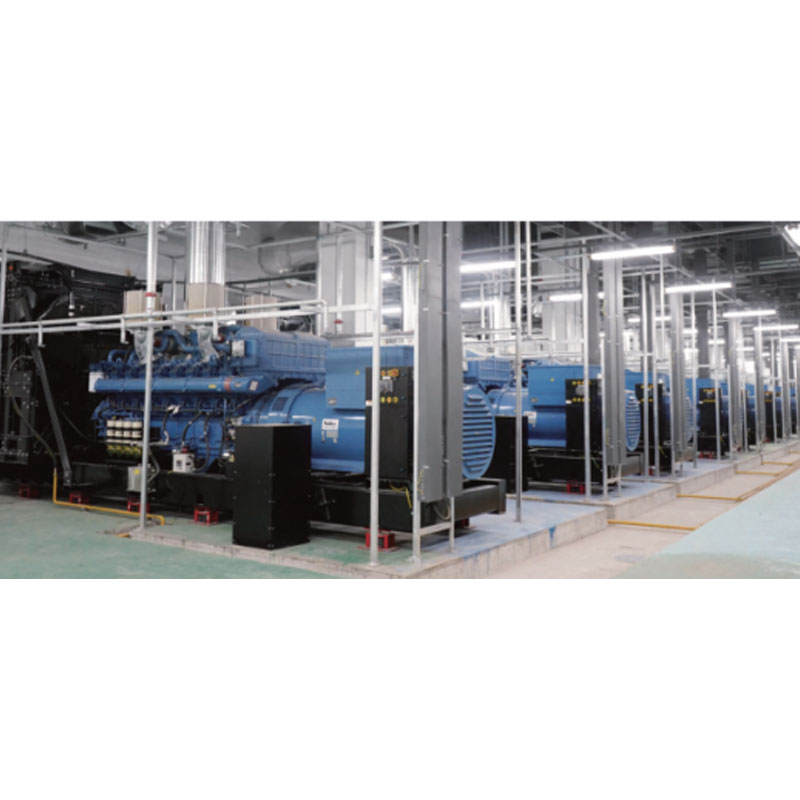
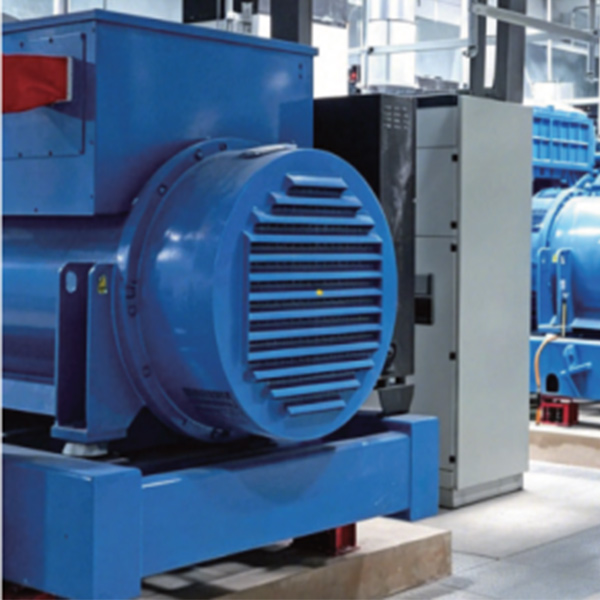
In this context, the solutions from Yuke (Shandong) Electrical Technology LLC deserve special attention. Based in Shandong province, the company has established itself as a reliable integrator, combining the world's leading technologies with the flexibility of Asian manufacturing. Unlike many competitors, Yuke does not simply assemble installations, but carries out deep adaptation of solutions to the specific requirements of the CIS markets, including climatic conditions and network standards. Their portfolio of gas generator sets, particularly the VYG series based on Yuchai engines, as well as high-voltage models based on Cummins and MTU platforms, strikes a balance between affordable cost and high reliability.
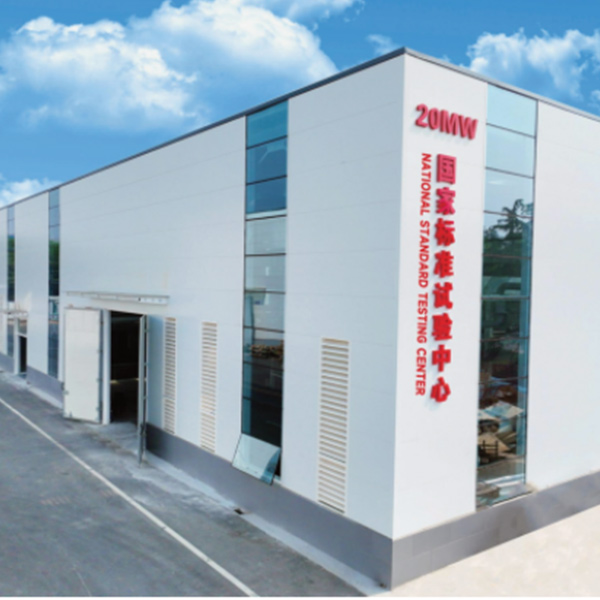
A key advantage of the Yuke approach is a strict quality control system, which directly affects the longevity of the equipment in difficult biogas operating conditions. Each product leaving their production facility undergoes mandatory load testing of at least 4 hours under rated and partial load. This allows potential assembly or setup defects to be identified prior to shipment, minimizing the risks of early failures discussed above. In addition, the company pays special attention to the compatibility of its systems with digital control protocols (Modbus, OPC UA), which solves the “black box” problem and makes it possible to easily integrate 1500 kW generators into existing SCADA systems of enterprises. For Russian customers, an important factor is the developed logistics of spare parts, as well as the availability of a post-warranty support program, which eliminates traditional fears before purchasing Asian equipment.
Economics of the project: calculation of payback and hidden costs
Buying a 1500 kW biogas generator is an investment measured in tens of millions of rubles, and the decision should be made on the basis of cold financial calculations, not marketing promises. The standard payback period for such projects in the current realities of 2026 is from 3.5 to 5 years, but this figure can vary significantly depending on the structure of income and expenses of a particular enterprise. Many customers make the mistake of taking into account only the savings on purchasing electricity from the network in their calculations, ignoring income from the sale of thermal energy and waste disposal.
Let's look at the real income structure of a 1.5 MW station. With a power utilization factor (capacity factor) of 85%, the annual electricity generation will be about 11,200,000 kWh. With domestic consumption at a tariff of 6.5 rubles/kWh, the savings will amount to 72.8 million rubles per year. However, this is just the tip of the iceberg. The thermal power of such a generator is approximately 1600-1700 kW. If this heat is used to heat fermenters (which is critical in winter) or dry fertilizers, we get additional savings on gas or fuel oil in the amount of another 15-20 million rubles annually. And a third, often overlooked source of income is waste disposal fees. Enterprises that accept manure or organic waste from third-party farms can earn up to 10% of the station's total revenue.
Hidden costs are what most often break a financial model. The first and most important is service. An annual service contract for a 1500 kW generator can be 3-5% of its cost. This includes changing oil, filters, spark plugs and adjusting valves. Oil for special class gas engines (Ashless) is expensive, and its consumption can reach 0.3-0.5 liters per MWh. The second factor is the quality of gas preparation. The hydrogen sulfide removal and drying system requires constant costs for reagents and replacement of filter elements. Underestimation of these costs leads to the fact that in the first year of operation the maintenance budget exceeds the planned one by 30-40%.
An important aspect is insurance and reservation. For a continuous process, one 1500 kW unit may not be enough. We recommend the N+1 scheme, that is, the installation of two 750-800 kW generators or three 500 kW generators, or the presence of one backup diesel generator. Buying a single powerful unit creates a point of failure: if it needs repairs, production stops completely. Insuring such a risk through the purchase of a second device increases CAPEX, but saves the business from catastrophic losses. In our practice, there was a case when the failure of the only generator at a poultry farm led to a stop in ventilation and the loss of 20,000 birds due to overheating. The damage exceeded the cost of the power plant itself three times.
Tax incentives and government support can significantly improve the economics of the project. In a number of regions of the Russian Federation, there are programs to subsidize part of the costs of purchasing equipment for renewable energy sources or to compensate the interest rate on loans. In addition, the use of biogas allows enterprises to reduce fees for negative environmental impact (NEI). To take advantage of these benefits, the project must be properly designed in terms of documentation: the presence of a project passport, commissioning certificates and regular reporting on the production of “green” energy. Ignoring the bureaucratic component deprives the investor of legal preferences laid down in state energy development programs.
Critical requirements for infrastructure and gas treatment
A 1500 kW generator is not an isolated device, but the heart of a complex engineering system. Its reliable operation depends 90% on the quality of fuel preparation and operating conditions. Biogas coming directly from the digester is not suitable for direct combustion in a modern engine. It contains moisture, hydrogen sulfide, silixanes and particulates, which act as an abrasive and chemical agent that destroys the engine from the inside. Errors at the design stage of a gas treatment system (LNG) are the cause of 70% of all premature equipment failures.
The first line of defense is hydrogen sulfide (H2S) removal. Even concentrations of 200-300 ppm are considered borderline for many engines, and new high-temperature motors require levels below 100 ppm to guarantee a long service life. The most common method is biological desulfurization directly in the digester or chemical treatment using iron oxide or activated carbon. The choice of method depends on the gas volume and sulfur concentration. For a 1.5 MW station consuming about 300-350 nm³/h of gas, chemical cleaning can become too expensive due to frequent replacement of the sorbent. In such cases, it is advisable to consider combined systems or membrane technologies, which, although more expensive at the start, are cheaper to operate.
The second critical parameter is the dew point. Moisture removal is necessary not only to prevent corrosion, but also to avoid water hammer in the intake manifold. Condensate entering the cylinder can cause destruction of the connecting rod or piston in a split second. Dehumidification systems must provide a dew point at least 5-10°C below the minimum ambient temperature during winter. Using simple steam traps is not enough; Refrigerated dryers or adsorption units are required. We strongly recommend installing gas humidity sensors at the engine inlet with start blocking if permissible values are exceeded. This simple measure will save you from expensive repairs.
Silixans are the hidden killer of gas engines. They end up in biogas along with cosmetics, shampoos and household chemicals if the station processes sewage sludge or food waste. When burned, silicones turn into silica (sand), which deposits on valves, spark plugs and turbine blades, causing abrasive wear and overheating. It is impossible to remove silicones with conventional filters; special adsorbents based on impregnated activated carbon are required. Gas analysis for the content of silicanes should be carried out regularly, especially if the raw material base changes. Ignoring this factor leads to the fact that the cylinder head requires replacement after 10,000 hours of operation instead of the required 40,000.
Connectivity infrastructure also plays an important role. A 1500 kW generator creates significant heat loads, requiring an efficient cooling system. Radiators must be designed to operate in the hottest summer conditions, taking into account dust contamination. It is often necessary to move the radiator unit separately from the generator container or use remote cooling towers. The electrical connection requires its own substation or power distribution point with appropriate circuit breakers and a synchronization system with the network. Operating in island mode (off-grid) for such capacities is possible, but requires a complex load management system and energy storage devices to dampen peak consumption surges.
Frequently Asked Questions
What is the minimum volume of biogas required for stable operation of a 1500 kW generator?
To reach a full power of 1500 kW with a methane content of 55%, a supply of approximately 300-320 normal cubic meters of biogas per hour is required. However, the key factor is not so much the volume as the stability of the supply. The engine does not like sudden pressure surges. If your installation produces gas unevenly, it is necessary to provide buffer tanks (gas holders) with a volume that provides at least 15-20 minutes of autonomous operation of the generator at full load. This will smooth out the peaks and valleys of gas formation.
Is it possible to convert an existing diesel generator to biogas?
Theoretically possible, but economically and technically infeasible for capacities of 1500 kW. Conversion requires replacing the piston group, cylinder head, ignition system and installing complex electronics. The cost of such a conversion is up to 70% of the price of a new specialized gas engine, while the service life and efficiency of the converted unit will be significantly lower than factory indicators. Specialized gas engines are designed taking into account the characteristics of gas combustion (higher temperatures, different flame front speeds), which cannot be fully implemented on a diesel basis.
How often do you need to change the oil in a biogas generator?
The oil change interval depends on gas quality and load, but for modern 1500 kW engines it ranges from 1000 to 2000 operating hours. The use of special low-ash oil (Low Ash) is mandatory. An attempt to save money and fill with regular diesel oil will lead to rapid coking of the combustion chambers and failure of the catalyst (if any) and the turbine. Regular analysis of used oil (spectral analysis) helps to accurately determine the optimal replacement interval for specific operating conditions, avoiding both premature replacement and operation with degraded oil.
What to do if the methane content in the gas drops below 45%?
Most modern generators have an automatic derating system. When the methane content drops below 45-48%, the controller automatically reduces engine power to prevent detonation and overheating of the exhaust gases. Operation at low methane concentrations without load reduction is impossible and dangerous. If this happens constantly, it means that the fermentation process in the digester is disrupted (lack of temperature, acidification of the environment, disruption of the substrate supply). You need to solve the problem in the bioreactor, and not try to “deceive” the engine with settings.
Conclusion and next steps
Choosing a 1500 kW biogas generator in 2026 is a strategic decision that will determine the energy security and profitability of your enterprise for the decade ahead. The market offers a variety of options, from proven European flagships to dynamically developing Asian models, such as the products of Yuke (Shandong) Electrical Technologies LLC, and the right choice depends on a deep understanding of your specifics: the quality of raw materials, requirements for reliability and availability of service. Don't let marketing brochures replace engineering calculations. Request from suppliers reference lists with contacts of existing facilities, conduct an independent examination of the technical proposal and carefully study the terms of warranty service.
Remember that the most expensive mistake is purchasing equipment that does not fit your gas parameters or does not have support in the region. Investments in high-quality gas treatment and professional installation pay off faster than discounts on the purchase of the hardware itself. If you are ready to move from theory to practice and discuss the details of the project at your site, our team of engineers is ready to audit your raw material base and offer the optimal technical solution.
Contact us todayto receive a detailed technical and commercial proposal and advice on the selection of equipment for your tasks. We will help you avoid common mistakes and launch your power plant on time with guaranteed achievement of design parameters.
-


-
-


WeChat

-
WeChat