

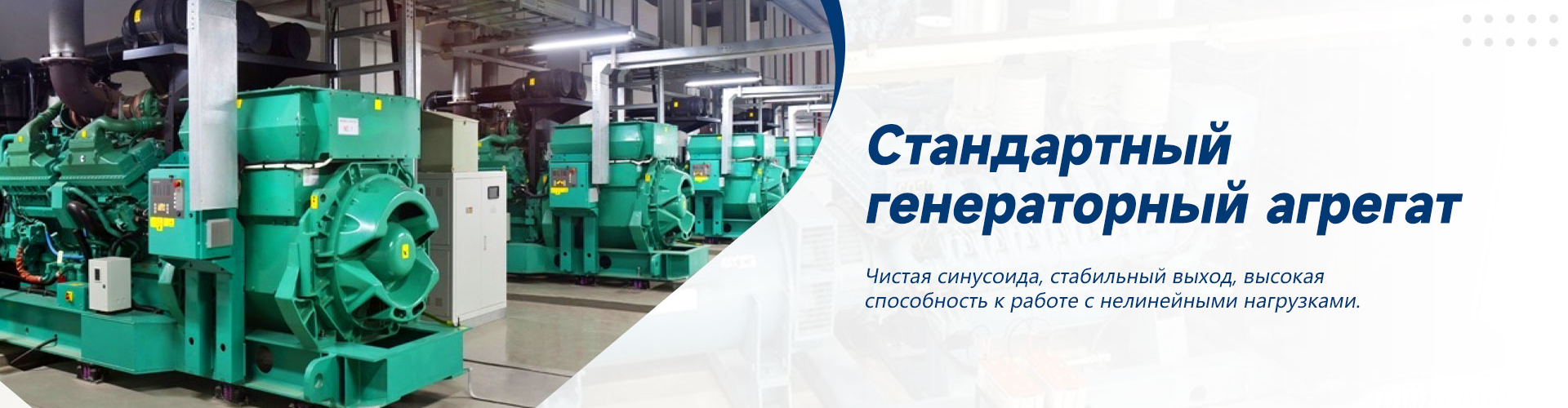
5 reasons to choose a gas power plant for your enterprise
2026-07-14
- Why gas power plants are becoming the standard for industrial power supply
- Economic efficiency: calculation of payback and cost of kWh
- Engine life and service intervals: a hidden reserve of reliability
- Environmental standards and simplification of approval procedures
- Cogeneration: maximum use of fuel energy
- Voltage stability and power quality for sensitive equipment
- Comparison table: Gas vs Diesel for industrial applications
- Who produces reliable gas solutions for the CIS market?
- Frequently Asked Questions
- Conclusion and recommendations for choosing a supplier
Why gas power plants are becoming the standard for industrial power supply
In conditions of instability of electricity tariffs and tightening environmental standards,5 reasons to choose a gas power plant for your enterpriseThey are no longer just a marketing list - it is a matter of business survival. In our practice of supporting industrial facilities from Kaliningrad to Vladivostok, we observe a clear trend: companies that ignore the transition to natural gas motor fuel lose up to 18% of operating profit annually only due to the difference in the cost of a kilowatt hour. Gas generation today is not an alternative to diesel, but the basic standard for any production operating more than 4,000 hours per year.
We won’t tell you that gas is “environmentally friendly” or “modern”. These words are worthless without numbers. Instead, we will look at the specific engineering and economic aspects that cause plant managers to change project specifications. You will learn why the installed capacity utilization factor (IUR) is higher for gas units, how intervals between major repairs affect Cash Flow, and what hidden risks a cheap diesel carries during long-term operation.
Economic efficiency: calculation of payback and cost of kWh
The first and most obvious reason for switching to gas is direct savings on fuel. However, many managers make the mistake of comparing only the price of a liter of diesel and a cubic meter of gas. This approach is wrong. It is necessary to calculate the cost of the generated kWh of energy, taking into account the engine efficiency and specific fuel consumption. Under real operating conditions, a gas piston unit consumes approximately 0.3–0.35 m³ of natural gas to generate 1 kWh of electricity. For comparison: a modern diesel generator consumes about 0.25–0.28 liters of diesel fuel for the same volume.
Let's look at the numbers. At current market prices in the Russian Federation and CIS countries, the cost of 1 kWh generated on gas averages 3.5–4.5 rubles (or the equivalent in local currency), while diesel generation costs 9–12 rubles. The difference is more than double. If your enterprise consumes 500 kW 24/7, then the monthly savings on fuel alone will be about 1.5–2 million rubles. The payback on capital costs for the purchase and installation of a gas station with this operating schedule ranges from 14 to 18 months. After this period, every kilowatt generated goes into net profit.
One of our clients, the owner of a cement plant in the Ural region, was faced with a classic situation: they were using 1 MW diesel generators as their main power source due to grid power limits. In three years, they spent an amount on fuel that exceeded the cost of three new gas stations of the same capacity. When we conducted an audit and showed them the TCO (Total Cost of Ownership) calculation, the decision was made in one week. It is important to understand: gas equipment has a higher initial cost due to the complexity of the mixture formation system and the requirements for gas purification, but this difference is leveled out already in the first year of intensive operation.
There is a nuance that suppliers are often silent about. Savings are achieved only when using main gas or liquefied petroleum gas (LPG) in large volumes. If you depend on bottled propane in small quantities, logistics can eat up some of your margins. However, even in this scenario, gas often outperforms diesel, especially given seasonal price hikes for petroleum products. We recommend that you always request a long-term contract with a fixed price from your gas supplier to protect your budget from market volatility.
Action:Take your fuel bills for the last quarter, divide the total by the kWh generated, and compare that figure to the current gas rate in your area. The difference will show your potential monthly winnings.
Engine life and service intervals: a hidden reserve of reliability
The second reason, which often outweighs even the financial benefits for production workers, is the colossal difference in engine life. Diesel engines operating in constant mode (Prime Power) usually require major overhaul after 20,000 - 30,000 operating hours. Gas engines, designed specifically to run on gaseous fuel, have a lifespan before the first overhaul of 60,000 to 80,000 operating hours. This is not a marketing ploy, but a consequence of the physics of the combustion process.
When diesel fuel burns, soot and solid particles are formed in the combustion chamber, which contaminate the oil, accelerate wear of the cylinder-piston group and coke the injectors. The gas burns almost completely, leaving no solid residue. The oil in a gas engine stays clean much longer. In practice, this means that the oil change interval for gas stations is 500–800 hours, while for diesel analogues it is 250–400 hours. Changing the oil less often means lower costs for lubricants and waste disposal.
In our practice, there was a case in a textile factory where a diesel generator failed after 18,000 hours due to valve burnout caused by overheating and carbon deposits. A downtime line cost the company more than the cost of the engine itself. After replacing it with a gas unit of the same power (based on a spark ignition engine), the unit worked for 5 years without opening the cylinder block. The key factor here is combustion temperature. Although gas burns at higher temperatures, modern cooling systems and valve materials (often sodium-filled) cope better than older diesel designs, which suffered from localized overheating due to uneven fuel atomization.
It is also worth mentioning vibration loads. The gas-air mixture burns more gently and evenly throughout the chamber volume than diesel fuel, which is injected under high pressure and burns frontally. This reduces mechanical loads on the crankshaft and bearings, which directly affects the reliability of the entire unit and related equipment. For sensitive industries, such as microelectronics or precision engineering, this factor is critical.
However, there is a limitation. Gas engines are more sensitive to fuel quality. The presence of impurities, condensation or a change in the calorific value of the gas (Wobbe number) can lead to detonation. Therefore, installing a high-quality filter separator and pressure reducer is not an option, but a prerequisite for a long engine life. Ignoring this requirement is the most common cause of premature breakdowns that we record during service audits.
Action:Check the maintenance schedule for your current generator fleet. Count the number of oil and filter changes per year and multiply by their cost. Compare this amount with the predicted costs for a gas station with a maintenance interval 2 times less frequent.
Environmental standards and simplification of approval procedures
The third reason is becoming increasingly important in light of the global tightening of environmental legislation. Emissions of nitrogen oxides (NOx), carbon monoxide (CO) and particulate matter (PM) from diesel generators are strictly regulated by Euro 3, Euro 4 and Euro 5 standards. To meet these standards, diesel engines require complex and expensive exhaust gas aftertreatment systems: diesel particulate filters (DPF), selective catalytic reduction (SCR) systems using urea (AdBlue). All this complicates the design, increases the cost of ownership and creates new points of failure.
Gas power plants initially comply with the most stringent environmental standards without additional cleaning systems. The content of harmful substances in the exhaust of a gas engine is several times lower than the maximum permissible concentrations (MPC). For example, NOx emissions from modern gas piston units are less than 500 mg/m³, and some lean-burn models are less than 250 mg/m³, which allows environmental assessment to pass almost automatically. The absence of black smoke and a pungent exhaust odor makes it possible to place such stations in close proximity to residential areas or inside industrial workshops (subject to the organization of supply and exhaust ventilation).
In 2024–2025, we are seeing an increase in the number of fines for exceeding emission standards for industrial enterprises. Inspectors of Rosprirodnadzor and similar departments in the CIS countries are equipped with mobile laboratories. An enterprise using an old diesel fleet runs the risk of receiving an order to stop production until modernization. Switching to gas eliminates this risk completely. Moreover, the use of gas as a cleaner fuel often qualifies for green certificates or tax incentives as part of programs to reduce carbon footprints, which becomes an important argument for exporters of products to the European Union.
An interesting case happened with a logistics terminal near Moscow. They planned to expand the warehouse, but environmental assessments blocked the project due to emissions limits from the existing diesel boiler and generator plant. Replacing the energy source with a gas cogeneration plant made it possible not only to obtain a construction permit, but also to improve the environmental balance of the entire area, which was highly appreciated by the local administration. This is an example of how a technical solution becomes a tool for strategic business development.
It is important to note that working on gas also requires a permit, but the procedure for obtaining documents for gas equipment certified according to GOST R standards and having a declaration of conformity with the CU TR is usually faster and easier than approving sources of increased environmental risk, which include powerful diesel units.
Action:Ask your environmental specialist for the latest permitting status for your emission sources. If expiration dates or regulations exist, consider replacing the equipment as a way to close the problem for good.
Cogeneration: maximum use of fuel energy
The fourth reason, available exclusively for gas technologies, is the possibility of implementing a cogeneration scheme (production of electricity and heat simultaneously). Traditional diesel generation utilizes the heat of exhaust gases and coolant extremely inefficiently or does not utilize it at all, emitting up to 60% of the fuel energy into the atmosphere. A gas power plant can be easily retrofitted with heat exchangers to extract thermal energy.
In cogeneration mode, the overall efficiency of the installation reaches 85–90%. You receive not only electricity, but also hot water or steam for technological needs, heating workshops or heating swimming pools. For enterprises with year-round heat consumption (food industry, chemical production, greenhouse complexes, housing and communal services) this is a revolutionary solution. Essentially, you get free heat as a by-product of generating electricity.
Let's look at a specific example. A dairy plant consumes significant amounts of steam for pasteurization and hot water for cleaning lines. Previously, they bought electricity from the network and received steam from a separate gas boiler. After introducing a gas piston unit with a heat recovery system, they covered 100% of the electricity demand and 70% of the heat demand. The payback period for such a project was less than 2 years thanks to double savings. In winter, the efficiency of such a system is maximum, since all the collected heat is used.
There is also trigeneration - the production of electricity, heat and cold. Using absorption refrigeration machines running on hot water from an engine, you can condition rooms in the summer. This is ideal for shopping centers, hotels and server data centers, where the air conditioning load peaks during the hot season, coinciding with the peak of electricity consumption.
The implementation of cogeneration requires a competent heat balance. You can’t just install a heat exchanger - you need to make sure that you have a constant heat consumer. If there is nowhere to use the heat, it will have to be released into the atmosphere through cooling towers, which defeats the purpose of the whole idea. Therefore, before purchasing, it is necessary to conduct an energy audit and plot the thermal loads of the enterprise. We have seen mistakes when we installed powerful cogenerators at facilities with seasonal heat consumption, and in the summer the equipment was idle or operating in an inefficient mode.
Technically, the heat recovery system consists of a plate heat exchanger built into the engine cooling circuit and a waste heat boiler on the exhaust pipe. Modern automated control systems (ACS) themselves regulate dampers and pumps, directing heat to where it is needed at the moment, ensuring engine safety is a priority.
Action:Analyze your heating and hot water bills. If the amount is significant, calculate the potential for introducing cogeneration. Even covering 30% of heat needs through recycling can change the economics of the project.
Voltage stability and power quality for sensitive equipment
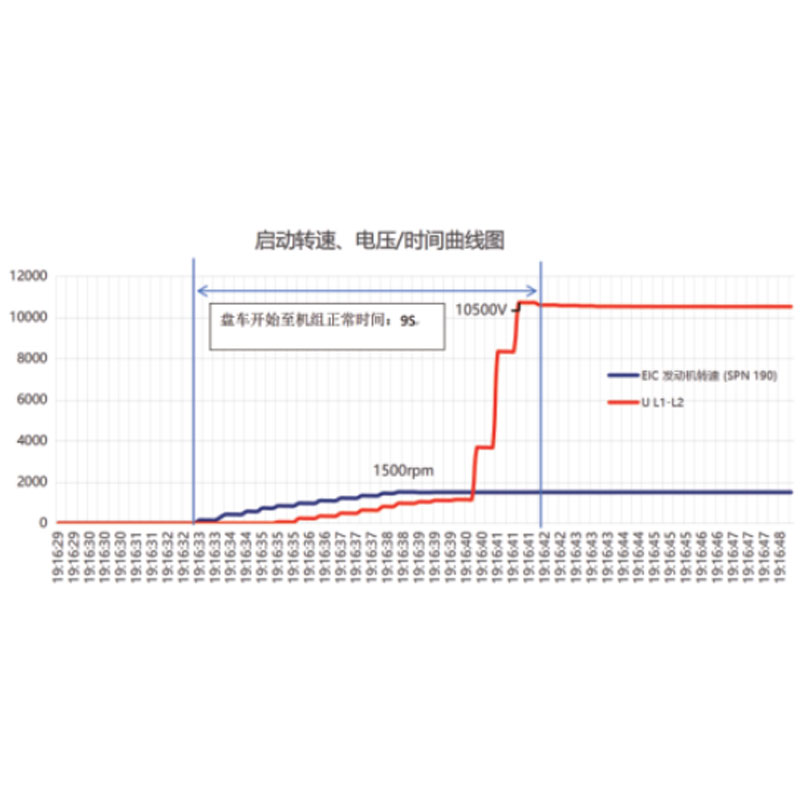
The fifth reason concerns the quality of generated electricity. Modern industrial equipment - frequency converters, robotic lines, CNC machines, medical equipment - is extremely sensitive to harmonic distortions, frequency and voltage differences. Cheap diesel generators with mechanical speed controllers often cannot provide a stable sine wave during sudden load changes, which leads to malfunctions of the electronics and even failure.
Industrial-grade gas power plants are equipped with electronic engine control systems (ECU), which instantly adjust the composition of the fuel-air mixture and ignition timing. This ensures high dynamic speed stability and, as a result, a stable current frequency (50 Hz). In addition, most gas generators are equipped with brushless synchronous generators with self-excitation systems or PMG (Permanent Magnet Generator), which guarantee a pure sine wave with a harmonic distortion (THD) level of less than 3%, which meets the requirements of GOST 32144-2013 and IEEE international standards.
In one of the projects to modernize a printing house, we were faced with the fact that new printing presses constantly went into error when running on an old diesel generator during power outages. The problem was a voltage drop when starting powerful drive motors. Replacing it with a gas unit with a top-class AVR (Automatic Voltage Regulator) system and a “soft” load acceptance function solved the problem completely. The equipment began to work normally, product defects disappeared.
Also, gas stations are better suited to work in parallel with the network or other generators. Synchronization systems allow you to combine several modules into a single energy cluster, flexibly managing power depending on the current needs of the enterprise. This increases the reliability of the system: when one module goes out for repair, the others pick up the load without interrupting the power supply to consumers of the first category.
It is worth noting that the quality of gas also affects the stability of operation. Sudden pressure surges in the line can cause failures. Therefore, having your own gas control point (GRPS) with high-quality safety automation and a backup reduction line is a mandatory element of a reliable system. We recommend installing gas quality sensors directly in front of the engine so that the system can automatically adjust operating parameters or warn the operator of danger.
For enterprises where downtime is unacceptable (banks, data centers, continuous chemical production), the combination of high stability of current parameters and the ability to quickly synchronize makes gas generation a clear choice compared to most diesel analogues in the same price segment.
Action:Analyze the power quality of your network using a parameter analyzer. If you see frequent surges or harmonics, check the compatibility of your critical equipment with the characteristics of the gas generators offered.
Comparison table: Gas vs Diesel for industrial applications
To systematize the information and clearly show the advantages, we have prepared a summary table of key parameters. These data are based on averages for equipment with a power of 500–1000 kW, which is most in demand in the industrial sector.
| Comparison parameter | Gas power plant | Diesel power plant |
|---|---|---|
| Fuel cost (RUB/kWh) | 3.5 – 4.5 (low) | 9.0 – 12.0 (high) |
| Resource before overhaul (motor hours) | 60,000 – 80,000 | 20,000 – 30,000 |
| Oil change interval (hours) | 500 – 800 | 250 – 400 |
| Ecological class | Euro-4/5 without additional systems | Requires SCR/DPF for Euro 4/5 |
| Possibility of cogeneration | High (efficiency up to 90%) | Low / Difficult |
| Noise level (at a distance of 7m) | 75 – 85 dB(A) | 85 – 95 dB(A) |
| Capital Expenditure (CAPEX) | 20–30% higher | Below |
| Dependency on logistics | Low (main) | High (constant supplies) |
As can be seen from the table, despite the higher initial investments, the gas station wins in all operational indicators. The choice is obvious for facilities with high annual operating hours.
Who produces reliable gas solutions for the CIS market?
Selecting the right equipment supplier is a critical step that determines the success of the entire energy supply project. There are many players on the market, but only a few are able to offer not just hardware, but a comprehensive engineering solution adapted to the specifics of the region. A striking example of this approach is the companyYuke (Shandong) Electrical Technology LLC"
Located in Shandong Province (China), this company has established itself as a professional integrator of solutions in the field of autonomous and backup power supply. Yuke successfully combines its own engineering competencies in the development of mobile power systems and energy storage technologies with strategic partnerships with the world's leading powertrain manufacturers. Their products are actively supplied to the CIS countries, Asia and the Middle East, which confirms the company’s ability to adapt solutions to the harsh climatic conditions and network standards of our region.
Particular attention in the company's portfolio is paid to gas technologies. Series of gas generating unitsVYG, built on the basis of Yuchai engines, is designed specifically to operate on natural and associated petroleum gas. These installations demonstrate the high efficiency and reliability discussed in the previous sections of the article. But Yuke's portfolio is much broader: the company offers eight key categories of equipment, including silent generator sets, mobile power station trailers, high-voltage units (VHMD5, VHSD5, VHYD5, VHCD5 series based on MTU, SEM, Yuchai and Cummins) and even liquid-cooled energy storage cabinets.
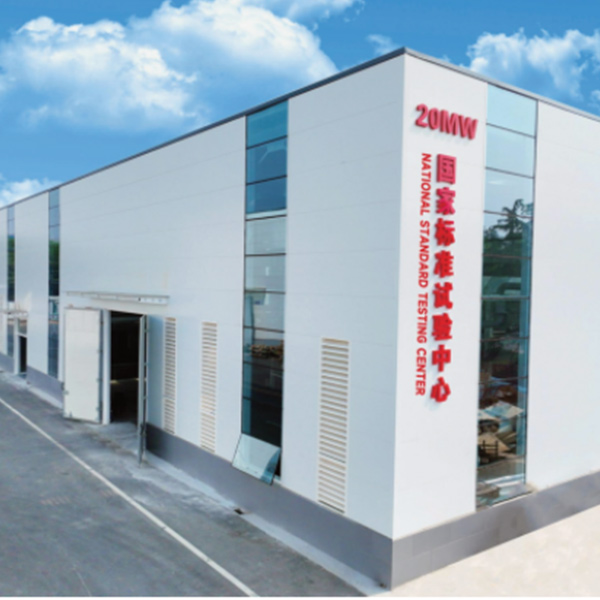
The main advantage of Yuke LLC is its strict quality control system. At the company's production base, each piece of equipment undergoes mandatory load tests lasting at least 4 hours under rated and partial load before shipment. This ensures that the customer receives a device that is fully ready for real-life use, with verified parameters for noise, vibration and output voltage stability. The company operates on the principle of “reliability through responsibility”, providing customers with full support: from design and selection of the optimal model to personnel training and post-warranty service with prompt delivery of original spare parts.
If you are looking for a partner that can offer not just a generator, but a flexible energy solution that integrates Cummins, Perkins, MTU or Yuchai engines into its own proven designs, then the experience and technological base of Yuke (Shandong) Electrical Technology LLC will be the key to the smooth operation of your enterprise.
Frequently Asked Questions
What is the service life of a gas power plant with 24/7 operation?
If the maintenance regulations are followed and high-quality gas is used, the service life of a gas piston unit before decommissioning is 15–20 years. The engine may require one major overhaul at 60,000–80,000 operating hours (approximately 7–9 years of continuous operation), after which its service life is restored to almost new condition. This significantly exceeds the life cycle of most diesel units under similar severe operating conditions.
Is it possible to convert an existing diesel generator to gas?
It is theoretically possible to install a gas-diesel system (GDS), where gas is supplied to the intake manifold and diesel fuel is used for ignition. However, such modernization has limitations: the degree of gas replacement usually does not exceed 70–80%, and the engine life may decrease due to changes in temperature conditions and loads on the connecting rod and piston group, which is not designed for the detonation characteristics of gas. We recommend purchasing dedicated gas engines rather than converting diesel engines if you plan on long, reliable service.
What to do if the main gas is turned off?
To ensure continuity, many enterprises install dual fuel systems or reserve tanks for liquefied gas (LPG). Modern gas generators can be adapted to operate on a propane-butane mixture. There is also a version of a hybrid system, where if the main gas goes out, the automation switches the unit to diesel fuel (if the engine design allows, for example, in gas-diesel mode), although this is a temporary solution. The best strategy is to conclude an agreement with an LPG supplier for the emergency supply of gas in tanks.
How difficult is it to get permission to install a gas station?
The approval process includes developing a project, obtaining technical specifications from the gas supply organization and passing an industrial safety examination. Although there is bureaucracy, for certified equipment (having a TR CU certificate and permission from Rostechnadzor) this process is standardized. The main difficulty is not in the permit itself, but in the correct design of the gas pipeline and ventilation system. Involving a design organization with the approval of a service station reduces the approval time to 2–4 months.
Conclusion and recommendations for choosing a supplier
To summarize, we can confidently say: if your company plans to operate for more than 3–5 years,5 reasons to choose a gas power plant for your enterpriseare an undeniable argument in favor of switching to blue fuel. Fuel savings, increased resource, environmental safety, the possibility of cogeneration and high quality electricity create a cumulative effect that turns generation from an expense item into a tool for increasing competitiveness.
However, the success of the project depends not only on the choice of fuel type, but also on the correct selection of equipment and manufacturer. The market is saturated with offers, but not all producers take into account the specifics of the Russian climate and gas quality. When choosing a supplier, pay attention to the availability of its own technical base, a strict quality control system (as implemented in Yuke LLC) and experience in implementing similar projects. Cheap hardware without support can be an expensive problem.
Don't try to save money at the design stage. Errors in power calculations, selection of gearboxes or cooling systems will be ten times more expensive to correct post-factum. Entrust this work to engineers with real experience, not sales managers.
If you are ready to consider the possibility of introducing gas generation at your site, we offer a free preliminary audit of your energy consumption. Our specialists will help you calculate the exact economics of the project, select the optimal equipment model (including from a line of partners such as Yuke) and draw up an implementation roadmap.
Catalog of gas power plants | Order an energy audit
Contact us todayto discuss the details of your project and receive a commercial offer with a payback calculation.

-


-
-


WeChat

-
WeChat