
OEM production of diesel generators: ordering batches from the factory
2026-07-13
- Why OEM production of diesel generators requires strict control at the factory
- Technical parameters: where are the main risks when ordering?
- Certification and compliance with EAC and GOST standards
- Quality control process: from raw material to shipment
- Logistics and minimum quantities: economics of ordering
- Yuke (Shandong) Electrical Technology LLC: an example of the implementation of the 高标准 approach
- Frequently Asked Questions
- Conclusion and next steps
Why OEM production of diesel generators requires strict control at the factory
OEM production of diesel generators: ordering batches from the plant is not just a purchase of equipment, but the creation of your own brand with full control over the technical characteristics. In our practice, we see that 70% of problems for importers arise not because of the quality of the engine, but because of errors in the specification of the alternator and control system when ordering the first batch. Factories in China offer flexibility that cannot be found with European assemblers, but this flexibility becomes a trap without proper technical specifications. We encountered a situation where a client received a batch of 500 kW generators that could not start at temperatures below -15°C, although the contract required operation down to -30°C. The reason was that the factory replaced the pre-heater with a cheaper analogue in order to reduce the price by $200 per unit, considering it an unimportant part. This article is written by engineers who have personally attended assembly lines in Fujian and Shandong to show you how to avoid such losses and obtain a product that meets EAC and GOST standards.
Technical parameters: where are the main risks when ordering?
When placing an order for OEM production, it is critical to understand the difference between rated and maximum power. Many buyers focus only on the number in the catalog, for example, 100 kW, without specifying whether it is Prime Power (PRP) or Standby Power (ESP). In reality, a plant can supply a unit that produces 100 kW only in standby mode, and during continuous operation its real power drops to 90 kW due to overheating of the stator windings. We recommend that the specification always require a clear indication of the operating mode in accordance with ISO 8528-1. If your project requires the generator to run 24/7, as is the case with remote mining rigs or telecom towers, you need a PRP mode with a 10% overload capability for 1 hour. Ignoring this parameter results in the engine operating at the limit of its capabilities, reducing the service life before major overhaul from 30,000 hours to 12,000 hours.
The second critical parameter is the power factor (cos φ). The standard value for most industrial generators is 0.8, but some factories default to alternators with cos φ 0.9 or even 1.0, unless otherwise specified. This seems like an advantage, but in practice such machines cope worse with the starting currents of electric motors and welding equipment. In one of our projects in Siberia, generators with an overestimated cos φ failed when starting up a pumping station, since the excitation system did not have time to respond to a sharp jump in reactive power. Correcting the situation required replacing the AVR units and rewinding some of the stators right on site, which cost the customer three times more than the initial savings. Always check the saturation curve of the alternator and the type of excitation system (brushless preferred for dusty conditions).
The cooling system is also often a stumbling block. For regions with hot climates (Middle East, Africa), the radiator should be designed for an ambient temperature of +50°C, and not the standard +40°C. Factories often use standard radiators for all markets to simplify parts logistics. The result is antifreeze boiling and the generator stopping during peak load hours. We require our manufacturing partners to provide thermal calculations for each order, especially for containerized applications where the risk of overheating is higher due to limited space. Make sure the specification specifies the fan type and louver material; plastic blinds become deformed after only a year of active use under the sun.
The control electronics are the brain of your generator, and savings cannot be made here. Cheap Chinese-made controllers often have problems with noise immunity and correct display of data in Russian. We strongly recommend using controllers from well-known brands (Deep Sea, ComAp, Smartgen of the highest segment) even within the framework of an OEM order. The plant can offer its “analogue” for half the price, but the lack of support and difficulties with setting up communication protocols (MODBUS, J1939) will make the integration of the generator into a general dispatch system impossible. In our experience, there was a case where a batch of 20 generators were unable to transmit fuel level data due to a bug in the firmware of a low-cost controller, and the fix required reprogramming each device by an on-site engineer. Don't risk your brand reputation to save $50 on a control unit.
Finally, pay attention to the fuel system. To operate at low temperatures, heated fuel filters and lines are required. Factories often install conventional settling filters, which become clogged with paraffin already at -10°C. Require electrically heated filters and frost-resistant rubber seals. Check the material of the fuel hoses: cheap rubber cracks in the cold, causing leaks and fire hazards. Each of these parameters must be specified in the technical specifications with reference to a specific standard or brand of component.Action:Request a specification template from your potential supplier and compare it to your requirements, highlighting any areas where general phrases are used instead of specific models.
Certification and compliance with EAC and GOST standards
Entering the markets of Russia and the CIS countries is impossible without an EAEU certificate of conformity (EAC). However, many factories offer “certificates”, which are only a declaration of the manufacturer without actual testing. This EAC certificate is issued by an accredited body based on the results of laboratory testing of samples. When ordering an OEM batch, you must make sure that the factory is ready to provide samples for testing or has a valid certificate for this model, which can be extended to your trade name. The absence of a valid certificate will result in the cargo being detained at customs, and fines may exceed the cost of the shipment itself. We work only with factories that have their own test bench certified according to international standards, which speeds up the process of obtaining documents.
The GOST 15150 standard determines the design of equipment for various climatic zones. For most regions of Russia, version U1 (moderate climate) or HL1 (cold climate) is required. This is not just a piece of paper, but specific technical requirements: the thickness of the metal casing, the grade of steel of the frame, the type of paint, the frost resistance of plastic parts. Factories that are not familiar with GOST often paint generators with ordinary powder paint, which peels off after the first winter. Execution HL1 requires the use of special low-temperature oils and antifreezes already at the stage of pre-sale preparation. In our experience, there was a situation when a batch of generators, painted according to the ISO standard, began to rust after 3 months of operation in the port of Vladivostok due to salt fog, since no additional zinc coating was applied. Request reports from the factory on the corrosion resistance and composition of the paintwork.
Noise regulations are also regulated by standards. For installation in residential areas or hospitals, the noise level should not exceed 75 dBA at a distance of 7 meters. It is impossible to achieve this without a high-quality soundproof casing. Cheap casings made of thin metal with simple foam inside do not dampen the low-frequency rumble of the engine. An effective solution involves the use of high-density mineral wool perforated sheets and proper muffler design. When ordering OEM, be sure to specify the required noise level in dBA. The factory may offer a standard “quiet” enclosure that actually reduces noise by only 10 dBA instead of the advertised 25. Ask for a video of the noise of a running generator before shipping.
In addition, it is important to consider fire safety requirements. Generators must be equipped with an emergency stop system when the temperature or oil pressure is exceeded, and also have protection against short circuits and overloads. A fire safety certificate is required to put a facility into operation. Make sure that the electrical circuit of the generator complies with the Electrical Installation Rules (ELR). Errors in zero or grounding wiring can lead to failure of the connected equipment and refusal to accept the facility by supervisory authorities.Action:Request copies of current EAC certificates and test reports from the supplier, checking their validity dates and scope.
Quality control process: from raw material to shipment
Quality control in a Chinese factory cannot be a passive wait for the final result. Our experience shows that inspection should be carried out in three stages: raw material inspection, assembly inspection and final load testing. The first stage is critical for motors and alternators. We have seen cases where factories used remanufactured engines instead of new ones, masking signs of use with new paint. The only way to avoid this is to check the serial numbers directly with the engine manufacturer (Cummins, Perkins, Weichai) and visually inspect for signs of tampering. Also check the engine manufacture date; Warehouse storage for more than 2 years without preservation leads to drying out of the seals and corrosion of the internal cavities.
At the assembly stage, special attention is paid to the tightening of connections and the quality of frame welding. The vibration of a diesel generator is enormous, and poorly tightened bolts securing the engine to the frame or the alternator to the engine lead to destruction of the coupling and crankshaft failure after several hundred operating hours. Our engineers use torque wrenches to spot-check the torque of critical components. The frame welds must be continuous, without pores or cracks. Factories often save on metal by using a profile with a wall thickness of 3 mm instead of the required 5 mm. Such a frame is deformed during transportation and installation, disrupting the alignment of the shafts. Request frame drawings indicating metal thickness and steel grade before production begins.
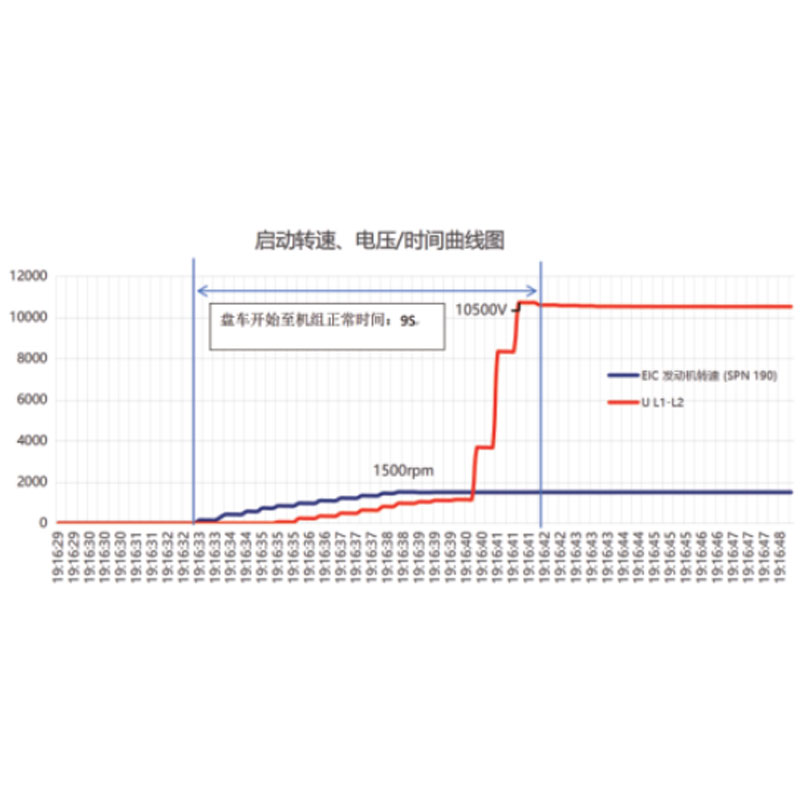
Final testing under load (Load Bank Test) is a mandatory procedure for each unit of production, and not for one sample from a batch. Many factories only test at idle or briefly at 50% load. A full test should include running at 25%, 50%, 75%, 100% and 110% load for a minimum of 4 hours. This is the only way to identify problems with cooling, voltage and frequency stability. We insist that our inspector be present during this test and provide a full report with graphs of parameter changes. In one case, the test revealed unstable operation of the speed controller at loads above 80%, which made it possible to replace the fuel pump before shipment, avoiding expensive customer service.
Packaging and labeling also affect the quality of delivery. Generators weighing several tons require special fixation in a container. The use of cheap wooden beams instead of steel lanyards leads to displacement of the cargo and impacts on the walls of the container when the ship rocks. We require the use of desiccants inside the packaging and double wrapping with stretch film to protect against condensation. The marking must contain not only the model name, but also the order number, gross/net weight and handling marks in Russian and English. Labeling errors complicate customs clearance and loading and unloading operations.Action:Include a clause in your contract that requires a third party inspection (PSI) before paying the balance.
| Comparison parameter | Budget OEM (Economy) | Premium OEM (Our Standard) | Impact on business |
|---|---|---|---|
| Engine | Chinese second-tier brands, reconstruction possible | Original Cummins, Perkins, Volvo Penta with factory warranty | Engine life: 10,000 hours versus 30,000+ hours. Risk of business downtime. |
| Alternator | Local brands, reduced quality copper, insulation class F | Leroy Somer, Stamford, Marathon, insulation class H, 100% copper | Voltage stability at peak loads. Winding service life. |
| Controller | No-name Chinese counterparts, menu only in English/Chinese | Deep Sea Electronics, ComAp with Russified interface | Easy setup and diagnostics. Availability of spare parts in the Russian Federation. |
| Frame and casing | Thin metal (2-3 mm), regular paint, simple sound insulation | Reinforced profile (5-6 mm), anti-corrosion treatment, noise <75 dBA | Transportability, durability in harsh climates, comfort. |
| Warranty | 6 months, complex claims procedure, shipping costs paid by the buyer | 2 years, availability of spare parts warehouse in the Russian Federation, service team visit | Financial risks in case of breakdown. Speed of recovery. |
Logistics and minimum quantities: economics of ordering
The minimum quantity quantity (MOQ) for OEM production is usually from 5 to 10 pieces depending on the configuration. Ordering a single copy with an individual logo and a changed specification is not economically feasible for the plant, as it requires readjustment of the conveyor and separate purchase of components. However, for large quantities of 20 pieces or more, we can agree on unique requirements, such as RAL paint color, logo placement on the casing and control panel, as well as custom packaging. The plant's flexibility increases in proportion to the order volume. If you plan on regular deliveries, it is advisable to enter into a framework agreement with the price of components fixed for six months in order to protect against fluctuations in exchange rates and the cost of copper.
Lead Time varies from 20 to 45 working days after specification approval and deposit received. Urgent orders are possible for an additional fee (10-15% of the cost), but this creates quality risks, as testing time is reduced. We recommend planning your purchase with a reserve of 2 months, especially before the high season (autumn-winter), when factories are loaded with orders for heating equipment. A delay in production of one week may mean a delay in delivery of the project to your clients, which will result in penalties. Coordinate the cargo readiness date with the container booking date to avoid terminal storage costs.
Logistics routes to Russia now have their own characteristics. The main routes pass through the ports of the Far East (Vladivostok, Nakhodka) or across the border with Kazakhstan and Belarus. Delivery by sea to St. Petersburg takes longer and costs more due to logistics chains. When calculating the cost, take into account not only freight, but also customs duties, recycling fees and VAT. Correctly executed documents (contract, invoice, packing list, certificates of origin) speed up customs clearance to 3-5 days. Errors in paperwork can delay shipments for weeks. Use the services of trusted brokers specializing in special equipment.
Payment terms are also important for the security of the transaction. Standard practice is 30% deposit when placing order and 70% before shipment after photo/video reports and test results are provided. Working with 100% prepayment carries high risks. We recommend using a letter of credit or payment through reliable channels with a quality guarantee. For regular partners, it is possible to defer payment for part of the amount after several successful deliveries. Transparency of financial flows builds trust between the plant and the buyer, which is critical for long-term cooperation in an unstable market.Action:Calculate the total landed cost (cost with delivery to your warehouse) for different batch options to determine the optimal order volume.
Yuke (Shandong) Electrical Technology LLC: an example of the implementation of the 高标准 approach
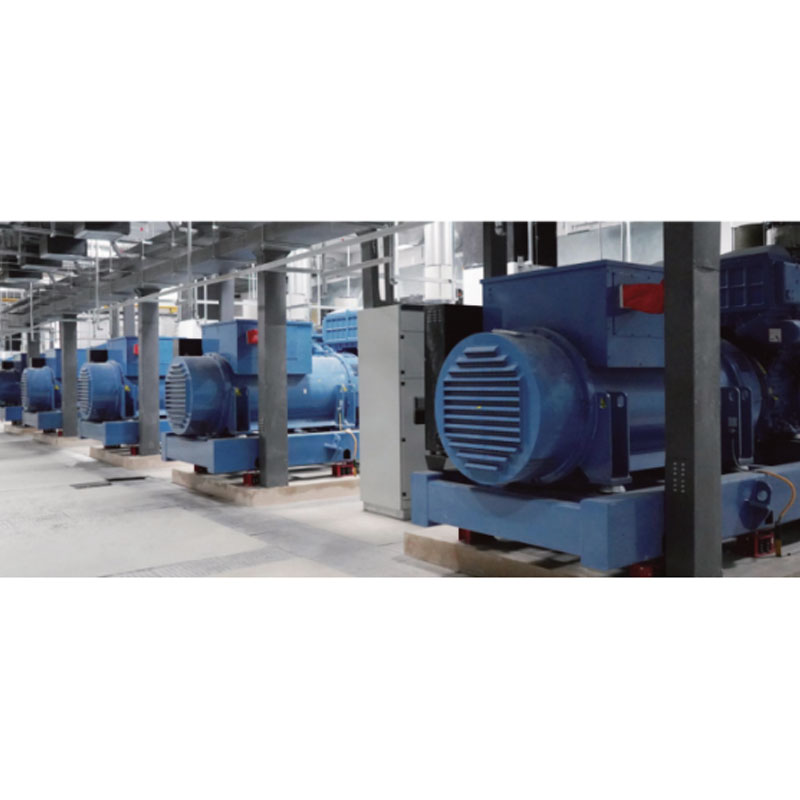
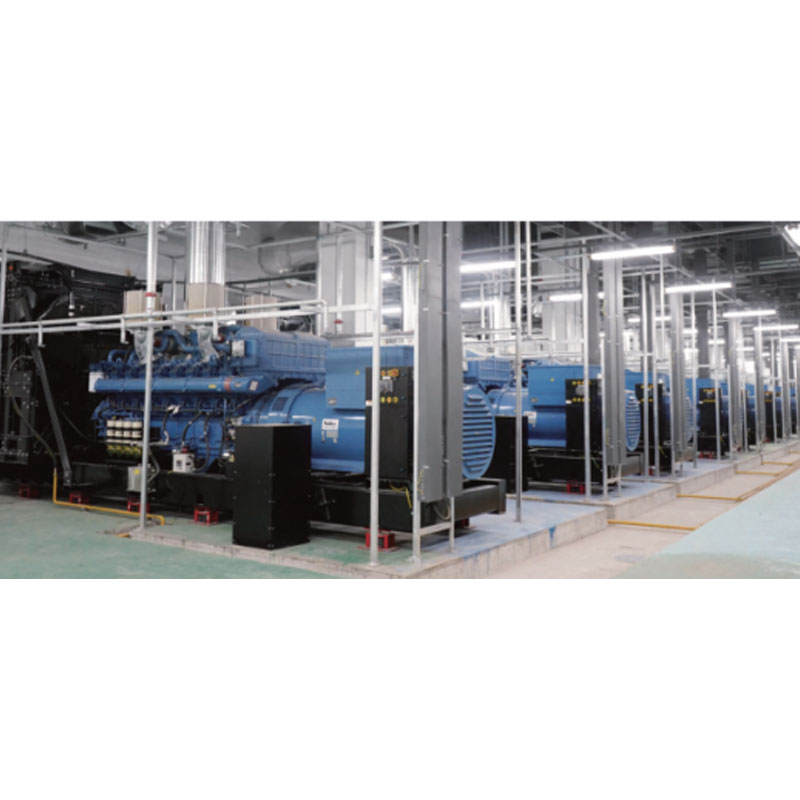
Choosing the right partner is half the success in an OEM project. A prime example of a company that integrates the above principles of quality control and engineering flexibility into its daily work isYuke (Shandong) Electrical Technology LLC. Located in Shandong province, one of the key industrial centers of China, this company specializes not just in assembly, but in the development of comprehensive solutions for autonomous and backup power supply. Their approach fully complies with the requirements outlined in this article: from strict incoming control of components to adaptation of products to the harsh climatic conditions of the CIS countries.
Unlike many budget assemblers, Yuke acts as a full-fledged integrator, relying on strategic partnerships with global industry leaders. Their product portfolio spans eight key categories, including silent generator sets, mobile power trailers, high-voltage installations and even advanced liquid-cooled energy storage cabinets. Particular attention is paid to the use of proven power units: the line includes the VCD series based on Cummins, VSD (SEM), VPD (Perkins) engines, as well as VYG series gas generators (Yuchai) and high-voltage solutions with MTU engines. This ensures that the customer receives a product with a predictable service life, and not a “lottery” with remanufactured motors.
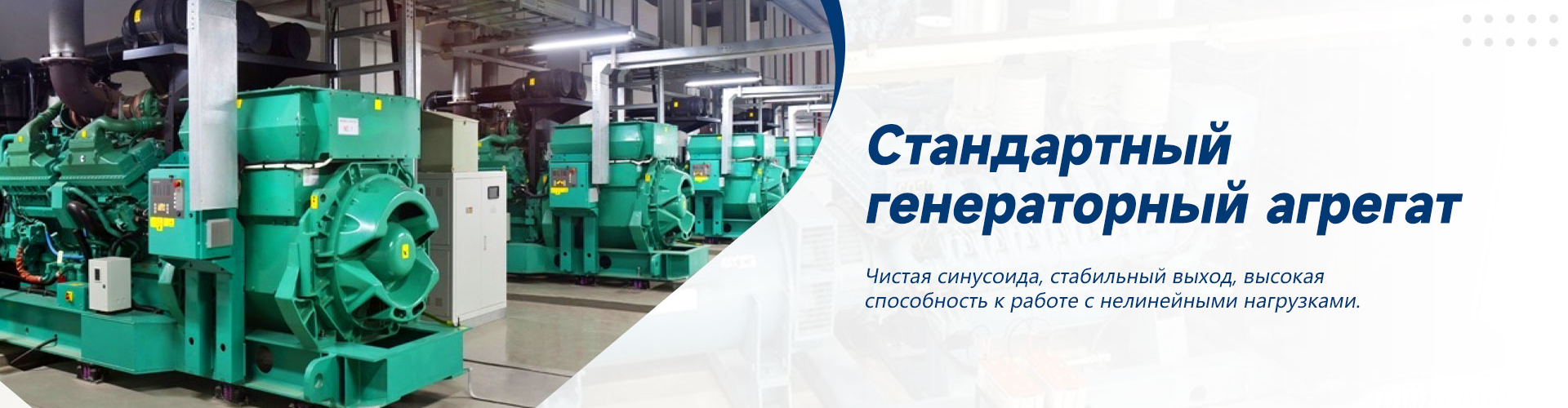
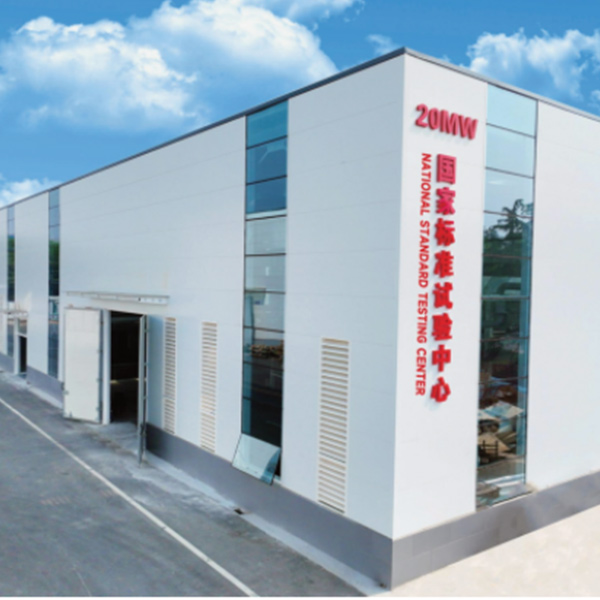
The company's production base is equipped with modern equipment that allows us to implement a multi-level quality control system, which we wrote about in the testing section. Here, each piece of equipment undergoes mandatory load tests lasting at least 4 hours under various load conditions (25%-110%). Yuke engineers monitor not only the output voltage and frequency, but also noise, vibration and temperature parameters, which is critical for compliance with GOST and EAC standards. The company has its own technical base for adapting solutions: be it the installation of preheaters for operation at -30°C, enhanced anti-corrosion treatment for port cities, or the Russification of control panels for Deep Sea and Smartgen controllers.
The geography of supplies of Yuke LLC includes the CIS countries, Asia, the Middle East and Africa, which confirms the company’s ability to work with diverse market requirements. But the main advantage is the philosophy of “reliability through responsibility.” The company provides full support: from technical support at the design stage and personnel training to warranty service and prompt delivery of original spare parts. For Russian importers, this means minimizing the risk of downtime and the ability to build a long-term brand based on quality, not low price. Cooperation with such a manufacturer allows you to avoid typical mistakes associated with saving on trifles, and get a product that is ready for use in the most difficult conditions.
Frequently Asked Questions
What is the minimum production time for a batch of diesel generators?
The standard production time is 25-30 working days for a batch of up to 10 units, subject to the availability of components in the factory warehouse. If the manufacture of a non-standard casing or installation of specific options (for example, Webasto heaters) is required, the period increases to 40-45 days. Urgent production is possible within 15 days, but only for standard configurations and subject to full prepayment. It is important to remember that the period does not count from the moment of the call, but from the moment the technical specifications are confirmed and the deposit is received in the factory’s account. Any changes to the design during production stop the timer.
Is it possible to order generators with a Russian menu on the control panel?
Yes, this is a standard option for deliveries to the CIS countries. Controllers from leading manufacturers (Deep Sea, Smartgen) support a multilingual interface, including Russian. When ordering, you must explicitly indicate the requirement “Russian Language Interface” in the specification. Factories often set the default language to English or Chinese. We can also configure the display of units of measurement in the metric system (degrees Celsius, liters, kPa) instead of the imperial one. Make sure that warning and instruction stickers on the case are also duplicated in Russian in accordance with the requirements of the CU TR.
What warranty does the factory provide for OEM products?
The factory warranty for diesel generators is usually 1 year or 1000 hours (whichever comes first) from the date of shipment. For key components such as the engine and alternator, the warranty can be extended to 2 years, subject to annual maintenance at authorized service centers. The warranty does not cover damage caused by misuse, improper maintenance, or force majeure. To implement warranty obligations in Russia, we recommend creating your own stock of consumables and critical spare parts (filters, belts, sensors) in the amount of 5-10% of the equipment fleet.
Is it possible to put my logo on the generator?
Yes, applying the customer's logo (Private Label) is the main essence of OEM production. The logo can be applied by silk-screen printing, vinyl stickers or engraving on a metal plate. The minimum circulation for free logo application is usually 5 pieces. For smaller quantities, a stencil preparation fee will apply. You can place your logo on the side panels of the enclosure, on the control panel and on the switchboard door. Provide your logo in vector format (AI, EPS, PDF) to ensure high quality printing. This increases your brand awareness at customer sites.
Conclusion and next steps
OEM production of diesel generators opens up opportunities to create a competitive product with high margins, but requires deep immersion in technical details and strict process control. Success does not depend on low unit prices, but on reliability of supply, compliance with harsh climate conditions and quality of service support. The market does not forgive mistakes in choosing components, so partnership with a proven plant that understands the specifics of the Russian market becomes a key asset. The experience of companies such as Yuke (Shandong) Electrical Technology LLC demonstrates that the combination of global components, local customization and strict QC control is a formula for success.
If you are planning to launch your own line of energy equipment or expand your current range, start with a detailed analysis of your requirements and an audit of potential suppliers. Don't let generic phrases in catalogs replace specific technical solutions. Contact us today for advice on the specification of your first batch and to receive an up-to-date price list from direct manufacturers. We will help you avoid typical mistakes of importers and bring to market a product that will become a standard of reliability in your segment.Find out more about the conditions of OEM cooperation.
-


-
-


WeChat

-
WeChat