

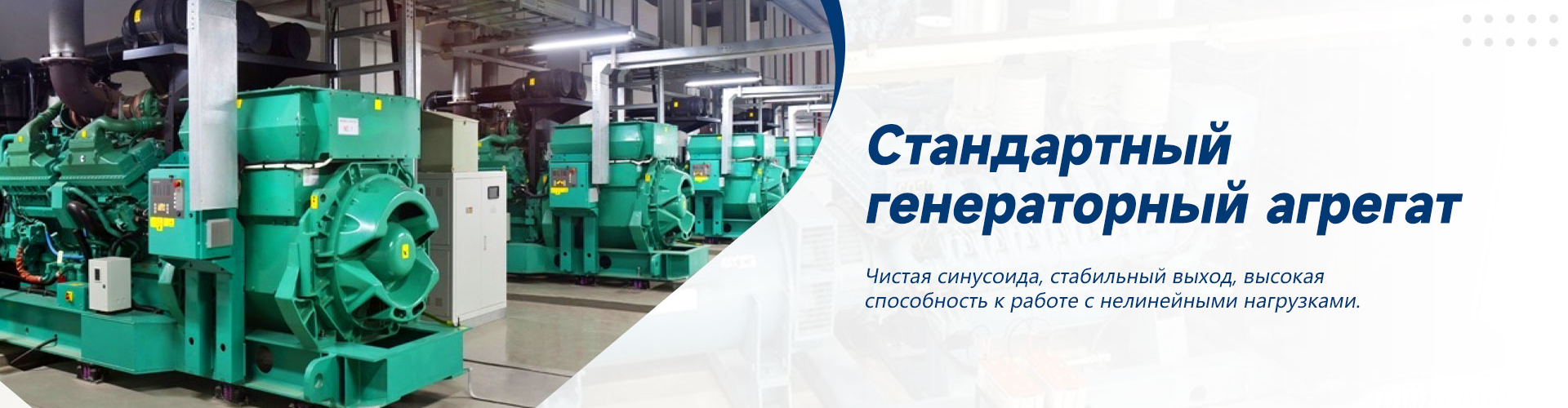
Autonomous farm energy supply: biogas generator
2026-07-16
- Autonomous power supply to the farm: biogas generator as the basis for energy independence
- Technical parameters of choice: why power is not the main thing
- Economics of the process: calculation of payback and hidden costs
- Integration into infrastructure: installation and commissioning
- Technology Comparison: Mesophilic vs. Thermophilic Fermentation
- Typical operating mistakes and how to avoid them
- Development prospects and technological trends 2025-2026
- Frequently Asked Questions
- Conclusion and next steps
Autonomous power supply to the farm: biogas generator as the basis for energy independence
In our practice of implementing projects to modernize agro-industrial complexes, we have repeatedly encountered a situation where rising electricity tariffs and instability of central networks jeopardized the profitability of the entire economy.Autonomous farm energy supply: biogas generatorin this context, it ceases to be just an alternative option and becomes a critical asset that can transform livestock waste into a sustainable source of income. We have observed cases where farmers lost up to 30% of their margins due to equipment downtime during emergency power outages, while farms with their own biogas plants continued to operate as normal, selling excess energy to neighbors.
Solving the issue of energy autonomy requires not just the purchase of equipment, but a deep understanding of thermodynamic processes and the specifics of raw materials. A biogas plant is not a black box where you can load manure and generate electricity. It is a complex biochemical system where the balance of temperature, pH and hydraulic retention time determines the ultimate kilowatt-hour output. In this article we will look at technical nuances that are often missed by equipment suppliers, but which are critical for the operating engineer.
Technical parameters of choice: why power is not the main thing
When selecting equipment for the systemautonomous farm power supplyMost customers make the same mistake: they focus solely on the rated electrical power of the generator in kW, ignoring the characteristics of the biogas itself. Our team audited more than 40 facilities in Central Russia and Siberia, and the results showed a direct correlation between the quality of gas pre-treatment and engine service life. A 100 kW generator running on gas with a high content of hydrogen sulfide (H₂S) will fail after 1,500 operating hours, while a similar machine running on purified gas will operate without major repairs for more than 20,000 hours.
The key parameter influencing the choice of model is the methane number (Wobbe number). Standard gas engines adapted for natural gas require a methane number of about 70-80. Biogas, depending on the fermentation technology, can have this indicator in the range of 55-65. If you install a conventional generator without special settings for the ignition and mixture formation system, detonation will occur, which will destroy the piston group. We recommend using specialized cogeneration units (CHPs) designed specifically for biogas, where electronics automatically adjust the ignition timing in real time.
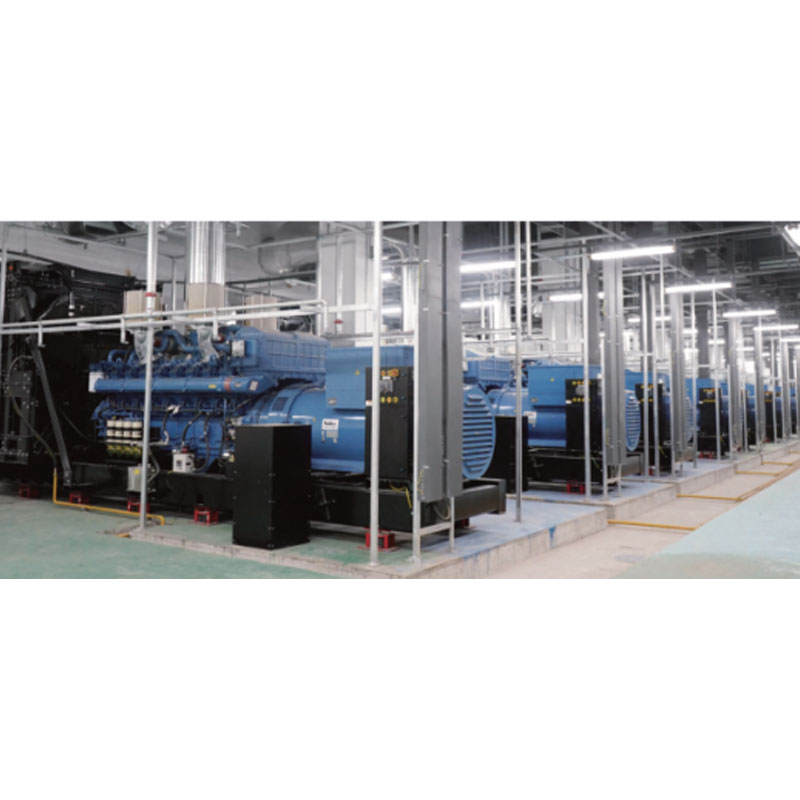
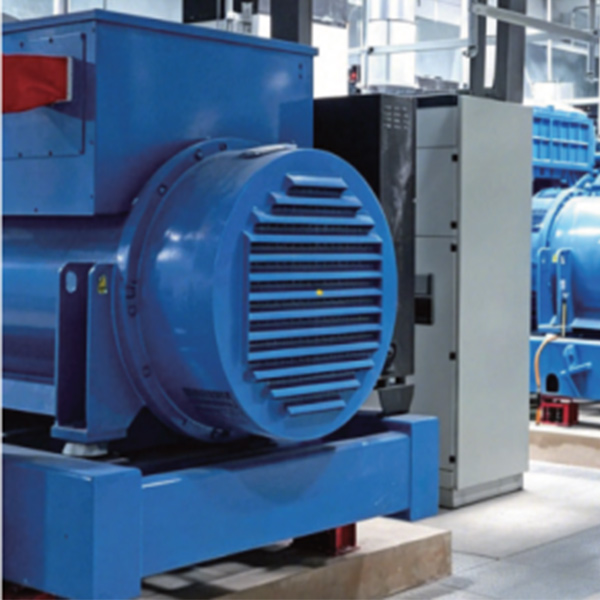
It is important to note the role of reliable energy solutions integrators here. For example, a companyYuke (Shandong) Electrical Technology LLC, based in Shandong Province, has established itself as a professional developer of comprehensive off-grid power supply systems. Specializing in tailoring solutions to regional standards and climate conditions, the company offers a wide range of gas generator sets, including the VYG series based on Yuchai engines, which are designed to meet alternative fuel requirements. Their approach, based on strategic partnerships with the world's leading engine manufacturers (Cummins, MTU, Perkins, SEM), allows them to create flexible power systems that can operate efficiently even in the harsh conditions of remote areas.
Another critical aspect is the efficiency of heat recovery. In Russian winter conditions, when the temperature drops below -30°C, maintaining the temperature in the methane tank (reactor) becomes an energy-consuming task. Modern installations make it possible to direct up to 50% of the thermal energy of exhaust gases and engine coolant back to heating the substrate. This creates a closed cycle: the engine heats the reactor, the reactor produces more gas, the engine produces more energy. Ignoring this factor leads to the fact that in winter the installation consumes up to 40% of the generated heat for its own needs, reducing the overall economic efficiency of the project.
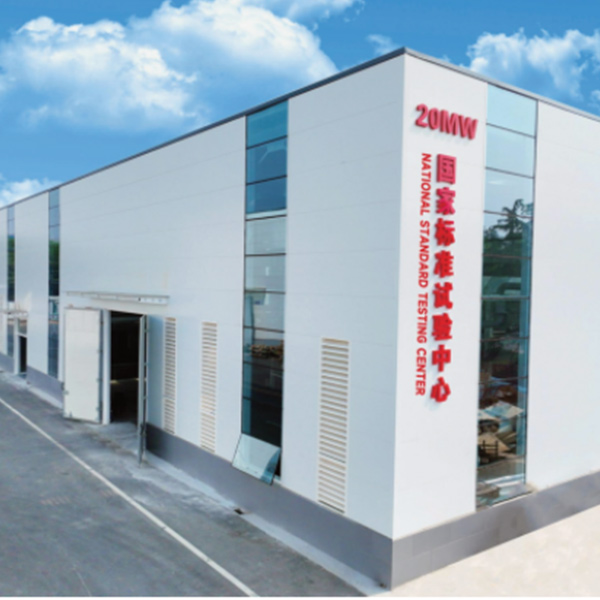
One of our clients in the Krasnodar region encountered a problem with condensate in a gas pipeline. They chose a cheap generator without a sufficient gas drying system. As a result, water entered the cylinders, causing water hammer and serious damage. The repair took three weeks during the active harvest period. This incident taught us to always include two-stage cooling and condensate separation systems in the specification, even if this increases the initial investment by 15%. Reliability in agribusiness is always cheaper than downtime. That is why, when choosing a partner, you should pay attention to the quality control system: leading manufacturers, such as the company from Shandong mentioned above, conduct mandatory stress tests on each piece of equipment for at least 4 hours, checking voltage stability, temperature conditions and vibration levels before shipment.
When analyzing the technical characteristics, be sure to pay attention to the type of cooling system. For powers above 50 kW, liquid cooling is the only option. Air cooling, although easier to maintain, is not able to provide stable thermal conditions during round-the-clock operation at a load of more than 80%, which is necessary for the basic power supply of the farm. The material of the cylinder block is also important: cast iron blocks with liners are preferable to aluminum alloys due to better thermal conductivity and maintainability.
Economics of the process: calculation of payback and hidden costs
Financial model of the projectautonomous farm power supplyoften looks attractive on paper, but reality makes its own adjustments. Many investors calculate the payback period (ROI) based only on the savings on purchasing electricity from the grid, forgetting to take into account the cost of maintenance and digestate disposal. Our experience shows that the real return on investment for a typical farm with 500 heads of cattle ranges from 3.5 to 5 years, and not the 2 years stated by marketing. The difference lies in operating costs, which are often underestimated in preliminary calculations.
The main source of income in such a system is not only electricity, but also high-quality organic fertilizers (digestate). After passing through the digester, manure loses pathogenic microflora, weed seeds and unpleasant odor, while retaining all nutrients (nitrogen, phosphorus, potassium) in a form easily digestible for plants. We have recorded cases where the sale of digestate to neighboring crop farms covered up to 25% of generator maintenance costs. It is important to understand that digestate must be certified in accordance with GOST or local agricultural standards so that it can be legally sold as a commercial product and not a waste.
Hidden costs are often associated with the preparation of raw materials. If the farm uses straw or manure solids, a chopping and homogenization system is required. Viscous pumps consume a significant amount of electricity, which reduces the net energy output of the installation. In addition, in winter, the cost of thermal insulation of pipelines and the reactors themselves can increase by 1.5 times. We recommend budgeting at least 10% of the cost of the equipment annually for service, replacement of oils, filters and spark plugs. Saving on high-quality motor oil for gas engines is unacceptable - it leads to coking of the rings and a drop in compression.
Let's consider a specific example of calculation for a farm with 1000 pigs. The daily output of manure is approximately 2.5–3 tons. At the right temperature (mesophilic fermentation at 38-40°C), one ton of manure produces about 40-50 m³ of biogas. Taking into account the generator efficiency of 35-40%, this allows generating about 250-300 kWh of electricity per day. At a tariff for industrial electricity, for example, 6 rubles per kWh, annual savings will be about 5.5 million rubles. However, if we take into account the depreciation of equipment worth 15 million rubles and operating expenses of 2 million rubles per year, net profit begins to form only in the second year of full operation.
An important economic factor is the ability to work in island mode. For remote farms, where connecting to networks costs millions of rubles or where power limits do not allow the launch of new processing lines, a biogas plant becomes the only way to expand production. In such cases, the payback period is reduced to 2-3 years due to the lack of alternatives. It is also worth taking into account government programs to support “green” energy, which in a number of regions allow you to compensate for part of the costs of equipment or receive preferential loans.
Integration into infrastructure: installation and commissioning
Successful implementation of the systemautonomous farm power supplydepends not only on the quality of the generator, but also on the competence of the installation work. Errors during the installation of piping or safety systems can lead to methane leaks, creating an explosive situation. Methane is lighter than air, so leak detectors should be installed at the top of the room, and not near the floor, as is the case with propane. We require our partners to strictly adhere to the rules for the construction of electrical installations (PUE) and fire safety standards for objects of category A for fire and explosion hazard.
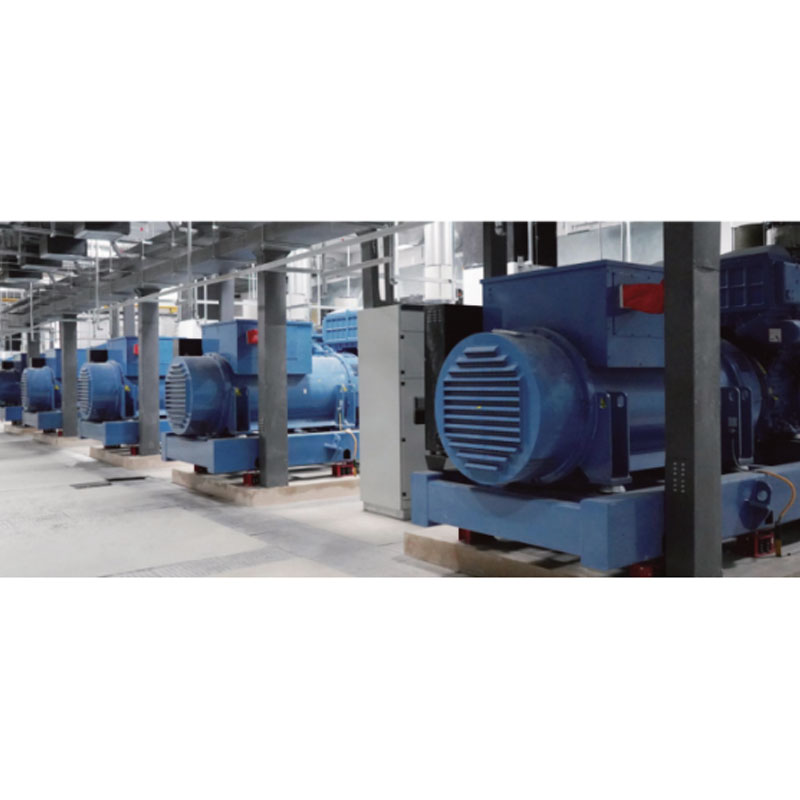
The installation process begins with preparing the foundation. Cogeneration plants create vibration, which, in the absence of proper vibration decoupling, can be transmitted to building structures and cause their destruction over time. We use special rubber-metal supports and flexible inserts in gas and exhaust ducts. The exhaust system must be made of stainless steel with a mandatory condensate drainage system, since the exhaust gases of biogas engines contain aggressive sulfur compounds that form sulfuric acid upon condensation.
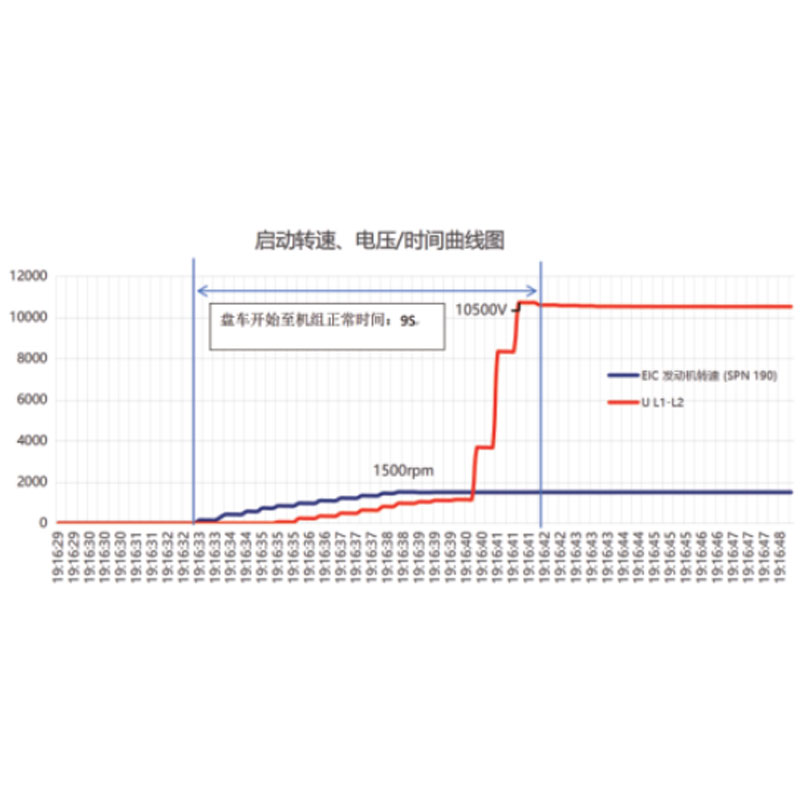
The automation system plays the role of a dispatcher of the entire energy complex. It must provide synchronization with the external network (if there is one) for operation in parallel mode or instant transition to island mode in the event of a network failure. Modern controllers allow you to remotely monitor operating parameters: oil temperature, boost pressure, gas composition, vibration level. We insist on having a telemetry system that sends alerts to the engineer on a smartphone if any parameters deviate from the norm. This allows you to prevent accidents before they occur. Digital energy management systems like this are the standard for modern solutions offered by companies like Uke LLC, where products are designed to be compatible with digital monitoring ecosystems.
Particular attention should be paid to the gas supply system. Before entering the engine, the gas must undergo multi-stage purification: removal of mechanical impurities, drying from moisture and, most importantly, desulfurization. The hydrogen sulfide content at the engine inlet should not exceed 200-300 ppm (parts per million), although some manufacturers allow up to 500 ppm using special oils. Exceeding this threshold leads to rapid oxidation of the engine oil and corrosion of engine parts. We recommend installing automatic air dispensers into the gas before the biological desulfurization reactor, which is much cheaper than chemical filters.
Commissioning is not just about “pressing the start button.” This is the process of gradually bringing the installation to design mode over 2-3 weeks. First, the tightness of all connections is checked under inert gas pressure. Then a test run is performed at idle with a gradual increase in load. At this stage, an initial analysis of exhaust gases is carried out to adjust the engine fuel map. An incorrect air/fuel ratio setting can result in either overheating (lean mixture) or incomplete combustion and fouled spark plugs (rich mixture).
Technology Comparison: Mesophilic vs. Thermophilic Fermentation
The choice of temperature mode for bioreactor operation directly affects the strategyautonomous farm power supply. There are two main modes: mesophilic (35-40°C) and thermophilic (50-55°C). Each of them has its own advantages and disadvantages, and the choice depends on the type of raw materials, climatic conditions and waste sanitation requirements.
| Comparison parameter | Mesophilic mode (35-40°C) | Thermophilic mode (50-55°C) |
|---|---|---|
| Process stability | High. The microflora is resistant to fluctuations in load and temperature. Less risk of reactor “souring”. | Low. The process is sensitive to the slightest changes. Requires precision control and an experienced operator. |
| Biogas output | Standard. Suitable for most types of manure and plant waste. | 20-30% higher. The decomposition of organic matter accelerates and the rate of gas formation increases. |
| Sanitary effect | Partial. Some pathogens die, but helminth eggs can survive. | Full. Guaranteed death of pathogens, viruses and weed seeds. Digestate is safe for fields. |
| Energy consumption for heating | Moderate. Easier to maintain temperature in winter. | Tall. More heat is required to maintain 55°C, especially in cold climates. |
| Recommendation | For farms with mixed raw materials and limited staff. | For large complexes with strict veterinary requirements and qualified staff. |
In Russian practice, we most often recommend the mesophilic regime for medium and small farms. It is more error-resistant and requires less insulation and heating costs. The thermophilic mode is justified only at very large enterprises, where the volume of waste is huge, and an increase in gas yield by 20% covers additional energy costs, or where veterinary standards require complete sterilization of manure before removal to the fields.
Also worth mentioning is the psychrophilic mode (below 20°C), which is sometimes used in warm regions without heating. However, performance in this mode drops by 3-4 times, and to ensureautonomous farm power supplyon an industrial scale it is practically not applicable, except for small experimental installations in the summer.
Typical operating mistakes and how to avoid them
Even the most modern equipment will not save you from problems if the operating technology is violated. Over the years, we have identified several common mistakes that farmers make when trying to save money or simplify the process. The first and most common mistake is irregular supply of raw materials. A biogas plant works like a living organism: bacteria need a constant supply of food. Sudden changes in load volume or long breaks lead to an imbalance in acidity (pH drops below 6.5) and the fermentation process stops. Restoration of microflora can take from 2 to 4 weeks, during which the farm remains without energy.
The second mistake is ignoring mixing the substrate. A crust of light fractions and a sediment of heavy particles are formed in the reactor. Without regular mixing (mechanical, hydraulic or gas), the useful volume of the reactor is reduced and the bacteria's access to nutrients is limited. We have seen cases where, due to lack of mixing, huge layers of hardened manure were formed that had to be removed manually, stopping production for a month. Automation of this process is a prerequisite for smooth operation.
The third problem is the use of inappropriate raw materials. Not all organic waste is created equal. For example, large amounts of antibiotics in manure (as is often the case on pig farms when treating animals) can kill methanogenic bacteria. Chlorine-containing detergents that enter drains when cleaning premises are also toxic to the bioreactor. Before starting a project, it is necessary to analyze the chemical composition of the waste and, if necessary, provide for neutralization or dilution stages.
The fourth mistake concerns generator maintenance. Gas engines require spark plugs and oil changes more frequently than their diesel counterparts. The oil change interval for biogas is 500-800 hours, while many try to stretch it to 1000 hours, saving on consumables. This leads to an increase in the content of oxidation products in the oil, loss of lubricating properties and, as a consequence, to scuffing of the crankshaft liners. Regular spectral analysis of used oil helps to accurately determine the optimal replacement interval for specific conditions. Here, it is fundamentally important to have a reliable service network and prompt supply of original spare parts, which is one of the key advantages of international suppliers operating in the CIS and Asian markets.
Development prospects and technological trends 2025-2026
The bioenergy market is developing rapidly, and what was relevant five years ago is considered outdated today. Looking to the future, we predict several key trends that will change the way organizationsautonomous farm power supplyin the coming years. Firstly, this is the development of membrane technologies for purifying biogas to biomethane quality. If previously gas was burned directly in the engine, now more and more often installations are equipped with purification modules that allow gas to be pumped into main networks or used as fuel for transport (CNG/LNG). This opens up new sources of monetization.
Secondly, there is a tendency towards the creation of hybrid energy complexes. The biogas plant operates in base mode, providing a constant load, and peak loads are covered by solar panels or wind generators. Excess electricity from renewable energy sources can be used to electrolyze water to produce hydrogen, which is then added to biogas to increase its calorific value (methanation process). Such systems require complex automation, but provide maximum energy independence. In this context, solutions that combine traditional generators with modern energy storage systems, such as liquid-cooled cabinets, to smooth out demand peaks and improve overall system efficiency are of interest.
Thirdly, environmental standards are becoming stricter. In Europe and gradually in Russia, requirements are being introduced to reduce the carbon footprint of products. Farms using biogas will be able to earn carbon credits or sell products labeled “Carbon Neutral,” which will provide a significant competitive advantage when exporting. Large retail chains already require suppliers to report on greenhouse gas emissions, and recycling manure in biogas plants is the most effective way to reduce these indicators.
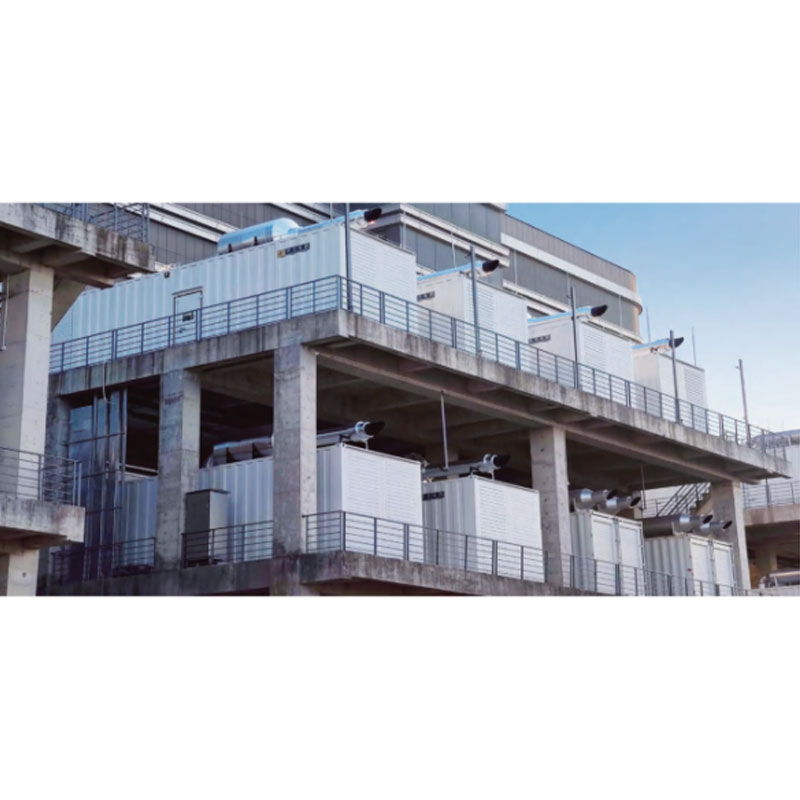
We are also seeing increased interest in modular container solutions. Biogas plants are now supplied in ready-made shipping containers, reducing installation time from 6-8 months to 4-6 weeks. This makes the technology accessible not only to agribusiness giants, but also to medium-sized farms. Equipment standardization simplifies servicing and reduces the cost of spare parts. Export-oriented manufacturers, such as Yuke LLC, are actively developing this area, offering mobile power station trailers and silent generator sets that can be quickly deployed anywhere in the world.
Frequently Asked Questions
What is the minimum farm size required to install a biogas generator?
Technically, it can be installed on a small farm, but the project becomes economically feasible if there is the equivalent of 200-300 heads of cattle or 1000-1500 pigs. With smaller volumes of raw materials, energy production will be insufficient to cover the installation’s own needs and service the debt for the equipment. However, there are compact plants for processing only food waste or a mixture of manure and silage, which can be cost-effective for smaller farms, subject to high electricity tariffs.
What to do with a biogas plant in winter during severe frosts?
The bioreactor must be well-insulated and equipped with a heating system powered by the heat of the engine itself (cogeneration). In a properly designed system, the plant comes into operation in the fall and maintains temperature year-round using internal fermentation heat and heat recovery from the generator. Stopping the installation in winter is extremely undesirable, since restarting and warming up a large volume of mass will require enormous amounts of energy and time.
How dangerous is it to store biogas on a farm?
Biogas is explosive at concentrations in air from 5% to 15%. However, modern gas tanks (gas storage tanks) are equipped with multi-stage safety systems: excess pressure relief valves, water seals that prevent backfire, and leakage sensors. If you follow the operating rules and regular technical inspection, the risk of an accident is minimal. The danger is not the gas itself, but the negligence of personnel and violation of regulations.
Can pure digestate be used immediately after leaving the reactor?
Yes, digestate is a ready-made organic fertilizer, but it is better to plan its application to the soil in accordance with the vegetation cycle of the plants. The liquid fraction can be used for fertigation (irrigation with fertilizer) through drip irrigation systems, having previously been filtered. The solid fraction can be composted to produce long-lasting granular fertilizers. It is important to conduct an agrochemical analysis of the digestate in order to accurately calculate application doses and prevent overfertilization of soils with nitrogen.
Conclusion and next steps
Go toautonomous farm power supplyusing biogas generators is a strategic solution that transforms the cost structure of an enterprise. This is not just a way to save on electricity, it is the creation of a closed ecological cycle, increasing business resilience to external shocks and creating a new product in the form of organic fertilizers. Despite the high initial investment and the need for qualified maintenance, the long-term benefits far outweigh the risks.
The key to success lies in detailed design that takes into account the specifics of your raw materials, climate and energy consumption. Do not try to implement the project on your own without involving specialized engineers - the cost of a mistake is too high. Start with an audit of your current waste and energy balance. Understanding your farm's true potential is the first step to energy independence.
If you are ready to consider the possibility of introducing biogas technology at your enterprise, we suggest conducting a preliminary feasibility study. Our specialists will help you choose the optimal equipment configuration that suits your tasks and budget. When choosing a supplier, pay attention to companies with proven experience in adapting solutions to CIS conditions, such as Yuke (Shandong) Electrical Technologies LLC, which provide a full cycle of support: from design and personnel training to warranty service and spare parts supply.Contact us todayfor consultation and discussion of the details of your project. We also recommend that you familiarize yourself with ourcatalog of completed projectsto see real examples of installations operating under various conditions.
-


-
-


WeChat

-
WeChat