

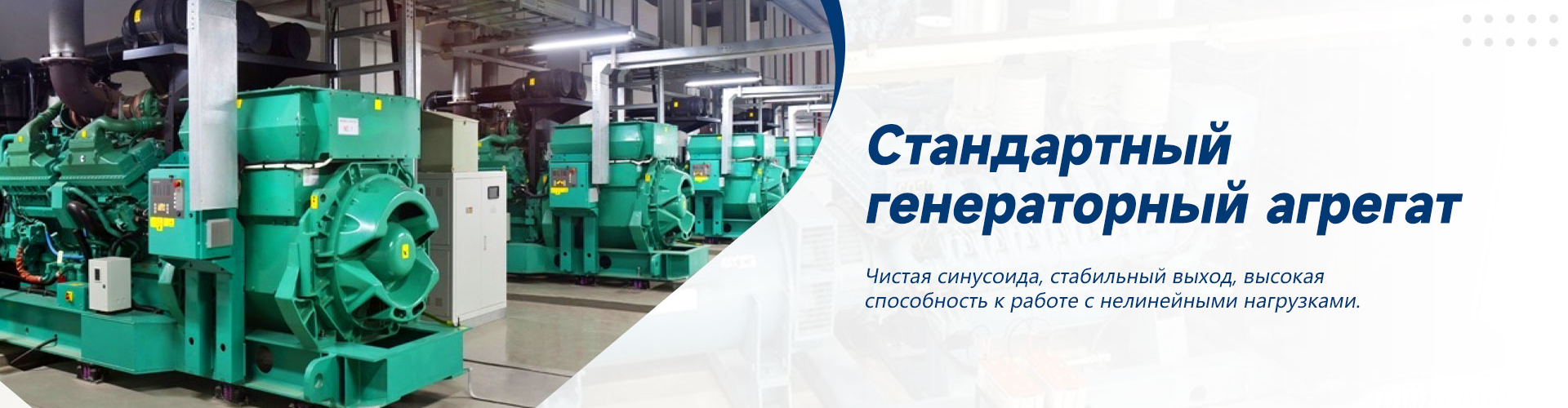
Industrial gas power plants: projects and implementation
2026-07-16
- Industrial gas power plants: projects and implementation - from drawing to commissioning
- Technical audit and selection of combustion technology
- Engineering design and systems integration
- Logistics, installation and commissioning
- Operating economics and service strategy
- The role of the integrator: why choosing a partner is important
- Frequently Asked Questions
- Conclusion and next steps
Industrial gas power plants: projects and implementation - from drawing to commissioning
Implementing an industrial gas power plant (IGPP) project is not just a purchase of equipment, but a complex engineering process, where an error at the design stage can cost millions of rubles in losses in the first year of operation. In our practice, we have seen cases where customers chose units solely based on the price per kilowatt, ignoring the quality of gas treatment, which led to a major overhaul of the engine after 800 operating hours instead of the guaranteed 32,000. Industrial gas power plants: projects and implementation require a deep understanding of not only energy, but also the specifics of gas supply in a particular region, the requirements of local network companies and the real load profiles of your production.
This article was written by engineers who were personally involved in the commissioning of more than 40 facilities ranging from 500 kW to 25 MW. We will not retell manufacturers' marketing brochures. Instead, we'll look at the critical components that determine the viability of your power generation: from choosing a combustion cycle to the nuances of connecting to an automated process control system. If you are planning to build your own generation or modernize an existing one, this material will save you time and budget, cutting off obviously unworkable options.
Technical audit and selection of combustion technology
The first step in the implementation of any project is not the choice of brand, but a rigorous analysis of the gas composition and load profile. Many people mistakenly believe that “gas is gas,” but the difference between main natural gas, biogas from landfills and associated petroleum gas (APG) is colossal. An engine designed for pure methane with a Wobbe number of 45-52 MJ/m³ will fail within a month when running on gas with a high content of hydrogen sulfide or heavy hydrocarbons.
In our practice, there was a case at a facility in the Tyumen region, where the customer insisted on installing a standard station without a pre-treatment system for silicones, claiming that the content of impurities was “negligible.” Result: after 6 months of operation, carbon deposits on the spark plugs and valves led to a drop in power by 18% and burnout of the exhaust valves of three cylinders. The repair took 3 weeks, and production downtime cost more than the cost of the entire filtration system.
When choosing combustion technology for industrial gas power plants, the key parameter is the efficiency/environmental friendliness/cost of ownership ratio. Two main types of engines dominate the market: Rich Burn and Lean Burn. Understanding their differences is critical to choosing the right equipment for your needs.
Comparison of Rich Burn and Lean Burn technologies
| Comparison parameter | Rich Burn | Lean Burn |
|---|---|---|
| Operating principle | The air/fuel ratio is close to stoichiometric (1:1). High combustion temperature. | Excess air in the combustion chamber. The combustion temperature is lower, the process is more uniform. |
| Electrical efficiency | Below, usually 38-41%. Part of the energy goes into the heat of the exhaust gases. | Higher, reaches 43-46%. Allows you to get more electricity from the same volume of gas. |
| NOx emissions | High (up to 500-1000 mg/nm³). Requires the installation of expensive SCR catalysts to meet regulations. | Low (50-250 mg/nm³). Often meet standards without additional purification or with a simple catalyst. |
| Heating capacity (cogeneration) | High exhaust temperature (450-500°C). Ideal for high pressure steam or 95°C+ burning water. | The exhaust temperature is lower (380-420°C). Suitable for heating and hot water supply, but less effective for steam generation. |
| Applicability | Factories with constant heat consumption (food industry, chemicals), regions with strict noise standards (work quieter). | Objects with priority for electricity, remote fields, regions with strict environmental standards for NOx. |
The choice between these technologies is dictated by the economics of your enterprise. If your plant consumes a lot of steam for its processes, Rich Burn technology may be more profitable despite lower electrical efficiency, since heat recovery will be maximized. However, if your goal is maximum electricity generation to sell to the grid or cover peak loads, Lean Burn will become the uncontested leader.
It is also important to take into account the quality of the gas. Lean Burn engines are more sensitive to detonation when gas composition changes. If you have unstable line pressure or frequent fluctuations in heating value, the control system must have advanced adaptation capabilities. Otherwise, the automation will constantly shed the load, reducing output.
At the technical specification stage, be sure to ask the supplier for a calculation of expected emissions specifically for your gas composition, and not the passport data at the stand. The difference can reach 30%. Also check the service life of the piston group when working with your fuel - some manufacturers underestimate these figures in the basic configuration.
Engineering design and systems integration
Industrial gas power plant design is a discipline where mechanics meets electronics and thermodynamics. Errors at this stage are embedded in the foundation concrete and cable routes, the correction of which after the fact requires stopping production. The key document here is the piping diagram (P&ID), which must take into account all the nuances of the operation of a particular engine.
One of the most common problems we encounter when auditing other people's projects is incorrect calculation of the cooling system. Engine manufacturers indicate heat removal under ideal conditions (air temperature +20°C, altitude 0 m above sea level). In reality, if your station is located in Yakutia or in a workshop with a temperature of +40°C, a standard radiator will not cope. We saw cases when in the summer a station went into a temperature emergency every 2 hours, because the design institute used a standard solution without climate adjustments.
The Gas Skid is the heart of your plant's safety. It should include not only filters, but also pressure regulators, shut-off valves and a leak monitoring system. According to GOST R 54960-2012 and European standards EN 16723, the gas pressure in front of the ramp must be stabilized with an accuracy of 0.05 bar. Any surges lead to a lean or rich mixture, which instantly affects the exhaust temperature and can cause burnout of the valves.
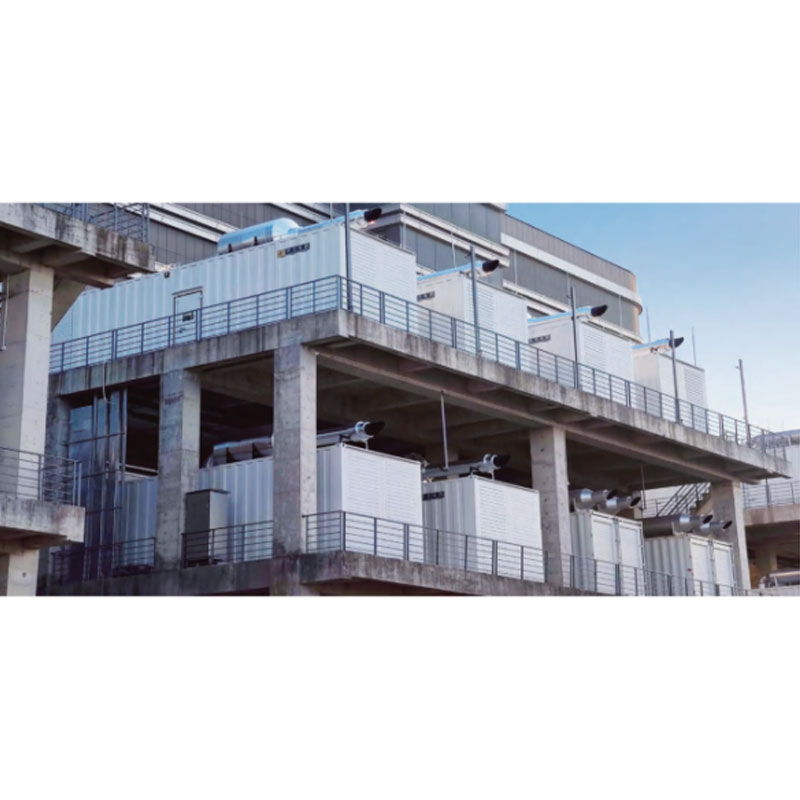
The exhaust and muffling system deserves special attention. Industrial gas power plants generate significant acoustic noise and vibration. When designing, it is necessary to take into account not only the sound level at the border of the sanitary protection zone (usually no more than 55-60 dBA during the day), but also the back pressure in the exhaust tract. Exceeding the permissible back pressure (usually 5-8 kPa) reduces engine power and increases fuel consumption. We recommend using flexible expansion joints immediately after the turbocharger flange to prevent vibration from being transmitted to the pipes and building.
Integration with the enterprise's automated process control system (APCS) is another critical point. A modern plant should not operate in isolation. It must transmit data on production, gas consumption, temperature of nodes and emergency statuses to a single control room. Data exchange protocols (Modbus TCP, OPC UA) must be agreed upon at the controller procurement stage. A common mistake is purchasing a station with a closed protocol, which forces the customer to pay the manufacturer for each new integration driver.
When developing a project, always reserve space for maintenance. We strongly recommend leaving at least 1.5 meters around the unit for the access of a service cart and removal of cylinder heads. In cramped spaces, repairs turn into a logistical nightmare, increasing downtime significantly.
Logistics, installation and commissioning
The implementation of the project moves into the physical plane at the stage of delivery and installation. Here the theory collides with the reality of Russian roads, cranes with limited lifting capacity and short construction times. For powers above 1 MW, equipment is often supplied in containerized modules or separate large-sized units.
Transporting the engine and generator requires a special approach. Even microcracks in the cylinder block caused by an impact during loading may appear only after 500 hours of operation under load, when the metal expands from heat. There was a precedent in our practice when endoscopy of the cylinders was not performed upon acceptance of the cargo. The crack was discovered only during the first maintenance, which led to disputes with the transport company and a launch delay of 2 months. Always require vibration monitoring during loading/unloading and visual inspection of internal cavities before installation.
The foundation for a gas power plant must be designed not only for the static mass of the equipment, but also for dynamic loads. The 2 MW motor creates vibration forces that, without proper damping, can destroy the floor screed or transmit resonance to the supporting structures of the building. Use vibration isolators with the correct natural frequency. An error in selecting the rigidity of the supports leads to the station “jumping” at operating speeds, breaking pipelines and connections.
Electrical installation work is an area of increased responsibility. Cable routes from the generator to the distribution board (MSB) must be calculated taking into account the voltage drop and heating losses. Incorrect selection of cable cross-section can lead to overheating of the insulation and fire. Pay special attention to grounding. The resistance of the ground loop should not exceed 4 Ohms (for installations up to 1000 V), and in aggressive soils the use of special materials (copper-bonded steel) and regular corrosion monitoring are required.
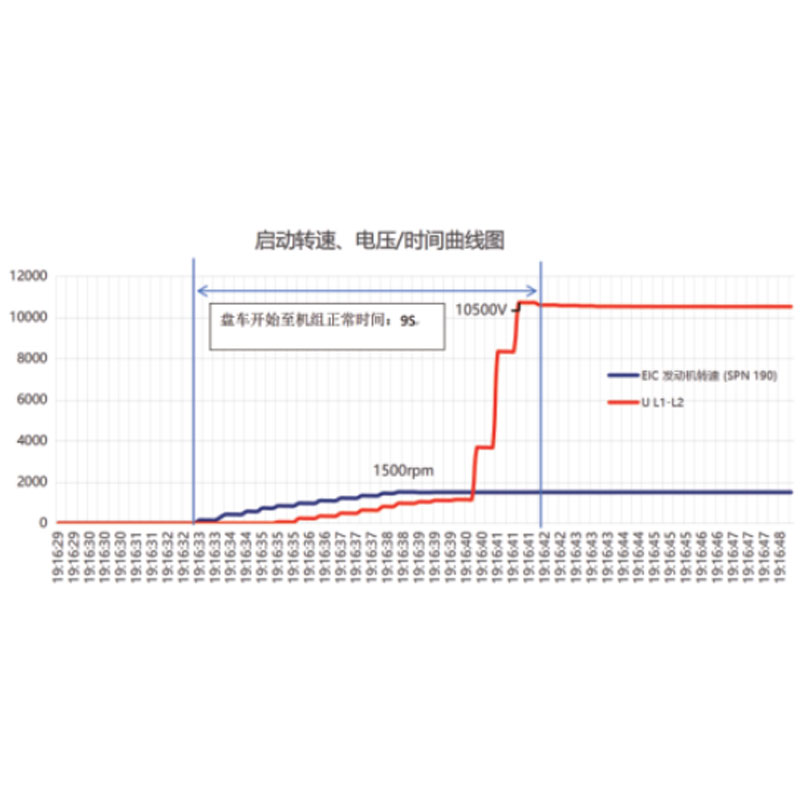
Pre-commissioning (Commissioning) is the final step where the entire chain of decisions is tested. The process includes cold cranking, checking security systems, adjusting the speed controller and synchronizing with the network. A critically important step is adjusting the ignition map and fuel/air ratio for real gas. Commissioning engineers must take a gas sample directly at the engine inlet and make adjustments to the controller calibration table. Ignoring this step and working at factory settings will guarantee increased fuel consumption and reduced service life.
We recommend performing load tests in stages: 25%, 50%, 75%, 100% and briefly 110%. At each stage, cylinder exhaust temperatures, oil pressure, vibration and exhaust gas composition are recorded. The spread of exhaust temperatures across the cylinders should not exceed 30-40°C. If the difference is greater, this is a signal of a faulty injector, spark plug, or compression problems in a particular cylinder.
Operating economics and service strategy
Buying a station is just the beginning of the costs. The main life cycle costs (TCO) are maintenance and fuel. A properly structured service strategy can increase the overhaul interval by 20-30% and reduce the cost per kilowatt-hour. Many customers make the mistake of trying to save on original spare parts or increasing oil change intervals “according to condition”.
Oil for gas engines is not just a lubricant, but an active component of the cleaning system. During operation, combustion products, acids and moisture accumulate in the oil. Specialty gas oils have a high base number (TBN) to neutralize acids. If the replacement interval is exceeded, the oil loses its properties, varnishing of the pistons and coking of the rings begins. In one of the projects, the client saved 15% on service costs by switching to universal diesel oil. Result: a year later it was necessary to line the block and replace all the piston rings, which covered the savings tenfold.
The spare parts strategy should be based on failure analysis. Consumables (filters, spark plugs, belts) should always be in stock. It is better to have critical components (turbochargers, electronic control units, injectors) in the exchange fund or agree with the supplier on urgent delivery within 24-48 hours. Downtime of a station worth 1 million rubles per day due to the lack of spare parts worth 50 thousand rubles is an unacceptable management mistake.
Fuel efficiency directly depends on the quality of air duct service. A clogged air filter reduces power and increases exhaust temperature. In dusty industries (cement factories, woodworking), the filter inspection interval should be halved relative to the manufacturer’s recommendations. Installing differential pressure gauges on filters will allow personnel to see real contamination, rather than changing them on a calendar.
It is also worth considering the possibility of concluding a long-term service contract (Full Service Agreement). Such contracts often include not only changing oil and filters, but also monitoring operating parameters remotely. The service company sees trends in parameter changes and can warn about a problem before an accident. For example, a gradual increase in exhaust temperature in one cylinder may indicate wear of the injector, which can be replaced as planned during the next maintenance, avoiding an unscheduled shutdown.
The role of the integrator: why choosing a partner is important
The success of the project depends not only on the correctness of technical calculations, but also on the reliability of the equipment supplier. The market is saturated with offers, but not all companies have the competence to adapt complex energy solutions to specific operating conditions in the CIS and other regions. This is where a professional integrator plays a key role, able to combine the world's best technologies with a deep understanding of local requirements.
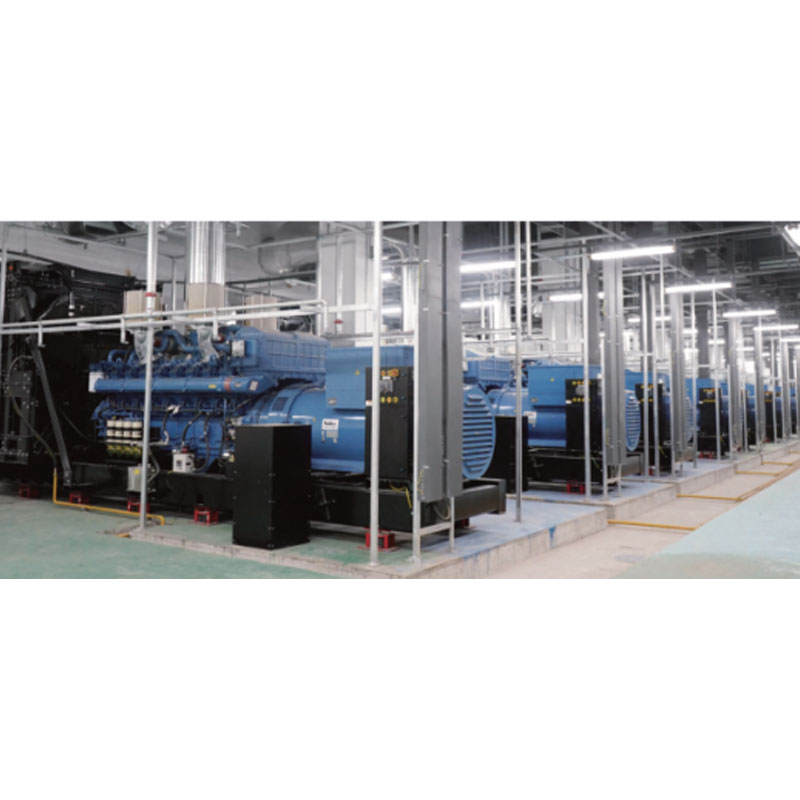
A striking example of this approach is the companyYuke (Shandong) Electrical Technology LLC. Based in Shandong province, this organization has established itself as a reliable partner in the field of autonomous and backup power supply, specializing in the development and delivery of comprehensive solutions. Unlike simple distributors, Yuke acts as a full-fledged engineering integrator, relying on strategic partnerships with the world's leading engine and generator manufacturers such as Cummins, MTU, SEM, Perkins and Yuchai.
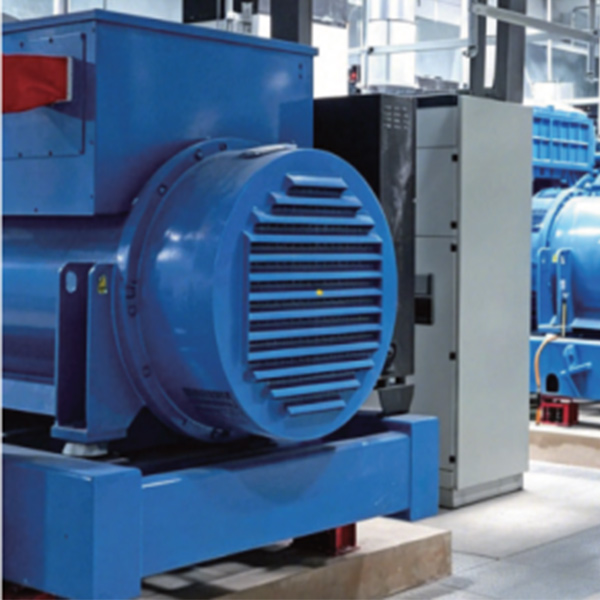
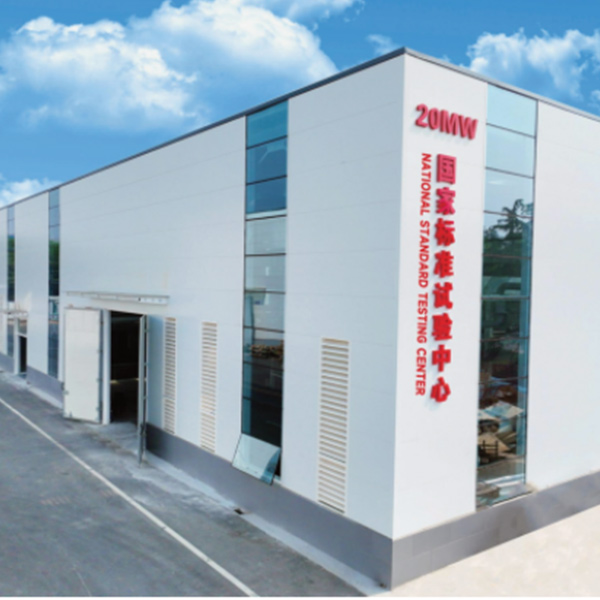
The company's product portfolio covers eight key categories, including VYG series gas generator sets (based on Yuchai engines), high-voltage solutions and mobile power systems, which allows it to meet the needs of a wide variety of industrial facilities. Particular attention is paid to quality: the production base is equipped with modern equipment for multi-stage control. Each piece of equipment undergoes mandatory load tests lasting at least 4 hours, where the parameters of noise, vibration and voltage stability are checked. This approach ensures that the equipment, adapted to the climate and network standards of the region, will work reliably from the first day of launch.
The company's philosophy of “reliability through responsibility” extends to the entire life cycle of the project: from 技术咨询 (technical consultations) at the design stage to post-warranty service and prompt delivery of original spare parts. Having our own technical base allows us to adapt solutions to the specific needs of the customer, be it a remote field or a large infrastructure facility. Cooperation with such a partner minimizes the risks described at the beginning of the article, ensuring a balance between the cost of ownership, efficiency and durability of the power plant.
Frequently Asked Questions
What is the payback period for an industrial gas power plant?
The payback period directly depends on the difference between the tariff for electricity from the network and the cost of own generation, as well as on the installed capacity utilization factor (IUR). In the current realities of the Russian market, with tariffs above 5-6 rubles/kWh and capacity utilization of more than 6000 hours per year, the payback period ranges from 2.5 to 4 years. If cogeneration is used (heat recovery for heating or technology), the period is reduced to 1.5-2.5 years due to savings on gas for boiler houses. However, if the plant operates less than 2,000 hours per year, the project may become unprofitable due to high fixed maintenance costs.
Is it possible to convert a diesel power plant to gas?
Yes, converting diesel engines to gas-diesel mode is possible and widely practiced. In this mode, the engine runs on a mixture of gas and diesel fuel (gas), where gas replaces up to 70-80% of diesel. This allows you to reduce fuel costs by 40-50%. However, complete conversion to a gas engine compressor (operating only on gas with spark ignition) requires replacing the cylinder head, installing spark plugs and a new control system, which is economically feasible only for new or slightly worn engines. Old diesel engines are often left in gas-diesel mode as a more reliable option.
What are the main requirements for gas quality for GPU?
Key parameters: low hydrogen sulfide content (no more than 20 mg/m³ for standard engines, up to 100 mg/m³ for special versions), absence of mechanical impurities and droplets, stable pressure (usually 0.3-1.2 MPa at the ramp inlet) and Wobbe number in the range of 45-52 MJ/m³. A high content of heavy hydrocarbons (propane, butane) requires a reduction in engine power to prevent detonation. Before the project, be sure to have a complete chemical analysis of the gas done in an accredited laboratory.
Do you need a permit to operate a gas power plant?
Yes, commissioning requires passing a state industrial safety examination (if the facility is classified as a hazardous production facility - HIF), obtaining technical conditions for connecting gas and electricity, as well as approval from Rostekhnadzor. The equipment must have certificates of conformity with TR CU 010/2011 (machine safety) and TR CU 004/2011 (electrical safety). Unauthorized connection threatens with huge fines and orders to dismantle the equipment.
Conclusion and next steps
The implementation of an industrial gas power plant project is an investment in energy independence and reduction in production costs, but only subject to a professional approach at all stages. The accuracy of the technical specifications to the qualifications of the service team determines whether the station will become a source of profit or a headache. Choosing a reliable integrator partner, such as Yuke LLC, capable of offering not just equipment, but an adapted engineering solution with a full support cycle, becomes a critical success factor.
Don't risk millions on experiments. Start with a professional audit of your gas supply needs and capabilities. We are ready to carry out a preliminary calculation of the feasibility study (TES) of your project, taking into account all the hidden risks and the specifics of your region.
Contact us todayfor consultation with a leading design engineer. We will discuss your tasks, select the optimal equipment configuration and draw up a realistic project implementation schedule.
For an in-depth study of the topic, we recommend that you read our materialTechnical characteristics of industrial gas power plants, which provides detailed comparative tables of the world's leading brands.
-


-
-


WeChat

-
WeChat