

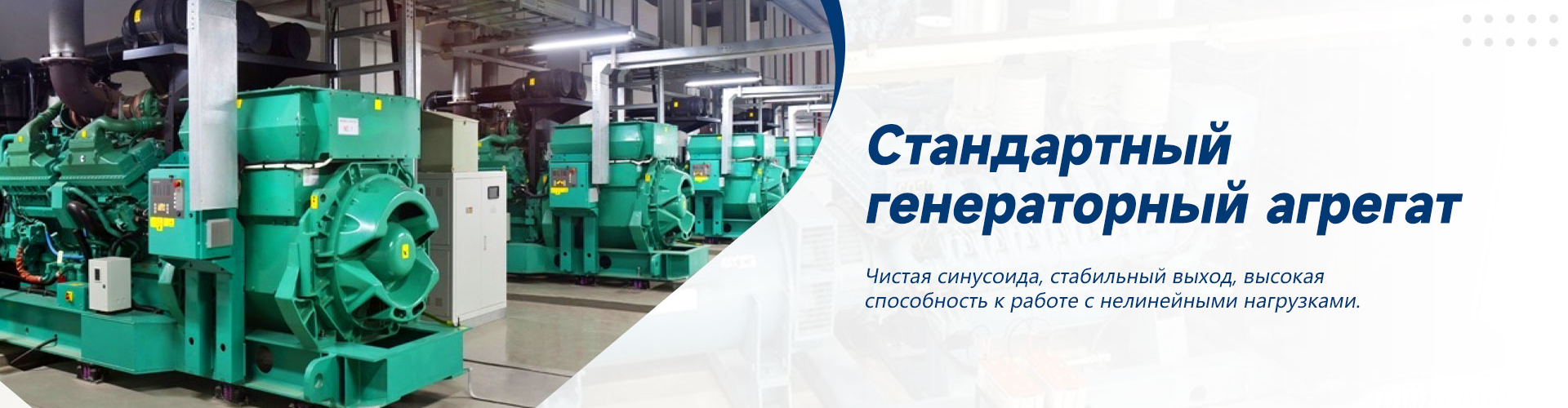
Gas generator sets: environmental friendliness and fuel economy
2026-07-12
- Why gas generator sets are becoming the energy standard in 2026
- Technical basis for savings: efficiency and specific fuel consumption
- Environmental friendliness as a factor in meeting 2026 standards
- Comparative analysis: Gas vs Diesel in real conditions
- Typical errors when selecting and operating equipment
- Application in various industries
- The role of modern manufacturers in ensuring reliability
- Certification and Regulatory Requirements
- Frequently Asked Questions
- Conclusion and next steps
Why gas generator sets are becoming the energy standard in 2026
Gas generator sets today represent the most balanced solution for industrial power supply, combining high environmental friendliness and significant fuel savings compared to diesel counterparts. In our practice of operating equipment at facilities from Kaliningrad to Vladivostok, we observe a stable trend: companies that switched to gas reduce operating costs for electricity generation by 40–55% already in the first year of operation. These are not just marketing promises, but the result of the physical difference in the calorific value of the fuel and the design features of internal combustion engines optimized for gaseous fuel.
The key advantage, which is often overlooked during the initial payback calculation, is not only the price of a cubic meter of gas, but also the engine life. Gas burns cleaner, without forming solid soot particles and acid compounds that destroy the cylinder-piston group of diesel units. As a result, the overhaul interval of gas generator sets increases by 1.5–2 times. However, it is important to understand: switching to gas requires competent design of the supply system and adjustment of mixture formation. Mistakes at this stage can eliminate all economic benefits.
In this article, we will analyze the technical nuances that affect the real efficiency of equipment, analyze the environmental standards of 2026 and provide specific implementation cases. We will not use abstract formulations - only numbers, parameters and real experience in servicing hundreds of pieces of equipment.
Technical basis for savings: efficiency and specific fuel consumption
Fuel savings in gas generator sets are achieved due to the higher efficiency of modern engines and the stability of the combustion process. If the average specific consumption of diesel fuel is 210–230 g/kWh, then for modern gas engines this figure is in the range of 180–195 g/kWh in energy equivalent. With current natural gas tariffs in the industrial sectors of the Russian Federation and CIS countries, the difference in the cost of a kilowatt-hour becomes a decisive factor for a business with a continuous production cycle.
However, the specific consumption figure in itself does not mean anything without reference to operating conditions. We encountered a situation where a client complained about high gas consumption. After the audit, it turned out that the installation was operating in constant underload mode (less than 30% of the nominal value). Internal combustion engines, especially gas engines, have an optimal load zone - usually from 70% to 90%. Operation below 50% leads to incomplete combustion of the mixture, a drop in temperature in the combustion chamber and, as a consequence, an increase in specific consumption. This is a fundamental capacity planning mistake that up to 30% of customers make.
Modern gas generator sets are equipped with electronic engine control systems (ECU) that adjust ignition timing and air-fuel ratio in real time. This allows you to maintain high efficiency even with fluctuations in gas quality. For example, when the Wobbe number (an indicator of the energy value of gas) changes, the system automatically adapts the settings, preventing detonation and overheating. Older carburetor models did not have this feature, which required manual adjustment when changing the gas source.
It is also important to consider the type of gas. Natural gas (methane) and liquefied petroleum gas (propane-butane) have different densities and octane numbers. Installations designed for main gas can operate on propane with a power loss of up to 10–15%, unless the injectors are properly calibrated and the injection maps are not changed. Therefore, when ordering equipment, always indicate the exact chemical composition of the fuel that will be available at your site.
Recommendation:Before purchasing, conduct a load test of the existing electricity consumption profile. If your load peaks are short and your base load is low, consider a hybrid system or a grid-parallel setup to optimize engine performance.
Environmental friendliness as a factor in meeting 2026 standards
Requirements for emissions of harmful substances into the atmosphere are becoming more stringent every year. In 2026, many industrial zones in Russia and the EAEU countries are moving to standards comparable to the European standard Euro 5 and higher. Gas generator sets have an inherent advantage in this aspect: methane combustion produces virtually no particulate matter (PM), and emissions of nitrogen oxides (NOx) and carbon monoxide (CO) are significantly lower than their diesel counterparts.
The chemistry of the process is simple: diesel fuel contains sulfur and heavy fractions, which upon combustion form soot and sulfur compounds. The gas is predominantly methane (CH4), which upon complete combustion breaks down into water and carbon dioxide. Even though CO2 is a greenhouse gas, the overall environmental footprint of gas generation is smaller due to the lack of toxic impurities. For enterprises falling under the categories of objects of category I and II of negative environmental impact (NEI), this means a simplification of the procedure for obtaining permits and a reduction in environmental payments.
In our practice, there was a case when a plant in the Leningrad region was faced with fines for exceeding the maximum permissible concentration for NOx from its diesel generators. Installation of catalytic reduction (SCR) systems would require a capital investment comparable to the cost of new gas units. Management decided to gradually replace the fleet with gas generator sets with built-in three-component catalysts. Result: NOx emissions decreased from 8 g/kWh to 1.5 g/kWh, which made it possible to pass the Rosprirodnadzor inspection without additional filters.
It should be noted that not all gas engines are created equal. Dual Fuel models, which run primarily on gas with a small addition of diesel for ignition, have slightly higher emissions than pure gas models (Gas Only). However, they provide greater starting reliability at low temperatures. The choice between these technologies depends on the climate zone. For northern regions where winter temperatures drop below -30°C, dual-fuel operation may be the only way to guarantee a start without preheating.
Another aspect of sustainability is noise pollution. Gas engines are quieter than diesel engines due to a smoother combustion process and the absence of high pressure fuel pump plunger pairs. The sound pressure level of gas installations is usually 5–8 dB(A) lower. This is critical for facilities located within the city or near residential areas where strict sanitary standards for noise at night apply.
Recommendation:Request the emission test report for your specific generator model from your supplier. Ensure that the data is up to date and in accordance with GOST R ISO 8178 or similar international standards. Do not rely on general statements in brochures.
Comparative analysis: Gas vs Diesel in real conditions
To make an informed decision, you need to compare technologies on key parameters that affect total cost of ownership (TCO). Below is a table based on data from the operation of 500 kW installations for 3 years in a temperate climate zone.
| Comparison parameter | Gas generator set | Diesel generator set |
|---|---|---|
| Fuel cost (RUB/kWh) | 2.5 – 3.2 (depending on region and volume) | 6.5 – 8.0 (for wholesale purchases) |
| Resource before overhaul (motor hours) | 40,000 – 60,000 | 20,000 – 30,000 |
| Oil change interval (hours) | 500 – 800 (synthetics) | 250 – 400 |
| Noise level (at a distance of 7 m) | 65 – 70 dB(A) | 72 – 78 dB(A) |
| Fuel storage requirements | Minimum (main) or pressure container (LPG) | Reservoirs, fire protection, fuel and lubricants accounting are required |
| Start at -30°C | Requires gas preheating or dual-fuel operation | Reliable starting with fluid preheating |
| Capital costs for equipment | 15–20% higher than similar diesel | Below, a wide selection of used market |
The table shows that gas generator sets lose in initial cost and difficulty of starting in extreme cold, but win in all operational indicators. The payback period for the difference in the price of equipment with round-the-clock operation is from 14 to 18 months. If the installation operates only in emergency mode (less than 100 hours per year), the savings on fuel will not cover the overpayment for gasification and equipment. In this case, diesel remains a rational choice.
Separately, it is worth mentioning the problem of fuel availability. Diesel can be delivered by tanker truck to any location. Gas requires infrastructure: either connection to the main pipe, which is associated with bureaucratic procedures and time frames from 6 months to 2 years, or installation of gas tanks for liquefied gas. Liquefied gas (LPG) logistics also has its risks: during peak demand in winter, supply disruptions are possible, which requires reserve storage volume of at least 5–7 days of autonomous operation.
We recommend conducting a feasibility study (TES) for each project individually. Consider not only the kWh price, but also the cost of the service contract, the availability of parts in your area and the qualifications of local personnel. Gas engines are more sensitive to the quality of maintenance: untimely replacement of spark plugs or air filters can lead to burnt valves and costly repairs to the cylinder head.
Recommendation:If your facility is located in a remote area without a gas pipeline, calculate the logistics of LPG delivery. It often turns out to be more profitable to build a small gas distribution station (GDS) with storage tanks than to rely on regular deliveries by fuel trucks.
Typical errors when selecting and operating equipment
Over the years, we have identified a number of system errors that customers make when installing gas generator sets. The first and most common is ignoring gas quality. Many people believe that “gas is gas.” In practice, the composition of the main gas can vary greatly. The presence of heavy hydrocarbons (ethane, propane) in concentrations above the design values leads to detonation and overheating. The presence of moisture and mechanical impurities causes corrosion and abrasive wear of fuel fittings.
In one of the projects in the Urals, the installation failed after 400 operating hours. The reason turned out to be condensate, which accumulated in the liner due to the incorrect slope of the pipes and the lack of condensate drains. Water entered the pressure reducer, causing it to jam and a sharp rise in pressure in the injector rail. The result is water hammer and destruction of the intake manifold. This problem can be solved by installing a high-quality gas treatment system with separator filters and heaters, but this is often neglected for the sake of economy.
The second mistake is the wrong choice of cooling type. For powers above 200 kW, liquid cooling is mandatory. Air cooling at such powers leads to uneven heat removal, deformation of block heads and failure of gaskets. However, some customers are trying to save money by choosing powerful air-cooled units for basic operation. This is a recipe for rapid failure.
The third problem concerns the electrical part. Gas generators, especially electronically controlled ones, are sensitive to harmonics in the network. Connecting non-linear loads (frequency converters, UPS, welding machines) without proper filtering can cause malfunctions of the motor controller. We strongly recommend installing chokes or active harmonic filters at the consumer input if the share of non-linear load exceeds 30%.
It is also worth mentioning the error in the selection of power. There should be a power reserve, but it should not be excessive. As already mentioned, operating at less than 40% load is harmful to a gas engine. It leads to coking of the spark plugs, dilution of the oil by unburned fuel and a decrease in compression. The optimal margin is 15–20% to cover starting currents and future expansion of production.
Recommendation:Be sure to include in the project a system for monitoring gas parameters (pressure, temperature, presence of impurities) at the engine inlet. This will prevent accidents and maintain the manufacturer's warranty.
Application in various industries
Gas generator sets are used in a wide variety of sectors of the economy, but the effectiveness of their use varies depending on the specifics of the process. Let's look at two typical examples from our practice.
Agro-industrial complex:A large livestock farm in the Krasnodar region is faced with rising electricity tariffs and frequent outages in rural areas. The main consumption was for ventilation, milk cooling and lighting systems. A cogeneration plant with a capacity of 1 MW was installed. The peculiarity of the solution was to use the heat of exhaust gases and hot water from the cooling jacket to heat water for technological needs and heat rooms in winter. The installed capacity utilization factor (IUR) was 0.85. Savings on energy resources reached 45%, and the payback period was reduced to 2 years due to the utilization of thermal energy.
Mining industry:An oil and gas field in Western Siberia required power supply to drilling rigs and rotational camps. Delivery of diesel fuel by helicopters and all-terrain vehicles was extremely expensive. It was decided to use associated petroleum gas (APG), which was previously flared. After purification and drying, the APG was supplied to gas generator sets. This made it possible not only to provide the facility with cheap energy, but also to avoid fines for flaring associated gas. Technical difficulties included the unstable composition of the APG, which required the installation of complex adaptive engine control systems. However, the project turned out to be highly profitable.
In both cases, the key success factor was not the fact of using gas itself, but the deep integration of generation into the enterprise’s technological process. Simply replacing a diesel generator with a gas generator without analyzing heat flows and load curves would not have such an effect.
For small businesses, such as greenhouses or small workshops, turnkey container solutions are of interest. They include a generator, an Automatic Reserve Input (AVR) system, a fuel module and a ventilation system in a single noise-proof housing. Such installations are installed in 1–2 days and require minimal maintenance.
Recommendation:If you have a source of free or cheap gas (biogas, coal mine methane, associated gas), be sure to consider using it. Specialized engines can run on gas with a low methane content (from 30%), which opens up opportunities for waste disposal.
The role of modern manufacturers in ensuring reliability
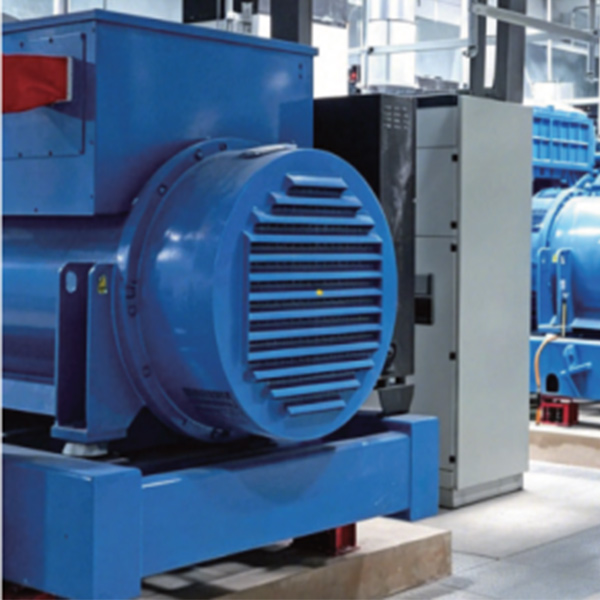
Successful implementation of gas generation projects is impossible without a reliable partner capable of offering not just equipment, but a comprehensive engineering solution. A striking example of this approach is the company Yuke (Shandong) Electrical Technology LLC. Located in Shandong Province, this professional Chinese company specializes in the development and production of a wide range of off-grid and backup power solutions, combining advanced generation technologies with energy storage systems.
Yuke LLC operates as a solutions integrator, relying on strategic partnerships with the world's leading engine manufacturers such as Cummins, MTU, SEM, Perkins and Yuchai. The company's product portfolio includes eight key categories, including the custom VYG series gas generator sets based on Yuchai engines, which are ideal for the applications described in this article. These installations are designed to meet stringent requirements for noise reduction, mobility and resistance to operational loads, making them popular both in the industrial sector and in infrastructure projects in remote areas.
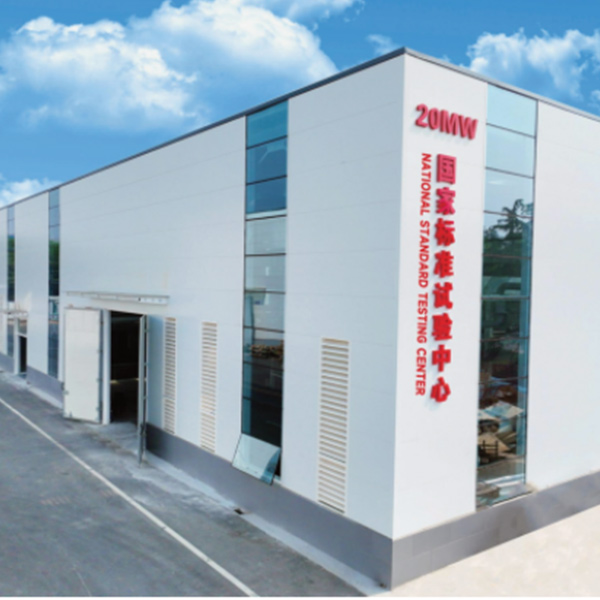
The company pays special attention to quality control. At the production base in Shandong, a multi-level inspection system has been implemented: from incoming inspection of components to comprehensive load tests of each piece of equipment for at least 4 hours. This approach ensures that each gas installation leaving the plant fully complies with the declared efficiency parameters and environmental standards, ready to operate in the difficult climatic conditions of the CIS countries and Asia. In addition, the company offers adaptation of solutions to regional standards, which is critical during the transition to new environmental regulations in 2026.
The philosophy of “reliability through responsibility” permeates the entire cycle of interaction with the client: from technical audit and design to post-warranty service and supply of original spare parts. By choosing such a partner, the customer receives not just a generator, but a guarantee of long-term energy efficiency and safety of his enterprise.
Certification and Regulatory Requirements
When importing or manufacturing gas generator sets, it is necessary to strictly comply with the requirements of the technical regulations of the Customs Union. The main document is TR TS 010/2011 “On the safety of machinery and equipment” and TR TS 004/2011 “On the safety of low-voltage equipment”. Confirmation of conformity is issued in the form of an EAC Certificate of Conformity or a Declaration of Conformity.
For gas equipment, it is critically important to have an explosion protection certificate if the installation is intended to operate in explosive areas (zone classes 0, 1, 2 according to GOST 30852.9). The motor, alternator and control cabinet must have the appropriate Ex marking level. The absence of this document makes operation illegal and dangerous.
You should also pay attention to compliance with environmental classes. From 2025, Russia will introduce mandatory labeling of emission levels for stationary sources. When purchasing equipment, make sure it meets the current regulations in your region. In Moscow and St. Petersburg the requirements are stricter than in remote areas.
Manufacturers that are ISO 9001 certified generally provide more consistent quality and quality control. However, the presence of a certificate does not guarantee the absence of defects in a particular batch. Therefore, equipment acceptance must include incoming inspection and test run under load.
Recommendation:Request from the supplier a complete package of accompanying documentation, including a passport for the product, an instruction manual in Russian and copies of current certificates. Check the certificate numbers in the RosAccreditation register.
Frequently Asked Questions
What is the service life of a gas generator set before the first major overhaul?
If you follow the maintenance regulations and work on high-quality gas, the service life before the first overhaul is 40,000 - 60,000 engine hours. This is approximately 5–7 years of continuous operation in basic mode. The key factor is timely replacement of engine oil and spark plugs. Using oils not recommended by the manufacturer can reduce the service life by half.
Is it possible to convert an existing diesel generator to gas?
Theoretically possible, but economically and technically feasible only for some models. A complete replacement of the cylinder head (to install spark plugs), installation of a gas reducer, injectors and a new control unit are required. The cost of such a conversion often reaches 60–70% of the price of a new gas unit, while the service life of the converted engine will be lower than the factory version. We do not recommend this route unless the equipment is unique or antique.
What gas pressure is required to operate the generator?
Most industrial gas generators operate at low pressure - from 1.5 to 5 kPa (150-500 mm water column). If the pressure in your main line is higher (average pressure 0.3–0.6 MPa), you will need to install a gas control point (GRPS) to lower the pressure. Operating at high pressure without reduction will result in an emergency shutdown of the engine by the safety system or damage to the fuel rail.
How difficult is it to start a gas generator in winter?
Starting in subzero temperatures requires preheating the coolant and, in some cases, preheating the gas itself to prevent condensation and hydrates from forming. Modern installations are equipped with autonomous heaters (Webasto or analogues) that maintain the engine temperature at readiness. At temperatures below -25°C, it is recommended to use dual-fuel mode (with a small portion of diesel supplied) for a confident start.
Conclusion and next steps
Switching to gas generator sets is a strategic decision that requires careful preparation, but pays dividends in the form of reduced costs and improved environmental safety. The equipment market in 2026 offers a wide range of solutions: from compact household models to mega-watt industrial stations. The main thing is not to chase the lowest price, but to choose a reliable partner with a developed service network, such as Yuke (Shandong) Electrical Technology LLC, which has experience in integrating the world's best components into its own reliable designs.
Remember that saving at the design stage or selecting components will inevitably lead to increased costs during operation. Entrust installation and commissioning only to certified specialists who are authorized to work with gas equipment.
If you are considering introducing gas generation at your business, start with an audit of your current energy consumption and gas supply capabilities. Our experts are ready to conduct a free preliminary payback calculation and select the optimal equipment configuration for your tasks.
Catalog of gas generator sets | Engineering design
Contact us today for detailed advice and a quote.

-


-
-


WeChat

-
WeChat