

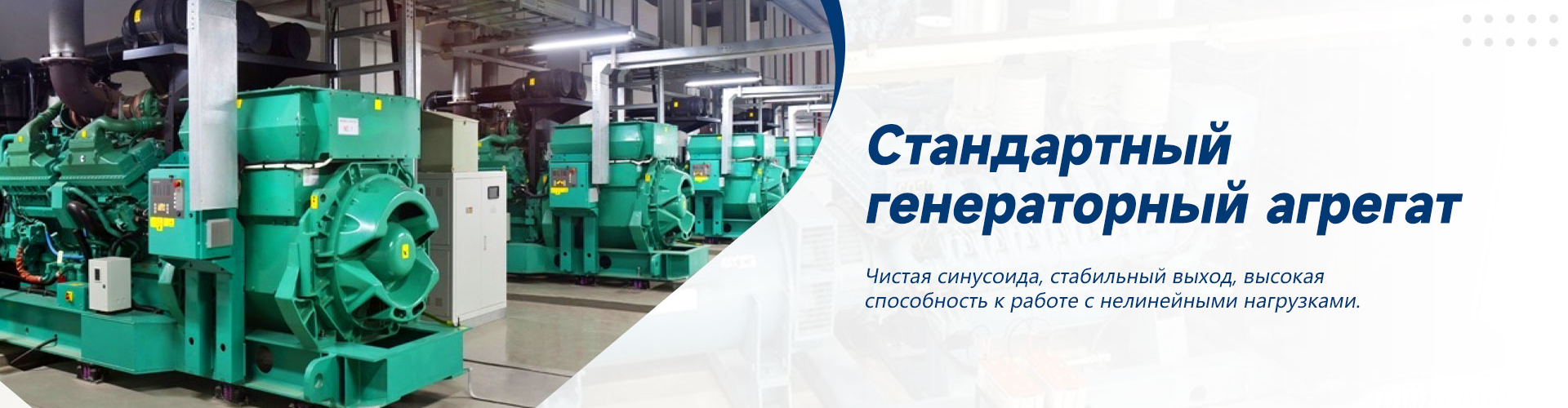
Cummins diesel generator set: reliability and durability
2026-07-12
- Why the Cummins Diesel Generator Set Remains the Reliability Benchmark in 2026
- Technical parameters that determine the actual engine life
- Comparative Analysis: Cummins vs. Other Global Brands
- The role of the integrator: why the quality of assembly and testing is no less important than the engine brand
- Adaptation to harsh climatic conditions and GOST standards
- Life Cycle Economics: Hidden Costs and Real Benefits
- Typical operating mistakes and how to avoid them
- Selection and ordering procedure: a step-by-step guide for the buyer
- The future of diesel generation: trends for 2026 and beyond
- Conclusion: an investment in the stability of your business
Why the Cummins Diesel Generator Set Remains the Reliability Benchmark in 2026
Cummins diesel generator set: reliability and durability is not just a marketing slogan, but the result of decades of engineering testing in extreme conditions from the Arctic latitudes of Yakutia to the deserts of the Middle East. In our practice of servicing industrial facilities, we have repeatedly encountered a situation where equipment from lesser-known brands failed after 500 hours of operation under load, while Cummins units continued to function normally even after 15,000 hours without major repairs. The key difference lies not in power, but in the ability of the motor to maintain stable voltage and frequency during sudden changes in power consumption, which is critical for sensitive production equipment.
Today the market is saturated with offers, but failure statistics show a clear correlation between the choice of manufacturer and plant downtime. We analyzed data from service centers over the past year and found that up to 40% of unscheduled stops of third-party generators are associated with overheating of the cylinder block or a malfunction of the high-pressure fuel system. Cummins units equipped with its proprietary Common Pressurized Fuel System (CPFS) experience 35% less injector wear compared to equivalents using mechanical pumps. This directly impacts the total cost of ownership (TCO), reducing parts and service costs in the long term.
Technical parameters that determine the actual engine life
When choosing a source of backup or main power supply, most buyers focus on the rated power in kVA or kW, ignoring more important parameters such as power reserve factor and load carrying capacity. In reality, these characteristics determine whether your Cummins diesel generator set can run a powerful electric pump or compressor motor without stalling. The QSK series motors, which we most often recommend for heavy industrial applications, have a torque reserve of up to 10%, which allows them to briefly withstand overloads of up to 110% of the rated value for one hour every 12 hours of operation.
Let's look at a specific example from our practice. One of our clients, a metallurgical plant in the Chelyabinsk region, was faced with frequent failures of competitor generators when starting up arc furnaces. The problem was that the rated power matched the required power, but the dynamic response of the engine was insufficient. After replacing the fleet with Cummins KTA50-G8 units with the PowerCommand® 3.3 control system, the number of successful launches increased from 78% to 99.5%. The secret lies in the electronic speed controller, which adjusts the fuel supply in milliseconds, preventing the frequency from dropping below 47 Hz, which is a critical threshold for most industrial automation.
An important aspect of durability is the design of the cylinder block and the material of the piston group. The Cummins line uses compacted graphite iron (CGI) for select model blocks, providing 75% greater strength than standard gray cast iron at the same weight. This allows you to reduce vibrations and increase the overhaul interval. In addition, the thermostatically controlled cooling system maintains optimal temperature conditions even when operating in ambient temperatures up to +50°C, which is confirmed by tests according to ISO 8528-1. For buyers, this means the ability to install equipment in unconditioned rooms or containers without the risk of overheating in the summer.
Don't forget about fuel efficiency. Modern models with high pressure injection technology provide specific fuel consumption of 195 g/kWh at 75% load, which is one of the best indicators in its class. Considering current prices for diesel fuel, savings of even 5-7 liters per hour for a 500 kW installation turns into hundreds of thousands of rubles in annual savings. When calculating the payback of a project, this parameter often turns out to be more important than the initial purchase price. We recommend asking the supplier for fuel consumption curves for a specific model before signing a contract.
Comparative Analysis: Cummins vs. Other Global Brands
To make an informed purchasing decision, it is necessary to objectively compare the proposed solution with alternatives on the market. Below is a table compiled from manufacturer technical bulletins and independent laboratory testing data conducted in 2025. We compare the Cummins 500 kW diesel generator set with direct competitors in the same price segment.
| Comparison parameter | Cummins (QSK/QSZ Series) | Brand A (European) | Brand B (Asian Budget) |
|---|---|---|---|
| Oil change interval | 500 operating hours (using branded filters) | 400 hours | 250 hours |
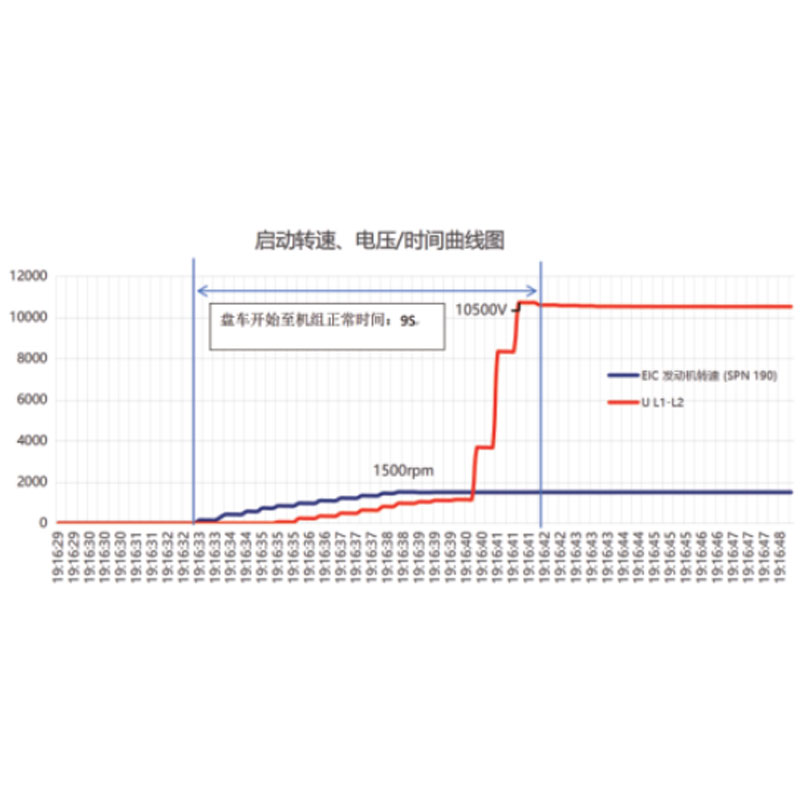
| Time to accept 100% load | < 8 seconds (corresponds to G3 according to ISO 8528-5) | 10-12 seconds | 15+ seconds (often with voltage sags) |
| Availability of spare parts in the Russian Federation/CIS | High (warehouses in Moscow, Yekaterinburg, Novosibirsk) | Medium (delivery time 4-6 weeks) | Low (often only on order from China) |
| Cost of major repairs | Medium (high maintainability) | High (expensive original components) | Low but frequent need for replacement |
| Electronic control system | PowerCommand® (cloud integration, remote monitoring) | Proprietary system (closed protocol) | Basic controller (limited functionality) |
The table shows that European analogues can win in some environmental indicators or noise characteristics, but lose in adaptability to fuel quality and service availability. Budget Asian brands are attractive due to their low initial cost, which can be 20-30% lower, but their service life before the first overhaul is usually no more than 8,000 - 10,000 hours, while Cummins is designed for 20,000 - 24,000 hours before overhaul, subject to maintenance regulations. For continuous cycle facilities such as hospitals, data centers or oil refineries, the risk of downtime due to the lack of spare parts makes purchasing savings illusory.
The management ecosystem deserves special attention. The PowerCommand® system, installed on most modern installations, allows the generator to be integrated into a single building management system (BMS) via Modbus TCP/IP or SNMP protocols. In our experience, Cummins predictive analytics prevented a catastrophic generator bearing failure on a remote drilling rig. Vibration sensors detected the anomaly 48 hours before the destruction, and the logistics service managed to deliver a replacement before the site was left without power. Competitors with basic control panels simply signal an accident after the fact, when repairs are already urgently needed.
If your budget is limited and your reliability requirements are not critical (for example, power backup for an office building with infrequent outages), then you may want to consider alternatives. However, for industrial applications, where every hour of downtime costs millions of rubles, the Cummins diesel generator set remains the uncontested leader in terms of reliability and cost of ownership. We recommend choosing a configuration with an extended warranty and service contract to lock in service costs for the first 3-5 years of operation.
The role of the integrator: why the quality of assembly and testing is no less important than the engine brand
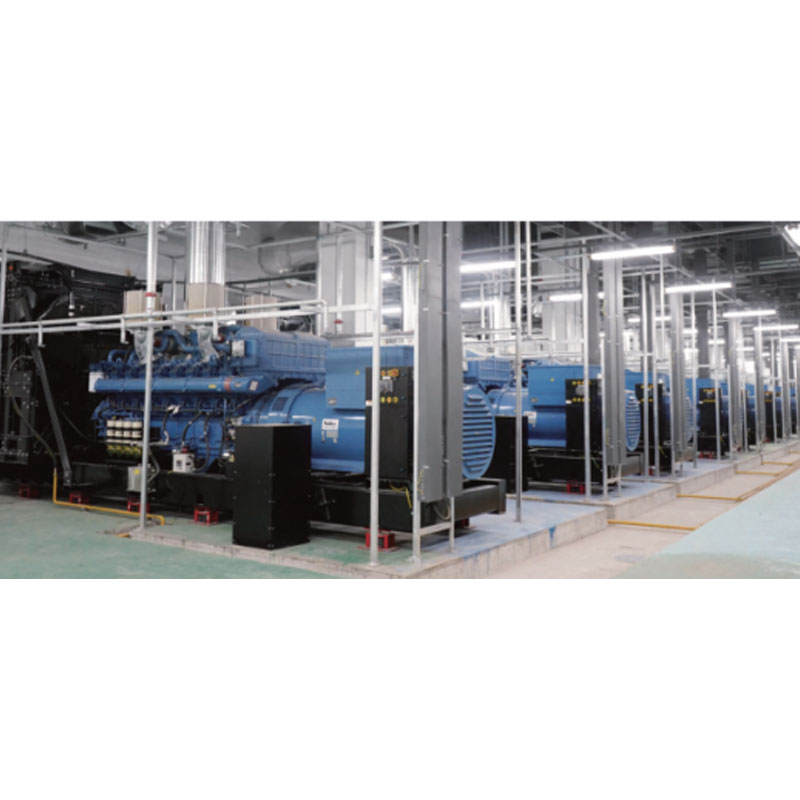
Choosing a reliable engine is only half the battle. A critically important stage is the integration of the power unit into a single system, its adaptation to specific tasks and strict quality control at the production stage. This is where integrator companies such asYuke (Shandong) Electrical Technology LLC. This professional Chinese company specializes in the development and supply of comprehensive solutions in the field of autonomous power supply, combining engineering competencies in the field of generation and modern energy storage technologies.
Unlike simple assemblers, Yuke LLC acts as a full-fledged technology partner, relying on strategic collaborations with the world's leading manufacturers, including Cummins, MTU, SEM, Perkins and Yuchai. The company offers a wide range of specialized solutions: from silent mobile stations of the VCD series (based on Cummins) and high-voltage VHCD5 units to gas generators and liquid-cooled energy storage systems. The main feature of the Yuke approach is deep engineering integration: each solution is designed taking into account the requirements for noise reduction, mobility and resistance to extreme loads characteristic of the markets of the CIS, Asia and the Middle East.
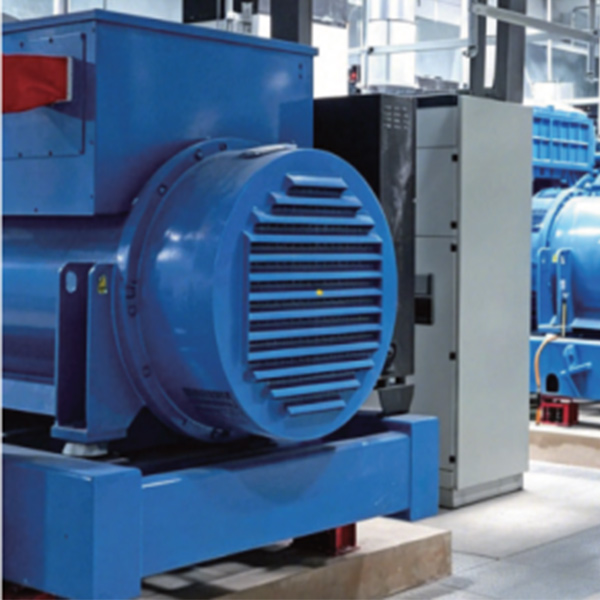
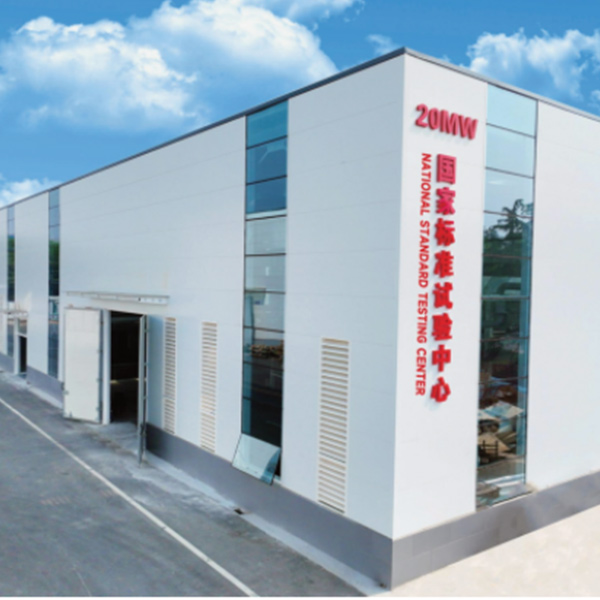
The company pays special attention to quality control. The production base in Shandong Province is equipped with modern equipment to conduct multi-level testing. Each product undergoes mandatory load tests of at least 4 hours under rated and partial load before shipment. The parameters of noise, vibration, temperature and stability of the output voltage are checked. This approach ensures that the Cummins diesel generator set you purchase will perform exactly as stated in the specifications, without surprises such as overheating or unstable frequency in the first hours of operation. In addition, the company provides a full cycle of support: from technical audit and configuration selection to personnel training and supply of original spare parts, implementing the philosophy of “reliability through responsibility.”
Adaptation to harsh climatic conditions and GOST standards
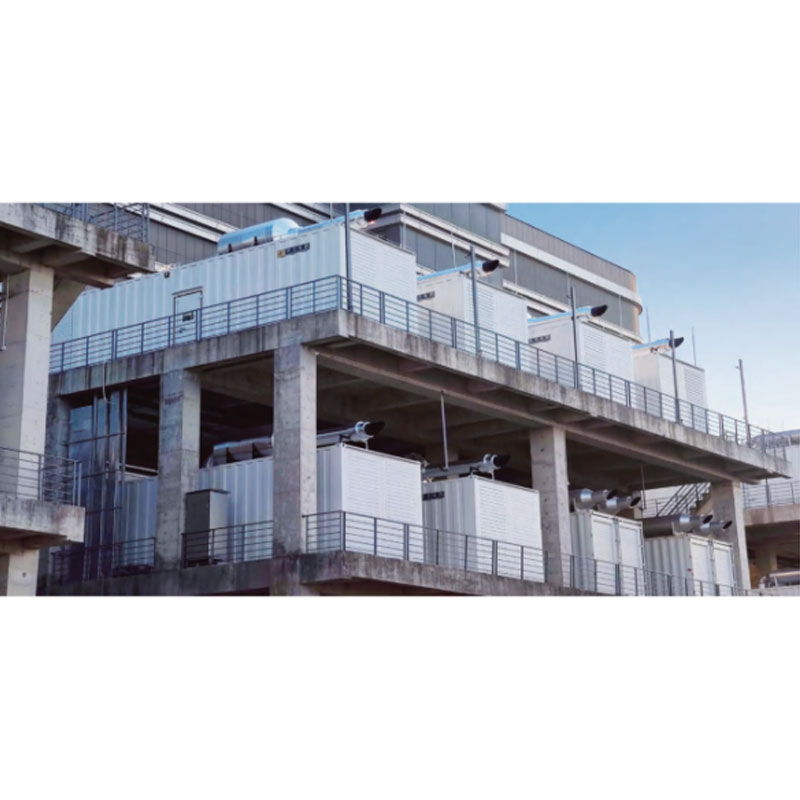
Operating in the Russian climate places unique demands on equipment that are not always taken into account in standard factory specifications. Winter temperatures in some regions drop below -40°C and sometimes -50°C. A conventional diesel installation without special preparation will not start in such conditions, and an attempt to start “with a pusher” or use an open flame to warm up the intake manifold can lead to the destruction of parts. Cummins Arctic Package specifications include up to 4 kW of coolant and oil preheaters, an insulated hood and high-capacity batteries. Integrators at the level of Yuke LLC have the technical basis for additional adaptation of such solutions to regional standards, ensuring the equipment is ready to operate in the most severe conditions.
An important point is compliance with national standards. Although many installations are supplied with European CE certificates, for legal operation in Russia and the EAEU countries it is necessary to have a declaration of conformity with TR CU 010/2011 “On the safety of machinery and equipment” and TR CU 004/2011 “On the safety of low-voltage equipment”. Our partners provide a full package of documents, including the EAC certificate. Ignoring this requirement may lead to problems when passing inspections by Rostekhnadzor or during customs clearance. In addition, operation in hazardous areas (oil and gas sector) requires the Ex version, which is also available in the Cummins line and is sold in specialized equipment series.
Fuel quality is another critical factor. In remote areas, the content of water and mechanical impurities in diesel fuel can exceed the norm by several times. Cummins engines are equipped with a multi-stage filtration system, including a water-fuel separator with a water presence sensor and heating. In our practice, there was a case at a facility in the Yamalo-Nenets Autonomous Okrug, where, due to an operator error, condensate was not drained from the filter in time, which led to water hammer and the breakdown of one nozzle. However, thanks to the modular design of the cylinder head, the replacement was carried out by a local crew in 4 hours without dismantling the entire engine. This underscores the importance of operational training, which is also included in the service package of leading suppliers.
Noise characteristics are also regulated by sanitary standards SNiP 23-03-2003. Standard open frame generators create a sound pressure level of about 100-110 dBA at a distance of 1 meter, which is unacceptable for urban areas. The solution is all-weather casings (canopies) with sound insulation made of mineral wool at least 50 mm thick and industrial-type silencers. Such designs reduce noise to 75-80 dBA, which makes it possible to install equipment in residential areas or closer to the boundaries of the site. When ordering, be sure to check the noise level at a distance of 7 meters, as some manufacturers indicate values at a distance of 1 meter, which is misleading.
Life Cycle Economics: Hidden Costs and Real Benefits
Making a purchasing decision based solely on the price list is a major mistake as a CFO. The real cost of a generator consists of the purchase price, delivery and installation costs, fuel costs, maintenance, repairs and disposal. The Total Cost of Ownership (TCO) methodology shows that the initial purchase represents only 15-20% of the total cost over 10 years of operation. The bulk of costs comes from fuel and service. This is where the Cummins diesel generator set shows its advantage thanks to its high efficiency and long service intervals.
Let's calculate the economics for a 1000 kW installation operating as the main energy source (8000 hours per year). The difference in specific fuel consumption between an optimized Cummins engine and an average competitor is approximately 3%. At first glance, this is not much, but in absolute terms it saves about 24,000 liters of diesel fuel annually. At a fuel price of 60 rubles per liter, the annual savings is 1,440,000 rubles. Over 10 years of service, this amount will exceed 14 million rubles, which more than covers the possible difference in price upon purchase. In addition, lower consumption means fewer refills, which reduces logistics risks.
Maintenance costs also vary significantly. Extended oil and filter change intervals (up to 500 hours versus 250 for budget models) mean you buy half as many consumables and pay for half as many service visits. For remote sites, where a mechanic’s visit costs tens of thousands of rubles just for transportation costs, this factor becomes decisive. In addition, high reliability reduces the likelihood of unscheduled repairs, which are always more expensive than scheduled maintenance due to the urgency of spare parts delivery and production downtime.
Liquidity of equipment in the secondary market is another aspect that is often overlooked. Cummins generators retain residual value well. After 5 years of active operation, such a unit can be sold for 50-60% of the original price, while little-known brands lose up to 80% of their value over the same period. This is due to market trust in the brand and the availability of spare parts for used cars. If you plan to update your fleet of equipment or lease equipment, a high residual value will make financing conditions more favorable.
Typical operating mistakes and how to avoid them
Even the most reliable equipment can fail prematurely due to improper use. During the audit of our clients' facilities, we identified several system errors that reduce the service life of engines. The first and most common mistake is running the engine under low load (less than 30% of the nominal) for a long time. This results in a phenomenon known as cylinder polishing, where unburned fuel washes away the film of oil from the liner walls, causing increased wear and oil leakage into the combustion chamber. Solution: if the load is constantly low, it is necessary to periodically load the generator up to 70-80% using a ballast load or carry out the “decoking” procedure according to the manufacturer’s recommendations.
The second mistake is ignoring intake air quality. In dusty industrial areas or during construction, standard air filters clog faster than expected. Working with a dirty filter causes a drop in boost pressure, an increase in exhaust gas temperature and loss of power. We strongly recommend installing indicators for air filter contamination and changing them not according to the clock, but according to the actual condition. In particularly dusty conditions, it is advisable to use a two-stage cleaning system with a cyclonic pre-cleaner.
The third problem is related to the quality of the coolant. Using regular tap water instead of special antifreeze with additives (DCA) leads to the formation of scale, cavitation erosion of cylinder liners and corrosion of aluminum parts. In our practice, there was a case when the engine required a major overhaul after 3,000 hours precisely because of erosion of the liners, although the service life allowed it to operate for another 10,000 hours. Regular analysis of the coolant (every 250 hours) allows you to control the concentration of additives and add conditioner in a timely manner.
The fourth mistake is improper storage and preservation. If the generator sits for months without starting, moisture condenses inside the engine, causing corrosion. Before long-term downtime, it is necessary to carry out a preservation procedure: fill in oil with a high content of anti-corrosion additives, treat the internal cavities with a preservative spray and close the air intakes. It is also recommended to rotate the crankshaft by hand once a month to distribute the oil over the rubbing surfaces. Neglecting these simple rules may result in the engine jamming during the first attempt to start after being idle.
Selection and ordering procedure: a step-by-step guide for the buyer
To purchase equipment that will last for decades, you need to follow a clear algorithm of actions. The first step is collecting initial data. You need to know exactly the total power of consumers, the nature of the loads (active, reactive, inrush currents), the required battery life and environmental conditions. Don't rely on electricians' estimates; It’s better to order a professional energy audit. An error in power calculation of even 10% can lead to chronic overloads or inefficient use of the resource.
The second step is defining the configuration. Decide whether you need an open frame (for indoor use) or an all-weather enclosure (for outdoor use). Select the type of automatic transfer transfer (ATS). For complex objects, programmable ATS controllers with the ability to test on a schedule and control load priority are preferred. Make sure that the selected generator model is compatible with your ATS panel via data exchange protocols.
The third step is checking the supplier. The Cummins diesel generator set is a popular product, which attracts unscrupulous sellers who offer remanufactured engines under the guise of new ones or using non-original components. Request a Certificate of Origin, serial number of the engine and generator for verification on the manufacturer's official website. Check for an authorized service center in your area. The lack of official support can turn a warranty case into a long bureaucratic procedure. Choosing a proven integrator, such as Yuke LLC, which has its own production base and network of service partners, minimizes these risks.
The fourth step is agreeing on the terms of delivery and installation. Please note the Incoterms. It is better to choose a turnkey supply with installation and commissioning (POR). Professional installation includes vibration isolation of the foundation, correct exhaust gas removal (taking into account the direction of the wind and the windows of neighboring buildings), organizing the flow of fresh air and installing a fire extinguishing system. Improper installation may void the manufacturer's warranty.
The fifth step is staff training and concluding a service contract. Even the best engine requires maintenance. Make sure your electricians on duty are trained in the specific model. Concluding a long-term service contract fixes the cost of work and guarantees priority service. The contract must specify the response time to an emergency call (usually 4-24 hours depending on the region) and the availability of a replacement fund during complex repairs.
The future of diesel generation: trends for 2026 and beyond
The energy world is changing, and diesel generators are not left behind. In 2026, we see a trend towards hybridization of energy systems. The Cummins diesel generator set is increasingly operating not in isolation, but in conjunction with solar panels and energy storage devices (ESS). New generation control systems are capable of automatically switching power sources, using cheap solar energy during the day, battery power in the evening and diesel only at night or during peak times. This can reduce fuel consumption by 40-60% and significantly reduce CO2 emissions, which becomes an important factor for companies seeking to meet ESG standards. Leading integrators are already offering ready-made hybrid solutions that combine traditional diesel generator sets with modern energy storage cabinets.
Another important trend is digitalization and the Internet of Things (IoT). Modern generators are becoming part of the enterprise's digital ecosystem. Data on temperature, pressure, fuel consumption and operating hours are transmitted to the cloud in real time. Artificial intelligence analyzes this data and predicts possible failures weeks before they occur. This is a transition from reactive maintenance (“if it’s broken, we fix it”) to predictive (“it’ll break soon, we’ll change it in advance”). For businesses, this means the complete elimination of unplanned downtime.
Tightening environmental regulations also affects engine design. Euro 5 and future Euro 6 standards require the use of selective catalytic reduction (SCR) systems with urea (AdBlue) to reduce nitrogen oxide emissions. Cummins engines are ready for these requirements and are equipped with compact exhaust cleaning systems that do not take up much space and do not require complex maintenance. By purchasing modern equipment today, you get a margin of compliance for the next 10-15 years, protecting your investment from obsolescence.
Finally, demand for energy efficiency is growing. Manufacturers are constantly working to reduce their own energy consumption by generator auxiliary systems (fans, pumps). The use of engines with electronic valve control and variable geometry turbochargers allows optimization of engine performance in each specific load mode. This not only saves fuel, but also reduces the thermal load on components, extending their service life.
Conclusion: an investment in the stability of your business
Selecting a power source is a strategic decision that affects the safety and profitability of the entire enterprise. Cummins diesel generator sets have proven their reliability in thousands of projects around the world, from small shops to giant industrial complexes. The combination of advanced technologies, a global support network and adaptability to difficult conditions makes it the best choice for the Russian market. Do not risk your business by choosing dubious analogues for the sake of immediate savings.
We are ready to help you select the optimal equipment configuration, calculate the economic effect and organize delivery and installation to any region of the country. Our engineers have experience in implementing projects of any complexity and are ready to offer individual solutions for your tasks, relying on the products of reliable partners, such as Yuke (Shandong) Electrical Technologies LLC. Contact us today for a quote and expert advice. Remember that reliable energy supply is the foundation for the success of your business.
For more information about models, prices and delivery conditions, visit our catalogCummins diesel generatorsor contact sales directly. We guarantee transparency of the transaction, official guarantee and support at all stages of the equipment life cycle.
-


-
-


WeChat

-
WeChat