

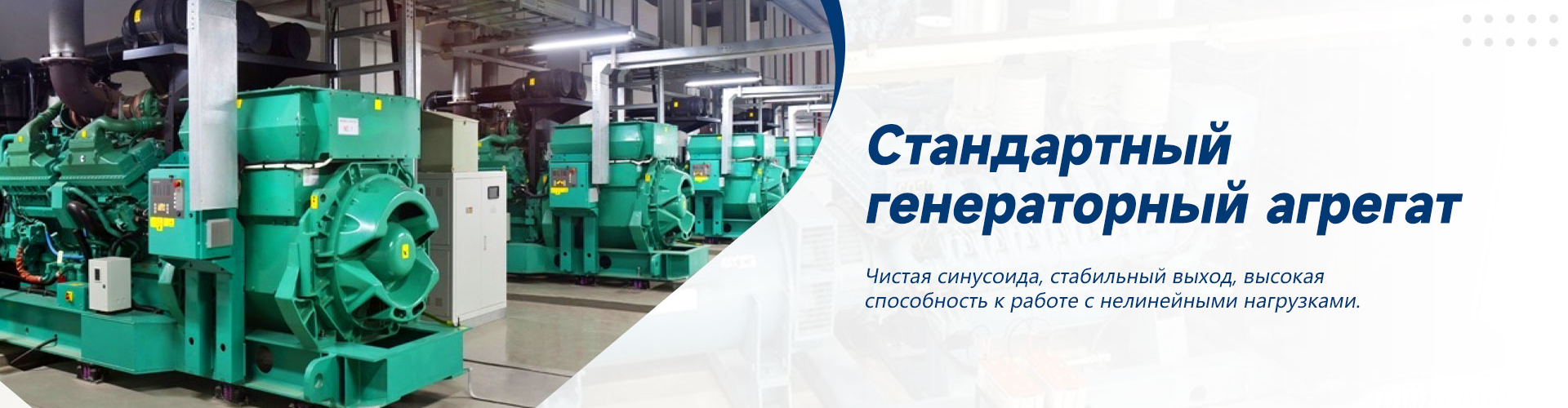
1000 kW gas generating unit: technical characteristics
2026-07-10
- 1000 kW gas generating unit: technical characteristics and selection criteria
- Reactor design features and fuel supply system
- Producer gas purification and cooling system
- Engine-generator unit and electrical parameters
- Economic efficiency and payback periods
- Requirements for raw materials and fuel preparation
- Installation, commissioning and certification
- Experience and solutions from Yuke (Shandong) Electrical Technology LLC
- Frequently Asked Questions
- Conclusion and recommendations for choosing a supplier
1000 kW gas generating unit: technical characteristics and selection criteria
A gas generator plant with a capacity of 1000 kW is a complex energy solution, where the key technical characteristics are not only the rated output power, but also the specific consumption of the generator gas (1.1–1.3 kg/kWh), the permissible tar content (< 50 mg/Nm³) and the thermal efficiency of the gasification process, which in modern systems reaches 78-82%. In our practice, we have repeatedly encountered a situation where customers focused exclusively on the “1000 kW” figure, ignoring the quality of gas flow cleaning, which led to coking of the engine injectors after only 200 operating hours and production downtime for up to two weeks for major repairs. The real efficiency of the equipment is determined by the stability of operation at partial loads and the ability of the automatic control system to maintain a stoichiometric air/fuel ratio when the raw material humidity fluctuates from 15% to 45%.
The decision to purchase such a unit requires an in-depth analysis of not only the passport data, but also the actual operating conditions, since the parameters stated in the brochures are often obtained in laboratory conditions using ideal fuel. We recommend considering the technical specifications in relation to the specific type of biomass you plan to use, since the calorific value of wood pellets, softwood chips or agricultural waste radically changes the operating mode of the reactor. Below we will analyze in detail the design features that affect reliability and present data obtained during long-term tests at industrial facilities in various climatic zones.
Reactor design features and fuel supply system
The heart of any 1000 kW gas generating plant is the gasification reactor, the design of which directly dictates the possibility of continuous operation and minimal formation of by-products. For capacities of this level, the most effective solution is the use of down-draft reactors, where the oxidation and reduction process occurs in clearly separated zones, which allows resins to be cracked at high temperatures (over 1000°C) even before the gas leaves the reaction zone. However, simple reactor geometry is not sufficient; The sluicing and fuel supply system becomes a critical element, which must ensure the tightness of the chamber while constantly adding raw materials.
In our projects we use double rotary sluice valves with pneumatic compensation for seal wear. Why is this important? Conventional screw feeders, when working with a fraction of 20-50 mm chips, often create “bridges” or, conversely, allow backflow of gases into the bunker, which creates an explosive situation and disrupts the vacuum in the reactor. The technical characteristics of the supply system must guarantee a capacity of at least 450-500 kg/h of raw biomass with a moisture content of up to 35% to cover the peak loads of the generator. One of our customers in Siberia encountered a problem with wet chips freezing in the receiving hopper in winter at -30°C, which stopped the entire line; The solution was the introduction of a heated auger and an insulated bunker with an inert gas purging system, which increased the cost of the unit by 15%, but ensured trouble-free operation for three winter seasons.
The reactor material also plays a decisive role. For 1 MW installations, we recommend using heat-resistant steel grades 12Х18Н10Т or their analogues with a nickel content of at least 8-10%, since conventional structural steels are deformed during cyclic heating up to 1200°C in the combustion zone. The thickness of the core wall must be at least 12-16 mm with a mandatory refractory lining layer of mullite-silica fibers with a density of 280-320 kg/m³. This reduces heat loss through the housing and protects the metal shell from thermal shock. Ignoring this requirement leads to burnout of the housing after 6-8 months of intensive use, which requires stopping the unit for highly complex welding work.
The grate system and ash removal mechanism must be fully automated. Manual ash removal at a power of 1000 kW is impossible due to the volume of formation of solid residues (up to 3-5% of the mass of the input fuel). We use hydraulic pushers with an operating frequency that is adjusted depending on the ash content of the fuel. It is important to note that excessively frequent movement of the grate leads to the spillage of unburned coal into the ash pan, reducing the overall efficiency of the installation by 3-5%, while infrequent movement causes sintering of the slag and disruption of the gas permeability of the layer. Setting up this unit requires an individual approach for each type of fuel, and there are no universal settings.
Producer gas purification and cooling system
The quality of the gas leaving the reactor rarely meets the requirements of internal combustion engines without multi-stage purification. A 1000 kW gas generating unit produces approximately 2000-2200 Nm³/h of raw gas containing dust, soot, tar vapors and water vapor. The technical characteristics of the cleaning system determine the engine life: the solid particle content must be reduced to < 20 mg/Nm³, and the resin content to < 30-50 mg/Nm³. Neglect of this stage leads to rapid abrasive wear of the cylinder-piston group and the formation of varnish deposits on the valves.
Primary cleaning is usually carried out in coarse cyclone filters, which remove large particles of ash and soot. However, the main burden of tar removal falls on scrubbers or electrostatic precipitators. In our practice, we prefer Venturi wet scrubbers for powers above 500 kW, since they simultaneously perform the function of gas cooling. The gas temperature after the reactor is 400-600°C, and for supply to the engine it must be reduced to 35-45°C. The scrubber reduces the temperature by evaporating water and direct contact, while simultaneously washing away heavy resin fractions.
However, wet systems have a significant drawback - the generation of a large volume of contaminated wastewater, requiring disposal or recycling through a settling and filtration system. We have seen cases where enterprises skimped on the return water treatment system, which led to clogging of the scrubber nozzles and a sharp increase in the gas temperature at the engine inlet. An alternative is dry filtration systems using ceramic or metal filter cartridges operating at high temperatures (hot cleaning). Although the capital costs of such systems are 40-50% higher, they eliminate the wastewater problem and allow the heat of the hot gas to be returned to the process, increasing the overall energy balance of the installation.
The boost fan (gas blower) is a critical element that creates vacuum in the system. For a 1000 kW installation, a fan with a capacity of at least 2500-3000 Nm³/h is required with a pressure that compensates for the resistance of all cleaning stages (usually 3-5 kPa). We recommend the use of Variable Frequency Drive (VFD) fans, which allow the performance to vary smoothly depending on the generator load. Operating a gas blower at a fixed speed when the load is reduced leads to over-enrichment of the mixture and unstable combustion in the engine. In one case, incorrect selection of fan impeller material (regular cast iron instead of polyamide or special alloy) led to corrosion and imbalance after 4 months of operation due to acid condensation in the gas.
Engine-generator unit and electrical parameters
The conversion of the chemical energy of gas into electricity is carried out using a gas piston engine adapted to operate on low pressure gas (10-20 mbar). The technical characteristics of the motor itself determine the final electrical output. To obtain a net 1000 kW at the generator terminals, it is necessary to install an engine with a mechanical power of about 1250-1300 kW, taking into account losses on the generator (efficiency 94-96%) and the installation’s own needs (pumps, fans, automation consume 30-50 kW).
The key parameters here are the compression ratio and the ignition system. Diesel engines converted to gas-diesel mode (with a 5-10% ignition dose of diesel fuel supplied) show high reliability, but require a diesel infrastructure. All-spark (Otto cycle) engines are more efficient when running on 100% generator gas, but require precise tuning of the ignition timing, which changes dynamically depending on the amount of methane and hydrogen in the gas. Modern engine control systems (ECU) are able to monitor detonation and adjust parameters in real time, preventing destruction of the pistons.
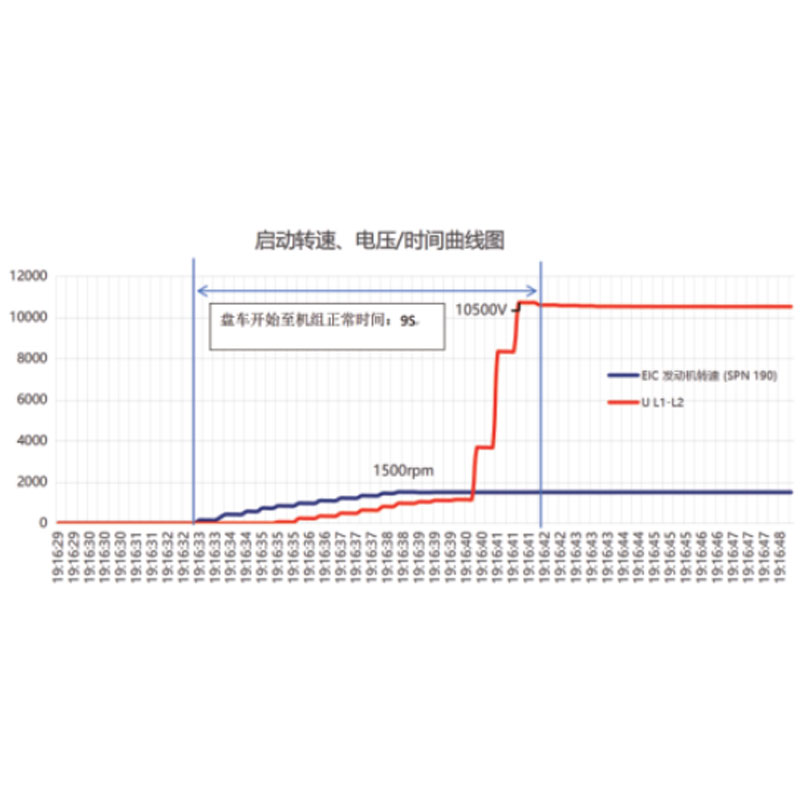
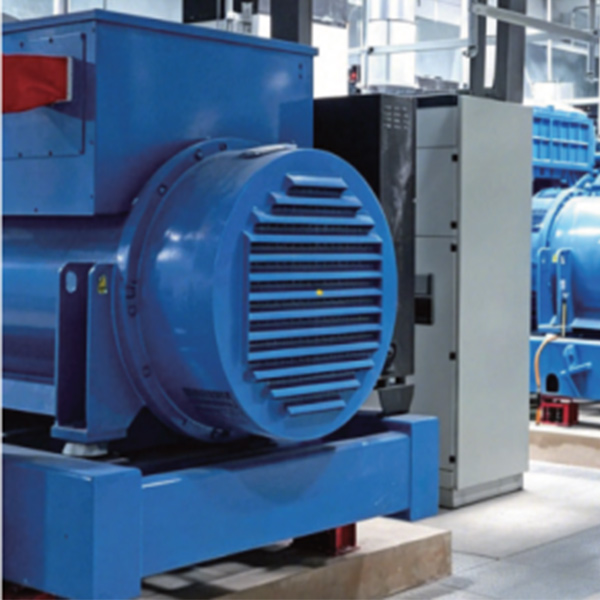
The alternating current generator must comply with a protection standard of at least IP23 (for indoors) or IP54 (for outdoor installation), with winding insulation class H (up to 180°C), which is critical for operation in conditions of elevated machine room temperatures. The power factor (cos φ) is typically 0.8, which means a total generator power of 1250 kVA for an active power of 1000 kW. When connecting nonlinear loads (frequency drives, rectifiers), it is necessary to take into account harmonic voltage distortions, which can overheat the windings. We strongly recommend installing harmonic filters or choosing generators with increased current reserve.
Synchronization with the network or operation in island mode requires a high-quality automatic transfer unit (ATS) and a parallel operation controller. Errors in setting the droop of the engine speed controller lead to a “swing” in the frequency and the inability to work on a parallel network. In our practice, there was a case when, due to an incorrectly configured torsional vibration damper on the shaft, the clutch between the engine and the generator broke during a sudden load release. This highlights the importance of not only equipment selection, but also proper control system engineering.
| Parameter | Value/Range | Impact on Operation |
|---|---|---|
| Rated electrical power | 1000 kW (±5%) | Determines the number of connected equipment. Long-term operation above 105% is not recommended. |
| Biomass consumption (chips 35% moisture) | 1.1 – 1.3 kg / kWh | Direct impact on the cost of electricity. At humidity >45%, consumption increases exponentially. |
| Specific gas consumption | 2.0 – 2.4 Nm³ / kWh | Depends on the calorific value of the gas (usually 1000-1200 kcal/Nm³). |
| Resin content in purified gas | <50 mg/Nm³ | Critical parameter for engine life. Exceeding this leads to cylinder head repair every 500 hours. |
| Gas temperature at engine inlet | 35 – 45 °C | A decrease in gas density when heated above 50°C reduces engine power by up to 15%. |
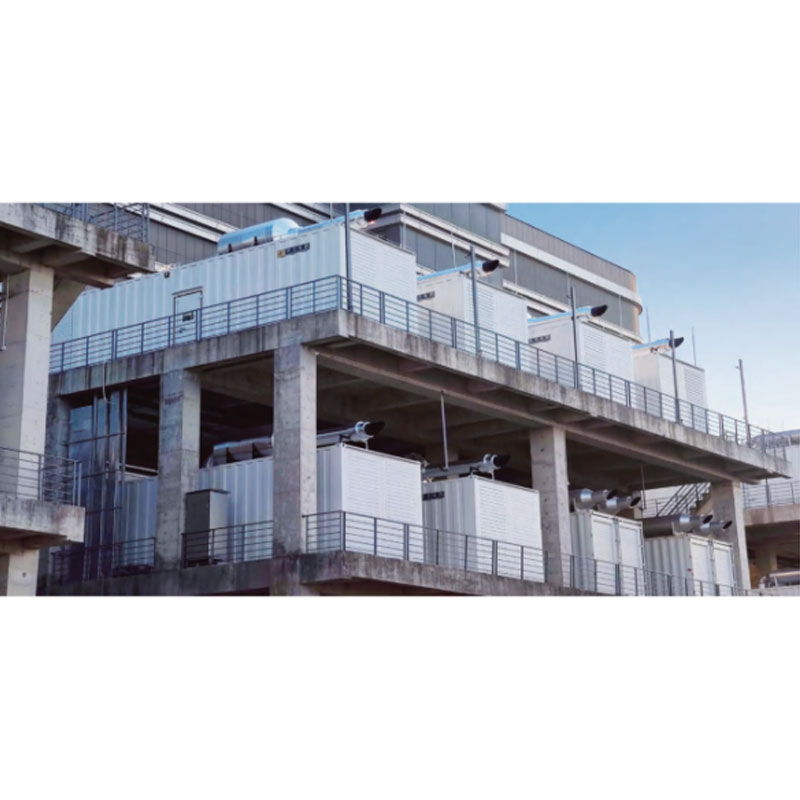
| Noise level (at a distance of 1 m) | 85 – 95 dB(A) | Requires mandatory placement in a soundproof container or building. |
| Mains voltage | 400 V / 6.3 kV / 10 kV | The choice of voltage determines the connection diagram and the need for a step-up transformer. |
| Engine oil change interval | 250 – 400 operating hours | Depends on the quality of gas purification. The use of special oils for gas engines is mandatory. |
Economic efficiency and payback periods
The investment attractiveness of the project to introduce a 1000 kW gas generating unit is based on the difference between the cost of own electricity and the tariff of the network company. When using waste from your own production (sawdust, wood chips, husks), the cost of fuel tends to zero, taking into account only the costs of preparation (grinding, drying) and logistics within the workshop. In the current market conditions of 2025-2026, the payback period for such projects in the forestry sector is from 18 to 30 months, which is an excellent indicator for industrial equipment.
However, calculating the economy must include hidden costs that are often overlooked. This includes maintenance costs, replacement of filter elements, engine oil and spark plugs. Oil consumption can reach 0.5-0.8 liters per 1000 kWh of energy generated, which is a significant expense when operating around the clock. It is also necessary to take into account equipment depreciation and the salary of qualified personnel, since operating a 1 MW installation requires an operator with clearance and engineering skills.
An important factor is the utilization of gasification by-products. The coal residue (biochar), formed in an amount of 10-15% by weight of the feedstock, has a high adsorption capacity and can be sold as fertilizer or fuel for lower-power boilers. Ash, in turn, in the absence of harmful impurities, can also be used in construction or agriculture. Monetization of these products can reduce the payback period of the project by another 3-4 months.
We carried out a benchmarking study for a client in the wood industry who were switching from diesel generators to gas generation. Savings on fuel amounted to 65%, but maintenance costs increased by 20% due to the more frequent need to monitor the cleaning system. The net economic effect amounted to about 12 million rubles per year with an operating mode of 6000 hours. However, it should be remembered that these figures are only valid if you have a stable distribution channel or own energy consumption; working to release heat or without a constant load sharply reduces profitability.
Requirements for raw materials and fuel preparation
A 1000 kW gas generating unit is extremely sensitive to the fractional composition and moisture content of the fuel. The ideal raw material is wood chips measuring 20x20x5 mm with a moisture content of 15-20%. Deviation from these parameters requires either upgrading the preparation unit or reducing the power of the installation. The use of sawdust in its pure form is impossible due to the high aerodynamic resistance of the layer, which leads to disruption of the gasification process and transition to smoldering mode with a high resin content.
Humidity is the main enemy of efficiency. Each extra unit of percentage of moisture above the norm requires energy to evaporate it inside the reactor, which reduces the temperature of the process and deteriorates the quality of the gas. When the humidity of the raw material is above 40%, the installation enters the autarkic mode with difficulty, requiring illumination with external fuel or mixing with dry raw materials. We strongly recommend installing drum or aerodynamic drying systems in front of the loading hopper if your raw materials arrive with natural moisture.
The presence of bark in the fuel increases the ash content, which requires more frequent unloading of ash and increases the risk of slagging of the grate. Coniferous wood contains more resins than hardwood, which imposes increased demands on the gas purification system. Mixing different types of biomass (for example, peat and wood) is possible, but requires careful adjustment of the air supply modes, since they have different reactivity and ignition temperatures.
The fuel storage system must provide a reserve of at least 24-48 hours of continuous operation to avoid downtime due to logistical delays. Bins must be equipped with level sensors and a system to prevent material freezing (vibrators or mechanical agitators). In winter, storing wet wood chips in an open area is unacceptable due to the risk of freezing; requires a positive temperature indoor warehouse or an active heating system before feeding into the reactor.
Installation, commissioning and certification
Installation of equipment with a capacity of 1 MW is a capital construction project that requires the development of a construction management project (COP) and compliance with strict fire and environmental safety standards. The foundation must be designed for dynamic loads from a running engine and vibrations transmitted through the frame. We recommend the use of vibration dampers and flexible inserts on gas and exhaust pipes to prevent vibration from being transferred to the building structure.
Commissioning works take from 14 to 21 days and include cold running-in of components, checking the tightness of gas paths (nitrogen or air), setting up the automation system and a test run under load. A critical step is to adjust the air/gas ratio for each engine operating mode. Unprofessional adjustment can lead to popping noises in the intake manifold or overheating of the exhaust valves. All work must be carried out by certified specialists of the manufacturer.
In Russia and the EAEU countries, equipment must comply with the technical regulations of the Customs Union (TR CU 010/2011 “On the safety of machinery and equipment”, TR CU 012/2011 “On the safety of equipment for working in explosive environments”). Availability of an EAC certificate is a prerequisite for legal operation. It is also required to obtain permits from Rostekhnadzor (if the facility falls under the category of hazardous production facilities) and coordinate emissions with environmental authorities. The purification system must guarantee compliance with the maximum permissible concentrations of harmful substances in emissions.
We recommend concluding a service contract immediately after installation. Regular monitoring of operating parameters (temperature, pressure, gas composition) allows you to predict failures and plan repairs. The lack of qualified service is one of the main reasons for the premature failure of imported and domestic equipment. The manufacturer's warranty is usually 12 months, but it is only valid if routine maintenance is completed at authorized centers.
Experience and solutions from Yuke (Shandong) Electrical Technology LLC
When choosing a supplier of such high-end equipment, it is critical to turn to companies that have not only manufacturing capabilities, but also deep engineering expertise in the field of power system integration. A striking example of this approach is the activityYuke (Shandong) Electrical Technology LLCis a professional Chinese company specializing in the development and supply of comprehensive solutions for autonomous and backup power supply. Based in Shandong Province, the company successfully combines advanced power generation capabilities with advanced energy storage technologies to provide reliable power to industrial facilities and infrastructure projects around the world.
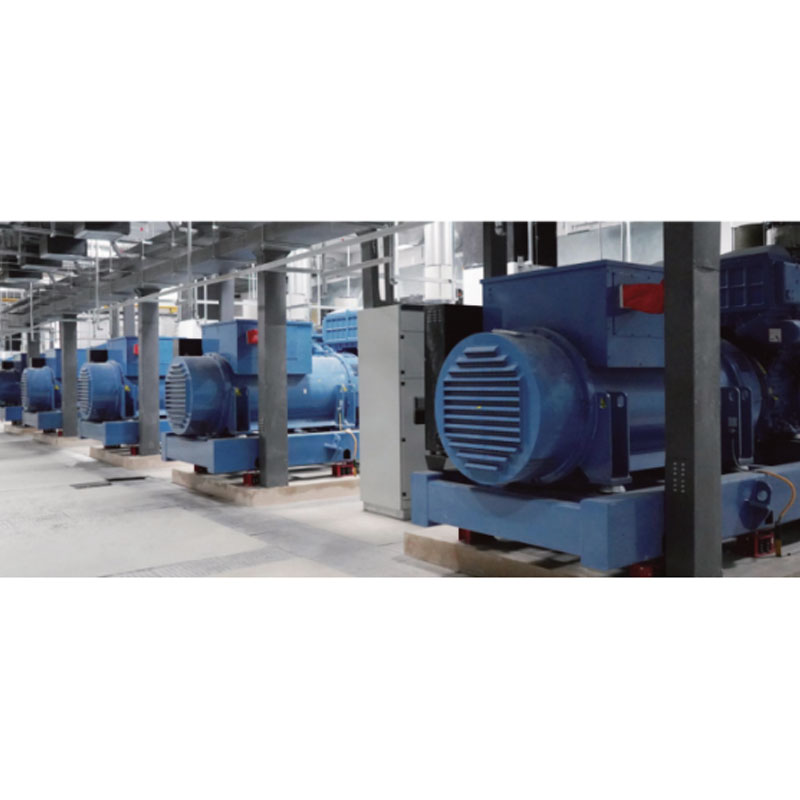
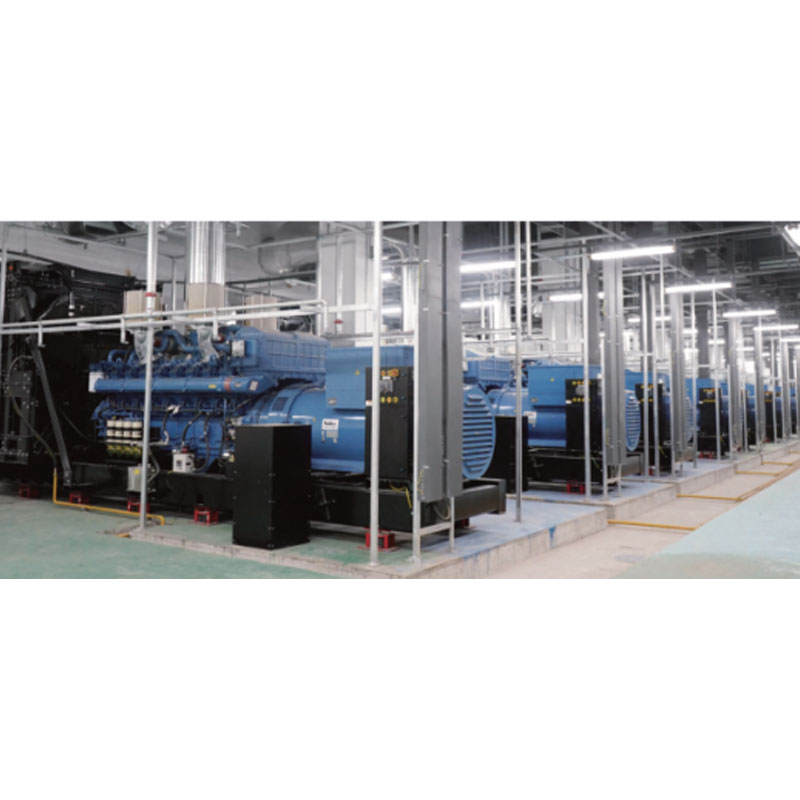
In the Yuke portfolio of solutions, a special place is occupied by gas generator units of the VYG series (based on Yuchai engines), which are designed taking into account the stringent requirements for reliability and efficiency described in this article. The company acts not just as a manufacturer, but as an integrator, using engines and generators of the world's leading brands (Cummins, MTU, SEM, Perkins, Yuchai) in its own designs. This allows you to create installations adapted to specific operating conditions, including the climatic features of the CIS countries, Asia and the Middle East.
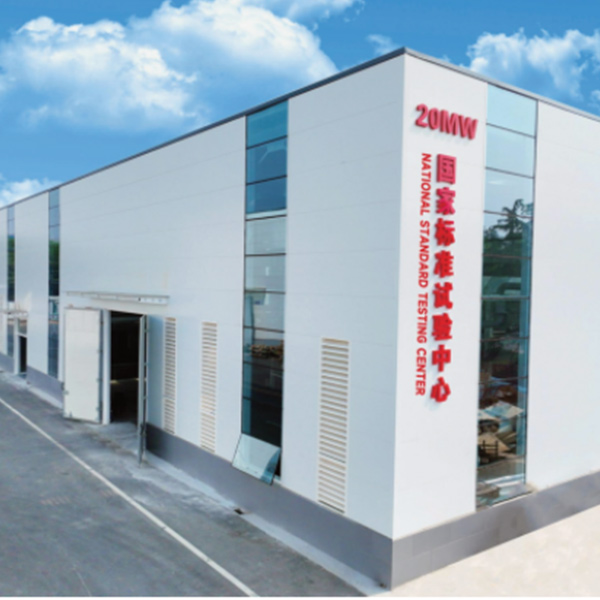
The key advantage of Yuke products is the strictest quality control system. Each piece of equipment, be it a 1000 kW gas generator or a mobile power station, undergoes mandatory load testing for at least 4 hours at rated and partial load before shipment. This approach minimizes the risks associated with manufacturing defects and guarantees compliance with the declared characteristics for noise, vibration and output voltage stability. In addition, the company offers a wide range of related solutions: from silent container designs and mobile trailers to high-voltage installations and liquid-cooled energy storage cabinets, which makes it possible to create hybrid energy systems of any complexity.
The Yuke philosophy is based on the principle of “reliability through responsibility.” The company provides clients with full support: from resource audit and system design to personnel training and post-warranty service. The presence of a developed network of authorized partners and prompt delivery of original spare parts ensure uninterrupted operation of the equipment throughout the entire life cycle. By choosing solutions from Yuke (Shandong) Electrical Technologies LLC, the customer receives not just a set of hardware, but a ready-made, time-tested energy system that can reduce operating costs and ensure the energy independence of the enterprise.
Frequently Asked Questions
What is the actual electricity production per day?
When operating in basic mode (24 hours), a 1000 kW installation produces 24,000 kWh of electricity. However, you should take into account the installation’s own needs (pumps, fans, automation), which consume about 3-5% of the generated power. Thus, the useful output to the network or to the load will be approximately 22,800 - 23,000 kWh per day. This indicator may decrease when operating on fuel with high humidity or with frequent load changes.
Can coal be used instead of wood?
Standard downdraft gasifiers optimized for biomass are not designed for direct combustion of coal due to the high melting temperature of the ash and the formation of agglomerates that block the reactor. Coal requires special reactors with liquid slag removal or other gasification technologies. Attempting to load coal into a chip plant will result in permanent damage to the grates and lining within several hours of operation.
What personnel are needed for maintenance?
For round-the-clock maintenance of a 1000 kW installation, a minimum of two shifts of operators (2 people per shift) and one chief process engineer are required. Operators must have skills in working with internal combustion engines, an understanding of gasification processes and be able to use gas analyzers. The engineer is responsible for setting up modes, ordering spare parts and monitoring performance indicators. Saving on personnel qualifications often leads to accidents, the cost of eliminating which is many times higher than the wage fund.
What to do with gasification waste?
The main wastes are ash and biochar. Ash (when burning clean wood) is not classified as hazardous waste and can be used as a mineral fertilizer or additive to concrete. Biochar, which has a porous structure, has commercial value as a sorbent or fuel. We recommend organizing a biochar packaging line for sale to third-party consumers, which turns the disposal cost item into an additional source of income.
Is it possible to work outside in winter?
Placing the main equipment (reactor, scrubber) outside in winter is only possible in a special insulated container (“northern version”) with a system for maintaining above-zero temperatures inside. Producer gas contains water vapor, which, when cooled below the dew point, condenses and can freeze in the pipelines, blocking the fuel supply to the engine. Without heating gas paths and using non-freezing liquids in scrubbers, work in winter is impossible.
Conclusion and recommendations for choosing a supplier
A 1000 kW gas generating unit is an investment in the energy independence of an enterprise, which, with the right approach, can reduce operating costs by 40-60%. However, the success of the project depends not so much on the hardware, but on the quality of engineering, fuel preparation and the qualifications of the operating personnel. The specifications given in this article are average guidelines; the actual performance of your facility will depend on the specifics of the raw materials and operating conditions.
We warn against purchasing cheap equipment without a reference list and the opportunity to visit existing facilities. The market is saturated with offers where the declared parameters are not confirmed by practice, and the cleaning systems are made according to simplified schemes that do not ensure a long life for the engine. Choose a supplier who is committed to commissioning, training, warranty service, and provides detailed design documentation that meets your country's regulations. Companies like Yuke (Shandong) Electrical Technology LLC demonstrate how the combination of quality components, rigorous testing and engineering flexibility can create solutions that last for decades.
If you are considering the implementation of such a system and want to receive an accurate feasibility study for your specific raw materials,contact us today. Our engineers will audit your resources and propose the optimal installation configuration that will ensure maximum reliability and return on investment. Do not risk the project budget by relying on general data - entrust the calculations to professionals with experience in implementing projects with a capacity of 100 kW to 5 MW.
-


-
-


WeChat

-
WeChat