

Mobile power plant for remote sites – top 5 models
2026-07-10
- Selection criteria: how we ranked mobile power plants for remote sites
- Model No. 1: Diesel power plant in a noise-proof casing (Industrial Arctic Series)
- Model No. 2: Highly mobile trailed generator (Light Move Series)
- Model No. 3: Gas piston installation for stationary remote bases (Gas Power Pro Series)
- Model #4: Solar-Diesel Hybrid System (Eco Hybrid Series)
- Model No. 5: Compact inverter station for telecom and monitoring (Silent Tech Series)
- Solutions from Yuke (Shandong) Electrical Technologies LLC: reliability through responsibility
- Comparative analysis and final recommendations for selection
- Frequently Asked Questions
Selection criteria: how we ranked mobile power plants for remote sites
Choosing a power source in the absence of a centralized network is not just a purchase of equipment, but a strategic decision on which the continuity of business processes depends. In our practice of working with industrial customers in Siberia and the Far East, we encountered a situation where a cheap generator set failed after 48 hours of non-stop operation at a temperature of -35°C, leaving the drilling crew without communication and heating. This incident taught us that for remote sites, not only the declared kilowatts are critically important, but also real fault tolerance, climate adaptation and service availability. That is why this ratingmobile power plant for remote sites – top 5 modelscompiled not on the basis of marketing brochures, but based on actual operating conditions in harsh environments.
We assessed each model against four hard parameters that determine the viability of a project in an isolated area. The first criterion is fuel efficiency and service intervals. At a remote site, delivery of diesel fuel can cost more than the fuel itself, so the consumption of liters per hour at 75% load is a decisive economic factor. The second parameter is constructive protection. The equipment must have a degree of protection of at least IP54, and ideally IP65, in order to withstand dust storms in steppe regions or high humidity in coastal areas without additional construction of canopies. The third aspect is maintainability and availability of spare parts. We preferred models where filters and belts can be replaced with a standard set of tools in 15 minutes, rather than requiring a call from a certified engineer with proprietary software. The fourth, but no less important criterion is compliance with international and local standards, such as GOST R 50793 or European ISO 8528, which guarantees the safety of personnel and the legal purity of putting the facility into operation.
It is important to understand that the concept of “best” is always contextual. For geological exploration in the Arctic, cold starting and operation on Arctic diesel will be a priority, while for a construction site in a temperate climate, mobility and noise levels come to the fore. In this review, we look at five market leaders that have proven their reliability in the field. Each position includes a detailed analysis of technical characteristics, analysis of weak points and specific recommendations for the scope of application. If you are looking for a reliable power solution for a camp or temporary production facility, this material will save you months of trial and error. Before moving on to the list, determine your basic power reserve: the sum of the powers of all consumers should be multiplied by a factor of 1.2-1.3 to take into account the starting currents of inductive motors.
Model No. 1: Diesel power plant in a noise-proof casing (Industrial Arctic Series)
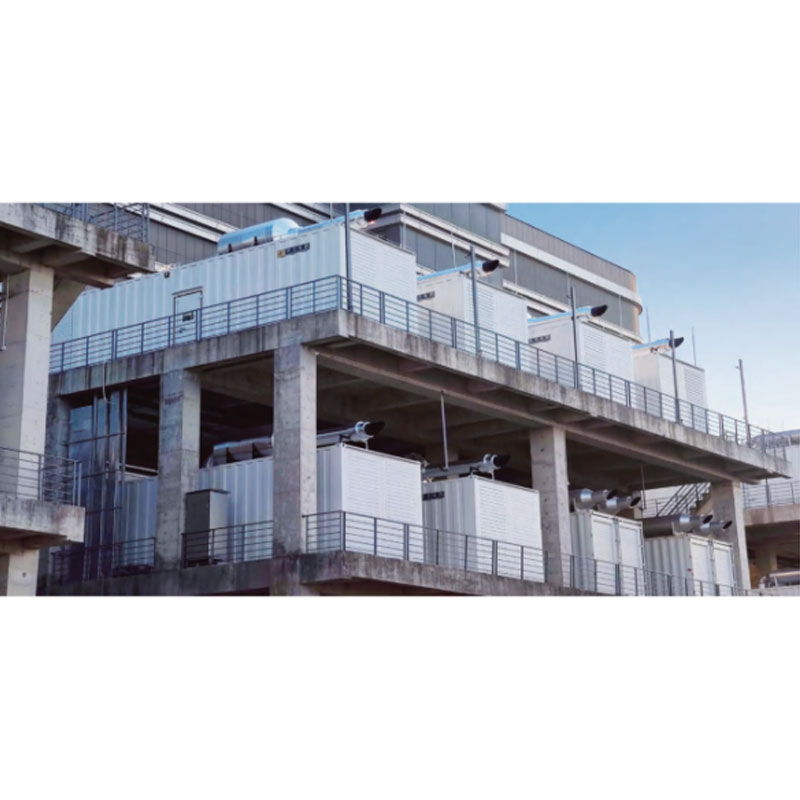
The leader in our rating is a model designed specifically for extreme northern latitudes, where air temperatures drop below -50°C. Thismobile power station for remote sitesis a monoblock with a power from 100 to 500 kW, installed on a reinforced chassis with high cross-country ability. The main advantage of this series is the integrated pre-heating system, which operates autonomously from a battery or an external source, ensuring a guaranteed engine start even after a week of inactivity in the cold. Unlike competitors that use open frames, a three-layer sandwich casing with 80 mm thick mineral wool insulation is used here, which reduces the noise level to 65 dBA at a distance of 7 meters and prevents the fuel system from freezing.
The technical characteristics of this model are impressive in their balance. The engine installed in the base has a resource before major overhaul of at least 40,000 operating hours, which, with round-the-clock operation, is more than 4 years of continuous operation. The generator excitation system is made using brushless technology with an automatic voltage regulator (AVR), which ensures output voltage stability within ±1% even during sudden load surges, for example, when several submersible pumps are started simultaneously. A fuel tank of increased capacity (up to 2000 liters) allows operation in autonomous mode for up to 10 days without refueling, which is critical for facilities where delivery of fuel and lubricants is possible only by helicopter or winter road. Fuel consumption is optimized and amounts to approximately 210 g/kWh at 75% load, which is one of the best figures in its class.
However, this coin also has a downside that you should know about before purchasing. The significant weight of the installation (more than 3 tons when fully equipped) requires the use of heavy equipment for transportation and installation. Moving such a station between objects using a conventional truck with a manipulator is difficult and risky without special preparation of the site. In addition, a complex climate control system increases the initial cost of equipment by 25-30% compared to standard container solutions. However, if your project is located in a permafrost zone or in a region with harsh winters, this additional investment is worth the cost of no downtime or emergency repair costs. We recommend this model for oil and gas fields, geological parties and permanent camps.
When choosing a specific configuration, pay attention to the “Northern version of the electrical part” option. Standard cable glands and rubber seals can harden in the cold, losing their tightness, so it is important to order a version with silicone insulation and frost-resistant materials. We also strongly recommend equipping the station with a telemetry system for remote monitoring of fuel levels and engine operating parameters, since physical access to the facility may be limited by weather conditions. To organize logistics, agree in advance on the dimensions of the installation with transport companies specializing in oversized cargo.
Model No. 2: Highly mobile trailed generator (Light Move Series)
The second position is occupied by a solution focused on maximum mobility and speed of deployment. Thismobile power station for remote sitesmade in the format of a single-axle trailer with a power from 20 to 100 kW and is intended for contractors who often change work locations. The design was developed taking into account the requirements of road traffic: the track width corresponds to standard road lanes, and the total height in the transport position does not exceed 2.5 meters, which allows passing under most bridges and power lines without special permits. The weight of the unit is reduced due to the use of aluminum alloys in the structure of the frame and casing, which allows it to be towed by category B cars or light trucks, significantly saving on logistics.
The key feature of the model is the quick start and connection system. The operator can prepare the station for operation in less than 5 minutes: lower the support jacks, unlock the hood and connect the power cable via IP67 quick connectors. Engines in this series usually have a shorter service life compared to heavy industrial counterparts (about 20,000 hours), but they are much cheaper to maintain and repair. Fuel consumption varies in the range of 230-240 g/kWh, which is acceptable for short-term projects where the cost of fuel delivery is not the dominant cost item. The generators are equipped with digital control panels with protection against overload, short circuit and low oil level, which minimizes the risk of human error when operated by unqualified personnel.
The main disadvantage of this model is its limited ability to work in extreme climatic conditions without additional training. The soundproof casing is thinner, and the heating system is often optional or only designed for temperatures down to -25°C. When working in dust or dirt for long periods of time, air filters clog more quickly, requiring weekly inspection, which can be a problem on remote jobsites with high dust levels. In addition, the small volume of the built-in fuel tank (typically 100-300 liters) requires frequent refueling, which increases operating costs when operating 24/7. This model is not suitable for continuous base power supply to isolated communities, but is ideal for construction work, road repairs and outdoor activities.
If you plan to use this station in mountainous areas, be sure to order the option of heavy-duty trailer brakes and a winch for self-loading onto the platform. It is also worth paying attention to the type of tires: standard road tires can be damaged on rocky ground, so it is better to choose an off-road option with a reinforced cord. To extend engine life in harsh conditions, it is recommended to install a cyclone air pre-filter, which filters out up to 90% of coarse dust before entering the main filter. Regularly check the tension of the belts and the condition of the batteries, as vibration when driving off-road can weaken the fastenings.
Model No. 3: Gas piston installation for stationary remote bases (Gas Power Pro Series)
Third place on our list is occupied by a specialized solution for facilities with access to associated petroleum gas (APG) or natural gas. Thismobile power station for remote siteswith a power from 500 kW to 2 MW, it is a block container that is delivered to the site assembled and connected to a gas main or a group of cylinders. The main advantage of gas piston engines over diesel engines is the enormous savings on fuel. The cost of a kilowatt-hour of electricity when running on gas can be 3-4 times lower than on diesel, which makes this model the only alternative for long-term projects for a period of 1 year or more. In addition, gas engines produce significantly lower emissions, making it easier to obtain environmental permits in sensitive natural areas.
The technical design of these stations requires a high level of automation. Control systems automatically regulate the composition of the fuel-air mixture depending on the calorific value of the gas, which allows stable operation even on gas with unstable quality, which is typical for young fields. The engine life reaches 60,000 - 80,000 hours before the first major overhaul, and service intervals are 1000-1500 hours, which reduces the load on service teams. The heat generated during engine operation can be recovered through a cogeneration system for heating residential modules or technological processes, increasing the overall efficiency of the installation to 85-90%. This turns the power plant into a full-fledged energy center, providing the facility with both electricity and heat.
However, the transition to gas is associated with a number of serious restrictions and risks. The main one is the dependence on gas quality and pressure. If the pressure in the line drops below the design value, the power of the installation is reduced, and if the gas supply is completely cut off, the facility is left without energy, unless a backup diesel generator is provided. In addition, gas piston installations are more sensitive to the qualifications of operating personnel: engine tuning requires in-depth knowledge and special diagnostic equipment. The initial capital costs for the purchase and installation of such a station are significantly higher than for a diesel analogue of the same power, so the payback period is usually from 18 to 30 months. For short-term projects, this model is not economically feasible.
When implementing a project using a gas piston plant, it is critical to conduct a thorough analysis of the gas composition at the design stage. The presence of hydrogen sulfide or heavy fractions can quickly damage spark plugs and valves, so it may be necessary to install additional gas purification systems. Be sure to provide a backup communication channel for dispatching, since modern control systems allow the operator to monitor hundreds of parameters in real time and prevent accidents before they occur. Do not forget about fire safety requirements: the placement of gas tanks and the station itself must strictly comply with the distance standards to residential and industrial buildings.
Model #4: Solar-Diesel Hybrid System (Eco Hybrid Series)
The fourth position in our ranking is devoted to an innovative approach to energy supply, combining traditional generators with renewable energy sources. Thismobile power station for remote sitesis a complex that includes a diesel generator set, an array of solar panels, lithium-ion energy storage devices and an intelligent microgrid control system. This solution is ideal for regions with high insolation, where the use of clean diesel becomes economically unprofitable due to logistics costs. The hybrid system reduces diesel fuel consumption by 40-60%, significantly reducing the number of tanker trips and the project's carbon footprint.
The operating principle of the system is based on the priority use of solar energy during the daytime. Excess energy is used to charge batteries, which then power the load in the evening or during cloudy periods. The diesel generator turns on automatically only when the battery charge drops below a critical level or when it is necessary to cover a peak load that exceeds the capabilities of the inverters and the sun. Modern controllers ensure synchronization of sources without interruption of power, which is invisible to consumers. The service life of lithium batteries is 10-15 years, which is comparable to the life of the project itself, and their efficiency practically does not degrade over a wide temperature range thanks to the thermal regulation system.
Despite the obvious environmental and economic advantages, hybrid systems have their own technical difficulties. The high initial cost of equipment (CAPEX) may deter customers on a budget, although operating expenses (OPEX) are significantly lower in the long term. In addition, the presence of a large number of electronics, inverters and complex control algorithms increases the requirements for personnel qualifications. The failure of one component of the control system can paralyze the operation of the entire complex, so having a qualified engineer on site or a reliable remote support channel is mandatory. It is also worth considering seasonality: in winter, solar energy production drops, and the system will operate predominantly in diesel mode, which must be taken into account when calculating fuel reserves.
When implementing a hybrid solution, it is important to correctly calculate the balance of generation and consumption. Underestimating the night load or overestimating solar insolation can lead to the diesel generator operating in an unfavorable mode of frequent starts and stops, which is harmful to the engine. It is recommended to use software to model energy consumption, taking into account hourly weather statistics in the region over the past 10 years. Pay attention to the ability to scale the system: good manufacturers offer a modular design that allows you to add solar panels or batteries as the site's needs grow without replacing the main equipment. Regularly clean the surface of solar panels from dust and snow, as even a thin layer of contamination can reduce output by 15-20%.
Model No. 5: Compact inverter station for telecom and monitoring (Silent Tech Series)
Rounding out the top five are specialized equipment for low-power but critically important remote sites, such as cellular base stations, weather stations or video surveillance posts. Thismobile power station for remote sitespower from 5 to 15 kW is made in an ultra-compact all-weather cabinet and is equipped with an inverter generator. The main requirement for such facilities is absolute reliability and minimal maintenance, since they are often located in hard-to-reach places where it costs a lot of money to send a technician. Inverter technology allows the engine to change speed depending on the current load, providing fuel savings of up to 30% compared to traditional constant speed generators and reducing noise levels by up to 55 dBA.
Structurally, these stations are “set it and forget it.” They are equipped with auto-start systems when external batteries are discharged, which serve as a buffer to smooth out consumption peaks. The engines have extended oil change intervals (up to 500 hours) and long-life air filters. The body is made of stainless steel or aluminum with powder coating that is resistant to ultraviolet and corrosion. An important feature is the ability to work in parallel with other sources or the ability to combine several modules to increase power without loss of reliability (redundancy). Many models support integration into carrier SCADA systems for full remote control.
The main limitation of this category is the low overload capacity. Inverter generators are sensitive to the starting currents of large inductive loads, so they are not suitable for powering construction tools or direct-start pumping equipment. Their niche is electronics, lighting, telecommunications equipment and household appliances with low inrush current. Also, the cost per kilowatt of power for inverter models is higher than that of classic diesel generators, but for small capacities this difference is offset by the overall savings on fuel and maintenance logistics. At temperatures below -30°C, the capacity of lead-acid buffer batteries drops sharply, so for northern versions it is necessary to choose heated lithium batteries.
When ordering such a station, be sure to specify the communication protocols for integration with your monitoring system (Modbus, SNMP, MQTT). Incompatibility of interfaces can make remote control impossible, turning a “smart” station into a regular generator. Make sure that the kit comes with high gain GSM/GPRS antennas, as signal strength may be unstable at remote towers. To prevent theft and vandalism, choose models with reinforced locks and the ability to install tamper sensors that send an alarm message. Carry out a test run under load regularly (once every six months), even if the station is operating in backup mode, to ensure that the starting and battery charging system is working properly.
Solutions from Yuke (Shandong) Electrical Technologies LLC: reliability through responsibility
When choosing equipment for such important tasks, it is important to turn to manufacturers whose philosophy coincides with the principle of “reliability through responsibility.” A striking example of this approach is the companyYuke (Shandong) Electrical Technology LLC. Located in Shandong Province, this professional Chinese company specializes in the development and delivery of comprehensive off-grid and backup power solutions, combining engineering competencies in power generation, mobile power systems and advanced energy storage technologies.
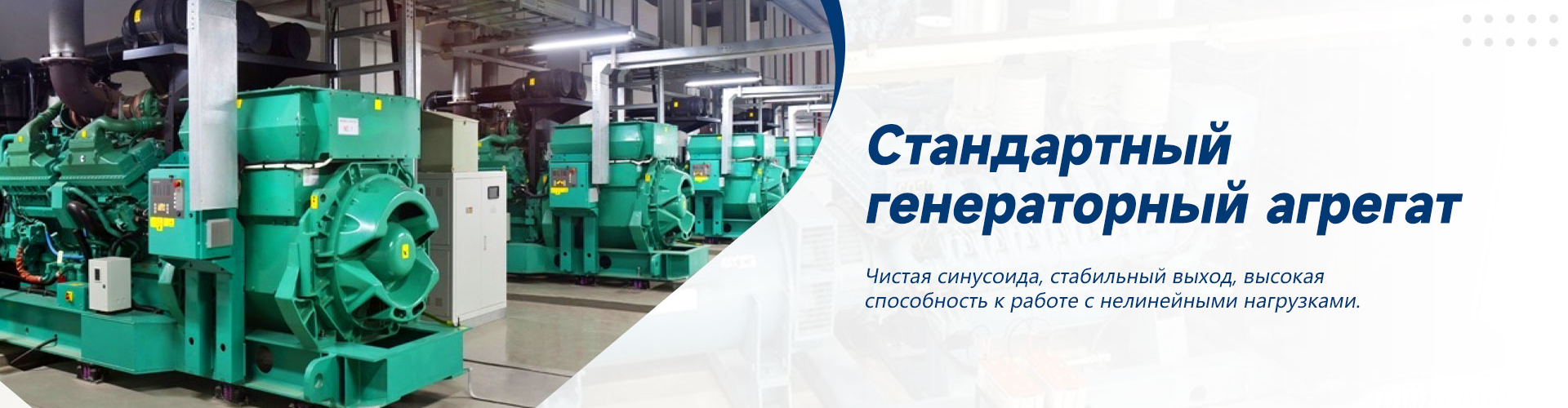
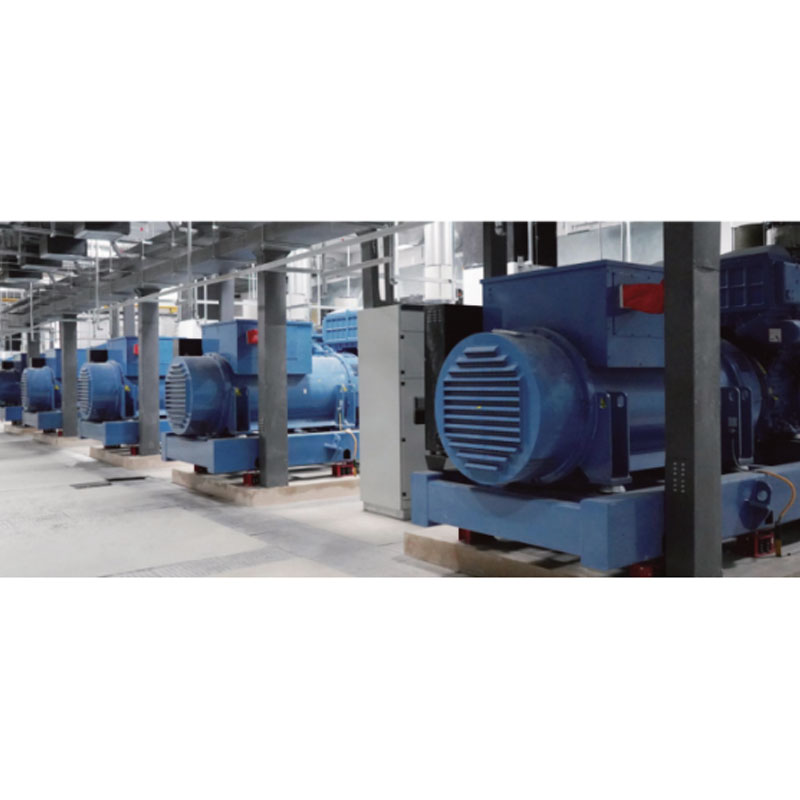
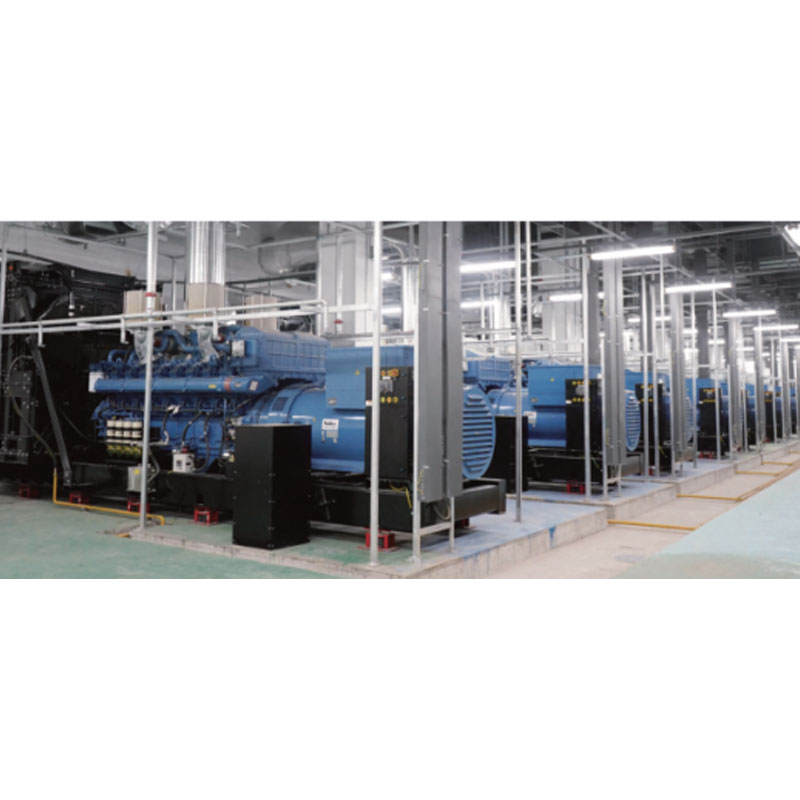
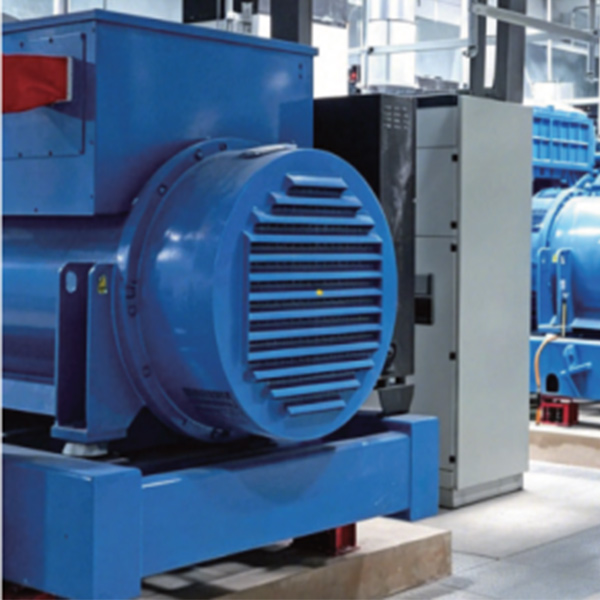
The company's product portfolio fully covers the needs described in our rating. Here we present both silent mobile stations and trailer-power stations (analogues of the Light Move series), as well as powerful diesel generator sets based on Cummins, Perkins, MTU and SEM engines (VCD, VSD, VPD series), capable of operating in arctic conditions. Particular attention is paid to gas generators of the VYG series (Yuchai) for long-term projects and high-voltage installations for large infrastructure facilities. Moreover, the company is actively developing the direction of hybrid solutions and liquid-cooled energy storage cabinets, which makes it a key partner for the implementation of Eco Hybrid systems.
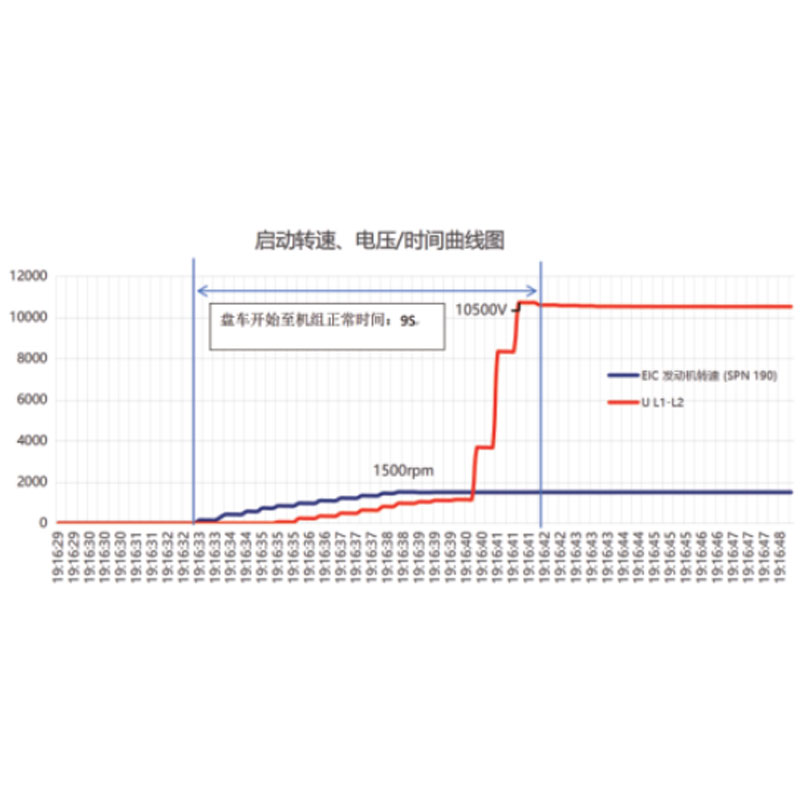
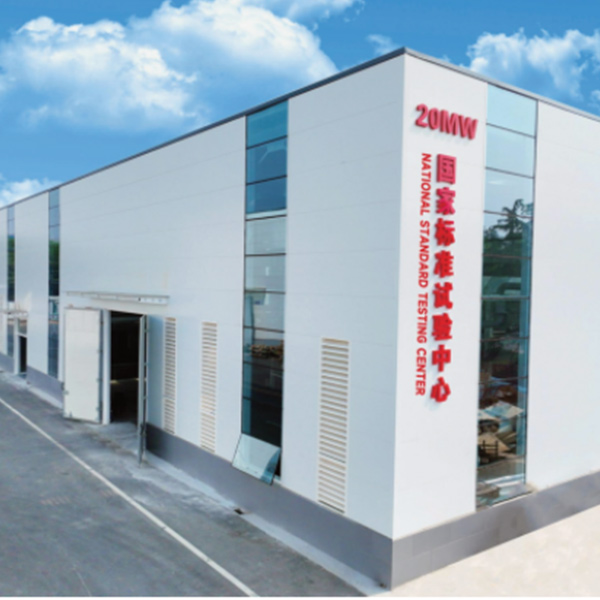
The key advantage of Yuke is its strict production control system. Each piece of equipment undergoes mandatory load testing for at least 4 hours under rated and partial load before shipment. This guarantees stability of the output voltage, absence of vibrations and compliance with the declared characteristics for noise and fuel consumption. The company acts as a solutions integrator, adapting its products to the climatic conditions and network standards of the CIS countries, Asia and the Middle East. Thanks to well-established logistics and a network of authorized service partners, customers receive not just equipment, but full support: from design and personnel training to warranty service and prompt delivery of original spare parts.
Comparative analysis and final recommendations for selection
To help you make your final decision, we have summarized the key parameters of the reviewed models into a single table. This comparative analysis will allow you to quickly assess whichmobile power station for remote sitesbest suits your specific needs and budget. Remember that there is no one-size-fits-all solution: the choice is always a trade-off between cost of ownership, reliability and ease of use.
| Criterion | Industrial Arctic (Diesel) | Light Move (Trailer) | Gas Power Pro (Gas) | Eco Hybrid | Silent Tech (Inverter) |
|---|---|---|---|---|---|
| Optimal scope | Oil and Gas, North, Watch | Construction, Events | Long-term bases, PNG | Eco-projects, Sunny regions | Telecom, Monitoring |
| Fuel consumption | Medium (210 g/kWh) | High (240 g/kWh) | Low (equivalent) | Minimal (mixed) | Low (inverter) |
| Engine life | 40,000+ operating hours | 20,000 operating hours | 60,000+ operating hours | Depends on the diesel generator set | 10,000-15,000 operating hours |
| Noise level | 65 dBA | 75 dBA | 70 dBA | 55-60 dBA | 55 dBA |
| Cost of ownership | Average | Low (CAPEX), High (OPEX) | High (CAPEX), Low (OPEX) | High (CAPEX), Low (OPEX) | Average |
| Personnel requirements | Average | Low | High | High | Low |
To summarize, we can say that for the harsh conditions of the Far North, a specialized Arctic diesel station remains the only choice, despite its weight and price. Reliability in such conditions is worth any money. For mobile construction crews working in temperate climates, a lightweight trailed generator provides the flexibility it needs. If your project lasts for years and you have access to gas, the investment in a gas piston installation will pay off many times over due to cheap energy. Hybrid solutions are the choice of forward-thinking, environmentally conscious companies seeking to reduce logistics dependence on fuel supplies. And for keeping critical electronics running at remote locations, there's nothing better than compact inverter systems.
Don't forget that buying a generator is just the beginning of the journey. The success of the project depends on correct installation, competent maintenance and a spare parts supply strategy. We recommend entering into service contracts with equipment manufacturers at the procurement stage to ensure priority support in the event of an emergency. Correctly selectedmobile power station for remote siteswill become the heart of your enterprise, providing stability and security throughout the entire life cycle of the project.
Frequently Asked Questions
How to calculate the required power of a mobile power plant?
For an accurate calculation, it is necessary to sum up the active power of all consumers (in kW) and add a margin of 20-30% for starting currents and future expansions. Pay special attention to equipment with electric motors (pumps, compressors): their starting power can exceed the rated power by 3-5 times. Use the formula: P_total = (P_active + P_starters) * 1.2. Never select a generator “end to end”; operating at the limit of capacity reduces the engine life by half.
What fuel is best to use for remote sites in winter?
In winter, it is strictly forbidden to use summer diesel fuel, as it waxes already at -5°C, blocking the fuel system. It is necessary to use arctic diesel fuel (DTA) with a cloud point of at least -45°C or add depressant additives to winter fuel. For gas piston installations, it is important to monitor the gas dew point to prevent moisture condensation in the pipelines.
How often should maintenance be performed at a remote site?
The first maintenance is carried out after 50 hours of running-in. Further, the interval depends on the model: for heavy industrial diesel engines - every 250-500 hours, for light ones - every 100-150 hours. At remote sites, it is recommended to reduce the service interval by 15-20% due to severe operating conditions (dust, temperature changes). Daily visual monitoring of oil and coolant levels and the absence of leaks is mandatory.
Is it possible to connect several generators to increase power?
Yes, most modern industrial stations support the parallel operation (synchronization) function. This allows you to flexibly scale the power of the power unit depending on the load and provides redundancy: if one unit fails, the others pick up the load. However, to implement this function, special synchronization equipment and a customized control system are required, as well as identical characteristics of the connected generators.
Choosing the right energy solution requires a professional approach and taking into account many nuances. If you have doubts about the calculations or need to select equipment for the specifics of your region, our experts are ready to conduct a free audit of your needs.Contact us todayto receive detailed advice and a commercial offer. We will help you choose the optimal onemobile power plant for remote sites, which will ensure the smooth operation of your business anywhere in the world.
-


-
-


WeChat

-
WeChat