

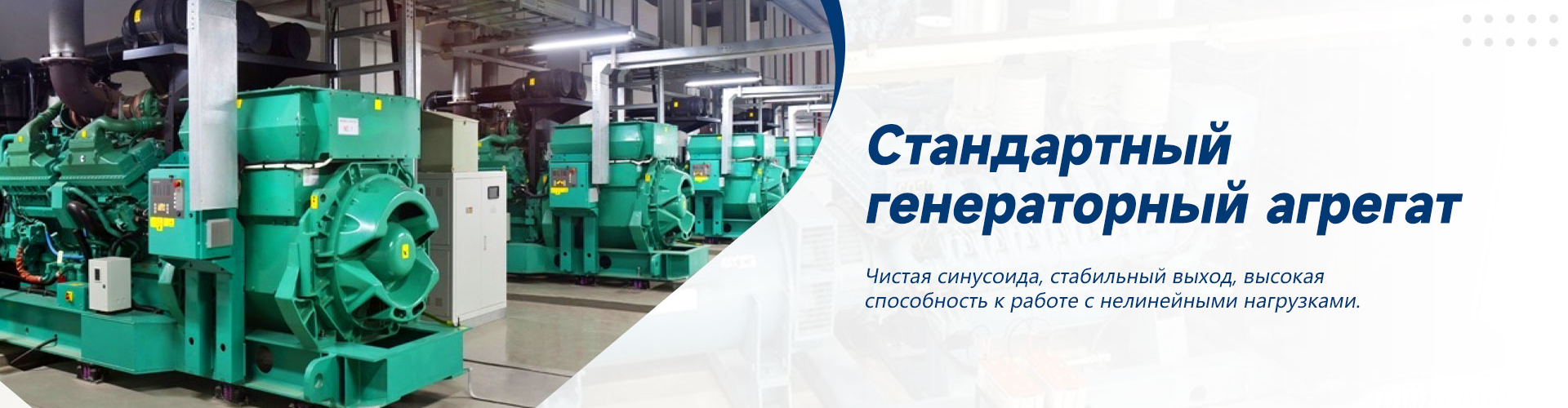
Where can I buy a 1500 kW biogas generator cheaply?
2026-02-21
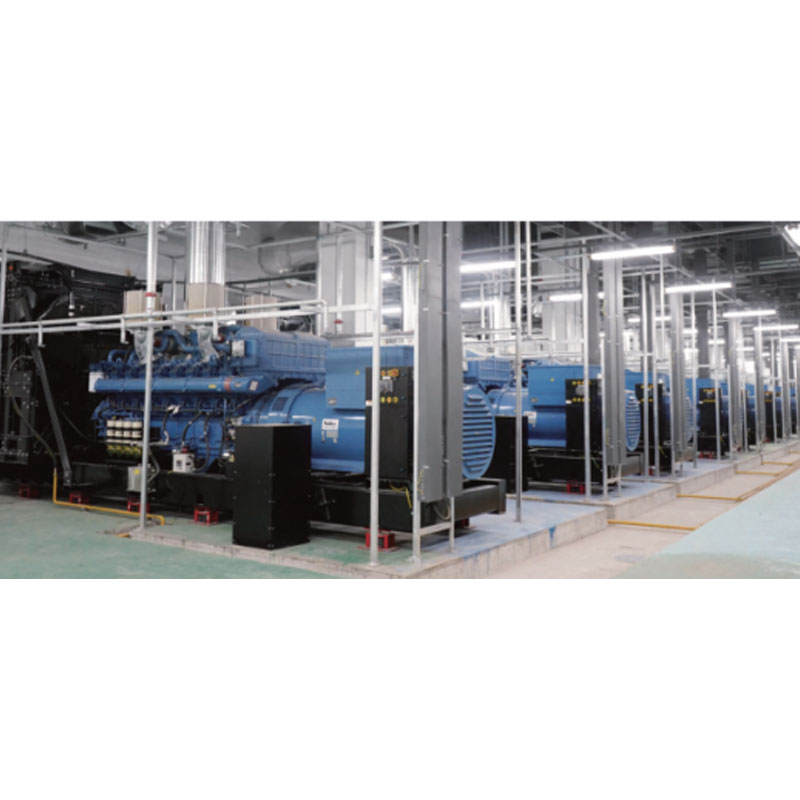
A question that at first glance seems simple, but in practice runs into a lot of nuances. Many people immediately go searching for the lowest price per kilowatt, but this is perhaps the main mistake. Cheap is a relative concept. You can buy a relatively cheap unit, and then spend years compensating for its low efficiency and frequent breakdowns. I went through this myself. It's aboutbiogas generator1500 kW is already serious power for a farm, processing plant or local power plant. And here, cheapness must be considered in the context of the total cost of ownership, and not just the list price.
What is hidden behind the number 1500 kW?
When they talk aboutgenerator 1500 kW, it is important to understand what kind of power we are talking about: nominal, maximum, continuous? For biogas plants, the key is the ability to operate stably at a load close to the nominal load, for long hours, with variable quality of the gas itself. I saw projects where a generator, stated as 1500 kW, on our biogas composition (with fluctuations in methane) barely produced 1200-1300 kW in continuous mode. And this is already a discrepancy with the project.
Therefore, buying cheap often means purchasing a device optimized for the ideal laboratory gas. In reality, what is needed is resistance to impurities, especially siloxanes and hydrogen sulfide. A gas purification system is a separate expense item that many people forget to include in a cheap purchase. Saving on it leads to abrasive wear and major engine repairs much ahead of schedule.
Another point is thermal recycling. Goodbiogas generatorof this caliber is a cogeneration plant (CHP). A cheap option may have a weak or ineffective exhaust heat recovery and antifreeze circuit. But this heat often accounts for up to 40% of the overall economic efficiency of the project! Selling it or using it to heat fermenters means seriously reducing the cost per kilowatt-hour. So the low price of the unit itself may result in a loss of future profits.
Geography of purchase: China, Europe, Russia?
It all comes down to the balance of price, logistics and subsequent service. European brands (Jenbacher, MWM) are the standard of reliability and efficiency, but their prices, even for used units, are steep. A new unit with such power is a huge investment. Chinese manufacturers, whatever you say, have flooded this segment of the mid-price range. But among them there are giants with history and handicraft assemblies.
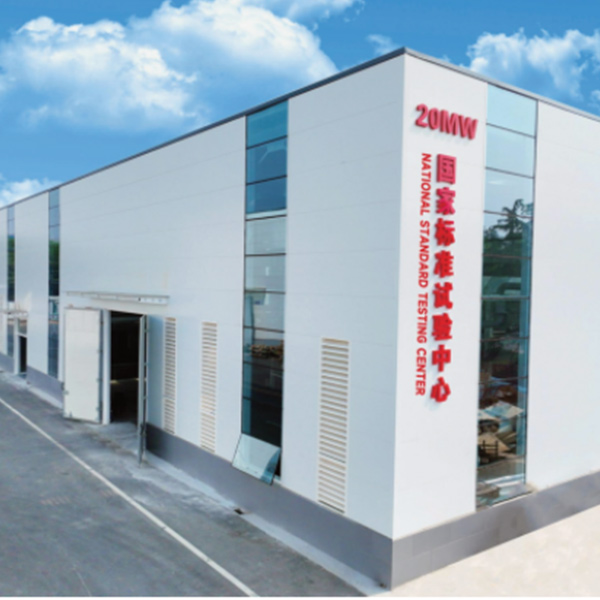
My experience shows that you need to look not just for a Chinese generator, but for companies with a deep engineering culture that deal specifically with gas piston technology, and do not just assemble an alternator motor into one housing. In-house R&D is important. For example, I came across the siteYuke (Shandong) Electrical Technology Co.,Ltd (voyoko.ru). This, if you dig deeper, is not just a trading company. They are positioned as an innovative enterprise that emerged from the DEVER Electric team, founded back in 2003 in Qingdao. For China, 20 years in one specialization is already a period of stability.
What is important is that their declared activities include a full cycle: from R&D and technical consulting to delivery and construction. This hints that they can offer not just a box with a motor, but a well-developed solution, perhaps adapted to the specifics of the raw material. Although, of course, a website is a website, and live cases and reviews of post-sales service in the CIS need to be checked personally. Without this, any price, even the most attractive one, is a risk.
Price out of the box vs. turnkey price
This is where the main trap lies for those looking for a cheap option. They may send you a commercial offer for the generator itself at a very attractive price. But when you start adding up everything else, the amount grows exponentially. What does the rest include? Gas preparation system (driers, fine filters, analyzers), generator cooling system (radiators or cooling towers), network input and distribution system (control unit, AVR), noise suppressors, container or building for placement, installation and commissioning work.
Therefore, the right question is not where to buy a generator cheaply?, but which company can provide an adequate cost for a turnkey solution with a clear specification? Sometimes it is more profitable to work with an integrator who takes over the entire chain and is responsible for the final result. But its margin will also be included in the price. Direct contract with the manufacturer, such asYuke Electric, can save money, but then you yourself will have to be a designer, a supplier, and a foreman.
Once we took the path of directly purchasing hardware from China, saving on the integrator. We were faced with the fact that the mounting holes on the frame did not coincide with our prepared foundation, we had to urgently look for a turner and a driller. And the control system required specific software, which came only with a paid license. So a cheap purchase resulted in downtime and additional expenses.
Used market: savings or headaches?
Used optiongenerator 1500 kWalways attracts with a low price. But with biogas plants it's Russian roulette. An engine running on natural gas is one thing. And an engine that has served its life on biogas is, in fact, a unit that has exhausted its resource. Even if it looks good, wear on the cylinder-piston group, valves and turbocharger can be critical.
You can buy a used one only if you have a complete on-site diagnosis by a very competent engineer (preferably with your own endoscope and flaw detector) and if you have a guarantee that this is exactly the model that was originally designed to run on biogas. Generators converted to run on biogas are often sold, and this is always a compromise in efficiency and durability.
If we consider this path, then we need to look for installations that were decommissioned not due to the exhaustion of resources, but, for example, due to the shutdown of the main production. And be sure to require a complete service history, oil and filter change logs. Without this, there is too much risk of having to undergo major repairs in the first year.
Selection criteria: what not to save on
Based on bitter and sweet experience, I can highlight several points where savings will definitely backfire. The first is the control system. It must be modern, with the ability to fine-tune the gas composition and remote monitoring. The second is the quality of the generator part (alternator). The European brand (Stamford, Leroy Somer) is better, even on a Chinese installation.
Third, and most importantly, is an agreement on service support and the availability of spare parts. You can buy the cheapest and most reliable unit in the world, but if you have to wait 3 months overseas to replace a pressure sensor or turbine gasket, your bioenergy plant will be idle. That's why having a representative office or a reliable service partner in your region is not a whim, but a necessity. Exploring options likeYuke (Shandong) Electrical Technology Co.,Ltd, this question needs to be put at the forefront: do they have trained engineers to travel, is there a spare parts warehouse in the EAEU?
Lastly, don’t be shy about asking for real recommendations. Not those on the website, but contacts of clients who have been using their equipment using similar raw materials for a year or two. One telephone conversation with such an operator will provide more information than twenty colorful brochures. He will tell you about real oil consumption, and about capricious sensors, and about the responsiveness of the service.
Bottom line: where to look?
Returning to the original question. Cheap buybiogas generator 1500 kWmeans smartly distributing the budget between initial costs and future operating expenses. It is worth looking among trusted mid-level manufacturers who can offer a balanced solution, and not just a unit. Chinese companies with a serious engineering background, like the one mentioned by Yuke, are one of the realistic options for reducing capital investments.
But the key to success is in carefully developing the technical specifications. Formulate for yourself what kind of biogas (percentage of methane, composition of impurities) it will work on, what modes (base, peak), required parameters for heat recovery. With this technical specification, go to potential suppliers and compare not the first figure in the commercial proposal, but the total cost of ownership.
And yes, be prepared for the fact that there is no ideal and absolutely cheap option. There will always be a compromise. Your task is to find one where the price does not outweigh the reliability and the ability to consistently produce kilowatts and rubles for many years. Sometimes it is better to pay 10-15% more, but get an adequate service history and a good night's sleep. Tested in practice.
-


-
-


WeChat

-
WeChat