

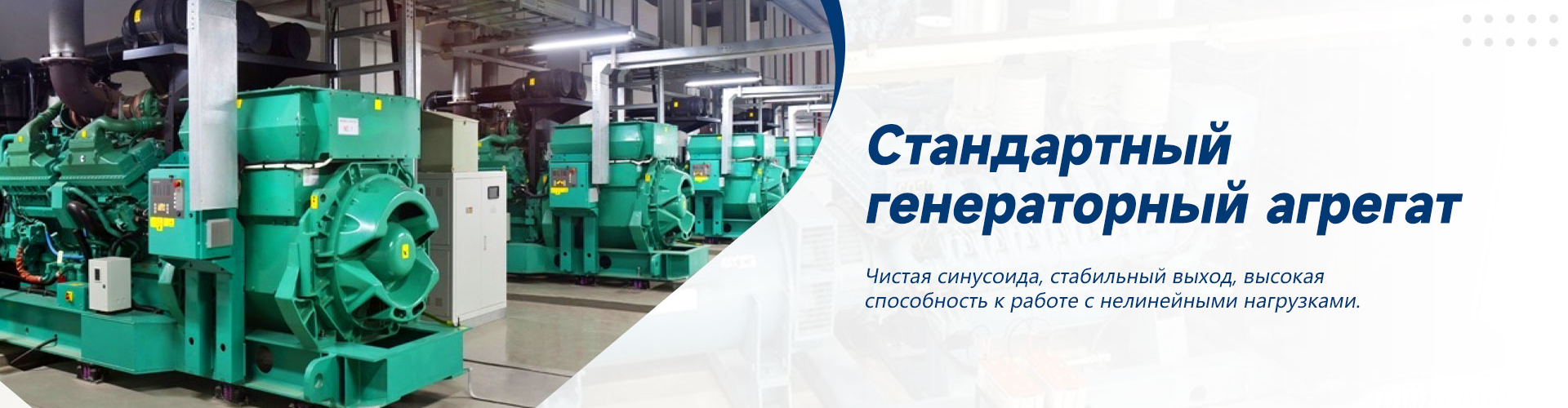
Where can I buy a 1800 kW container generator cheaply?
2026-02-21
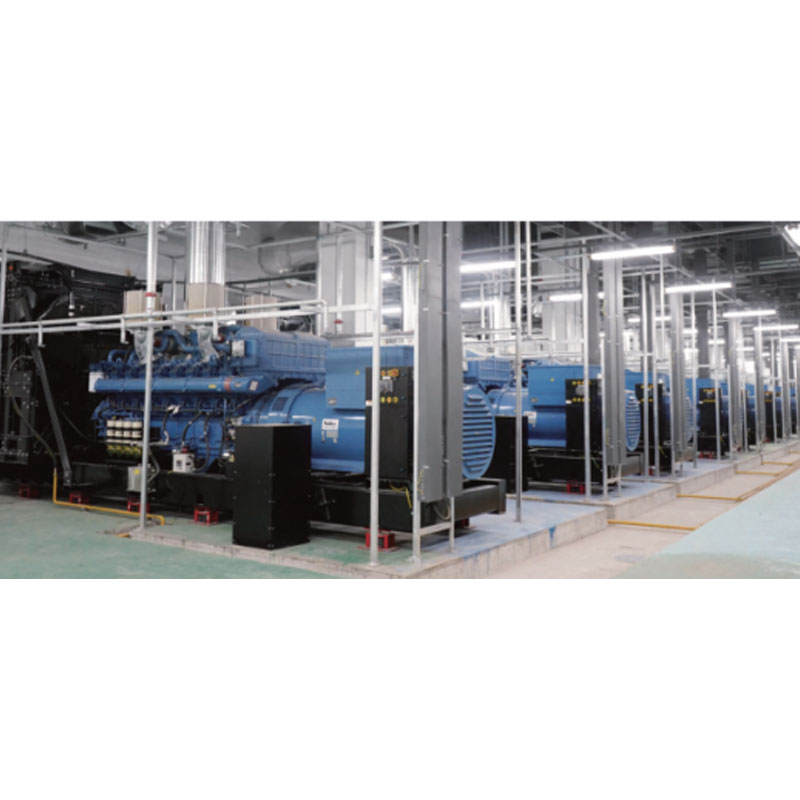
When you are looking for where to get inexpensivecontainer generator 1800 kW, you immediately run into a classic dilemma: cheap is about China, but reliable is... often also about China, but not always. Many people immediately go to Alibaba, and this is logical, but there is a sea of offers waiting for you there, where the price for 1800 kW can differ by one and a half to two times. And here is the first pitfall: cheap often means basic equipment, and under the hood there is an engine of unknown origin, a simplified control system and savings on noise reduction. I myself stepped on this rake several times when I was trying to save money for a client on a temporary facility. As a result, the savings of a couple of tens of thousands of dollars could result in downtime due to a sudden breakdown of the control unit or increased fuel consumption. So cheap should be understood as the optimal cost of ownership, and not just a low price in the specification.
Let's understand pricing: what determines the cost?
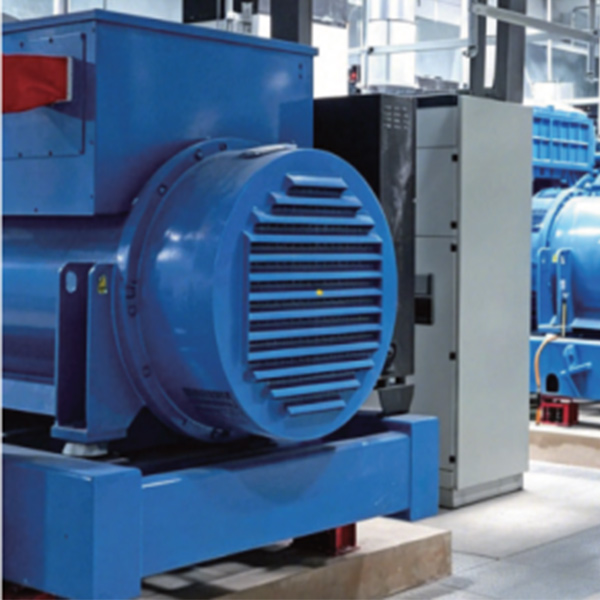
The price of such a unit is not just a number. It is assembled from a bunch of components. Firstly, the heart is the engine itself. Perkins, Cummins, Volvo, Weichai, Yuchai - the range in price and reputation is huge. Chinese Weichai can be an excellent working option if it is original and not a prefabricated engine from the market. Secondly, the alternator. Here brands like Leroy Somer, Stamford, Marathon are the standard. But many Chinese manufacturers are now making very worthy analogues that are quietly working out their service life. The key point is who assembled it turnkey? If it is an assembly shop that simply pulls together components, there may be problems with balancing and overall systems integration.
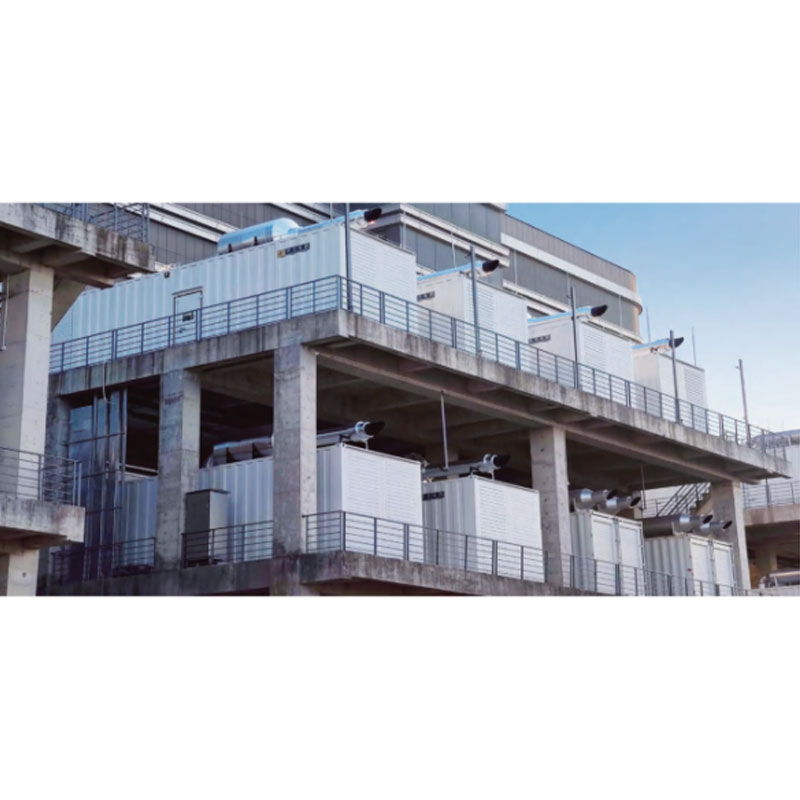
The third, and often the most unobvious for a beginner, factor is the container itself. Standard 20 or 40 foot? Sound insulation at 75 dB(A) or is it still 85? Ventilation system, fuel tanks (how many hours of battery life are included?), control system (manual panel or full-fledged automatic transfer system - automatic reserve input?). Suppliers play on these points by offering low prices. I came across offers where the base did not even have foundation frames; they had to be ordered separately. Or the cooling system was designed for +35°C, and the facility was in the Krasnodar region, where +40 in the summer is not uncommon.
And one more nuance - logistics and customs. The FOB (free on board) price at a Chinese port is one thing. And the price of DDP (delivery with customs clearance) at your site in Rostov is a completely different story. Sometimes a supplier gives an attractive FOB price, but its logistics partner charges such high prices for delivery that all the savings are eaten up. You should always ask for a turnkey count to the installation site.
Where to look: markets and channels
Platforms like Alibaba or Made-in-China are obvious starting points. But you need to be able to filter there. Manufacturer (real manufacturer) or trading company (trading company)? The former is usually more reliable in terms of quality control and technical support, but may be less flexible in negotiations. Secondly, it can find you any option to order, but will it have a deep understanding of the technical intricacies? I usually look at the history of the company, the availability of certificates (ISO, CE - this is the minimum), and ask for a video from the production site, where exactly container power plants are assembled. Not general views of the workshop, but specifically the assembly area.
There are also less obvious ways. For example, specialized industry exhibitions in China (in Guangzhou, Shanghai). There you can chat live with engineers, touch the equipment, evaluate the quality of assembly and welding seams. This is an invaluable experience. Another channel is recommendations from colleagues in the shop. In our industry, a lot of things work through word of mouth. Someone has already bought it, has been using it for six months or a year, and can give an honest review, not a custom one.
Separately, it is worth mentioning about Russian distributors or official representatives of Chinese factories. Yes, their price will be higher than if you go directly to the factory. But they take on all the headaches with logistics and customs, often have a spare parts warehouse in the Russian Federation and provide on-site warranty service. For many projects where delivery times and reliability are critical, this option turns out to be more profitable in the long term. I know cases where people, having saved on a direct contract, then waited for months for some kind of control board from China under warranty.
Case study and what to look for when choosing
I had a project near Astrakhan, I needed a backup source for the complex. The customer was on budget and looking for the cheapest option. We found a supplier who gave a price 25% lower than the market average. All the specifications seemed to match: Weichai engine, Stamford alternator, 40-foot container. They drove it in and launched it. And after 200 operating hours, problems began with the cooling system - overheating at a load of about 80%. It turned out that the radiator was installed with low power, back to back according to calculations, and plus single-speed fans. The specification simply said liquid cooling system, without details. We had to finish it on site and install additional fans. Savings turned into additional costs and risks.
Therefore, now my checklist includes not only the main brands, but also details:
1. The exact model of the engine and alternator (not an analogue, but a specific marking).
2. Radiator power with a margin of at least 10% for our climate.
3. Manufacturer and model of the control unit (Deep Sea, ComAp, SmartGen are standards).
4. The thickness of the container walls and sound insulation material (what density is mineral wool?).
5. The presence of hydraulic supports for leveling (not all sites are ideal).
6. Complete set with spare parts (what is included in the database: filters, spark plugs, what tools?).
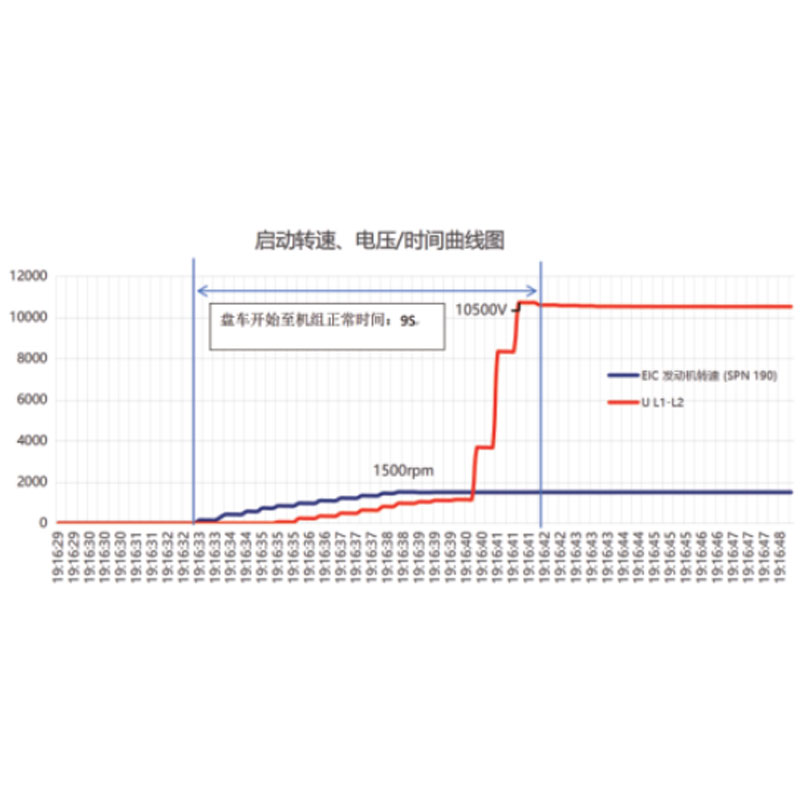
And always, always ask for factory test reports. There should be load graphs, data on emissions, noise levels. If the supplier refuses or gives a standard report, this is a red flag.
About specific players and niche options
There are many names on the market. Among the large Chinese ones - SDEC, Weichai Power, they are often manufacturers of engines, but they also have ready-made solutions. There are factories that specialize specifically in the assembly of turnkey generator sets. Their names are not so widely known, but they are well-known in professional circles. It is important to look at their portfolio: have they delivered similarcontainer generators 1800 kWto Russia or the CIS? Are there any references in similar climatic conditions?
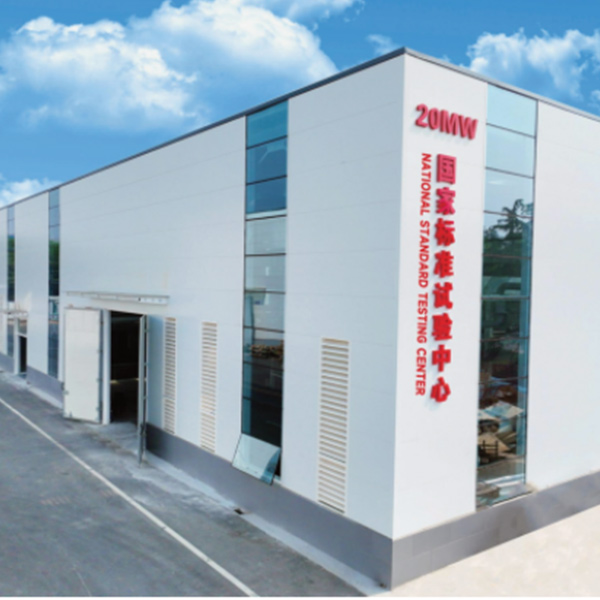
For example, I came across the siteYuke (Shandong) Electrical Technology Co.,Ltd (Voyoko). They are positioned as an innovative enterprise with a full cycle from development to construction. What’s interesting is that they grew out of the DEVER team, which has been in the topic since 2003. For me, such a long background is a plus. This means they were not created yesterday. On their websitevoyoko.ruit is clear that they focus on R&D and custom solutions. This may be an option if you need not just a box with a generator, but some modifications for the specifics of the object. But, again, this needs to be checked in dialogue: are they ready to adapt the control scheme to our standards, or supply additional fuel tanks? You need to ask them for a price individually; such companies rarely have price tags on their website.
Another way is to consider used units from Europe. Sometimes you can find well-preserved units from, say, Germany or Finland, which have served in a facility with constant maintenance. Their price will be significantly lower than new. But here the risks are even higher: you need to be very well versed in technology and be able to conduct an inspection personally or through a trusted specialist before purchasing. And be prepared for the fact that the resource of the main components has already been partially exhausted.
Final Thoughts: How to Make a Decision
So, back to the original question - where to buy cheap? The cheapest way is directly from a trusted manufacturer in China, ordering the full cycle from production to DDP delivery. But this requires time for search, verification and strong nerves at the logistics stage. Faster and with less risk - through a trusted Russian importer or official representative, but with a premium for the service.
The most important thing is not to get hung up on just one number in a commercial proposal. You need to break it down into its components, compare apples to apples in terms of configuration, demand detailed specifications and references. And always include a small reserve for the unexpected in your budget and deadlines. Buying such a station is not just a waste of money, it is an investment in the energy security of your facility. You shouldn't save money on it blindly.
Ultimately, cheap is when after three years of operation you realize that the choice was right, and the unit did not create any unnecessary problems for you and simply did its job. And such a result is usually born not from the lowest price list, but from a competent balance of price, quality and reliability of the partner. Sometimes it’s better to pay 5-10% more, but sleep peacefully. Tested in practice.
-


-
-


WeChat

-
WeChat