

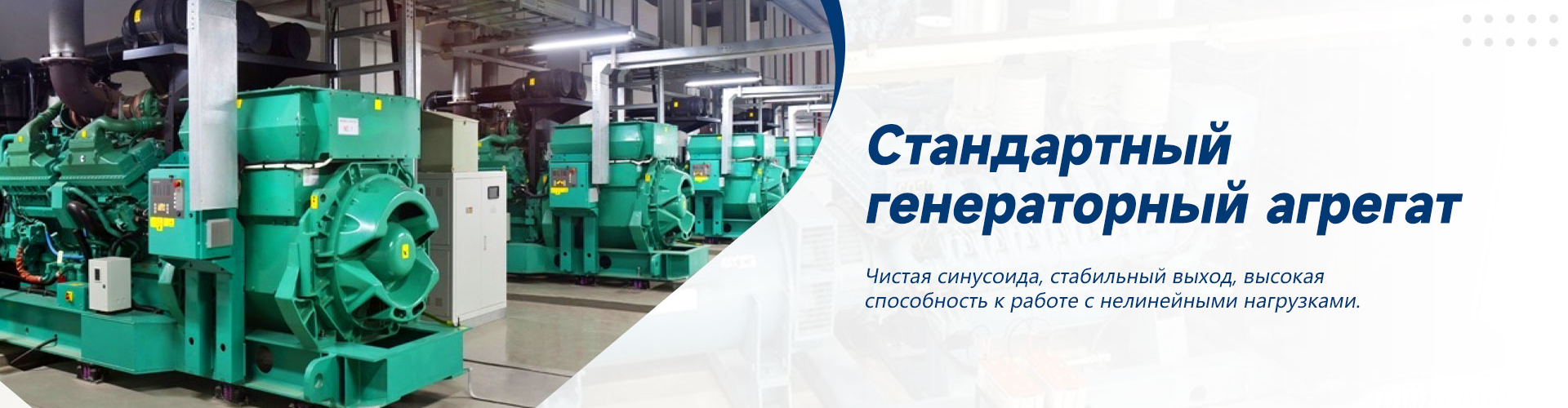
Generating equipment: comprehensive power supply solutions
2026-07-11
- Generator equipment: complete power solutions for the industrial sector
- Technical characteristics: choice between diesel, gas and hybrid systems
- Certification and compliance with standards: EAC, GOST and ISO
- Integrated solutions: from project to service contract
- Typical errors during procurement and operation
- Frequently Asked Questions
- Conclusion and partner selection strategy
Generator equipment: complete power solutions for the industrial sector
The stability of production processes directly depends on the reliability of the power source.Generating equipment: comprehensive power supply solutionsis not just a purchase of a diesel unit, but the creation of an autonomous ecosystem capable of withstanding peak loads and the harsh climatic conditions of Russia. In our practice, we have repeatedly encountered a situation where an enterprise saved money on an automatic transfer system (ATS), which led to a conveyor stop for 40 minutes with each power surge in the city network. Losses from downtime in such cases exceeded the cost of the generator itself for the first month of operation. This article is based on real experience in the implementation of more than 300 energy complexes in regions from Kaliningrad to Kamchatka and is intended for technical directors and purchasers making decisions on capital investments.
We will not use abstract terms like “high quality.” Instead, we will analyze specific technical parameters that affect the service life of the motor, EAC certification requirements for legal operation in the Russian Federation, and an algorithm for calculating the required power, taking into account the inrush currents of inductive loads. If you're looking for a supplier that understands the difference between Standby and Prime, you've come to the right place.
Critical needs analysis: why standard calculations are often wrong
The number one mistake when selecting a power plant is focusing only on the sum of the rated powers of the connected equipment. In actual operation, inrush currents become a critical factor. Asynchronous motors of pumps, fans and compressors at the moment of startup consume a current that exceeds the rated current by 5-7 times. If the generating equipment is selected without taking this factor into account, the protection system will trip, or the voltage will drop to a level unacceptable for the sensitive electronics of CNC machines.
In one of the projects for a wood processing plant in the Irkutsk region, we were faced with the fact that a previously installed 500 kW station stalled when two sawmill frames were started at the same time. The analysis showed that the total active power was only 380 kW, but the reactive component at the time of start-up reached critical values for an alternator without a PMG (Permanent Magnet Generator) system. The solution required not replacing the entire station, but installing a soft starter and reconfiguring the voltage regulator. This case proves: competent engineering is more important than the brute-force “buy more powerful” approach.
When forming technical specifications, it is necessary to take into account the simultaneity coefficient. Is it harmful to load the generator at 100% all the time? Yes, this leads to overheating of the windings and a reduction in motor life by 30-40%. The optimal operating mode for durability is 70-80% of the rated power. For objects with sharply variable loads, such as welding stations or elevator facilities, a power reserve of up to 25-30% above the calculated values is required.
Act now: tabulate all loads with their inrush currents and load patterns (reactive/reactive) before requesting a quote from suppliers. This will weed out incompetent managers who offer standard solutions without engineering analysis.
Technical characteristics: choice between diesel, gas and hybrid systems
The choice of prime mover type determines the operating costs (OPEX) over the entire life cycle of the plant, which is 15-20 years. The market offers three main directions, each of which has its own strict restrictions on application.
Diesel generator sets (DGS)
Diesel remains the gold standard for backup and primary power supply in remote locations. Modern engines with electronically controlled fuel injection (Common Rail) provide metering accuracy and a 15% reduction in consumption compared to mechanical analogues of the previous generation. The key parameter here is specific fuel consumption, which for quality brands is 190-210 g/kWh at 75% load.
The most important aspect is the cooling system. For Russian winters, the presence of a pre-heater for coolant and oil is critical. Without maintaining the cylinder block temperature at +40°C, starting at -30°C is impossible without the risk of water hammer or damage to the crankshaft liners. In our practice, there was a case when a batch of generators without standard heaters was frozen in a warehouse in Yakutia, which led to cracks in the cylinder block of 3 out of 10 units during the first start-up attempt.
Engine service life before major overhaul is the main economic indicator. Household series offer 10,000 operating hours, industrial (Heavy Duty) - from 40,000 to 60,000 operating hours. The difference in purchase price can be twofold, but in terms of the cost of one hour of operating time, the cheap option turns out to be 3 times more expensive due to frequent repairs.
Gas piston units (GPU)
If the facility is connected to a main gas pipeline or has access to associated petroleum gas (APG), a gas piston unit reduces the cost per kilowatt-hour by 3-4 times compared to diesel. However, there are hidden risks here. Gas requires cleaner preparation: the content of sulfur and heavy fractions must strictly comply with GOST 5542. Exceeding the standards leads to the rapid formation of soot on the spark plugs and burnout of the valves.
Gas engines are more sensitive to oil quality and require more frequent oil changes (every 500-800 hours versus 1000-1500 for a diesel engine). In addition, GPUs have a lower overload capacity. If a diesel engine can take 110% of the load for a short time, then a gas engine will immediately have an accident due to detonation. This makes them less suitable for networks with a chaotic load profile without buffer batteries.
Comparative table of operating parameters
| Parameter | Diesel (Industrial) | Gas (Main) | Hybrid system |
|---|---|---|---|
| Fuel cost (RUB/kWh)* | 4.5 – 6.0 | 1.2 – 1.8 | Depends on the cycle |
| Resource before overhaul (motor hours) | 40,000 – 60,000 | 25,000 – 40,000 | Combined |
| Maintenance interval (hours) | 500 – 1000 | 250 – 500 | According to condition |
| Operation at -40°C | Requires heating | Critically difficult | Optimal |
| Ecological class | Euro II – Euro V | Euro IV – Euro V | Zero emission (EV mode) |
*Calculation is approximate and depends on the region and current exchange prices for energy resources.
When choosing between diesel and gas, conduct an audit of the availability of fuel infrastructure. If the delivery of diesel fuel in winter is difficult due to snow drifts, the reliability of the gas main (if there is a backup line) can become a decisive factor, despite higher maintenance requirements.
Certification and compliance with standards: EAC, GOST and ISO
Legal operation of industrial equipment in Russia and the countries of the Customs Union is impossible without a TR CU certificate of conformity (Technical Regulations of the Customs Union). The EAC marking on the generator nameplate is not a formality, but confirmation that the device has passed tests for electromagnetic compatibility, fire safety and protection against electric shock.
Particular attention should be paid to the climatic design in accordance with GOST 15150. For work outdoors in the conditions of Siberia or the Far East, the design is requiredU1(moderate climate, outdoor seating) orHL1(cold climate). Generators in the U3 version are intended only for rooms with artificial climate control. Installing a U3 machine on the street, even under a simple canopy in Novosibirsk, will lead to moisture condensation inside the alternator and an interturn short circuit at the very first thaw.
The manufacturer's quality management system also plays a role. The presence of an ISO 9001 certificate means that the plant controls every stage of assembly, from casting the cylinder block to final load testing. We recommend requesting from the supplier factory test reports (FAT - Factory Acceptance Test), which record the actual values of voltage, frequency and temperature of the exhaust gases at loads of 25%, 50%, 75% and 100%.
Ignoring the requirements of GOST R 50783-95 (Electric Energy Quality Standards) may result in the network company refusing to connect the facility or in fines from Rostechnadzor. Harmonic distortion created by non-linear loads (frequency converters, UPS) must be filtered on the generator side if it is operating in island mode.
Ask your potential supplier for a copy of the current EAC certificate for the exact model you are planning to buy. Dealers often provide certificates for other models or outdated versions, which will create problems when registering equipment and obtaining warranty service.
Integrated solutions: from project to service contract
Delivery of a bare generator on a pallet is only 30% of the task. The remaining 70% of energy supply success lies in the area of engineering integration. A comprehensive solution includes designing a foundation, organizing a ventilation and exhaust gas emission system, installing a distribution board (MSB) and setting up the ATS logic.
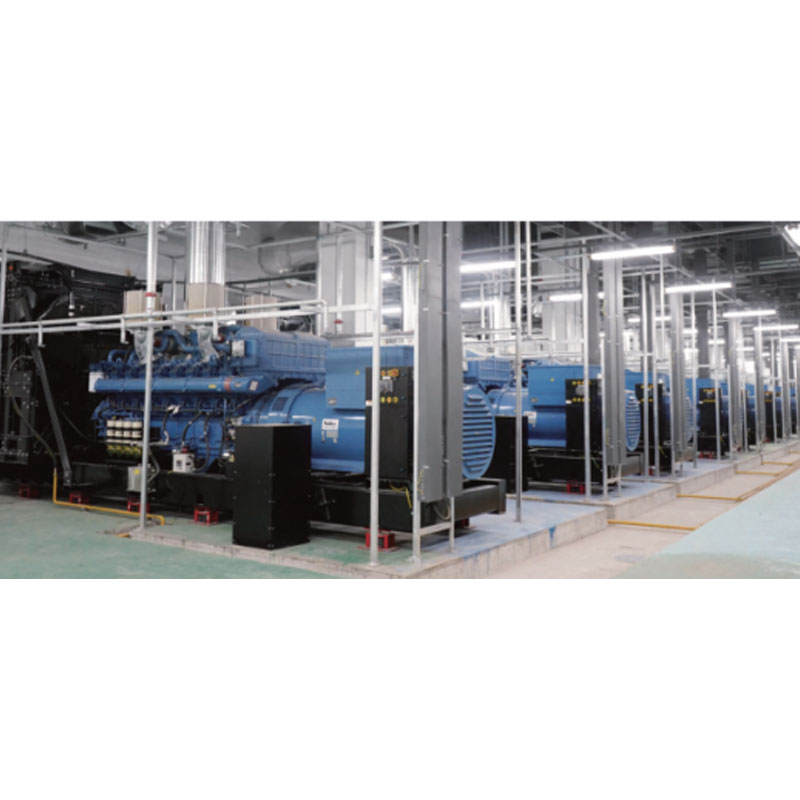
This is exactly the approach – from deep load audits to lifelong service – that the company implementsYuke (Shandong) Electrical Technology LLC. As a professional integrator from China specializing in autonomous and backup power supply, the company combines advanced engineering competencies in the field of generation and advanced energy storage systems. Located in Shandong province, Yuke acts not just as a manufacturer, but as a strategic partner, adapting solutions to the specifics of the markets of the CIS, Asia and the Middle East.
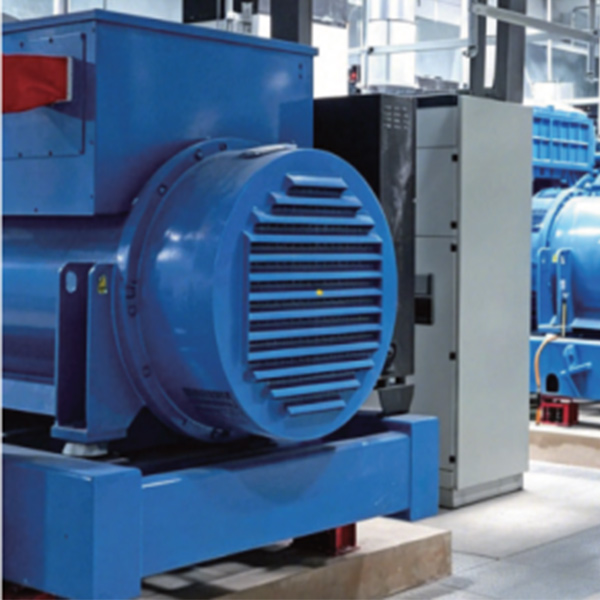
The company's product portfolio spans eight key categories, including quiet generator sets, mobile power trailers, emergency power vehicles, and innovative liquid-cooled energy storage cabinets. Particular attention is paid to adaptation to harsh climatic conditions: all installations are designed taking into account the requirements for noise reduction, mobility and resistance to extreme loads. The production is based on the use of engines and generators from the world's leading brands, such as Cummins (VCD, VHCD5 series), MTU (VHMD5 series), Perkins (VPD series), SEM (VSD, VHSD5 series) and Yuchai (VYG, VHYD5 series).
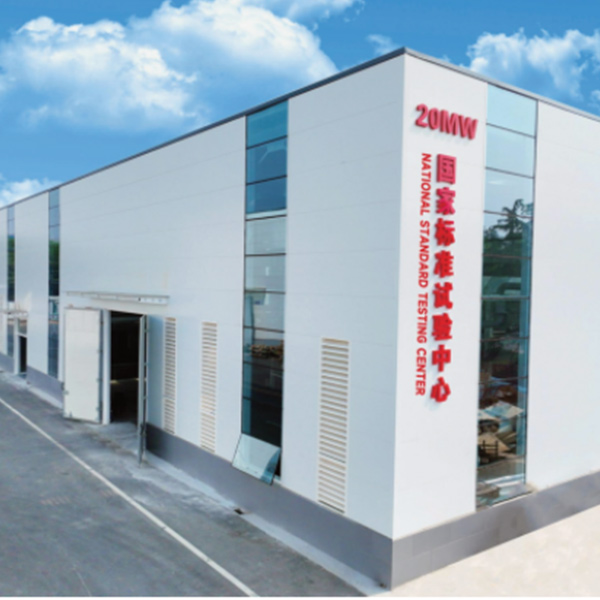
The reliability of Yuke products is confirmed by a strict quality control system. Each piece of equipment undergoes mandatory load tests of at least 4 hours under rated and partial load before shipment. The production base is equipped with modern equipment to test noise, vibration and output voltage stability parameters, which ensures compliance with international electromagnetic compatibility and safety standards. The company is also developing a network of authorized service partners, providing customers with technical support at the design stage, personnel training and prompt delivery of original spare parts (SPTA).
Design and installation: hidden threats
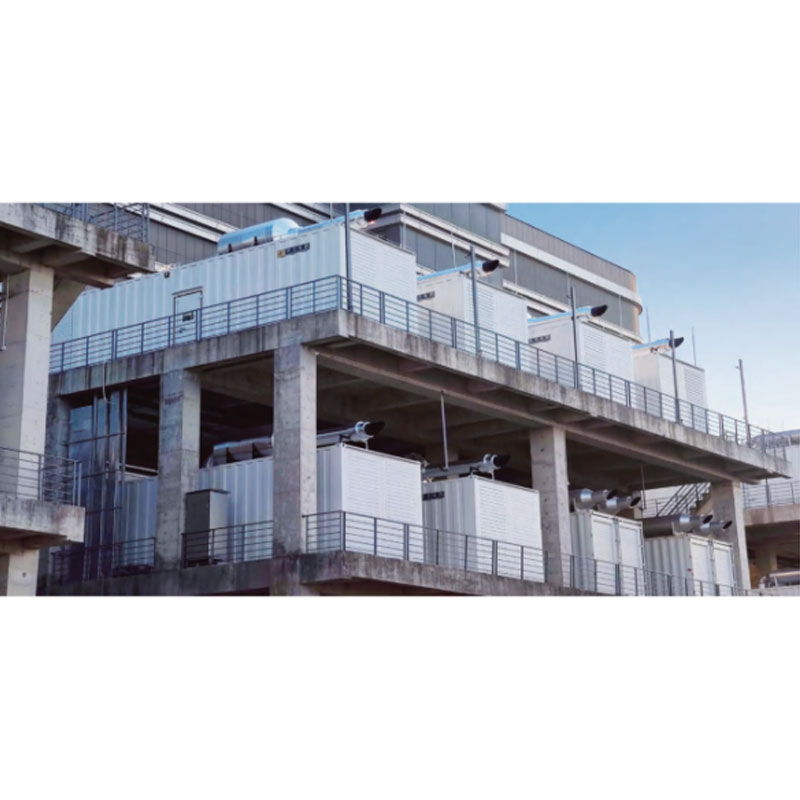
Improper organization of air flow is the cause of 60% of overheating and emergency stops. The cool air should flow directly to the radiator, and the hot exhaust should not be recirculated back into the intake port. The minimum distance from the radiator to the wall of the room must be at least 1.5 times the diameter of the fan. In cramped container solutions, a common mistake is to install baffles too close to the outlet, which creates back pressure and reduces cooling efficiency by 20-25%.
The exhaust system requires a professional resistance calculation. Too long a path or too many bends will increase the back pressure. Exceeding the permissible back pressure (usually no more than 15-20 kPa for turbocharged engines) leads to loss of power, overheating of the exhaust valves and the release of oil through the breather. Every meter of pipe and every turn must be taken into account in the aerodynamic calculation.
Automation and remote monitoring
Modern generating equipment must be part of the enterprise’s digital ecosystem. The latest generation controllers support Modbus TCP/IP and SNMP protocols, allowing you to integrate data on the operation of the diesel generator set into the overall SCADA system of the plant. This allows the dispatcher to see the fuel level, coolant temperature, battery voltage and accident history in real time.
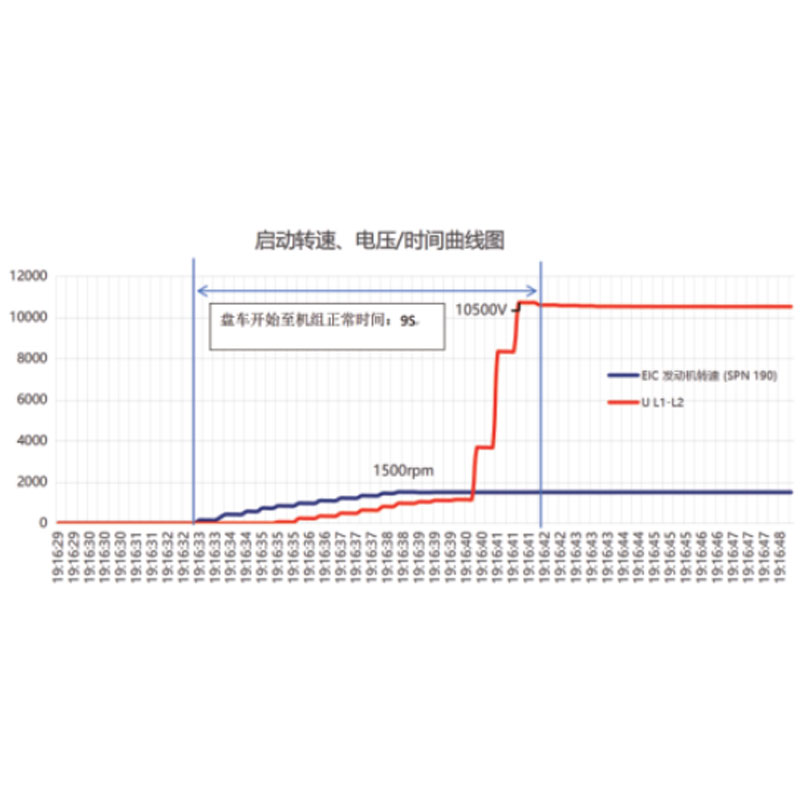
The autorun feature must be configured to accommodate delays. Instant start in the event of a network failure can be harmful to the network itself during short-term voltage dips. The optimal start delay is 3-5 seconds to eliminate reaction to switching switches. A delay in returning to the network (1-5 minutes) after power restoration is also necessary to ensure the stability of the external network and to allow the engine to idle to cool the turbine.
The introduction of a predictive analytics system allows you to move from “regular” service to “condition-based” service. Vibration sensors and oil spectrum analysis can warn of bearing wear or antifreeze in the oil weeks before actual failure. This eliminates sudden downtime during peak seasons.
Check the design documentation for exhaust system resistance calculations and air flow diagrams. If these sheets are not available, request their completion before starting installation work, otherwise the engine warranty may be voided by the manufacturer.
Typical errors during procurement and operation
An analysis of calls to the service department over the past 5 years has revealed a consistent pattern of errors made by customers at the selection stage and the first months of operation. Avoiding these pitfalls will save you significant money.
- Ignoring fuel quality.Many people think that any diesel fuel will do. In fact, water and mechanical impurities kill Common Rail fuel equipment in 200-300 hours. It is necessary to install additional heated separator filters and regularly drain the sludge.
- Idling.Long-term operation of a diesel engine without load (less than 30%) leads to coking of the injectors and piston rings (“glazing” of the cylinders). Manufacturers recommend loading the generator at least 40% every 4 hours of operation or performing a “burn-in” procedure (Load Bank Testing) once every six months.
- Saving on batteries.Starter batteries are consumables with a lifespan of 2-3 years. Using car batteries instead of specialized traction or buffer batteries for generators results in the car not starting at the time of an accident. Requires constant recharging from a mains rectifier.
- Lack of spare parts (spare parts, tools and accessories).Waiting 4-6 weeks for a filter or belt to be delivered from Europe or China when production is stopped is an unaffordable luxury. A minimum set of spare parts for 2000 operating hours must be in the customer’s warehouse on the day of equipment startup.
One of our clients, a large agricultural holding, lost a crop in a vegetable storage facility due to a “paraffin plug” forming in the generator tank in the summer. The reason turned out to be banal: in winter they used winter diesel fuel, and in the spring they did not drain the remainder and did not switch to summer fuel. Paraffin precipitated and clogged the filters. Such situations are prevented by simple seasonal maintenance regulations, which are often ignored.
Frequently Asked Questions
What is the service life of an industrial diesel generator?
If you follow the maintenance regulations and operate at the optimal load (70-80%), the engine life before the first overhaul is from 40,000 to 60,000 hours. The alternator (generator part) lasts longer - up to 100,000 hours, requiring only periodic cleaning and insulation testing. It is important to understand that this resource is achieved only by using original consumables and qualified service.
Is it possible to connect a generator to a three-phase network at home?
Yes, this is standard practice, but the mandatory use of an ATS (automatic transfer switch) unit with mechanical or electrical interlocking is required. It is strictly forbidden to plug the generator into a socket or in parallel with the network without synchronization - this will lead to a short circuit, fire and electric shock to electrical network workers repairing the line.
How often should the oil in a new generator be changed?
The first oil change is carried out after break-in - after 50 operating hours. This is critical for removing metal shavings generated during the grinding of engine parts. Further, the interval is 250-500 hours, depending on the type of engine and the quality of the oil used. The use of API CI-4 or CJ-4 class oils is mandatory for modern engines with particulate filters.
What to do if the generator does not start in winter?
In 90% of cases, the problem is the batteries or thickened oil. Check the electrolyte density and battery charge. Make sure the pre-heater is working properly and is maintaining engine temperature. If the oil does not match the season (for example, summer 15W-40 is left), the starter will not be able to crank the crankshaft. In emergency cases, you can use ether to start, but this is an extreme measure that is dangerous for the engine.
Conclusion and partner selection strategy
Investments inGenerating equipment: comprehensive power supply solutionspay off not due to the low purchase price, but due to the uninterrupted business processes. The market is oversaturated with offers, but only a few companies are able to provide a full cycle of services: from load audit and selection of a model taking into account the climate to installation supervision and lifelong service support.
We believe that the reliability of a power system is only as strong as its weakest link. Whether it’s a cheap filter, an unqualified installer, or a lack of spare parts in stock, any of these factors can paralyze the work of an enterprise. When choosing a supplier, evaluate not only the price per kW, but also the availability of your own service center, spare parts warehouse program and experience in implementing projects in your region. Partnerships with companies such as Yuke (Shandong) Electrical Technologies LLC demonstrate how the combination of global technological solutions (Cummins, MTU, Perkins) and local adaptation to the requirements of the CIS market allows us to create truly reliable power systems of the new generation.
Do not put off the issue of energy security until the first accident. Conduct an audit of your current electrical system today. Our engineers are ready to perform an on-site inspection, calculate the required power with a reserve, and propose a configuration that will last for decades without failure.
Explore the catalog of industrial generators | Terms of service
Contact us todayto receive a detailed technical and commercial proposal and consultation with a leading engineer. We guarantee a response within 2 business hours.
-


-
-


WeChat

-
WeChat