

300 kW generator: comparison of diesel and gas models
2026-07-12
- 300 kW generator: comparison of diesel and gas models for industrial use
- Technical characteristics and design differences of engines
- Economic analysis: cost of ownership and fuel consumption
- Environmental standards and certification requirements
- Operation in various climatic conditions
- Reliability, maintenance and typical faults
- The role of the manufacturer in ensuring quality and adapting solutions
- Application scenarios: which option to choose?
- Frequently Asked Questions
- Final recommendation and steps to purchase
300 kW generator: comparison of diesel and gas models for industrial use
Selecting a source of backup or main power supply300 kWis not just a purchase of equipment, but a strategic decision that affects the operating costs of the enterprise over the next 10-15 years. In our practice, we have repeatedly encountered a situation where customers chose a gas station due to the low cost of fuel, but after two years of operation they lost up to 40% of the budget for engine overhaul due to unstable gas quality in the region. Conversely, enterprises that rely on diesel often overpay for fuel where gas would be economically more efficient with proper logistics. This article will help you avoid such mistakes by providing a detailed technical and economic comparison.
We analyzed real cases of implementation of 300 kilowatt stations on production lines in Russia, Kazakhstan and Belarus. Below you will find not marketing slogans, but dry numbers, fuel consumption data, maintenance requirements and specific recommendations for choosing between diesel and gas versions depending on your operating conditions.
Technical characteristics and design differences of engines
When considering a requestgenerator 300 kW comparison of diesel and gas models, the first thing you need to pay attention to is the principle of ignition of the fuel mixture and the design of the cylinder-piston group. Diesel engines in this power class operate on a compression ignition cycle. The air is compressed to high pressure (usually 30–45 bar), the temperature rises and the injected fuel spontaneously ignites. This provides high torque even at low speeds, which is critical for starting heavy-duty electric motors such as compressors or crushers.
Gas modifications of the same power are most often built on the basis of gasoline blocks with a spark ignition system or specially designed lean-burn gas engines. To operate on mains gas or propane-butane, installation of a reducer, mixer and electronic gas supply control system is required. The efficiency factor (efficiency) of modern gas installations reaches 38–42%, while for diesel engines this figure remains stable at 44–48%. The difference seems small, but in terms of engine hours and the cost per kilowatt-hour it becomes significant.
An important aspect is the cooling system. 300 kW units produce a huge amount of heat. Diesel versions are usually equipped with more massive radiators, since the temperature of the exhaust gases is higher. Gas engines run cleaner but require strict control of inlet air temperature to avoid detonation. In our practice, there was a case when a 300 kW gas station failed after 800 operating hours due to the fact that the ventilation system of the room did not provide the necessary air flow in the summer, when the outside temperature exceeded +35°C. The diesel counterpart continued to operate under the same conditions, albeit with increased fuel consumption.
In terms of cylinder block durability, cast iron liners in diesel engines are designed to last up to 40,000–60,000 operating hours before the first major overhaul. Gas engines, especially those converted from gasoline, often have a lifespan of about 20,000–30,000 hours. However, specialized industrial gas engines (for example, the Jenbacher or Caterpillar G3500 series) can compete with diesel engines in terms of service life, but their purchase cost is 2–2.5 times higher. If you are considering budget Chinese or Russian assemblies, the difference in reliability will be noticeable immediately.
Economic analysis: cost of ownership and fuel consumption
The main question that worries any buyer: what is cheaper to operate? The answer depends not on the price of a liter of fuel, but on the specific consumption for generating 1 kWh of electricity. Let's do the calculation for a standard load of 75% (225 kW), which is the optimal operating mode for most generators.
Calculation for a 300 kW diesel generator:
The average specific consumption of diesel fuel is 210–220 g/kWh. At a load of 225 kW, the installation consumes approximately 47–50 liters of diesel fuel per hour. At the current average price of diesel fuel (let’s take the average for the Russian Federation and the CIS of about 55 rubles per liter or the equivalent in foreign currency), an hour of work will cost approximately 2600–2750 rubles. The cost of one generated kilowatt-hour will be about 11.5–12.2 rubles.
Calculation for a 300 kW gas generator:
The specific consumption of natural gas is approximately 0.35–0.4 m³/kWh. With the same load of 225 kW, gas consumption will be 80–90 cubic meters per hour. At the gas tariff for industrial consumers (about 6–7 rubles per m³), an hour of work will cost 480–630 rubles. The cost of a kilowatt hour drops to 2.1–2.8 rubles. Even if you use liquefied gas (propane-butane), where the consumption is higher (about 0.6 kg/kWh), the cost of energy still remains 30–40% lower than that of diesel.
However, these figures are only valid if there is a connected main gas pipe with sufficient pressure (usually 0.03 to 0.6 MPa is required, depending on the model). If you have to transport gas in cylinders or gas holders, logistics costs may offset the benefits. Additionally, the cost of maintenance cannot be ignored. Gas engine spark plugs need to be replaced every 500-1000 hours, while diesel injectors last 3000-5000 hours. The oil filter on a gas installation also changes more often due to gas combustion products, which may contain acidic compounds that corrode the oil.
The table below provides a comparison of the main economic indicators for clarity:
| Comparison parameter | Diesel generator 300 kW | Gas generator 300 kW (mains) | Gas generator 300 kW (liquefied) |
|---|---|---|---|
| Specific fuel consumption | ~215 g/kWh | ~0.38 m³/kWh | ~0.6 kg/kWh |
| Cost of 1 kWh of energy | High (baseline) | Low (3-4 times cheaper than diesel) | Medium (30% cheaper than diesel) |
| Oil change interval | 400–600 operating hours | 250–400 operating hours | 250–400 operating hours |
| Resource before overhaul | 40,000+ hours | 20,000–30,000 hours | 20,000–30,000 hours |
| Infrastructure dependency | Minimum (only tank needed) | Critical (pressure pipe needed) | High (needs delivery and storage) |
If your facility operates 24/7, such as a greenhouse, processing plant, or data center, the difference in fuel costs will pay for the higher initial cost of gas equipment in 12 to 18 months. For facilities with occasional use (reserve in case of an accident of 50–100 hours per year), the diesel option is preferable due to lower costs for scheduled maintenance and the absence of the need to pay for connection to the gas main.
Environmental standards and certification requirements
Modern legislation is tightening the requirements for emissions of harmful substances. When choosing between diesel and gas, it is necessary to take into account the environmental class of the engine. 300 kW gas generators are more environmentally friendly by default. Methane or propane burns more completely, resulting in minimal soot and particulate matter. Emissions of nitrogen oxides (NOx) and carbon monoxide (CO) from gas models are typically 60-70% lower than diesel counterparts without selective catalytic reduction (SCR) systems.
For work within the city or in residential areas, a gas installation is often the only legal solution. Diesel generators with a capacity of 300 kW are required to comply with strict Euro 3, Euro 4 or Euro 5 standards. This requires the installation of complex exhaust cleaning systems: particulate filters (DPF) and urea (AdBlue). These systems not only increase the cost of equipment by 15–20%, but also create additional operational risks. In our practice, there have been cases where diesel generators stalled or went into emergency mode due to low-quality urea or a clogged particulate filter in winter, when the temperature dropped below -20°C.
As for certification, for legal commissioning on the territory of the Eurasian Economic Union (EAEU), equipment must have a declaration of conformity with TR CU 010/2011 “On the safety of machinery and equipment.” The key standard for climate control isGOST 15150-69. Most 300 kW industrial generators are available in U1 (moderate climate) or HL1 (cold climate) versions. Gas installations require additional coordination with gas services and obtaining permission to install gas-using equipment, which can take from 2 to 6 months. Diesel stations are simpler in this regard: a layout design and compliance with fire safety standards are sufficient.
International standards ISO 8528 regulate the performance classes of generator sets. The main power supply (COP) requires high-end equipment that can operate 24 hours a day without interruption. Many budget gas models are marketed as COP, but in fact only meet the ESP (Emergency Power) class with a limited number of operating hours per year. Always check the passport data: if the documentation indicates “Standby Power” or “Emergency Power”, such a unit is not suitable for continuous operation, regardless of the type of fuel.
Operation in various climatic conditions
The climatic factor plays a decisive role when choosing the type of fuel, especially for regions with harsh winters, such as Siberia, the Urals or the northern regions of Kazakhstan. Diesel fuel tends to wax at low temperatures. Summer diesel fuel begins to become cloudy already at +5°C, while winter diesel fuel lasts down to -30°C…-35°C. Arctic diesel fuel works down to -50°C, but its price is significantly higher and availability in remote areas is limited. If you choose a 300 kW diesel generator for work in the north, you will have to provide a fuel heating system in the tank and pipelines, as well as equip a heated room or container with climate control.
Gas equipment looks more attractive in this regard. Natural gas does not freeze. However, there is a caveat: pressure reducers and mixers can freeze due to the throttling effect (a sharp drop in gas pressure), which leads to a decrease in the temperature of the unit below the dew point and the formation of condensate, which then turns into ice. To prevent this, electric gearbox heaters are used, which consume energy from the generator itself or an external network. When using liquefied gas (propane-butane), the cold problem returns: at temperatures below -20°C, the evaporation of the mixture drops sharply, the pressure in the system decreases, and the generator may not reach its full power of 300 kW or may stall under load.
In one of our projects at a mining and processing plant in Yakutia, we were faced with a situation where a gas station failed at -45°C precisely because the gearbox froze, despite the presence of standard heating, which turned out to be insufficiently powerful for such extreme conditions. A diesel generator with preheated coolant (Webasto or equivalent) started without problems, since arctic fuel and an insulated all-weather container were used. This example shows that the theoretical benefits of gas can be offset by actual weather conditions if careful engineering preparation is not carried out.
For hot climates (Central Asian region, southern Russia), both types of equipment require effective cooling. However, gas engines are less sensitive to intake air overheating than turbodiesels. When the incoming air temperature is high, a diesel turbine loses its boost efficiency, which leads to a drop in power and an increase in exhaust temperature. A gas engine with naturally aspirated intake or a smaller turbo maintains stable performance better. However, in both cases it is necessary to organize the correct air flow: the influx of cold air and the exhaust of hot air should not mix.
Reliability, maintenance and typical faults
The reliability of the generator set directly affects the continuity of business processes. Diesel engines are structurally simpler in terms of the ignition system (it simply does not exist), but more complex in terms of high-pressure fuel equipment (injection pump, Common Rail injectors). The sensitivity of diesel injectors to fuel quality is extremely high. The ingress of water or mechanical impurities larger than 5 microns can damage an expensive nozzle. Repairing the injection system of a modern 300 kW diesel engine is a complex procedure that requires a special stand and qualified engineers. Downtime for repairs can range from 3 to 14 days while waiting for spare parts.
Gas engines do not have the problem of fuel contamination (gas is cleaner than diesel fuel), but they have their own vulnerabilities. The ignition system (spark plugs, coils, high-voltage wires) requires regular replacement. Carbon deposits on the spark plugs can lead to misfires, which causes uneven engine operation and overheating of the catalyst. Also, gas engines are more sensitive to oil quality. Gas combustion products can lead to rapid oxidation of the oil and the accumulation of acids, so oil change intervals are often reduced by the manufacturer. The use of specialized gas oils is mandatory; the use of universal diesel oils is unacceptable and leads to accelerated wear of the liners and piston rings.
A typical mistake during operation is ignoring the “cold running” mode or idling. It is strictly not recommended to run diesel engines for a long time without load (more than 10–15 minutes). This leads to coking of the injectors, unburned fuel entering the oil (oil dilution) and the formation of carbon deposits in the exhaust tract (“wet stack”). Gas engines are a little more tolerant of idling, but prolonged operation without load is also harmful to the spark plugs and catalytic converter. The ideal operating mode for both types is a load of 70–80% of the rated power.
We recommend that you schedule preventive maintenance (MA) strictly by engine hours, and not by calendar. For a 300 kW generator, basic maintenance includes changing the oil, oil filter, fuel filter (for diesel) or fine gas filter, checking the antifreeze level and belt tension. Neglecting these procedures to save $50-$100 on filters can result in turbo failure or scuffed cylinders that can cost thousands of dollars to repair.
The role of the manufacturer in ensuring quality and adapting solutions
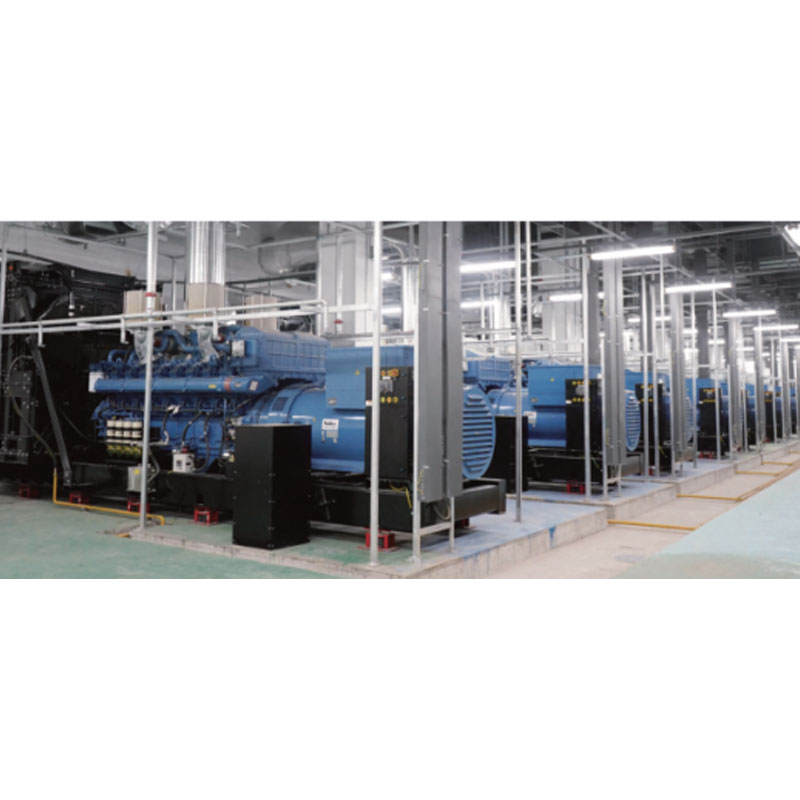
Choosing between diesel and gas is just the first step. It is equally important to choose a reliable manufacturer whose equipment meets the stated characteristics and is adapted to your conditions. A striking example of this approach is the companyYuke (Shandong) Electrical Technology LLC. Based in Shandong province, this professional Chinese company specializes in the development and production of comprehensive solutions for autonomous and backup power supply, successfully supplying its products to the CIS countries, Asia and the Middle East.
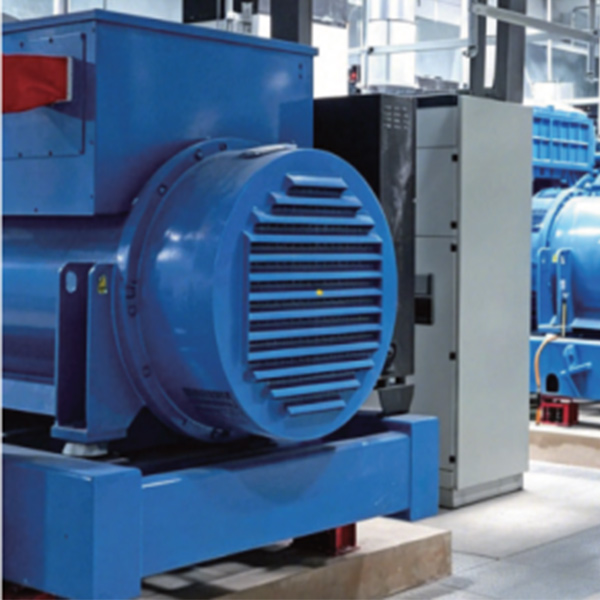
Unlike simple assemblers, Yuke acts as a full-fledged integrator, combining advanced engines of world brands (Cummins, MTU, SEM, Perkins, Yuchai) with its own engineering developments. Their portfolio includes exactly the types of installations that we discussed: from diesel generators of the VCD and VSD series to specialized gas units of the VYG series based on Yuchai engines, as well as high-voltage solutions and energy storage systems. The company pays special attention to adaptation to the climatic realities of the CIS regions: U1 and HL1 versions, enhanced cooling systems for hot climates and reliable pre-heating for harsh winters.
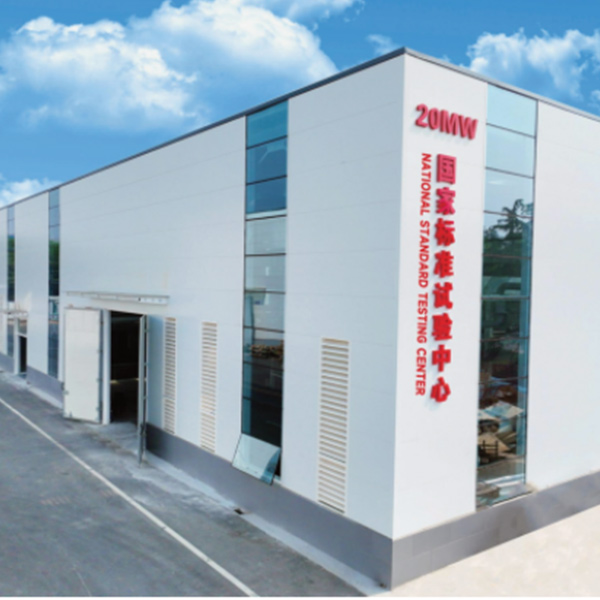
The key advantage of Yuke products is a strict quality control system. Each piece of equipment, be it a mobile power plant or a stationary unit with a capacity of 300 kW, undergoes mandatory load tests lasting at least 4 hours before shipment. This allows potential defects to be identified at the factory, guaranteeing the customer voltage stability, low noise and vibration levels. This approach is fully consistent with the company’s philosophy of “reliability through responsibility,” which is critically important for industrial facilities where equipment downtime is unacceptable.
Application scenarios: which option to choose?
To make a final decision, you need to compare the technical characteristics with the specific tasks of your enterprise. Let's look at three typical scenarios.
Scenario 1: The main source of energy for a remote facility (rotational camp, drilling site, quarry).
The infrastructure here is often lacking. Connecting a gas pipe is impossible or economically infeasible. Delivery of liquefied gas in cylinders or gas tanks to hard-to-reach areas is associated with high logistics risks and costs. In this casediesel generator 300 kWis the only choice. It is autonomous, refills from a tank or built-in tank, and is repairable in the field. Reliability and the ability to operate on any quality of fuel (with filters) outweigh the high cost of diesel fuel. Solutions from manufacturers such as Yuke are especially relevant here thanks to the availability of mobile power trailers and all-weather containers.
Scenario 2: Backup power for a plant located in an industrial area with gas supply.
If the facility is connected to the main gas and the generator is used rarely (less than 500 hours per year) only to cover peak loads or emergency network outages, thengas generatorpreferable. The gas does not deteriorate during storage (unlike diesel, which can “bloom” in the tank for six months), does not require monitoring the liquid level in the tank, and does not create a risk of fuel spills. It starts automatically when the network goes out. The low cost of fuel makes test runs (which are required once a week) virtually free.
Scenario 3: 24-hour operation in cogeneration mode (low-power CHP).
If an enterprise needs not only electricity, but also heat (for heating workshops, technological processes, drying), then a 300 kW gas installation opens up opportunities for cogeneration. Thermal energy from the exhaust gases and the cooling system is recovered in heat exchangers. The efficiency of such a system reaches 85–90%. Diesel plants can also be used for cogeneration, but the requirements for exhaust purity for heat recovery are higher, and the service life of heat exchangers is shorter due to the aggressive combustion products of sulfur contained in diesel. For this scenario, the gas option is the leader in economic efficiency.
Frequently Asked Questions
Which 300 kW generator is quieter: diesel or gas?
Gas generators are much quieter. The sound pressure level of gas models is usually 65–75 dBA at a distance of 7 meters, while for diesel counterparts this figure is in the range of 75–85 dBA. The reason lies in the absence of severe combustion of fuel under high pressure (detonation knocking of injectors), characteristic of a diesel engine. In addition, the gas engine exhaust is less noisy. If your property is located in a residential area or requires compliance with strict noise regulations without installing additional mufflers, a gas model will be the best choice. However, remember that noise from the cooling system (fan) is present in both types and can be significant. Silent versions from leading manufacturers make it possible to reduce these figures even further.
Is it possible to convert a 300 kW diesel generator into a gas generator?
Technically this is possible, but economically and legally it is often impractical. Conversion requires replacing the cylinder head (for installing spark plugs), installing a gas train, gearbox, ECU and security system. The cost of such conversion is 40–60% of the price of a new gas generator. In this case, the service life of the converted engine is reduced, and the manufacturer’s warranty is void. Factory gas models are designed taking into account thermal stress during gas combustion (higher temperature in the combustion chamber), and have reinforced valve seats and pistons. A converted diesel engine can quickly burn out. We recommend purchasing specialized equipment rather than doing a conversion unless you have unique circumstances and a surplus of old diesel engines.
What is the battery life of a 300 kW generator?
The operating time depends solely on the fuel tank capacity and flow rate. A standard built-in 300kW diesel generator tank typically holds 400–600 liters, which provides 8–12 hours of operation at full load. To increase autonomy, external fuel tanks are installed (up to 2000–5000 liters or more), which allows you to work for days without refueling. Gas generators connected to the mainline have an unlimited operating time as long as there is pressure in the pipe. Liquefied gas models depend on the volume of the gas tank or the number of cylinders. One standard cylinder (50 l) with a flow rate of 0.6 kg/kWh will ensure the operation of a 300 kW generator for only about 1.5–2 hours at full load, so serious autonomy requires a battery of dozens of cylinders or a large underground tank.
How difficult is it to get permission to install a gas generator?
The approval process for gas equipment is more complex and time-consuming than for diesel equipment. You will need to develop a gas supply project, obtain technical specifications from the gas service, coordinate the placement of equipment with fire supervision and be accepted by an inspector from Gorgaz or Regional Gas. The process can take from 2 to 6 months. For diesel generators, a layout design, compliance with fuel storage standards and environmental emissions standards are sufficient. However, if the generator is used as a constant source of energy (rather than an emergency one), the requirements for it also increase. We recommend starting the approval process in parallel with the purchase of equipment, so as not to stand idle after delivery.
Final recommendation and steps to purchase
To summarize the comparison, we can draw a clear conclusion: there is no universal answer as to which 300 kW generator is better. The choice is dictated by the economics of a particular project. If you have access to cheap mains gas and plan intensive use (more than 2000 hours per year), choose a gas model. You will save millions of rubles on fuel over the life of the installation. If the object is remote, the load is not constant, or starting reliability in any frost is critical - your choice is a high-quality diesel unit with pre-heating and all-season maintenance.
Don't forget that buying a generator is just the beginning. The success of operation depends 80% on the quality of installation, configuration and timely service. Errors at the stage of designing a ventilation system or choosing an oil brand can negate the benefits of any, even the most expensive equipment. That is why it is important to cooperate with manufacturers who offer not just hardware, but comprehensive support, including audits, personnel training and the supply of original spare parts, as the Yuke team does.
We are ready to help you choose the optimal configuration of a 300 kW generator set for your needs. Our engineers will conduct an audit of your facility, calculate the actual load and offer a solution that will pay for itself the fastest. Don’t risk your business’s budget by relying on general advice from the Internet.
Contact us todayto receive a detailed technical and commercial proposal and expert advice. We work with leading manufacturers and guarantee compliance of equipment with GOST and TR CU standards.
Read also our detailed review:Diesel generators 300 kW: prices and characteristicsfor a deep dive into the topic of diesel power plants.
-


-
-


WeChat

-
WeChat