

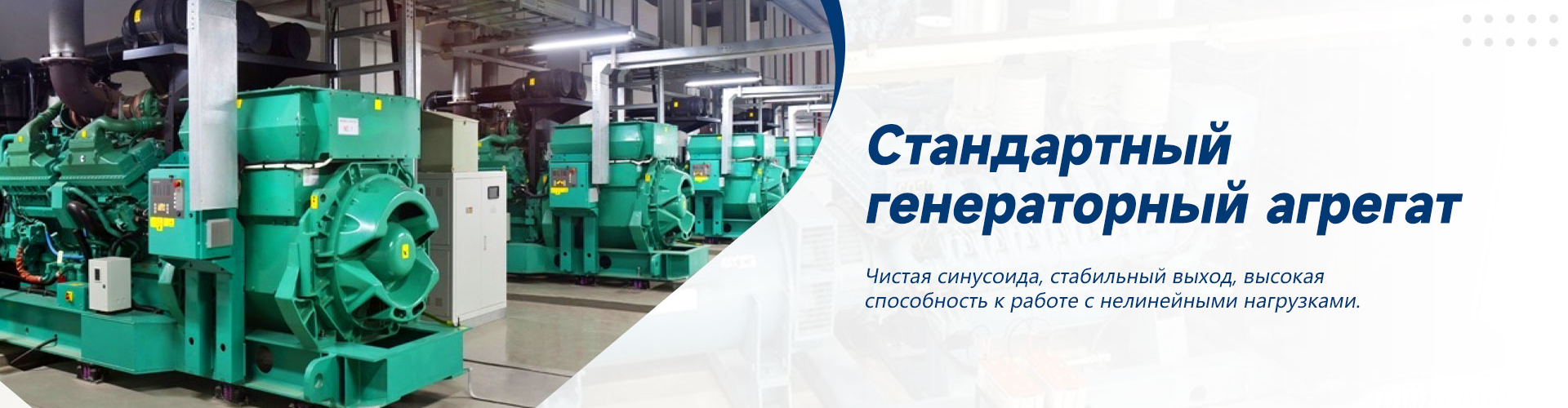
Oil power plant: specifics of operation and maintenance
2026-07-11
- What is an oil power plant and why is it a critical asset
- Specifics of operation in aggressive environments and Ex class areas
- Maintenance schedule: differences from the standard
- Typical errors during installation and commissioning
- The role of the modern manufacturer in ensuring reliability
- Benchmarking Maintenance Strategies: Reactive vs Proactive
- Modernization and digitalization: trends for 2025-2026
- Frequently Asked Questions
- Conclusion and next steps
What is an oil power plant and why is it a critical asset
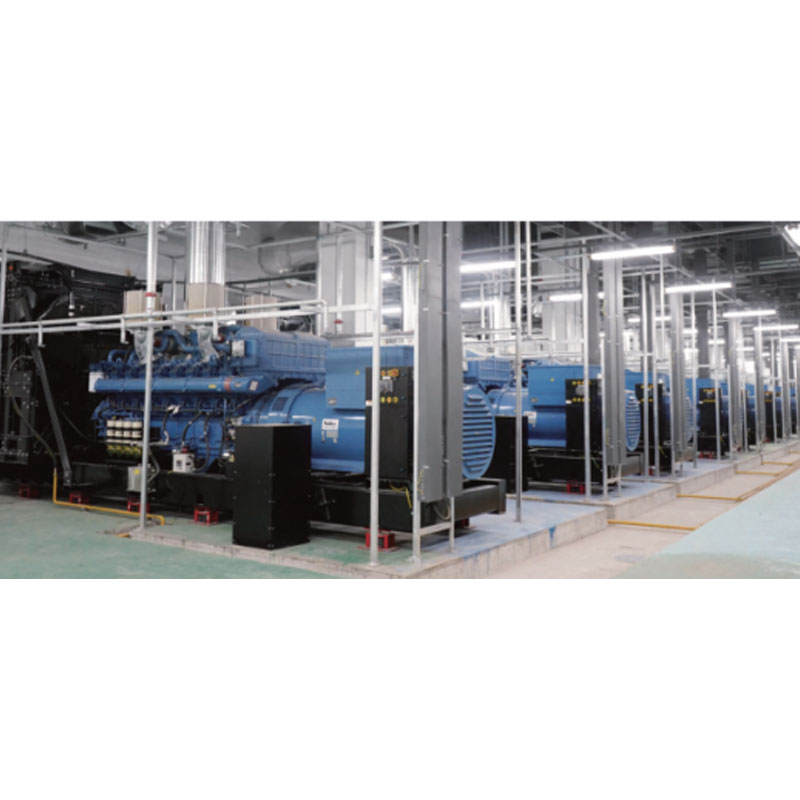
Oil power plant: specifics of operation and maintenanceis not just a set of diesel generators, but a complex engineering ecosystem, on the uninterrupted operation of which the safety of the entire oil refinery or drilling platform depends. In our practice, we have repeatedly encountered a situation where a power outage for 15 minutes led to a shutdown of technological processes, the cost of restoring which amounted to millions of rubles. The main mistake when designing such facilities is to consider them as standard industrial power sources, ignoring the aggressive chemical environment and hazardous Ex zones.
The reality is that equipment operating in a typical industrial area will fail within 3-4 months in oil production conditions due to exposure to hydrogen sulfide, hydrocarbon vapors and extreme temperature changes. This article was written by engineers who personally audited more than 40 energy facilities in Western Siberia and the Volga region. We will analyze not theoretical calculations from textbooks, but real problems: from choosing an air filtration system to the nuances of grounding in soils with a high salt content.
If you are responsible for the energy security of a facility, you need to understand the difference between a “running generator” and a “guaranteed power source.” Below we will describe in detail the technical requirements, maintenance regulations and hidden risks that equipment suppliers are often silent about.
Specifics of operation in aggressive environments and Ex class areas
Operating power equipment in the oil and gas industry is fundamentally different from working in the civil sector or conventional industry. The main factor determining the choice of equipment and its operating modes is the presence of explosive zones. According to GOST R 51330.0-99 (analogous to IEC 60079), the areas around oil storage tanks, loading units and some sections of process pipelines are classified as zones of class 0, 1 or 2. This means that any spark or overheating of the engine surface above the auto-ignition temperature of a particular oil fraction can lead to disaster.
In our practice, there was a case where a client tried to save money by installing a standard diesel generator in a casing near a class 1 zone, arguing that “the exhaust is vented upward.” The result was an accident two months later: static electricity on the housing caused a breakdown, since the potential equalization system was not designed for specific leakage currents in such an environment.Oil power plantmust have explosion protection certification of at least Ex d IIB T4, and in some cases Ex d IIC T4 if hydrogen or acetylene is present.
In addition to explosion protection, a critical factor is the chemical aggression of the environment. The air in oil refineries is saturated with vapors of hydrogen sulfide (H2S) and mercaptans. These compounds, when in contact with moisture, form weak acids that destroy copper alternator windings and aluminum radiators 5-7 times faster than under normal conditions. We observed corrosion of the stator windings after just 8 months of operation of standard generators without special varnish impregnation of class H or C.
The temperature regime also dictates its conditions. In winter in northern latitudes the temperature can drop to -50°C, and in summer near oil heating furnaces it can rise to +45°C in the shade. Standard preheaters often cannot cope with this range, requiring the installation of dual block heating systems: electric for the network and liquid from the engine cooling system for autonomy. An error in calculating the heating power by only 15% leads to the fact that the oil thickens and the engine does not start in an emergency.
Another aspect is vibration loads. Oil pumps and compressors create a constant low-frequency background, which, in combination with the diesel generator set’s own vibration, causes fatigue failure of the frame welds and fuel lines. In our projects, we always reinforce the frame with additional stiffening ribs and use vibration isolators with at least 90% damping, ignoring the standard rubber cushions that come as standard.
Action:Audit your current site for hazardous area classification and check your equipment labeling against GOST or API requirements. If the markings are missing or do not correspond to the zone, plan a replacement or upgrade during the next repair cycle.
Key reliability parameters for the oil industry
When choosing equipment, you cannot focus only on rated power. For the oil industry, critical parameters often remain in the fine print of specifications.
- IP protection degree:The minimum acceptable level is IP54, but we strongly recommend IP65 for units located outdoors. Oil production dust is sticky and clogs radiators and causes overheating. The difference between IP54 and IP65 in real conditions is up to 40% of the engine life.
- Alternator excitation system:Brushless system only with PMG (Permanent Magnet Generator). Brushes require frequent maintenance and create sparks, which is unacceptable. PMG provides stable voltage even when connecting powerful electric motors of pumps, which produce starting currents 6-7 times higher than the rated ones.
- Lifetime before major repairs:For the main power source (Prime Power), the resource must be at least 40,000 hours. The use of automotive-type engines with a service life of 10,000 hours will lead to the need to replace the power unit every 1.5 years with round-the-clock operation, which is not economically feasible.
- Control system:The controller must support Modbus TCP/IP protocols and be able to integrate into the enterprise SCADA system. Remote monitoring of parameters (oil temperature, boost pressure, fuel level) allows you to prevent 85% of emergency stops.
Maintenance schedule: differences from the standard
Serviceoil power plantrequires a much more stringent schedule than conventional engine manufacturer manuals dictate. The standard oil change interval of 500 hours for oil refining conditions is reduced to 250-300 hours. The reason lies in the composition of the fuel and the penetration of sulfur microparticles into the crankcase oil, which sharply reduces its base number (TBN) and anti-corrosion properties.
In one of our cases, the client ignored the recommendation to reduce maintenance intervals, citing the manufacturer’s warranty obligations. The result was scuffing of the crankshaft liners in the 12th month of operation. Laboratory analysis of used oil showed sulfur content 3 times higher than normal and complete depletion of additives. The warranty was not applied, since a violation of the operating regulations was recorded in the work log.
Particular attention should be paid to the air filtration system. In the steppe areas of oil production, the air contains abrasive dust, which acts like sandpaper on the cylinder-piston group. We recommend installing two-stage filters with cyclone pre-cleaners and vacuum sensors. The filter should be replaced not according to regulations, but according to the readings of the pollution sensor. A common mistake made by staff is blowing paper filters with compressed air. This destroys the micropores of the paper, and the filter no longer retains particles smaller than 5 microns, which leads to accelerated engine wear.
The cooling system also requires a specific approach. The use of ordinary water or unprepared antifreeze leads to the formation of scale and cavitation erosion of cylinder liners. In the oil and gas industry, it is mandatory to use distilled water with a special additive package (DCA) that protects against cavitation. Checking the concentration of additives with test strips should be carried out monthly. The lack of additives causes the appearance of microcavities in the liner, which over time leads to the breakthrough of gases into the cooling system and overheating.
The electrical part requires checking the insulation resistance at least once a quarter. In conditions of high humidity and chemical contamination, winding insulation ages faster. A resistance value below 1 MΩ per 1 kV of rated voltage indicates the need for drying or repair of the stator. Ignoring this parameter often leads to an interturn short circuit under load.
Action:Review your current maintenance schedule. Introduce mandatory monthly laboratory oil analysis and checking the concentration of additives in the coolant. It's cheaper than replacing the engine.
Weekly inspection checklist for the operator
To ensure reliability, personnel must perform the following checks, which go beyond standard instructions:
- Visual inspection for leaks:Inspect all flange connections of the fuel system and oil lines. Even a microscopic leak of diesel fuel in an Ex area is a critical safety hazard.
- Checking the electrolyte level in the battery:In hot climates, electrolyte evaporation occurs more intensely. A low level leads to sulfation of the plates and the inability to start in an emergency.
- Checking the tension of fan and alternator belts:Loosening the belt by just 5 mm can reduce the performance of the water pump by 20%, which will cause local overheating of the cylinder head.
- Listening to the engine:Any extraneous knocks or changes in exhaust tone may indicate a malfunction of the injectors or the beginning of destruction of the turbocharger bearings.
- Checking the operation of the pre-heater:Make sure that the coolant temperature is maintained at +40...+50°C. Cold starting at temperatures below +10°C significantly reduces engine life.
Typical errors during installation and commissioning
Failure statistics show that up to 30% of reliability problems arise at the installation stage. The most common mistake is improper organization of ventilation of the machine room or container. Often designers calculate the cross-section of air ducts only based on the combustion air flow rate, forgetting about the heat generated by the radiator and the engine itself. As a result, a “heat bag” effect occurs: the temperature of the incoming air exceeds the permissible +40°C, the engine loses power (derating) and operates in constant overheating mode.
We encountered a situation where a new 1 MW power plant at a site in Tatarstan could not reach full load in the summer. The cause turned out to be recirculation of hot air due to the location of the exhaust and supply ducts being too close. The modification of the ventilation system cost the customer 15% of the cost of the equipment itself. Correct calculation requires taking into account the aerodynamic resistance of blinds, filters and mufflers.
The second critical mistake is poor grounding. In soils with high resistivity (rocks, sand), typical of many deposits, a simple ground loop does not provide the necessary resistance (no more than 4 ohms for networks up to 1000 V). Lack of quality grounding leads to the accumulation of static charge on the housing and damage to the sensitive electronics of the controller due to lightning discharges or switching overvoltages. The solution is to use modular pin grounding using special electrolytic electrodes or chemical reagents to reduce soil resistance.
The third aspect is fuel quality. Many facilities use their own diesel fuel reserves, which are stored for months. Over time, bacteria and fungi multiply in the fuel, forming mucus, which clogs fine filters and damages Common Rail fuel equipment. Installation of a fuel polishing system (filtration and water separation) in the fuel tank circulation circuit is mandatory for the long-term operation of modern high-pressure equipment.
The fourth mistake is ignoring the vibration decoupling of the exhaust system. A rigid muffler-to-engine connection without a flexible compensator transmits vibration to building or container components, causing fatigue cracks in exhaust pipe welds. This can lead to carbon monoxide poisoning of personnel or a fire due to the breakthrough of hot gases.
Action:Before signing the equipment acceptance certificate, request thermal imaging inspection of the cooling system under load and measurement of the ground loop resistance by an independent laboratory.
The role of the modern manufacturer in ensuring reliability
Considering the operating conditions described above, the choice of equipment supplier becomes a strategic decision. There are companies on the market that can offer not just hardware, but comprehensive engineering solutions adapted to the specifics of the oil and gas industry. A striking example of this approach isYuke (Shandong) Electrical Technology LLC.
This professional Chinese company specializes in the design and production of autonomous and backup power supply systems, combining advanced engineering competencies with a deep understanding of the requirements of international standards. Based in Shandong Province, the company is a solutions integrator through strategic partnerships with the world's leading engine and generator brands such as Cummins, MTU, Perkins, SEM and Yuchai.
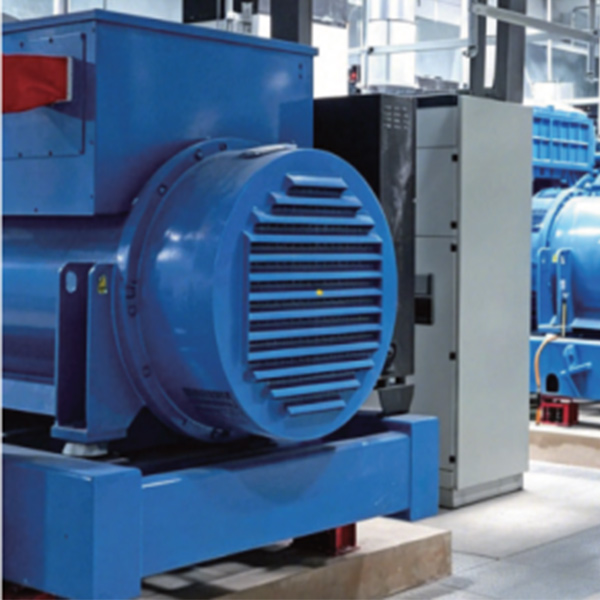
The product portfolio of Yuke LLC ideally meets the needs of the oil industry. The company offers a wide range of specialized installations: from mobile power trailers and emergency power vehicles to high-power high-voltage generator sets (VHMD5, VHSD5, VHYD5, VHCD5 series) and liquid-cooled energy storage systems. Particular attention is paid to the VCD, VSD and VPD series of diesel generators, which are designed taking into account the need to operate in extreme climatic conditions and aggressive environments.
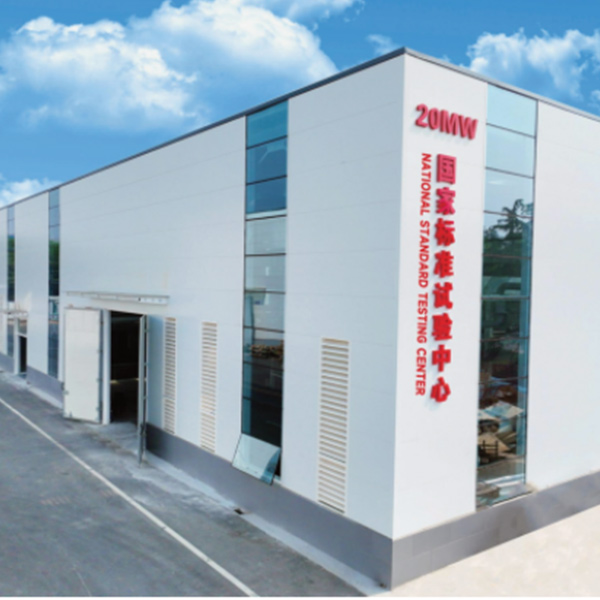
The key advantage of the Yuke approach is the strictest quality control system. Each piece of equipment undergoes mandatory load tests of at least 4 hours under rated and partial load before shipment. The parameters of noise, vibration, temperature and stability of the output voltage are checked. Such careful preparation minimizes the risks of early failures, which were discussed in the section on common installation errors.
In addition, the company is actively developing the area of digitalization and hybridization, offering solutions compatible with modern energy management systems. This allows customers to implement proactive maintenance strategies, discussed later in the article. The presence of a network of authorized service partners in the CIS countries, Asia and the Middle East guarantees prompt technical support and the supply of original spare parts, which is critical for compliance with strict maintenance regulations in remote production regions.
Benchmarking Maintenance Strategies: Reactive vs Proactive
The choice of maintenance strategy determines the asset's total cost of ownership (TCO). The table below compares the two approaches as applied to oil production conditions.
| Comparison parameter | Reactive maintenance (after failure) | Proactive maintenance (condition and forecast) |
|---|---|---|
| Cost of spare parts | High. Urgent delivery of original components is required, often via air freight. | Low. The purchase is planned in advance, wholesale prices and analogues are used. |
| Downtime | From 24 hours to 2 weeks. Critical for continuous processes. | Planned for planned production shutdowns. Minimal impact. |
| Risk of secondary damage | Tall. The failure of one component (for example, an oil pump) often leads to complete engine destruction. | Minimum. The defect is detected at an early stage (vibration, oil analysis). |
| Personnel safety | Low. Emergency repairs in the field increase the risk of injury. | High. The work is carried out in an equipped workshop according to regulations. |
| Budget predictability | Zero. It is impossible to plan repair costs. | High. The budget is formed a year in advance with an accuracy of up to 90%. |
Analysis shows that switching to a proactive model that includes continuous vibration monitoring and engine oil analysis increases service costs by 15-20%, but reduces overall repair and downtime costs by 40-50%. For an oil-fired power plant, where an hour of downtime can cost more than a month's maintenance budget, the choice is obvious.
It is important to note that proactive maintenance requires qualified personnel or a contract with a service organization that has mobile laboratories. An attempt to implement such a system using unqualified staff without the appropriate equipment will only lead to imitation of the activity.
Action:Calculate the cost of one hour of downtime in your production. If this amount exceeds the cost of a comprehensive annual service contract, switching to a proactive model makes economic sense from the first month.
Modernization and digitalization: trends for 2025-2026
The energy market for the oil and gas sector is moving towards complete digitalization and autonomy. By 2026, it is expected that more than 60% of new and modernized stations will be equipped with predictive analytics systems based on artificial intelligence. These systems not only record emergency values, but also analyze trends in parameter changes, predicting failure 2-3 weeks before it occurs.
For example, machine learning algorithms can notice micro-changes in the voltage waveform or slight rise in turbine bearing temperature that are invisible to the human eye and standard threshold alarms. This allows you to schedule repairs at a convenient time, avoiding emergency stops. Integration of such systems with corporate ERP systems allows you to automatically generate requests for spare parts and call a service team.
Another important trend is hybridization. The combination of diesel generators with energy storage systems (BESS) and solar panels can reduce fuel consumption by 20-30% and reduce the number of engine starts. DGSs operate at optimal load conditions (75-80%), and peak loads are covered by batteries. This significantly extends engine life and reduces emissions, which is critical in light of increasingly stringent environmental regulations and carbon taxes.
However, the introduction of new technologies has its risks. The complexity of electronic equipment requires more highly qualified operating personnel. An ordinary diesel mechanic can no longer service a station with digital control and a predictive diagnostic system. Companies will have to invest in employee training or completely outsource maintenance functions to specialized contractors.
The issue of cybersecurity is also worth mentioning. Connecting industrial generators to a common enterprise network opens up new vectors for hacker attacks. Securing data links and isolating power control loops from the corporate network is becoming a requirement of security standards.
Action:Evaluate the possibility of installing remote monitoring modules on your existing equipment. Even a basic level of telemetry will give you an advantage in the speed of response to emergency situations.
Frequently Asked Questions
How often should the oil in a petroleum power plant engine be changed?
In contrast to standard recommendations (500 hours), for oil production conditions with high sulfur content in air and fuel, the oil change interval should be reduced to 250-300 operating hours. The exact interval is determined only by regular laboratory analysis of the oil (spectral analysis and determination of the base number). If the TBN falls below 50% of the initial value, replacement is required immediately, regardless of operating hours.
Is it possible to use regular summer diesel in winter?
Absolutely not. Using summer fuel at temperatures below +5°C will cause waxing and filter clogging, which will stop the engine. It is necessary to use winter or arctic diesel fuel with a cloud point below the minimum expected temperature by 5-7 degrees. In extreme cases, it is possible to add depressant additives, but this is a temporary measure that does not guarantee the protection of Common Rail fuel equipment.
What IP protection class is required for an outdoor generator?
The minimum acceptable class is IP54, but for reliable operation in dusty and rainy conditions we recommend IP65. IP54 class protects against splashes and coarse dust, but does not guarantee sealing in strong winds with dust or slanting rain. IP65 provides complete protection against dust and water jets, which is critical to prevent short circuits and winding corrosion.
Why does the generator hum under load?
A hum may indicate several problems: uneven load across the phases (phase imbalance more than 20%), loosening of the stator to the frame, damage to the rotor bearings, or operation of the cooling system at its maximum capacity. It is necessary to immediately check the load balancing with an ammeter and conduct vibration diagnostics. Operation with a strong hum can lead to destruction of the mounting points and failure of the alternator.
Is a special permit required to operate a diesel generator set in a hazardous area?
Yes, the equipment must have a certificate of compliance with explosion protection requirements (Ex-certificate) and a passport for explosion-proof electrical equipment. Installation and operation must be carried out by personnel authorized to work in hazardous areas, in accordance with the electrical installation rules (ELR) and industry safety instructions. Lack of documentation entails huge fines and suspension of the enterprise's activities during inspection by Rostechnadzor.
Conclusion and next steps
Operationoil power plantis a balance between maximum reliability and economic efficiency. Ignoring the specifics of the environment, skimping on the quality of service or attempts to use equipment for other purposes inevitably lead to accidents, the cost of which is many times greater than the savings. Experience shows that investing in the right filtration system, quality lubricants and predictive monitoring pays off by extending the overhaul interval and eliminating unscheduled downtime.
Don't wait for equipment to fail at the most inopportune moment. The reliability of your business's energy supply depends on the actions you take today. If you doubt the correctness of the chosen maintenance schedule or want to audit the current state of your power plants, our experts are ready to help.
Contact us todayfor advice on optimizing the operation of your equipment and selecting spare parts that meet the harsh conditions of the oil and gas industry. We also recommend that you familiarize yourself with ourcomprehensive service manualto learn more about methods to extend the life of your assets.
-


-
-


WeChat

-
WeChat