

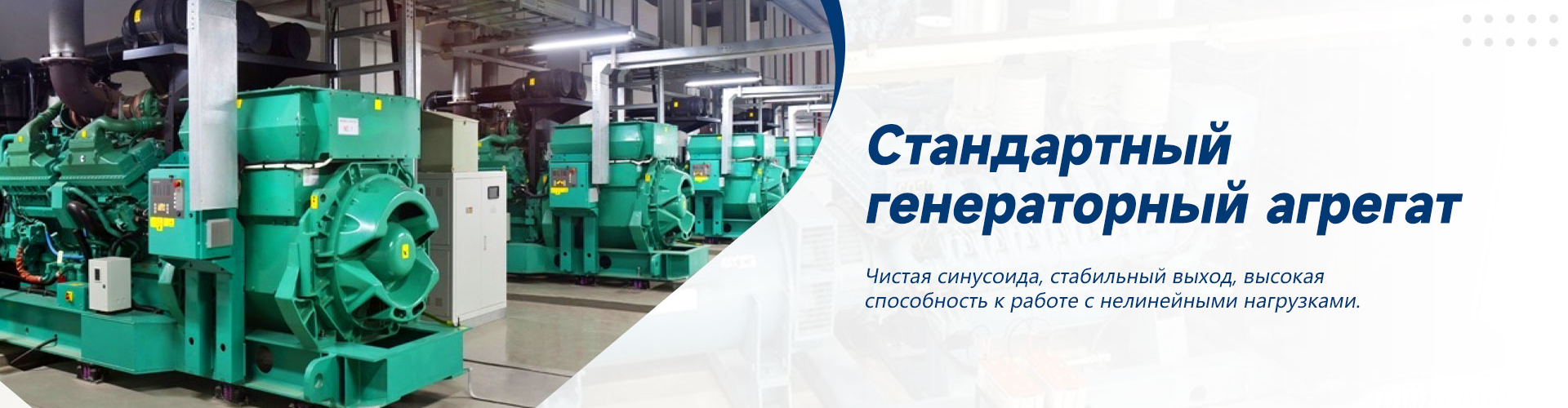
Diesel generator: design, principle of operation and repair
2026-07-12
- What is a diesel generator and why does it stop at the most inopportune moment?
- Diesel generator design: anatomy of reliability and hidden components
- Working principle of diesel generator: from fuel injection to stable current
- Typical faults and professional repair of diesel generators
- Maintenance as a method to prevent emergency repairs
- Selection criteria and operating limitations
- Engineering approach to production: experience of Yuke (Shandong) Electrical Technology LLC
- Frequently Asked Questions
What is a diesel generator and why does it stop at the most inopportune moment?
A diesel generator is an autonomous power plant that converts the chemical energy of fuel into electricity through mechanical rotation of the shaft, but 80% of failures at sites occur not due to engine failure, but due to errors in the excitation system or incorrect selection of power for peak loads. In our practice, we have repeatedly encountered a situation where a client purchased a unit strictly according to the rated power, ignoring the starting currents of inductive motors, which led to instantaneous activation of the protection when starting the pumping equipment. Understanding the structure of a diesel generator: its design, operating principle and repair nuances is not just a theoretical basis, but a critical skill for preventing production downtime, which can cost millions of rubles per hour. If you are reading this article, it means that you don’t just need to “buy hardware”, but get a reliable source of energy that will not fail at temperatures of -40°C or during power surges in the main network.
We have been working with industrial power systems for over 15 years and know that the devil is in the details: from the quality of the injectors to the settings of the AVR voltage regulator. In this material we will analyze the anatomy of a diesel generator without marketing fluff, explain the physics of the processes in simple language and give a clear algorithm of actions when diagnosing faults. You will learn why changing the oil every 250 hours may not be sufficient for Russian conditions and how to distinguish a real engine problem from sensor failure. This guide is written by engineers for engineers and technical directors who want facts, not hype.
Diesel generator design: anatomy of reliability and hidden components
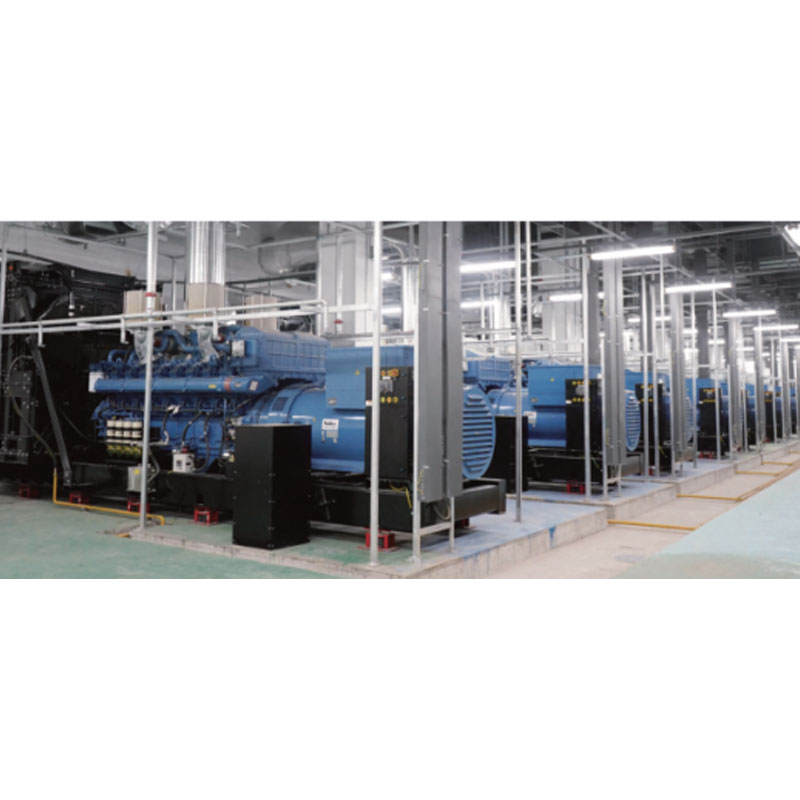
Structurally, any diesel generator consists of two main units: a prime mover (diesel) and a synchronous generator (alternator), connected through a rigid or damper coupling, but the efficiency of the entire system depends on the coordinated operation of auxiliary systems, which are often left out of the picture during a superficial inspection. The internal combustion engine serves as a source of mechanical energy, where the ignition of the air-fuel mixture occurs due to high compression rather than a spark, which provides high torque even at low speeds. The generator, in turn, converts this rotation into electric current due to the phenomenon of electromagnetic induction, but the quality of the output voltage directly depends on the excitation and stabilization system.
Let's look at the key components that define an installation resource. The cylinder block and piston group are the heart of the engine, where surface precision is measured in microns. In our service centers, we often see scoring on cylinder liners on units that have operated for less than 1000 hours; The reason is almost always the same - the use of counterfeit filters or violation of oil change intervals. The high-pressure fuel system (HPF) and injectors require pinpoint precision: the fuel spray must be a fine mist, not a jet, otherwise the efficiency drops and soot formation increases exponentially. One of our clients lost three batches of production due to the fact that one clogged injector caused uneven operation of the engine and a drop in current frequency to 47 Hz, which disabled the sensitive electronics of CNC machines.
The cooling and lubrication system is often underestimated until it overheats. The radiator must ensure heat removal not only from the engine, but also from the intercooler (if there is one), and in dusty production workshops, the radiator honeycombs become clogged within one season, reducing the efficiency of heat transfer by 30-40%. We recommend installing differential pressure gauges on filters to visually monitor their contamination, rather than relying on regulatory deadlines. The alternator excitation system, whether brushed or brushless, is responsible for voltage stability. Brushes require regular replacement and cleaning of the commutator, while brushless systems are more reliable, but more difficult to diagnose in case of breakdown of rotating diodes.
The frame and vibration isolation are the skeleton of the installation. Incorrect installation on the foundation without taking into account vibration loads leads to destruction of the frame welds and breakage of fuel pipes. We have seen cases where powerful generators literally “walked” on the floor of the room due to the lack of proper vibration supports, which caused fatigue failure of the metal structures of the building. The control panel (controller) is the brain of the system, monitoring hundreds of parameters per second. Modern controllers are able to predict accidents based on trends in parameter changes, but only if the sensors are operational and calibrated.
To understand the full operating cycle, it is important to know that each unit affects the other: a dirty air filter increases fuel consumption and exhaust gas temperature, which accelerates turbocharger wear. Therefore, when evaluating a diesel generator design, components cannot be considered in isolation.Check the condition of the vibration mounts and the integrity of the fuel lines on your current equipment right now - it will take 10 minutes, but it could save you from a serious accident.
Working principle of diesel generator: from fuel injection to stable current
The operating principle of a diesel generator is based on sequential energy conversion: the chemical energy of diesel fuel burns in the cylinders, creating excess pressure that pushes the pistons, rotating the crankshaft, which transmits torque through a clutch to the generator rotor, inducing an electric current in the stator windings. This process seems linear, but in practice it is a complex dynamic system with feedback, where the slightest deviation in one parameter causes a chain reaction of changes in others. The key element here is the timing of fuel delivery and injection timing, which must vary with load to maintain a constant speed (typically 1500 rpm for 50 Hz).
The operating cycle of a four-stroke diesel engine includes intake, compression, stroke and exhaust. During the compression stroke, the air heats up to 700-900°C, and at this moment the nozzle injects fuel, which self-ignites. Power is regulated by the amount of fuel supplied, and not by the throttle valve, as in gasoline engines. However, when the load on the generator increases sharply (for example, turning on a powerful electric motor), the engine speed begins to drop. This is where the speed controller (governor) comes into play, instantly increasing the fuel supply to compensate for the drop in speed. If the regulator is configured incorrectly or has backlash, the phenomenon of frequency “swinging” occurs when the speed either exceeds the norm or falls below, making the current unsuitable for use.
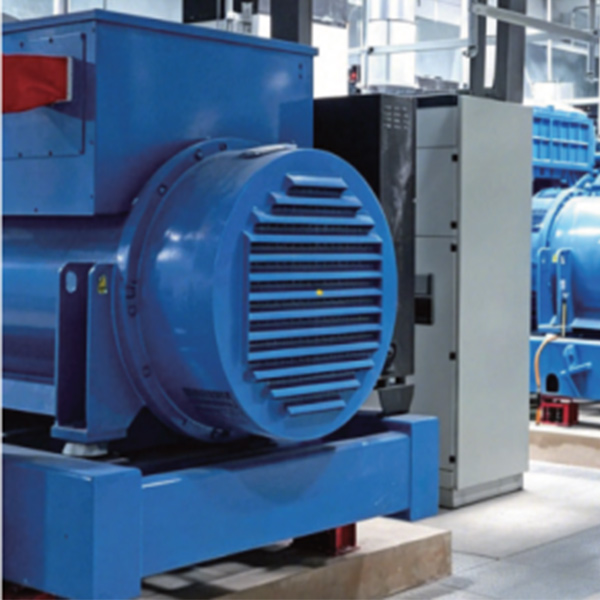
In an alternating current generator, the operating principle is based on the rotation of the rotor magnetic field inside the stationary stator windings. Excitation of a magnetic field can be carried out in different ways. In the classic brush design, current is supplied to the rotor windings through graphite brushes and slip rings. More modern brushless systems use an additional exciter and rotating rectifier unit, eliminating sparking and the need for frequent maintenance. The Automatic Voltage Regulator (AVR) continuously monitors the output voltage and adjusts the field current: if the voltage drops under load, the AVR increases the rotor current, increasing the magnetic field and restoring volts to nominal.
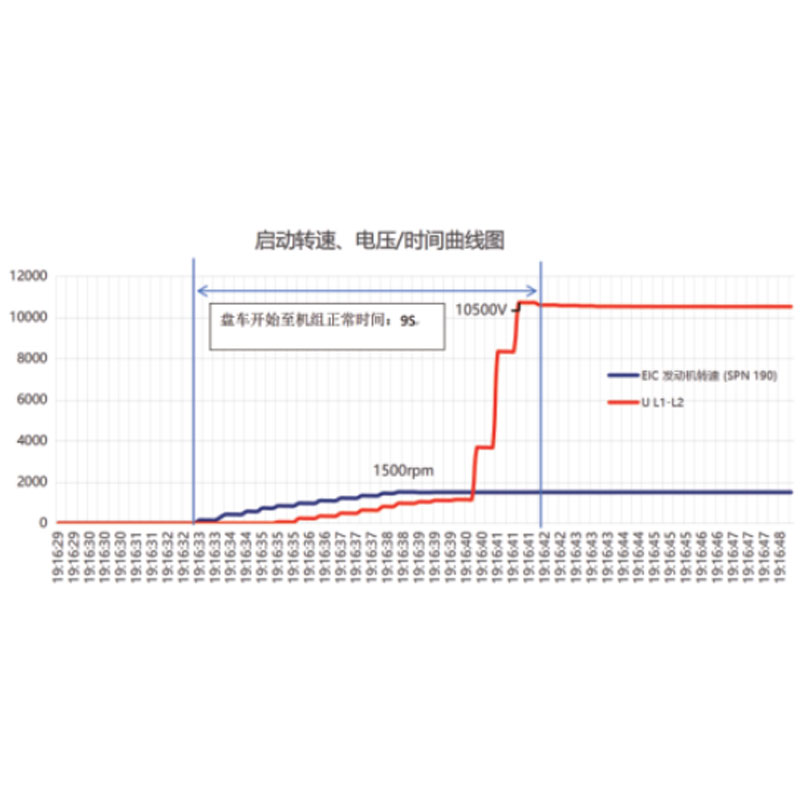
Particular attention should be paid to transition processes. When the load increases, the engine must be able to increase power in a fraction of a second. A delayed turbocharger response (turbo lag) can cause a brief rich mixture and black smoke from the tailpipe, a sign of inefficient combustion. In our practice, we have recorded cases where generators stalled when a load of only 60% of the nominal load was connected due to an incorrectly configured regulator characteristic, although the engine was completely mechanically sound. This confirms that the operating principle of a diesel generator is inextricably linked with the quality of the settings of electronic and mechanical control systems.
The energy conversion efficiency (ECE) of modern diesel generators reaches 35-45%, the rest of the energy goes into heat and noise. That is why the cooling system and noise suppression are an integral part of the operating cycle. Overheating leads to expansion of parts and jamming, and overcurrent leads to overheating of the stator windings and insulation breakdown.Carry out a test at idle and a sharp increase in 50% load, measuring the recovery time of frequency and voltage - if it exceeds 3-5 seconds, the regulator needs to be adjusted.
Typical faults and professional repair of diesel generators
Diesel generator repair begins not with a wrench, but with competent diagnostics, which allows you to separate symptoms from the root cause. Statistics from our service department show that 65% of calls are related to the fuel and starting systems, 20% are related to the alternator electrical part and control panel, and only 15% are related to serious mechanical engine failures. The most common problem is difficult starting or failure to start. Often the culprit is not the battery, but oxidized terminals or a faulty starter relay that is not supplying enough current. In winter, the problem of fuel thickening and filter waxing is added, which requires the use of winter grades of diesel fuel or heaters.
Unstable engine operation (“floating” speed) often indicates air leaks in the low-pressure fuel line. Even a microscopic crack in the hose or a loose connection can allow air bubbles to enter the injection pump, disrupting the injection cycle. We encountered a case where a crew replaced injectors and a pump over the course of three days until an experienced engineer discovered a crack in the clear fuel sediment filter. Another common reason is wear of the injection pump plunger pairs, which leads to a drop in injection pressure and deterioration of fuel atomization, manifested in black exhaust and loss of power.
Engine overheating is a critical malfunction that requires immediate shutdown. The reasons can be external (clogged radiator, faulty fan, belt tension) or internal (burnout of the cylinder head gasket, gases entering the cooling system, faulty thermostat). It is important to check for the presence of emulsion in the oil (a sign of antifreeze penetration) and bubbles in the expansion tank. In one industrial project, we identified chronic overheating due to radiator shutters being blocked by storage pallets positioned too close to the air intake - a simple space planning error.
Electrical faults of the alternator include loss of residual magnetism (the generator does not produce voltage when starting), breakdown of the diode bridge or inter-turn short circuit in the windings. Loss of magnetism can be treated by flashing the field with an external current source, but if this happens regularly, it means there is a leak in the excitation circuit. Diode breakdown is often accompanied by a characteristic hum and voltage ripple, which can be seen on an oscilloscope. Repairing windings requires specialized impregnation and drying equipment, and in the field the entire stator or rotor is usually replaced.
High oil consumption and blue exhaust indicate worn oil rings or valve guides. Ignoring this symptom leads to coking of the piston grooves and sticking of the rings, which will require a major overhaul with boring of the block. A modern approach to repair involves using endoscopy to inspect cylinders without disassembling the engine, saving time and reducing the risk of assembly errors.If you notice increased oil consumption or a change in exhaust color, get an oil sample immediately for analysis - it's cheaper than replacing the engine.
| Symptom | Probable Cause | Diagnostic method | Solution |
|---|---|---|---|
| The engine does not start (the starter turns) | Lack of fuel, air in the system, malfunction of the stop solenoid valve | Checking the fuel level, bleeding the system with a hand pump, checking the signal on the valve | Removing air, replacing the filter, repairing the valve control circuit |
| Black smoke from the exhaust pipe | Over-rich mixture, clogged air filter, faulty injectors, overload | Measuring boost pressure, checking smoke, analyzing the operation of injectors on a bench | Replacing the filter, adjusting the injection pump, replacing nozzles, reducing the load |
| Unstable voltage (voltage floats) | AVR malfunction, poor contact in the excitation circuit, worn brushes | Measurement of winding resistance, visual inspection of the brush-commutator assembly | Setting up or replacing AVR, cleaning contacts, replacing brushes |
| Engine knocking under load | Increased clearance in crankshaft bearings, detonation (early injection) | Acoustic diagnostics, measuring oil pressure, checking the injection timing | Adjusting the injection angle, replacing liners (overhaul) |
| Coolant overheating | Clogged radiator, faulty thermostat, low fan belt tension | Visual inspection of the radiator, checking the opening of the thermostat in hot water | Flushing the radiator, replacing the thermostat, adjusting belts |
Maintenance as a method to prevent emergency repairs
Regular maintenance of a diesel generator is the only way to ensure it is ready to operate in an emergency. Many owners make the mistake of servicing the unit only based on engine hours, ignoring the calendar period and operating conditions. The oil in the engine crankcase oxidizes and loses its properties not only from work, but also from time, as well as from condensation formed during rare starts for a short time. In our practice, there was a case when a new generator failed after six months of inactivity due to cylinder corrosion caused by acids formed in the old oil.
The first and most important rule is to change the engine oil and filters. Intervals depend on the oil class and fuel quality, but for standard conditions every 250-400 operating hours is recommended. Using oil with the wrong viscosity index (for example, too thin for hot climates) leads to a drop in pressure in the lubrication system and accelerated wear. Coarse and fine fuel filters must be changed more often than the manufacturer recommends if the quality of the fuel at the site is in doubt. Water in fuel is the main enemy of plunger pairs, leading to cavitation erosion and pump jamming.
Checking the cooling system includes monitoring the antifreeze level, its concentration (protection against freezing and corrosion) and the condition of the pipes. The fan and water pump drive belt must have the correct tension: sagging more than 10-15 mm leads to overheating, and overtightening leads to destruction of the pump bearings. The air filter requires special attention in dusty conditions: blowing with compressed air is allowed a limited number of times, after which the filter must be replaced, since microcracks in the paper allow abrasive dust to pass through, acting as sandpaper for the cylinders.
The electrical part also needs revision. Tightening battery terminals and power cables is mandatory, as vibration loosens connections, causing heating and burnt contacts. Checking the electrolyte level in the battery (for serviced models) and charge density should be carried out monthly. The control controller must be tested for the correct operation of protections: simulating emergency oil pressure, overheating and overspeed should lead to immediate engine shutdown. Ignoring these checks turns the protection system into a fiction.
Keeping an operation and maintenance log is not a bureaucracy, but an analysis tool. By recording operating parameters (temperature, pressure, voltage) during each maintenance, you can build trends and predict a breakdown before it occurs. For example, a gradual increase in oil temperature at the same load indicates contamination of the heat exchanger or engine wear.Create a maintenance schedule for the next quarter today, taking into account not only engine hours, but also seasonal factors, such as preparation for winter or summer heat.
Selection criteria and operating limitations
The choice of diesel generator should be based on a careful calculation of power consumption, taking into account safety factors and starting currents. An error in calculations at the design stage leads to chronic overload and rapid failure of the unit. For active loads (lighting, heaters), the power reserve is 10-15%, but for inductive loads (electric motors, transformers), it is necessary to take into account inrush currents, which can exceed the rated current by 5-7 times. Using Standby mode allows short-term overloads of up to 10%, but Prime mode requires operating at no more than 70-80% of nominal to ensure longevity.
Climate control plays a decisive role in reliability. Standard containers are designed for a temperature range from -20°C to +40°C. Operation at lower temperatures requires the installation of coolant and oil heaters, as well as body insulation. High temperatures require increased ventilation and possibly derating (reduction of rated power) of the engine, as air density drops, impairing cylinder filling. GOST 15150 regulates performance for various macroclimatic regions, and ignoring these standards when purchasing for Siberia or the Far North is a direct road to equipment failure.
Noise and vibration levels become a critical factor when installing generators in residential areas or near office buildings. Enclosures with increased noise insulation reduce the sound level to 70-75 dBA at a distance of 7 meters, but limit airflow, requiring more powerful fans. Vibration-isolating foundations are required to prevent the transmission of structural noise to the building. We recommend carrying out acoustic measurements after installation, since even small gaps in the casing can negate all sound insulation.
Certification and compliance with standards (EAC, CE, ISO 8528) ensure that the equipment has passed the necessary tests and is safe to use. Having a GOST R certificate of conformity or a TR CU declaration is mandatory for legal work in Russia and the EAEU countries. Purchasing “gray” imported units without documents carries the risk of not only fines, but also a lack of technical support and spare parts.Before purchasing, ask the supplier for a load map of your facility and ask for a calculation of the generator’s operating point - this will save you from buying illiquid goods.
Engineering approach to production: experience of Yuke (Shandong) Electrical Technology LLC
Choosing reliable equipment is impossible without understanding how it is created. A striking example of the integration of advanced engineering competencies and strict quality control is the company’s activitiesYuke (Shandong) Electrical Technology LLC" Located in Shandong province, this company specializes in the development and production of complete solutions for autonomous and backup power supply, combining the functions of a manufacturer and a system integrator.
The Yuke philosophy is based on the principle of “reliability through responsibility,” which is especially important in the context of the problems with equipment failures discussed above. The company doesn't just assemble generators, but creates customized solutions based on strategic partnerships with global industry leaders: Cummins, MTU, Perkins, SEM and Yuchai engines. This approach allows you to avoid typical “garage assembly” mistakes, when mismatched components lead to premature wear. The company's product portfolio covers eight key categories, including silent generator sets, mobile power trailers, high-voltage installations (VHMD5, VHSD5 series, etc.) and advanced liquid-cooled energy storage cabinets.
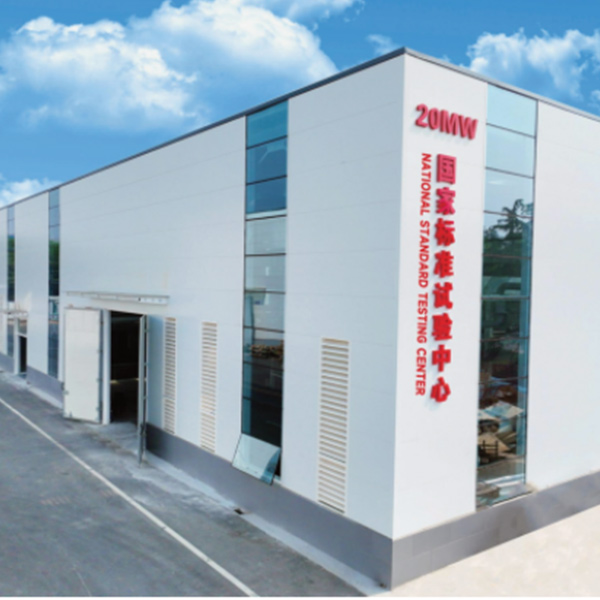
The key difference between the Yuke production process is a multi-level quality control system that eliminates defects. Each piece of equipment undergoes mandatory load tests lasting at least 4 hours under rated and partial load. This allows you to identify hidden assembly defects, check voltage stability and temperature conditions even before shipment to the client - a practice that directly affects the reduction of the number of failures in the first hours of operation. In addition, products are adapted to the specific requirements of the CIS, Asian and Middle East markets, taking into account harsh climatic conditions and local energy consumption standards.
For customers seeking to minimize the risks of downtime, cooperation with manufacturers such as Yuke means receiving not just hardware, but a ready-made engineering solution. The company provides a full cycle of support: from audit and design to personnel training and supply of original spare parts. Having our own technical base allows us to quickly modify installations for specific tasks, be it providing energy to remote areas or backup power to critical infrastructure.
Frequently Asked Questions
How often do you need to change the oil in a diesel generator?
The oil change interval depends on the engine model and the quality of the fuel used, but the standard recommended interval is 250-400 engine hours. However, if the generator operates in difficult conditions (high dust levels, frequent short starts, use of low quality fuel), the interval should be reduced to 150-200 operating hours. Also, the oil must be changed at least once a year, even if the watch has not reached the operating hours, since over time it oxidizes and accumulates moisture.
Why does the generator produce black smoke?
Black smoke indicates incomplete combustion of fuel due to over-richness of the mixture. The main reasons: clogged air filter (lack of air), faulty injectors (poor atomization), incorrect fuel injection pump settings or generator overload. It is necessary to sequentially check the air filter, carry out diagnostics of the injectors on the bench and make sure that the connected load does not exceed the rated power of the installation.
Can summer diesel fuel be used in winter?
Absolutely not. Summer diesel fuel becomes waxed already at a temperature of about -5°C...-10°C; paraffin crystals clog fuel filters and block the fuel supply, which leads to engine shutdown. For winter operation, it is necessary to use winter or arctic fuel, or add special depressant additives, although the latter option is less reliable in severe frosts.
What to do if the generator does not produce voltage?
First check the circuit breakers and fuses in the field circuit. A common cause is the loss of residual magnetism of the rotor after a long period of inactivity - in this case, a procedure for “flashing” the field by applying an external voltage to the field winding is required. You should also check the serviceability of the AVR and the integrity of the brushes (if any). If simple measures do not help, professional diagnostics of the stator and rotor windings is required.
What power reserve is needed when choosing a generator?
For backup power supply (Standby), a power reserve of 10-15% of the sum of consumer powers is recommended. For the main power source (Prime), the reserve should be 20-30%, since long-term operation at 100% load reduces the engine life. In addition, it is necessary to take into account the starting currents of electric motors, which can briefly exceed the nominal value by several times, requiring an appropriate reserve of generator power.
Understanding the structure, operating principle and repair rules of a diesel generator allows you to turn it from a source of problems into a reliable asset of your business. Don't wait for a breakdown to start asking about the condition of your equipment. Regular diagnostics, qualified maintenance and correct selection of spare parts are the key to uninterrupted power supply. If you are faced with a complex fault or are planning to modernize your energy center, our experts are ready to audit your system and offer the optimal solution.
Contact us todayfor advice on maintenance and repair of your equipment. We will help extend the life of your generators and avoid unplanned downtime. Find out more about our services atmaintenance of diesel generatorsand receive an individual prevention plan.
-


-
-


WeChat

-
WeChat