

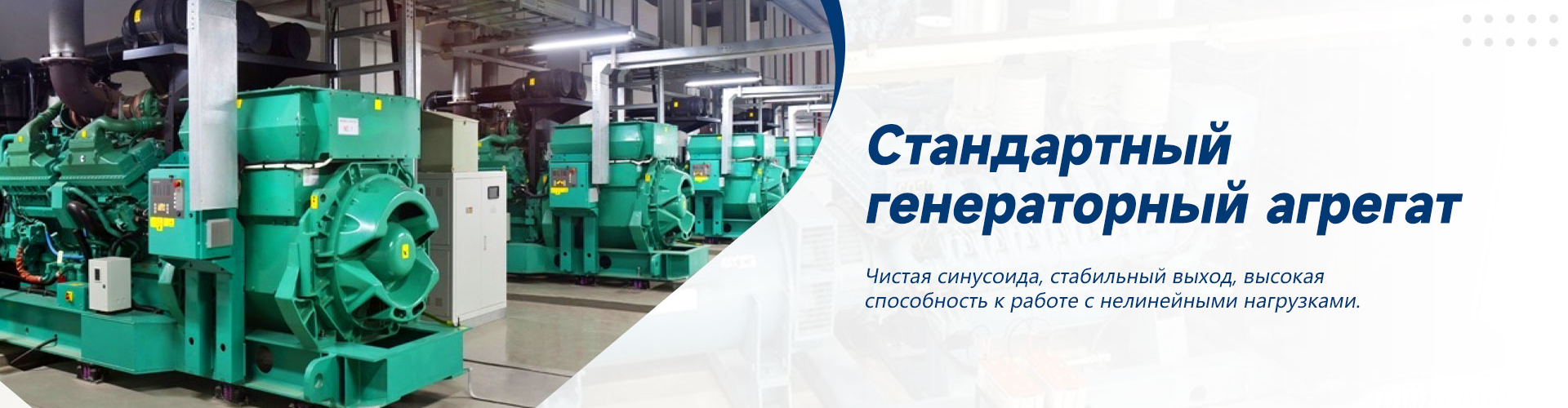
Containerized generator sets: all-weather design
2026-07-12
- Why all-weather containerized generator sets are not just an “iron box”
- Design features and protection from extreme conditions
- Noise reduction and environmental requirements
- Technical parameters and configuration selection
- Logistics, installation and commissioning
- Economic efficiency and payback period
- Frequently Asked Questions
- Final recommendations for choosing a supplier
Why all-weather containerized generator sets are not just an “iron box”
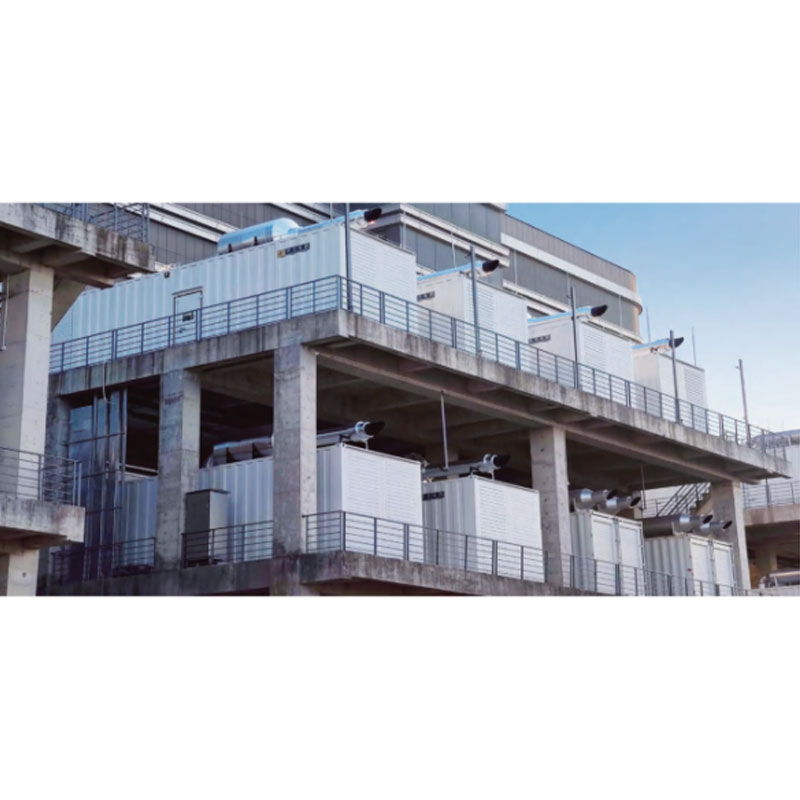
Containerized Generator Sets: All-weather design is the reliability standard for sites where power failure cannot be tolerated. In our practice of working with industrial customers from Kaliningrad to Vladivostok, we have seen hundreds of cases where an attempt to save on climate control led to the shutdown of production lines. A regular canopy or simple casing does not protect the electronics from condensation during sudden temperature changes, and this is the main reason for the failure of AVR control units.
When the temperature drops below -40°C and the air humidity reaches 98%, ice begins to form on the contacts inside the poorly insulated compartment. We have recorded cases where customers lost up to 15% of engine life due to cold starts without preheating the oil. An all-weather container solves this problem comprehensively: it combines the heating, ventilation, fire extinguishing and noise reduction systems into a single engineering organism.
This article was written by engineers who were personally involved in the commissioning of more than 200 such stations. We will not retell the advertising brochures. Here you will find real heat loss data, dew point calculations and specific foundation requirements that are often ignored by designers. If you are planning to purchase equipment for work in the Far North or desert, this information will save your budget on subsequent repairs.
Design features and protection from extreme conditions
The main task of an all-weather container is to create an artificial microclimate independent of the external environment. The standard version according to GOST 15150 category UHL1 requires operation at temperatures from -60°C to +40°C. However, simply putting diesel in a metal box is not enough. The key element is the thermoregulation system, which must maintain the temperature in the engine compartment at least +5°C even at outside temperatures of -50°C.
In our projects we use a three-layer sandwich panel with mineral wool insulation no less than 100 mm thick. This is critical to prevent condensation. The dew point shifts inside the insulation, and not on the metal surface, which eliminates corrosion of the housing. The 09G2S steel used for the frame has increased impact strength at low temperatures, unlike conventional structural steel, which becomes as brittle as glass in the cold.
The supply and exhaust ventilation system operates automatically. Temperature sensors regulate the fan speed. In winter, the dampers close and the air recirculates inside, heating up from the running engine. In summer, when the load on the cooling system increases, the blinds open completely. A mistake many manufacturers make is installing cheap plastic blinds that break due to icing. We use only aluminum profiles with electrically heated edges.
Particular attention is paid to cable penetrations. Any hole in the floor or wall of the container must be sealed with special IP65 bushings. Moisture often penetrates through the cable routes running from the generator to the control panel. In one case, the client experienced a short circuit due to the fact that the polyurethane foam used by the builders collapsed due to vibration after six months of use. The correct solution is to use metal seals with rubber seals, tightened with a torque wrench.
Each such node requires regular inspection. We recommend that you include checking the tightness of inlets in your weekly maintenance schedule. Ignoring this point turns an expensive container into an ordinary greenhouse for moisture.
Heating and starting systems in winter
Starting a diesel generator at temperatures below -20°C without preheating is impossible or leads to emergency wear. In all-weather container installations, we integrate liquid antifreeze heaters with a power from 4 kW to 12 kW, depending on the engine size. They maintain the coolant temperature at +40°C constantly while the station is in standby mode.
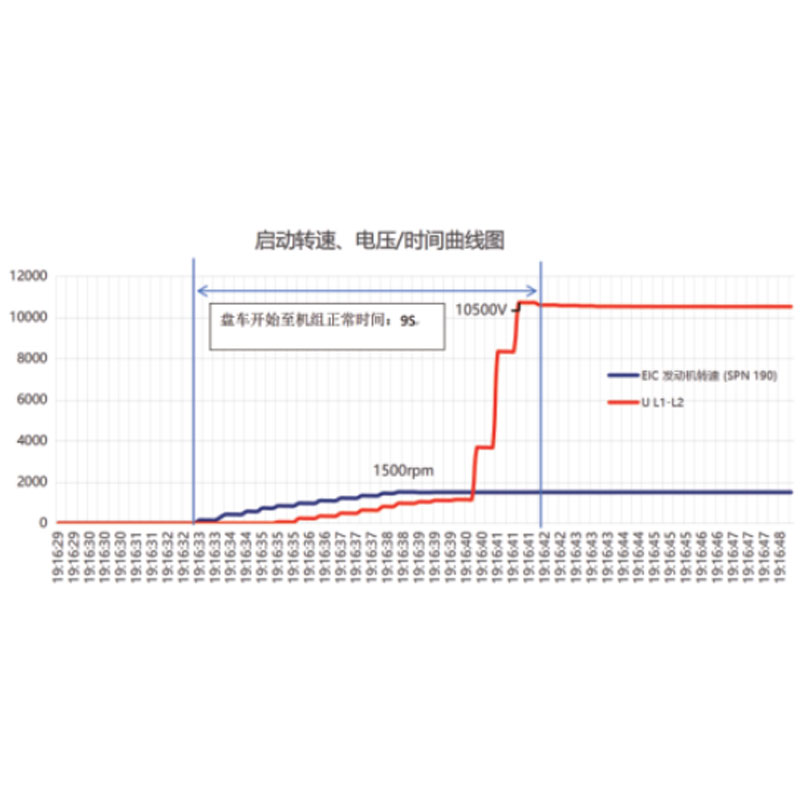
This allows the engine to reach operating mode within 10-15 seconds after receiving the ATS (automatic transfer switch) signal. Cold oil is thick, like honey, and does not immediately enter the friction pairs. Dry starting reduces the life of the piston group by 30-40%. Our data shows that the use of preheaters increases the engine overhaul interval by 2500 operating hours.
In addition to heating the engine, it is necessary to warm the batteries. Lead-acid batteries lose up to 60% of their capacity at -30°C. In the container we install heating cabinets for batteries with autonomous power supply from the mains or a built-in charger. A common mistake is when the heating is connected to the same line as the power load. If the external network breaks, the heating is turned off, and by the time it starts, the batteries are already frozen. The correct scheme is to connect the container’s life support systems through a separate uninterruptible source or directly to the station’s battery.
It is also worth mentioning the heating of the fuel system. Waxing of diesel fuel is the scourge of winter operation. Even if you fill with arctic fuel, condensation can form in the tanks, which freezes in the fine filters. Tubular electric heaters (TEHs), installed directly in fuel tanks and on filters, solve this problem. The power of heating elements is calculated based on the volume of the tank: approximately 10 W per 1 liter of capacity for extreme conditions.
Check your station design for separate power circuits for heating systems. This is a matter of life and death for your equipment in January frosts.
Noise reduction and environmental requirements
The operation of a 500 kW diesel generator creates a sound pressure of up to 110 dB at a distance of 1 meter. For industrial zones this is acceptable, but if the object is located next to a residential area or office center, the noise level should not exceed 55-60 dB at the border of the sanitary zone. The container design allows you to reduce this figure to 70-75 dB at a distance of 1 meter from the body, which is the standard for urban conditions.
The noise suppression system consists of several stages. The first is an industrial or residential type exhaust muffler mounted on the engine exhaust tract. A residential muffler reduces noise more effectively, but creates more back pressure, which can reduce engine power slightly (by about 3-5%). The second stage is sound-absorbing panels inside the container. We use high density basalt slabs covered with perforated metal. The perforation is designed to absorb frequencies precisely within the operating range of a particular engine.
The third and most complex element is the labyrinthine air ducts of the cooling system. The air must pass through the channels, changing direction several times, before reaching the radiator or exiting. Direct visibility of the noise source through the ventilation grilles is unacceptable. Each turn of the air duct is covered with sound-absorbing material. The mistake of designers often lies in the insufficient cross-section of these channels. If the airflow resistance is too high, the engine will overheat in the summer, even if the fan is running at full power.
The calculation of aerodynamic resistance must be carried out in conjunction with thermal calculations. We encountered a situation where a beautiful container with powerful sound insulation could not work for more than 2 hours in the summer due to heat stroke. It was necessary to dismantle part of the internal lining and increase the cross-section of the air ducts, which reduced the noise reduction efficiency by 3 dB, but saved the engine from overheating.
When choosing a noise reduction level, always request an acoustic test report. The words “quiet running” are worthless without numbers.
Fire safety and monitoring systems
Diesel fuel and hot exhaust pose a potential fire hazard. In the confined space of a container, fire development occurs rapidly. According to the requirements of air safety regulations and international standards, all container installations with a power of over 100 kW must be equipped with an automatic fire extinguishing system. We recommend using modular powder or aerosol extinguishing installations that are triggered by two factors: an increase in temperature and the appearance of smoke.
The sensors are installed in the most dangerous areas: above the engine, above the generator and in the area of fuel filters. The system must be able to be manually started from outside the container and automatically turn off the ventilation when triggered. Supplying fresh air will only fan the flames. In our projects we also implement a gas analysis system. A carbon monoxide (CO) sensor can detect exhaust gas leaking into the compartment even before an open fire occurs, which often happens when the exhaust pipe corrugation burns out.
Modern containers are equipped with telemetry systems. The controller transmits data about temperature, voltage, fuel level and door status to the control panel via GSM or Ethernet. This allows you to respond to accidents remotely. One of our clients avoided disaster due to the fact that the system sent an SMS about the increase in temperature in the generator bearing 20 minutes before the jam. Without remote monitoring, they would only know about the problem by the burning smell.
Don't skimp on your fire extinguishing system. The cost of the module is not comparable to the cost of a burnt-out generator and plant downtime.
Technical parameters and configuration selection
The selection of a containerized generator set does not begin with the engine brand, but with an analysis of the loads and operating conditions. The power of the station should be selected with a margin of 10-15% of the sum of the maximum simultaneous loads. Running the engine at 100% power for a long time reduces its service life. The optimal load mode for a diesel engine is 70-80% of the nominal load.
Below is a comparison table of the main all-weather container configurations that we supply for various applications:
| Parameter | Standard version (UHL1) | Arctic version (up to -60°C) | Tropical version (+50°C) |
|---|---|---|---|
| Temperature range | -40°C to +40°C | -60°C to +40°C | -10°C to +55°C |
| Insulation thickness | 80 mm | 150 mm (two-layer laying) | 50 mm (mainly for sound insulation) |
| Heating system | Coolant heater 4 kW | Coolant heater 8 kW + battery heating + fuel heating | None (ventilation only) |
| Ventilation | Natural with blinds | Forced with recirculation and electric drive of dampers | Reinforced forced with increased channel cross-section |
| Coloring | Polymer powder | Multilayer epoxy with zinc primer | Special UV resistant paint |
| Cost (relative) | Basic | +35-45% to base | +15-20% to base |
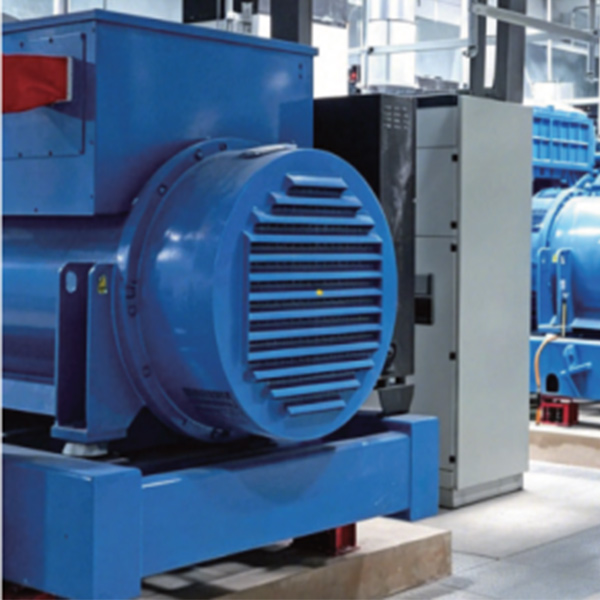
When choosing an engine, it is important to pay attention to the alternator (alternating current generator). To power sensitive electronics (servers, medical equipment, CNC machines), an alternator with a PMG (Permanent Magnet Generator) excitation system is required. Such machines provide stable voltage even during sudden load surges and are highly resistant to short circuits. Standard brushed alternators are cheaper, but require more frequent maintenance and do not cope well with non-linear loads.
The dimensions of the container depend on the power of the unit. For stations up to 100 kW, 10 or 20 foot shipping containers are often used. For powers from 500 kW and above, individual frames up to 2.5 meters wide are manufactured to ensure the possibility of transportation by road without special permits. The height is usually limited to 2.6-2.8 meters for passing under bridges and power lines.
Always check the dimensions of the vehicle that will deliver the station to the site. There are cases when a container is designed perfectly, but does not fit onto the site due to a narrow entrance or low gate of the transformer substation.
Certification and Compliance
In the CIS and Russian markets, the key document is the EAC Certificate of Conformity (Eurasian Conformity). Without this marking, the operation of equipment at industrial facilities is prohibited by customs authorities and technical supervision. Our installations are certified according to the technical regulations TR TS 010/2011 “On the safety of machinery and equipment” and TR TS 004/2011 “On the safety of low-voltage equipment”.
For work in hazardous areas (oil and gas sector), an additional permit from Rostekhnadzor and execution according to the Ex standard are required. This includes using non-sparking tools, special ventilation grilles, and sealing all electrical connections. The cost of such a design may be twice as high as the standard one, but this is the only legal way to work at drilling sites or oil depots.
It is also worth noting the importance of the certificate of origin of the goods. To participate in government tenders and receive tax benefits, confirmation is often required that a certain share of added value is produced within the country. We provide a full package of documents, including quality certificates for metal, certificates for engines and factory test reports.
Request a copy of the EAC certificate from the supplier before entering into a contract. The absence of this document will make it impossible to put the facility into operation.
Logistics, installation and commissioning
Delivery of a containerized generator set is a complex logistics process. The weight of a 500 kW station can reach 6-7 tons including the frame and fuel tank. Transportation is carried out by low-loader trawls. It is important to correctly calculate the slinging points. There are always special eyes on the roof of the container, designed to lift the entire structure. An attempt to lift the container by the frame or engine elements will lead to deformation of the body and loss of tightness.
Preparing the foundation is a stage that is often underestimated. The concrete slab must be level (height difference no more than 5 mm per 2 meters) and withstand dynamic loads. Vibration supports must be installed between the generator frame and the foundation. They dampen vibrations, preventing the transmission of vibrations to the building and the destruction of the internal components of the station itself. We have seen cases where tight bolting has resulted in cracks in the engine block after a year of operation.
Connection to the network is made through a power cable of the appropriate cross-section. The voltage drop on the cable from the generator to the consumer should not exceed 2-3%. Using a cable that is too thin will cause heat and loss of power. Cable lines are laid in the ground or in cable ducts; entry into the container is carried out from below through pressure-resistant cable glands.
Pre-commissioning (commissioning) includes checking all protection systems, setting up the controller, synchronization (if the station operates in parallel with the network or other generators) and test load. The operation of the ATS must be checked. We simulate the loss of an external network and record the time of transition to the reserve. It should not exceed 10-15 seconds for diesel stations without a pre-emptive start system.
Never start operation without carrying out full commissioning and drawing up a report. The manufacturer's warranty will be void if it is discovered that the failure occurred due to installation errors.
Typical operating errors and their consequences
Even the most reliable equipment fails if not properly maintained. The most common mistake is neglecting to replace fuel filters. In winter, water that gets into the fuel freezes in the filter, cutting off the supply. The engine stalls, and trying to start it again burns out the starter. Regular pumping of the fuel system and replacement of filters every 250-500 operating hours is mandatory.
The second mistake is infrequent test runs. A generator that sits idle for six months will most likely not start at the right time. The fuel ages, oil drains into the crankcase, and the batteries are discharged. The regulations require starting the station under load (at least 30% of the nominal) at least once a month for 15-20 minutes. This warms up the engine, charges the battery and checks the functionality of the automation.
The third problem is contamination of radiators. Fluff, dust, and insects clog the radiator honeycombs, reducing cooling efficiency by 40-50%. In summer this is a guaranteed overheating and emergency stop. Blowing radiators with compressed air should be carried out before each summer season and more often if the facility is located in a dusty area (cement factories, quarries).
We worked with a client who lost a cylinder head because the temperature sensor was painted over by painters during a renovation. The system did not detect overheating and did not turn off the engine. Always control access to control devices and prevent them from becoming dirty or damaged.
Economic efficiency and payback period
Investment in a quality all-weather container installation pays off by reducing repair costs and increasing the repair interval. Cheap analogs assembled in a garage often fail after the first winter. The cost of restoring such equipment, including replacing the engine and alternator, exceeds the price of a new high-quality container.
Fuel consumption is another important factor. Modern engines with electronically controlled fuel injection are 15-20% more economical than their mechanical counterparts. With round-the-clock operation, the difference in diesel fuel consumption over a year can amount to tens of thousands of dollars. In addition, precise fuel dosage reduces exhaust smoke and carbon deposits, which prolongs the life of the engine.
Equipment liquidity also matters. Branded stations with a full package of documents and well-known components (Volvo, Perkins, Cummins engines; Stamford, Leroy Somer alternators) are easy to sell on the secondary market with a discount of no more than 20-30%. Self-made assemblies lose up to 70% in price immediately after purchase, since no one wants to take on the risks of operating them.
When calculating the project budget, consider not only the initial price, but also the cost of ownership over 5-10 years. The cheapest solution is often the most expensive in the long run.
Frequently Asked Questions
What is the service life of a containerized generator set?
The service life directly depends on the quality of maintenance and operating conditions. If you follow the maintenance regulations and use original spare parts, the life of a diesel engine before major overhaul is 20,000 - 30,000 hours. The metal container itself, with proper anti-corrosion treatment, lasts more than 20 years. Alternators usually require overhaul or winding replacement after 40,000 operating hours. The real life of the station can reach 15-25 years if it does not operate 24/7 at maximum loads.
Is it possible to install an additional fuel tank externally?
Yes, this is standard practice to increase battery life. External fuel tanks with a volume of 500 to 5000 liters are installed next to the container and connected by pipelines. It is important to follow fire safety rules: the distance from the tank to the building must be at least 10 meters, and the tank itself must have a tray for collecting spilled fuel (with a capacity of 110% of the tank volume). Pipelines must be protected from mechanical damage and have shut-off valves at the entrance to the container.
What maintenance is required in winter?
Winter maintenance requires special attention to the fuel system and batteries. It is necessary to use winter or arctic diesel fuel, regularly check the operation of the preheater and the condition of the glow plugs (if any). The electrolyte level in the battery should be above the plates, and the terminals should be free of oxide. Ventilation grilles must be cleared of snow and ice so as not to disrupt air exchange. It is also recommended to change oil filters more often, since condensation accumulates in the oil more quickly in the cold season.
Is it possible to operate two generators in parallel?
Yes, container plants can operate in parallel to increase overall capacity or provide redundancy. This requires the installation of synchronization cabinets and controllers capable of controlling multiple machines. Synchronization allows you to distribute the load between generators in proportion to their power. This is a complex engineering task that requires tuning the parameters of the speed and voltage regulators. Errors in setting can lead to the appearance of equalizing currents and equipment failure, so such work must be performed by qualified specialists.
Final recommendations for choosing a supplier
The market for containerized generator sets is saturated with offers, but not all of them correspond to the declared characteristics. When choosing a partner, pay attention to the presence of your own full-cycle production, and not just an assembly shop. The opportunity to visit the factory and see the process of case manufacturing, painting and testing provides a guarantee of quality.
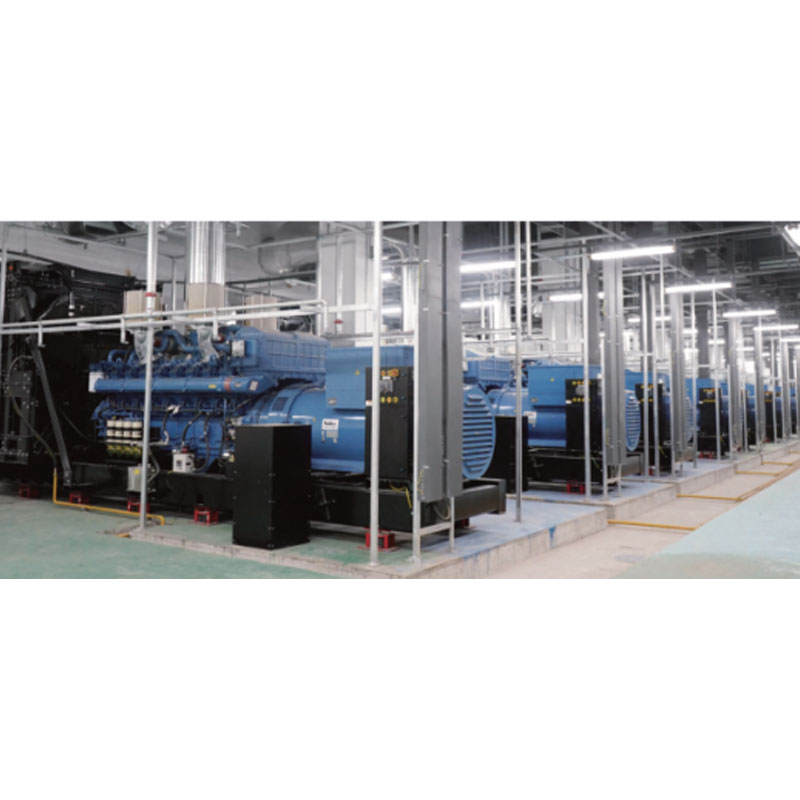
A striking example of this approach is the company Yuke (Shandong) Electrical Technology LLC. Located in Shandong province, this organization specializes in the development and production of complete solutions for off-grid power supply, successfully combining engineering competencies in the field of generation and advanced energy storage systems. Unlike simple assemblers, Yuke acts as a full-fledged integrator, based on strategic partnerships with global industry leaders. Their product portfolio spans eight key categories, from silent mobile stations and emergency power vehicles to multi-megawatt high-voltage installations and liquid-cooled energy storage cabinets.
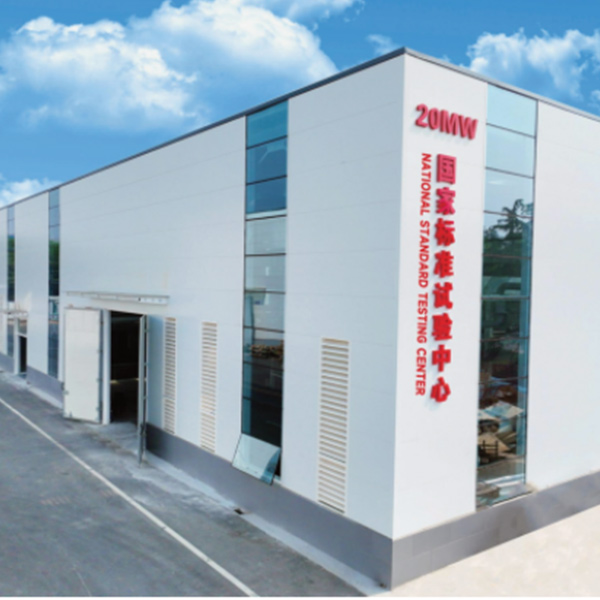
The company pays special attention to adapting solutions to regional standards, which is critically important for the CIS countries with their harsh climate. Using Cummins, MTU, SEM, Perkins and Yuchai brands of engines and generators, Yuke engineers create VCD, VSD, VPD, VYG and high-voltage VHMD/VHSD/VHYD/VHCD series units, which are designed to meet the requirements of noise reduction, mobility and resistance to extreme loads. The production base is equipped with modern equipment for multi-level quality control: each product unit undergoes mandatory load tests lasting at least 4 hours before shipment, noise, vibration and voltage stability parameters are checked. This principle of “reliability through responsibility” allows the company to supply equipment to Asia, the Middle East, Africa and the CIS countries, providing customers not only with equipment, but also with full service support, including personnel training and prompt delivery of spare parts.
Require the provision of a reference list with facilities operating in similar climatic conditions. Call these customers and get their opinion on the reliability of the equipment and the speed of response of the service team. Having a parts warehouse in your area is critical to minimizing downtime.
Containerized generator sets: all-weather design is an investment in the stability of your business. Don't let your desire to save money early on lead to millions in downtime costs down the road. Choose solutions that have been tested by time and harsh operating conditions, such as products from reliable manufacturers with their own technical base.
If you are ready to discuss the details of the project, calculate the required power and receive a commercial proposal taking into account all the nuances of your facility, contact our engineers. We will help you choose the optimal configuration that will ensure uninterrupted power supply for many years.Explore our catalog of all-weather generator setsto view available models and technical specifications.
-


-
-


WeChat

-
WeChat