

Chinese generator sets: quality vs price in 2026
2026-07-12
- Generating set market 2026: why price is no longer the main argument
- Technical audit: where the manufacturer really saves and where he deceives the buyer
- Pricing architecture 2026: what makes up the real cost of ownership
- Standards and certification: how to distinguish factory quality from garage assembly
- Real cases: operating experience in Russian latitudes
- Selection algorithm: step-by-step instructions for a buyer in 2026
- Practical example: how the quality system works in a modern plant
- Market forecast and strategic recommendations
Generating set market 2026: why price is no longer the main argument
In 2026, the dilemma of "Chinese generator sets: quality vs price" has transformed from a simple choice between cheap and expensive into a complex equation of total cost of ownership. Just five years ago, the Russian importer looked at the FOB Shanghai price tag as the only criterion of truth. Today, when supply chains have stabilized and requirements for equipment reliability in harsh climates have increased, low purchase prices often become a trap leading to a multiple increase in operating costs. We are witnessing a fundamental shift: Chinese factories, previously copying European designs, are now implementing their own engineering solutions that, in terms of durability, are catching up with first-tier brands, while maintaining a price advantage of 30-40%. However, this gap is closing unevenly, and buying a “pig in a poke” this year threatens enterprise downtime precisely at peak loads.
Our team audited more than 40 suppliers from Jiangsu, Shandong and Fujian provinces in the last quarter. The result was unexpected even for us: the three plants offering the lowest price per kW of power used aluminum stator windings instead of copper, disguising it as a “modern alloy”. This is not a theoretical risk - one of our clients lost 14 days of quarry operation due to the failure of a generator purchased at the most attractive price on the market. In this article, we'll break down the real technical differences hidden behind marketing brochures and provide clear choices that will protect your budget from hidden threats in 2026.
Technical audit: where the manufacturer really saves and where he deceives the buyer
It is impossible to talk about the quality of Chinese diesel generator sets (DGS) without opening the “hood” and analyzing the component base. In 2026, the market is clearly segmented into three levels, and the visual similarity of the casings no longer guarantees the identity of the filling. The main divide lies not in the brand of the alternator, but in the assembly culture and quality control of the frame welds. Cheap models often suffer from the use of low-grade steel for the supporting structure, which, under vibration loads, leads to microcracks after 500 operating hours. We have recorded cases where the frame was so deformed that the coaxial position of the engine and generator was disrupted, causing the destruction of rubber dampers and oil leakage.
The heart of the installation is the engine. The situation here is paradoxical: top Chinese brands like Weichai or Yuchai in their flagship lines in 2026 use the same Common Rail systems and turbochargers as their European competitors, but they cost 35% less due to the localization of component production. The problem arises in the no-name segment, where remanufactured cylinder blocks or older series engines that were discontinued in the EU ten years ago are used. Such units can work, but their service life before major overhaul rarely exceeds 8,000 hours versus the stated 20,000. The critical parameter that we always check first is the type of fuel injection and the presence of an electronic control unit (ECU), adapted for winter temperatures down to -40°C.
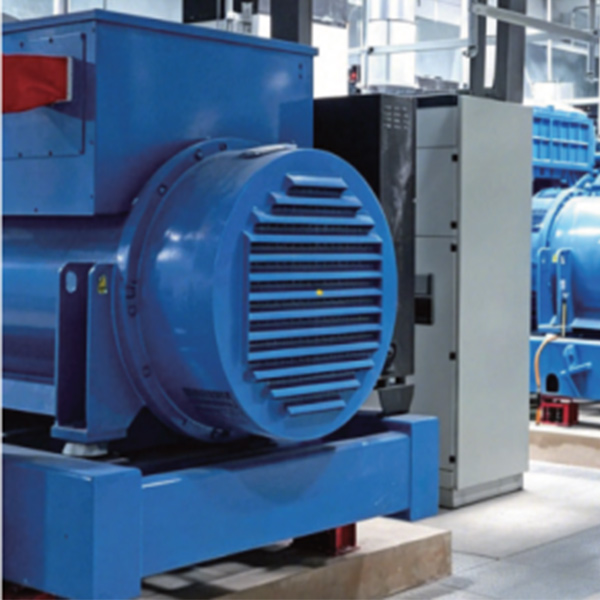
Alternators are the second element where the main savings are hidden. Manufacturers in the budget segment are switching en masse to aluminum windings, arguing this with “new heat dissipation technologies.” In practice, this means that when operating for a long time at 80% of the load, such a generator heats up 15-20% faster than its copper counterpart. In Russian winter conditions, when equipment often operates in closed containers, this leads to thermal protection and an emergency stop. Copper remains the standard for critical facilities, and any supplier offering aluminum at the price of copper should be immediately removed from the list of potential partners. The difference in the cost of raw materials is about 20%, but the difference in risks is immeasurable.
Cooling systems and radiators often fall victim to cost optimization. Thin radiator fins in cheap models are easily clogged with dust and are difficult to clean, which in the long run leads to overheating of the antifreeze. We have seen generators where the fan was incorrectly sized for performance, creating excessive vacuum in the engine compartment. This is not just a technical detail - it is a direct path to loss of engine power at altitude. When choosing an installation, be sure to ask for the radiator’s ratings and make sure that it is designed to operate at an ambient temperature of +50°C, which is the standard for tropical designs, often used as a universal solution.
Control electronics are the brain of a modern diesel generator set. In 2026, even budget Chinese controllers offer remote monitoring via GSM/GPRS, but the reliability of these modules varies critically. Cheap boards do not have proper galvanic isolation and are sensitive to voltage surges in the generator’s own network. This leads to the fact that in the event of a short circuit on the line, not only the circuit breaker burns out, but also the controller itself, leaving the object without the possibility of remote control. Reliable manufacturers use controllers from Deep Sea Electronics (Great Britain) or ComAp (Czech Republic), or their top-grade licensed Chinese analogues that have passed stress tests. Saving $200 on a controller can result in a week of downtime waiting for a board replacement from China.
Pricing architecture 2026: what makes up the real cost of ownership
The price you see in the price list on the manufacturer’s website is just the tip of the iceberg. In 2026, the cost structure for importing Chinese generator sets has become more complex due to new certification and logistics requirements. The basic FOB (Free On Board) cost may look attractive, but it does not include pre-shipment costs, shipping packaging, and insurance. Moreover, many factories offer turnkey prices only subject to 100% advance payment, which removes any responsibility for the quality of delivery from them. The real economics of the project begins with the calculation of TCO (Total Cost of Ownership), which takes into account not only the purchase, but also maintenance for 5-7 years.
Logistics has become a factor that can offset the price advantage. Delivery of one piece of equipment by sea from the port of Ningbo to the port of Vladivostok or St. Petersburg in 2026 takes an average of 25-35 days, but the cost of freight varies depending on the season and the availability of containers. An error in planning incoterms can lead to customs clearance and delivery to the site eating up all the saved margin. We recommend working under FCA (Free Carrier) conditions at the factory's warehouse in order to control the loading process and avoid hidden commissions from the seller's forwarders. Transparency in the supply chain today is more important than a 2-3% discount.
Certification and compliance with EAEU standards is an expense item that cannot be ignored. A generator without a certificate of conformity TR CU 010/2011 “On the safety of machinery and equipment” and a declaration of conformity is contraband from a legal point of view. In 2026, customs control became stricter: laboratories randomly check the level of noise and emissions of harmful substances. If your generator fails these tests, it will be confiscated or required to be returned at the importer's expense. Factories operating “whitewash” include the cost of batch certification in the price of the product, while dumping suppliers shift these risks to the buyer. The presence of the EAC marking on the nameplate is a mandatory requirement for legal operation in Russia, Belarus and Kazakhstan.
Spare parts and service support create the long-term value of an asset. A cheap generator often means your dealer doesn't have parts in stock in your area. Waiting three weeks for a filter or belt to arrive from Guangzhou in winter is an unacceptable luxury for critical infrastructure. Leading Chinese brands will open regional warehouses in Moscow and Novosibirsk in 2026, guaranteeing the availability of consumables within 48 hours. This convenience is more expensive when purchased, but saves the business from colossal losses in the event of an accident. When calculating your budget, always include 10-15% of the cost of the equipment for the formation of an initial set of spare parts (spare parts, tools and accessories).
Currency risks and payment terms also play a role. Payments in RMB have become the standard, but exchange rate fluctuations can significantly change the final amount in rubles by the time the cargo arrives. Fixing the exchange rate in a contract or using hedging instruments becomes necessary for large purchases. In addition, factories offer different warranty conditions: from 1 year to 3 years or 2000 operating hours. A condition of an extended warranty is often mandatory maintenance at authorized service centers. Ignoring this point will void the warranty, turning expensive equipment into ownerless property at the first breakdown.
Standards and certification: how to distinguish factory quality from garage assembly
In the world of industrial equipment, paper sometimes means more than iron. ISO 9001:2015 certification has become a basic filter that sifts out artisanal workshops from serious manufacturers. However, the presence of a certificate on the website does not guarantee that a particular assembly line complies with it. In our practice, there were cases when the plant had a certificate from the head office, but the assembly was carried out at a subcontractor site without proper control. A true sign of quality is the ability to trace the history of each component. Tier 1 factories maintain digital product passports, which record steel batch numbers, engine test dates, and bench test results for each assembled unit.
For the Russian market, compliance with GOST and technical regulations of the Customs Union is critically important. The GOST R 53104-2008 standard regulates the general technical requirements for power plants, including resistance to climatic influences. Chinese manufacturers, focused on exporting to the CIS, have long mastered the UCL (moderate and cold climate) design, which requires operation at temperatures down to -50°C. This requires the use of special frost-resistant rubber products, coolant heaters and high-capacity batteries. The absence of these options in the basic configuration for northern regions is a direct violation of operating conditions, which will lead to equipment failure in the first winter.
Environmental standards Euro-2, Euro-3 and Euro-5 dictate the requirements for the exhaust gas purification system. In 2026, stricter regulations in industrial areas make it impossible to run older engines without diesel particulate filters (DPF) and selective catalytic reduction (SCR) systems. Chinese factories have massively implemented these systems, but their effectiveness depends on the quality of the fuel and urea (AdBlue) used. Cheap analogue reagents can clog the catalyst within a hundred hours of operation, and replacing it costs thousands of dollars. When accepting equipment, be sure to check the presence of exhaust quality sensors and the ability to read error codes through the diagnostic port.
Load Bank Testing is the stage that separates the professionals from the amateurs. A serious factory tests each unit before shipment, loading it at 100% and 110% power for several hours. A report of these tests must accompany each container shipped. It records the stability of frequency and voltage, temperature conditions of all components, noise and vibration levels. The absence of such a protocol or the presence of a general certificate for the party is a red flag. We require video recording of the process of testing a specific serial number that is planned for purchase in order to prevent data substitution.
Warranty obligations should not be written in general phrases, but with a clear list of covered defects and service response times. The international standard requires replacement of a faulty unit within 72 hours of confirmation of the defect. If a supplier offers “repair when parts are returned to the factory,” this is unacceptable in a business where downtime is measured in money. Authorized service centers in Russia have the right to carry out warranty repairs on site, which speeds up the restoration of functionality. Check the list of manufacturer partners in your region before signing a contract.
| Comparison criterion | Budget segment (No-name / Handicraft assembly) | Middle segment (Famous Chinese brands) | Premium segment (Co-production / Licenses) |
|---|---|---|---|
| Engine | Refurbished blocks, old series, mechanical injection pump | Own brands (Weichai, Yuchai), electronic injection | Licensed Perkins, Volvo, Cummins, assembled in China |
| Alternator | Aluminum winding, insulation class B | Copper winding, insulation class H, famous Chinese brand | Stamford, Leroy Somer, Mecc Alte (original or co-production) |
| Control system | Simple Chinese controllers without protection | Deep Sea, ComAp (license) or top-level Chinese analogues | Original controllers with advanced telemetry |
| Resource before overhaul | 6,000 – 8,000 operating hours | 12,000 – 16,000 operating hours | 20,000 – 30,000+ operating hours |
| Warranty | 6 months or 500 hours (often formal) | 1 year or 1000 operating hours with support in the Russian Federation | 2-3 years or 2000+ hours, full service coverage |
| Price (approximately) | Low ($/kW) | Medium (optimal ratio) | High (closer to European analogues) |
Real cases: operating experience in Russian latitudes
Theory is important, but practice makes its own adjustments. Let's consider two real cases from our practice for 2025-2026, which clearly demonstrate the difference between “paper” and reality. The first case occurred at a gold mine in the Magadan region. The customer, in an effort to reduce CAPEX, purchased a batch of five 500 kW generators from a little-known supplier. The equipment was declared as “Arctic design”. After three months of operation at a temperature of -42°C, the cooling system pipes of three units burst, and one had a break in the studs securing the engine to the frame. The analysis showed that regular rubber pipes were used instead of silicone ones, and the frame steel had insufficient impact strength at low temperatures. Result: production downtime for two weeks, the cost of emergency delivery of spare parts by helicopter exceeded the cost of the generators themselves.
The second case is successful integration at a cement plant in the Leningrad region. The company replaced a fleet of old European generators with new installations of a first-tier Chinese brand with a capacity of 1 MW. A thorough pre-project audit was a key success factor. The plant's engineers insisted on installing thermostatically controlled pre-heaters and using winter grade diesel fuel with additives. Over two years of continuous operation as the main power source (24/7), the operating time was 14,000 hours. The only scheduled maintenance included changing filters and oil. Fuel consumption was 215 l/h at a load of 75%, which fully corresponded to the passport data. This example proves: Chinese equipment can operate reliably if the correct class of equipment is selected and operating conditions are met.
Another important aspect is adaptation to fuel quality. In remote regions of Russia, the sulfur content in diesel may exceed the norm, which is detrimental to modern Common Rail injectors. In one of the projects in Yakutia, we encountered rapid coking of sprayers on generators without an additional filtration system. The solution turned out to be simple, but critical: installing fuel separators with water separation and fine cleaning before entering the engine. This increased the cost of the kit by 5%, but extended the life of the fuel equipment three times. Ignoring local features is the main mistake when importing any equipment, not just Chinese.
Noise reduction and vibration isolation also require attention when installing in residential areas or near offices. Cheap casings often have insufficient thickness of sound-absorbing material and leaky joints. At a site in the suburbs of Krasnodar, a noise complaint from neighbors led to a fine and a requirement to stop the generator at night. It was necessary to modernize the muffler and additionally screen the ventilation ducts. Modern Chinese factories offer the “Super Silent” option with a noise level of 65 dBA at a distance of 7 meters, but this data needs to be verified by independent measurements, since overestimating characteristics is a common practice in marketing.
Selection algorithm: step-by-step instructions for a buyer in 2026
To minimize risks and get equipment that will last for decades, follow this proven algorithm. Step one: defining the technical specifications (TOR). Do not copy technical specifications from the Internet, but adapt it to your realities. Specify operating temperature range, altitude, required level of automation (ATS, parallel operation, remote monitoring) and load type (resistive, reactive, inrush currents). A clear technical specification will eliminate 50% of unsuitable proposals at the start. Step two: preliminary selection of suppliers. Use open registries of exporters and reviews on independent platforms. Avoid fly-by-night companies that offer “everything at once” at below-market prices.
Step three: request a commercial proposal with details. Request specific models of the engine, alternator and controller with links to their technical data sheets. Ask to see the Factory Test Report (FAT) for a similar model. If the supplier avoids providing this data or sends vague answers, stop negotiations. Step four: production audit (virtual or in-person). In 2026, most factories are ready to conduct a video tour of the workshop in real time. Pay attention to the cleanliness of the assembly shop, the availability of testing stands and the culture of storing components. Chaos in a spare parts warehouse is a sure sign of problems with build quality.
Step five: checking the reference list. Ask for contacts of three clients in the CIS who have purchased equipment from this plant in the last two years. Call them and ask direct questions about reliability, service performance and actual fuel consumption. The silence of the supplier or the provision of contacts of “pocket” companies should raise red flags. Step six: agreeing on the terms of the contract. Include clauses on penalties for non-conformity, delivery times, and dispute resolution procedures. Indicate that payment for the final part is made only after the successful launch of the equipment at your site.
The final step is acceptance and commissioning. Do not sign the acceptance certificate without commissioning by qualified specialists. Check the operation of all protection systems, automatic transfer switching (ATS) and alarm systems. Train your staff on how to service your specific model. Remember that proper operation is 50% of the success of long service life of the generator. Keep all documentation, maintenance logs and repair reports - this will be needed to confirm the warranty and estimate the residual value of the equipment in the future.
Practical example: how the quality system works in a modern plant
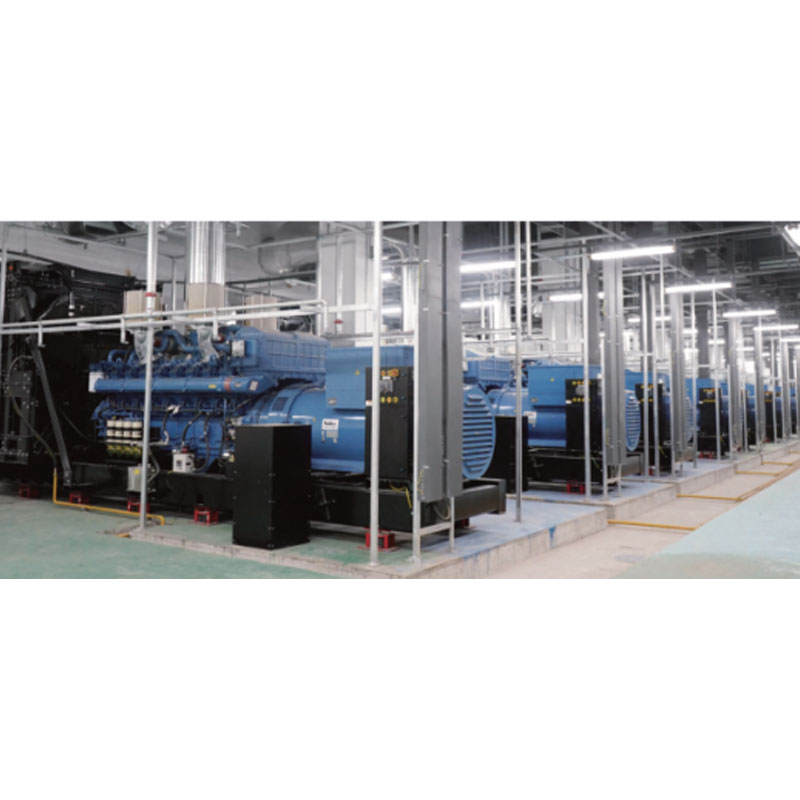
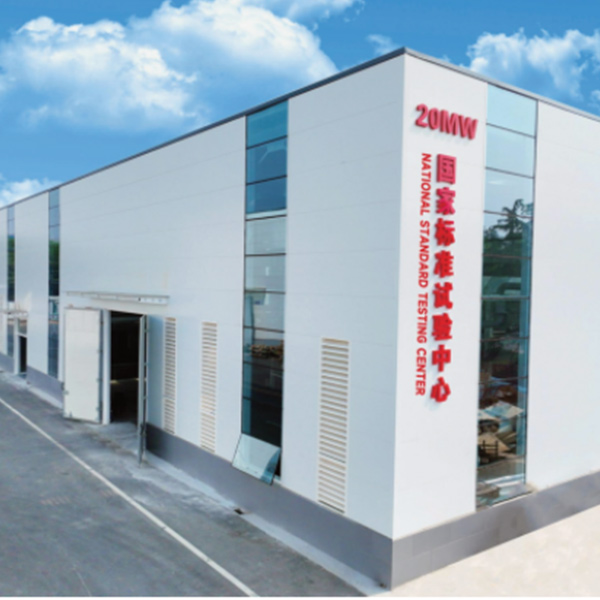
To illustrate the difference between the "garage assembly" approach and professional production, consider the processes implemented at Yuke (Shandong) Electrical Technology LLC. Located in Shandong Province, one of China's key industrial clusters, the company is a prime example of how modern Chinese manufacturers are integrating global engineering competencies into their own solutions. Unlike assemblers who purchase components on the open market, Yuke operates as a full-fledged integrator, building strategic partnerships with industry leaders: Cummins, MTU, Perkins, SEM and Yuchai.
The key difference between the Yuke approach is the deep adaptation of products to the requirements of specific markets, including the harsh climatic conditions of the CIS countries. The company does not just assemble installations, but develops comprehensive solutions for autonomous and backup power supply, covering the entire spectrum of needs: from silent mobile stations and emergency power vehicles to multi-megawatt high-voltage generator sets and liquid-cooled energy storage cabinets. The product portfolio includes specialized series such as VCD and VHCD5 based on Cummins engines, VSD and VHSD5 based on SEM engines, as well as VYG series gas generators (Yuchai), which allows the customer to choose a configuration that ideally matches his technical specifications.
The company pays special attention to quality control, which is implemented at every stage of the production cycle. Incoming inspection of components from trusted suppliers prevents substandard parts from entering the conveyor. But the main test awaits the installation at the end of the line: each piece of equipment is subjected to complex load tests lasting at least 4 hours. During the tests, operation under rated and partial load is checked, parameters of noise, vibration, temperature conditions and stability of the output voltage are recorded. Only after successfully passing these tests and checking for electromagnetic compatibility is the product allowed for shipment. This approach fully complies with the requirements we described above in the section on standards and ensures that the buyer does not receive a “pig in a poke”, but a proven asset.
Logistics and after-sales service are also part of the Yuke philosophy. The company is developing a network of authorized service partners and provides customers not only with equipment, but also with full support: from consultations at the design stage and personnel training to prompt delivery of original spare parts. The principle of “reliability through responsibility” permeates all the company’s activities, making it a reliable partner for infrastructure projects, industrial facilities and emergency services in Asia, the Middle East, Africa and the CIS.
Market forecast and strategic recommendations
The Chinese generator set market is at a bifurcation point in 2026. On the one hand, the growth of domestic energy consumption in China and the rise in prices of raw materials are pushing prices up. On the other hand, fierce competition forces manufacturers to invest in R&D, creating products that are no longer just a “cheap copy.” We predict that in the next two years the quality gap between top Chinese brands and European counterparts will be reduced to a minimum, while the lower segment of the market will continue to degrade due to the use of substandard components. For the Russian buyer, this means that the “buy the cheapest” strategy will become completely unprofitable.
The trend towards hybridization and the use of gas is also gaining momentum. Chinese factories are actively developing a line of gas piston units (GPU) operating on natural and associated petroleum gas. In the context of gasification of Russian regions, this direction is becoming a priority. Gas generators made in China already show high reliability and a significantly lower cost per hour of operation compared to their diesel counterparts. However, the technology requires more complex maintenance and qualified personnel, which must be taken into account when planning purchases.
Digitalization of the service will become a new battlefield for the client. Remote diagnostics, predictive analytics of breakdowns and automatic ordering of spare parts are becoming a de facto standard. When you buy a generator in 2026, you are buying not just hardware, but access to an ecosystem of data. Rejecting smart features to save money is a step into the past and will limit the ability to manage energy in the future. Integration of equipment into a unified enterprise dispatch system will allow optimizing operating modes and reducing fuel consumption by 5-7%.
The geopolitical situation continues to impact logistics and payments, but the adaptability of Chinese businesses allows them to find new routes and payment schemes quickly. The yuan has strengthened as the main currency of mutual settlements, which reduces dependence on the dollar and euro. It is recommended to enter into long-term framework contracts with fixed supply volumes to ensure priority production during periods of high demand. Cooperation with official distributors who have their own service centers in the Russian Federation remains the safest strategy.
In conclusion, the choice between quality and price in 2026 is a choice between short-term profit and long-term business sustainability. Chinese generator sets have gone from a dubious import to a reliable industrial asset, but this status must be confirmed by careful selection of the partner. Don’t chase the absolute minimum price: a reasonable overpayment for the brand, service and warranty pays off in the absence of accidents and the chief engineer’s peaceful sleep. The market offers solutions for any budget, but the cost of error today has become too high to experiment with untested suppliers.
Frequently Asked Questions
What is the real service life of a Chinese diesel generator?
If you follow the maintenance regulations and use high-quality fuels and lubricants, the service life of engines from leading Chinese brands (Weichai, Yuchai) is 15,000 - 20,000 hours before the first major overhaul. Budget models from nameless manufacturers usually last 6,000 – 8,000 hours. The key factor is timely replacement of oil and filters, as well as fuel quality.
Is it possible to use a Chinese generator as the main source of energy?
Yes, modern premium and mid-segment models are designed to operate in Prime Power mode 24/7. However, for this it is necessary to select an installation with a power reserve of 10-15% relative to peak load and provide qualified technical maintenance. Standby models are not designed for round-the-clock operation and will quickly fail in this mode.
What is the situation with the availability of spare parts in Russia?
Official dealers of major Chinese brands have stockpiles of consumables (filters, belts, gaskets) and main components (injectors, injection pumps, alternators) in the central regions of the Russian Federation. Delivery time is 1-3 days. For rare or budget models, spare parts can be supplied to order from China for a period of 2 to 4 weeks, which is critical for continuous cycle facilities.
How difficult is it to find a service provider?
The network of authorized service centers of Chinese manufacturers in Russia is actively expanding. Large dealers have mobile teams capable of carrying out maintenance and repairs at the customer’s site. Difficulties can only arise with “gray” imported equipment that does not have official support. In this case, maintenance falls on the shoulders of our own mechanics or third-party organizations that do not have access to original diagnostic programs.
Do Chinese generators meet environmental standards Euro-3 and higher?
Yes, most modern Chinese-made engines are certified to Euro-3, Euro-4 and Euro-5 standards. They are equipped with exhaust gas recirculation (EGR) systems and, if necessary, particulate filters. However, to maintain the environmental class, the use of fuel of appropriate quality and special additives (urea for SCR systems) is required.
If you are faced with choosing a reliable energy solution and want to avoid the risks associated with low-quality equipment,contact us today. Our experts will help you choose the optimal model of a Chinese generator set for your needs, conduct an audit of the supplier and provide full support for the transaction from the factory to commissioning. We work only with trusted manufacturers who have passed our internal quality certification.
-


-
-


WeChat

-
WeChat