

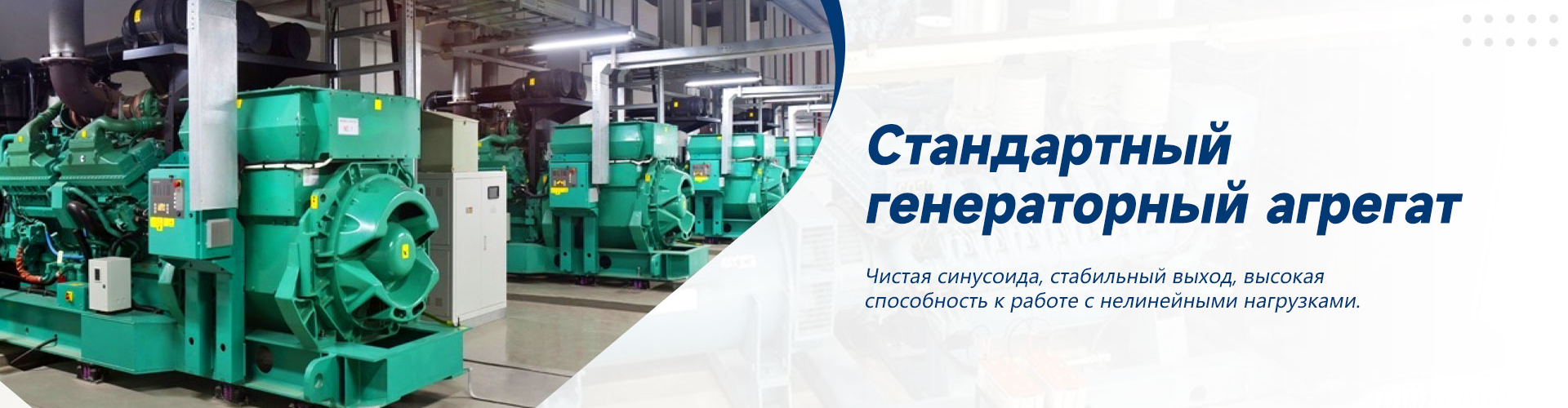
Diesel generator: common faults and solutions
2026-07-17
- Why the diesel generator does not start: diagnostics for the first 5 minutes
- Fuel System: Hidden Threats and Cleaning Methods
- Starting system and electrical equipment: where to look for a spark
- Lubrication and cooling system: preventing disaster
- Generator part and electrical parameters
- Comparison table of typical faults and diagnostic methods
- Specific problems of modern Common Rail systems
- Prevention as the main method of elimination
- Reliability starts with quality production
- Frequently Asked Questions
- Conclusion: Reliability is in your hands
Why the diesel generator does not start: diagnostics for the first 5 minutes
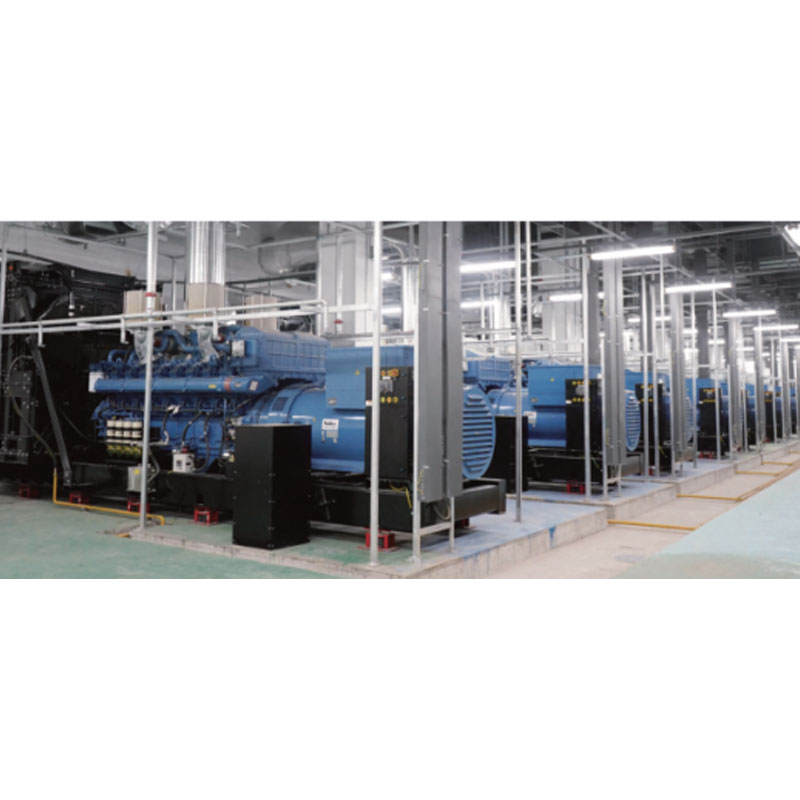
In our practice of servicing industrial power systems, we have encountered paradoxical statistics: more than 60% of calls to service teams are not related to major engine repairs, but to banal errors in primary diagnostics. When the operator sees thatdiesel generatorsilent or intermittent, the instinctive reaction is to look for a complex breakdown in the electronics or high pressure fuel system. However, real experience shows that critical failures most often lie in simple things: fuel quality, battery condition, or basic controller settings. This article was written by engineers who have personally disassembled hundreds of units from small mobile installations to powerful 2 MW stations, and our goal is to give you a clear algorithm of actions that eliminates unnecessary waste of time and money.
We will not retell the theory of operation of the internal combustion engine. Instead, we'll look at the specific failure scenarios you'll encounter on site tomorrow morning. You will learn how to distinguish an injector problem from a failure of the oil pressure sensor, why winter fuel can kill the pump in the summer, and what mistakes even experienced mechanics make when replacing filters. Each section contains proven methods of elimination, based on real cases, and not on abstract recommendations from textbooks.
Fuel System: Hidden Threats and Cleaning Methods
Problems with fuel supply make up the lion's share of all malfunctions, especially in regions with a harsh climate or unstable quality of fuel and lubricants. Unlike gasoline engines, diesel is extremely sensitive to the purity and viscosity of the fuel. If yourdiesel generatorstalls under load or does not develop full power, in 85% of cases the fuel line is to blame.
Air and water entering the system
Air in the fuel system is the silent killer of performance. Even a microscopic bubble that gets into the injection pump (high pressure fuel pump) breaks the tightness of the plunger pairs. The symptoms are classic: the engine starts, but after a few seconds it stalls, or it operates unstably with characteristic “drops” in speed. Our team once spent two days diagnosing electronics until they discovered a crack in a clear fuel supply hose that would only open when vibrated.
Remedy method:
First of all, check all connections from the tank to the coarse filter. Use a manual priming pump (if provided by the design) to bleed the system. Open the air bleed screw on the fine filter housing and pump until fuel comes out without bubbles. If the problem returns after an hour of operation, look for micro-leakage in rubber pipes that have dried out over time. Replace them with oil-resistant reinforced hoses.
Water in fuel is even more dangerous. It causes corrosion of precision pump parts and injectors, and in winter it turns into ice, completely blocking the flow. Modern Common Rail systems do not forgive the presence of water. If you see emulsion in the filter sump or the engine jerks, immediately drain the water through the drain screw. In critical cases, a complete flush of the tank and replacement of the fuel elements will be required.
Important:Never ignore the water presence indicator in the separator filter. Ignoring this signal led one of our clients to replace the entire fuel injection pump at a cost exceeding the price of a year's supply of filters.
Waxing and clogging of filters
Using summer diesel at temperatures below +5°C leads to the precipitation of paraffin crystals. They clog filter pores instantly. The engine starts with the remaining fuel in the line, but after a minute it stalls due to the tank being evacuated. We recorded cases when the pressure drop across the filter reached 0.8 bar instead of the standard 0.1–0.2 bar.
Remedy method:
If the generator is located in an unheated room, the only quick way is to heat the fuel tank and filter with special bandage heaters. Adding antigel is effective only prophylactically; If the paraffin has already fallen out, the additives will not dissolve large crystals. Replace the filter with a new one with a lower micron size (for example, from 10 microns to 5 microns for the winter), but remember that this will increase the flow resistance. The best solution is to switch to winter or arctic fuel with a filterability temperature of up to -35°C.
The filter becomes clogged with dirt gradually. The engine begins to “choke” under load, smoking black smoke due to the mixture being over-rich (the electronics are trying to compensate for the lack of air/fuel with erroneous corrections). Regularly replacing filters every 250–500 hours is not marketing, but a necessity. Saving $20 on a filter could result in a $2,000 injector repair.
Starting system and electrical equipment: where to look for a spark
When the starter turns sluggishly or does not turn at all, most users immediately blame the starter itself or the battery. However, in 40% of cases the problem lies in poor ground contact or oxidation of the terminals. A diesel engine requires significantly more starting current to overcome compression than its gasoline counterpart. A voltage drop of even 1 volt critically reduces the starter's power.
Batteries and power circuits
Sulfation of battery plates is a natural process that accelerates when the generator is started infrequently. If your installation operates in reserve mode and is started once a month for maintenance, the battery will inevitably degrade. We have seen cases where the voltmeter showed 12.6 V at rest, but when connecting a load, the voltage dropped to 9 V in seconds. This is not enough for a reliable start.
Remedy method:
Check the electrolyte density (for serviced batteries) and the voltage under load. Use a load fork. If the battery is older than 3 years, replace it proactively without waiting for failure. Pay special attention to the ground cable. Often the point where the cable attaches to the generator frame or engine becomes coated with a layer of paint, rust or dirt, creating a transient resistance. Strip the contact to bare metal, use conductive lubricant and tighten the bolt to the recommended torque.
Another common mistake is incorrect selection of cable cross-sections. When the cable length from the control panel to the generator is more than 10 meters, the voltage drop becomes significant. Increase the wire cross-section by one step above the calculated one to compensate for the losses.
Starter and stop relay
If the starter clicks but does not rotate the crankshaft, the contacts of the retractor relay may be stuck or the brushes of the electric motor itself may be worn out. Some generator models provide restart protection: if the first attempt is unsuccessful, the controller blocks the starter for 30–60 seconds. Do not try to forcefully turn the motor during this period - you will burn the windings.
The engine stop solenoid valve (on mechanical pumps) deserves special attention. If there is no voltage supplied to it when the key is turned to the “On” position, fuel will not flow to the pump and the engine will not start, although the starter will crank briskly. Check for the presence of a “plus” at the valve terminal with a tester. Often the fuse in the control circuit blows, which is easy to replace.
Practice tip:Always have a spare set of starter brushes and copper lugs for power cables in your spare parts kit. These little things cost a penny, but their absence can stop the operation of the facility for a day.
Lubrication and cooling system: preventing disaster
Oil pressure and coolant temperature are the two main parameters controlled by the automatic safety system. Any deviation from the norm leads to an emergency stop. Ignoring these signals or trying to “deceive” the sensors leads to jamming of the crankshaft or burnout of the cylinder head.
Low oil pressure
If the low oil pressure light on the instrument panel lights up, turn off the unit immediately. The reasons can be fatal: wear of the main bearings, oil pump failure, or oil dilution with fuel. However, often the reason is simpler. For example, using oil of the wrong viscosity. SAE 40 summer oil thickens like honey in winter, and the pump does not have time to pump it through the channels during a cold start.
Remedy method:
Check the oil level with a dipstick. If it is higher than normal and smells of diesel fuel, fuel has entered the crankcase (faulty injectors or injection pump). An oil change and fuel equipment repair are required. If the level is normal, replace the oil filter. Cheap filters often have a weak bypass valve spring, which opens prematurely, allowing uncleaned oil to pass past the filter element, or, conversely, clogs instantly. Use only original filters or premium equivalents.
Also check the oil pressure sensor. Sometimes the sensor itself fails, sending a false signal to the controller. Connect a mechanical pressure gauge to the standard location of the sensor. If the pressure gauge shows normal (usually 2-4 bar at operating speeds), and the panel reports an alarm, change the sensor.
Engine overheating
Overheating (>95°C for most industrial diesel engines) leads to loss of power and thermal expansion of parts, which can lead to piston seizure. The main reasons: radiator contamination, thermostat malfunction or fan failure. In dusty workshops, radiators become clogged with fluff and dust in a matter of weeks, turning into a heat insulator.
Remedy method:
Clean the radiator honeycombs with compressed air or low-pressure water strictly against the direction of air movement (from the inside to the outside). Check the tension of the fan and water pump drive belts. Belt slippage reduces cooling efficiency by 30–40%.
Check the thermostat operation. If the engine takes a long time to warm up or, conversely, boils immediately after starting, the thermostat is stuck in the closed or open position, respectively. Replacing it is an inexpensive but critically important procedure.
Don't forget about the quality of antifreeze. Mixing different types of coolants (silicate and carboxylate) leads to the formation of sediment, which clogs the channels of the cooling jacket. Once every 2 years, thoroughly flush the system and replace the fluid.
Generator part and electrical parameters
Even if the engine is running perfectly, problems may arise on the alternator (current generator) side. Lack of output voltage, phase imbalance or unstable frequency make the installation useless for powering sensitive equipment.
Lack of excitement and tension
The most common problem is loss of residual magnetism in the rotor. This happens after a long period of inactivity or a short circuit in the consumer network. The generator is spinning, but the output is 0 Volts.
Remedy method:
A “flashing” procedure (restoration of excitation) is required. Apply a short-term DC pulse (from a 12V battery) to the field winding through a diode. Do this carefully, observing the polarity indicated in the generator circuit. After this procedure, tension should appear.
Also check the condition of the brushes and slip rings. Wear of the brushes by more than 50% or the formation of an oxide film on the rings disrupts the excitation circuit. Clean the rings with fine glass paper (not sandpaper!) and replace the brushes.
Phase imbalance and unstable frequency
The frequency of the current directly depends on the engine speed. If the frequency “floats” (for example, 48–52 Hz instead of a stable 50 Hz), then the speed controller (Governor) is not coping. This may be due to air leaks in the fuel system (see above) or a malfunction of the regulator servo drive.
Phase imbalance (voltage difference between phases is more than 5%) is dangerous for three-phase consumer motors. It occurs when the load is unevenly distributed among the phases or an interturn short circuit in the stator windings.
Remedy method:
Distribute the load evenly among the phases. If the misalignment persists under symmetrical load, call specialists to rewind or repair the stator. Operating the generator with phase imbalance will lead to overheating of one of the windings and a fire.
Comparison table of typical faults and diagnostic methods
| Symptom | Probable cause (80% of cases) | Quick check method | Risk of being ignored |
|---|---|---|---|
| The starter doesn't turn over | Discharged battery or poor ground contact | Voltage measurement under load, visual inspection of terminals | Burnout of relay contacts, inability to start in an emergency |
| The engine starts and stalls | Air in the fuel system or water in the filter | Pumping with a hand pump, draining the sludge | Water hammer, fuel injection pump corrosion |
| Black smoke from the exhaust | Air filter clogged or overloaded | Removing the filter, checking the color of the smoke | Coking of injectors, burnout of valves |
| White/gray smoke when warm | CPG wear or late ignition | Compression measurement, checking the injection timing | Oil consumption, power loss, environmental penalties |
| Low oil pressure | Incorrect oil viscosity or bearing wear | Connecting a mechanical pressure gauge | Crankshaft jamming (overhaul) |
| No output voltage | Loss of residual magnetism or burnt brushes | Checking winding resistance, flashing | Equipment downtime, production process disruption |
Specific problems of modern Common Rail systems
Modern diesel generators with a power of 100 kW or more are often equipped with a common rail injection system. It provides high efficiency and low toxicity, but places extreme demands on fuel quality. The pressure in the ramp reaches 1600–2000 bar. Any solid particle larger than 3-5 microns acts as an abrasive, destroying injector nozzles in a matter of hours.
In our practice, there was a case when a client refueled a generator with fuel from an unverified gas station. After 50 operating hours, all 6 injectors failed. Repairs cost 15% of the cost of the entire generator. The Common Rail system is unforgiving.
Recommendations:
1. Install an additional fine filter with water separation before entering the engine if the standard one is not enough.
2. Use only certified fuel of Euro-3 standard and higher.
3. If errors appear in the rail pressure (fault codes such as P0087, P0088), do not try to reset them repeatedly. This is a sign of a real mechanical problem with the pump or pressure regulator.
The electronic control units (ECU) of such systems are sensitive to power surges. Be sure to check the operation of the alternator voltage regulator relay. Overvoltage above 15 V can damage the ECU permanently. Overvoltage protection must be installed on the control panel.
Prevention as the main method of elimination
The best way to fix a problem is to prevent it from happening. Statistics from service centers show that 90% of sudden failures can be predicted with regular maintenance. However, many owners save on prevention, guided by the principle “if it works, don’t touch it.” This approach ultimately leads to the most expensive repairs.
Establish a maintenance schedule that follows the manufacturer's recommendations (usually every 250, 500, 1000 and 2000 hours).
- Every shift:Checking oil, coolant and fuel levels. Visual inspection for leaks. Monitoring instrument readings.
- Weekly:Test run under load (at least 30% of the nominal) to warm up the engine and charge the battery. Idling for more than 10 minutes is harmful to the diesel engine (carbon formation).
- Monthly:Checking the belt tension, cleaning the air filter (blowing), checking the electrolyte density.
- Annually:Replacement of all filters and technical fluids, regardless of operating hours (oil ages and oxidizes over time).
Keep an operation log. Write down the date, engine hours, work performed and any nuances noticed. This will help identify trends. For example, if the oil level has to be topped up more than once a week, it means waste has begun and you need to get ready to repair the CPG.
Reliability starts with quality production
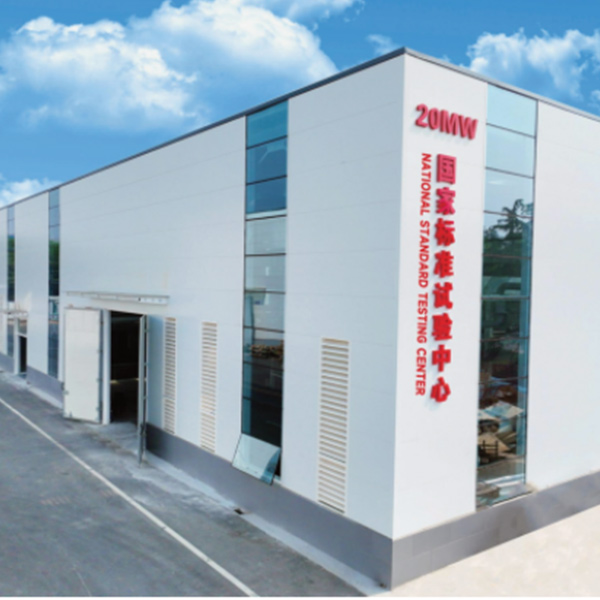
Although proper operation and timely diagnostics play a key role, the foundation for reliability is laid at the stage of equipment creation. That is why the professional market is increasingly turning its attention to manufacturers who combine engineering flexibility with a strict quality control system. A striking example of this approach is the companyYuke (Shandong) Electrical Technology LLC.
Located in Shandong province, this company specializes in the development and supply of complete solutions for autonomous and backup power supply. Unlike simple assemblers, Yuke acts as a full-fledged integrator, combining engines from the world's leading brands (Cummins, MTU, Perkins, SEM, Yuchai) with its own engineering developments in the field of mobile power systems and energy storage.
The key advantage of Yuke products is their multi-level control system, which directly affects the frequency of future malfunctions described in this article. Each generator set, whether it is the Cummins VCD Silent Series, the Yuchai VYG Gas Series, or the VHMD5 and VHSD5 Series High Voltage Units, undergoes a mandatory load test of at least 4 hours before shipment. This allows potential problems with the fuel system, cooling or electrical system to be identified at the factory, eliminating “childhood diseases” at the customer’s site.
The company's product portfolio covers eight key categories, including mobile power trailers, light towers and liquid-cooled energy storage cabinets, adapted to the harsh climate conditions of the CIS, Asia and Africa. This approach ensures that the equipment will operate stably even under extreme loads, minimizing the risk of downtime due to manufacturing defects.
Frequently Asked Questions
Why does a diesel generator smoke white smoke after warming up?
White smoke on a warm engine indicates coolant entering the cylinders. Most often, the cause is a blown cylinder head gasket or a crack in the cylinder head. Less commonly, wear of the valve guides. You cannot continue operation: the water hammer can bend the connecting rods. The cylinder head needs troubleshooting and the gasket needs to be replaced.
How often should the oil in a new generator be changed?
The first oil change must be carried out after the first 50 hours of running-in. During this period, the parts are worn in, and the maximum amount of metal shavings accumulates in the oil. Ignoring the first replacement reduces engine life by 20–30%. Then the interval is 250–400 hours, depending on the quality of the oil and operating conditions.
Is it possible to refuel a diesel generator with biofuel?
The use of pure biodiesel (B100) is not recommended for standard generators without modification of the seals, as it is aggressive to rubber and has cleaning properties, lifting deposits from the tank. Blends containing up to 5-7% biodiesel (B5-B7) are usually acceptable, but the shelf life of such fuel is reduced to 1-2 months due to oxidation. Check the owner's manual for your specific model.
What to do if the generator produces low voltage?
Low voltage is often associated with low engine speed. Check the speed controller settings. If the RPM is normal, the problem may be with the AVR (automatic voltage regulator) or the rotating diode. Try adjusting the voltage potentiometer on the AVR unit. If this does not help, the AVR needs to be replaced.
Conclusion: Reliability is in your hands
A diesel generator is a complex mechanism where the mechanical, fuel and electrical parts work in close conjunction. Understanding the physics of the processes we have described will allow you to quickly localizecommon faults and solutions, minimizing downtime. Remember, the most expensive part of a generator is the time it sits idle. Regular maintenance and careful attention to the first symptoms of problems pay off many times over.
We examined the main failure scenarios based on real-life experience in industrial environments. However, each car has its own characteristics. If you are faced with a complex situation that requires in-depth diagnostics or replacement of original components, do not risk the life of the equipment.
Our specialists are ready to provide consulting support and original spare parts to extend the life cycle of your power plant.Contact us todayto receive an individual maintenance plan or express diagnostics of your generator fleet.
For an in-depth study of the topic, we recommend that you read our material aboutcomplete diesel engine maintenance manual, where work regulations for various series of units are described in detail.
-


-
-


WeChat

-
WeChat