

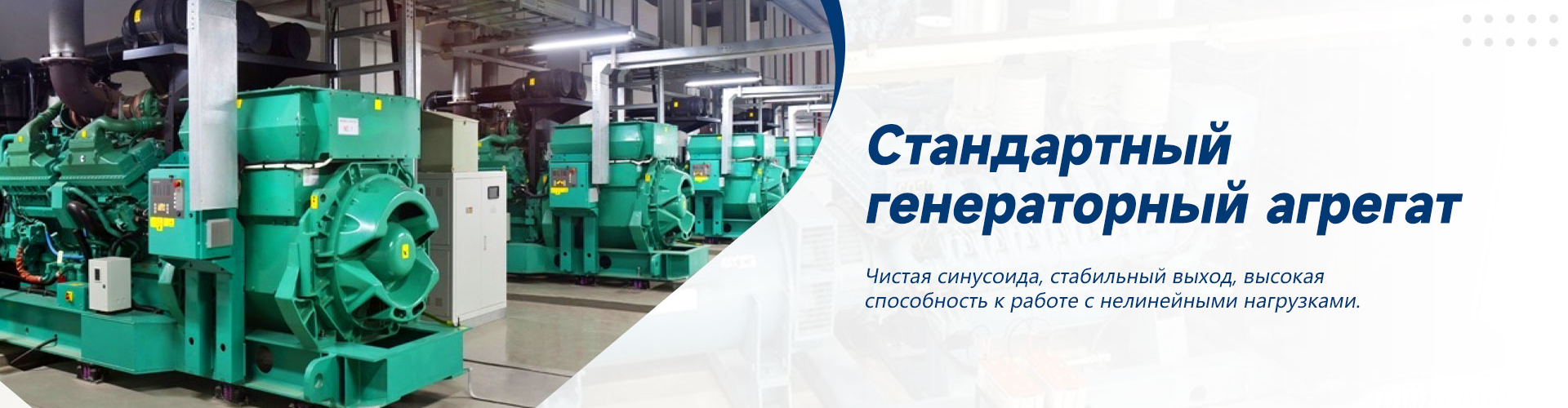
Import of generators from China: customs nuances 2026
2026-07-17
- Importing generators from China: customs nuances 2026 - why old schemes no longer work
- Critical changes in the HS classification for generating equipment
- Certification and permitting documentation: new requirements of the EAEU
- Financial risks: exchange control and transfer pricing
- Logistics and packaging: hidden threats during transportation
- Choosing a reliable partner: an example of adaptation to the requirements of 2026
- Step-by-step algorithm for safe import in 2026
- Frequently Asked Questions
- Conclusion and action strategy
Importing generators from China: customs nuances 2026 - why old schemes no longer work
The situation at the border has changed radically. If in 2024 you could transport a batch of diesel power plants according to a simplified scheme, thenimport of generators from China: customs nuances 2026years dictate completely different rules of the game. We record delays of cargo in temporary storage warehouses (TSW) for a period of 14 to 21 days solely due to errors in the classification of HS codes and the lack of up-to-date certificates of compliance with new environmental standards of the Eurasian Economic Union (EAEU). Our team was faced with a situation where a client lost 18% of the transaction margin simply because they used a 2023 declaration that did not take into account the new noise and emissions requirements for engines over 500 kW.
The market has stopped forgiving errors in documentation. The customs authorities of Russia and Kazakhstan have implemented automated systems for cross-checking data with the Chinese side at the shipment stage. This means that a discrepancy in net weight of even 50 kilograms between the invoice and the actual shipment will now trigger an automatic check and stop the container. In this article, we will look at the specific steps that need to be taken to ensure that your cargo crosses the border without fines or delays, based on real cases and regulations that came into force at the beginning of 2026.
Critical changes in the HS classification for generating equipment
The first thing an importer faces when planning deliveries in 2026 is the tightening of control over the EAEU HS codes. Previously, there was a gray area in the classification of mobile power plants on a chassis and stationary installations in a casing. Now the Federal Customs Service (FCS) requires a detailed technical description indicating the type of prime mover, cooling method and the presence of automatic transfer of reserve (AVR) already at the stage of the preliminary classification decision. A mistake in choosing between code 8502 (electric generating sets) and 8407 (internal combustion engines) can cost you up to 30% of the difference in duty.
In our practice, there was a case when a batch of 12 units of 200 kW generators was delayed for three weeks. The reason is simple: in the technical documentation, the manufacturer indicated the engine as “industrial”, which implied one duty rate, but the customs inspector classified them as “specialized for construction”, based on the presence of a reinforced frame base and hooks for lifting by crane. The difference in the rate was 2.5%, but the fine for false declaration and idle time of containers at the terminal ate up all the profit. Now we require Chinese factories to provide an extended product passport with a clear indication of the CCD (cargo customs declaration) code that they used when exporting from China.
Particular attention in 2026 will be given to generators with hybrid systems or integrated battery packs. Customs treats such installations as composite goods, where the duty rate can be determined on the component with the highest unit value. If your generator has a high-capacity lithium iron phosphate battery installed for peak shaving, make sure it is included on a separate invoice line with its own HS code. Trying to declare everything as a single item often results in the inspector applying the maximum rate to the entire item, ignoring your arguments that the battery is an accessory item.
For proper registration, you will need a technical passport in Russian, certified by the manufacturer, which will indicate:
- Fuel type (diesel, gas, gasoline) and consumption at 75% and 100% load;
- Sound pressure level at a distance of 7 meters (critical for compliance with sanitary standards);
- IP protection class and climatic version (important for confirming compliance with GOST 15150);
- Availability and type of automatic control system (Deep Sea controller, ComAp, SmartGen, etc.).
Don't try to guess the code yourself. Order a preliminary classification decision from the customs authority before sending cargo out of China. This service is paid, but it insures you against changes in the inspector’s opinion at the border. In 2026, the presence of such a document is your main argument in case of a dispute.
Certification and permitting documentation: new requirements of the EAEU
Without properly executed permits, your cargo will turn into useless metal in a temporary storage warehouse. In 2026, the certification system underwent changes aimed at harmonizing safety standards within the EAEU. The main document for the import of generators remains the Declaration of Conformity with the Technical Regulations of the Customs Union (TR CU). However, the list of applicable regulations has expanded, and the requirements for laboratory testing have become stricter.
Key technical regulations that you must cover:
- TR TS 004/2011 “On the safety of low-voltage equipment.”Applies to generators with voltages up to 1000 V. In 2026, a requirement was added for mandatory testing of immunity to electromagnetic interference in real urban conditions, and not just in the laboratory.
- TR TS 010/2011 “On the safety of machinery and equipment.”Concerns mechanical safety, protective covers, emergency stop buttons and hazardous area markings. Inspectors now compare the photo of the nameplate on the body with the photo in the certificate. Any discrepancy in logo or model number will result in refusal of release.
- TR CU 020/2011 “Electromagnetic compatibility of technical equipment.”Critical for generators with electronic control units. Interference from the generator should not affect the operation of nearby telecommunications equipment.
A separate layer of problems concerns environmental standards. From 2025-2026, Russia and the EAEU countries began to more actively apply standards similar to the European Stage V standard for off-road vehicles. Although the requirements are formally looser for stationary generators, customs requires confirmation of nitrogen oxide (NOx) and particulate matter emissions. If you are importing generators with Tier 3 or lower engines, make sure they are legal for sale in your region. We have seen cases where batches of modern Chinese engines were returned due to the lack of environmental labeling on the engine itself, even with a paper certificate.
The process of obtaining a declaration now requires the participation of an accredited laboratory on the territory of the EAEU. Chinese Test Reports (CNAS) are accepted as additional information only and not as a basis for approval. You will have to bring samples (or one sample from a batch) to Russia for testing. The validity period of test reports has been reduced to 1 year for mass production, unless a full production audit has been carried out. For single deliveries, the scheme has been simplified, but the cost of one test has increased by 40% due to the complication of measurement techniques.
An important nuance: the certificate must be issued to an applicant registered in the EAEU country. If you work through an intermediary, make sure that the assignment agreement or contract is drawn up legally correctly. An error in the name of the applicant company by one letter will make the entire package of documents invalid. Always request a draft declaration from the certification center before paying the state fee and check each figure.
Source:Source: Eurasian Economic Commissionprovides up-to-date registers of issued certificates. Before concluding a contract, check whether your supplier’s certificate is valid or whether the laboratory that issued it is not deprived of accreditation.
Financial risks: exchange control and transfer pricing
Customs value is the battleground where most interests converge in 2026. Customs authorities use sophisticated algorithms to analyze contract prices. If your purchase price for a generator is significantly lower than the market average (by more than 15-20%), you automatically fall into the risk zone of a profile check (PC). The system compares your price with data from the databases of other importers, statistics from past periods, and even data on prices in the Chinese domestic market.
The main problem arises when using schemes with agency agreements or payments through third countries. In 2026, the Federal Customs Service requires full transparency of the payment chain. If you pay a supplier in RMB, but part of the amount (for example, for a controller software license or for delivery to a port) goes to another counterparty in dollars or euros, these amounts must be included in the customs value. Concealing such payments is interpreted as an attempt to understate customs value and entails additional duties, VAT and fines in the amount of 50% to 200% of the unpaid amount.
We came across a case where an importer purchased generators at a price of $8,000 per unit, while the average market price for a similar model was $11,500. Customs asked for price justification. The importer provided a letter from the factory about a “special volume discount.” Customs rejected this argument, since the contract did not stipulate the conditions for receiving this discount (for example, achieving a turnover of $1 million per year). As a result, the customs value was adjusted upward using the method based on the transaction price of identical goods. The client lost 3 months and paid an additional 25% of the cost of the cargo.
To avoid problems:
- Include all pricing terms in the contract: delivery basis (Incoterms 2020), who pays for insurance, packaging, loading.
- Avoid saying “price is subject to review” without clear criteria.
- If the product is unique or new, prepare a marketing research explaining why the price is that way (for example, simplified packaging, lack of noise protection, ex-factory).
- When paying in yuan, follow the exchange rate of the Central Bank of the Russian Federation on the date of registration of the declaration. The difference in rates can significantly affect the amount of payments.
Remember that the method of determining customs value based on the transaction price of imported goods (Method 1) is a priority, but it is only applicable if the transaction does not affect the price. Any relationships between buyer and seller (for example, a common parent company) must be declared and proven to have no impact on the price.
Logistics and packaging: hidden threats during transportation
Even perfectly executed documents will not save the cargo if it is damaged in transit or improperly packaged. Generators are heavy and vibration-sensitive equipment. In 2026, packaging requirements were tightened as part of phytosanitary control. Wooden packaging (pallets, boxes, spacers) must be marked IPPC (ISPM 15), confirming the processing of the wood. The absence of a mark or the presence of traces of bark on the boards will lead to the fact that the cargo will be sent for forced fumigation at your expense or the import will be completely prohibited until the packaging is replaced.
The problem of condensation is the scourge of winter supplies from southern China to the northern regions of Russia. The temperature difference when passing through Siberia causes moisture to form inside the container. In our practice, there was a case when the electronic control board of a new generator failed due to contact corrosion caused by condensation. The manufacturer packaged the generator in polyethylene, but did not use enough silica gel or desiccant. The repair took two months, and the client demanded compensation.
Packaging recommendations for imports in 2026:
- Rigid mount.The generator must be bolted to the frame or floor of the container and not simply secured with straps. The straps may become loose due to vibration.
- Moisture protection.Use vacuum packaging for electronic components or at least sealed cases with a large amount of desiccant (calculation: 1 kg per 1 m³ of volume).
- Draining liquids.The engine must be supplied without oil and coolant (dry sump). Only the minimum amount of fuel remaining in the tank is allowed for testing (usually no more than 5-10 liters) and this must be stated on the dangerous goods declaration if the fuel is considered a hazardous substance during transport.
- Insurance.Take out “all risks” insurance with coverage of at least 110% of the invoice value. Make sure your policy covers the risk of damage during loading and unloading operations, as generators are often damaged by forklifts when the container is opened.
Also consider the dimensions. A standard 40' container (HC) can accommodate a limited number of large generators. It is often more profitable to use Open Top or Flat Rack containers for oversized models, but this requires coordination of the route and special permits for transportation within the territory of the Russian Federation if the width or height exceeds standard restrictions. Request exact packing drawings (Packing List with dimensions of each space) from the factory in advance to check loading capacity.
Choosing a reliable partner: an example of adaptation to the requirements of 2026
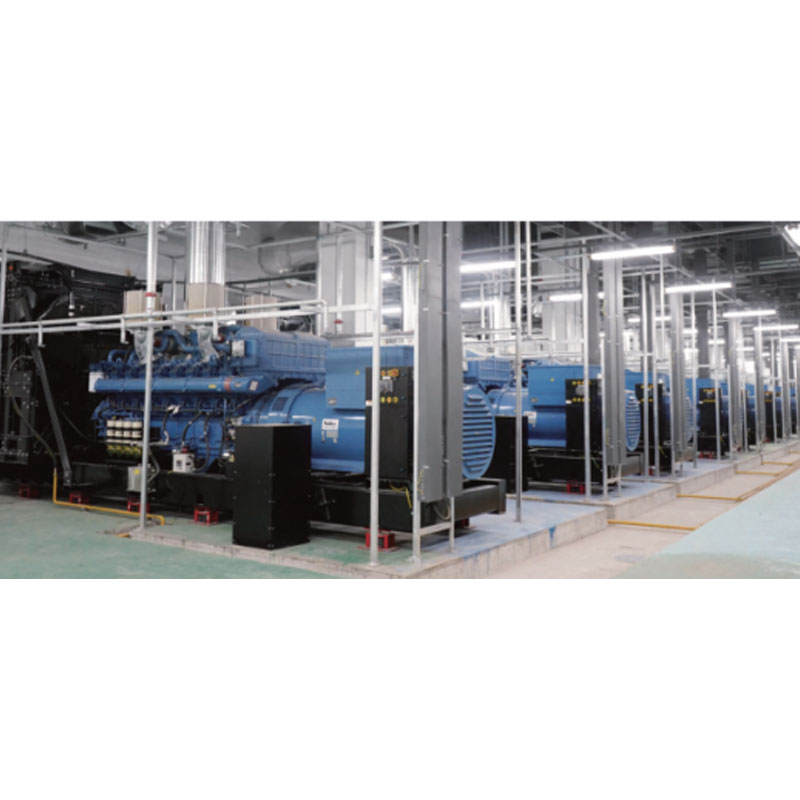
The success of imports in the new realities directly depends on how willing your Chinese partner is to adapt products to the strict requirements of the EAEU. A striking example of this approach is the companyYuke (Shandong) Electrical Technology LLC. Located in Shandong province, this manufacturer specializes not just in assembly, but in the development of comprehensive solutions for autonomous and backup power supply, which is critical for passing customs control.
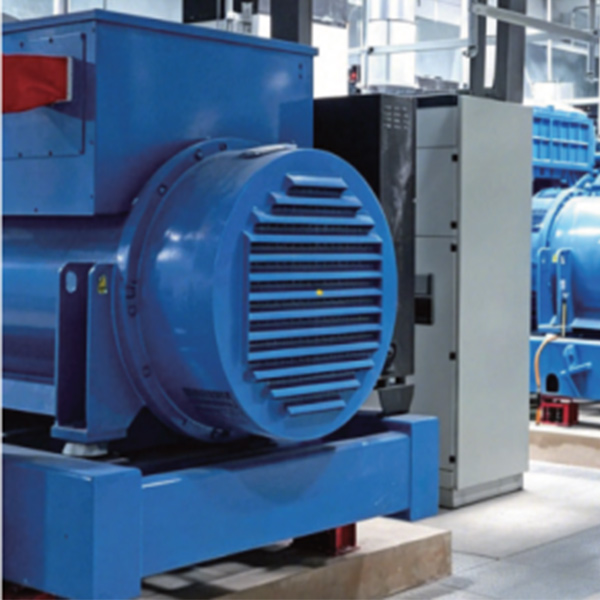
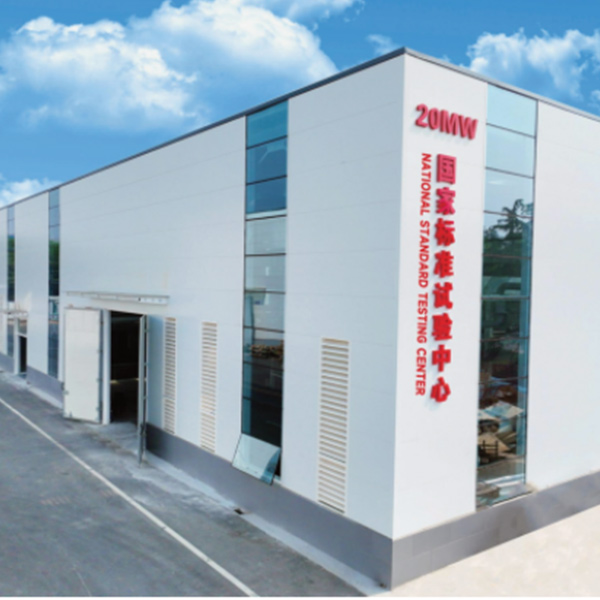
Unlike many factories offering standard models, Yuke acts as an integrator, using engines from the world's leading brands (Cummins, MTU, Perkins, Yuchai, SEM) in its own designs. This allows them to have a flexible approach to the requirements of 2026: for example, to prepare in advance technical documentation in Russian indicating the specific noise and emissions parameters required for certification according to the CU TR. Their production base is equipped with modern testing equipment, where each product unit undergoes mandatory stress tests lasting at least 4 hours. Such rigorous quality control ensures that the parameters stated in the certificate coincide with the actual characteristics of the cargo, which eliminates the risk of refusal of release by Russian customs due to discrepancies in the data.
The company's product portfolio spans eight key categories, including quiet generator sets, mobile power trailers, gas and high-voltage applications, and advanced liquid-cooled energy storage cabinets. Particular attention is paid to adapting solutions to the climatic conditions of the CIS countries and requirements for operational readiness. Yuke's experience in supplying to the region and a well-functioning system for preparing documents (including correct classification and eco-labeling) makes them a reliable partner for importers seeking to avoid delays at the border.
Step-by-step algorithm for safe import in 2026
To minimize risks and ensure unimpeded passage through customs, follow this algorithm. It is compiled based on an analysis of hundreds of successful and unsuccessful deliveries.
- Preliminary audit of the supplier.Don't take the site's word for it. Request a copy of your business license, export license, and previous declarations (bills of lading) for shipments to Russia. Check out the factory via video call, paying attention to the presence of real production, and not just a trader's office. Check to see if they have experience shipping under the new 2026 rules (like, for example, specialized manufacturers like Yuke).
- Development of technical specifications and classification.Obtain a detailed technical description from the factory. Carry out a preliminary classification of the Commodity Nomenclature of Foreign Economic Activity with a customs broker. Request a preliminary code solution if the model is complex or new.
- Preparation of certification.Before shipment, send sample documents to the certification center in the Russian Federation. If necessary, arrange for an inspector to travel to China to take samples (if the certification scheme requires it). Receive a layout of the declaration and approve it.
- Contract and payment.Draw up a contract with clear Incoterms (we recommend FCA factory or FOB port of China to control the logistics yourself). Specify liability for non-compliance with HS codes and penalties for delays in documents. Pay the advance while complying with your bank's exchange control requirements.
- Logistics and tracking.Hire a reliable freight forwarder who specializes in industrial equipment. Monitor the loading and packaging process (preferably through an independent inspector). Track container movement in real time.
- Customs clearance.Prepare a complete package of documents in advance: contract, invoice, packing list, bill of lading, certificates of origin (Form E for duty reduction, if applicable), permits. Submit the declaration electronically through a broker immediately after the cargo arrives at the temporary storage warehouse.
A common mistake at stage 4: importers forget to indicate the country of origin of the goods in the contract. To apply preferential rates (if any) or simply for correct statistics, the “Country of Origin” column must be filled in correctly (China). An error here may result in the application of the maximum duty rate (most favored nation treatment instead of preferential treatment).
Frequently Asked Questions
What documents are needed for customs clearance of a generator for an individual?
Individuals can import generators for personal use (not for commercial activities) under a simplified procedure. You will need: an international passport, a goods declaration (can be submitted electronically), documents confirming the purchase (invoice, check), and a technical passport for the product. However, if the weight of the generator exceeds 35 kg or its cost is higher than 1000 euros (limits may change, check on the date of entry), you will have to pay a fee (15% of the excess amount, but not less than 2 euros per kg). For powerful industrial generators (>10-15 kW), customs almost always considers that it is not for personal use, and requires registration as for a legal entity with all certificates. We strongly do not recommend that individuals try to import a powerful station “in the trunk” - the risk of confiscation is extremely high.
Is it possible to use a Chinese CE certificate instead of a Russian one?
No, you can't. The CE certificate confirms compliance with European standards, but has no legal force in the territory of the EAEU. Moreover, many Chinese CE certificates are “self-certification” without actual testing and are not even recognized in Europe. To import into Russia, you definitely need a Declaration of Conformity of the CU TR (EAEU), issued in an accredited Russian center. The Chinese test report can be attached as technical proof of quality, but it does not replace the local declaration. Attempting to present only CE at the border will result in refusal to release the goods.
How long is cargo stored at a temporary storage warehouse and how much does it cost?
The period of temporary storage in a warehouse (TSW) is 4 months (120 days) with the possibility of extension for another 2 months at the request of the declarant. However, storing cargo there is expensive. The cost of storage depends on the tariffs of a particular temporary storage warehouse and the dimensions of the cargo. For a generator weighing 2 tons, costs can range from 3,000 to 8,000 rubles per day, plus warehouse services for loading and unloading operations. If you do not have time to complete the documents in 2-3 weeks, storage costs may exceed the cost of delivery itself. Therefore, it is critical to submit the declaration on the day of cargo arrival or in advance (within 3 days before arrival).
Conclusion and action strategy
Importing generators from China in 2026 will no longer be a task for amateurs. The market was cleared of random players who were trying to save on documents and logistics. Those who will survive will be those who build a transparent supply chain: from checking a plant in Guangdong or Shandong to receiving a declaration in Moscow. The main risks now lie not in the plane of finding a cheap product, but in the plane of compliance with requirements. An error in the HS code, an expired certificate or an incorrect customs value are more expensive than any savings on the purchase.
We recommend that you do not try to go this route alone unless you have a full-time foreign trade specialist with experience working specifically with power equipment. Involving a professional customs broker and certification center at the planning stage will save you months of time and millions of rubles. Remember: Customs loves preparation. The more complete your package of documents and the more accurate your data, the faster you will receive your cargo and start earning money.
If you are planning a large supply of generators and want to avoid the risks of delays and fines, contact us for an audit of your foreign trade transaction. We will help you check the counterparty, select the correct HS codes and organize turnkey certification.Contact us todayfor advice on your import project.
For more detailed information about logistics routes and current tariffs, visit our sectionLogistics and delivery of industrial equipment.
-


-
-


WeChat

-
WeChat