

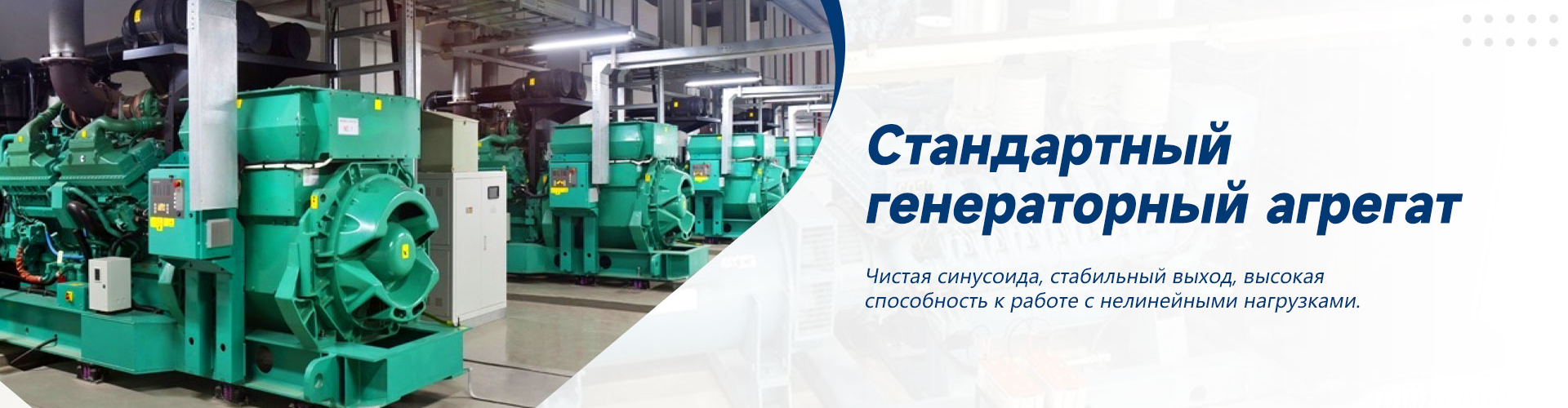
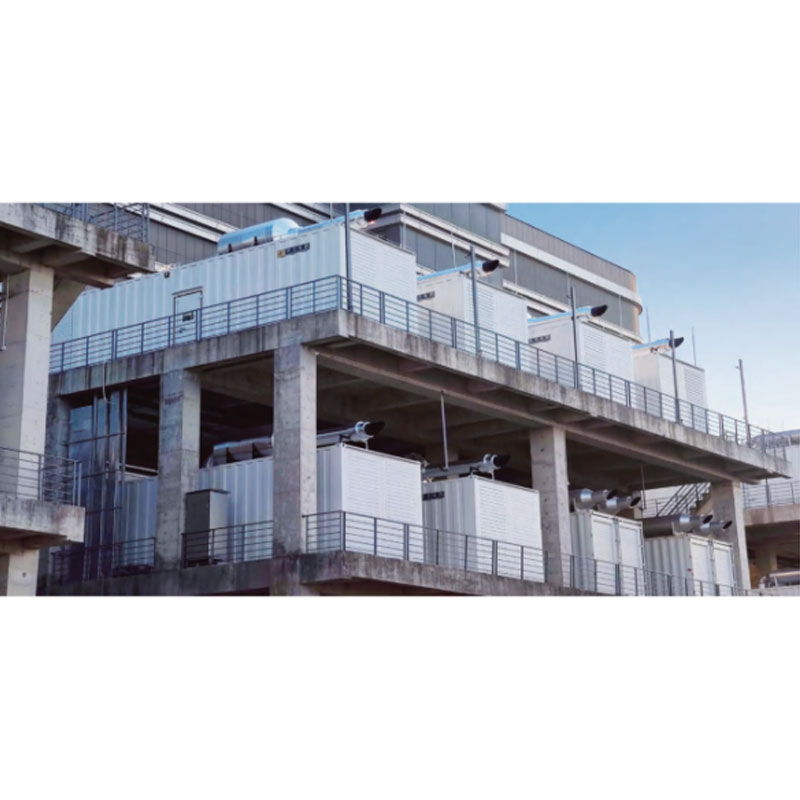
Container diesel generator sets: ventilation and fire extinguishing systems
2026-07-17
- Why ventilation and fire extinguishing determine the service life of a containerized diesel generator set
- Thermodynamics of a container: calculation of ventilation without theoretical assumptions
- Fire extinguishing systems: agent selection and integration with automation
- Regulatory framework and certification: GOST, NPB and international standards
- Specifics of operation in extreme conditions
- The role of a professional integrator: the experience of Yuke LLC
- Frequently Asked Questions
- Practical steps to audit your system
- Conclusion and next steps
Why ventilation and fire extinguishing determine the service life of a containerized diesel generator set
An incorrectly designed heat removal system or incorrect choice of fire extinguishing agent can reduce the life of an expensive containerized diesel generator set by 40–50% already in the first year of operation. In our practice, we have repeatedly encountered situations where customers skimped on engineering piping systems, resulting in engine overheating at an air temperature of +35°C or false alarms of the fire extinguishing system due to vibration. The key problem with most budget solutions is the lack of balance between the air flow for cooling the radiator and the volume of air required for engine combustion. ArticleContainer diesel generator sets: ventilation and fire extinguishing systemsexplores in detail the technical nuances that are ignored by 80% of suppliers on the market, but which are critical to the reliability of your energy supply.
We will not retell general definitions from textbooks. Instead, we will focus on actual engineering calculations, GOST and ISO standards, and specific errors that cause production to stop. If you are planning to purchase or upgrade a containerized power plant (BPP), this information will help you avoid hidden repair costs and equipment downtime.
Thermodynamics of a container: calculation of ventilation without theoretical assumptions
The main task of the ventilation system in a diesel generator container is not just “ventilation”, but the precise removal of heat losses from the engine and generator. About 30–35% of the fuel's energy is converted into electricity, the remaining 65–70% is dissipated as heat through the radiator, exhaust system and radiation from the cylinder block. If this heat is not removed instantly, the temperature in the engine room will begin to rise exponentially.
In our practice, there was a case with a facility in Yakutia, where the client installed a powerful 500 kW diesel generator set in a standard northern container. The manufacturer claimed to work down to -50°C, but in the summer, at +25°C, the station stalled after 40 minutes of operation under load. The reason turned out to be trivial: the area of the entrance and exit blinds was calculated according to the minimum standards for a temperate climate, and the resistance of the air path inside the container did not take into account the installation of exhaust mufflers. The air simply could not pass through the radiator at the required speed.
Formula for calculating air exchange and typical errors
To select fans correctly, it is necessary to use a heat balance. The basic formula looks like this:
Q = H / (ρ × Cp × ΔT)
Where Q is the air volume flow (m³/s), H is the heat loss (kW), ρ is the air density, Cp is the specific heat capacity, ΔT is the permissible temperature difference.
Many engineers make the mistake of assuming ΔT to be 10–15°C. For modern engines with high boost and tight packaging in a container, the safe differential should often not exceed 7–8°C. Exceeding this value leads to detonation and a drop in power.
A critical parameter that is often overlooked is fan static pressure. Blinds with mosquito nets, noise suppressors at the inlet and outlet, as well as the complex geometry of the air ducts inside the container create high aerodynamic resistance. If you select a fan only by flow rate (m³/h), ignoring the pressure characteristic (Pa), the actual performance of the system will drop by 30–40% of the nameplate.
Recommendation:Before approving the project, ask the supplier for an aerodynamic calculation of the path, taking into account all local resistance. Don't rely on "standard solutions".
Air flow organization: circulation short circuit
Even with correctly selected fans, the system efficiency may be zero due to incorrect flow geometry. The most common mistake is placing the intake and exhaust air too close to each other or on the same side of the container without proper separation. The hot air expelled from the radiator is immediately sucked back into the intake pipe. This phenomenon is called recirculation or "short-circuiting" of the flow.
In an ideal scheme, cold air is taken from the bottom or from the end, passes through the engine and radiator, heats up and is thrown up or from the opposite side under pressure. It is important to ensure laminar flow in the engine air intake area. Turbulence here reduces the cylinder filling ratio, which directly affects the efficiency and exhaust smoke.
We recommend using baffles and guide baffles inside the container. They cost a penny compared to the cost of a diesel generator set, but prevent mixing of flows. It is also worth considering the wind rose at the installation site. If the container is located in a narrow opening between buildings, natural draft can work against forced ventilation.
Action:Check the drawing of the diesel generator set. Make sure that the distance from the wall to the air intake is at least 1.5 meters and that the hot air discharge area is clear of obstacles.
Fire extinguishing systems: agent selection and integration with automation
Diesel fuel, oil and high exhaust manifold surface temperatures create ideal conditions for Class B (liquid) and C (electrical) fires. Traditional water systems in diesel generator containers are rarely used due to the risk of damage to the electric generator and the difficulty of draining water in winter. The current standard is gas or aerosol self-acting systems.
Here it is important to distinguish between the concepts of “localization” and “complete extinguishing”. Containerized diesel generator sets require volumetric extinguishing, which fills the entire internal volume of the room with a gaseous agent that reduces the oxygen concentration or inhibits the chemical combustion reaction.
Comparison of extinguishing technologies: Gas vs Aerosol vs Powder
The choice of system type depends on the budget, climate conditions and insurance company requirements. Below is a detailed comparison of the main technologies used in the industry.
| Comparison parameter | Gas extinguishing (Novec 1230 / FM-200) | Aerosol extinguishing (GOST R 53284) | Powder quenching |
|---|---|---|---|
| Operating principle | Chemical inhibition of the combustion reaction. Does not reduce oxygen levels to levels dangerous to humans (with short-term exposure). | Release of a fine solid aerosol that suppresses the flame. It works using a combined mechanism. | Isolation of the combustion source with a layer of powder, stopping the access of oxygen. |
| Equipment safety | High.The gas does not conduct current, leaves no traces, and does not cause corrosion. Ideal for generators and ATS cabinets. | Average.The aerosol settles in a thin layer on surfaces. Requires subsequent cleaning and may clog sensor filters. | Low.The powder penetrates everywhere, causes corrosion of contacts, and is difficult to remove. Can damage electronics even without a fire. |
| Temperature range | From -40°C to +50°C (depending on the pressure in the cylinders). A heated room or thermal insulation of cylinders is required. | Wide range, typically -50°C to +50°C. Aerosol generators are compact and vibration-resistant. | From -50°C to +50°C. Most resistant to extreme cold. |
| Implementation cost | High. High pressure cylinders, pipelines, and complex valves are required. | Low/Medium. The modules are self-contained and do not require pipelines. | Low. The cheapest modules on the market. |
| Applicability in containers | Recommended for expensive imported diesel generator sets and facilities with high requirements for uninterrupted operation. | The optimal choice for most industrial container diesel generator sets in the Russian Federation and the CIS. | Only for budget solutions or as a second line of defense, where damage to equipment is secondary. |
In our practice, we are seeing a trend towards abandoning powder systems in new projects with a power of over 200 kW. Savings at the procurement stage (the difference can be 2-3 thousand dollars) are offset by the risk of failure of the engine control unit after a false alarm or even after scheduled tests. Cleaning the generator from powder requires complete disassembly and washing with special equipment, which leads to downtime for 3–5 days.
Aerosol generators have become the golden mean for the Russian market. They are compact, do not require complex installation of pipelines (which is important in a cramped container) and are certified according to GOST. However, there is a nuance: when triggered, the temperature of the jet at the output of the generator reaches 300–500°C. It is necessary to install special diffusers so that the hot jet does not directly hit plastic wiring elements or fuel hoses.
Tip:When choosing an aerosol system, make sure that the kit includes heat-resistant diffuser sockets. Never install the generator closer than 0.5 meters to fusible materials.
Sensor integration and trigger logic
The extinguishing system itself is useless without the right peripherals. The diesel generator container is an area of high vibration, dust and temperature changes. Conventional office smoke detectors here will quickly give an error or start making noise.
A combination of sensors must be used:
- Heat detectors (maximum or differential):React to rapid temperature increases. Less sensitive to dust than smoke ones.
- Linear heat cables:They are laid directly above the engine and turbocharger. They are triggered when a threshold temperature is reached at a specific point.
- Flame sensors (UV/IR):React to the radiation spectrum of open fire. The fastest response, but require clean optics.
The critical point is the AND algorithm. To avoid false triggering of expensive gas or aerosol due to one faulty sensor, the system must detect a fire with at least two independent sensors. For example: “The heat sensor AND the flame sensor have tripped.” Only after this combination is a signal generated to stop the diesel generator set, close the fuel and air supply valves, and start the extinguishing system.
We encountered an incident where dust from a nearby quarry clogged the optical sensor, causing it to malfunction. The system took this as an alarm signal and started extinguishing the fire while the engine was running. A sharp change in the composition of the atmosphere (even with an inert gas) led to popping in the cylinders and damage to the turbine. The damage amounted to more than 15% of the cost of the station.
Check:Ensure that the design provides for double fire confirmation logic and a manual emergency stop button for the extinguishing system on the outside of the container.
Regulatory framework and certification: GOST, NPB and international standards
When working in the market of Russia and the EAEU countries, it is impossible to ignore the strict requirements of regulators. The equipment must comply not only with plant specifications, but also with national safety standards.
The main document regulating the requirements for automatic fire extinguishing installations isSP 485.1311500.2020(Code of Rules). It replaces many older standards and clearly defines the requirements for design, installation and maintenance. For container diesel generator sets, the sections concerning the protection of premises with live electrical equipment are especially important.
It is also necessary to considerGOST R 53284-2009"Aerosol fire extinguishing generators." If you purchase extinguishing modules, check for a certificate of compliance with this particular standard. The absence of fire safety markings on the module itself is a direct path to problems when handing over the object to an inspector of the Ministry of Emergency Situations.
As for ventilation, there are sanitary standards for noise levels and maximum permissible concentrations of harmful substances (if we are talking about emissions into the atmosphere). Important for northern performanceGOST 15150-69(UHL1), which guarantees equipment operation at extremely low temperatures. However, this standard concerns the container and motor itself rather than the automation system, which is often assembled from general industrial components.
In international practice (for export to Europe or Asia), standards are keyNFPA 2001(Clean Agent Fire Extinguishing Systems) and engine manufacturer recommendations (Cummins, Perkins, MTU), which are often stricter than national standards. For example, many vendors require the installation of a pre-alarm system, which gives personnel 30 seconds to evacuate and the opportunity to cancel the extinguishing fire before it is fully activated.
Important:When importing Chinese containers, check whether the fire extinguishing system is adapted to Russian standards. Often there are systems that are certified only to GB (Chinese standard), which are not accepted by our fire inspectors.
Specifics of operation in extreme conditions
Russia is a country of contrasts, and the life support system of diesel generator sets must work both in the desert of Kalmykia and in the Arctic zone of Yamal. This places unique demands on the design.
Winter operation: combating frost
The main enemy of ventilation in winter is the formation of ice on the entrance blinds. If the air temperature is -30°C, and inside the container is +25°C, the moist air escaping outside instantly condenses and freezes on the grates. In one night, an ice crust can completely block the air intake cross-section.
The solution is to use electrically heated blinds. This is not an option, but a necessity for northern performance. The icing sensor should automatically turn on the heating elements when the temperature drops below -5°C and humidity is present. Also effective is the scheme for recirculating part of the internal air in severe frosts to maintain the temperature in the engine compartment without turning on the coolant heaters (CLH).
However, there is a danger here: if the recirculation system “sticks” in the closed position when a thaw sets in, the engine will overheat in 15 minutes. Therefore, damper actuators must have a mechanical connection or duplication of position signals.
Summer operation and dust storms
In the southern regions, the main problem is dust. Standard G3 or G4 filters clog within 2–3 days of operation in the steppe zone. Increased filter resistance leads to the fact that the fan begins to operate in overload mode, and the engine “chokes.”
We recommend installing coarse cyclone filters before the main filters. They separate up to 80% of coarse dust without airflow resistance. Also useful is the function of automatically opening the blinds 100% when a critical temperature is reached, ignoring the dust load (emergency cooling mode). It's better to let the dust in and clean the engine later than to let the pistons melt.
Another aspect is protection from insects and rodents. A fine mesh is necessary, but it dramatically increases aerodynamic drag. Use stainless steel mesh with a mesh size of no more than 3x3 mm, but take into account their resistance when selecting fans.
The role of a professional integrator: the experience of Yuke LLC
All the technical nuances described above - from aerodynamic calculations to the choice of fire extinguishing agent - require not just the assembly of the body, but deep engineering study at the design stage. This is where the difference between a conventional hardware supplier and a full-fledged solution integrator comes into play.
A striking example of this approach is the company’s activitiesYuke (Shandong) Electrical Technology LLC" Based in Shandong province, the organization specializes in developing integrated solutions for off-grid and backup power supply, combining competencies in generation, mobile power systems and energy storage. Unlike many competitors, Uke acts as a true engineering partner, adapting its products to strict regional standards and climatic conditions in the CIS, Asia and the Middle East.
The company's product portfolio covers eight key categories, including silent generator sets, mobile power station trailers, high-voltage diesel generator sets and specialized solutions based on engines from the world's leading brands (Cummins, MTU, Perkins, SEM, Yuchai). Particular attention is paid to series that are critical for difficult operating conditions: VCD, VSD, VPD diesel generators, VYG gas units and VHMD5/VHSD5 high-voltage systems. Each product is designed taking into account the requirements for noise reduction, mobility and, most importantly in the context of this article, the correct operation of thermal management systems.
The Yuke production base is equipped with modern equipment for multi-level quality control. Each product unit undergoes mandatory load tests lasting at least 4 hours under rated and partial load. This allows potential problems with ventilation, overheating or vibration to be identified before shipment to the customer. The company is also introducing its own developments in the field of liquid cooling of energy storage cabinets and digital monitoring systems, providing synergy between traditional power sources and new technologies.
The philosophy of “reliability through responsibility” is implemented through full customer support: from consultation at the design stage and adaptation to local standards (including GOST and the requirements of the Ministry of Emergency Situations) to post-warranty service and the supply of original spare parts. For projects where the cost of an error is measured by a production stoppage or accident, such an integrated approach is the only right choice.
Frequently Asked Questions
How often should the fire extinguishing system in a diesel generator container be checked?
According to the maintenance regulations, visual monitoring of pressure in cylinders (for gas systems) or the integrity of seals (for aerosol systems) is carried out monthly. A full technical inspection with checking of electrical circuits and sensors must be carried out by qualified personnel at least once a year. Important: never carry out full tests with actual fire extinguishing on operating equipment unless absolutely necessary. Use the control panel test modes.
Can water be used to extinguish a fire in a diesel generator?
It is strictly not recommended to use water or extinguishing foam inside a container with a running electric generator. Water conducts electricity and can cause a short circuit, making the situation worse, and also cause permanent damage to the stator and rotor windings. In addition, water entering a hot cylinder block can cause it to deform or crack due to thermal shock. The only exception is extinguishing a fuel spill around the container, but not inside it.
What to do if the ventilation system cannot cope with the heat?
If you notice that the coolant temperature is rising above normal under normal load, first check the cleanliness of the radiator outside (it may be clogged with lint or dirt) and the condition of the air filters. If mechanical cleaning does not help, it is possible that the fans were selected incorrectly or the air duct seal is broken (hot air is sucked back in). A temporary measure may be to remove the side panels of the container (weather and safety permitting), but this solution requires the immediate development of a permanent engineering solution to modernize the system.
Practical steps to audit your system
If you already operate a container diesel generator set, we suggest conducting a quick audit using the following checklist. This will take 20 minutes, but can save your equipment:
- Checking the air path:Open the hood/doors. Turn on the diesel generator set at full load. Place a sheet of paper near the joints of the panels inside. If the sheet is pulled or blown in unintended places, there is an air leak that disrupts circulation.
- Sensor test:Carefully (without smoke) check the response of the control panel to a simulated operation of one sensor. The “Attention” light indicator should turn on, but not start extinguishing. When the second one is triggered, there should be a delay and a “Fire” signal.
- Inspection of blinds:Check the valve movement. They should open smoothly, without jamming. In winter, be sure to check the operation of the heating elements.
- Log analysis:Download the accident history of the diesel generator set controller. Frequent stops at “High Temperature” are a sign of a ventilation problem, even if everything is working now.
- Visual inspection of the extinguishing zone:Make sure that the nozzles of the aerosol generators are not pointed directly at plastic wiring connectors or fuel filters.
Remember that the ventilation and fire suppression system is not just an “add-on option”, but the foundation for the safety and longevity of your power plant. Investments in correct calculations and quality components pay off in the absence of sudden downtime at peak consumption times.
Conclusion and next steps
Ensuring the correct temperature conditions and reliable fire protection in container diesel generator sets requires a deep understanding of the thermodynamics and specifics of fire extinguishing agents. As we found out, saving on these systems leads to catastrophic consequences: from engine overheating to complete destruction of the station by fire. The right choice between gas and aerosol extinguishing, competent calculation of air exchange taking into account local resistances and strict adherence to GOST standards are the three pillars of reliable operation.
Don't let unprofessional contractors jeopardize your energy supply. If you doubt the correct operation of your systems or are planning a new purchase, an expert audit of the project is necessary. Companies like Yuke (Shandong) Electrical Technologies LLC demonstrate how important it is to integrate advanced engineering solutions with the stringent requirements of local markets to create truly reliable energy systems.
We are ready to conduct a detailed analysis of your current configuration or offer the optimal solution for a new facility, taking into account all climatic and technical nuances. Contact us today for a design engineer consultation.
For more information about the technical specifications of our container solutions, visitcatalog of container diesel generator setsor explore ourmaintenance services.
-


-
-


WeChat

-
WeChat