

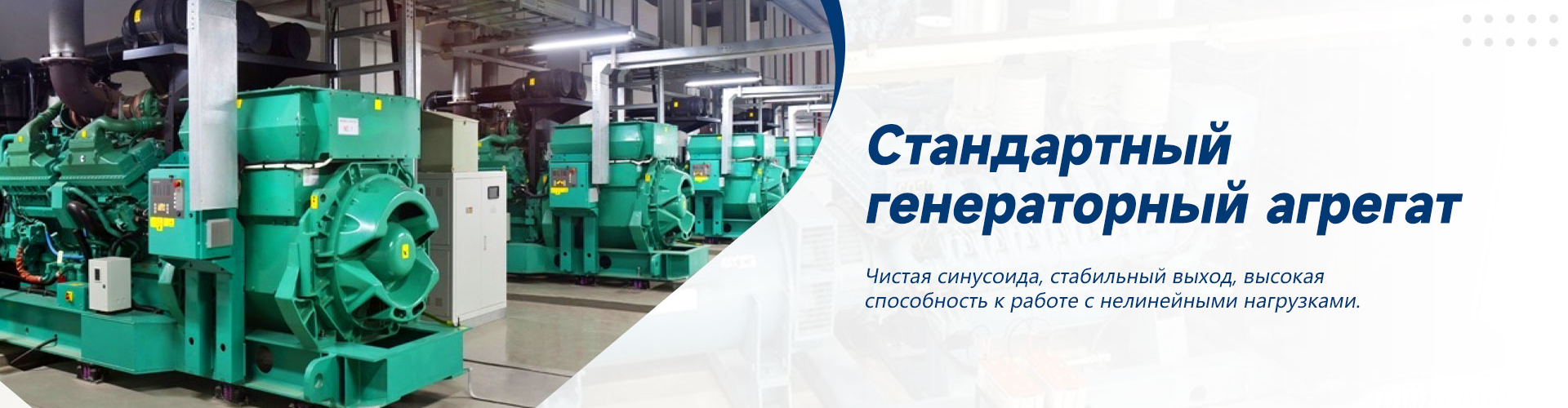
China: leading buyer of diesel power plants?
2026-01-30
The question in the title is often found in queries, but the answer is not as clear as it seems. Many immediately imagine giant construction sites and factories buying tons of generators. In reality, the picture is more complicated. China is certainly a huge market, but its structure and demand drivers have changed dramatically in recent years. If ten years ago the bulk of the volume actually went to large infrastructure facilities, now more and more often we are talking about decentralized, more “smart” projects. reserve And here it’s not just a purchase, but also a serious technological rethink.
Evolution of demand: from ?iron? to ?solutions?
Previously, when working with Chinese contractors in Africa or Central Asia, I saw a classic scheme: power is needed at the site - a batch of reliable, often simple diesel power plants is purchased. The key was the unit itself, its rated power and price. Controllers, control systems - all this was secondary. Now the request has shifted.
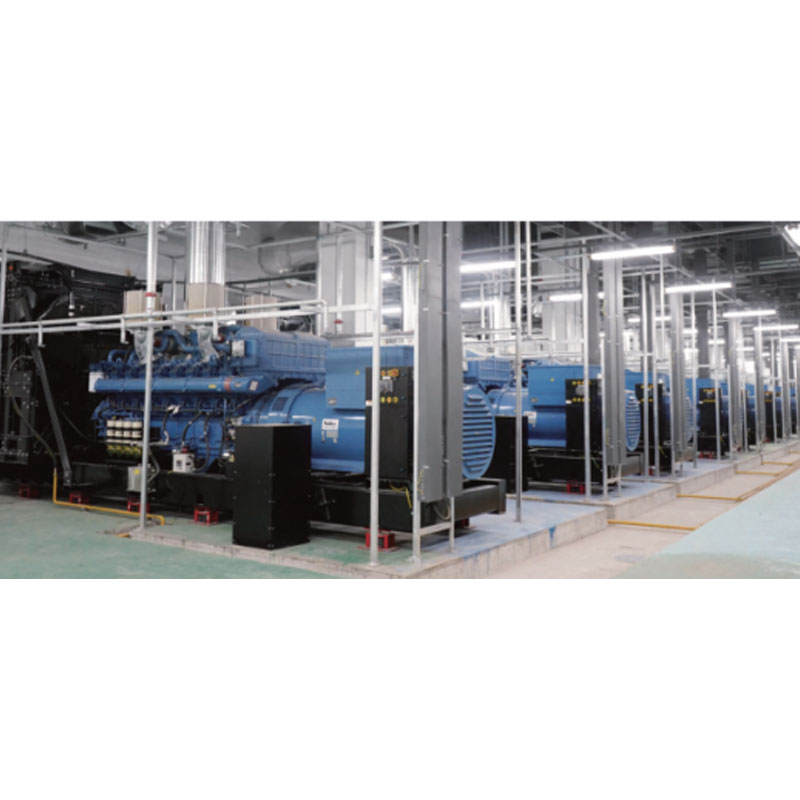
Customers, especially in the industrial and commercial real estate segment, are asking for more than just a generator. They are interested in integration into the overall power supply system of the facility, the possibility of remote monitoring, fuel efficiency, and compatibility with energy storage systems. This is no longer the purchase of equipment, but the acquisition of an energy solution. And Chinese manufacturers, which is important, responded to this very quickly.
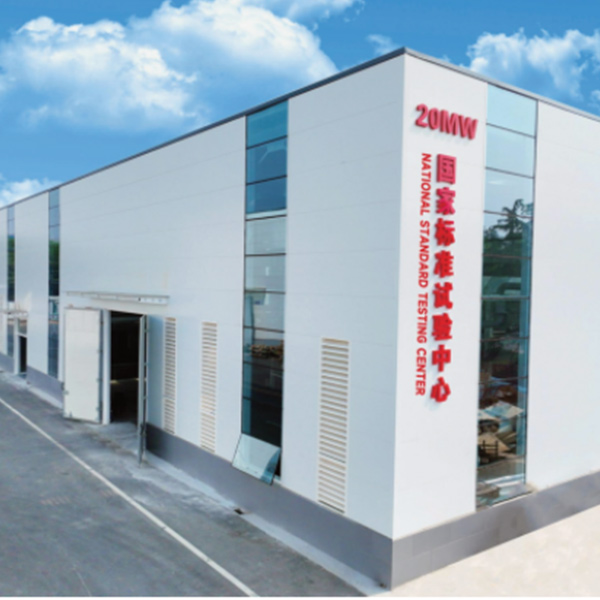
Take, for example, companies likeYuke (Shandong) Electrical Technology Co.,Ltd. Looking at their websitevoyoko.ru, it is clear that they position themselves not as a simple assembler, but as a technological enterprise with a full cycle - from R&D to engineering. Their history, dating back to the DEVER team of 2003, is indicative: they have gone from supplying “hardware” to to the creation of complex systems. This is exactly the shift that is shaping the modern market in and around China.
Internal drivers: not only growth, but also replacement
A common mistake is to attribute demand in China solely to new construction. Yes, it exists, especially within the framework of initiatives to develop the western regions. But the most powerful driver is the program for modernization and greening of existing assets.
Thousands of industrial plants across the country face stringent energy efficiency and emissions regulations. Old diesel units that have been operating for decades must now be replaced with modern ones that meet new environmental standards (for example, China Nonroad Stage IV). This creates a colossal market not for primary purchases, butupgrade.
At the same time, the replacement process itself is not just a transaction “old for new”. This often entails redesigning the energy complex, installing emissions control systems (SCR), and integrating with digital enterprise energy management platforms. We once participated in a tender to modernize the energy center of a textile mill in Shandong. It turned out that the key for the client was not so much the efficiency of the new diesel generator, but the ability to accurately predict its load in conjunction with a new solar power plant on the roofs of the workshops. The old unit, naturally, did not provide such an opportunity.
Exporting competences: China as a technology re-exporter
But here is an interesting paradox. China is a major buyer, but an even more significant player in the global market as a supplier of ready-made solutions. Many Chinese engineering companies, having gained experience in creating complex hybrid systems for the domestic market, are now actively offering them abroad.
The sameYuke Electricin its description it emphasizes research and development and technical consulting. These are not just words. I came across their projects in the SCO countries: they come not with a catalog of generators, but with a ready-made feasibility study for the entire energy complex of a field or a small village. In such a "package" often includes diesel power plants (perhaps not even made in China, if the specifics of the contract require it), solar panels, and a control system.
Thus, part of the ?shopping? diesel power plants in China are actually an intermediate step for a larger export contract. The company purchases, adapts, completes with additional equipment and delivers as part of its engineering services. This greatly distorts simple “import” statistics.
Practical difficulties and supply nuances
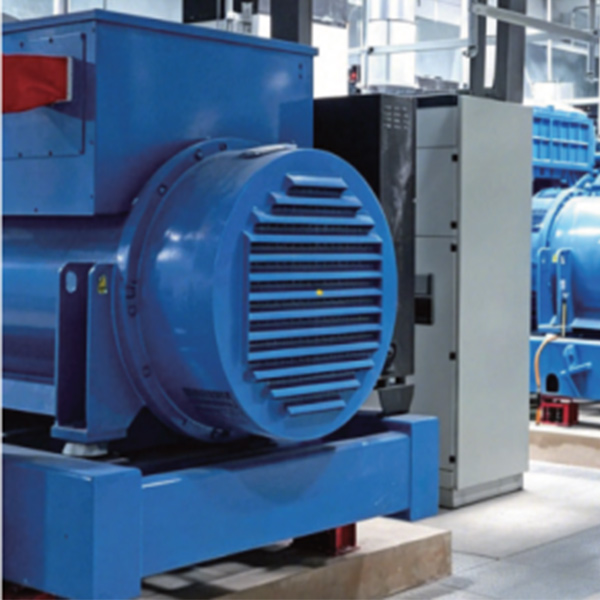
Working directly with Chinese factories and integrators, you constantly come across details that are not visible in the reports. One of the main ones is the growing requirements for customization. Standard ?yellow? a 500 kVA power plant suited everyone five years ago. Now almost every project requires modifications: a special cooling system for work in high mountains, noise reduction to meet specific city sanitary standards, special fuel filters for low-quality diesel fuel.
This slows down the process and increases the cost, but this is what the market demands. Manufacturers who have been able to establish flexible, almost piecemeal production with fast engineering support (just like many technology companies from Shandong) are getting ahead. Their clients are those same “leading buyers” who do not buy a mass product, but a technologically adapted solution.
Another nuance is logistics and service. A large buyer in China today asks not only about the FOB Qingdao price. He is interested in the availability of service centers in key regions, the possibility of remote diagnostics, and training of local personnel. If the manufacturer or integrator cannot provide this, the contract may go to someone who does, even if their underlying equipment is a little more expensive. This again takes us away from pure ?purchases? to comprehensive life cycle contracts.
Conclusion: not a buyer, but a competence center
So is China the leading buyer? Yes, in absolute terms, probably yes. But this status in itself no longer reflects the essence. It would be much more accurate to say that China has become the leadingcenter for demand generation and technological solutionsin the field of backup and hybrid power supply.
Its domestic market, with its stringent requirements and scale, acts as a giant testing ground. The experience gained here by companies like Yuke Electric is then replicated and adapted for global projects. Therefore, seeing the statistics on the purchase of diesel power plants in China, you need to understand: a significant part of this equipment does not settle there forever. It undergoes further development, packaging and is sent further as an element of a more complex engineering product.
It is this transformation - from a passive consumer to an active creator of standards and integrated solutions - that is the main trend. Just ?sell the generator to China? not enough now. It needs to offer something that suits its new, much more sophisticated domestic and export appetite.
-


-
-


WeChat

-
WeChat