

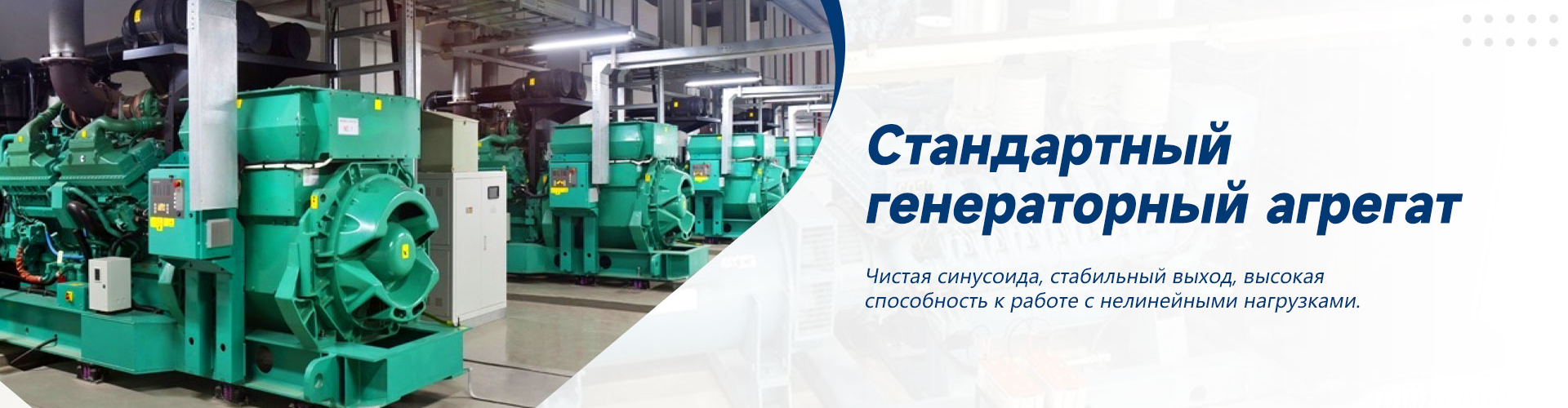
China: the main buyer of diesel generator sets?
2026-01-01
This question constantly comes up in conversations with suppliers and colleagues. Many people immediately imagine giant construction sites and factories buying tons of diesel generators. But reality, as usual, is much more subtle and interesting. In terms of pure volume, yes, China is a huge market. But to simply call him “the main buyer?” - this is oversimplifying. There are more nuances here than in setting up an ATS system for old equipment. I’ll try to sort it out based on what I saw myself.
Volumes vs. Demand structure
When you look at global statistics, the numbers for China are truly impressive. The world's factory country, large-scale infrastructure, development of remote regions - all this requires energy, often autonomous. But if you dig deeper, it turns out that the lion’s share of this demand is not one-time purchases “on the fly”, but part of long-term government projects or planned renewal of the funds of industrial giants.
For example, as part of initiatives to ensure energy security and redundancy for critical infrastructure (data centers, hospitals), large quantities are purchased. But this is a specific, often tender market, where price is not the only criterion. The requirements for emissions, compatibility with local networks, and service are strict. Many Western brands work there, but through localization.
And here is the key point: China is no longer just a buyer. He himself is a powerful producer. Therefore, domestic demand is largely satisfied on its own. As for imports, they are often targeted: either very specific high-power installations, or, conversely, custom solutions for special tasks where a specific brand or technology is needed.
Where are the real growth points? for sellers
If we ignore the gigawatts for megacities, the “periphery” has always seemed more interesting to me. Not in the geographical sense, but in the sense of niche applications. For example, the rapid development of logistics hubs and port infrastructure requires mobile and container solutions. Or telecom - installing base stations in hard-to-reach areas.
An industry acquaintance talked about a project to provide energy to temporary facilities for large events. What was needed was not just power, but mobility, low noise and quick commissioning. The competition was fierce, and the winner was the one who offered not hardware, but a comprehensive solution with a guarantee of service response within 12 hours. This is an indicator of market maturity.
Another growing segment is modernization. Not replacing the entire unit, but upgrading control systems and fuel equipment in order to bring old diesel generator sets up to new environmental standards. This requires deep engineering, not just a catalog with prices. Many companies are just exploring this niche.
Practical experience: when is the ?main buyer? becomes a competitor himself
While working with supplies to Asia, several years ago we encountered an interesting phenomenon. Chinese engineering companies involved in the construction of facilities in third countries (for example, Africa or Central Asia) began to assemble them en masseDGUmade in China. And not just any simple ones, but quite competitive in price and quality.
We had a tender for the supply of several installations for a mining package in Kazakhstan. The project was led by a Chinese contractor. We offered a proven European assembly, but in the end we lost to a local representative of a Chinese factory. Not because our equipment is worse, but because for the general contractor it was a single technological and, importantly, logistics and service package. Risks are lower, communication is easier.
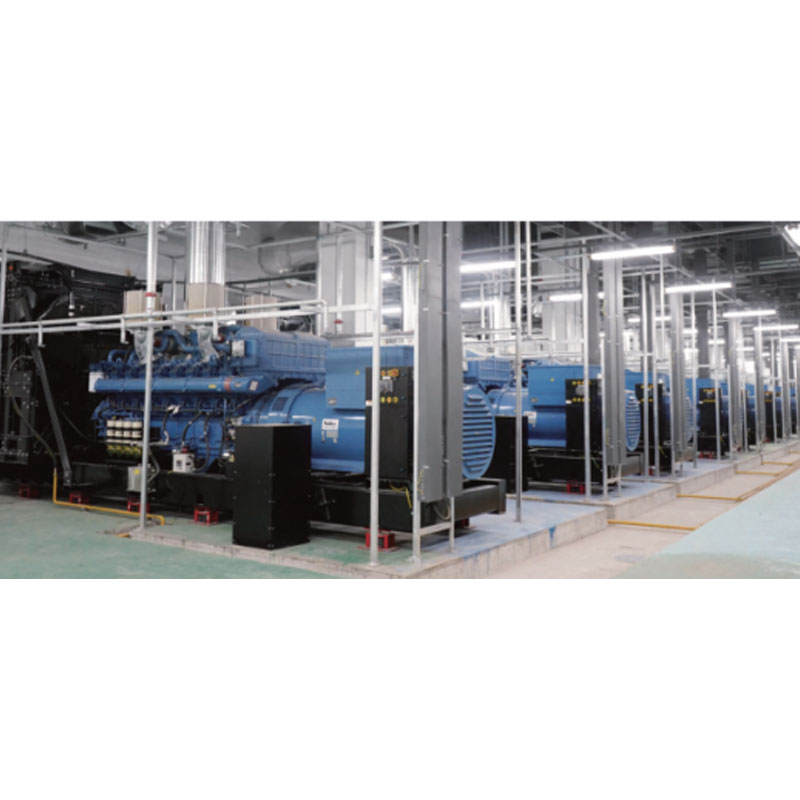
It was a revealing lesson. The Chinese diesel generator market is not only about domestic consumption. This is a powerful export hub that competes globally not only with price, but also with complex “turnkey” solutions. This is exactly what many local players are striving for, for example,Yuke (Shandong) Electrical Technology Co.,Ltd(Yuke Electric). I looked at their websitevoyoko.ru— it is clear that they position themselves not as simple hardware sellers, but as an innovative enterprise with a full cycle: from R&D and technical consulting to construction and service. This is a trend.
Difficulties and pitfalls of working with the market
Let's say you decide that China is your target market. The first barrier is regulatory. Certification, especially for environmental standards (which are becoming stricter), is a different story. We need local partners who understand this. Without them it is almost impossible.
The second is the issue of service and guarantees. Promising delivery is one thing. But organizing a service network, having spare parts in stock, training local engineers is a completely different investment. The market will not forgive long equipment downtime. I remember a story when a contract fell through precisely because our side was unable to provide a clear service coverage plan for the first three years. The client was not interested in the price of the unit, but in the cost of ownership over a decade.
And thirdly, cultural and business characteristics. Timing of decision-making, building relationships (guanxi), understanding who the real decision-maker is in a government agency or large corporation. This only comes with experience and being on the ground. It is impossible to develop such a market remotely from Moscow or Frankfurt.
So who is he - the “main buyer”?
Returning to the title question. If you measure it by gross volumes, then perhaps yes. But such a view is already outdated today. China is a complex, segmented and mature market with enormous domestic competition. He is simultaneously a consumer, a producer, and a re-exporter of technologies.
For a foreign supplier, success here rarely lies in the plane of “selling a larger batch”. More often this is a story about niche high-tech solutions, about partnerships with local engineering companies, about the willingness to adapt a product to very specific needs. Or, as in the case ofYuke Electric, about creating a complete value chain, where heDGUis just one element of the system.
Therefore, in my opinion, a more accurate definition would be not “the main buyer”, but “the main transformer of the market?”. Trends that originate or intensify here (emphasis on efficiency, environmental friendliness, integration with renewable energy sources, digitalization of management) then spread throughout the world. And this is definitely worth keeping an eye on, regardless of whether you are selling to China or competing with Chinese companies elsewhere on the planet. This is perhaps the main conclusion.
-


-
-


WeChat

-
WeChat