

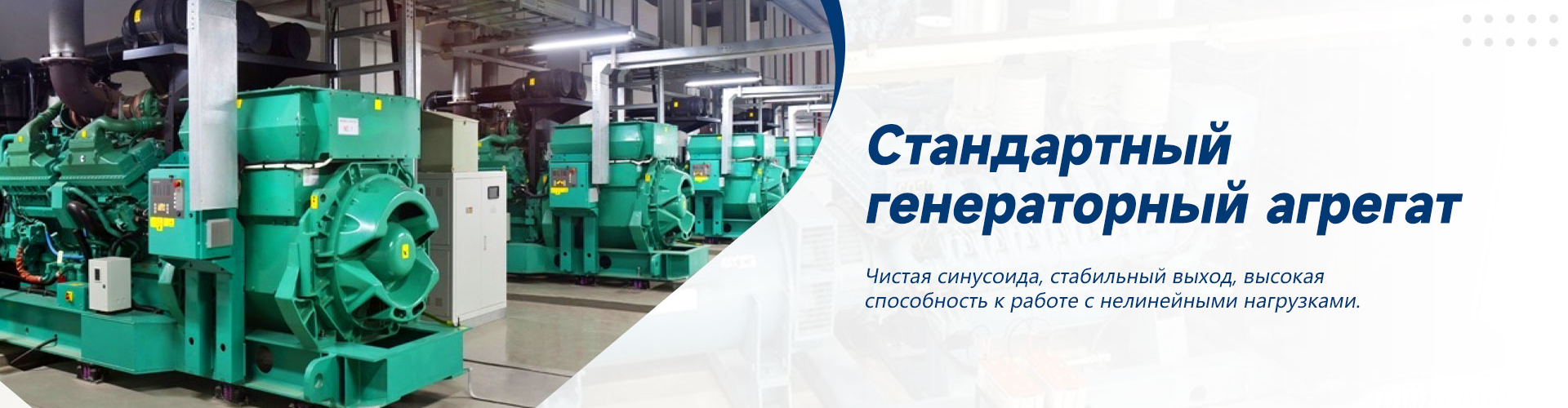
Container generator with a capacity of 1800 kW from the manufacturer
2026-07-10
- 1800 kW container generator from the manufacturer: engineering analysis and selection criteria
- Technical characteristics and architecture of the power plant
- Advantages of buying directly from the manufacturer
- Execution in a sea container: protection and logistics
- Certification and compliance with international standards
- Economic efficiency and payback calculation
- Process of ordering, delivery and commissioning
- Frequently Asked Questions
- Conclusion and next step
1800 kW container generator from the manufacturer: engineering analysis and selection criteria
Orderingcontainer generator with a capacity of 1800 kW from the manufacturer, you are not just buying hardware, but a guarantee of the energy security of your enterprise. In our practice of working with industrial facilities in Siberia and the Far East, we have repeatedly encountered a situation where companies saved at the design stage of noise insulation or cooling systems, choosing cheap assemblers, and after only six months of operation they received engine overheating at an air temperature of +35°C. This led to emergency shutdowns and loss of up to 40% of production capacity during peak hours. Direct work with the manufacturing plant allows you to avoid these risks through quality control at every stage of assembly - from casting the cylinder block to final testing under load in a heat chamber.
Power 1800 kW (2250 kVA) is the border segment between the medium and heavy class of diesel power plants. “Garage” solutions or simplified automation schemes are no longer applicable here. The equipment must operate 24/7, withstand the inrush currents of powerful electric motors and comply with strict environmental standards. In this article we will analyze the technical nuances that distinguish a high-quality factory product from a homemade assembly, based on real test data and GOST/ISO standards.
Technical characteristics and architecture of the power plant
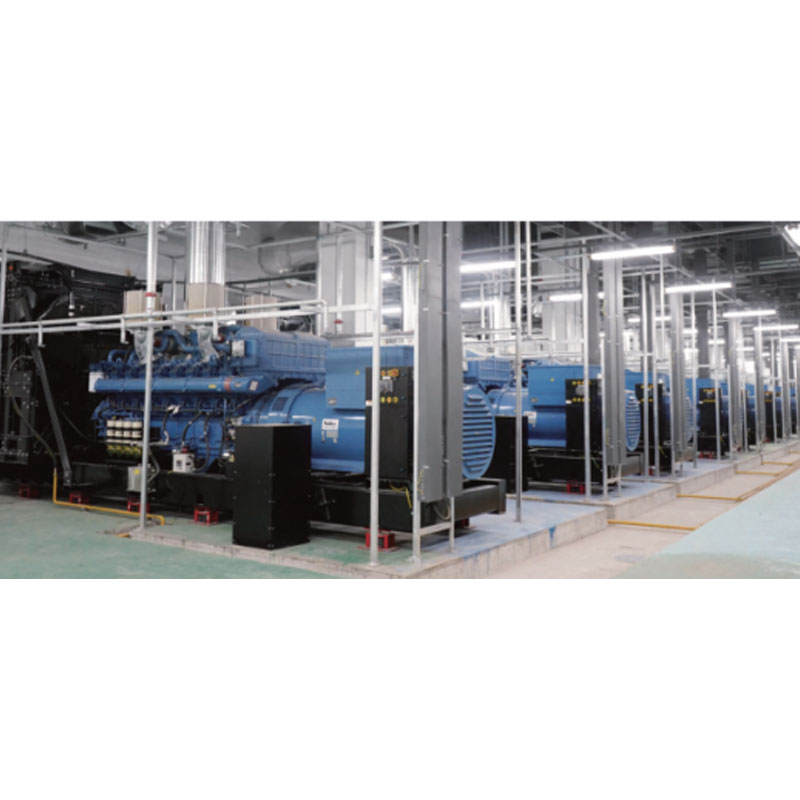
The heart of any power plant of this power is the diesel engine. For the 1800 kW class, we recommend considering only engines with turbocharging and intercooler. Why is this critical? Without an intercooler, the incoming air temperature is too high, which reduces charge density and leads to incomplete combustion of the fuel. In practice, this means excess consumption of diesel by 12-15% and increased thermal stress on the piston group. The factory models we supply are equipped with engines capable of delivering full power of 1800 kW at ambient temperatures up to +45°C without derating (power reduction).
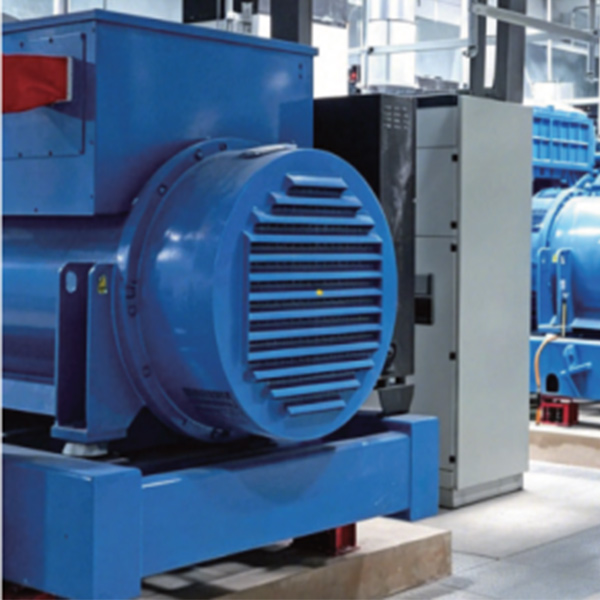
The generator end (alternator) must be a brushless type with a self-excitation system (AVR - automatic voltage regulator). The key parameter here is the degree of protection IP23 or higher and insulation class H. Class H allows the stator windings to withstand temperatures up to 180°C, which is critical for tropical climates or work in closed containers in the summer. We have seen cases where the use of alternators with insulation class F (up to 155°C) led to turn-to-turn short circuits after three years of intensive use in a hot workshop. Replacing such a unit costs up to 30% of the cost of the entire station, so saving on insulation class is unacceptable.
The control system should be based on deep-level controllers, such as Deep Sea Electronics (DSE) or ComAp InteliSys. These devices provide not just start/stop, but also full monitoring of parameters in real time: oil pressure, antifreeze temperature, fuel level, battery charge. An important detail that buyers often forget about is the possibility of parallel operation. If in the future you need to increase power to 3600 kW or create a redundant N+1 system, the controller must have a built-in synchronization function. Redesigning the control system after the fact will cost more than initially installing an advanced controller.
Here are the main technical parameters that should be reflected in your order specification:
- Rated power:1800 kW (2250 kVA) at cos φ = 0.8.
- Rotational speed:1500 rpm (for 50 Hz networks). This is the optimal balance between engine life and dimensions.
- Fuel consumption at 75% load:approximately 340-360 l/h (depending on the engine brand).
- Fuel tank capacity:standard 2000-2500 liters, providing 6-8 hours of battery life.
- Sound pressure level:no more than 85 dBA at a distance of 7 meters (for versions in a noise-proof casing).
- Container dimensions:standard 20-foot sea container (length ~6058 mm), structurally reinforced.
Each parameter affects the total cost of ownership (TCO). For example, a larger tank volume increases battery life, but complicates delivery logistics. We advise you to immediately agree with the plant engineers on the possibility of installing a tank of increased capacity if your infrastructure does not allow frequent refueling.
Advantages of buying directly from the manufacturer
The market is filled with offers from trading houses and small assembly shops that buy components separately and assemble them in rented hangars. Buyingcontainer generator with a capacity of 1800 kW from the manufacturer, you receive a fundamentally different level of responsibility. A striking example of this approach is the company Yuke (Shandong) Electrical Technology LLC. Based in Shandong Province, the organization brings together deep engineering expertise in power generation and mobile power systems to act as a full-fledged solution integrator rather than just an assembler.
Unlike simple assemblers, Yuke has its own technical base for adapting solutions to regional standards, including the harsh climatic conditions of the CIS. The company acts as a strategic partner, using engines and generators from the world's leading brands (Cummins, MTU, SEM, Perkins, Yuchai) in its own designs. This ensures that the frame of the generator set is designed taking into account the resonant frequencies of a particular engine, and is not welded from a channel “by eye”. Vibrations are the main enemy of durability. An incorrect frame will lead to broken foundation bolts and cracks in the cylinder block after just 500 operating hours.
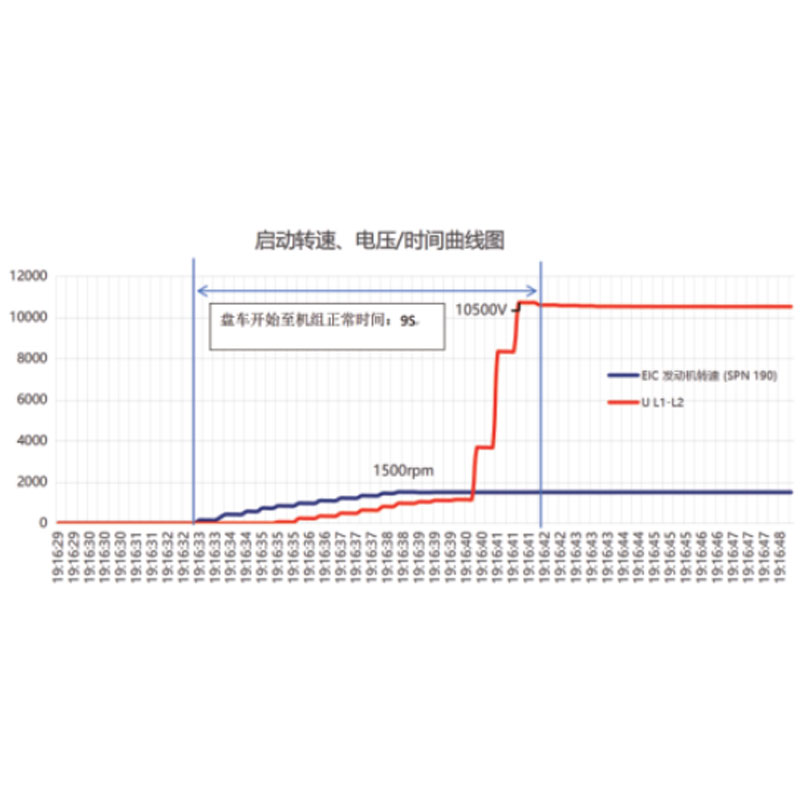
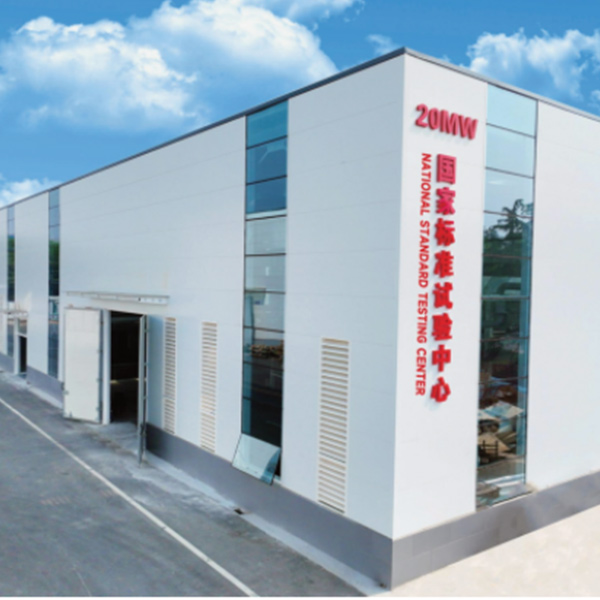
Quality control at the plant includes mandatory incoming inspection of components, intermediate assembly inspection and acceptance testing. The Yuke production base is equipped with modern testing equipment, where a multi-level control system is implemented: each piece of equipment undergoes comprehensive load tests for at least 4 hours under rated and partial load. Our customers receive a factory test report (FAT - Factory Acceptance Test), which records load removal schedules from 0% to 110%, and also checks the parameters of noise, vibration and output voltage stability. We strongly require the presence of a customer representative or independent inspector at these tests. One of our clients, a mining company in Yakutia, thanks to participation in FAT, identified an error in the AVR setup, which caused a voltage drop when connecting a powerful pump. The error was corrected before shipment, saving the company weeks of on-site downtime.
The financial aspect also plays a role. Eliminating intermediaries allows you to reduce the price by 15-20%, but the main thing is the transparency of the guarantee. The factory provides a direct guarantee for the entire installation, usually 2 years or 2000 operating hours. When purchasing from a reseller, you often receive scattered warranties: for the engine - from one supplier, for the generator - from another, for the automation cabinet - from a third. When a breakdown occurs, responsibility begins to shift. A manufacturing plant, such as Yuke, resolves any issues single-handedly, having a spare parts warehouse and a developed network of authorized service partners in the CIS countries, Asia and the Middle East.
In addition, the factory can offer customization to suit your needs. Need coolant preheating to start at -50°C? Is a special exhaust system configuration required to vent gases upward through the roof of the container? Do you need an explosion-proof version for the oil and gas industry? Assemblers rarely take on such tasks due to the complexity of certification, while the plant has all the necessary licenses, technologies and experience in creating specialized solutions - from silent mobile stations to high-voltage installations with a capacity of several megawatts.
Execution in a sea container: protection and logistics
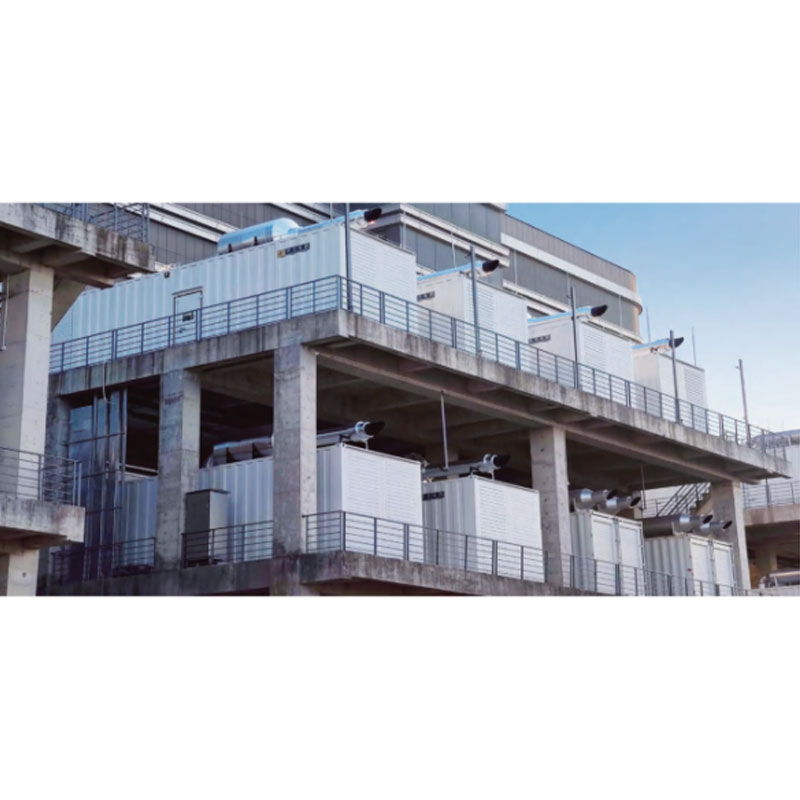
Placing a diesel generator set (DGS) with a capacity of 1800 kW in a sea container is the de facto standard for transporting and protecting equipment. However, not all containers are created equal. A standard dry cargo container (Dry Van) is not suitable for long-term use without major upgrades. The factory version involves the use of specially prepared containers with a reinforced bottom, since the weight of the set (engine, alternator, tank, cooling system) exceeds 12 tons. Even load distribution across the side members is critical to maintaining frame geometry when transported on poor roads.
Thermal insulation and ventilation are the two pillars on which the functionality of the station in a container rests. The 1800 kW engine generates a colossal amount of heat. If the ventilation system is not designed correctly, the temperature inside the container will quickly exceed the permissible 50°C, which will trigger the emergency protection. We use aerodynamic resistance calculations to select blinds and fans. The air flow must be organized so that cold air blows the engine from the bottom up, and hot air is expelled through the radiators using powerful electric axial fans controlled by thermostats.
Noise reduction in a container version is achieved through a multi-layer sandwich panel of walls (high-density mineral wool with a thickness of at least 100 mm) and special exhaust silencers of industrial or residential type. The residential level muffler reduces noise to 75-80 dBA, but creates greater back pressure in the exhaust system, which must be taken into account when tuning the engine. In our practice, there was a case when a client ordered a “quiet” option for placement next to an office building, but did not take into account the length of the exhaust tract. The increase in resistance resulted in a 5% drop in power. The plant's engineers adjusted the fuel injection map, restoring the specifications.
The logistics advantages of the container are obvious: it is a ready-made turnkey solution that can be delivered by any type of transport - sea, railway or car carrier. You don't need to build a permanent foundation or power plant building. It is enough to prepare a concrete platform with a load-bearing capacity of at least 20 t/m². The container is installed on the site, connected with cable lines, and the station is ready for operation. This reduces the time it takes to put a facility into operation from several months to several days.
Certification and compliance with international standards
When importing and operating industrial equipment in the Russian Federation and EAEU countries, the availability of certificates is not a formality, but a legal requirement. The manufacturing plant is required to provide a complete package of documents. The key document is the Certificate of Conformity TR CU 010/2011 “On the safety of machinery and equipment”. Without this document, customs clearance of the cargo is impossible, and operation is prohibited by supervisory authorities.
Compliance with environmental standards is also important. For diesel engines, Euro II, Euro III or Stage V emission standards are relevant. In Russia and many CIS countries, the operation of Euro II/III level equipment is still acceptable, but for projects with international financing or export orientation, higher standards are often required. Stage V engines are equipped with complex exhaust gas aftertreatment systems (SCR, DPF), which increases installation costs and requires the use of urea (AdBlue), but significantly reduces the harmful impact on the environment.
The quality management system of the plant itself is also important. Having an ISO 9001:2015 certificate confirms that production processes are standardized and controlled. This reduces the risk of human error during assembly. In addition, for work in hazardous areas (oil refining, chemistry) an Ex certificate (explosion protection) is required. Conventional container generators do not have such a certificate, and their use in such areas grossly violates industrial safety rules.
We recommend requesting copies of all certificates from the supplier at the negotiation stage. Check the validity periods of documents and their distribution area. Often, unscrupulous sellers show certificates for a different model or for individual components, and not for the entire assembly. Only a comprehensive certificate for “Containerized diesel generator set” guarantees the legality of the equipment.
Economic efficiency and payback calculation
Buying a generator with a capacity of 1800 kW is a serious investment that can reach tens of millions of rubles. To justify these costs, it is necessary to view the equipment as an asset that generates profit due to the continuity of processes. Downtime of modern production even for one hour can cost more than the monthly depreciation of a generator. Therefore, the main selection criterion is not the minimum purchase price, but the minimum operating hour cost (Cost per Hour).
The cost per hour consists of fuel consumption, the cost of maintenance and repairs. A high-quality factory engine has a service interval of 500-600 hours, while budget analogues require an oil change every 250 hours. Taking into account oil consumption and labor costs of the service team, the difference in maintenance regulations over 5 years of operation can amount to an amount comparable to the cost of the generator itself. In addition, reliable engines have a service life of 40,000 - 60,000 hours before the first major overhaul, which, with round-the-clock operation, is 4-6 years of continuous service.
Energy efficiency also depends on the correct selection of power. Operating the generator at a load of less than 30% is harmful to the engine (the effect of “glazing” of the cylinders, coking of the injectors). Our task as a supplier is to help you choose the optimal mode. If your base load is 600 kW and peaks reach 1800 kW, it may make sense to consider a design with two 1000 kW units with parallel operation. This will allow the main installation to operate in the optimal range of 70-80% of the load, saving fuel and resource.
Below is a comparison table of costs for a premium factory installation and a budget equivalent over a period of 5 years (assuming 4,000 hours per year):
| Expense item | Factory Installed (Premium) | Budget build (No-name) | Expert commentary |
|---|---|---|---|
| Purchase cost | High (base 100%) | Low (-20% of base) | Savings at the start are illusory |
| Fuel consumption | 210 g/kWh | 225 g/kWh | A 7% difference gives huge savings over 5 years |
| Maintenance interval | 500 operating hours | 250 hours | Double costs for oil and filters for state employees |
| Probability of failure | < 1% | ~5-7% | The risk of production downtime is critical |
| Liquidity in the used market | High (up to 60% of the price) | Low (scrap price) | Branded equipment is easy to sell |
As can be seen from the table, the initial savings are quickly offset by operating costs. We recommend calculating TCO (Total Cost of Ownership) before making a purchasing decision.
Process of ordering, delivery and commissioning
Work with the manufacturing plant is based on a clear algorithm that guarantees that you receive exactly the product that your business needs. The process begins not with signing a contract, but with a technical audit of your needs. Our engineers request a single-line diagram of your network, a list of consumers indicating their inrush currents and power quality requirements. Based on this data, we select the configuration of the diesel generator set.
After agreeing on the terms of reference (TOR), a contract is concluded fixing production dates. For standard models, production time is 45-60 working days. If customization is required (for example, a reinforced northern package or special paint), the period may increase to 75 days. It is important to understand that urgency often comes at the expense of quality. Trying to push production deadlines can lead to skipping quality control steps.
Delivery is carried out by reliable logistics partners. The container design allows the use of multimodal transportation. We take care of all customs procedures, providing the client with turnkey goods with a full package of closing documents. When accepting equipment at the site, a visual inspection is required to check for damage during transportation and a completeness check.
Pre-commissioning (Commissioning) is the final and most important stage. They must be performed by qualified specialists who have approvals and experience working with a specific brand of equipment. During commissioning, the correct connection of power cables and control circuits is checked, protection settings are adjusted, and a test run is carried out under load (if it is possible to connect a ballast load). We strongly recommend concluding a service contract immediately upon purchase. Regular maintenance according to factory regulations is the only condition for maintaining the warranty.
Frequently Asked Questions
What is the real fuel consumption of a 1800 kW generator?
Fuel consumption depends nonlinearly on load. At 100% load, a modern diesel engine consumes about 210-220 grams per kWh. For a 1800 kW generator this is approximately 380-400 liters per hour. However, in real operation the load is rarely constant. At 75% load (optimal mode), the consumption will be about 300-320 liters per hour. It is important to remember that older or unadjusted engines can consume 15-20% more. The exact data is always indicated in the passport of the specific engine model.
Is it possible to install a generator in a container near residential buildings?
Yes, this is possible, but only when using a special version with an increased level of noise protection (Super Silent). A standard industrial container produces about 85 dBA at a distance of 7 meters, which is high for a residential area. The Super Silent design with multi-layer insulation and powerful resonant mufflers reduces the noise level to 65-70 dBA. It is also necessary to correctly orient the exhaust pipe (output upward) and use acoustic baffles. Before installation, it is recommended to carry out an acoustic calculation of the project.
What is the warranty for the container generator?
The standard manufacturer's warranty is 2 years or 2000 hours (whichever comes first). The warranty covers all major components: engine, generator, controller, frame and container. The condition for maintaining the warranty is that timely maintenance is carried out by authorized service centers and compliance with operating rules. Violation of maintenance regulations or the use of non-original consumables may become grounds for refusal of warranty repairs.
Do I need to register a generator with Rostechnadzor?
The diesel generator set itself as equipment is not subject to registration with Rostekhnadzor unless it is part of a hazardous production facility (HPF). However, if a diesel generator set is used at a facility that is classified as a hazardous production facility (for example, an oil depot, a chemical plant), then it is taken into account in the documentation of this facility. It is also necessary to register the source of emissions of pollutants into nature with the territorial body of Rosprirodnadzor if the engine power exceeds certain thresholds (usually for 1800 kW registration is required).
Conclusion and next step
The choice of power equipment is a strategic decision that will determine the reliability of your business for years to come.Container generator with a capacity of 1800 kW from the manufactureris an investment in stability that pays off with no unplanned downtime and low operating costs. Do not take risks by entrusting the assembly to unknown contractors. Working directly with a manufacturer such as Yuke (Shandong) Electrical Technology Co., Ltd. gives you quality control, a transparent guarantee and world-class technical support. The company's philosophy of "reliability through responsibility" ensures that you receive a solution tailored to your needs - from the harsh conditions of the North to the hot desert climate.
If you're ready to discuss the details of your project, receive a quote, or consult with a plant chief engineer, contact us today. We will help you select the optimal configuration from our wide portfolio (including VCD, VSD, VPD series and others), calculate delivery times and organize delivery of equipment on time. Reliable energy is the foundation of your success.
Go to the catalog of generators 1800 kW | Contact sales department
-


-
-


WeChat

-
WeChat