
Lighting tower for construction site - rent and sale
2026-07-10
- Lighting tower for a construction site: rent or buy - economic calculation for 2026
- Technical characteristics: what really affects work productivity
- Renting lighting towers: hidden risks and real costs
- Buying lighting towers: investing in your own park
- Comparative Analysis: Renting vs. Buying
- Legal aspects and certification in the Russian Federation
- Frequently Asked Questions
- Recommendations for choosing a supplier
- Conclusion
Lighting tower for a construction site: rent or buy - economic calculation for 2026
Deciding if you needconstruction site lighting towerfor rent or purchase, depends not on the project budget, but on the duration of the work cycle and the logistics limitations of the facility. In our practice, we have seen companies lose up to 15% of margins due to poor choices between capital expenditures (CAPEX) and operating expenses (OPEX). If your project lasts less than 8 months, renting is almost always better when you factor in the cost of maintenance and transportation. For objects with a sales period of more than a year, purchasing your own fleet of equipment becomes the only option for profitability. This article is based on real-life cases from our clients in the oil and gas and civil engineering sectors, where we conducted a detailed analysis of the total cost of ownership.
We will not use general phrases about “quality lighting.” Instead, we will analyze specific technical parameters: the height of the mast, the type of floodlights used (metal halide vs LED), wind load requirements according to GOST and the actual fuel consumption of diesel generators. You will learn why a cheap rental rate can result in equipment downtime due to a lack of spare parts, and what hidden fees are often found in supplier contracts.
Technical characteristics: what really affects work productivity
Selecting equipment doesn't start with price, but with understanding the physical conditions of your site. A lighting tower is a complex engineering system, where each parameter directly affects the safety and speed of night shifts. Let's look at the key specifications that should be in your technical specifications.
Lifting height and lighting angle
Standard models offer lifts of 4 to 9 meters, but large infrastructure projects require solutions up to 12 to 15 meters. It is important to understand: increasing the height non-linearly increases the coverage area. The 6 meter high tower illuminates approximately 2000–2500 m² using four 1000 W floodlights. A rise of up to 9 meters expands this area to 4500 m², but requires strengthening of the stabilizers. In our practice, there was a case when a client ordered a standard 6-meter tower for the installation of metal structures in a workshop with a height of 10 meters. The result is blind spots in the upper part of the structure, violation of labor safety standards and a stoppage of work for three days until the equipment is replaced. Always calculate the height with a margin of at least 20% of the height of the highest point of the working area.
Light source type: Halogen vs LED
Until five years ago, metal halide lamps (MHLs) were the standard. Today the situation has changed. Light-emitting diode (LED) floodlights consume 60–70% less energy for the same luminous flux. For a diesel power plant this is a critical parameter. An MGL spotlight with a power of 1000 W requires a generator with a power of about 4.5–5 kVA, taking into account inrush currents. An LED block of similar brightness consumes only 300–400 W. This allows the use of lower power generators, which reduces fuel consumption from 2.5 liters per hour to 0.8–1 liter. In addition, LED lifespan is 30,000–50,000 hours versus 2,000–5,000 for halogen. The only disadvantage of LED is the high initial cost of the equipment, but it pays off in 6–8 months of active use. If you rent equipment, check the type of lamps: old fleets are often equipped with outdated MGLs, which will lead to overspending on your fuel budget.
Stability and wind load
Safety is determined by the tower's ability to withstand the wind. According to the requirements of GOST R and European EN standards, the operating wind load for lighting masts is usually up to 15–20 m/s when deployed. However, the transport wind speed should be lower. Automatic tilt sensors and an emergency folding system are critical. One of our clients in the port area was faced with a situation where a strong gust of wind (22 m/s) overturned a lightweight aluminum mast without hydraulic supports. Consequences: damage to a nearby excavator and a simple shift for a day. When choosing a model, pay attention to the type of chassis: trailed versions on two axles are more stable than single wheelbases. The presence of outriggers (outriggers) is mandatory for any work at a height of more than 6 meters.
Before signing a contract, request a product passport and check whether the declared characteristics correspond to real tests. Feel free to ask for wind resistance test reports.
Renting lighting towers: hidden risks and real costs
Renting seems like a simple solution: call, get it, work. But in reality, the rental market in Russia and the CIS is fragmented, and conditions can vary greatly. We analyzed more than 50 contracts and identified patterns that affect the final estimate.
Rental cost structure
The base rental rate is usually indicated per day or month excluding VAT and delivery. The real cost consists of the following components:
- Transportation:Delivery by trawl or manipulator costs from 15,000 to 40,000 rubles one way, depending on the region. If the property is located in a difficult-to-reach area, the price may double.
- Commissioning works:Many suppliers charge a separate fee for connection and operator instruction (from 3,000 to 5,000 rubles).
- Fuel:In 90% of cases, the tenant pays for fuel and lubricants on their own. As we found out above, the type of lamps plays a decisive role here.
- Security deposit:Usually equal to the cost of a monthly rental or a fixed amount (50,000–100,000 rubles), which is returned after checking the equipment.
The problem of the technical condition of the park
The main risk of leasing is receiving worn-out equipment. There are many companies on the market that buy used towers after the bankruptcy of construction companies and hand them over without major repairs. Typical problems: hydraulic leaks, worn winch cables, inoperative fuel level sensors. In one of the projects, we had to change the hydraulic pump on a rented tower right on site because the mast jammed when raised. The downtime was 6 hours while we were looking for a service team. To avoid this, request a transfer and acceptance certificate with detailed defect detection. Check the operation of all systems before signing: raise the mast, turn on the lights, check stability on an uneven surface.
When is renting justified?
Renting makes sense in three cases:
- Short-term projects (up to 6 months).
- Seasonal work, when equipment is needed only in summer or winter.
- Peak loads when there is not enough own fleet.
If your work schedule is unstable, renting gives you flexibility. You can return the equipment tomorrow if construction is stopped. A purchase in such a situation freezes capital in an illiquid asset.
Always clarify the terms of the service in the contract: who repairs the equipment in the event of a breakdown and what the service response time is. If the supplier promises repairs "within 24 hours", check whether they have their own workshops in your area.
Buying lighting towers: investing in your own park
Buying your ownlighting tower for construction siteis a strategic solution for general contractors and companies working on a rotational basis. Although the initial costs are high, the long-term benefits are evident with intensive use.
Economics of Ownership (TCO)
The cost of a new diesel lighting tower with LED spotlights varies from 800,000 to 2,500,000 rubles, depending on the brand and configuration. Chinese analogues are cheaper (from 600,000 rubles), but require careful quality control of components. The payback period when working in two shifts is 10–14 months. After that, every hour of work is a net savings compared to rent. In addition, our own equipment is always available. You don't have to wait for the rental car to become available during peak season.
Service and spare parts
The owner will have to resolve maintenance issues himself. This requires a qualified mechanic or a contract with a third party service. Consumables (filters, oil, lamps) fall on your budget. However, you have control over the quality of these materials. We recommend immediately purchasing a set of spare parts (spare parts, tools and accessories): belts, filters, lamps, fuses. Storing the tower also comes at a cost: you need a covered area or hangar to protect the electronics from corrosion and vandals.
Liquidity of the asset
A well-maintained light tower retains up to 60-70% of its market value after 3 years of operation. Brands with a well-known name (for example, Atlas Copco, Wacker Neuson or quality Chinese OEMs) sell faster and are more expensive. When purchasing, pay attention to the presence of certificates of conformity (EAC, GOST), since without them, the sale of equipment in the future will only be possible for spare parts.
If you decide to buy, consider leasing. This will allow you to spread the payment over 2-3 years and take payments into account in the cost of work, reducing income tax.
Comparative Analysis: Renting vs. Buying
To make an informed decision, let’s summarize all the factors in a single table. We compared two scenarios for a typical 12-month construction project with two shifts (16 hours per day).
| Comparison criterion | Rental | Purchase |
|---|---|---|
| Initial investment | Low (deposit + first month) | High (full cost of equipment) |
| Monthly expenses | Fixed rental payment + fuel | Depreciation + maintenance + storage + insurance |
| Responsibility for repairs | Responsible for the landlord (usually) | Fully on the owner |
| Availability of equipment | Depends on supplier availability | 100% Availability Guarantee |
| Flexibility | High (can be returned at any time) | Low (needs to be sold or stored) |
| Risk of obsolescence | Minimum (you can take a new model) | Medium (technology changes) |
| Tax benefits | Full expense write-off | Depreciation + VAT deductible |
The table shows that for one-time projects, renting wins in terms of flexibility and the absence of headaches with service. However, for a constant flow of work, the purchase provides control and a reduction in the unit cost of lighting per hour. Our experience shows that the profitability limit is at around 1200 engine hours per year. If your equipment works more than 5 hours a day all year round, buy it.
Legal aspects and certification in the Russian Federation
Work with lighting towers is subject to strict safety standards. Whether you rent or buy, the equipment must comply with applicable laws.
Required Certificates
In the territory of the Customs Union (EAEU), all such equipment is subject to mandatory certification. Main document -EAC Certificate of Conformity. It confirms that the tower is safe for operation and complies with the technical regulations of TR CU 010/2011 “On the safety of machinery and equipment.” The absence of this document makes the operation illegal and entails fines when checked by the labor inspectorate or Rostechnadzor. A product passport with a factory test mark is also important.
Operator requirements
Operating a lighting tower does not require a special tractor driver's license if it is not self-propelled (it moves only in towed mode). However, the personnel carrying out the lifting of the mast and connection must undergo training in electrical safety (not lower than group II) and labor protection. The work log must contain records of employees’ permission to work with this equipment.
Contractual nuances
When renting, carefully read the damage liability clause. The tenant is often prescribed full financial responsibility even for hidden defects. Insist on the wording: “The tenant is responsible for damage caused by his fault during operation.” When purchasing, check the warranty. The standard warranty for a diesel generator is 1000 operating hours or 1 year, for the mast and spotlights - up to 2 years. Make sure that the manufacturer's service center is within reasonable transportation distance from your facilities.
Never start work without checking that the supplier has valid certificates. Request copies of documents before shipment of equipment.
Frequently Asked Questions
What is the minimum height of a light tower for small areas?
To illuminate areas up to 1000 m² (for example, local road repairs or a small cottage construction site), a tower 4–5 meters high is sufficient. Such models are compact, easily towed by a passenger SUV and consume little fuel. However, remember that the lower the light source, the more shadows it creates from surrounding objects. If there are tall trees or walls on the site, it is better to take a 6-meter model so that the light falls at a sharper angle and covers obstacles.
Can the lighting tower be used in winter at -30°C?
Yes, but with conditions. Standard diesel generators operate down to -25°C. For extreme temperatures, a preheater (Webasto or equivalent), winter diesel fuel and a high-capacity battery are required. Some manufacturers offer a “northern version” with an insulated casing and a crankcase heating system. Without preparation, starting at -30°C is impossible - the oil will thicken and the starter will not crank the engine. In our practice, there have been cases of cylinder blocks bursting due to attempts to start without warming up. Always check the climatic design of the equipment before ordering.
How much fuel does the tower consume per shift?
Consumption depends on the load. A 5 kW generator with MGL lamps consumes about 1.5–2.0 liters per hour at full load. A 10-hour shift will cost 15–20 liters of diesel fuel. If LED spotlights are installed, the load on the generator drops, and it can operate in economical mode, consuming 0.8–1.0 liters per hour. Total per shift - 8–10 liters. The difference is significant for long-term projects. Do not believe the passport data “at idle”; ask the consumption exactly under load with the lights on.
Recommendations for choosing a supplier
The market is saturated with offers, but there are few reliable partners. When choosing a supplier company (for rent or purchase), use the following checklist:
- Own service:Does the company have its own mechanics and spare parts warehouse? If they call in third-party technicians from another city, the downtime of your equipment will increase.
- Park age:Ask for photos of real pieces of equipment, not stock pictures from factory websites. The year of manufacture must be no older than 3–5 years for rental, otherwise the frequency of breakdowns will be high.
- Transparency of the contract:Avoid companies that refuse to make changes to a standard contract or hide penalty clauses in fine print.
- Reviews and reputation:Check the availability of arbitration cases in the file of court decisions. Frequent claims from clients for the return of deposits is a red flag.
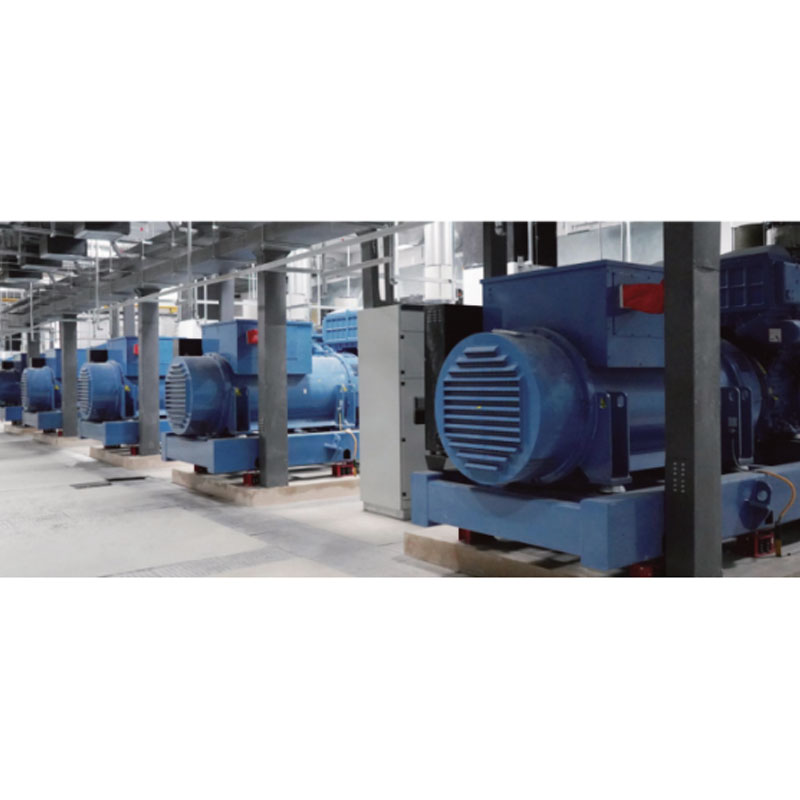
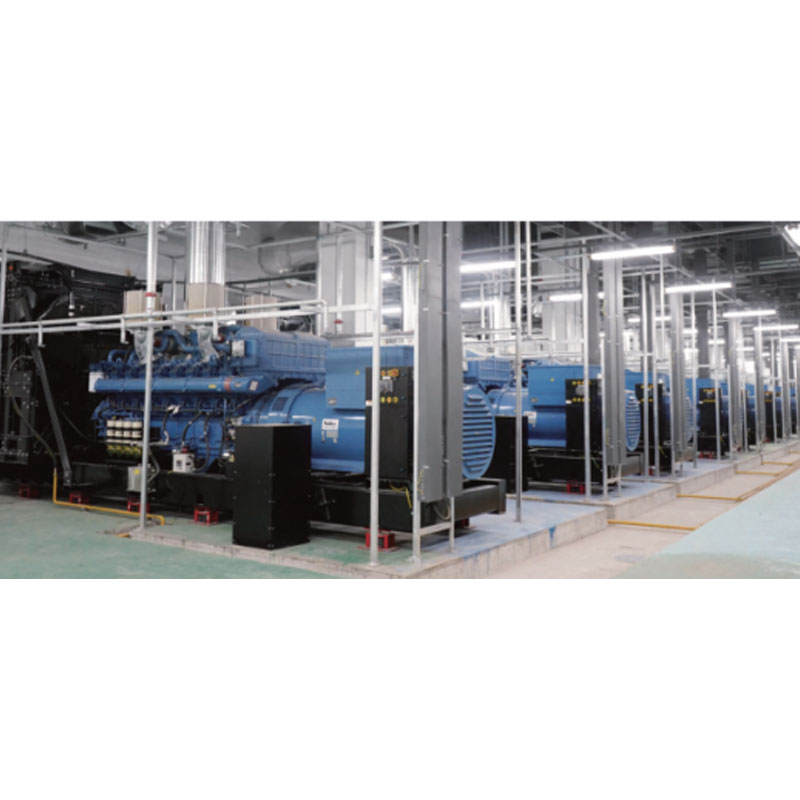
When considering a purchase option, it is important to choose a manufacturer that combines engineering flexibility with strict quality control. A striking example of this approach isYuke (Shandong) Electrical Technology LLCis a professional Chinese company specializing in the development and production of comprehensive solutions in the field of autonomous power supply. With a production base in Shandong Province, the company successfully integrates competencies in power generation and mobile power systems, creating reliable solutions for industrial sites and remote areas.
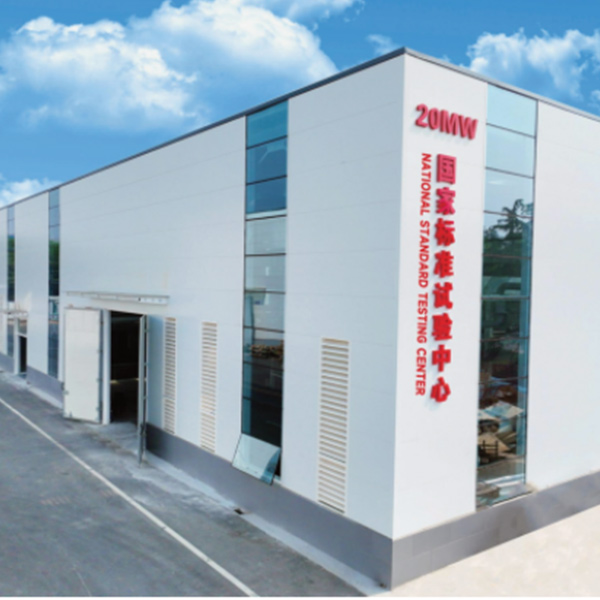
In the Yuke product portfolio, a special place is occupied bymobile light towers, designed to withstand harsh operating conditions. The company acts not just as a manufacturer, but as a solution integrator, using engines and generators from the world's leading brands such as Cummins, MTU, Perkins, SEM and Yuchai. This allows you to adapt the equipment to any climatic conditions, including the harsh winters of the CIS regions. Each product goes through a multi-level quality control system: from incoming component testing to mandatory 4-hour load tests at rated power. This approach ensures that the tower you purchase will meet the stated characteristics of noise reduction, voltage stability and wind resistance.
Uke is actively developing a network of service partners and providing customers with full support: from consultations on choosing a model and personnel training to warranty service and prompt delivery of original spare parts. The company’s philosophy of “reliability through responsibility” means that you get not just a metal structure, but a ready-made energy-efficient solution that minimizes the risk of downtime at your facility.
Conclusion
Choosing between renting and buyinglighting tower for construction siteis not just a question of price, but a question of managing the risks of your project. Renting gives you freedom of maneuver for short distances, but buying provides the foundation for scaling your business and reducing costs in the long term. Evaluate not only the contract rate, but also the total cost of ownership, including logistics, fuel and possible downtime.
Don't let darkness stop your construction. Properly selected lighting speeds up processes, increases safety and allows objects to be delivered on time. If you have doubts about the calculations or need to select a specific model for your needs, our engineers are ready to conduct a free audit of your needs.
Contact us todayto receive an individual commercial offer and advice on technical specifications. We will help you choose the optimal solution that will save your budget and ensure uninterrupted operation of the facility.
-


-
-


WeChat

-
WeChat