

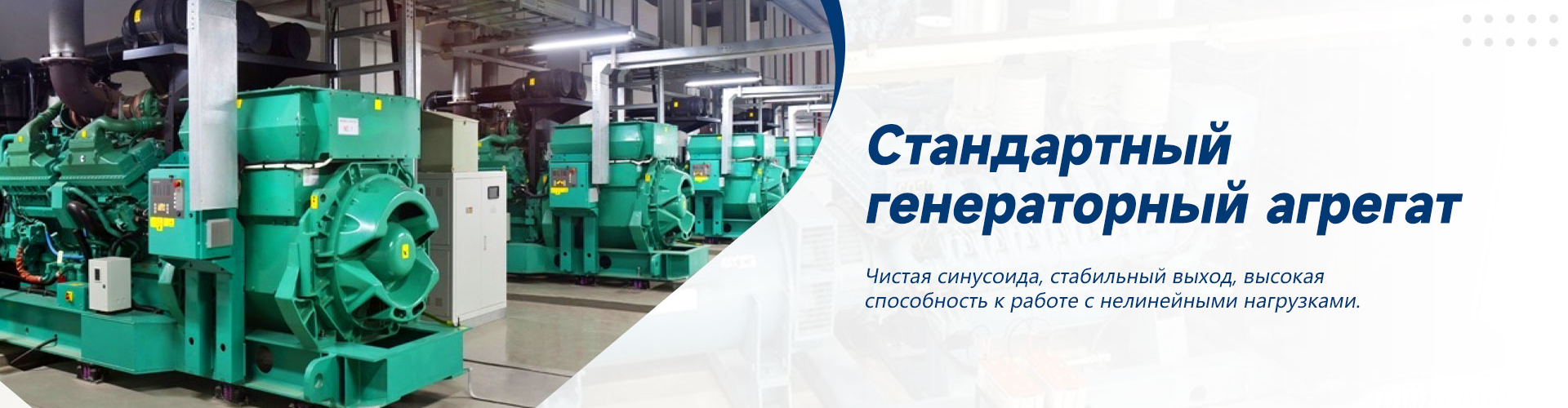
Where do Cummins ship from China?
2026-01-13
The question may seem simple, but it immediately reveals the typical confusion that one encounters in the industry. Many people immediately think about finished engines assembled at Cummins factories in the USA or UK. But when it comes to “China?”, they often mean something else - either aggregates, or, more often,generator setsand power modules based on these engines, which are already produced under license or in joint ventures directly in China. And this is where the fun begins.
Not an engine, but a ready-made solution
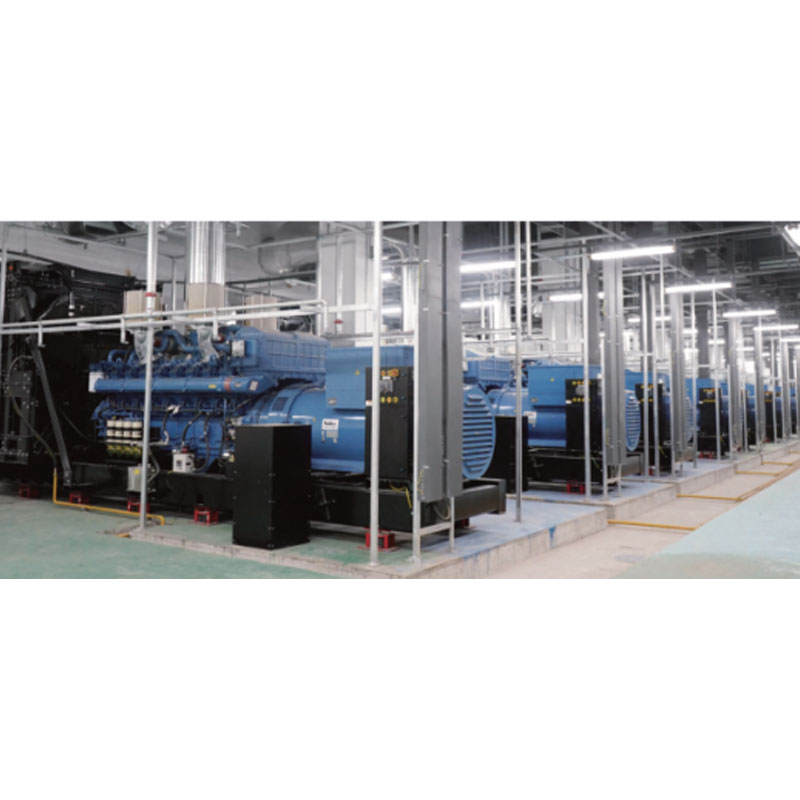
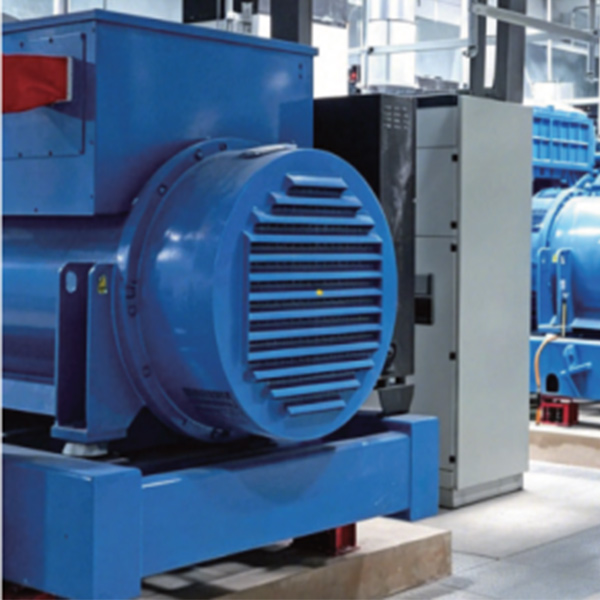
The main flow from China is not “naked?” Cummins engines, and diesel and gas piston power plants. They are assembled at facilities like Dongfeng Cummins, Chongqing Cummins, or at many independent integrator plants. Thesegenerator setsalready equipped with everything necessary: alternator, control system, frame. In essence, this is a power unit ready for connection. And now they are being transported literally all over the world.
If we talk about regions, the picture greatly depends on the specifics of the project. A huge volume goes to the CIS countries, including, of course, Russia and Kazakhstan, for construction, the mining industry and as backup power for commercial facilities. Often these are medium-power installations, from 200 to 1000 kW. Africa and Southeast Asia supply a lot of equipment for infrastructure projects, often financed by Chinese banks, where there is a demand for simpler but more durable models.
An important nuance that many people miss: delivery is only half the battle. Often the contract specifies maintenance and availability of spare parts. And this is where the real difficulties begin. A Chinese integrator can supply an excellent unit, but if it does not have an established spare parts logistics in the target region, the client will face problems in a year or two. I have seen cases where they waited a month for a component to repair a control unit because it was sent by regular mail from Shenzhen.
The role of integrators and the specifics of the CIS market
There are dozens of companies operating in the CIS market, especially in Russia, that purchase “heart”? (Cummins engine) and ?head? (an alternative to, say, Leroy Somer or Stamford) in China, assemble them locally or in a Chinese factory under their own brand and transport them to the customer. This reduces the cost of the final product, but adds risks in terms of build quality and compliance with specifications.
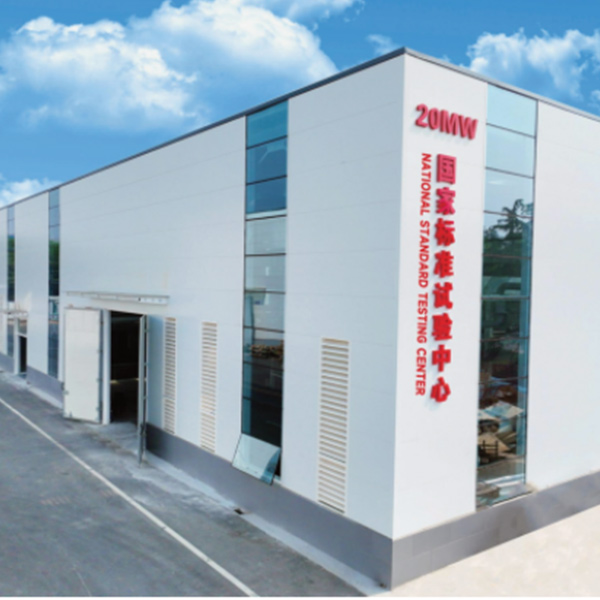
It is worth mentioning here about such players asYuke (Shandong) Electrical Technology Co.,Ltd(Yuke Electric). This is a typical example of a modern Chinese technology integrator. If you go to their websitevoyoko.ru, it is clear that they position themselves not just as sellers, but as an innovative enterprise with a full cycle: R&D, technical consulting, supply, construction. This is important for the market - they do not offer a box of equipment, but a turnkey solution, which is often required when supplying complex energy systems to a remote mine somewhere.
Their experience, based on the DEVER Electric team since 2003, allows them to adapt standard Chinese assemblies to more stringent requirements, for example, for working in the low-temperature climate of Siberia. But again, it all comes down to execution. I know a project where a similar integrator successfully equipped a network of gas stations in Kazakhstan, but at another site there were constant problems with the compatibility of remote control systems - engineers from China did not fully understand the local network protocols.
Logistics bottlenecks and customs nuances
When saying “where are they supplied?”, one cannot help but say “how”. The main routes are sea container transportation through the ports of Vladivostok, St. Petersburg or to the Black Sea. Volumetric and heavy load. Proper stacking and securing inside the container is critical. I once saw how, during unloading in Almaty, they discovered that a 5-ton installation had shifted and broke the wall of the container, damaging the radiator. We had to organize emergency repairs on site, which cost extra weeks and thousands of dollars.
Customs clearance is a different story. The HS code is important, but even more important is the correct execution of certificates of conformity, especially for the EAEU countries. The Cummins engine itself has all the certificates, but the power plant assembled in China is already new equipment. There are often delays at the border due to questions regarding documents. A reliable supplier always has an experienced logistician who leads this entire process, and does not simply ship the goods on FOB terms.
It is also worth remembering about sanctions risks. While the engine itself may not be subject to restrictions, control system components or sensors may be. Nowadays, many Chinese integrators carefully audit their supply chains to avoid problems when importing into some countries. This adds time to the production time.
Trends: from simple delivery to localization and service
Previously, the scheme was simple: buy, bring, install, earn. Now large customers want more. The trend is localization of not only assembly, but also service support. Leading Chinese companies, including the one mentionedYuke Electric, open or are looking for partners to create service centers in importing countries. This is no longer just “supply from China”, but the creation of local infrastructure.
Another trend is hybridization. Increasingly, solutions are being requested where a Cummins diesel generator unit works in conjunction with solar panels or energy storage systems. Chinese engineers are often ahead of the curve here, as they have a huge domestic market for such solutions. Therefore, supplies now increasingly include not just a generator, but an entire integrated energy center with an intelligent control system.
What difference does this make? Changes everything. Now, when choosing a supplier, you look not only at the price per kilowatt, but also at whether its team can design such a hybrid system, provide its software and remote monitoring. Those who remained in the “hardware in a box” paradigm are gradually losing large contracts.
Conclusions for those who order
So where? Almost anywhere in the world where reliable and relatively economical energy is needed. But the key thing is not “where?”, but “from whom?” and “under what conditions?”. Choosing a deliverygenerator setsCummins from China, you need to look first at the reputation and capabilities of the integrator, and not just at the engine brand.
Be sure to check for actual completed projects in your region or similar climates. Ask about the spare parts warehouse, the availability of engineers for commissioning and training of your staff. The price of equipment is often only 60-70% of the final costs for the entire life cycle.
And yes, always request adapted technical documentation in Russian (or local) language. Experience shows that if a supplier is lazy or skimps on high-quality translation of manuals and diagrams, then there will be problems with technical support in the future. In this business, details are everything, and delivery is just the beginning of a long relationship.
-


-
-


WeChat

-
WeChat