

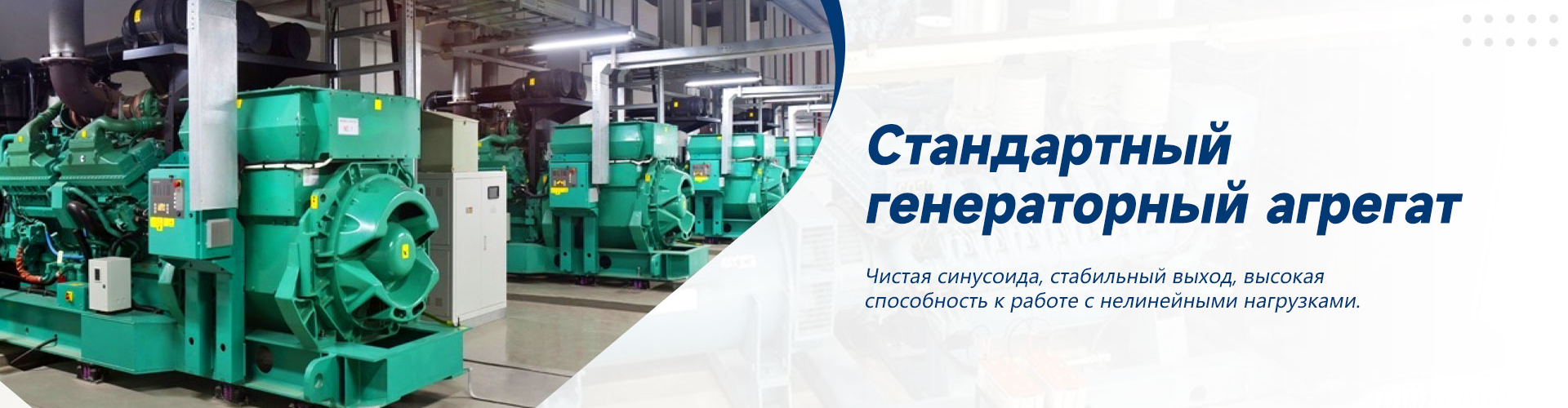
Oil generators: a niche solution for industry
2026-07-15
- Why Oil Generators Remain a Critical Asset for Heavy Industry
- Technical features and operating principle of heavy fuel engines
- Economic justification: calculation of payback and TCO
- Equipment selection criteria and comparison of manufacturers
- Operation in Russian climate conditions and winter launch
- Certification, norms and safety requirements
- Frequently Asked Questions
- Conclusion and recommendations for implementation
Why Oil Generators Remain a Critical Asset for Heavy Industry
In our practice of working with energy facilities in remote regions of Russia and the CIS, we often encounter a situation where access to natural gas is either completely absent, or its cost makes the operation of diesel plants economically unfeasible. Right hereoil generators: a niche solution for industrycome to the fore, providing stable power generation where other types of fuel lose out on price or logistics. We're not talking about a mass market for small-scale energy; We are talking about specific industrial giants - cement factories, metallurgical plants and large boiler houses, where fuel oil consumption has already been established, and the heavy fuel storage infrastructure has existed for decades.
Many people mistakenly believe that switching to fuel oil is a step back in technological development. However, real figures indicate the opposite: with the correct selection of equipment and compliance with heating temperature conditions, the cost of a kilowatt-hour of energy using fuel oil can be 30–45% lower than using diesel fuel (DF), and several times cheaper than imported liquefied gas in hard-to-reach locations. The key problem faced by one of our customers in Siberia three years ago was not with the engine itself, but with the fuel treatment system: they tried to use standard injectors without sufficient heating, which led to the nozzles coking and the line stopping after 48 hours. This incident taught us that fuel oil generation requires an engineering approach to every component of the supply system, from the pump to the combustion chamber.
Today, when the energy security of enterprises becomes the number one priority, understanding the specifics of working with viscous residual products of oil refining turns from exotic to necessity. In this article, we will analyze the technical nuances that distinguish real industrial fuel oil installations from converted diesel units, discuss GOST and ISO requirements, and also give clear recommendations for choosing a supplier who is able to guarantee the operation of equipment in Russian winter conditions.
Technical features and operating principle of heavy fuel engines
The operation of an internal combustion engine on fuel oil is fundamentally different from operation on distillate fuel, and ignoring these differences leads to fatal consequences for the resource of the unit. The main difference lies in the physical and chemical properties of the fuel: fuel oil (especially the M-100 grade) has a high viscosity, which at room temperature makes it look like tar, and a high content of sulfur, vanadium and other metallic impurities. For such fuel to burn efficiently in the cylinder, it must be heated to a temperature of 90–110°C to reduce its viscosity to a level comparable to diesel at 20°C. If this parameter is not controlled to the nearest degree, the fuel atomization in the combustion chamber becomes uneven, the fuel droplets do not evaporate completely, and the process of carbon formation begins.
In our engineering practice, we identify three critical components that require modification or strengthening in oil-fired generators compared to standard diesel versions. Firstly, this is the injection system. Conventional plunger pairs, designed for the lubricating properties of diesel fuel, quickly wear out when working on low-lubricating fuel oil. This requires the use of special materials with increased surface hardness or the use of electronically controlled common rail systems that can adapt the injection pressure depending on the current viscosity of the fuel. Secondly, the exhaust system. Due to the high sulfur content (up to 2-3% in some brands), the dew point temperature of sulfuric acid in the exhaust increases. If the exhaust gas temperature is not maintained above 160°C, acid condensation will destroy the muffler and turbocharger in a matter of months. We have seen cases where turbines costing tens of thousands of dollars failed precisely because of cold operation on fuel oil.
The third aspect is the engine cooling and lubrication system. Fuel oil tends to dilute the engine oil if it burns incompletely or enters the crankcase through the piston rings. This reduces the viscosity of the oil and its protective properties. Therefore, oil change intervals on fuel oil generators are reduced by 30–40% compared to diesel counterparts, and the oils themselves must have a higher base number (TBN) to neutralize acidic combustion products. One of our partners at an oil refinery in Tatarstan implemented a system for continuous online monitoring of oil condition, which made it possible to increase the overhaul period by 15%, simply by changing the filter on time and adding additives, instead of waiting for scheduled maintenance.
It is important to understand that not every engine can be converted to run on fuel oil. Split-chamber (pre-chamber) engines have historically handled heavy fuel better due to more swirling of the mixture, but modern direct injection in-line engines have better fuel economy when the electronics are properly tuned. When choosing a model, pay attention to the availability of factory certification for use with Heavy Fuel Oil (HFO). The absence of such marking in the product passport means that the manufacturer does not guarantee operation on fuel oil, and any breakdowns will be considered a warranty case due to the fault of the operator.
Economic justification: calculation of payback and TCO
The decision to upgrade to oil-fired generators should be based solely on a cold Total Cost of Ownership (TCO) calculation, not the initial price of the equipment. Yes, the capital costs (CAPEX) for a fuel oil power plant are always higher: you will need a fuel heating system, additional coarse and fine filters, possibly a separate room for the fuel economy with a circulation system. However, operating expenses (OPEX) more than offset these investments in the long term. Let's look at a specific example from our implementation experience at a construction enterprise in the Ural Federal District.
The enterprise consumed about 2 million kWh of electricity per month. Previously, they used the grid and diesel generators as a backup. The cost of connecting to networks was inflated by the monopolist, and the price of diesel fuel with delivery in winter reached 65 rubles per liter. The transition to M-100 fuel oil, which was purchased under a contract directly from the refinery at a price of 22 rubles per kilogram (including VAT and logistics), had the following effect:
- Fuel cost per 1 kWh:Reduction from 4.8 rubles (diesel) to 1.9 rubles (fuel oil).
- Oil consumption:An increase of 35%, but in monetary terms this amounts to only 0.15 rubles per kWh.
- Service:Increase in maintenance frequency by 20%, which adds 0.2 rubles per kWh.
- Total savings:The net benefit is about 2.5 rubles for each kilowatt-hour generated.
With a monthly output of 2 million kWh, the savings amount to 5 million rubles. Even taking into account the costs of modernizing the fuel supply system in the amount of 12 million rubles, the project paid for itself in less than 3 months of continuous operation. For enterprises with a continuous production cycle (cement, glass, metallurgy), the payback period rarely exceeds 6–8 months.
However, there are hidden risks that may offset these benefits. The main one is fuel quality. Fuel oil is not a standardized product like AI-95 gasoline. Each batch may differ in the content of water, mechanical impurities and sulfur. If you buy “bodied” fuel oil with water, you are literally burning money: the water does not burn, reduces the temperature in the cylinder, causes erosion of the injectors and increases the risk of water hammer. In our practice, there was a case when a batch of fuel with a water content of 5% damaged the high-pressure fuel pump (HPFP) on two generators simultaneously. The repair took three weeks, and the downtime cost the company more than a year's fuel savings. Therefore, having your own laboratory for incoming fuel control or a reliable contract with a supplier with strict penalties for quality is not an option, but a mandatory condition.
It is also worth considering environmental fees. Burning fuel oil produces more emissions of sulfur oxides (SOx) and nitrogen oxides (NOx). In Russia, although environmental fees are not yet fatal for industry, the trend towards tightening standards is obvious. Installing catalytic aftertreatment systems (SCR) or scrubbers increases CAPEX by 15-20%, but protects against future fines and allows operation in areas with special environmental status. When calculating TCO, be sure to include a reserve for the modernization of eco-filters over a period of 3–5 years.
Equipment selection criteria and comparison of manufacturers
The market for oil generators is heterogeneous, and the choice between cheap conversion kits and specialized industrial machines will determine the reliability of your power supply for the next 10-15 years. We classify offers on the market into three categories, each of which has its own limits of applicability.
Category 1: Specialized Low Speed Engines.
This is the “heavy artillery” of energy. The speed of such engines is 100–300 rpm. They are initially designed to operate on fuel oil of any viscosity, up to crude oil.
* Benefits:Enormous service life (up to 80,000–100,000 hours before overhaul), the highest efficiency (up to 50–52%), the ability to use the cheapest fuel (furnace oil, oil sludge).
* Disadvantages:Huge dimensions and weight, high initial cost, installation complexity (requires a foundation several meters deep), long delivery time (6–12 months).
* Application:Large thermal power plants, isolated energy districts, mining bases with consumption of 5 MW and above.
* Recommendation:If your budget allows it and you have the space to install it, this is the best choice in terms of long-term economics.
Category 2: Industrial Medium Speed Engines.
Speed 500–1000 rpm. The golden mean for most industrial enterprises. The leaders here are European brands (Wärtsilä, MAN Energy Solutions) and some Chinese factories with licensed production.
* Benefits:Compact compared to low-speed ones, good balance of price and quality, wide range of capacities (from 1 to 20 MW per unit), availability of service support in the Russian Federation.
* Disadvantages:They require higher quality fuel (viscosity no higher than 380 cSt) and are sensitive to overloads.
* Application:Factory mini-CHPs, large construction sites, remote villages.
* Recommendation:The optimal choice for 80% of industrial applications. Look for models labeled "HFO ready" out of the box.
Category 3: High Speed Diesel converted.
These are ordinary diesel generators (1500 rpm), to which changes have been made: nozzles have been replaced, a heater has been installed, and the ECU firmware has been changed.
* Benefits:Low price, quick availability (from stock), compactness.
* Disadvantages:The service life is reduced by 2–3 times compared to running on a diesel engine, there is a high risk of fuel injection pump breakdowns, power limitations (usually up to 2–3 MW), and the inability to operate on heavy fuel oil M-100 (only on light fractions or heating oil).
* Application:Backup power supply, seasonal work, low budget facilities.
* Recommendation:Use with caution. Suitable only if you have light fuel oil (naval grade) and qualified personnel for daily monitoring.
| Comparison parameter | Low Speed | Medium Speed | Conversion (High Speed) |
|---|---|---|---|
| Engine speed | 100 – 300 rpm | 500 – 1000 rpm | 1500 – 1800 rpm |
| Resource before overhaul | 80,000+ hours | 40,000 – 60,000 hours | 15,000 – 25,000 hours |
| Permissible fuel viscosity | Up to 700 cSt (crude oil) | Up to 380 cSt | Up to 50 cSt (light fuel oil) |
| Specific fuel consumption | 190 – 205 g/kWh | 210 – 225 g/kWh | 230 – 250 g/kWh |
| Maintenance cost | Low (in terms of kWh) | Average | High (frequent replacements) |
| Delivery time | 6 – 12 months | 3 – 6 months | 2 – 4 weeks |
When choosing a supplier, be sure to request a reference list of facilities operating on fuel oil in similar climatic conditions. Chinese manufacturers now offer very competitive prices, but it is important to check whether their electronics are adapted to Russian communication standards and whether there is Russian-language documentation. European brands are more reliable, but delivery times for spare parts may be delayed due to logistical difficulties. We recommend considering suppliers who have their own spare parts warehouse in the EAEU.
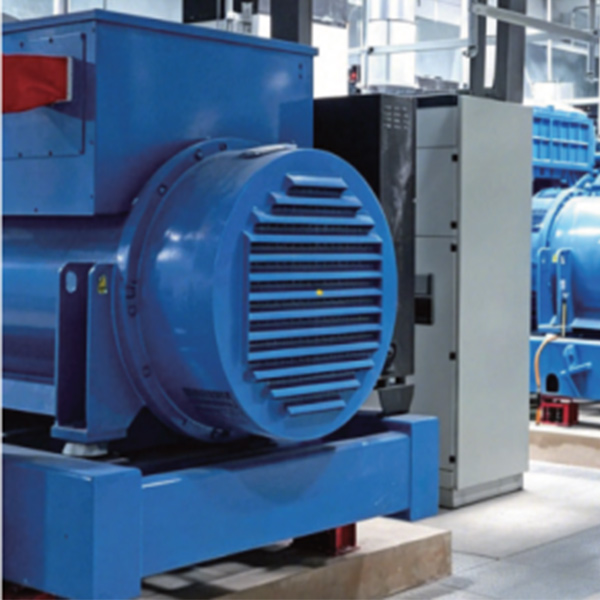
In this context, the approach of integrator companies that combine global production capabilities with deep adaptation to the needs of the CIS market deserves special attention. A striking example of such a partner isYuke (Shandong) Electrical Technology LLC" This professional Chinese company specializes in the development and supply of comprehensive solutions in the field of autonomous power supply, including specializedheavy fuel generator sets. Located in Shandong province, the company acts not just as a manufacturer, but as an engineering integrator, using engines from the world's leading brands (Cummins, MTU, SEM, Perkins, Yuchai) in its own designs, which allows it to create reliable hybrid solutions.
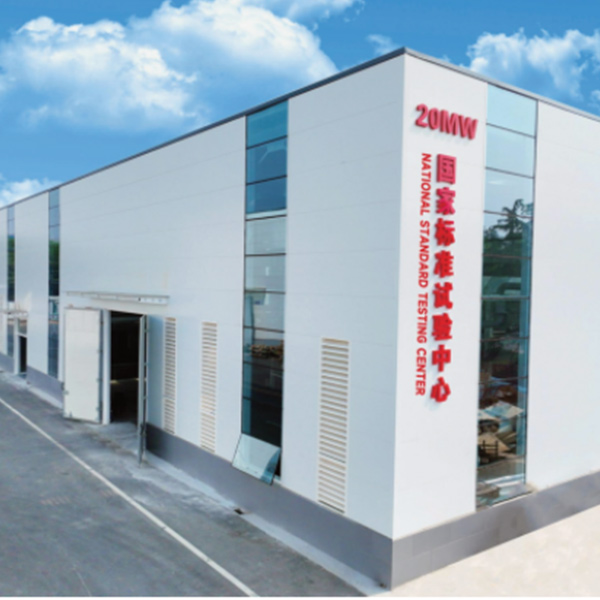
The key advantage of Yuke for Russian customers is a strict quality control system and adaptation to harsh climates. The company's production base is equipped with modern equipment to conduct comprehensive load tests of each product unit for at least 4 hours before shipment. This is critically important for oil-fired generators, where any defect in the injection or heating system can lead to an accident in the first hours of operation. In addition, the company is actively developing a network of service partners in the CIS countries, providing technical support, personnel training and prompt supply of original spare parts. Their philosophy of “reliability through responsibility” is supported by real projects for the supply of high-voltage and specialized installations to the regions of Asia, the Middle East and Africa, where operating conditions are comparable to those in Russia.
Operation in Russian climate conditions and winter launch
Winter in Russia is the main test for any equipment, and for oil-fired generators it is a period of increased risk. The main mistake that many operators make is trying to start the engine on cold fuel oil or not warming up the system enough before stopping it. At temperatures below +15°C, fuel oil begins to thicken, and at +5°C it practically stops flowing through pipelines. If the engine stops with unflushed fuel lines, the frozen fuel oil will block the system, and starting will become impossible without prolonged warming up with steam or electric heating elements, which can take a day in field conditions.
Our winter operation algorithm, tested at facilities in Yakutia and the Far North, includes the following mandatory steps:
- Constant circulation.The fuel in the tank and in the supply line must circulate constantly, even when the generator is stopped. The return line should return the heated fuel to the tank, preventing the formation of “cold spots”. The temperature in the tank should not fall below 40°C.
- The procedure for switching to diesel.Never stop an oil generator immediately after running on oil. 10–15 minutes before stopping, you need to switch the fuel supply to diesel (or light diesel fuel). This is necessary to flush the injectors, injection pump and internal engine channels from viscous fuel oil. The engine must be run on diesel for at least 5 minutes at idle speed before shutting down. Neglect of this rule is the cause of 90% of winter failures.
- Intake air heating.In severe frosts (-30°C and below), the air density increases sharply, which disrupts mixture formation. The use of coolant and air pre-heaters in the intake manifold is mandatory. We use electric heaters with thermostats that maintain the antifreeze temperature at +60°C in standby mode.
- Humidity control.In winter, temperature changes in fuel tanks cause moisture condensation. The water in fuel oil freezes in winter, forming ice plugs in the filters. The water separation system (centrifuge) must operate in enhanced mode, and the sludge must be drained every shift.
One of our clients lost a week of rig operation because the engineer on duty forgot to turn on the tank circulation pump one night when the temperature dropped to -35°C. The fuel oil in the inlet pipe has turned into a monolith. We had to cut the pipeline and heat it with an open fire (in compliance with all fire safety measures) to restore the supply. This incident cost the company huge losses due to downtime. Automation of heating and circulation processes is the only guarantee against the human factor.
Certification, norms and safety requirements
Work with fuel oil generators in Russia is strictly regulated by a number of state standards and rules. Ignoring these standards not only entails fines from Rostechnadzor, but also creates a real threat to the lives of personnel. The main document regulating safety is the “Rules for the technical operation of consumer electrical installations” and specific requirements for the storage and use of petroleum products.
Equipment must meet the following key standards:
- GOST R 54766-2011(or current versions of GOST for internal combustion engines). This standard defines test methods and reliability parameters. When purchasing imported equipment, request a certificate of conformity or a declaration of conformity with this GOST.
- GOST 15150-69. Execution UHL (moderate and cold climate). To operate outdoors in Russia, the equipment must be UHL1 or UHL2. This applies not only to the engine, but also to control cabinets, batteries and heating systems. The usual “tropical” or moderate version without insulation will fail at the first frost.
- EAC certification (TR TS 010/2011 “On the safety of machinery and equipment”).Without the EAC sign, legal operation of industrial equipment in the territory of the Customs Union is impossible. Check the presence of this sign in the product passport.
- Environmental standards.Although for stationary sources of emissions in industry there are still relatively soft standards compared to Euro-5 for cars, enterprises are required to have a draft MPE (maximum permissible emissions). Oil generators are sources of soot and sulfur dioxide emissions. The installation of emission monitoring systems is becoming an increasingly common requirement of regional environmental authorities.
An important aspect is fire safety. Fuel oil is a flammable liquid (the hazard class depends on the flash point, usually class III or IV). Fuel oil warehouses must be equipped with automatic fire extinguishing systems (foam or powder), and the distance from the warehouse to residential buildings and other structures must comply with SP 4.13130.2013. In our audit practice, we often see violations of grounding requirements for fuel tanks, which, due to static electricity, can lead to ignition of vapors when draining fuel. Regularly checking the ground loop is a simple procedure that can save you from disaster.
Frequently Asked Questions
What is the service life of an oil generator compared to a diesel generator?
Subject to compliance with the fuel preparation technology and maintenance regulations, a specialized fuel oil engine (medium or low speed) lasts longer than a diesel equivalent of the same power. This is due to the lower crankshaft speed and the reinforced design of the CPG parts. The service life before the first overhaul can be 40,000–60,000 hours, while a high-speed diesel engine usually requires overhaul after 20,000–25,000 hours. However, high-speed conversion engines lose up to 30% of their service life due to the aggressive effects of fuel oil combustion products.
Is it possible to use used oil instead of fuel oil?
Technically, many fuel oil engines are capable of running on used oil (waste oil), but this requires serious modification of the filtration system. The waste contains metal shavings, wear products and water. Without a high-quality centrifuge and multi-stage filtration (up to 5–10 microns), such a fuel mixture will kill fuel equipment in a few hundred hours. In addition, waste incineration may be subject to more stringent environmental requirements for heavy metal emissions. We recommend using waste only in a mixture with fuel oil (no more than 20–30%) and only on engines with a split combustion chamber.
How to solve the problem with odors and soot when the generator is running?
Incomplete combustion of fuel oil does lead to the release of black soot and a characteristic odor. The main reason is poor fuel atomization or lack of air. The solution lies in the adjustment plane: it is necessary to regularly check the injection advance angle, the condition of the injectors (spray pattern) and the cleanliness of the air filters. Installing a turbocharger with intermediate air cooling (intercooler) significantly improves combustion efficiency. Another effective solution is to install an oxidation catalyst in the exhaust system, which burns unburned hydrocarbons and soot, reducing visual and olfactory effects by 80–90%.
How difficult is it to find spare parts for oil generators in Russia?
The situation is not uniform. For popular European brands (Wärtsilä, Caterpillar, Cummins in HFO version) spare parts are available through official dealers or parallel imports, but lead times can be extended and prices are high. For Chinese brands, such as solutions from Yuke (Shandong), the situation is improving: many factories are opening warehouses in Moscow and Kazakhstan, ensuring the availability of original components. The most difficult situation is with rare low-speed engines of Soviet production or old European models - here you often have to make custom parts in specialized workshops. When purchasing new equipment, we strongly advise you to immediately purchase an “insurance kit” of spare parts (nozzles, seals, filters, sensors) for 2–3 years of operation.
Conclusion and recommendations for implementation
Oil generators are not a universal solution to all energy problems, but a powerful tool for specific industrial tasks. Their introduction is justified where there is access to cheap fuel oil, high requirements for reliability and the ability to organize a competent fuel economy. Errors at the design stage or attempts to save on a heating and filtration system inevitably lead to accidents and financial losses that are many times greater than the initial benefit.
If you are considering installing your own fuel oil generation, start with a detailed audit of your current consumption and analysis of the quality of available fuel. Do not blindly believe advertising brochures, request test runs on your fuel and check the supplier’s references in winter conditions. A properly selected and configured fuel oil power plant can become the heart of your enterprise, providing independence and significant savings for decades.
We are ready to help you choose the optimal solution, based on 15 years of experience working with industrial energy in the most severe climatic zones. Our engineers will calculate TCO, select equipment taking into account your specific requirements and provide a full cycle of commissioning. In particular, cooperation with such technological partners as Yuke (Shandong) Electrical Technologies LLC allows us to offer customers modern solutions based on Cummins, MTU and Yuchai engines, which have passed strict load tests and are adapted to Russian realities.
Contact us todayfor consultation and preliminary technical and commercial proposal. Remember that energy independence begins with the right choice of fuel and equipment.

-


-
-


WeChat

-
WeChat