

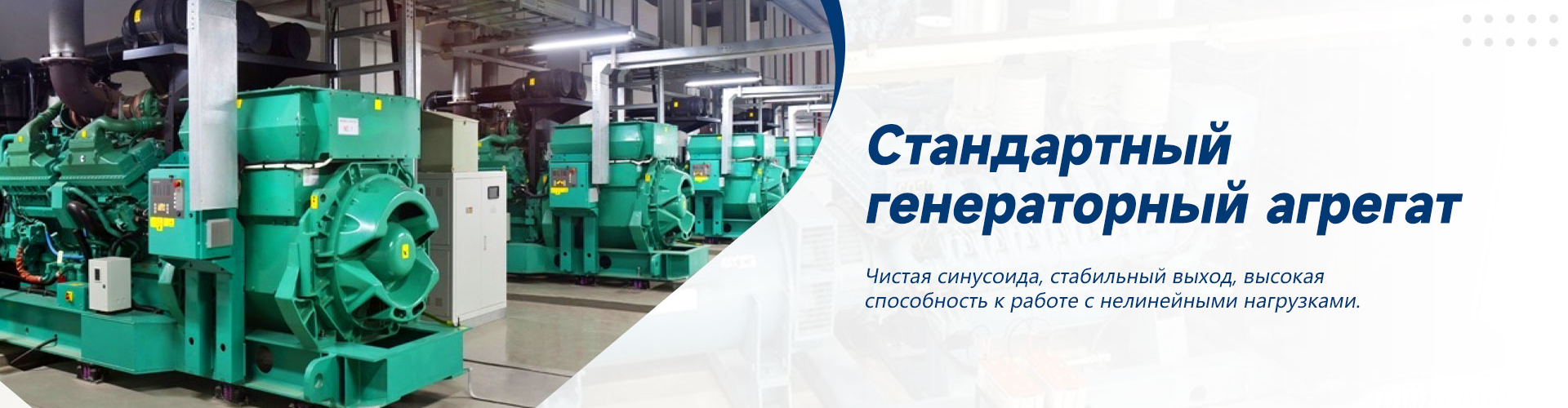
Turnkey supply of diesel generator sets to the regions
2026-07-15
- Turnkey supply of a diesel generator set to the regions: why 70% of projects fail at the logistics stage
- Technical requirements and configuration selection: from power to climate control
- Logistics and delivery to remote regions: hidden risks and ways to minimize them
- Installation, commissioning and commissioning: steps that cannot be ignored
- Service and warranty: how to ensure long equipment life
- Financial aspects and total cost of ownership (TCO) assessment
- Frequently Asked Questions
Turnkey supply of a diesel generator set to the regions: why 70% of projects fail at the logistics stage
In our practice of working with industrial facilities from Kaliningrad to Kamchatka, we have encountered harsh statistics: three out of four purchases of energy equipment encounter critical delays or technical inconsistencies after the signing of the acceptance certificate.Turnkey supply of diesel generator sets to the regions- this is not just a purchase of hardware, but a complex engineering and logistics process, where an error in calculating container dimensions or ignorance of the requirements of GOST R 53164-2008 can lead to production downtime costing millions of rubles. We won't tell you how "important" it is to have a reliable partner; instead, we will analyze specific cases where ignoring the nuances of delivery to remote areas led to financial losses, and we will provide a step-by-step algorithm of actions that eliminates these risks.
Many buyers make the same mistake: they focus exclusively on the price per kilowatt of power, forgetting that the cost of owning a Diesel Generator Unit is formed by 40% from the price of the equipment and 60% from the costs of delivery, installation, commissioning and subsequent service in a specific location. When you request a quote from a dozen suppliers, you often end up with numbers that look good on paper, but don't take into account the actual conditions of your site. For example, standard delivery by manipulator to the warehouse door is only possible if the access roads can withstand a load of more than 12 tons per axle - otherwise you will need to call in heavy equipment or build a temporary road, which immediately eats up all the savings from the “cheap” offer.
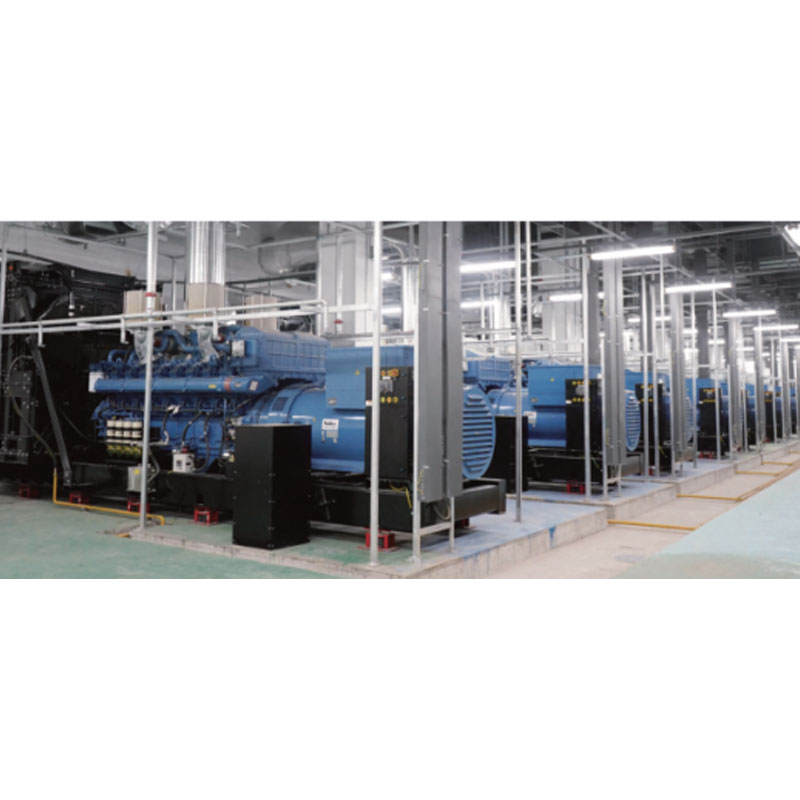
Our team has repeatedly encountered a situation where a client purchased a 500 kW installation in an open design, relying on the availability of a permanent building. However, upon acceptance of the facility, it turned out that the room ventilation system did not provide the necessary air exchange to cool the radiator, which led to engine overheating in the first 4 hours of operation under load. This is a classic example of why a turnkey approach should include not only physical delivery, but also a preliminary site audit. We've seen companies lose up to 3 weeks of downtime waiting for foundation work or vent rework, even though these issues could have been identified during pre-production.
The purpose of this material is to give you a clear understanding of what a professional supply of power plants to Russian regions should look like, taking into account climatic zones from -50°C in Yakutia to high humidity in Sochi. Here it is important to note the role of such integrators asYuke (Shandong) Electrical Technology LLC. This company, specializing in the development and production of integrated solutions in the field of autonomous power supply, demonstrates an approach based on the principle of “reliability through responsibility”. Combining engineering competencies with partnerships with the world's leading engine brands (Cummins, MTU, Perkins, Yuchai, SEM), Yuke adapts its solutions to the strict requirements of the CIS market and difficult climatic conditions. Their experience in implementing projects, including working with northern deliveries and complex logistics chains, confirms that success depends on the deep integration of the design, production and delivery stages.
In this material, we rely on real experience in the implementation of more than 200 projects by similar professional teams. You will learn what parameters really affect the reliability of the system, how to check the supplier’s ability to fulfill obligations on time, and what documents are required for the legal operation of equipment in the Russian Federation.
Technical requirements and configuration selection: from power to climate control
The first thing we start working on any project with is a detailed calculation of active and reactive power. An error in determining the required power of a diesel generator set is the most common cause of premature equipment failure. Many customers sum up the rated power of all consumers, without taking into account the starting currents of electric motors, which can exceed the rated values by 5-7 times. If you have pumps, compressors or elevators on site, a simple kilowatt sum will not give a true picture of the load. In our practice, there was a case when a 250 kW installation, calculated by the sum of its powers, was delivered to a construction site, but when three concrete mixers and a crane were launched simultaneously, the overload protection tripped, stopping all work.
For correct selection, it is necessary to use the simultaneity factor and take into account the nature of the load. For active loads (lighting, heaters), the safety factor can be 10-15%, while for inductive loads (electric motors, transformers) it should reach 30-40%. We recommend requesting a calculation table from the supplier, which will indicate the starting currents of each key consumer and the recommended generator power in Prime (main source) or Standby (backup source) mode. Remember that operating a diesel generator in Standby mode allows short-term overloads of up to 10% for 1 hour every 12 hours, but constant operation at maximum capacity reduces the engine life by half.
Climatic performance is the second critical parameter, especially for supplies to the regions of Siberia, the Far East and the Far North. The standard version U1 (according to GOST 15150) requires operation at temperatures from -40°C to +40°C, but this is not enough for many regions of Russia. If your site is located in an area with winter temperatures below -45°C, you will need the HL1 (Cold Climate) version, which includes pre-heating of coolant and oil, an insulated all-weather casing with additional thermal insulation and the use of special frost-resistant rubber products. Ignoring this requirement leads to the fact that the engine simply will not start in cold weather, and an attempt to start without warming up can cause destruction of the crankshaft liners. That is why manufacturers such as Yuke pay special attention to adapting their VCD, VSD and VPD series to extreme temperatures, introducing enhanced thermal insulation and preheating systems at the assembly stage.
We strongly recommend paying attention to the type of alternator (alternating current generator). For industrial facilities with sensitive electronics (server rooms, medical equipment, CNC machines), the presence of an AVR (Automatic Voltage Regulation) excitation system with a voltage stabilization accuracy of no worse than ±1% is critical. Cheap models with capacitor excitation are not able to provide a stable frequency and voltage during sudden load surges, which can damage expensive equipment. In one of our projects, replacing a budget alternator with a model with a digital control system made it possible to eliminate constant failures in the operation of the bottling line, saving the company about 2 million rubles per month on defective products.
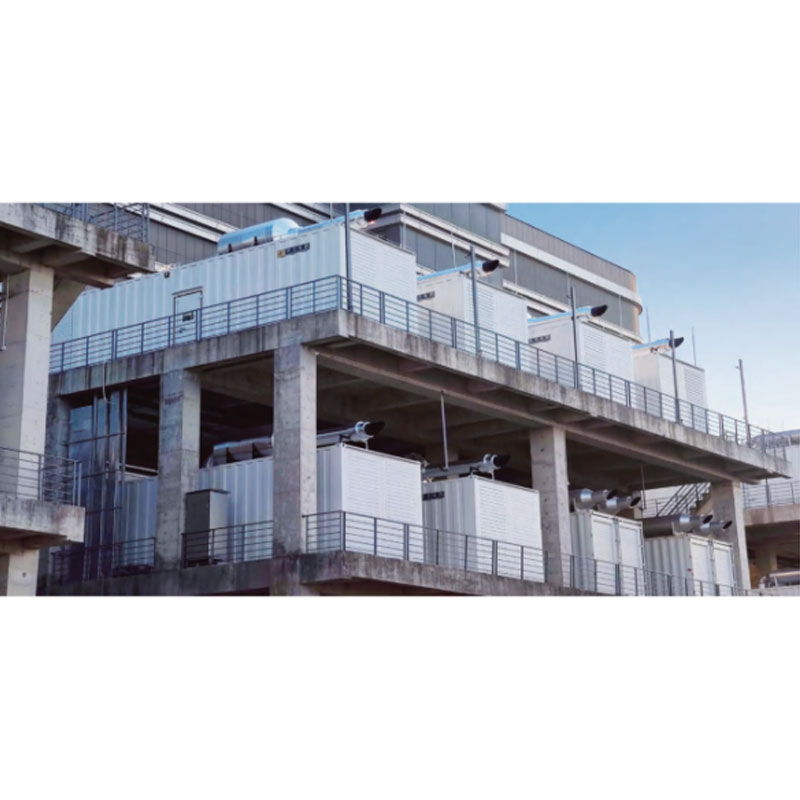
The choice between an open frame and a noise-insulating casing depends not only on environmental requirements, but also on operating conditions. Open frames are cheaper and easier to maintain, but require placement in a separate room with organized supply and exhaust ventilation and an exhaust gas removal system. Enclosed installations (“containers”) are ready for installation outdoors, have a built-in noise suppression system (usually up to 75 dBA at a distance of 7 meters) and protection from precipitation. However, it is important to understand that placing a diesel generator set in a casing reduces its maximum power by 5-7% due to the resistance to air flow at the radiator inlet and outlet. This factor must be included in the calculations at the design stage. Modern silent generator sets included in the portfolio of leading integrators are already designed with aerodynamics in mind, minimizing this loss of power.
When choosing an engine, you should focus on the availability of spare parts in your region. Even the most reliable brands require maintenance. If you choose an exotic engine for which you have to wait 4-6 weeks for parts from abroad, any major repair will cripple your power supply. We recommend considering engines that are certified to run on Russian diesel fuel (including winter grades) and have a developed network of service centers within reach of your facility. The presence of an official certificate of conformity TR CU 010/2011 “On the safety of machinery and equipment” is a mandatory requirement for legal operation.
Logistics and delivery to remote regions: hidden risks and ways to minimize them
Delivery of large-sized equipment to Russian regions is a separate engineering task, which often becomes a stumbling block for unprofessional suppliers. A typical 500 kW diesel generator set weighs 4 to 6 tons when enclosed, and dimensions may exceed standard road transport limits. A simple statement “we will deliver by company transport” without a detailed elaboration of the route is a sign of amateurism. We require our logistics partners to provide a route map indicating the load capacity of bridges, the height of overpasses and the condition of the road surface along the entire route.
One of the most serious problems is the so-called “last kilometer”. A vehicle with a trawl can easily reach the district center, but access to the site itself may be impossible due to narrow gates, low power lines or soft ground. In our practice, there was a case when an installation for an oil and gas field in the Khanty-Mansiysk Autonomous Okrug stood at the nearest base for two weeks, because the road to the well was washed out by the spring thaw, and there were no alternative routes. The client lost time and money, although the supplier formally fulfilled the condition of delivery to the “region”. A true turnkey delivery involves assessing the passability of the final section and, if necessary, organizing transfer to all-terrain vehicles or helicopter delivery. For such cases, mobile power station trailers and special emergency power supply vehicles offered by modern suppliers become an indispensable solution due to their increased maneuverability and readiness for rapid relocation.
For northern supplies, taking into account seasonality is critical. Zimniki (winter roads) open only when stable frost sets in, usually in December, and close in March. If your site requires power in November or April, road delivery may not be possible, leaving the only option to use rail platforms or river transport during the navigation period. Procurement planning should be carried out at least 3-4 months in advance in order to get into the appropriate logistics window. An attempt to save on storage and order equipment “on the go” in the wrong season often leads to cargo getting stuck at transit bases for months.
Packing and securing cargo play a critical role in the safety of equipment. A diesel generator is a complex mechanism with precision components. When transporting along Russian roads, the quality of which leaves much to be desired, vibration loads can reach critical values. We use special vibration-damping supports and rigid fastening of the frame to the vehicle body using chain tensioners. In addition, the engine and electrical equipment must be preserved to protect against moisture and condensation that forms due to temperature changes during long transportation. Lack of proper preservation can lead to corrosion of contacts and failure of the control unit even before the first start-up. At the production sites of responsible companies such as Yuke, each piece of equipment undergoes multi-level quality control and mandatory stress tests lasting at least 4 hours before shipment, which guarantees its readiness for the harsh conditions of transportation.
Cargo insurance is not a formality, but a necessity. Standard conditions of carriage often limit the carrier's liability to an amount significantly less than the actual value of the equipment. We recommend taking out full “all risks” insurance for the entire route, including loading and unloading operations. The delivery agreement must clearly state at what point the risks of loss or damage to the goods pass. When working on a turnkey basis, responsibility for the safety of the cargo lies with the supplier until the commissioning certificate is signed, which relieves the customer of the headache of resolving insurance issues in the event of an incident.
Installation, commissioning and commissioning: steps that cannot be ignored
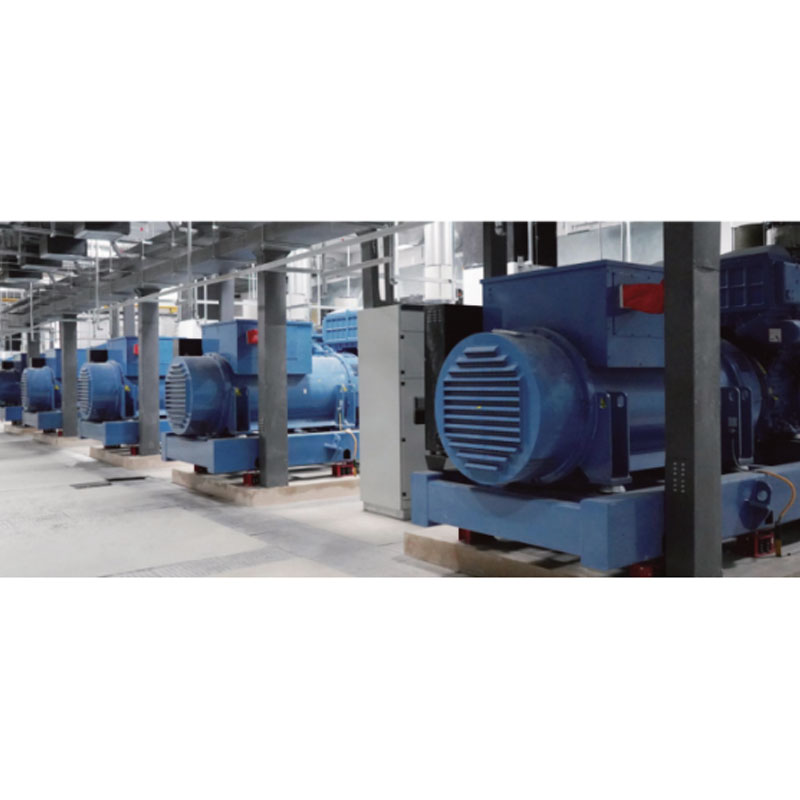
Getting equipment on site is only half the battle. Correct installation determines 80% of the future resource of a diesel generator set. The first and biggest mistake local contractors make is skimping on the foundation. The diesel generator creates significant vibrations that are transmitted to the base. If you pour an ordinary concrete slab without reinforcement and without taking into account the weight of the installation, after six months of operation it will begin to crack, which will lead to distortion of the engine frame and alternator. Shaft misalignment causes increased wear of bearings and seals, leading to oil leaks and costly repairs. The foundation must be calculated by engineers taking into account the geology of the soil and dynamic loads.
The exhaust system requires special attention. An improperly designed chimney creates excess back pressure, which “chokes” the engine, reducing its power and increasing fuel consumption. The permissible back pressure is usually indicated in the engine passport and should not exceed 10-15 kPa. In addition, a condensate collector must be installed in the system, since when the diesel engine is running at part load, aggressive condensate forms in the exhaust pipe, which can quickly corrode the metal and get back into the cylinders. We always calculate the diameter and length of the exhaust tract individually for each project.
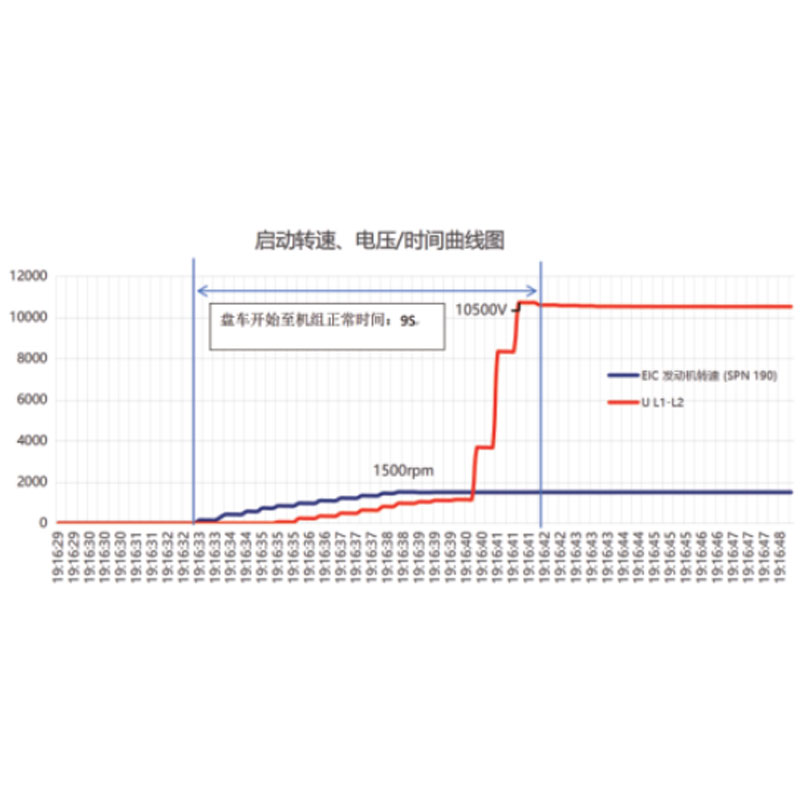
The electrical connection must be carried out by qualified personnel in compliance with the PUE (Electrical Installation Rules). A critical element is the automatic transfer cabinet (ATC). It is the ATS that ensures a seamless transition from the main network to the generator and back. Setting the ATS settings is a delicate process: switching too quickly can prevent the engine from reaching operating mode, and switching too slowly can de-energize sensitive equipment. We test the ATS in various scenarios, simulating phase loss, voltage imbalance and short circuits to ensure the correct operation logic. Modern controllers installed on VHMD5 and VHCD5 series units allow flexible configuration of these parameters and integration with building management systems (BMS).
Commissioning (commissioning) includes not just starting the engine, but a comprehensive check of all systems under load. We use load banks (load equivalents) to warm up the engine and test its behavior at 25%, 50%, 75% and 100% power. Running a diesel engine without load (“idling”) for a long time is harmful: it leads to coking of the injectors and piston rings, since the temperature in the combustion chamber is insufficient for complete combustion of the fuel. Therefore, the commissioning stage necessarily includes a running-in stage under real or simulated load for several hours.
Training of customer personnel is the final but most important stage. The most advanced installation is useless if the operator cannot take readings, perform daily inspections or recognize alarms. We provide the customer with detailed instructions, logs of engine hours and fuel consumption, and also conduct practical training for responsible employees. In our practice, there have been cases when a breakdown occurred due to the fact that personnel did not notice a drop in the coolant level in time or ignored the warning signal on the control panel. Proper operation begins with the knowledge of the people who work with the equipment every day. Integrator companies, such as Yuke, include in their service package not only delivery, but also full training of personnel, ensuring the transfer of competencies from plant engineers to customer employees.
Service and warranty: how to ensure long equipment life
The warranty for a diesel generator set is valid only if the technical maintenance regulations (MA) are followed. The manufacturer has the right to refuse warranty repairs if a violation of service intervals or the use of non-original consumables is detected. The standard maintenance schedule includes changing oil and filters every 250-500 operating hours (depending on the model and operating conditions), checking belt tension, condition of batteries and level of technical fluids. Ignoring these procedures leads to the accumulation of wear products in the oil, which acts as an abrasive for the engine’s rubbing pairs.
Particular attention should be paid to the quality of the fuel and oils used. The Russian market is saturated with counterfeit products, and refueling with low-quality diesel fuel can kill Common Rail fuel equipment in one tank. We recommend installing additional fine fuel filters before entering the engine and regularly taking fuel samples for analysis. The use of oils that do not meet the manufacturer's specifications (for example, API CI-4 or CJ-4) is also unacceptable. Saving 5 thousand rubles on oil can result in replacing a turbocharger costing 10 times more.
For remote regions, it is critical to have a post-warranty service agreement with on-site specialists. A breakdown can happen at any time, and the service response time directly affects business losses. The ideal option is to have a mobile service team within a radius of 200-300 km from the site or to agree on priority visits by the supplier’s engineers. Some modern diesel generator sets are equipped with telemetry systems that allow the dispatcher to remotely monitor operating parameters and receive notifications of accidents in real time. This allows you to diagnose a problem before it causes a shutdown and send a team with the necessary spare parts. The development of a network of authorized service partners in the CIS countries and Asia, which is actively carried out by major market players, significantly reduces the response time to emergency calls.
Spare parts must be available at the supplier's warehouse or regional office. We create a recommended list of spare parts (spare parts, tools and accessories) for each project, which includes filters, belts, gaskets and sensors that are most susceptible to wear. Storing this kit directly on site reduces downtime during scheduled replacements or minor repairs. The absence of even a simple gasket at the right time can stop the generator for a week while the part is being transported by the transport department.
Regular audit of the condition of equipment helps to extend its life beyond the standard. Once a year, we recommend a full diagnostic using cylinder endoscopy, engine oil analysis for chips and a compression test. This data allows you to predict the remaining life of components and plan major repairs in advance, avoiding sudden catastrophic failures. In the long term, such preventive measures are several times cheaper than eliminating the consequences of an accident.
Financial aspects and total cost of ownership (TCO) assessment
When deciding to purchase a diesel generator set, many companies look only at the price in the price list, making a strategic mistake. The real cost of ownership (Total Cost of Ownership - TCO) consists of the purchase price, delivery and installation costs, fuel costs, maintenance, repairs and disposal at the end of the life cycle. A cheap installation from a Chinese no-name brand can cost 30% less than an analogue from a well-known manufacturer, but its fuel consumption will be 15% higher, and its service life before overhaul will be half as long. Over 5 years of operation, excessive fuel consumption and frequent repairs completely offset the initial savings.
Fuel consumption is the most significant item of operating expenses. The difference in consumption between a high-quality and a cheap 500 kW engine can be 10-15 liters per hour. With round-the-clock operation throughout the year, this results in tens of tons of diesel fuel, which in monetary terms amounts to millions of rubles. When calculating the economics of a project, be sure to request a graph of fuel consumption depending on the load from the supplier and check this data with independent tests. Often the stated figures turn out to be underestimated, and actual consumption is higher.
Equipment liquidity also matters. Branded units with a good history of reliability are easier to sell on the secondary market if the need for them no longer exists. Their residual value after 5 years can be 40-50% of the original price, while little-known brands lose up to 80% of their value. This is an important factor for companies that view equipment as a balance sheet asset. Investing in quality equipment is not only a guarantee of uninterrupted power supply, but also the preservation of capital.
Payment and financing terms can significantly affect a company's cash flow. Many suppliers offer leasing schemes or installment payments, which allows you to distribute the burden on the budget. However, it is important to study the contract carefully: hidden fees, insurance and collateral requirements can make a “bargain” offer expensive. We help clients analyze financial conditions and choose the optimal scheme, taking into account tax benefits and depreciation deductions.
Frequently Asked Questions
What is the delivery time for a turnkey diesel generator to a remote region?
The turnkey project implementation period varies from 4 to 12 weeks and depends on several factors: the availability of equipment in the warehouse, the complexity of the logistics route and the volume of installation work. A standard installation from stock is delivered and installed in 3-4 weeks. If the installation is required to be manufactured to individual requirements or delivered to a hard-to-reach area (northern delivery), the period increases to 2-3 months. We always draw up a detailed schedule before starting work, where control points are recorded.
Do I need to obtain a permit to operate a diesel generator set?
For diesel generator sets with a capacity of up to 500 kW, used as a backup source, obtaining a Rostechnadzor license is usually not required, unless they are the main source of power supply for an isolated facility. However, the equipment must comply with the technical regulations of the Customs Union (TR CU) and have a declaration of conformity. For powerful stationary power plants operating in continuous mode, the approval procedure is more complicated and may require the development of a project and the passage of an industrial safety examination.
What does the concept of “turnkey” include in your understanding?
For us, “turnkey” means a full cycle of work: from site audit and equipment selection to personnel training and handover of keys. This includes the development of a foundation project and connection diagrams, delivery, unloading, installation, commissioning, load testing and execution of as-built documentation. The customer receives a completely ready-to-use system and one contact to resolve any issues in the future, without the need to coordinate the actions of different contractors.
How do you guarantee equipment operation at -50°C?
We use units in the northern version (HL1), which are equipped with pre-heaters for coolant and oil, powered by an external network or battery. The casing is additionally insulated with mineral wool, and electric blinds are installed to regulate the temperature inside. Rechargeable batteries are selected with increased capacity and frost resistance. Before shipping, we conduct cold chamber testing to ensure the engine's ability to start in extremely cold temperatures.
Is it possible to automate generator control?
Yes, modern controllers allow you to fully automate the operation of diesel generator sets. The system can independently monitor the state of the main network, start the generator during a power failure, control the load and stop the installation when power is restored. Integration with building management systems (BMS) and data transfer via GSM/GPRS/LTE to the smartphone of the responsible person or to the central monitoring console is possible. We customize work scenarios for specific customer tasks.
Choosing a reliable partner forturnkey supply of diesel generator sets to the regionsis an investment in the stability of your business. Errors at the selection or installation stage are too expensive to risk. Our company, relying on the experience of industry leaders such as Yuke (Shandong) Electrical Technologies LLC, takes full responsibility for the result, providing transparent conditions, proven equipment and professional service. We don't just sell generators, we ensure your energy independence in any environment by combining traditional energy sources with innovations in hybridization and digital monitoring.
Don't let energy supply issues slow down your business's development. Contact us today to receive a free audit of your property and calculate the optimal solution. Our engineers are ready to go to the site in any region of Russia to carry out measurements and consultations. Entrust a complex task to professionals with 15 years of experience and sleep peacefully, knowing that the light will always be on.
Catalog of diesel generator sets | Diesel generator service | Terms of delivery to the regions
-


-
-


WeChat

-
WeChat