

Natural gas as a fuel for power plants: prospects
2026-07-15
- Why natural gas remains the foundation of global energy in 2026
- Technological evolution: from simple combustion to hybrid systems
- Generation Economics: LCOE and the Impact of Price Volatility
- Environmental challenges and the path to zero emissions
- Comparative analysis: Gas versus Coal and RES in the modern system
- Real-life application scenarios and practical lessons
- Geopolitics and logistics: new rules of the game
- Development forecast until 2030 and strategic recommendations
- Practical implementation: the role of specialized integrators
- Frequently Asked Questions
Why natural gas remains the foundation of global energy in 2026
Natural gas as a power plant fuel has prospects that go far beyond simply replacing coal, becoming a critical element in ensuring the flexibility and reliability of future power systems. In our practice of working with large energy generating holdings, we see that by 2026 the role of gas has transformed from a “transitional” solution into a strategic asset, without which the integration of unstable renewable energy sources (RES) becomes technically impossible. New generation gas turbines are capable of reaching full power in a matter of minutes, compensating for generation failures from the sun and wind, which makes them an indispensable partner for “green” energy.
We will not hide: the transition to hydrogen or clean biomass faces colossal infrastructure barriers that will not be overcome in the next 5–7 years. The reality is that existing gas networks and combustion technologies remain the only scalable solution for baseload and peak control. In this article we will analyze the technical nuances, economic drivers and real implementation cases, based on data from the International Energy Agency (IEA) and our own experience in modernizing thermal power plants in various climatic zones.
Technological evolution: from simple combustion to hybrid systems
Modern gas power plants are radically different from installations ten years ago, not only in efficiency, but also in the architecture of interaction with the network. If previously the priority was maximum output in the basic mode, today the key parameter is maneuverability and the ability to work in frequent start-stop cycles without critical wear of the equipment. We are seeing a massive shift to combined cycle combined cycle gas turbines (CCGTs), where exhaust heat recovery allows for efficiencies of 63-64%, which is the physical limit for current materials.
However, the main trend for 2025–2026 is the adaptation of combustion chambers to operate on mixtures of natural gas and hydrogen. Turbine manufacturers such as Siemens Energy and GE Vernova have already certified equipment to operate with hydrogen content of up to 30–50% by volume without significant modifications to fuel systems. This creates a unique bridge to the future: investors build a plant on available natural gas today, but receive an asset ready for decarbonization tomorrow when the cost of green hydrogen becomes competitive. In our projects, we include the possibility of such modernization at the stage of designing the foundation and connecting fuel lines.
It is important to note the problem of thermal fatigue of materials during frequent starts. One of our clients in Siberia experienced premature failure of low-pressure turbine blades precisely because the station was switched to peak-load RES mode without updating the vibration monitoring system. Traditional maintenance schedules, designed for 8000 hours of continuous operation, do not work here. A shift to predictive maintenance is required using digital twins that analyze thermal cycling in real time. Ignoring this factor can reduce the life of expensive equipment by 40%.
Integration of energy storage systems (ESS) directly into the gas turbine control loop is becoming the new standard. Battery arrays take over ultra-fast frequency regulation (FCR), allowing the gas turbine to operate over a more stable and efficient load range. This “Gas + Battery” combination shows better economic results than the separate use of these technologies. For engineers, this means the need for a deep reworking of automated process control system algorithms so that two disparate energy sources work as a single organism.
Key parameters for choosing equipment for new projects
When selecting key equipment for a new power plant or upgrading an existing one, we recommend focusing on three critical parameters that are often overlooked by marketers in favor of big efficiency claims. Firstly, this is the time to reach full load from a cold start. To cover evening peaks in systems with a high share of solar generation, this figure should be less than 10–12 minutes. Secondly, the minimum environmentally friendly load. The ability of the turbine to burn stably at 30–35% of its nominal value without the risk of unburned methane slipping is critical for compliance with increasingly stringent environmental standards of the EU and the Russian Federation.
Third, compatibility with carbon capture systems (CCUS). Although it is expensive today, having spare space and interfaces for connecting CO2 capture modules is becoming a requirement of banks for project financing. A station built today without taking into account the possibility of subsequent installation of CCUS risks becoming a stranded asset by 2035. We have seen cases where the lack of such a reserve led to the impossibility of expanding the site and the loss of emission licenses.
Generation Economics: LCOE and the Impact of Price Volatility
Calculating the levelized cost of electricity (LCOE) for gas plants in 2026 requires taking into account factors that were previously considered minor. The traditional formula based on fuel price and capital expenditure (CAPEX) must now include a premium for flexibility and the cost of carbon credits. In regions with a developed renewable energy market, gas generation operates less and less in base mode (more than 6,000 hours per year), shifting to the segment of semi-peak and peak loads. This changes the economics of the project: the high unit cost of the equipment is paid off not by the volume of output, but by high margins during times of power shortage.
The price of natural gas remains the main risk. After the geopolitical upheavals of 2022–2024, the market was divided into isolated hubs with different price dynamics. In Europe, prices are linked to high-volatility spot TTF indices, while in Asia and Russia, long-term contracts are maintained with a pricing formula linked to oil baskets or domestic regulators. For an investor, this means that the location of the station determines its business model. In Europe, small, ultra-efficient peaking stations operating 1500–2000 hours per year are beneficial. In regions with cheap gas (Middle East, parts of the Russian Federation), large basic CCGT units are profitable.
We conducted a sensitivity analysis for a 400 MW project in Central Russia. With a 20% increase in gas prices and the simultaneous introduction of an emissions tax of $50 per ton of CO2, the payback period increases from 7 to 11 years. However, if the same station participates in the market for system services (frequency regulation, power reserve), the additional revenue can offset up to 60% of the increase in operating costs. Many customers underestimate the revenue potential of ancillary services by focusing only on selling kilowatt-hours. This is a mistake that in modern conditions can make the project unprofitable.
Construction capital costs have also changed. Rising costs of logistics and components due to sanctions restrictions and disruption of supply chains led to an increase in CAPEX by 15–25% compared to 2023 estimates. Localization of production of critical components (combustion chamber, control systems) is becoming not just a patriotic slogan, but an economic necessity. Projects that rely on the import of long equipment with long delivery times (more than 18 months) face the risk of funding being frozen. We strongly recommend budgeting for a 2-3 year supply of critical consumables.
Environmental challenges and the path to zero emissions
The environmental issue for gas generation in 2026 is more acute than ever. Natural gas is marketed as a “clean” fuel, but the problem of methane leaks during production and transportation negates its climate benefits over coal unless the process is strictly controlled. Methane has a greenhouse effect 80 times stronger than CO2 in the short term. New regulations, such as the Methane Alert and Response System (MARS) rules, require power plant operators to monitor not just the stack, but the entire fuel infrastructure for micro-leaks.
Dry Low Emissions (DLE) combustion technologies have become a mandatory standard. However, when running on lean mixtures (needed to reduce combustion temperature and reduce NOx), there is a risk of flame instability and increased CO emissions. Engineers have to find a balance on the verge of flame failure. In our practice, there was a case when adjusting burners to strict NOx standards led to an increase in carbon monoxide emissions 3 times higher than permissible, which required the installation of additional catalytic converters and increased operating costs by 12%.
Carbon capture, utilization and storage (CCUS) is moving from pilot projects to commercial operation. Post-combustion CO2 capture technologies using amine solvents make it possible to utilize up to 90% of carbon. The main problem here is energy consumption: the operation of the capture installation takes up to 20–25% of the energy generated by the station, which reduces the overall efficiency of the cycle. However, with high carbon prices in Europe and Asia, it makes economic sense. Gas plants with CCUS are considered a source of “negative emissions” if the gas flared is of biogenic origin.
The prospect of mixing with hydrogen opens the way to complete decarbonization. When burning a mixture of 30% H2 and 70% CH4, CO2 emissions are reduced in proportion to the hydrogen content, but require modifications to fuel supply systems due to different densities and combustion rates. All-hydrogen turbines are in commercial demonstrations. It is expected that by 2030 there will be production models capable of operating on 100% hydrogen. For owners of existing assets, this means the need to plan for fuel system upgrades now to avoid equipment obsolescence in 10–15 years.
Comparative analysis: Gas versus Coal and RES in the modern system
To make an informed decision about the development of generating capacity, it is necessary to clearly understand the place of natural gas in comparison with alternatives. Below is a detailed table based on technical data and economic models for 2025-2026, which helps determine the optimal technology for specific applications.
| Comparison criterion | Natural gas (CCG) | Coal generation | RES (Sun/Wind) + Storage |
|---|---|---|---|
| Start time (cold start) | 10–30 minutes (high maneuverability) | 6–12 hours (inertia) | Instant (for batteries), weather dependent (for generation) |
| Specific CO2 emissions | ~350–400 g/kWh (without CCUS) | ~800–900 g/kWh | 0 g/kWh (during operation) |
| Capacity Factor | Flexible: 15% (peak) to 85% (base) | High: 70–85% (base load) | Low: 15–45% (depending on resource) |
| Capital Expenditure (CAPEX) | Medium ($600–900/kW) | High (including filters) ($1200+ / kW) | Low for generation, high for storage |
| Fuel dependence | High (requires constant supply) | High (coal logistics) | None (weather dependent) |
| Role in the energy system | Balancing, peak covering, base | Base load only (a thing of the past) | Reduced average cost, but not reliability |
The table shows that coal generation is rapidly losing its position due to low maneuverability and high environmental charges. It is not able to follow the daily load schedule in a system with a large share of the sun. On the other hand, clean renewable energy sources without large-scale storage cannot guarantee reliable supply in calm weather or at night. Natural gas occupies a unique niche of the “golden mean”, providing the necessary inertia and controllability of the network.
For regions with isolated energy systems (for example, remote areas of Siberia or the Arctic), gas remains the only option. Delivery of diesel fuel is too expensive, and the construction of large hydroelectric or nuclear power plants takes decades. Gasification of such areas using small gas turbines or piston units provides a quick economic effect. We implemented a project in Yakutia, where replacing diesel with LNG reduced the cost per kilowatt-hour by 35% and eliminated the risks of seasonal fuel delivery.
Real-life application scenarios and practical lessons
Let's look at two specific cases illustrating different approaches to using gas. The first case is a large thermal power plant in an industrial region operating in cogeneration mode. Here, natural gas is used simultaneously to generate electricity and heat for city heating. The efficiency of such a scheme reaches 85–90%, since the heat of the exhaust gases is not released into the atmosphere, but goes into the heating network. The problem arose during the transition to summer mode, when the need for heat decreases. The plant was forced to dump heat or reduce electricity production, losing efficiency. The solution was found in the installation of absorption chillers, which use summer heat to air condition neighboring business centers, creating a new source of income.
The second case is an island power system, where gas internal combustion engines (piston units) work in tandem with a solar station. The main task is to smooth out the peaks in solar generation. When a cloud covers the sun, gas units must instantly pick up the load. The difficulty lay in synchronization: traditional control systems responded with a delay of 30–40 seconds, which caused frequency sags and shutdowns of sensitive plant equipment. We had to implement a quick reserve system based on flywheels, which maintained the frequency for the first 15 seconds until the gas reached the mode. This example shows that gas itself is not a panacea; We need competent system integration.
The important lesson from both cases is that there is no one-size-fits-all solution. What works for base load in a densely populated region does not work for an isolated island. The mistake of many customers is copying technical solutions without taking into account the local specifics of the load schedule and fuel quality. The composition of the gas can vary greatly (content of heavy hydrocarbons, nitrogen), which requires individual adjustment of the burners. Ignoring the fuel passport leads to carbon deposits in the flow passage and a decrease in service life.
Geopolitics and logistics: new rules of the game
The natural gas supply landscape has changed irreversibly. The era of the global free LNG market has given way to the era of regional blocs and long-term bilateral agreements. For power plant designers, this means that security of fuel supply has become more important than price. Projects dependent on spot LNG purchases become too risky for bank financing. Priority is given to projects that have access to pipeline gas or have entered into contracts for the supply of LNG for a period of 15–20 years with a reliable partner.
The development of small-scale LNG infrastructure opens up new opportunities for gas supply to remote power plants where it is impossible to extend pipes. Medium-capacity cryogenic plants allow the creation of local fuel storage hubs. However, cryogenic tanker logistics require skilled personnel and a dedicated port. In one of the projects in the Far East, we were faced with the fact that the lack of icebreaker support in winter made deliveries impossible for 3 months, which required the creation of huge tank farms. Such nuances must be calculated at the pre-feasibility study (pre-feasibility study) stage.
Sanctions pressure stimulates the development of domestic gas turbine production technologies in a number of countries. The process of import substitution is complicated: the creation of heat-resistant alloys and blade cooling systems requires unique competencies. Nevertheless, the first domestic samples of class F turbines are already being tested. For the industry, this is a chance to reduce dependence on foreign service contracts, the cost of which has increased significantly. But switching to new equipment carries the risk of “childhood diseases,” so we recommend a hybrid approach: maintaining a fleet of proven foreign machines in parallel with running in new domestic units in less critical areas.
Development forecast until 2030 and strategic recommendations
By 2030, the share of natural gas in the global energy balance is projected to beSource: International Energy Agency (IEA), will stabilize or even increase slightly in absolute values, despite the boom in renewable energy sources. The reason is simple: the growth in electricity consumption (electric vehicles, data centers, electrolysers) is outpacing the introduction of new green capacities. The gas will remain the “glue” that keeps the system from collapsing. However, equipment requirements will become extreme: turbines will have to operate in an even more maneuverable mode, withstanding thousands of start-up cycles per year.
The strategy for investors and utilities should be based on the principle of Flexibility First. It only makes sense to build new base gas stations in regions with a power shortage and cheap gas. Otherwise, the focus should be on modernizing the existing fleet to improve agility and efficiency. Investments in digitalization and predictive analytics will provide greater ROI than simply increasing installed capacity. It is also critical to build in convertibility to hydrogen to ensure the asset remains liquid in the post-carbon era.
Don't forget about the human factor. The operation of complex hybrid systems requires new personnel qualifications. Engineers must understand not only thermodynamics, but also the fundamentals of working with big data and AI algorithms. The shortage of such personnel is already felt in the industry. Retraining programs and attracting young specialists become part of the enterprise's security strategy. We have seen how automation without operator training led to accidents when personnel did not understand the logic of the system’s actions in an emergency situation.
Practical implementation: the role of specialized integrators
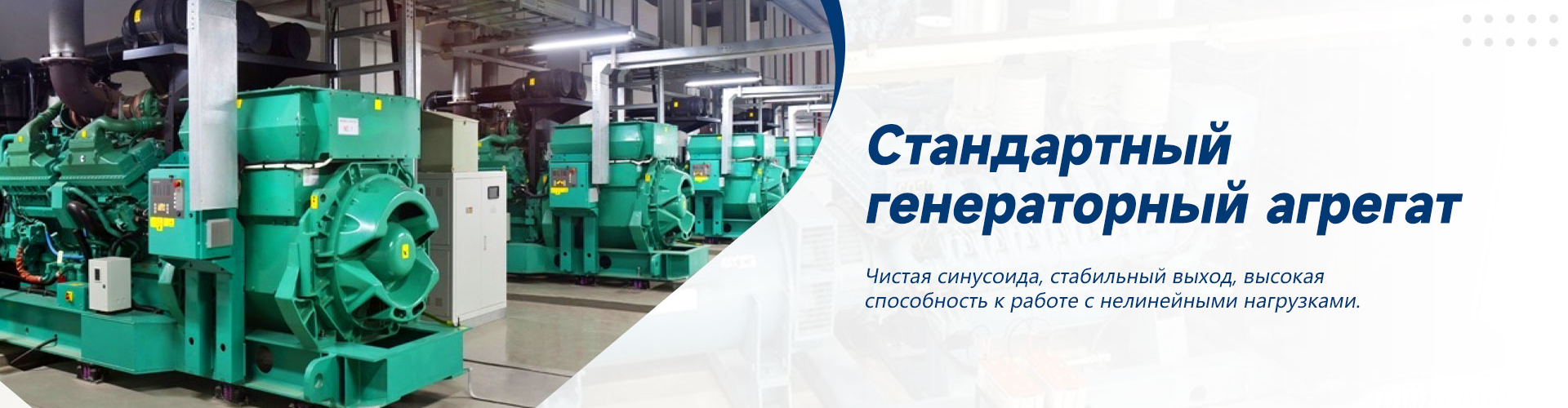
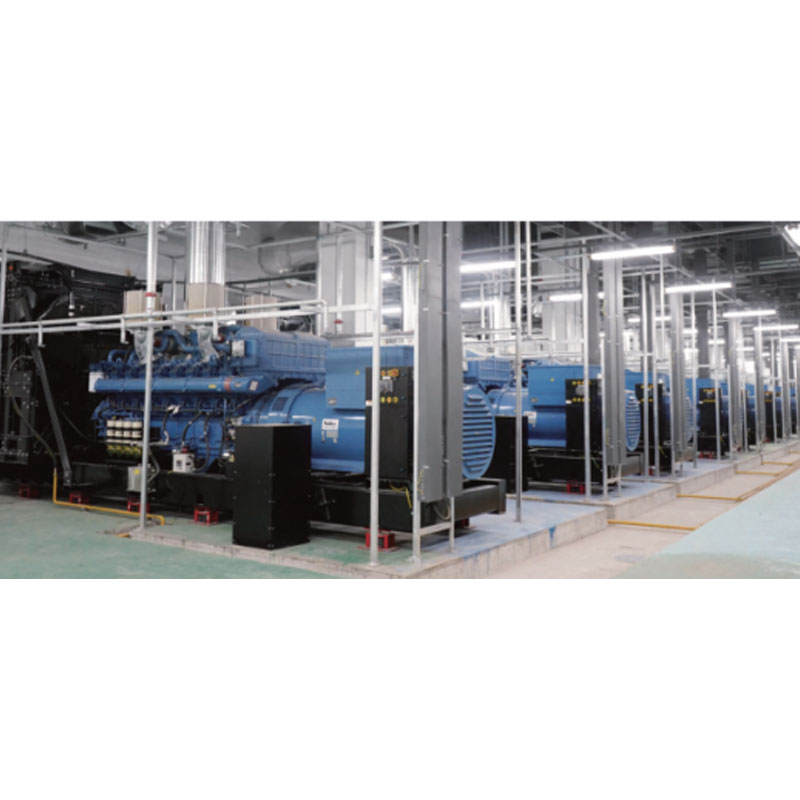
Theoretical calculations and global trends are realized only thanks to high-quality equipment and competent engineering integration. This is where specialized manufacturing companies come into the picture, capable of adapting global technologies to the specific needs of the customer. A striking example of this approach is Yuke (Shandong) Electrical Technologies LLC, a professional developer of integrated solutions in the field of autonomous and backup power supply.
Located in Shandong Province, the company combines deep engineering expertise in power generation, mobile power systems and advanced energy storage technologies. Yuke's activities are aimed at providing reliable, flexible and energy-efficient power supply for industrial facilities, infrastructure projects and remote areas, which fully complies with the requirements described above for the agility and adaptability of modern energy systems. As an integrator, the company relies on strategic partnerships with the world's leading engine and generator manufacturers such as Cummins, MTU, SEM, Perkins and Yuchai.
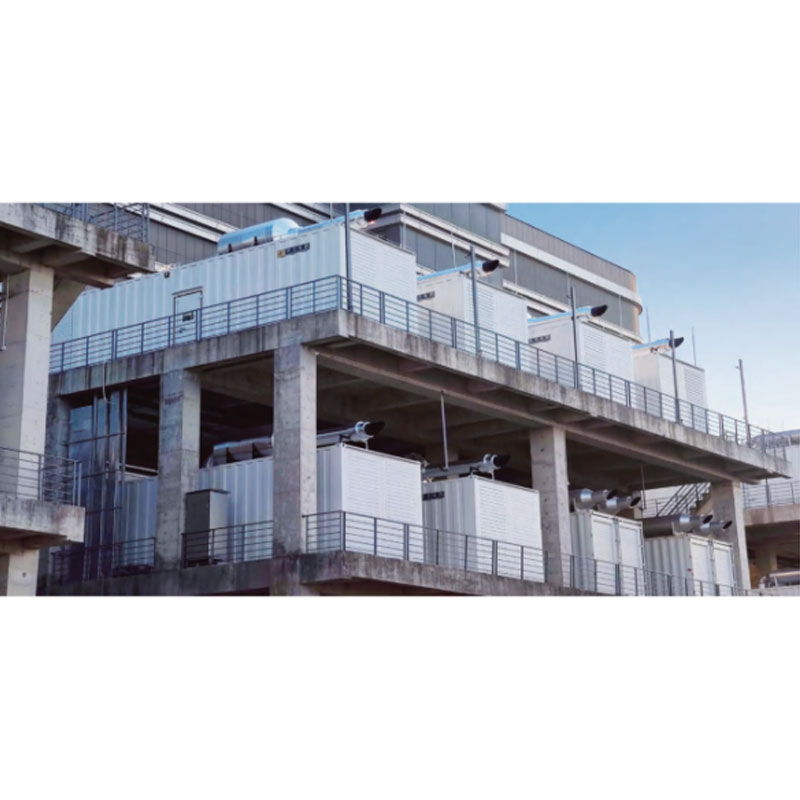
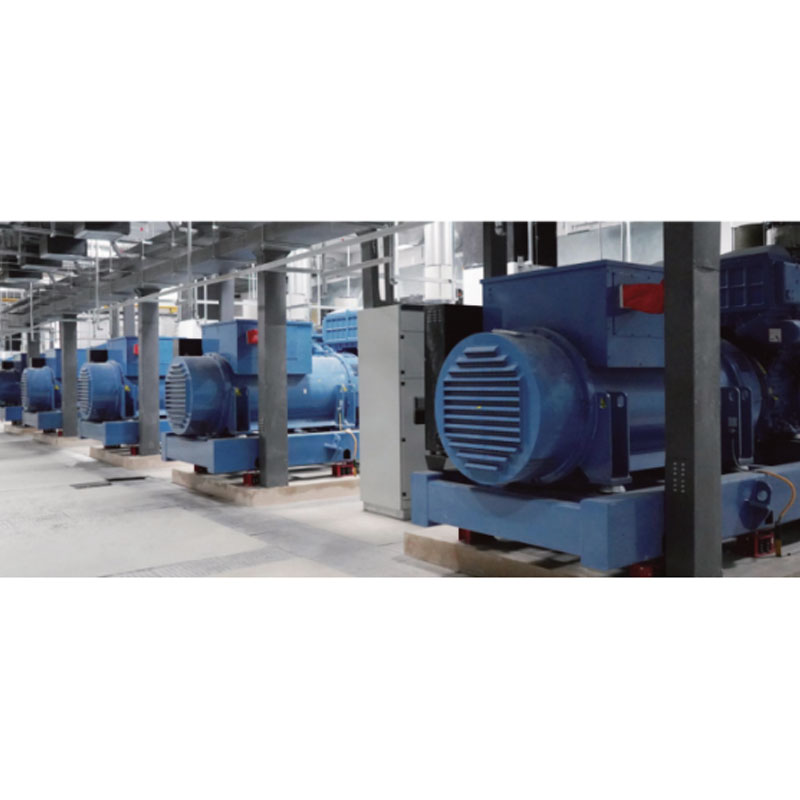
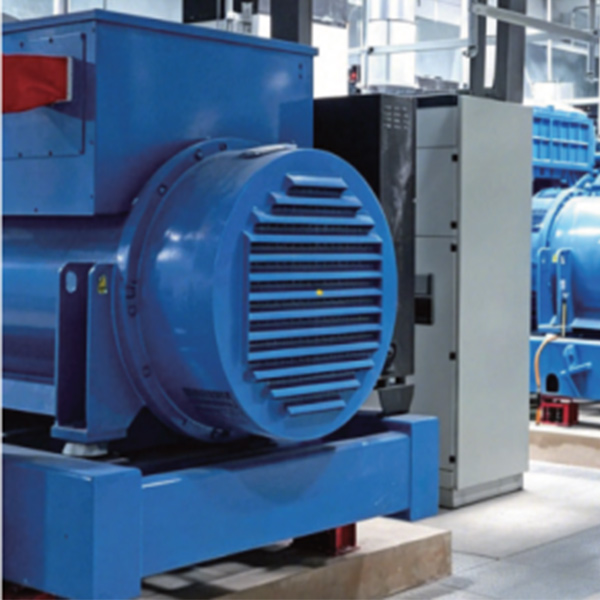
Yuke LLC's product portfolio covers eight key categories, including silent generator sets, mobile power station trailers, emergency power supply vehicles, as well as specialized VYG series gas generator sets based on Yuchai engines. Particular attention is paid to high-voltage solutions (VHMD5, VHSD5, VHYD5, VHCD5 series) and modern liquid-cooled energy storage cabinets that ideally complement gas stations in hybrid Gas + Battery configurations. All products are designed to meet the requirements for noise reduction, mobility and extreme operating loads, which are critical for operating in isolated networks in Siberia, the Arctic or desert regions.
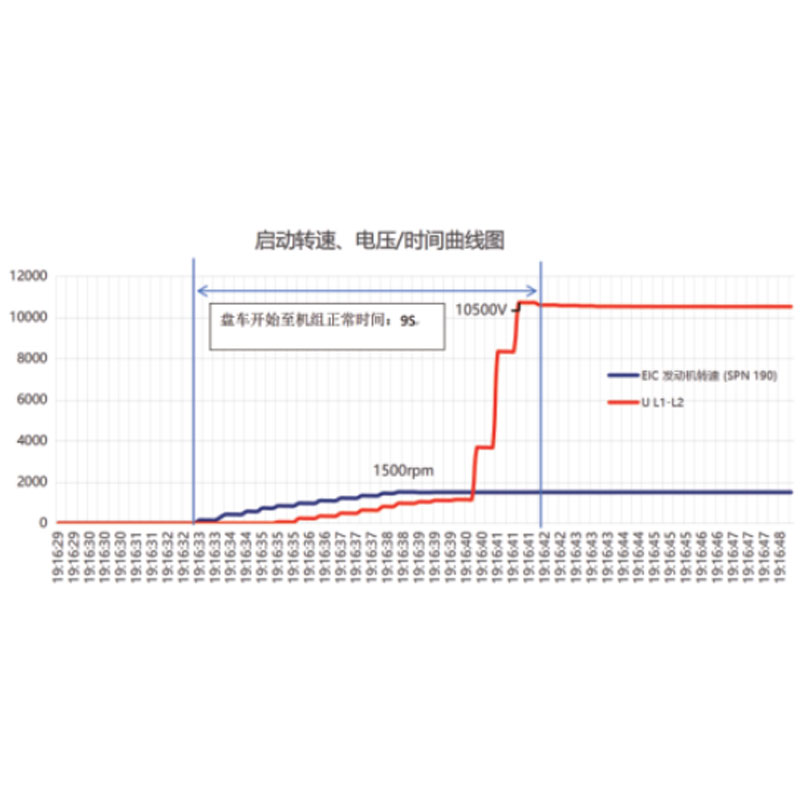
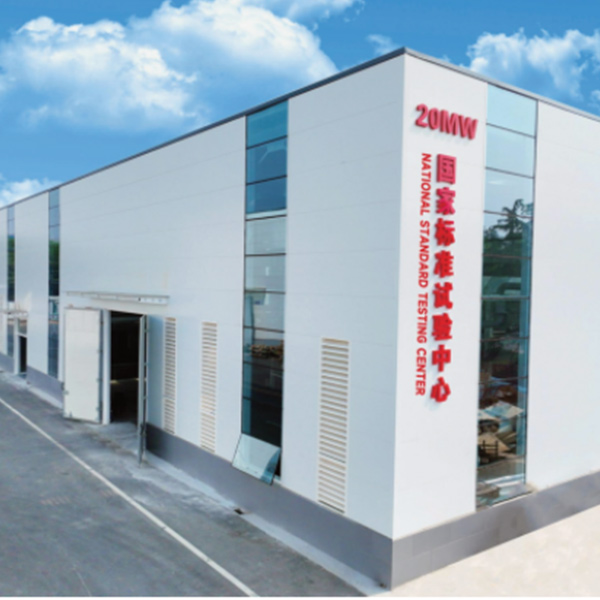
The company's production base is equipped with advanced equipment for assembly and testing. The key advantage of Yuke is its multi-level quality control system: each piece of equipment undergoes mandatory load tests for at least 4 hours under rated and partial load before shipment. This guarantees stability of the output voltage, temperature conditions and compliance with international electromagnetic compatibility standards. This approach minimizes the risks of “childhood diseases” of new equipment, which were discussed in the section on geopolitics and import substitution.
The geography of supplies of Yuke LLC includes the CIS countries, Asia, the Middle East and Africa. The company does not just sell equipment, but provides comprehensive support: from technical support at the design stage and consultations on choosing the optimal solution to personnel training and prompt delivery of original spare parts. The philosophy of “reliability through responsibility” allows customers to be confident that their energy assets will operate efficiently in any climate conditions, be it the hot Middle East or the harsh winter in Russia.
Frequently Asked Questions
What is the realistic lifespan of a modern gas turbine?
The service life of the basic components (housing, shaft) is 30 years or more. However, the hot part (blades, combustion chamber) requires replacement or major overhaul every 25,000 - 30,000 hours of operation in basic mode. When operating in maneuvering mode (frequent starts), this interval is reduced to 15,000 - 20,000 hours. Regular endoscopic monitoring of the scapula is critically important. Ignoring microcracks caused by thermal cycling can lead to catastrophic turbine failure.
Is it possible to completely convert an existing gas turbine unit to hydrogen?
Complete conversion (100% hydrogen) of most existing turbines is impossible without deep modernization or replacement of the combustion chamber and fuel injectors. Most modern models allow operation with a hydrogen admixture of up to 30–50% after minor modifications. Switching to 100% hydrogen usually requires replacing the “hot end” (upgrading the combustion chamber). In addition, it is necessary to check the entire fuel line for leaks and compatibility of materials with hydrogen, which causes embrittlement of metals.
How does gas quality affect the operation of a power plant?
Gas quality (Wobbe number, content of heavy hydrocarbons C5+, sulfur, moisture) directly affects combustion stability and equipment life. A deviation of the Wobbe number by more than 5% from the nameplate value can cause flame failure or overheating of parts. Heavy hydrocarbons lead to the formation of carbon deposits on the blades, reducing efficiency and increasing vibration. Before concluding a contract for gas supply, it is necessary to conduct a detailed analysis of its composition and provide for a gas treatment system (cleaning, heating, pressure stabilization).
Is gas an investment of the future or a dead end?
Gas is not a dead-end branch, but a necessary bridge for the next 20-30 years. A complete phase-out of gas on a global scale by 2030–2035 is technically and economically impossible without the threat of blackouts. Investments in gas are justified if the equipment has high efficiency, maneuverability and readiness to work on hydrogen mixtures. Stations built using old technologies with low efficiency and without the possibility of modernization really run the risk of becoming unprofitable assets ahead of schedule.
Natural gas as a fuel for power plants: the prospects for its use are inextricably linked with technological progress and the ability to adapt to new market conditions. This is not just the burning of a fossil resource, it is a high-tech energy management process that requires deep expertise and precise engineering calculations. The future lies with those who can effectively integrate gas-fired generation into hybrid systems, minimizing their carbon footprint and maximizing flexibility.
If you are planning to build a new power plant or modernize existing facilities, it is important to consider all the nuances described above, from the choice of turbine type to the fuel procurement strategy. Mistakes during the design phase can cost millions of dollars in the future. Our experts are ready to conduct a detailed audit of your project, calculate an economic model taking into account current market realities and offer the optimal technical solution that meets GOST standards and international norms.
Contact us todayto receive advice on gas generation issues and discuss cooperation opportunities. We will help you navigate the complex landscape of modern energy and build a reliable, efficient asset.
Read also our article aboutsolutions for industrial energyand detailed reviewturbine service manuals.
-


-
-


WeChat

-
WeChat