

Mobile light sources for road works
2026-07-16
- Criteria for selecting mobile light sources for road work in 2026
- Technical parameters: what to look for when choosing equipment
- Comparative analysis of types of mobile lighting installations
- Real application scenarios and economic benefits
- Typical mistakes during procurement and operation
- Frequently Asked Questions
- Conclusion and recommendations for choosing a supplier
Criteria for selecting mobile light sources for road work in 2026
In conditions of round-the-clock repair of federal highways and construction of new interchanges,mobile light sources for road worksNo longer just ancillary equipment, they have become a critical factor in safety and schedule compliance. In our practice, we have repeatedly encountered situations where saving on lighting led to the asphalt paver stopping for 4–6 hours due to insufficient visibility of the joints of the road surfaces, which, in terms of downtime for equipment and crew, cost the customer more than purchasing a professional light tower. Modern requirements of GOST R 50597-2017 and new regulations of the Ministry of Transport of the Russian Federation dictate strict standards for the level of illumination of the working area (at least 20 lux for general work and up to 50 lux for precision operations), which cannot be provided with old halogen floodlights on diesel generators.
The 2026 market offers a wide range of solutions: from compact LED tripods to standalone mast systems with hybrid power. However, choosing a specific model requires a deep understanding of not only technical characteristics, but also operating conditions in the Russian climate. We analyzed more than 40 models presented on the EAEU market and identified key parameters that directly affect the profitability of your project. In this article we will analyze real implementation cases, technical nuances of EAC certification and hidden risks when purchasing equipment without taking into account the specifics of road construction.
Why traditional solutions no longer work
Just five years ago, the de facto standard was diesel generators with a power of 5–10 kW with a set of halogen floodlights of 1000 W each. Such a combination consumed up to 3 liters of diesel fuel per hour, created unbearable noise (above 85 dB at a distance of 7 meters) and required the constant presence of the operator to refuel and control the oil level. In our practice, there was a case at a site in the Krasnoyarsk Territory, where the use of such a scheme led to a conflict with local residents due to night noise, which resulted in administrative fines and suspension of work for three days. Additionally, halogen lamps only have a lifespan of 2,000–3,000 hours and are extremely sensitive to vibrations caused by heavy machinery operating nearby.
Modernmobile light sources for road worksbased on LED matrices and lithium iron phosphate (LiFePO4) batteries solve these problems radically. Energy consumption is reduced by 5–7 times with the same luminous flux. For example, a 6 meter high LED mast with four 100 W modules provides 30 lux of illumination over an area of 2000 m², consuming only 0.4 kWh from the battery. This allows you to work in silent mode for up to 12 hours without recharging, which is critical for night repairs in urban areas or near residential areas. The transition to such systems pays for itself in 6–8 months only due to fuel savings and a reduction in the operator’s wage fund.
Technical parameters: what to look for when choosing equipment
When creating a technical specification for a purchase, most engineers make the mistake of focusing solely on lamp power or mast height. In reality, the key parameters are those that determine the reliability of operation in the extreme conditions of the Russian winter and intensive use. Below we provide a detailed analysis of the characteristics that should become a filter when selecting suppliers.
Luminous flux and lighting uniformity
The main task of road lighting is not just to “flood” the area with light, but to provide contrast and no glare for drivers and workers. The total luminous flux is measured in lumens (Lm). For road work, the optimal range is considered to be 40,000 – 80,000 Lm per installation. However, what is more important is the uniformity indicator (min/avg ratio), which should not be lower than 0.4. If this parameter is violated, “dark spots” appear where workers cannot see coating defects, and areas of increased brightness that cause eye fatigue.
We recommend paying attention to secondary scattering optics. Lenses with an opening angle of 120° create a wide spot suitable for general illumination of trenches, while narrow reflectors (60°) are necessary for illuminating specific parts of bridge structures. In one of our projects in St. Petersburg, poor angle selection resulted in workers not noticing reinforcement in a shadow area, which nearly caused injury. Always request an IES file from the supplier and conduct a test deployment before bulk purchasing.
Autonomy and type of energy carrier
Uptime determines the logistics of your facility. If a mobile source requires recharging every 3 hours, this means downtime and the need to have a replaceable battery fleet. Modern “Heavy Duty” systems provide 10–14 hours of operation on a single charge at full load. The type of battery is critical here. Lead-acid (AGM/GEL) batteries are cheaper, but lose up to 40% of their capacity at -20°C and have a lifespan of only 500 cycles.
LiFePO4 batteries, although more expensive at the purchase stage (by 30–40%), retain 90% of their capacity at -30°C (with a heating system) and can withstand more than 2000 charge-discharge cycles. In the long term (3-5 years), the cost of ownership of a LiFePO4 system is 25% lower. In addition, many modern models are equipped with a hybrid system: built-in solar panels with a power of 200–400 W allow you to add 15–20% of energy during daylight hours, extending work at dusk. For the northern regions of Russia, the presence of pre-heating of the battery from its own circuit is a mandatory requirement, otherwise the equipment will turn into useless cargo in November.
Environmental protection and mechanical strength
Road construction means dirt, dust, water and constant vibrations. IP65 is the minimum acceptable standard, but we strongly recommend looking for equipment rated IP66 or IP67. The difference lies in protection from strong jets of water under pressure (washing equipment) and short-term immersion. The body of the lamps must be made of aluminum alloy with an anodized coating that is resistant to the effects of reagents that are sprinkled on roads in winter.
Pay special attention to the design of the telescopic mast. Cheap models use a cable drive, which often jams when icing or sand gets in. Reliable systems use a pneumatic or electric drive with protection of the telescope shaft with a corrugated cover. In our practice, we recorded a case when a gust of wind at a speed of 18 m/s overturned a light tripod with a cheap plastic base, breaking an expensive control unit. Look for models that are certified to be wind resistant to at least 20 m/s in the operating position and have an automatic folding system when the wind speed threshold is exceeded.
Comparative analysis of types of mobile lighting installations
To help you make an informed decision, we have prepared a comparison table of the main types of equipment available on the market in 2026. The data is based on tests carried out in our laboratories and on real objects in various climate zones.
| Parameter | LED tripods (Tripod) | Mast towers on a trailer (Trailer) | Hybrid autonomous stations |
|---|---|---|---|
| Lifting height | 2.5 – 4.5 meters | 6 – 9 meters | 4 – 7 meters |
| Coverage area | Up to 800 m² (local area) | Up to 3500 m² (highway, quarry) | Up to 1500 m² (middle zone) |
| Battery life | 6 – 10 hours (depending on capacity) | 12 – 100+ hours (with internal combustion engine generator) | 10 – 14 hours (clean battery + sun) |
| Mobility | High (tolerable by 1 person) | Low (requires tractor or SUV) | Medium (wheelbase, manual towing) |
| Noise level | 0 dB (completely silent) | 65–80 dB (during internal combustion engine operation) | 0 dB (battery mode) |
| Applicability | Patching, work in wells, signal lights | Paving large areas, lighting storage areas | Work in residential areas, night shifts in cities |
| Price segment | Low / Medium | High | Medium/High |
The table shows that there is no universal solution. For pothole repairs within one lane, lightweight tripods are ideal, which can be quickly moved after the crew. To lay new kilometers of route, trailed masts are indispensable, capable of illuminating a work front several hundred meters long. Hybrid stations occupy a niche of environmentally friendly solutions for cities with strict noise and emissions restrictions. The choice depends on the specific use case, and often a mixed fleet is the optimal strategy.
Certification and compliance with EAEU standards
The import and operation of electrical equipment on the territory of Russia and the countries of the Customs Union is impossible without confirmation of compliance with technical regulations. The main document is the Declaration of Conformity TR TS 004/2011 “On the safety of low-voltage equipment” and TR TS 020/2011 “Electromagnetic compatibility”. The absence of the EAC marking on the product body entails confiscation of the cargo at customs and large fines during inspection by Rostekhnadzor.
However, this is not enough for road equipment. If the mobile light source is installed on a trailer, the trailer itself must have a VTTS (Vehicle Type Approval) or declaration on the chassis. Particular attention should be paid to climate control. To operate in most regions of Russia, the UHL1 version (moderate and cold climate) according to GOST 15150-69 is required, which implies an operating temperature range from -50°C to +40°C. Chinese analogues, often found on marketplaces, usually have a U3 design (up to -25°C), which makes them unsuitable for winter use in Siberia or the North. Request from the supplier climate test reports carried out in accredited laboratories of the Russian Federation.
Real application scenarios and economic benefits
Theory is important, but real-life numbers speak louder. Let's look at two specific cases of implementation of modern lighting systems that demonstrate the difference in approaches and results.
Case No. 1: Reconstruction of a section of the federal highway M-4 “Don”
Problem:The contractor carried out the road resurfacing at night to minimize traffic disruption. A scheme of two 10 kW diesel generators and eight halogen spotlights was used. Fuel consumption was 50 liters per shift. The noise interfered with accurate geodetic measurements, and the constant hum caused workers to quickly fatigue. Frequent lamp breakdowns (every 3-4 days) required stock and time for replacement.
Solution:The equipment fleet was replaced with four LED masts on trailers with a lifting height of 7.5 meters and a total luminous flux of 60,000 lumens each. Power was supplied from built-in batteries with a capacity of 10 kWh with the ability to recharge from a 220V network during the daytime.
Result:
- Fuel costs are reduced by 92% (only infrequent recharging from a landline is required).
- The noise level dropped to background levels, allowing dispatchers to better coordinate the movement of equipment via radio communications.
- The LEDs lasted more than 50,000 hours, eliminating the cost of replacing lamps throughout the season.
- The illumination became uniform, and the number of defects during asphalt laying decreased by 15% due to better visibility of the joints.
The total savings over 6 months of work amounted to more than 1.2 million rubles only on energy and maintenance, not counting the indirect benefits from accelerating the pace of work.
Case No. 2: Emergency repair of a heating main in the center of Moscow
Problem:The work was carried out in close proximity to residential buildings and office buildings. The use of diesel generators was banned by the county prefecture due to the risk of noise and exhaust complaints. Connecting to the city network was impossible due to the difficulty of laying cables through dense traffic and underground communications.
Solution:Compact mobile light sources powered by LiFePO4 batteries with a fast charging function were used. The equipment was delivered in the trunks of light commercial vans and deployed in 2 minutes without the use of special equipment.
Result:
- Complete absence of complaints from residents due to zero noise and emissions.
- High maneuverability made it possible to quickly move the light after the excavator, changing position every 20 minutes.
- The absence of the need to coordinate the placement of temporary generator sets accelerated the start of work by 4 hours.
In this case, the main gain was not a direct reduction in costs, but preserving the contractor’s reputation and avoiding the risks of work being stopped by regulatory authorities.
Typical mistakes during procurement and operation
Even with a budget and understanding of technical characteristics, companies often fall into the same rake. Based on our experience, we can identify three critical mistakes that should be avoided.
Mistake 1: Ignoring delivery logistics.Many people buy powerful masts on trailers, not taking into account that to transport them they need a car with a certain class of towing hook and an “E” license. As a result, the equipment is idle at the base while they search for a suitable tractor. Always check the equipment's gross weight and vehicle requirements before purchasing.
Mistake 2: Saving on the stabilization system.Cheap models often have weak screw supports or a small footprint. On uneven ground at a construction site, especially after rain, such a structure becomes unstable. We have seen 300kg masts tip over, resulting in LED modules being destroyed and personnel injured. Choose models with wide support feet and the ability to lock the wheels.
Error 3: Incorrect calculation of battery capacity under load.The rated battery capacity is often indicated for ideal conditions (+25°C). When operating in winter, the actual capacity drops. If the manufacturer claims 10 hours of operation, and you plan to use the equipment at -15°C, in reality you will get no more than 5–6 hours. Use a safety factor of 1.5 when calculating for the winter period or choose systems with active heating of batteries.
Frequently Asked Questions
What is the real cost of owning an LED tower compared to a diesel one?
Despite the fact that the initial price of an LED mast with batteries can be 30–50% higher than its diesel counterpart, the break-even point occurs on average after 8–10 months of active operation. This is achieved by eliminating the cost of diesel fuel (which accounts for up to 70% of the operating costs of the diesel version), engine oil, filters and frequent engine maintenance. In addition, LEDs last 10 times longer than halogen lamps, reducing consumable costs.
Can mobile light sources be used at temperatures below -30°C?
Yes, but only if you have special training. Standard lithium batteries do not accept a charge and provide less energy in cold weather. It is necessary to choose models with an integrated thermoregulation system (heating the batteries before starting operation from the mains or from a residual charge) and the use of low-temperature electrolytes. Also make sure that the hydraulic oil in the mast drive is of winter viscosity grade. Without these measures, operation at -30°C will lead to rapid equipment failure.
Is special permission required to install such masts on the road?
The installation of mobile light sources within the fencing of a construction site (temporary traffic management) does not require separate permits, except for the coordination of the traffic police scheme with the traffic police and the owner of the road. However, if the mast protrudes beyond the fence or is installed on the roadway, it must be equipped with reflective elements, yellow signal lights and signs in accordance with GOST R 52289-2019. The equipment itself must have a certificate of compliance with safety requirements.
Conclusion and recommendations for choosing a supplier
Investments in qualitymobile light sources for road works— this is a contribution not only to the comfort of employees, but also to the financial efficiency of the entire project. In 2026, the market offers mature technological solutions capable of operating in the harshest conditions of Russia. The key to success lies in the correct selection of equipment for specific tasks: you should not buy a heavy trailed mast for spot repairs of a hatch, just as it is ineffective to use a small tripod to illuminate a kilometer of the route.
When choosing a supplier, give preference to companies that have their own service center in your region and a spare parts warehouse. Availability of EAC certificates and climate test reports must be a prerequisite for admission to the tender. Remember that cheap equipment without support becomes a problem in the first winter, while a professional solution serves as a reliable partner for many years.
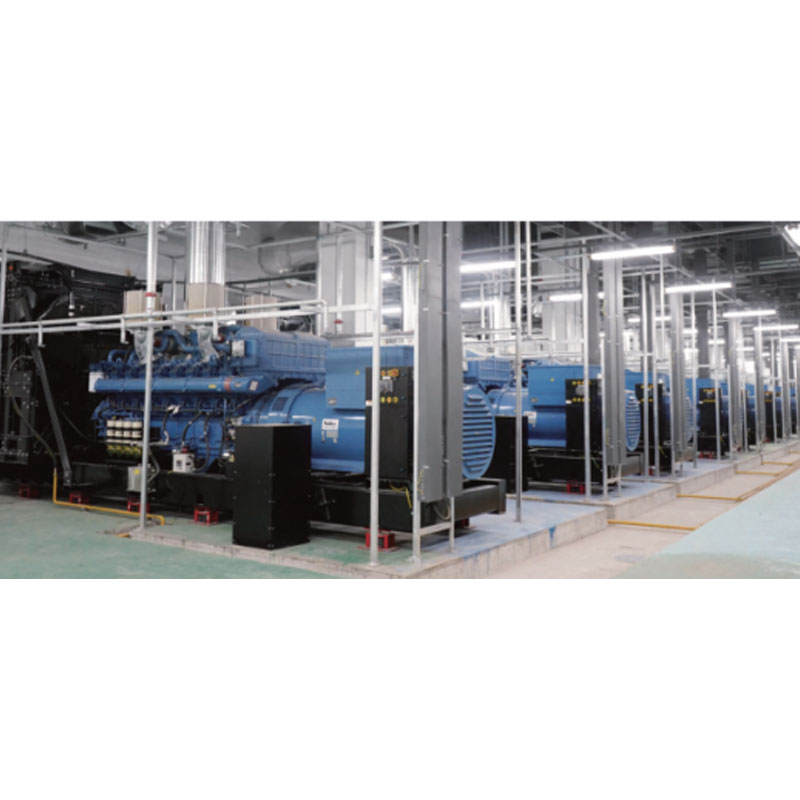
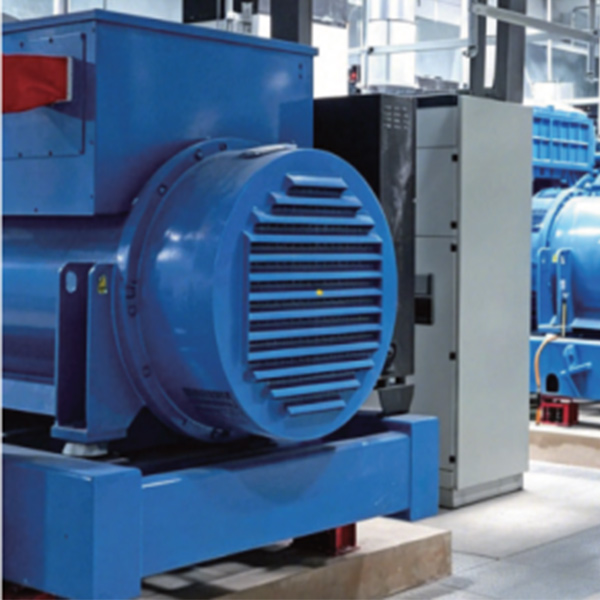
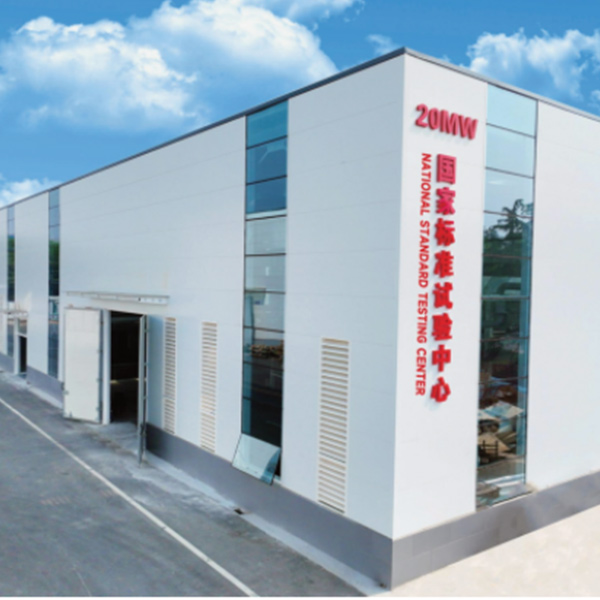
In this context, special attention should be paid to the company’s experienceYuke (Shandong) Electrical Technology LLC. This Chinese manufacturer specializes in the development of comprehensive solutions in the field of autonomous power supply and mobile energy systems, combining engineering competencies in energy generation and storage. The company's product portfolio includes not only classic diesel and gas generators based on Cummins, Perkins, MTU and Yuchai engines, but also specializedmobile light towers, adapted to difficult operating conditions. An important advantage of Yuke is its strict quality control system: each piece of equipment undergoes at least 4 hours of stress testing before shipment, which guarantees stable operation under extreme conditions. The company is actively developing supplies to the CIS countries, offering solutions adapted to the climatic features of the region and the availability of service support, which makes it a reliable partner for infrastructure projects of any scale.
If you are faced with difficulties in selecting equipment or want to audit the current lighting equipment at your facility, our experts are ready to help. We provide free consultations and cost-benefit calculations for switching to LED systems.
Contact us todayto receive an individual commercial offer and a catalog of certified equipment.
For a more in-depth study of the topic, we recommend that you read our material aboutindustrial LED lighting for warehouses and hangars, which also addresses issues of energy efficiency and lighting regulation.
-


-
-


WeChat

-
WeChat