

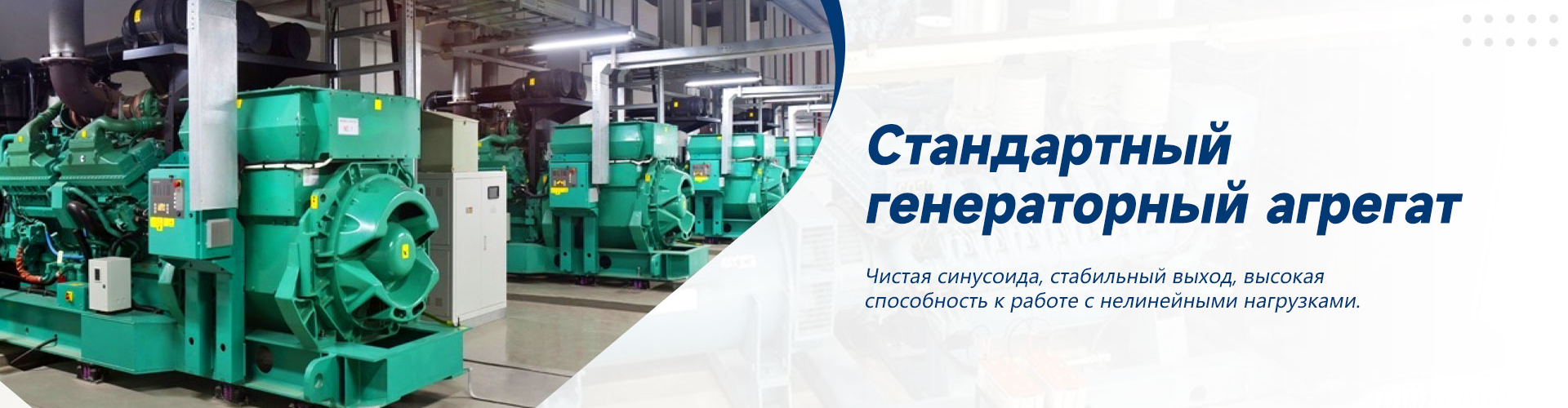
OKOF diesel generator set: classification and depreciation
2026-07-11
- OKOF diesel generator set: how to correctly determine the code and service life
- Structure of the OKOF 2026 classifier and depreciation groups
- Selection criteria: power, type of cooling and operating mode
- Influence of climatic modification of GOST 15150 on accounting
- The role of a reliable supplier in correct accounting and operation
- Calculation of initial cost and commissioning
- Frequently asked questions about accounting for diesel generator sets
- Practical recommendations for minimizing risks
OKOF diesel generator set: how to correctly determine the code and service life
The OKOF code for a diesel generator set (DGS) in 2026 is determined by the equipment belonging to the “Machinery and Equipment” class with the assignment of code 330.28.11.12.000 “Diesel engines (except for engines for motor vehicles).” This is the basic value on which the depreciation group and monthly tax deductions of your enterprise directly depend. In our practice of auditing fixed assets, we have repeatedly encountered a situation where the accounting department mistakenly attributed powerful stationary power plants to the codes of mobile units or household equipment, which led to an underestimation of depreciation and subsequent fines during inspections by the Federal Tax Service. Correct classification is not just a bureaucratic formality, but a tool for managing the financial burden on a company’s balance sheet.
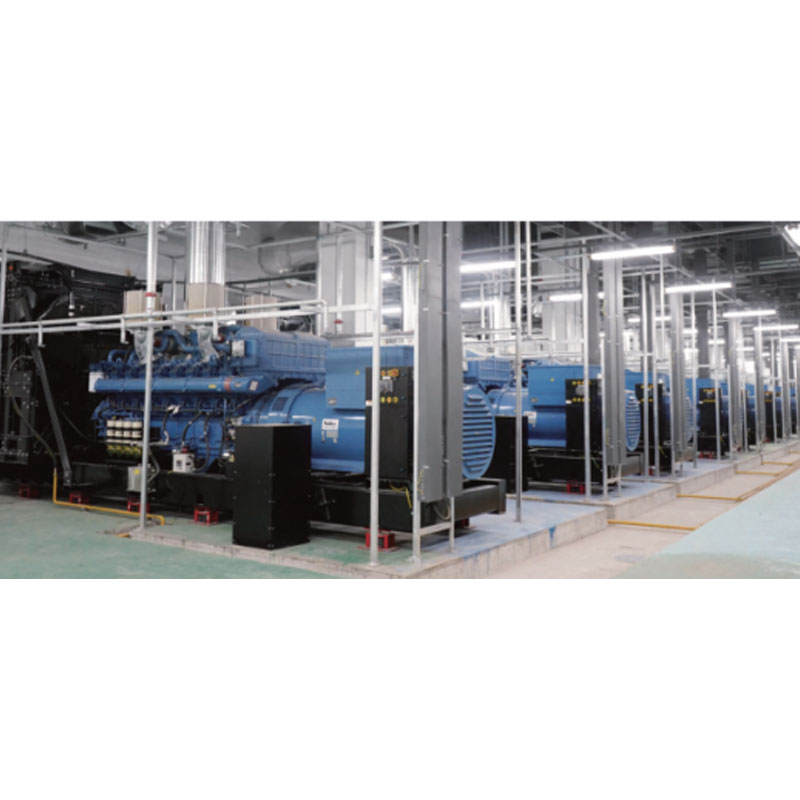
Selecting a specific code requires an analysis of the technical documentation of the product passport. If your diesel generator set is a stationary capital construction facility or heavy industrial equipment with a capacity of over 500 kW, the approach to accounting for it will differ from accounting for a mobile installation on a trailer chassis. We recommend that you immediately request from the supplier a decoding of the Commodity Nomenclature of Foreign Economic Activity and technical specifications, since they are the primary documents for the accountant when deciding on the OKOF code. An error at the stage of putting equipment into operation can only be corrected through complex procedures for rewiring and adjusting tax reporting.
Structure of the OKOF 2026 classifier and depreciation groups
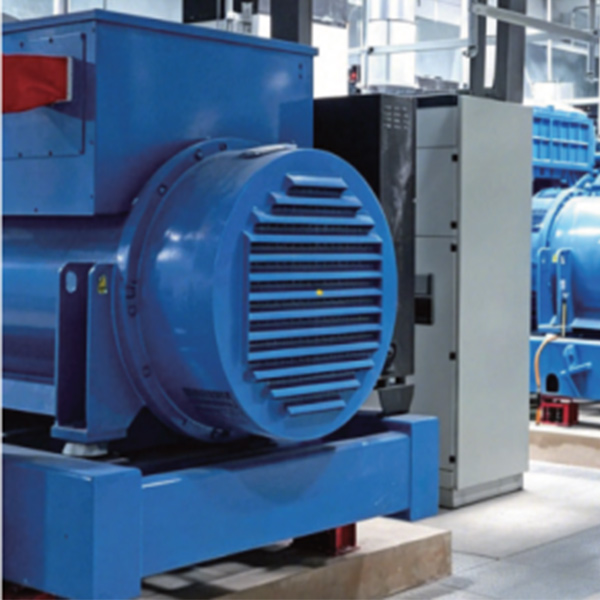
The current All-Russian Classifier of Fixed Assets (OKOF OK 013-2014) underwent a number of changes by the beginning of 2026, but the basic logic of grouping energy equipment remained unchanged. For diesel generator sets, the key section is group 330 “Other machinery and equipment, including household equipment, and other objects.” Within this group, the search is carried out by engine type and installation purpose. It is important to understand that the alternator itself and the diesel engine as part of a single unit are considered as one inventory item if they are structurally connected and function together.
Basic code 330.28.11.12.000 covers most industrial diesel engines used to drive generators. However, if the installation has a specific design, for example, is intended exclusively for emergency lighting of hospitals or is part of a complex technological complex (for example, a drilling rig), the code may change. In one of our projects at an oil refinery in Siberia, we identified an error where a diesel generator set built into the production line was accounted for separately. This resulted in its useful life being incorrectly determined, although in fact it was an integral part of a more expensive production line with a different depreciation period.
The depreciation group is determined on the basis of Decree of the Government of the Russian Federation No. 1. For code 330.28.11.12.000, equipment most often falls into the second, third or fourth depreciation group. The second group implies a useful life of 2 to 3 years inclusive. This usually includes lightweight, low-power mobile units. The third group (from 3 to 5 years) includes most standard industrial diesel generator sets with a power of up to 500 kW. The fourth group (from 5 to 7 years) is intended for heavy stationary equipment of high power and resource intensity.
Determining the exact bracket is critical to income tax calculations. The higher the group, the longer the cost of equipment is written off, which affects the current financial result. If you are purchasing a batch of generators for the construction of a temporary facility, it may be more profitable for you to classify them into a group with a shorter service life in order to write off the costs faster. On the contrary, for main production it is more profitable to distribute expenses evenly over a long period. The decision should be made by the commission on the receipt and disposal of assets, based on the technical passport and recommendations of the manufacturer.
Correspondence table between OKOF codes and depreciation groups for diesel generator sets
| Equipment type | OKOF code (example) | Depreciation group | Useful life (years) | Application nuances |
|---|---|---|---|---|
| Mobile low power diesel generator sets (up to 50 kW) | 330.28.11.12.190 | Second | 2 – 3 | Often used as auxiliary equipment on construction sites |
| Medium power industrial diesel generator sets (50–500 kW) | 330.28.11.12.000 | Third | 3 – 5 | Standard solution for backup power supply of offices and workshops |
| Stationary power centers (over 500 kW) | 330.28.11.12.000 | Fourth | 5 – 7 | Requires a foundation and complex installation, high service life |
| DGS as part of technological lines | Depends on the line | Main Object Group | Matches the line | Not accounted for separately if they are part of a mechanism |
When filling out an OS-6 registration card, be sure to indicate the full ten-digit code. Shortening the code or using higher-level grouping codes (for example, only 330.28) is unacceptable and may raise questions from the tax authorities during a desk audit. We recommend checking the code specified in the supply contract with the current version of the classifier as of the date the object was accepted for registration, since legislation may change throughout the year.
Selection criteria: power, type of cooling and operating mode
The technical characteristics of a diesel generator set are the foundation for proper accounting. Engine power, expressed in kW, directly affects the choice of depreciation group. In our engineering practice, we see that many customers confuse the electrical power of the generator (kVA) and the mechanical power of the engine (kW). For the purposes of the OKOF classification, what is more important is the characteristics of the engine as the main unit that determines the service life of the machine. The difference between kVA and kW is the power factor (cos φ), which is usually 0.8, but ignoring this difference can lead to an incorrect rating of the equipment.
The operating mode of the installation also dictates the conditions of its operation and, consequently, the rate of wear. There are three main modes: Standby, Prime and Continuous. Equipment operating in Continuous 24/7 mode is subject to significantly greater loads than a backup generator running 100 hours per year. Although OKOF does not always clearly separate these modes in the code name, the enterprise commission is obliged to take into account the intensity of operation when determining the specific service life within the range of the group. For example, for the third group (3-5 years), you could set a period of 3 years for an installation operating in severe dust and heat conditions, and 5 years for an installation in a clean, climate-controlled container.
The cooling system is another parameter that affects the classification and cost of maintenance. Air cooling is typical for low power and simple designs that are easier to repair but have a shorter lifespan. Liquid cooling is used in industrial models. In one of the cases at a mining enterprise in Yakutia, we were faced with the premature failure of an air-cooled diesel generator set installed in an unheated hangar. Despite the fact that the OKOF code was chosen correctly, the actual service life turned out to be half the standard due to the discrepancy between the operating conditions and the manufacturer’s technical requirements. This emphasizes the importance of not only the correct code, but also compliance with maintenance regulations.
When choosing between an open type (Open Type) and a casing (Canopy/Container), it should be taken into account that the noise-protective casing is an integral part of the equipment if it is supplied assembled. Its cost is included in the initial cost of the fixed asset and is depreciated along with the engine and generator. Separate accounting of the casing is impossible, since without it, operation of the installation in residential areas or enclosed spaces is prohibited by sanitary standards. Therefore, when accepting equipment, make sure that the entire structure is indicated in the invoice as a single inventory item.
Influence of climatic modification of GOST 15150 on accounting
For the Russian market, a critical parameter is the climatic design of the equipment in accordance with GOST 15150-69. This standard determines the ability of equipment to operate in extreme temperatures, humidity and dust. Codes UHL (temperate and cold climate) and KHL (cold climate) are mandatory for most regions of the Russian Federation. Ignoring this standard when purchasing leads to the fact that the equipment fails in the first winter, turning into scrap metal before the end of the depreciation period.
In the context of OKOF and depreciation, climatic design indirectly affects the choice of useful life. The HL1 version, capable of operating at -60°C, has a more complex design of pre-heaters, an insulated hood and special grades of oils. These additional components increase the initial cost of the facility, but also improve its reliability in harsh environments. When forming a commission for commissioning, we recommend setting a maximum period for this depreciation group specifically for equipment with a high protection class, since it is structurally designed for long service.
We analyzed the failure statistics of diesel generator sets in northern latitudes and found that 40% of failures in the first year of operation are associated with the use of U3 equipment (moderate climate) in conditions requiring UHL. In such cases, accounting is faced with the need to write off assets early or carry out expensive major repairs, which are not always economically justified. Therefore, when purchasing, always request a certificate of conformity to GOST 15150 and check the markings on the engine nameplate. This will protect your investment and ensure that depreciation is calculated correctly throughout its life.
It is also worth noting the influence of the GOST R 53105-2008 standard, which regulates the requirements for the safety and efficiency of energy equipment. Compliance with this standard is often a quality marker that predicts stable machine operation. If the supplier cannot provide documents of compliance with Russian GOSTs, referring only to European CE or Chinese GB, the risk of hidden defects increases many times over. In this case, it is reasonable to reduce the planned useful life to minimize financial risks.
The role of a reliable supplier in correct accounting and operation
Choosing the right supplier plays a decisive role not only in ensuring uninterrupted energy supply, but also in simplifying accounting procedures. The documentation provided by the manufacturer becomes the basis for determining the OKOF code and service life. A striking example of a responsible approach is the companyYuke (Shandong) Electrical Technology LLC. This professional organization, based in Shandong Province, specializes in the development and production of complete solutions for autonomous and backup power supply. As an integrator that combines engineering competencies in the field of power generation and mobile energy systems, the company provides its clients with a complete package of technical documents necessary for the smooth installation of equipment.
Yuke LLC's product portfolio covers eight key categories, including silent generator sets, mobile power trailers, emergency power supply vehicles, and high-voltage and gas generator sets. The line includes models of the VCD series (based on Cummins engines), VSD (SEM), VPD (Perkins) and gas generators of the VYG series (Yuchai), which allows you to choose a solution for any task - from remote areas to large infrastructure projects. Particular attention is paid to adapting products to regional standards, including the harsh climatic conditions of the CIS countries, which directly affects the durability of assets and the validity of the chosen depreciation period.
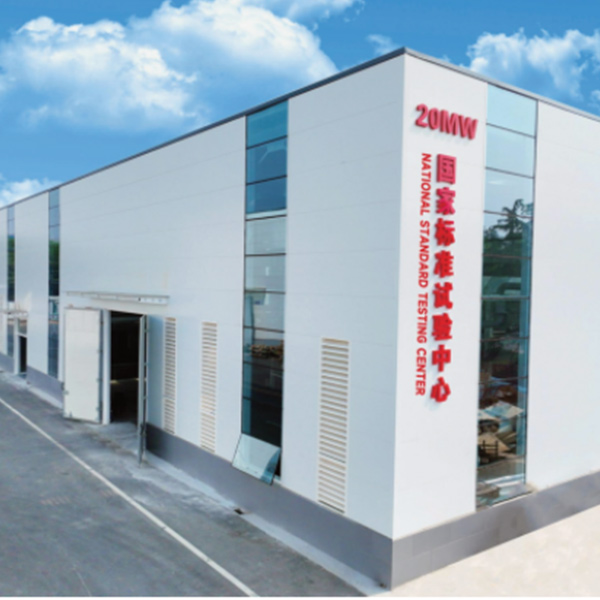
A key advantage for the accounting and technical departments is the strict quality control system at the company's production base. Each piece of equipment undergoes mandatory load tests lasting at least 4 hours, as well as checking noise, vibration and temperature parameters. This approach ensures that the characteristics stated in the passport (engine power, type of cooling, climate control) correspond to reality. By receiving certified equipment with clearly defined technical specifications from such a supplier, the enterprise minimizes the risk of errors when classifying according to OKOF and avoids controversial situations with the tax authorities.
Calculation of initial cost and commissioning
Determining the initial cost of a diesel generator set is a process that requires attention to detail. According to PBU 6/01, the cost of a fixed asset includes all costs associated with delivery, customs clearance, installation and commissioning. The mistake of many enterprises is that they account only for the cost of the hardware itself, indicated on the invoice, forgetting about logistics and installation. This distorts the book value and understates monthly depreciation.
Transportation costs, especially when delivering large diesel generator sets from other regions or countries, can amount to up to 15% of the cost of the equipment. These amounts must be collected on account 08 “Investments in non-current assets” and then transferred to account 01 “Fixed assets” in a single amount. In our practice, there was a case when a company imported a batch of generators and separately took into account the costs of customs duties as current costs. The auditors subsequently requested a restatement of income taxes because these expenses should have been capitalized and written off through depreciation over several years rather than as a lump sum.
Pre-commissioning (Commissioning) is a mandatory step before commissioning. For complex industrial diesel generator sets, this stage includes checking automatic transfer systems (ATS), synchronization with the network and test load. The costs of the services of a service engineering team are also included in the initial cost. The start date for depreciation is the 1st day of the month following the month the facility was put into operation. It is important to correctly fill out the entry act in the OS-1 form, where the same OKOF code that you have chosen will be recorded.
If a diesel generator set is purchased on lease, the accounting procedure changes depending on the balance sheet on which the property is listed. When accounting on the lessee's balance sheet, depreciation is calculated by the recipient using the same OKOF codes and terms, but taking into account the acceleration factor (no more than 3), if this is provided for in the contract. This is a powerful tax planning tool that allows you to quickly write off the cost of expensive equipment. However, the use of the coefficient must be clearly stated in the contract and justified by the intensive use of the equipment.
Frequently asked questions about accounting for diesel generator sets
Which OKOF code should I use for a diesel generator on a car chassis?
If the diesel generator set is mounted on a car chassis and registered as a vehicle in the traffic police, it is counted not as equipment, but as a vehicle. In this case, the code from group 310.29.10.2 “Trucks” is used. The depreciation group will depend on the load capacity and type of vehicle, usually this is the third group (3-5 years). The key document here is the PTS (vehicle passport). If the chassis is not registered as a car, and the unit is considered a towed device or a mobile unit, code 330.28.11.12.000 is returned.
Is it possible to change the useful life after commissioning?
Yes, the useful life can be revised, but only upward and only after reconstruction, modernization or technical re-equipment, which actually extended the life of the equipment. You cannot simply change the deadline at the request of the accountant. All changes must be documented by order of the manager and reflected in the inventory card. In our practice, we have seen cases where, after a major overhaul of the engine with the replacement of the cylinder block, the service life was extended by 2-3 years, which was completely legal and justified by the certificates of work performed.
How to account for spare parts and consumables for diesel generator sets?
Spare parts purchased for routine repairs and maintenance (filters, oils, belts) do not increase the cost of the fixed asset and are not coded according to OKOF as separate objects. They are accounted for as inventories (account 10) and are written off as costs as they are released into production. Separate accounting for OKOF is required only if a modernization is carried out that improves the characteristics of the installation (for example, replacing the control system with a more modern one), and not just restoring its functionality.
Practical recommendations for minimizing risks
To ensure perfect accounting of diesel generator sets, we recommend creating internal regulations linking the technical department and accounting department. Engineers must provide accountants with complete technical passports indicating the HS and GOST codes immediately upon receipt of the goods. Accountants, in turn, must check this data with the current OKOF classifier before posting. Such interdepartmental control eliminates the human factor and classification errors.
Regularly conduct an inventory of fixed assets with a physical inspection of equipment. It often happens that a diesel generator set is actually dismantled, sold or dismantled, but continues to be listed on the balance sheet, generating property tax. Or vice versa, new equipment works, but is not capitalized. During one of the inspections at a plant in Krasnodar, we discovered five generators that had not been physically in the warehouse for two years, but according to documents continued to be depreciated. This led to the accumulation of significant tax risks.
Take advantage of accounting automation software, but don't rely on it blindly. Databases of OKOF codes in programs like 1C are not updated instantly. Always check the relevance of the code manually on the official resources of Rosstandart before entering a new object. This is especially true for specific equipment, which can be interpreted in two ways. Remember that the responsibility for correct taxation lies with the head of the enterprise, and not with the software developers.
In conclusion, choosing the right codeOKOF diesel generator setand a reasonable determination of its service life is the key to the financial stability of your enterprise. Don't think of this process as a chore, but as an asset management strategy. A competent approach allows you to legally optimize taxes, avoid fines and accurately plan the budget for updating your fleet of equipment in the future. If you have any doubts when classifying complex equipment, it is better to consult with relevant experts before signing the commissioning certificate.
For detailed advice on selecting equipment that meets your production tasks and accounting requirements, contact the technical specialists of Yuke (Shandong) Electrical Technologies LLC. We will help you select a diesel generator set with optimal characteristics, provide a full package of documents for smooth passage of accounting and tax control, and also provide service support at all stages of operation.Go to the catalog of diesel generatorsto view the available models and their technical specifications.
-


-
-


WeChat

-
WeChat