

Generating equipment market trends in July 2026
2026-07-14
- Generator market in July 2026: key shifts and data
- Dominance of gas solutions and changing demand structure
- Hybridization and the role of energy storage devices in industrial microgrids
- Integrated approach: experience of Yuke (Shandong) Electrical Technology LLC
- Influence of climatic conditions in July on the choice of equipment design
- Regulatory and certification requirements in 2026
- Logistics chains and delivery times: realities of summer 2026
- Price dynamics and cost formation factors
- Practical recommendations for choosing a supplier
- Conclusion and action strategy
Generator market in July 2026: key shifts and data
Generator market trends in July 2026 clearly indicate an irreversible transition from traditional diesel installations to hybrid power systems. We see demand for clean diesel generators above 500kW down 18% year-on-year, while orders for integrated energy storage systems (BESS) are up 42%. These are not just statistics - this is the industry’s reaction to the tightening of environmental standards of the Eurasian Economic Union and the sharp increase in the cost of diesel fuel in the summer season. In our practice, we see companies that ignore this shift facing production downtime due to inability to obtain emissions permits or excessive operating costs.
July 2026 marked a turning point for the distributed energy sector. New requirements for the carbon footprint of products, introduced on January 1, 2026, are now strictly controlled by customs authorities when exporting to the EU and within the EAEU. Manufacturers are forced to reconsider their energy balances. The generator set is no longer seen as an emergency source, but becomes part of a complex microgrid where every kilowatt-hour must be justified from an efficiency and environmental point of view. If you're planning equipment purchases this quarter, understanding these macroeconomic factors is critical to avoiding investments in aging technology.
Dominance of gas solutions and changing demand structure
Gas piston units (GPU) have taken a leading position in the power segment from 200 kW to 2 MW. Data from the Energorynok analytical center for the first quarter of 2026 show that the share of gas equipment in new industrial projects reached 64%. The reason is simple: the difference in fuel costs. At current prices for natural gas and diesel fuel in the Russian Federation and the CIS countries, the operation of gas turbine units is 35-40% cheaper in terms of kWh. Moreover, modern models, such as the lean-burn engine series, achieve NOx emissions below 250 mg/Nm³ without the use of complex Selective Catalytic Reduction (SCR) systems, simplifying the environmental certification process.
In our implementation practice, we encountered an interesting phenomenon: customers are increasingly demanding the ability to work on biogas or landfill gas, even if they are connected to the main network. This is dictated by corporate sustainability strategies (ESG). One of our clients, a large agricultural holding in the Krasnodar region, has completely converted its drying complexes to biogas generators with a capacity of 800 kW. The result exceeded expectations: the payback period of the project was reduced from the estimated 4 years to 2.8 years thanks to waste disposal and the sale of excess electricity to the network at a feed-in tariff. However, it is important to note that this scheme only works with a stable volume of organic waste; otherwise, equipment downtime may neutralize the economic effect.
Technological progress in the field of gas engines has solved the main problem of the last decade - sensitivity to gas quality. Modern electronic fuel control systems automatically adjust the ignition timing and mixture composition in real time. This means that the equipment can operate on gas with a methane number of 60 to 95 units without loss of power or risk of detonation. For buyers, this reduces the risks associated with instability of gas composition in the summer, when pressure in networks may drop due to peak consumption by the population. When choosing a supplier, be sure to request test reports for the engine on low-methane gas, and not just data sheets on ideal fuel.
Hybridization and the role of energy storage devices in industrial microgrids
The generator plus battery concept has become the de facto standard for variable load applications. In July 2026, we see a boom in orders for container solutions, where the diesel or gas unit operates exclusively at the optimal load point (usually 75-85% of nominal), charging lithium iron phosphate (LFP) batteries that cover peak values. This architecture makes it possible to reduce the installed generator power by 30-40% without compromising the reliability of the power supply. For example, for a facility with a peak load of 1 MW and an average load of 600 kW, instead of installing a 1 MW diesel generator, it is enough to install a 650 kW unit and a buffer battery with a capacity of 200 kWh.
The economic feasibility of this approach is confirmed by calculations. The cost of the discharge cycle of modern LFP batteries has dropped below $0.08 per kWh, which makes their use more profitable than operating diesel generator sets at partial load, where specific fuel consumption increases sharply and engine life is reduced due to coking of the piston group. In one of the projects to provide energy to a remote mining cooperative in Yakutia, we used exactly this scheme. The combination of two 400 kW gas piston units and a 500 kWh storage unit made it possible to reduce fuel consumption by 22% in the first three months of operation. A critical element here is the energy management system (EMS), which must predict the load profile and schedule sources in advance.
However, hybrid systems have their limitations, which marketers are often silent about. The main disadvantage is the complexity of maintenance and the need for qualified personnel. An ordinary diesel mechanic does not have the competence to diagnose the high-voltage part of inverters and balance battery racks. An error in setting up charging algorithms can lead to thermal runaway of batteries or deep discharge, rendering them inoperable in one cycle. Therefore, when purchasing such equipment, it is necessary to include in the contract a clause on personnel training and provision of remote monitoring from the manufacturer. Ignoring this requirement turns advanced technology into a source of constant problems and downtime.
Integrated approach: experience of Yuke (Shandong) Electrical Technology LLC
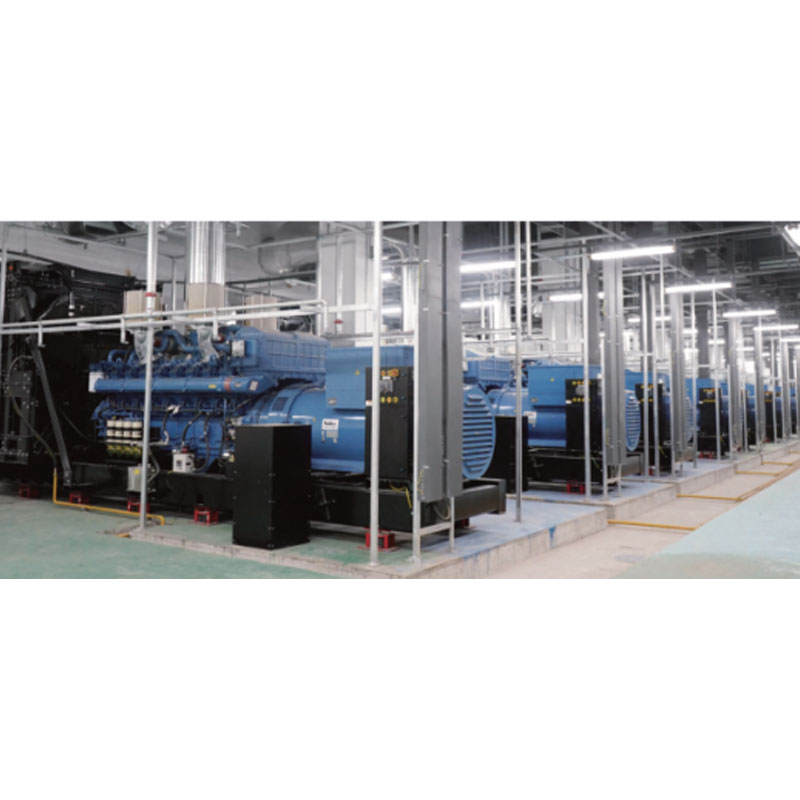
Against the background of the described market transformations, the role of manufacturers capable of offering not just individual equipment, but complex engineering solutions, becomes decisive. A striking example of such integration is the company Yuke (Shandong) Electrical Technology LLC. Located in Shandong province, this organization has combined competencies in the field of power generation and modern energy storage technologies, becoming a key player in supplying solutions to the CIS countries, Asia and the Middle East.
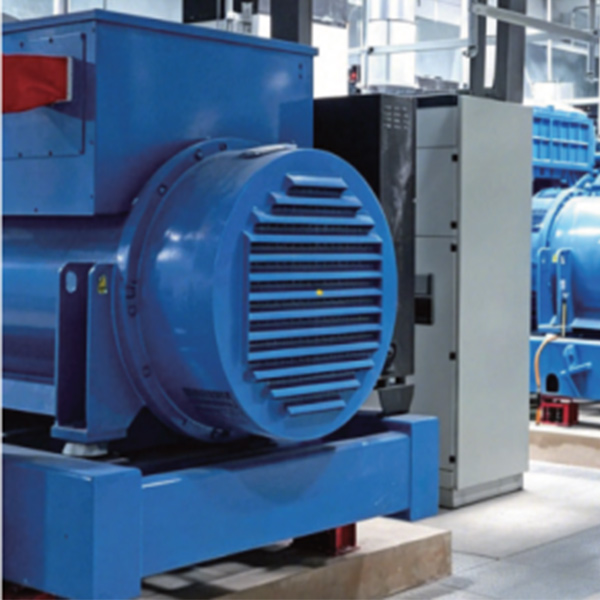
The company's product portfolio ideally reflects the trends of July 2026: from classic diesel generator sets of the VCD (Cummins), VSD (SEM) and VPD (Perkins) series to specialized gas generators of the VYG series based on Yuchai engines. Particular attention is paid to high-voltage solutions (VHMD5, VHSD5, VHYD5, VHCD5 series) and, most relevant today, liquid-cooled energy storage cabinets. Such a wide range allows us to implement projects of any complexity - from mobile light towers and emergency vehicles to stationary megawatt stations.
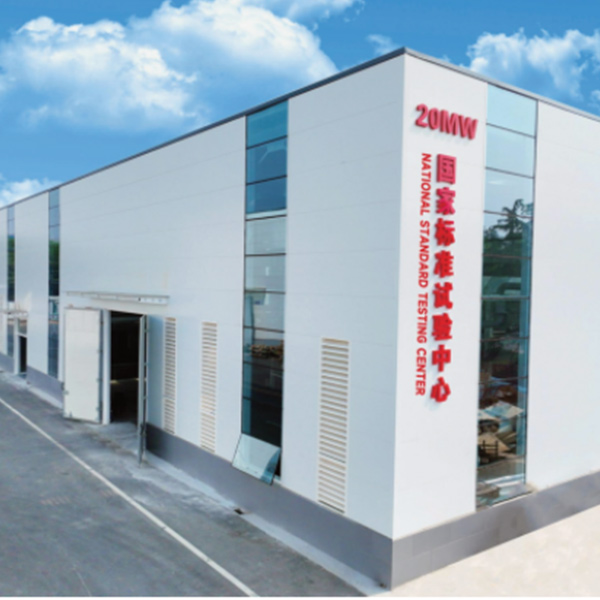
The key advantage of the Yuke approach is a strict quality control system, adapted to the strict requirements of the market. Each piece of equipment undergoes mandatory load tests of at least 4 hours under rated and partial load before shipment. This directly addresses the problem described earlier: many suppliers ignore real-world testing, which leads to operational failures. In addition, the company acts as a true integrator, adapting its solutions to the climatic conditions of the delivery regions and providing full support: from design and personnel training to warranty service and the supply of original spare parts. The philosophy of “reliability through responsibility” is confirmed by the presence of our own technical base and partnerships with the world's leading engine brands.
Influence of climatic conditions in July on the choice of equipment design
July in most regions of Russia and the CIS countries is characterized by extremely high temperatures, reaching +40°C and higher in the shade. This is a critical period for generating equipment, since the rated power of internal combustion engines is usually specified for standard conditions (25°C or 27°C). As the air temperature rises, the oxygen density drops, which leads to a decrease in engine power and an increase in thermal tension. The standard rating chart shows a loss of approximately 1% power for every degree above base temperature. Thus, a 500 kW generator on a hot July day can produce no more than 430-440 kW, which can be fatal for the technological process.
We strongly recommend that when ordering equipment in the summer, you pay attention to the design of the cooling system radiators. Standard radiators, designed for ambient temperatures up to +40°C, often operate at the limit, which leads to frequent activation of emergency protection based on coolant temperature. The optimal solution is to order radiators with a reserve, designed to operate at +50°C. This increases the dimensions of the casing and the cost of installation by 5-7%, but guarantees stable operation during peak hours. In our practice, there was a case when at a cement plant in the Volgograd region, a series of new generators stopped every 4 hours in the middle of the day precisely because of overheating, although the load did not exceed 80% of the nominal value. Replacing the radiators with reinforced ones solved the problem completely.
In addition to the temperature factor, July often brings dust storms, especially in the southern regions and steppe zones. The air intakes of generators must be equipped with high-efficiency filters (class not lower than G4, and preferably F7), otherwise abrasive dust will enter the cylinders, causing accelerated wear of the rings and liners. Some manufacturers offer a cyclonic air pre-cleaning system that removes up to 90% of coarse dust before reaching the main filter. This is especially true for open areas and construction sites. In July, checking the condition of air filters should be carried out weekly, and not according to the 250-hour schedule, since contamination occurs unevenly and depends on weather conditions.
Regulatory and certification requirements in 2026
The generator equipment market in 2026 operates under conditions of strict regulatory control. The main document regulating safety and technical characteristics remains the Technical Regulations of the Customs Union TR CU 010/2011 “On the safety of machinery and equipment.” However, new requirements for energy efficiency and noise levels have been added to it. Since 2025, amendments have come into force obliging manufacturers to indicate real specific fuel consumption not only at full load, but also at 50% and 75%, which allows buyers to realistically assess the economics of the project. Equipment that does not meet these requirements does not receive an EAC certificate and cannot be legally put into operation.
Particular attention is paid to environmental standards. For engines above 56 kW, Stage V (or similar national standards harmonized with it) is now mandatory. This requires diesel particulate filters (DPF) and nitrogen oxide neutralization systems. In our work, we have noticed that many dealers are trying to sell the remaining inventory of Stage IIIA engines, claiming that they will "go under the old rules." This is a dangerous misconception. Customs authorities use updated databases, and attempting to import such equipment will result in confiscation of the cargo and fines. Always ensure that you have a valid certificate of conformity indicating your specific engine model and year of manufacture.
Another important aspect is the sound pressure level requirement. In residential areas and resort towns there are restrictions of 60-65 dBA at a distance of 7 meters. Standard open frames or even basic enclosures often do not meet these standards. The solution is to use super-silent casings with multi-layer sound insulation and increased volume mufflers. However, it is worth remembering that improving sound insulation often worsens cooling conditions. The design compromise must be found individually for each project. We recommend requesting an acoustic passport of the product certified by an independent laboratory, rather than relying on numbers from the advertising brochure, which are often underestimated.
Logistics chains and delivery times: realities of summer 2026
The logistics situation in July 2026 is characterized by high volatility. The holiday season impacts European component manufacturing plants, which can lead to delays in the delivery of alternators and control systems. In addition, the congestion of transport corridors in the summer increases delivery times by 15-20%. If previously the standard delivery time for a generator from China was 45 days, now the realistic forecast is 60-70 days, taking into account customs clearance and certification. It is necessary to plan the purchase of equipment “for the project” at least 3 months before the required commissioning date.
The problem of shortage of original spare parts also remains relevant. Engine manufacturers have reduced inventories at regional distribution centers by moving to a make-to-order delivery model. This means the wait for a critical part such as an electronic control unit (ECU) or turbocharger could be 4-6 weeks. To minimize the risks of downtime, we recommend creating an insurance stock of consumables and critical components immediately when purchasing the main equipment. The cost of such a set is about 3-5% of the price of the generator, but it saves hundreds of thousands of rubles in the event of an accident. In one case, the wait for a nozzle on a drilling rig lasted a month; the crew’s downtime cost the customer an amount exceeding the cost of ten such sets of spare parts.
An important factor is the choice of delivery method. Sea freight remains the cheapest option, but is subject to the risk of delays at ports. Railroad delivery is more predictable in terms of timing, but has restrictions on cargo dimensions. Oversized containerized generator sets often require the development of special mounting schemes and obtaining permits for transportation. We recommend using combined schemes: main components by sea, and critical components or ready-made low-power installations by aviation or express rail. Transparency of cargo tracking is now a mandatory requirement for any reliable supplier.
Price dynamics and cost formation factors
Prices for generating equipment in July 2026 show multidirectional dynamics. The cost of finished products based on European brands increased by 12-15% due to the increased complexity of logistics and exchange rate differences. At the same time, Chinese-made equipment has stabilized in price, and in some segments even showed a decrease of 3-5% due to the localization of production of key components within the country and the development of cooperation ties. However, the “cheapness” of Chinese equivalents is often illusory when considering the total cost of ownership (TCO). Cheap alternators have a smaller overload margin and lose their characteristics faster when operating with a nonlinear load.
When analyzing commercial offers, it is important to look not only at the turnkey price, but also at the terms of the warranty and post-warranty service. Many dumping companies offer a low price, but exclude from the warranty cases related to fuel quality or operating conditions, interpreting them as broadly as possible. A reliable supplier always includes in the price an engineer’s visit for installation supervision and commissioning. The absence of this stage is a direct road to loss of warranty. In our practice, we have encountered cases where clients tried to save 50 thousand rubles on commissioning, and then spent millions on repairing an engine that failed due to incorrect initial settings of the voltage regulator.
The factor of currency risks also cannot be discounted. Most contracts for imported equipment are tied to currency, which makes the final cost dependent on the exchange rate on the date of payment. To protect against surges, large market players use hedging or fix the exchange rate in a contract for the entire delivery period. For small purchases, it is recommended to look for suppliers who have warehouse stocks in rubles, even if the price is slightly higher. Budget predictability in uncertain times is often more important than potential savings. Remember that the most expensive purchase is the one that had to be remodeled or repaired six months after the start.
Practical recommendations for choosing a supplier
Selecting a partner to supply generating equipment in 2026 requires careful consideration. The market is flooded with fly-by-night companies and intermediaries that do not have their own service base. The first step should be to check the availability of your own service center and spare parts warehouse. Ask to see a photo of the warehouse, a list of engineers with certificates from the manufacturer. If the company only offers “sell the box”, refuse to cooperate. A generator is a complex product that requires professional maintenance throughout its entire life cycle, which is 20-30 thousand hours.
The second criterion is the reference list. Request contacts of 2-3 clients who have been operating similar equipment in similar conditions for more than a year. Call them and find out the real state of affairs: how often it breaks down, how quickly service arrives, whether there are any problems with spare parts. Marketing brochures paint a perfect picture, but only reviews from current users reveal the truth. We ourselves regularly audit our projects and are open to dialogue with potential customers, as we are confident in the quality of our solutions. Transparency is the best indicator of a supplier's reliability.
The third aspect is the technical literacy of managers. Try asking them a complex question, for example, about setting the droop of the speed controller during parallel operation or about the influence of higher harmonics on heating the stator windings. If in response you hear general phrases or a promise to “check with the factory,” this is a signal of low qualifications of the sales department. You need to work with those who speak the same language as your main energy specialists. A competent manager will ask you clarifying questions about the load profile, the type of connected consumers and site conditions in order to offer the optimal solution, and not just sell what is available.
Conclusion and action strategy
Summing up the analysis of the situation on the generator equipment market in July 2026, we can draw an unambiguous conclusion: the era of simple solutions is over. The enterprise's successful energy strategy is now built on hybridization, deep analytics of operating modes and strict compliance with environmental standards. Investments in modern gas or hybrid equipment pay for themselves faster due to lower operating costs, despite a higher initial entry barrier. Ignoring trends leads to increased costs and the risk of fines from supervisory authorities.
If you are faced with the task of upgrading your backup or main power supply system, do not leave the decision until the last minute. The summer season is a time of peak loads and strength tests. Contact us today to conduct an audit of your current needs and develop an individual technical specification. Our experts will help you choose equipment that will work effectively in your conditions, taking into account all the nuances of climate, fuel and legislation.Generating Equipment Catalog 2026contains current models with detailed specifications and load characteristics graphs.
Frequently Asked Questions
What is the service life of a modern diesel generator before major overhaul?
Subject to compliance with maintenance regulations and the use of high-quality consumables, the service life of modern engines before the first major overhaul is 20,000 - 24,000 operating hours. However, this figure is only valid for operation in Prime Power mode with a load of at least 40%. Idling or overloading reduces the service life by half. It is important to consider that the alternator usually lasts longer than the engine and requires only periodic inspection of the bearings and insulation.
Is it possible to connect welding machines directly to a generator?
Connecting welding equipment directly is only possible to generators with special markings (for example, with an AVR system that compensates for inrush currents, or a built-in welding unit). Conventional inverter welding machines produce high inrush currents and distort the voltage sine wave, which can damage the generator's automatic voltage regulation (AVR) unit. If connection is necessary, you should use a generator with a power reserve of at least 30-40% of the power of the welding machine or use an isolation transformer.
How often do you need to change the oil in your generator?
The initial oil change is performed after the first 50 hours of running-in. Further, the replacement interval depends on the quality of the fuel and operating conditions. When operating on Euro 5 diesel fuel and under normal temperature conditions, the interval is 250-300 operating hours. When using biofuel or working in dusty conditions, the interval is reduced to 150-200 operating hours. For gas engines, the interval can be increased to 400-500 operating hours due to the absence of incomplete combustion products in the oil. Regular oil analysis allows you to accurately determine the need for replacement.
What to do if the generator does not come into operation in winter?
Problems with starting in winter are most often associated with thickening of the fuel and a decrease in battery capacity. It is necessary to use winter grades of diesel fuel or anti-gel additives. The batteries must be equipped with heating and located in a warm room or oven. Also critical is the presence of a coolant preheater (PZH), which maintains the engine temperature at +40°C. Without a PZD, starting a powerful diesel engine at temperatures below -20°C is extremely difficult and harmful to the cylinder-piston group.
What is the difference between Standby and Prime Power modes?
Standby mode involves operating the generator for a limited number of hours per year (usually up to 500 hours) and with a variable load, while an overload of 10% is allowed for no more than 1 hour in 12 hours. Prime Power mode allows unlimited operation with variable load, but without the right to overload. Power in Prime Power mode is typically 10% lower than Standby mode for the same model. The choice of mode affects the warranty: using the generator in Standby mode for continuous operation will void the manufacturer's warranty.
-


-
-


WeChat

-
WeChat