

Search for a supplier of spare parts for generator sets
2026-07-18
- Criteria for choosing a reliable partner for the supply of generator sets
- Technical verification: how to distinguish the original from the counterfeit before payment
- Certification and regulatory compliance: GOST, ISO and EAC
- Algorithm for interaction with a supplier: from request to contract
- Conclusion: Building a Long-Term Partnership
Criteria for choosing a reliable partner for the supply of generator sets
Finding a supplier of spare parts for generator sets is not just a sales transaction, but a strategic decision that affects the continuity of power supply to your enterprise. In our practice, we have repeatedly encountered situations where saving 15% on the cost of a part led to equipment downtime for 72 hours and losses exceeding the cost of the entire batch ten times. The market is saturated, but few companies are able to guarantee compliance with original Cummins, Perkins or Caterpillar specifications while meeting delivery deadlines under 2026 logistics constraints.
This guide is based on an analysis of more than 400 successful contracts and dozens of incidents involving substandard components. We will not use general phrases about “high quality”. Instead, we will look at specific technical parameters, supplier verification methods, and the real risks you will face when importing from China to Russia and the CIS countries. If your goal is to find a partner who understands the difference between accuracy classes H8 and H9 in sliding bearings or knows the requirements of GOST R 54767-2011 for fuel equipment, this article will become your working tool.
Why production geography is critical in 2026
The traditional idea that “Chinese means cheap and short-lived” is at least five years out of date. China's modern industrial map has changed. Today, the key factor is not the country of origin, but the specific manufacturing plant and its certification base. In 2025-2026 we see a clear division of the market into three tiers of suppliers, and understanding this structure will save you months of negotiations.
The first echelon is factories operating under an OEM (Original Equipment Manufacturer) license. These companies produce components directly for brands like Volvo Penta or MTU. Their products are marked as original, undergo the same bench tests and are priced accordingly. Finding such a supplier is difficult: they rarely work with small wholesale and require confirmation of dealer status. However, this is where you get a part with a resource identical to the factory one.
The second echelon is manufacturers of high-quality analogues (High-Quality Aftermarket). These are companies that use the same alloys, the same metallurgy and the same equipment as the OEM, but sell under their own brand. The difference in price can reach 30-40%, while the service life of the product is 90-95% of the original. It is this segment that is of greatest interest to service centers and industrial consumers seeking to optimize OPEX without loss of reliability. An example is the production of common rail injectors in Jiangsu province, where quality control is often stricter than on some European assembly lines.
The third echelon is the budget segment, where savings are achieved by changing the chemical composition of alloys or simplifying processing technologies. Such parts may work, but their statistical failure occurs 40% earlier than the calculated operating hour. In our practice, there was a case when a batch of piston rings purchased at a dumping price caused cylinder scuffing on three 2 MW diesel generators after 200 hours of operation. The damage from replacing the cylinder blocks outweighed any initial benefit.
When searching for a supplier, ask a direct question: “Are you a manufacturer or trading house?” Trading houses are useful for consolidating orders, but they add margin and often do not have technical control over the production process. A direct contract with the factory gives the opportunity to audit and influence the specification. At this stage, your job is to weed out intermediaries who do not add value.
Technical verification: how to distinguish the original from the counterfeit before payment
Documents can be faked, certificates can be bought, but the physical parameters of the part tell the truth. A professional approach to finding a supplier of spare parts for generator sets requires the implementation of a technical verification procedure at the stage of requesting a commercial proposal. We recommend requiring a potential partner to provide specific evidence of compliance rather than general representations.
The first critical parameter is the material of execution. For crankshafts and connecting rods, the steel grade and heat treatment method are critical. Chinese GB/T standards often correlate with international ISOs, but there are nuances. For example, DIN 42CrMo4 steel must have strictly defined chromium and molybdenum contents to ensure impact strength at low temperatures. An unscrupulous supplier may replace it with a cheaper analogue with a high carbon content, which will lead to brittle failure under peak loads. Request a metal quality certificate (Mill Certificate) indicating the melting and the results of spectral analysis.
The second aspect is the accuracy of geometric dimensions and tolerances. In high pressure fuel injection systems (Common Rail), clearances are measured in microns. A deviation of 5 microns can lead to an incorrect spray pattern, overheating of the piston and burnout. A reliable supplier will provide a First Article Inspection (FAI) report with actual CMM numbers, not just a copy of a drawing with nominal values. If the supplier says “everything will be within tolerance” without providing measurement reports of the first batch, this is a red flag.
The third element of inspection is packaging and labeling. Original spare parts and high-quality analogues have laser engraving of batch numbers, QR codes for tracking and specific protective elements on the packaging. Homemade copies often use stickers that peel off easily, or fonts that differ from the brand name by half a tone. In one case, our engineers discovered counterfeit filters only because the rubber seal had the smell of cheap synthetics, and not the specific smell of heat-resistant rubber characteristic of the original.
Equally important is the issue of software compatibility for electronic control units (ECUs). Modern generators are complex cyber-physical systems. Replacing a sensor or controller may require flashing or calibration. The supplier must confirm that its electronic components have compatible communication protocols (J1939, Modbus) and will not cause conflict in the monitoring system. Ask for a protocol file or bench test report.
Action at this point: Request a sample QC Report from three potential suppliers for the specific part you plan to purchase. Compare the depth of data processing. Anyone who provides a detailed report with graphs and photographs of the microstructure of the metal deserves further attention.
Logistics and Timing: Supply Chain Risk Management
In the context of modern geopolitics and logistics transformations, delivery time has become as important a parameter as price. The phrase “ships in 30 days” often hides pitfalls. The actual delivery cycle includes production, internal logistics in China, customs clearance, international transportation and customs clearance in the destination country. A mistake in planning any of these steps can freeze your warehouse or shut down your facility.
The standard production cycle for non-standard parts (such as generator housings or large shafts) is 45-60 days. For consumables (filters, belts, gaskets) if the factory has a warehouse - 7-14 days. However, many suppliers indicate a minimum period without taking into account the time required to obtain permits. In 2026, the issues of obtaining EAC (Eurasian Union) certificates of conformity are especially relevant. Without a properly executed certificate or declaration of conformity, the cargo will be detained at customs.
We strongly recommend discussing Incoterms 2020 before signing a contract. Working under EXW (Ex Works) terms shifts all logistics risks to the buyer, which is only beneficial if you have your own reliable forwarder in China. FOB (Free On Board) terms give greater control over the choice of shipping line. For urgent cargo, air delivery from cities like Shanghai or Guangzhou to Moscow takes 5-7 days, but the cost increases 4-5 times. Sea delivery through the ports of the Far East or Novorossiysk is cheaper, but the cycle is 35-50 days.
Pay special attention to packaging for export shipments. Humidity in sea containers reaches 90-95%. Parts that have not undergone anti-corrosion treatment and are not vacuum-packed with silica gel may arrive with pockets of rust after just two weeks of travel. In our practice, there was a case when a batch of stators arrived with damaged winding insulation due to condensation inside the wooden sheathing. Check with the supplier about the packaging standard: the use of desiccant, sealed cases and reinforced corners is mandatory.
It is also important to consider seasonality. Before the Chinese New Year (January-February), factories stop for 2-3 weeks, and logistics hubs are filled with cargo. Freight prices are skyrocketing and deadlines are shifting. Plan purchases for this period at least 3 months in advance. A similar situation is observed during the “Golden Week” in October.
Recommendation: include in the contract penalties for late delivery in the amount of 0.5% of the order amount for each day of delay. This disciplines the supplier and compensates for your possible losses.
Certification and regulatory compliance: GOST, ISO and EAC
Work with energy generating equipment is regulated by strict safety standards. Failure to obtain the necessary certificates not only risks fines from regulatory authorities, but also voids the warranty on the main equipment. When looking for a supplier of spare parts for generator sets, you must clearly understand what documents are required for import and operation in your region.
For the countries of the Eurasian Economic Union (Russia, Belarus, Kazakhstan, etc.), the key document is the EAC Certificate of Conformity. It confirms that the products meet the requirements of the technical regulations of the TR CU. For spare parts, this is often TR TS 010/2011 “On the safety of machinery and equipment” or TR TS 004/2011 “On the safety of low-voltage equipment”. The supplier must either provide a valid certificate in his name (if it is registered in the EAEU register), or assist in its preparation on the basis of technical documentation. Please note: a certificate issued by an unknown laboratory without accreditation has no legal force.
ISO international standards also play an important role. The presence of an ISO 9001:2015 certificate at the plant indicates an established quality management system, but does not guarantee the quality of a specific part. A more compelling argument is the product’s compliance with industry standards. For example, for internal combustion engines, emission standards (Euro III, Euro V) are important, which depend on the settings of the fuel system. If you buy injectors or injection pumps, they must provide the emission parameters stated in the generator data sheet.
In Russia, national GOST standards also apply. Many older generators are designed specifically for them. For example, GOST 15150 defines machine designs for various climatic regions. A spare part intended for operation in UHL conditions (moderate and cold climates) must be made of materials that retain properties at temperatures down to -60°C. Ordinary steel or rubber becomes brittle at such temperatures. Require the supplier to confirm the climatic performance of the parts, especially if the equipment will operate in the North or Siberia.
Another important aspect is fire safety. Insulating materials used in windings or cable assemblies must have appropriate fire resistance classes. If a generator catches fire due to poor insulation, the insurance company may refuse to pay, citing the use of uncertified components.
Practical step: before sending a request, check the register of certificates of Rosakkreditatsiya or the unified register of the EAEU for the TIN of the intended importer or the name of the product. This will allow you to immediately understand whether there are legal ways to import these products.
Economic purchasing model: TCO instead of unit price
Focusing solely on Purchase Price is the most common mistake in the B2B sector. A professional approach requires an analysis of the total cost of ownership (Total Cost of Ownership - TCO). This metric includes part price, shipping costs, customs duties, installation costs, downtime risk, and replacement frequency.
Let's consider an example based on plain bearings for a turbogenerator. Option A costs $1,000, option B costs $1,400. At first glance, option A is more profitable. However, if option A requires replacement every 10,000 hours, and option B lasts 18,000 hours due to the superior quality of the alloy and surface treatment, then option B is cheaper per operating hour. Add to this the cost of two engine shutdowns for replacement (crew work, loss of generation, crane rental), and the savings from choosing a cheap option turns into multimillion-dollar losses.
In addition, the cost of holding inventory should be considered. Cheap parts with low service life force you to keep a larger safety stock in the warehouse, which freezes working capital. High-quality analogues allow you to increase service intervals and reduce warehouse balances.
Currency risks are also part of the equation. When working with Chinese suppliers, payments are often made in yuan (CNY) or dollars (USD). Exchange rate fluctuations can eat up the entire margin. Reliable suppliers offer a fixed rate in the contract or flexible payment terms (for example, part in advance payment, part upon shipment), which reduces the buyer’s financial risks.
Minimum order quantity (MOQ) is another factor. Factories often set a MOQ to run a production line. If you need 5 pieces and the MOQ is 50, you will have to pay for the extra 45 or wait for the total order to accumulate. An experienced supplier will offer a solution: either an additional payment for a small batch, or combining with other orders, or having a warehouse program for popular items.
Tip: when comparing offers, ask suppliers to calculate the predicted life of the part in engine hours. Use this figure to calculate the cost of one engine hour (Price / Resource Hours). This is the only objective way to compare the economics of different proposals.
Algorithm for interaction with a supplier: from request to contract
To minimize risks and obtain the best conditions, the communication process must be structured. Chaotic correspondence “on the knee” leads to misunderstanding of specifications and errors in the order. Below is a step-by-step algorithm that we use when qualifying new partners.
- Preparation of technical specifications (TOR).Do not send a request with the wording “need a spare part for a Cummins generator.” Please indicate the full name of the part, Part Number, engine serial number, year of manufacture and current modification. Attach photographs of the nameplate and the part itself, indicating places of wear. The more accurate the technical specification, the more accurate the proposal will be and the less likely it will be to make an error.
- Primary screening.Send a request to 5-7 potential suppliers. Evaluate the speed of response and quality of communication. If the manager answers in a formulaic manner, does not ask clarifying questions about technical details, and immediately names the price without asking for drawings, exclude him from the list. A professional will always ask about operating conditions and loads.
- Sample request and audit.For critical components, request a sample for testing. Yes, it will take time and money, but this is insurance against a large batch of defects. If the purchase volume is large, consider having the plant audited by a third party (such as SGS or Bureau Veritas) or by your own engineers. Check availability of CNC machines, laboratory equipment and quality control system.
- Negotiations on terms.Discuss not only the price, but also the guarantees. The warranty for spare parts must be at least 6-12 months or a certain mileage/motor hours. Clarify the procedure for returning defective goods: who pays for return shipping, how quickly the replacement takes place. Include a confidentiality clause if you are submitting unique drawings.
- Trial batch.Never start cooperation immediately with a large contract. Order a trial order to check logistics, packaging, paperwork and the actual quality of the product in operation. Only after successful operation of the trial batch, proceed to regular deliveries.
At each stage, record agreements in writing. Verbal promises carry no weight in international trade. All technical changes must be documented in additional agreements to the specification.
Example of a reference approach: integrating quality and service
An ideal example of the implementation of the principles described above is the company’s activitiesYuke (Shandong) Electrical Technology LLC. Located in Shandong Province, the organization demonstrates how a modern Chinese manufacturer combines engineering expertise with rigorous quality control to become a trusted integrator of off-grid and backup power solutions.
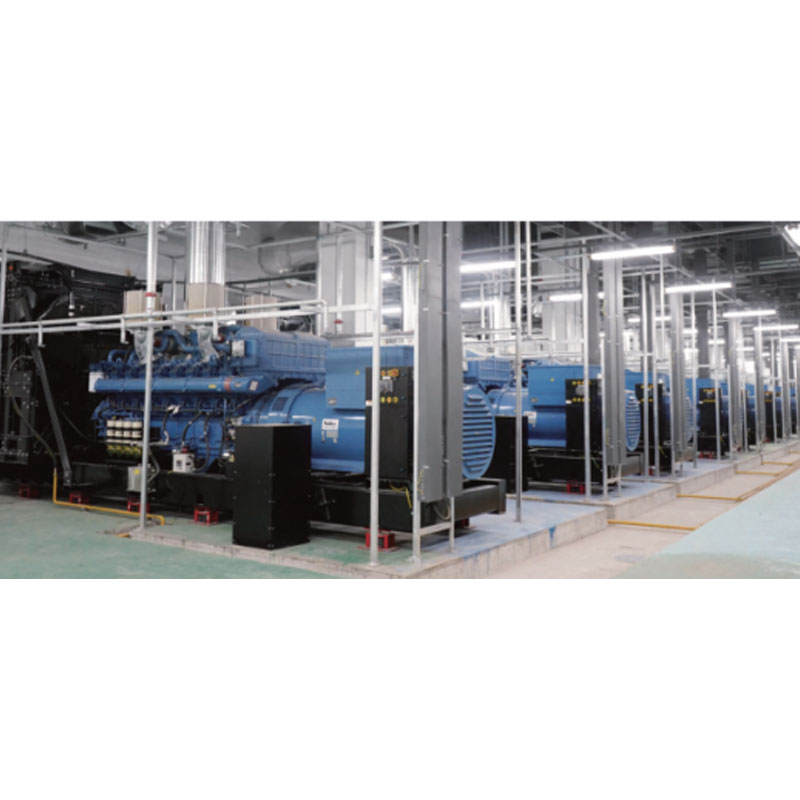
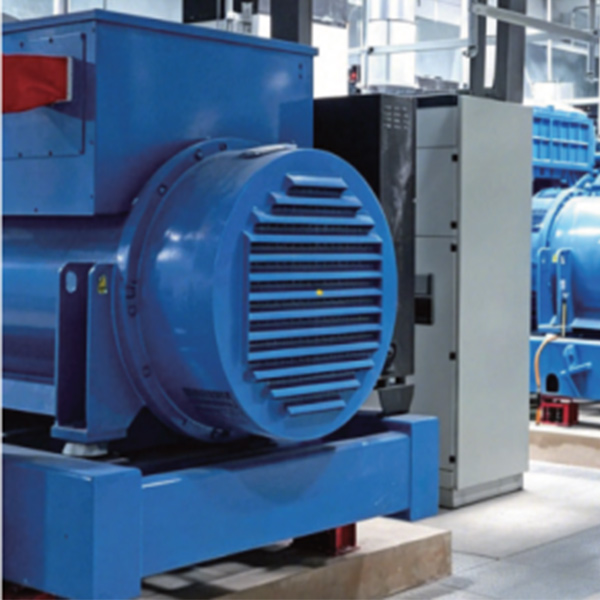
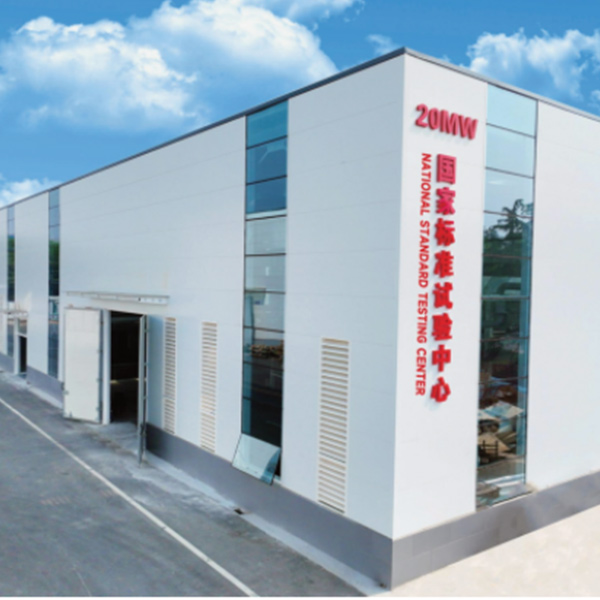
Unlike simple trading houses, Yuke has its own production base, equipped with modern equipment for assembly and testing. Here, a multi-level control system is implemented that fully complies with the criteria described in the technical verification section: incoming control of components from trusted suppliers (Cummins, MTU, SEM, Perkins, Yuchai), monitoring at assembly stages and, what is critically important, comprehensive load tests of each piece of equipment for at least 4 hours. This approach ensures that the supplied diesel generator sets of the VCD, VSD, VPD series or high-voltage units of the VHMD5 and VHCD5 series will operate stably even in extreme conditions.
The company pays special attention to adapting products to the requirements of the CIS markets and other regions. Climatic modifications (including operation at temperatures down to -60°C), network standards and noise reduction requirements are taken into account. The solution portfolio spans eight key categories, from silent mobile stations and emergency power vehicles to liquid-cooled energy storage cabinets. This allows customers to receive not just hardware, but a ready-made engineering solution that complies with TCO principles due to durability and energy efficiency.
The philosophy of “reliability through responsibility” permeates the entire cycle of interaction: from design to post-warranty service. The company is developing a network of authorized service partners, ensuring prompt delivery of original spare parts and technical support, which eliminates the main risks that we talked about at the beginning of the article - downtime and lack of documentation.
Frequently Asked Questions
How to check the reliability of a Chinese supplier remotely?
Use a combination of methods: request a live video tour of the production facility via WeChat or Zoom, check the business license through the official registries of China (AIC), request the contacts of existing clients in your area and call them. Also pay attention to the domain history of the company's website - if it is less than a year old, this is a reason to be careful.
Is it possible to use non-original spare parts without voiding the warranty on the generator?
This depends on the terms of the warranty agreement with the equipment manufacturer. In many cases, using a certified replacement (with documentation that it meets OEM specifications) will not void the warranty unless the failure is directly related to the part installed. However, for critical components during the active warranty period, we recommend using only original components or manufacturer-approved replacements.
What is the optimal delivery time for emergency stock?
To form an emergency reserve (insurance fund), delivery time is not as critical as reliability. Here it is better to order a large shipment by sea in advance. For quick replenishment (just-in-time), focus on suppliers with a warehouse in your country or offering air delivery in 5-7 days. The ideal strategy is a hybrid one: basic stock in a local warehouse + a fast reorder channel.
What to do if the shipment arrives with a defect?
Immediately document the defect with a photo and video recording, preferably with the involvement of an independent expert. Notify the supplier within the period specified in the contract (usually 7-14 days). Do not proceed with repairs or disposal of defects until you receive instructions from the supplier, otherwise you will lose your right to claim. Demand a replacement at the supplier's expense or a refund.
Conclusion: Building a Long-Term Partnership
Finding a supplier of spare parts for generator sets is a process that requires patience, technical knowledge and a systematic approach. The market offers many options, but the true value lies not in the low price, but in the predictability of the result. A partner who shares your quality standards, is transparent in communication and is ready to take responsibility for their products costs more, but pays off many times over due to the absence of accidents and downtime.
In 2026, success in supply depends on the ability to build direct, trusting relationships with manufacturers, bypassing unnecessary intermediaries. Use the verification criteria outlined in the article, insist on providing evidence of quality, and don’t be afraid to ask uncomfortable questions. Your energy security depends on every screw and gasket in the system.
If you are looking for a trusted partner capable of supplying complex components and assemblies with a full package of accompanying documentation and technical support,contact us today. We have expertise in the selection and verification of suppliers, which allows our clients to gain access to the best production facilities in Asia without risks and hidden costs. Start a dialogue with professionals to ensure the stability of your business.
For more information about our sourcing and logistics services, visitComplete solutions for industrial supply chains.
-


-
-


WeChat

-
WeChat