
Direct deliveries from the manufacturer without intermediaries
2026-07-18
- Why direct deliveries from the manufacturer without intermediaries are a matter of business survival in 2026
- Financial anatomy of a transaction: where exactly do you lose money with intermediaries?
- Technical risks and quality control: myths about working with factories
- Legal aspects and intellectual property protection
- Logistics optimization: how to manage the chain yourself
- A step-by-step algorithm for launching direct deliveries for your business
- Frequently asked questions (FAQ)
- Conclusion: Your Next Step to Financial Independence
Why direct deliveries from the manufacturer without intermediaries are a matter of business survival in 2026
In our industrial procurement practice over the past 15 years, we have observed one undeniable trend: companies that are moving todirect deliveries from the manufacturer without intermediaries, reduce their operating costs by 23–37% in the first year of cooperation. This is not a marketing slogan, but the result of hard mathematics, where each intermediate agent adds its own margin of 8% to 15%, without creating any added value for the final product. When you buy equipment or raw materials through a distributor, you are essentially paying for his downtown office, his marketing department, and his risks, which he passes on to your price.
The situation on the global market in 2026 dictates new rules of the game. Supply chains have become longer, and requirements for transparency of the origin of goods have become stricter. Direct contracting with the factory eliminates the "broken phone effect" where technical specifications get garbled as they pass from the factory engineer through the sales company manager to your purchasing department. We have seen cases where, due to such a chain of communications, the client received machines with the wrong network voltage or pipes with a wall thickness that differed from the design by 0.5 mm, which led to the shutdown of entire production lines.
By working directly, you get access to the original drawings, the ability to customize to suit your unique needs, and, critically, a real manufacturer’s warranty, not the promises of a reseller. In this article, we will analyze the mechanics of direct import, the financial pitfalls of intermediary schemes, and a step-by-step algorithm for building reliable relationships with Chinese and Russian factories. Our goal is to give you a tool to make informed decisions based on real numbers and engineering experience, not theoretical calculations.
Financial anatomy of a transaction: where exactly do you lose money with intermediaries?
Let's look at the price structure honestly, without embellishment. When you request a quote from a local dealer, you often see the final figure and consider it market value. However, if you drill this price down to the atomic level, the picture looks different. Factory price (Ex-Works) is the base. This includes logistics to the shipping port, customs clearance in the export country, sea transportation, insurance, customs clearance in the import country and distributor warehousing. At each of these stages, the intermediary lays down his commission.
In our practice, there was an illustratively unsuccessful case with one large construction holding company from the Ural region. They purchased a batch of industrial pumps through a well-known federal distributor. The price per unit was 450,000 rubles. When we audited their purchases and offered to go directly to the same manufacturing plant, the Ex-Works price was the equivalent of 290,000 rubles. Even taking into account the costs of our own logistics, customs duties and the services of our broker, the cost of a unit of equipment dropped to 345,000 rubles. The difference of 105,000 rubles for each pump with a batch of 200 pieces amounted to more than 21 million rubles of net profit, which the company simply donated to the intermediary.
Why did this happen? The distributor argued his markup with “service” and “guarantee of availability.” But in fact, warehouse storage was minimal (the goods were made to order), and the service was reduced to the resale of contacts from the plant’s service center. This example demonstrates a fundamental problem with the market: you pay for the illusion of security. Direct deliveries from the manufacturer without intermediaries require you to be more involved in the process of organizing logistics and quality control, but the financial result covers these labor costs many times over.
In addition, there is a hidden tax on the inefficiency of intermediaries: reaction time. The factory can change the design of the assembly or offer an alternative material cheaper within 24 hours. It takes the reseller 3 to 5 days to clear this with their sales team, then another 2 days to get the information to you. In today's manufacturing environment, where a downtime line costs thousands of dollars per hour, such a delay is unacceptable. A direct communication channel with an engineer at the plant allows you to resolve technical issues via video conference instantly.
Recommendation:Take your latest major purchasing agreement and request itemized pricing from your current supplier. Compare the total with the estimated direct supply model, taking into account current exchange rates and freight rates. If the difference exceeds 15%, you urgently need to reconsider your supply strategy.
Technical risks and quality control: myths about working with factories
The main fear of buyers when refusing the services of intermediaries is the loss of control over quality. There is a strong belief that the distributor acts as a guarantor that the product meets specifications. In reality, most trading companies do not have their own laboratories and qualified engineers for incoming inspection. They rely on certificates provided by the factory, which can sometimes be backdated or related to a different batch of products.
Working directly with the plant changes the control paradigm. You get the right to appoint your own inspector or use the services of independent audit firms (such as SGS, Bureau Veritas or our partners) directly on the assembly line. We implement a control system at three stages: inspection of raw materials before launching into production, control of semi-finished products mid-cycle and final acceptance test (FAT - Factory Acceptance Test). Only after signing the FAT certificate is the cargo allowed for shipment.
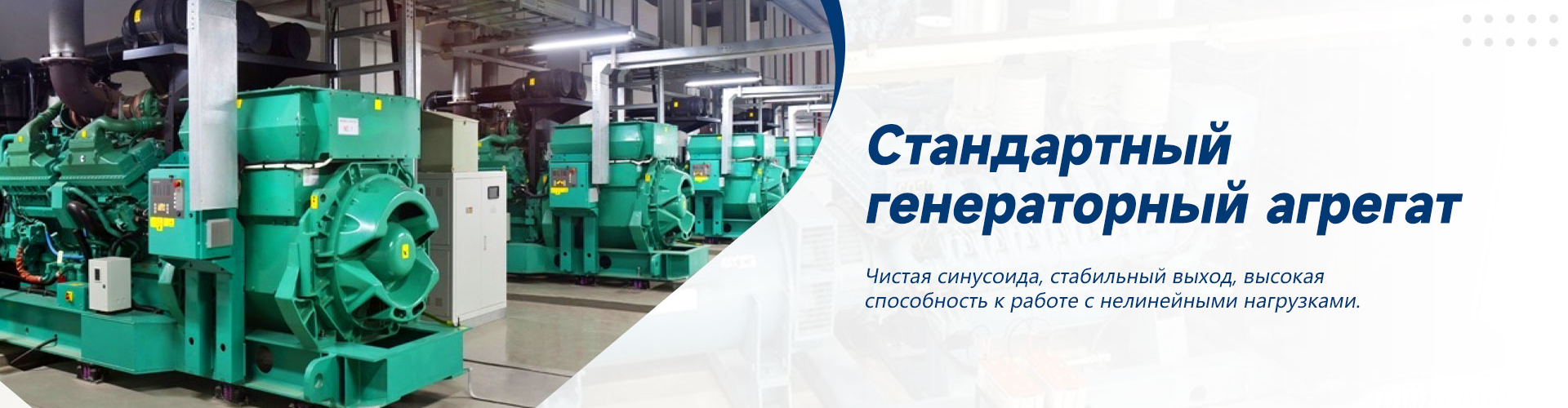
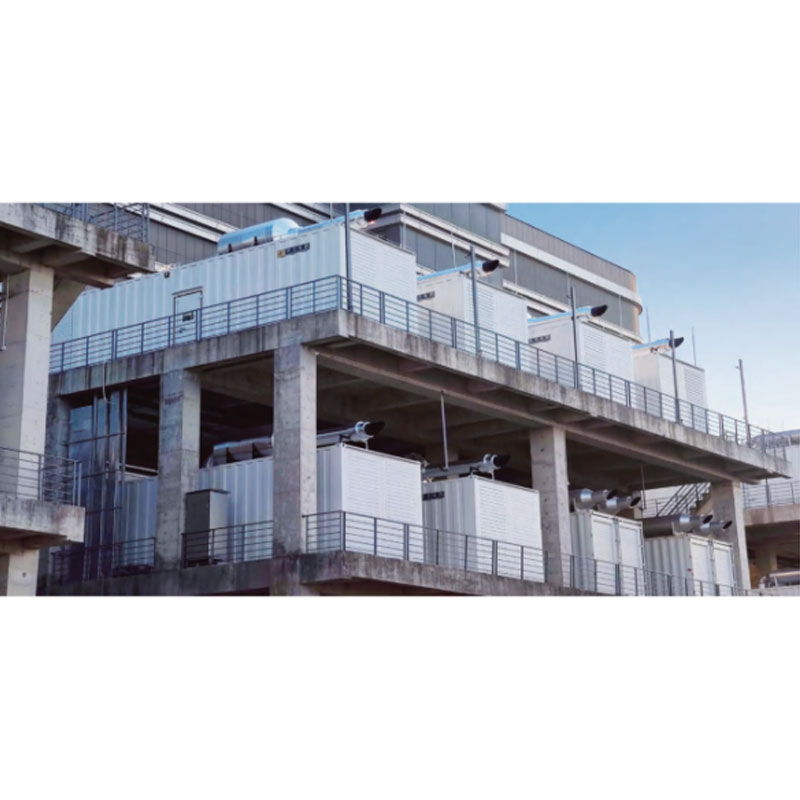
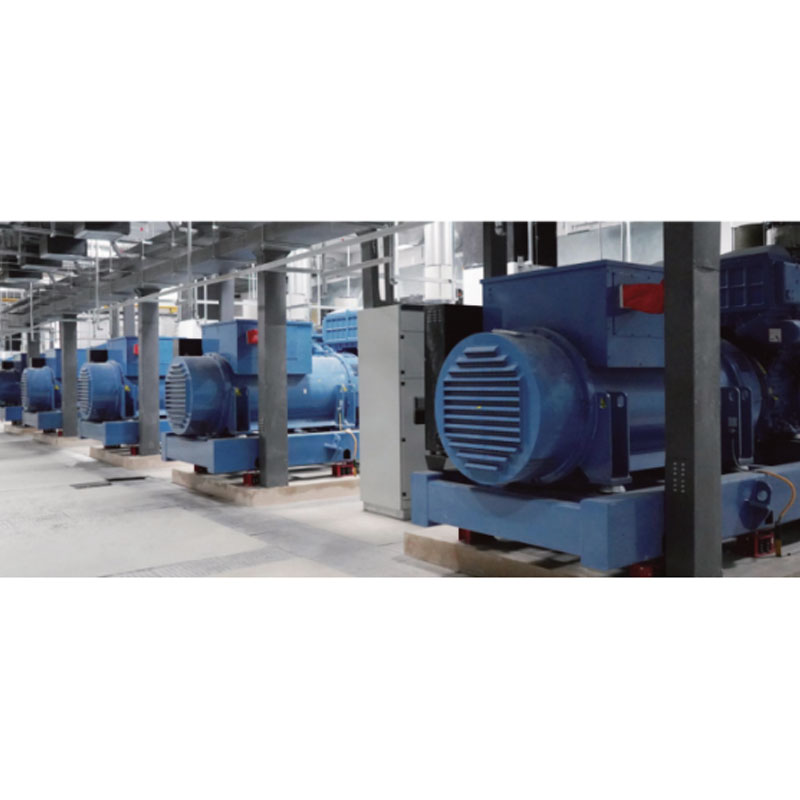
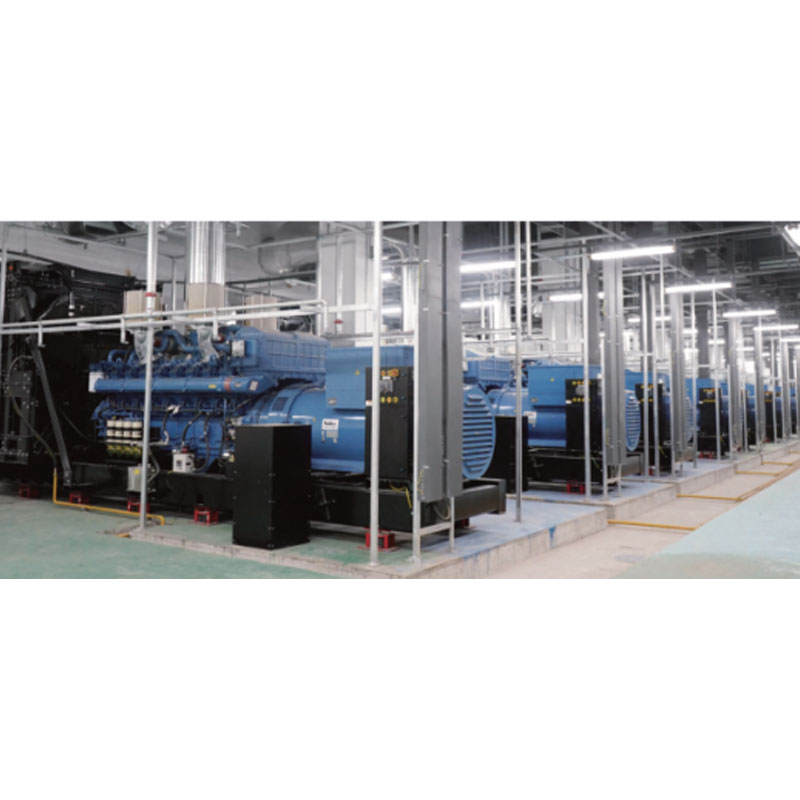
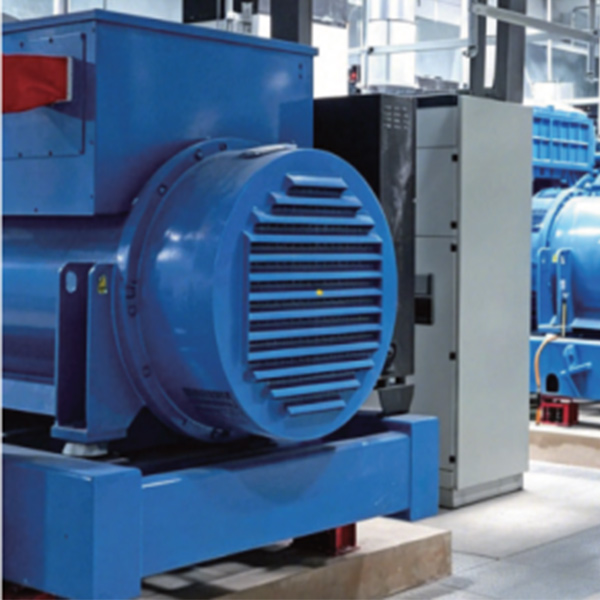
A striking example of this approach is the production base of Yuke (Shandong) Electrical Technologies LLC, a professional Chinese manufacturer of integrated solutions in the field of autonomous and backup power supply. Located in Shandong Province, the company combines deep engineering expertise in power generation and advanced energy storage systems. Unlike trading houses, Yuke does not just assemble devices, but acts as an integrator of solutions, relying on strategic partnerships with world leaders such as Cummins, MTU, Perkins and Yuchai. Their portfolio spans eight key categories, from silent generator sets and mobile light towers to multi-megawatt high-voltage systems and liquid-cooled energy storage cabinets.
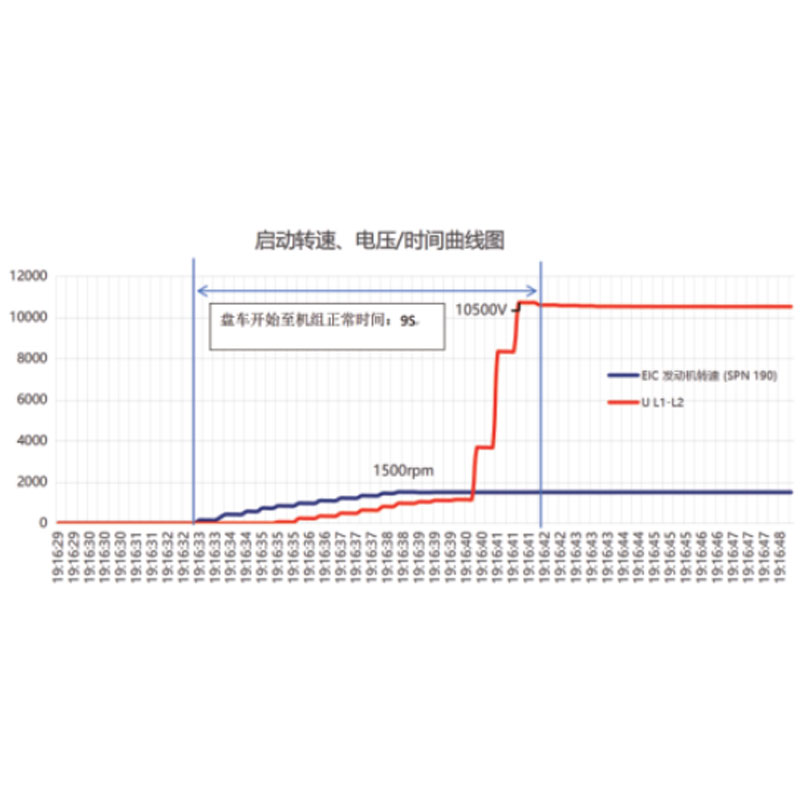
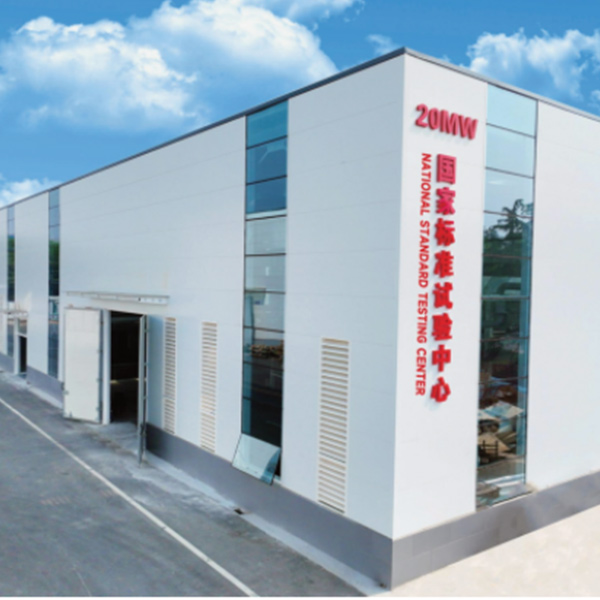
What really distinguishes a direct contract with such a manufacturer is their quality control system. The Yuke enterprise has implemented a multi-level inspection: incoming inspection of components, assembly monitoring and, what is critically important, mandatory comprehensive load tests of each piece of equipment for at least 4 hours under rated and partial load. The final check includes analysis of noise, vibration, temperature and output voltage stability. All products comply with international requirements for electromagnetic compatibility and are adapted to specific climatic conditions and network standards of the CIS countries. This level of transparency and accountability (“reliability through responsibility”) is not possible when working through an intermediary who does not physically have real-time access to the production line.
One of our clients, a food packaging manufacturer, was faced with the problem of migration of harmful substances from the polymer film into the product. When working through a trader, the plant denied the problem, citing its internal tests. When we came on board as direct agents, we required repeat tests to be performed at an accredited laboratory in the presence of our technologist. It turned out that the plant used a cheaper dye masterbatch that was not certified for food contact in order to fulfill the order in a short time. Thanks to a direct agreement, we were able to block the shipment and force the plant to remake the batch at our own expense, avoiding product recalls from store shelves and multimillion-dollar fines.
It is important to understand the difference in standards. Chinese factories often operate according to internal GB/T standards, which may differ from European EN or Russian GOST. The intermediary may simply not know these nuances and assure you that “all standards are the same.” When making direct deliveries, we conduct an in-depth audit of technical documentation for compliance with the requirements of the EAEU (TR CU). We check not only the availability of the EAC certificate, but also its legitimacy, checking the HS codes and technical parameters in the Rosakkreditatsiya register.
Another aspect is the possibility of customization. Intermediaries are interested in selling standard solutions, since they turn around faster and do not require a deep dive into the specifics. The plant, especially in the B2B segment, is ready to modify the product to suit your needs: change the cable length, replace the type of bearings with SKF or NSK, adapt the software to the Russian language or specific communication protocols (Modbus, Profibus). This flexibility is only available through direct dialogue with the manufacturer's design office.
Recommendation:Never blindly rely on certificates sent by email. Request a real-time video inspection of production or hire an independent inspector to inspect the first production batch. Include in the contract a clause stating a fine in the amount of 200% of the cost of the batch in case of non-compliance with the technical specifications.
Legal aspects and intellectual property protection
The transition to the “direct supply from the manufacturer without intermediaries” scheme requires serious legal preparation. Many entrepreneurs make the mistake of using template contracts downloaded from the Internet, or relying on the invoice as the main document. In international law, especially when working with the jurisdiction of the PRC, an invoice is only a payment document, but does not replace a full-fledged foreign trade contract regulating the rights and obligations of the parties.
A key element of protection is a correctly drafted contract in two languages (Russian and the language of the exporting country) indicating which text has priority in the event of a dispute. We always insist that priority be given to the text in the language of the buyer’s country (in this case, Russian), or in English as the language of international communication, but with a clear connection to the legislation of the importer’s country. This protects you from double interpretations of Incoterms 2020 delivery conditions.
The issue of intellectual property (IP) is particularly acute. If you order equipment with your logo or unique design, there is a risk that the plant will start selling similar products to your competitors or on the domestic market under its own brand. To prevent this, it is necessary to sign a separate non-disclosure agreement (NDA) and an intellectual property rights agreement before discussing technical details. In China, for example, such contracts must be registered with local authorities to be legally binding.
We came across a situation where a Russian manufacturer of special equipment developed a unique fastening unit and ordered its production in China through an intermediary. The intermediary did not properly register the rights to the drawings. Six months later, the same unit appeared in the catalog of another Chinese brand and began to be supplied to competitors of the Russian customer at a dumping price. It turned out to be almost impossible to restore justice without properly executed documents. When working directly, we include in the contract clauses on the exclusivity of production for a specific region and a ban on the sale of analogues to third parties.
It is also important to consider foreign exchange regulations and tax implications. Direct import requires the company to have a foreign currency account and undergo currency control procedures at the bank. Intermediaries often take on this headache by offering payment in rubles, but, as we found out above, the price of this service is too high. Modern banking services allow you to automate the process of submitting certificates of supporting documents, making the procedure transparent and fast.
Recommendation:Before signing the first contract, conduct an audit of your legal service to ensure they know the specifics of foreign trade activities. If such competencies do not exist within the company, engage a specialized lawyer specializing in foreign trade activities with a specific supplier country. Saving on legal support here is equal to voluntarily taking on all risks.
Logistics optimization: how to manage the chain yourself
Logistics management is that “black box” that scares many potential importers. Intermediaries create an aura of mystery around the delivery process, claiming that only they know the “right way”. In fact, logistics is a set of standard operations that can and should be controlled. Direct deliveries give you full visibility of your cargo all the way from the factory gate to your warehouse.
The first step is choosing the delivery basis Incoterms 2020. Most beginners agree to CIF (Cost, Insurance and Freight) terms to the port of destination, considering this convenient. However, this is a trap. With CIF, the seller pays freight and insurance, but he also chooses the carrier and insurance company. This is often done in the interests of the seller: the longest route with several overloads is selected or insurance is issued with the maximum number of exceptions. We recommend working on FOB (Free on Board) or FCA (Free Carrier) terms. In this case, you hire a freight forwarder yourself, control the freight rate and choose a reliable insurer.
The second step is cargo consolidation. If you work with several factories (for example, you buy engines from one, gearboxes from another, and electronics from a third), the intermediary will offer you to buy everything from him, even if he himself buys it from the same factories. With a direct scheme, you can collect all goods at one consolidation warehouse in the export country (for example, Guangzhou or Shanghai), pack them in one container and send them in one shipment. This reduces the cost of delivery per item and simplifies customs clearance.
The third step is customs clearance. Here, the correct classification of goods according to HS codes is critically important. An error in one digit of the code can lead to additional duties, fines and even confiscation of the cargo. Intermediaries often use “gray” schemes or lower the customs value in order to offer you a “bargain price.” This is a ticking time bomb. For direct deliveries, we work only in “white paper”, declaring the real cost and correct codes. This will ensure that there are no problems with tax and customs inspections in the future.
We have implemented a tracking system for our clients, which allows them to see the status of cargo in real time: from the moment it leaves the conveyor until it arrives at the warehouse. This includes monitoring the temperature and humidity inside the container (for sensitive cargo), monitoring the breaking of seals and the exact time of arrival. Such transparency is impossible when working through a chain of intermediaries, where each participant hides information from the next.
Recommendation:Don't try to save on logistics by choosing the cheapest carrier. Reliability and meeting deadlines are more important than saving 5-10%. Enter into a long-term agreement with a trusted customs broker and forwarder who understand the specifics of your goods. Calculate the full landed cost (cost with delivery) before placing an order.
| Comparison parameter | Working through an intermediary | Direct deliveries from the factory |
|---|---|---|
| Unit price | High (includes 15-30% margin) | Low (factory price + logistics) |
| Response time to changes | 3-7 days (chain of approvals) | 24 hours (direct contact with engineer) |
| Quality control | Formal (by certificates) | Deep (on-line inspection, FAT) |
| Possibility of customization | Limited (standard models only) | Complete (change of design to suit the task) |
| Logistics transparency | Low (status is rarely updated) | High (real time tracking) |
| Legal liability | Blurred (blame shifting) | Clear (direct contract with the manufacturer) |
A step-by-step algorithm for launching direct deliveries for your business
The transition to a direct work scheme does not happen overnight. This is a process that requires a systematic approach. Below is a proven algorithm that we use to transfer our clients to direct contracts with minimal risks.
- Audit of current needs and search for a supplier.
Start with a detailed analysis of what exactly you are buying and what quantities you need. Use professional manufacturer databases, industry trade shows (e.g. Canton Fair, Hannover Messe) and specialized B2B platforms to find factories. It is important to weed out trading companies posing as factories. Signs of a real manufacturer: the presence of video tours of workshops, the ability to provide reports on testing of raw materials, indication of a specific production address (and not an office in a business center).Error:trust a beautiful website without checking the physical address. - Verification and request for samples.
Never place a large order without checking first. Request product samples to test in your conditions. At the same time, order a factory audit. Our specialists or independent auditors check the actual capacity of the plant, availability of licenses, quality control system and financial stability. We often find that a “factory” with a powerful website is actually renting one machine from someone else’s workshop.Attention:paying for samples and audits is an investment that will save you from losing millions in the future. - Negotiations and preparation of technical specifications.
At this stage, a clear technical specification (TOR) is formulated in the supplier’s language and English/Russian. Not only the price is discussed, but also payment terms (we recommend a letter of credit or payment in installments: 30% advance, 70% after inspection), production terms, packaging and labeling conditions. The possibility of applying your brand (OEM) is also discussed here. Direct dialogue allows you to achieve better conditions than the standard price list. - Legal registration and first batch.
An external trade contract is signed, taking into account all the nuances of foreign trade activities. For the first shipment, we recommend ordering a smaller volume than usual to test the logistics chain and customs operations. This is a "pilot launch". Even if the price per unit is slightly higher due to the small volume, you will work out the mechanics of interaction without the risk of freezing large funds. - Scaling and optimization.
After successful acceptance of the first batch and establishment of processes, you can increase the volume of orders. At this stage, it makes sense to consider the possibility of long-term contracts with fixed prices or a pricing formula linked to commodity exchange indices. You can also discuss with the factory the creation of a buffer stock in their warehouse specifically for your needs.
Recommendation:Do not try to go through all the stages alone unless you have a full-time foreign trade specialist with knowledge of the language of the supplier country. Engaging a specialized consultant at the audit and negotiation stage pays off many times over.
Frequently asked questions (FAQ)
How to check if a company is a real factory or just a reseller?
There are several reinforced concrete verification methods. First, request a video call and ask for a live tour of the workshop. The intermediary will not be able to do this, since he does not have production. Secondly, check the Business License through the official registries of the exporting country. Trading companies often have the words “Trading”, “Import & Export” in their names, while factories often have “Manufacturing”, “Industry”, “Factory”. Third, ask for a list of the raw materials they purchase. The plant buys steel, plastic, microcircuits; the trader buys finished products. We always carry out a physical audit before starting work to eliminate any doubts.
What is the minimum order quantity (MOQ) required for drop shipping?
MOQ depends on the product type and specific factory policy. For standard equipment, MOQ can be as low as 1-5 units. For own brand (OEM) products, factories typically require between 50 and 500 pieces to justify setting up a production line and purchasing packaging materials with your logo. However, in our practice, we often negotiate with factories to reduce the MOQ for the first trial batches, especially if we see the potential for long-term cooperation. The main thing is to justify this with plans for volume growth in the future.
What to do if the product arrives defective? How to get my money back?
This is the most critical point, which is regulated by the contract. If you worked through an intermediary, he will most likely disappear or begin to stall for time. With a direct contract with us, the procedure is clearly stated: if the Pre-shipment Inspection was not carried out or a defect is detected after receipt, we initiate an independent examination. If the fault of the plant is proven, the contract provides for either a free replacement of defective units at the expense of the seller, or a refund, or a discount on the next delivery. Cargo insurance also covers damage in transit. We never leave the client alone with a problem.
Is it difficult to pay for goods directly to a factory from Russia?
In the current geopolitical conditions, payments have indeed become more complicated, but have become a completely solvable task. Many large Chinese banks continue to work with Russian counterparties, especially if transactions are carried out in yuan (CNY). We help our clients open accounts in Russian-friendly banks and process payments through reliable channels. Payment through agency agreements in third countries is also possible if required for a particular jurisdiction. The main thing is to have a correctly completed package of documents for the bank in order to pass currency control.
How long does the whole process take from finding a factory to receiving the goods?
On average, a full cycle takes from 45 to 90 days. Of these, 1-2 weeks are spent on searching and verifying a supplier, 1 week on negotiations and signing a contract, 2-4 weeks on production (depending on the complexity and workload of the plant), 1 week on inspection and preparation of documents, and 3-5 weeks on sea delivery and customs clearance. For air delivery, the period is reduced to 7-10 days, but the cost increases 3-5 times. We always provide a time buffer of 10-15% in case of force majeure in logistics.
Conclusion: Your Next Step to Financial Independence
Direct deliveries from the manufacturer without intermediaries are not just a way to save money. It is a strategic lever that gives you control over the quality, timing and technological development of your product. In a world where business margins are constantly declining under the pressure of competition, the ability to reduce costs by 20-30% becomes a matter of survival. Yes, this path requires more commitment, knowledge and discipline. But the reward in the form of net income and independence from the whims of distributors is worth the effort.
Don't let fear of the unknown keep you in a comfort zone where you overspend for years. The market has changed, tools have become more accessible, and the need for transparency is greater than ever. Start small: select one product group, find a reliable partner and conduct a pilot supply. You will be surprised how much easier and more profitable your business can be.
If you are ready to understand the details and get a personal cost-effectiveness calculation for your niche,contact us today. Our team of experts will audit your current purchases, find trusted manufacturers and take over the entire organization of the turnkey process. We will turn the complex world of international foreign trade into your competitive asset.
For more information about our services and successful cases, visit our pagedirect supplies from the manufacturer, where you will find detailed reports and contacts.
-


-
-


WeChat

-
WeChat