

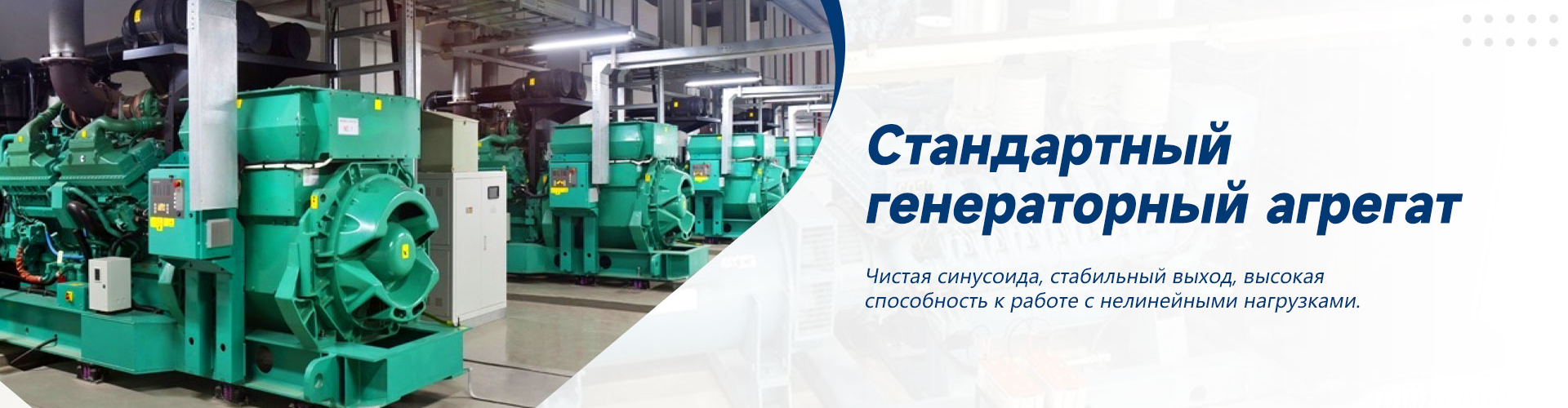
Quiet generators for medical institutions: requirements
2026-07-16
- Key requirements for acoustic performance and safety
- Regulatory noise standards and sanitary requirements in medicine
- Technical parameters of engines and exhaust systems
- Design features of noise-protective enclosures
- Environmental standards and power quality
- Placement planning and installation nuances
- Maintenance and preservation of acoustic properties
- Frequently Asked Questions
- Final recommendations and supplier selection
Key requirements for acoustic performance and safety
Noise pollution in healthcare settings is not just a matter of comfort, but a critical factor affecting the speed of patient recovery and the accuracy of diagnostic equipment.Quiet generators for medical institutions: requirementsregulated by strict international and local standards, must provide continuous power supply at a sound pressure level not exceeding 60-65 dBA at a distance of 7 meters. In our practice, we have repeatedly encountered situations where cheap solutions without proper noise insulation led to the failure of sensitive MRI equipment due to vibrations or caused complaints from staff working on the night shift. Choosing a backup power source for a hospital requires a balance between power, environmental friendliness and acoustic efficiency.
The main task of any energy supply in a clinic is to ensure that there are no interruptions in the operation of intensive care units, operating rooms and life support systems. However, traditional diesel units often create noise levels above 85 dBA, which is unacceptable in a hospital setting. Modernquiet generatorssolve this problem through an integrated approach: the use of low-noise engines, multi-layer casings with acoustic padding and special reactive mufflers. It is important to understand that the term “quiet” in an industrial context means compliance with SanPiN standards and European occupational safety and health directives, and not just a subjective feeling of silence.
When designing an emergency power system, engineers often make the mistake of focusing only on electrical power while ignoring the acoustic load on the environment. We have seen cases where the installation of a powerful DGU near intensive care wards led to an increase in blood pressure in patients and an increase in their time in hospital by 15-20%. Therefore, the first requirements relate specifically to reducing the noise level to values comparable to background noise in a regular office or quiet street.
Regulatory noise standards and sanitary requirements in medicine
Noise regulation in healthcare facilities is based on strict standards that vary depending on the area where the generating set is located. According to Russian standards SanPiN 2.1.3684-21 and international WHO recommendations, the sound level in wards and treatment rooms should not exceed 35-40 dBA at night and 45-50 dBA during the day. This means that an external noise source, such as a diesel generator installed on hospital premises, must be capable of being attenuated to these levels before entering the building.
To comply with these standardsrequirements for quiet generatorsinclude the mandatory use of all-weather noise-protective enclosures. The design of such a casing is a sandwich panel, where the outer steel protects from the weather, the inner layer of perforated metal reflects sound waves, and the middle layer of high-density mineral wool absorbs sound energy. The thickness of the insulating material is usually from 50 to 100 mm, which reduces the noise level by 25-35 dBA compared to an open installation.
Particular attention is paid to the air intake and exhaust system. Air intakes must be equipped with intake silencers, since the engine operates like a powerful pump, creating a characteristic low-frequency hum. The exhaust system requires the installation of industrial reactive or resonant type mufflers, which reduce gas pressure and remove high-frequency components of exhaust noise. In our practice, there was a case when a client skimped on a high-quality exhaust muffler, and as a result, low-frequency vibrations were transmitted through the foundation of the building, causing glass partitions in the adjacent building to shake. This led to an expensive redesign of the entire exhaust system.
Another critical aspect is vibration isolation. The internal combustion engine creates strong mechanical vibrations, which can be transmitted to the frame and then to the foundation. The requirements require that the generator be installed on special vibration isolators (dampers), which dampen up to 90% of mechanical vibrations. Without this, even the quietest engine will create structural noise that travels through the building structure. For medical institutions where microsurgery is performed or high-precision microscopes are used, vibration of the foundation is unacceptable.
Comparative table of noise levels for different types of installations
| Installation type | Noise level (dBA @ 7m) | Applicability in medical institutions | Necessary improvements |
|---|---|---|---|
| Open frame | 85 – 105+ | Not allowed inside the city | Requires the construction of a separate container building with serious insulation |
| Standard casing | 70 – 80 | Only for technical areas away from patient rooms | Additional screen, extended muffler, vibration isolation |
| Super-quiet housing | 60 – 65 | Suitable for most hospitals | Minimal modifications, correct installation |
| Specialized medical DGUs | 55 – 60 | Ideal for dense urban areas | Individual speed control, active noise cancellation (optional) |
The choice of a specific level of protection depends on the distance to the nearest residential buildings or hospital dormitories. If the generator room is located less than 15 meters from the windows of the rooms, it is necessary to strive for values below 60 dBA. Otherwise, even the permitted standards may cause discomfort in patients with increased sensitivity of the nervous system. Remember that low-frequency hum is perceived more painfully by the human ear than high-frequency noise of the same intensity.
Technical parameters of engines and exhaust systems
The heart of any quiet generator is the engine, and it is its design that determines the baseline noise and vibration levels. For medical institutions, priority is given to engines with electronically controlled fuel injection and a Common Rail system. Such motors operate more smoothly, have less cyclic unevenness of shaft rotation and, as a result, generate less mechanical noise. In addition, they ensure stable current frequency, which is critical for powering digital medical equipment.
The number of cylinders and engine configuration also play a role. Four-cylinder in-line engines up to 5 liters are often the optimal choice for powers up to 100-150 kW. They provide a good balance between compactness and smoothness. Six-cylinder engines are even smoother, but require more space and are more difficult to maintain. In our practice, we recommend avoiding three-cylinder units for stationary medical facilities, since their inherent vibration is higher, and it can be difficult to completely compensate for it even with expensive casings.
The cooling system directly affects acoustic comfort. A radiator with a fan is one of the main sources of noise after the exhaust. Requirements forquiet generators for medical institutionsdictate the use of hydraulic or electrically driven fans with variable rotation speed. This allows the fan to operate at low speeds at partial load, significantly reducing airflow noise. Radiator shutters should only open automatically when a certain temperature is reached to minimize sound escaping from the engine compartment.
The exhaust system requires a special engineering approach. Standard industrial silencers are often insufficient for hospitals. It is necessary to use high-resistance mufflers with several expansion chambers and perforated tubes. It is important to calculate the back pressure: a muffler that is too powerful can impair engine performance, reduce its power and increase fuel consumption. The optimal back pressure should not exceed 10-15 kPa. We have encountered a situation where an unqualified installer installed an exhaust pipe that was too long with multiple elbows without compensating for thermal expansion, which resulted in the muffler welds failing after three months of use.
Exhaust system materials are also important. The use of stainless steel for components in contact with hot gases extends service life and prevents corrosion, which can compromise sealing and increase noise. All connections must be made using flexible expansion joints (bellows) so that engine vibration is not transmitted to the pipelines and does not create rattling sounds.
Design features of noise-protective enclosures
The generator casing is the first and main barrier to sound. For medical institutions, ordinary metal boxes are not suitable. Requires a specialized design designed with acoustic physics in mind. The walls of a high-quality quiet casing consist of three layers: an outer cladding made of galvanized steel with powder painting (protects against corrosion and mechanical damage), an inner perforated sheet (works as a screen) and a filler made of non-flammable mineral wool with a density of at least 80-100 kg/m³.
Particular attention is paid to access doors and service panels. Any gap in the casing acts as an acoustic short circuit, negating the effectiveness of the insulation. Therefore, doors must have a double seal around the perimeter, similar to seals in refrigerators or fire doors. The locks must ensure that the sash is pressed tightly against the frame. In our practice, there was a case when, due to the deformation of one service door, the noise level increased by 8 dBA, which required an urgent replacement of the seals and adjustment of the hinges.
The ventilation system inside the casing must be organized so that the air passes through labyrinth channels (acoustic ducts). Direct air passage is not possible, as it will carry all the noise outside. The labyrinths are lined with the same sound-absorbing material as the walls. The ventilation inlets and outlets are also protected by louvered grilles, which further dissipate the sound wave. The cross-sectional area of the ventilation ducts is calculated individually to ensure sufficient air flow to cool the engine without creating excessive aerodynamic noise.
The interior space of the casing must be spacious enough. The close arrangement leads to overheating and increased fan operation at maximum speed. For medical generators, we recommend leaving at least 30-40 cm of space around the radiator and engine for free air circulation. This also facilitates maintenance, which is critical to the smooth running of the clinic.
The materials used inside the casing must comply with strict fire regulations (flammability class NG or G1). Medical institutions do not allow the use of materials that emit toxic smoke when heated. Mineral wool must be securely fixed to prevent it from settling over time, which will expose the metal walls and reduce the effectiveness of sound insulation.
Environmental standards and power quality
In addition to noise, medical institutions place the highest demands on the environmental friendliness of exhaust gases and the quality of generated electricity. The generator set is often located in close proximity to the air intakes of hospital ventilation systems. The entry of diesel fuel combustion products into the supply ventilation of operating rooms or wards is unacceptable. Therefore, engines must meet modern environmental standards of at least Euro III, and ideally Euro IV or Euro V. This is achieved through the use of exhaust gas recirculation (EGR) systems and diesel particulate filters (DPF).
Particulate filters not only clean the exhaust of particulate matter, but also further reduce exhaust noise by acting as an additional resonator. However, their presence requires the use of diesel fuel with low sulfur content (no more than 10 ppm), which must be taken into account when concluding contracts for the supply of fuel for a hospital. Ignoring this requirement will lead to rapid clogging of the filter and emergency stop of the generator at a critical moment.
Power quality is the second pillar of the requirements. Modern medical equipment (computer tomographs, X-ray machines, laboratory analyzers) is extremely sensitive to harmonic distortions, voltage and frequency surges. The generator must be equipped with a high-class automatic voltage regulator (AVR), ensuring a voltage deviation of no more than ±1% and a degree of harmonic distortion (THD) of less than 3%. Particularly sensitive equipment may require the installation of additional harmonic filters or uninterruptible power supplies (UPS) at the input.
In our practice, we observed a case where an expensive ultrasound machine failed due to the fact that the old generator could not cope with the starting currents of elevators and ventilation, causing a voltage drop. When choosing a generator for a hospital, it is necessary to carefully calculate peak loads and provide a power reserve of at least 20-25% of the sum of the rated power of consumers. This will allow the engine to operate at optimal load conditions (70-80%), where it is most economical and quiet.
Equipment certification also plays an important role. To operate in medical institutions, the generator must have certificates of compliance with GOST, EAS (for EAEU countries) and preferably CE (to confirm European quality standards). The presence of an ISO 9001 certificate from the manufacturer indicates well-established quality control processes, which reduces the risk of receiving a defective product.
Placement planning and installation nuances
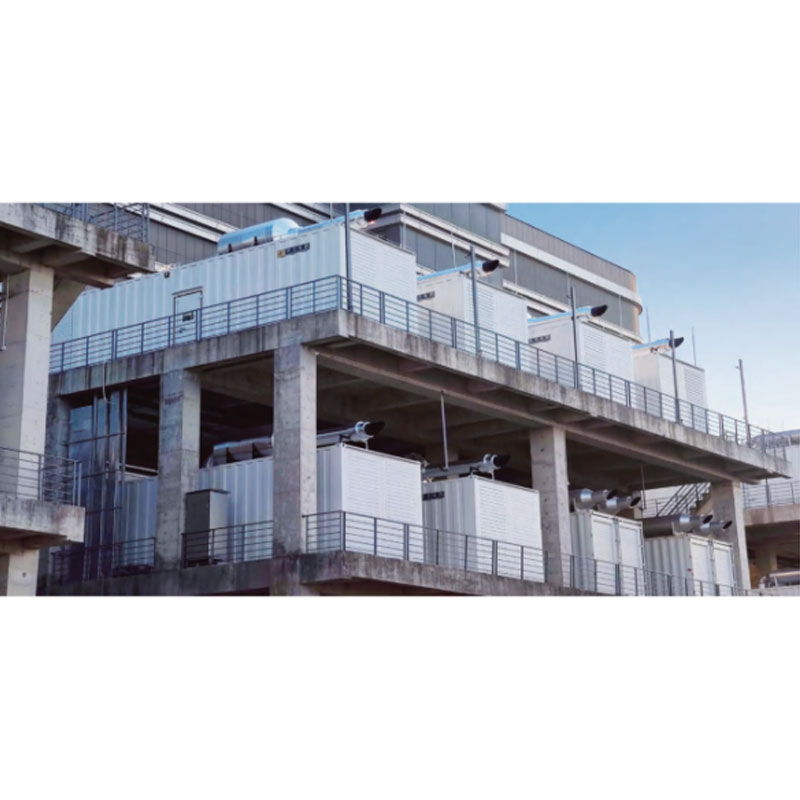
Even the best quiet generator can cause problems if it is not placed correctly. Planning the installation site is a step that is often underestimated. The generator room should be located downwind of the main hospital buildings and ventilation air intakes. The distance to the windows of living quarters or wards should be as wide as possible. If space is limited, it is necessary to erect additional acoustic screens or barriers between the generator and the protected object.
The foundation for the generator must be massive and independent of the foundation of the buildings. This prevents the transmission of structural vibrations. Vibration supports must be installed between the generator frame and the foundation. The weight of the foundation must exceed the weight of the unit by 1.5-2 times to ensure stability. Errors in foundation calculations can lead to misalignment of the shaft line and premature wear of the engine and generator bearings.
The organization of exhaust gas removal requires the pipe to be installed above the ridge of the roof of the nearest building or at least 2-3 meters above ground level to ensure the dispersion of residual gases. The pipe must be thermally insulated to prevent burns to personnel and moisture condensation inside the exhaust system. All elements of the exhaust route must be accessible for visual inspection and maintenance.
When installing cable routes, you should use separate trays for power and control cables to eliminate electromagnetic interference. In medical facilities where there is a lot of sensitive electronics, the generator circuit should be grounded with a resistance of no more than 4 ohms (and for some types of equipment - less than 1 ohm). The quality of grounding directly affects the safety of patients and staff.
We recommend carrying out acoustic measurements immediately after installing and starting the generator under load. This will document the compliance of the noise level with the design values and identify possible sound leaks through leaks. If the indicators exceed the norm, it is easier to eliminate defects at the stage of commissioning of the object than to redo the system later.
Maintenance and preservation of acoustic properties
Maintaining the status of a “quiet” generator requires regular and qualified maintenance. Over time, door seals lose elasticity, fasteners weaken from vibration, and sound-absorbing materials can become contaminated with oil or dust. Routine maintenance should include checking the condition of all seals, tightening the casing bolts and clearing the ventilation ducts of dust and leaves.
Changing engine oil and filters must be carried out strictly according to the manufacturer’s regulations. Contaminated oil increases friction and engine noise. Failure to promptly replace the air filter leads to a richer mixture and harsher engine operation with increased smoke and noise. In our practice, we recorded an increase in noise level of 5-7 dBA due to a clogged air filter, which caused turbulence in the intake manifold.
The exhaust system requires periodic inspection for corrosion and integrity of welds. The appearance of even a small crack in the muffler dramatically changes the acoustic picture, making the operation of the generator thunderous. For medical institutions, it is critical to have a service agreement with a trusted contractor who guarantees an emergency response within 2-4 hours.
Hospital personnel must be trained in basic operating rules: how to properly open the casing doors (not lock them in the open position during operation), how to monitor instrument readings on the control panel. The human factor often causes breakdowns and disturbances in acoustic conditions.
Frequently Asked Questions
What noise level is considered normal for a generator near a hospital?
The normal noise level for a generator set located on the territory of a medical facility is considered to be in the range of 60-65 dBA at a distance of 7 meters from the casing. If the generator is located closer than 10 meters to the sleeping buildings, the target should aim for 55-60 dBA. Inside the wards themselves, the noise level should not exceed 35-40 dBA according to sanitary standards. Exceeding these values requires the installation of additional acoustic screens or upgrading of the exhaust system.
Is it possible to install a generator in a hospital basement?
Installing a diesel generator in the basement or basement of a hospital is possible, but involves serious technical difficulties and limitations. The main problems are the removal of exhaust gases (a long vertical shaft is required) and the organization of air supply/exhaust for cooling. In addition, vibration from a running engine can be transmitted upward through the building structures, creating discomfort in the wards. For underground installation, a professional calculation of vibration isolation and the use of gas generators or special diesel engines with the cooling radiator located outside are required. Most often, it is recommended to place the diesel generator set in a separate building or container at a distance from the main buildings.
How often should the soundproofing material in the casing be replaced?
The soundproofing material itself (mineral wool), if used correctly and without oil ingress, lasts for decades and does not require scheduled replacement. However, its effectiveness may be reduced due to moisture, dust contamination or mechanical damage. It is recommended to carry out a visual inspection of the internal filling of the casing every 2-3 years during major maintenance. If the material has lost volume, become wet or has become covered with an oil film, it must be replaced. Door seals require replacement more often - approximately every 5-7 years or when signs of leakage appear.
Does the load affect the noise level of the generator?
Yes, the load directly affects the noise level. When idling or at low load (less than 30%), the engine may run unevenly and the cooling system may become ineffective, sometimes leading to a paradoxical increase in noise from the fan as it tries to compensate for the lack of heat with airflow. The optimal acoustic mode is achieved at a load of 70-80%, when the engine runs smoothly and the fan control system maintains the minimum required speed. Running at 100% power for long periods of time also increases noise due to the maximum operation of all systems.
What guarantees do manufacturers give for quiet enclosures?
The standard warranty for the generator set itself (engine and alternator) is usually 1-2 years or a certain number of operating hours. The warranty on the noise enclosure is often provided separately and is 1 year for the structure and paintwork. Manufacturers guarantee the declared noise level only subject to proper operation and timely maintenance. It is important to request an acoustic test report upon purchase to ensure the performance is documented. Some suppliers offer an extended warranty of up to 3-5 years when signing a full service agreement.
Final recommendations and supplier selection
Choosing an energy system for a medical facility is an investment in the safety of people’s lives and health.Quiet generators for medical institutions: requirementswhich go far beyond the simple availability of electricity, must be considered as a complex engineering complex. Don't try to save money at the initial stage by buying open frames or cheap garage-style enclosures. The consequences in the form of fines from regulatory authorities, patient complaints and the risk of equipment failure will cost many times more.
When choosing a supplier, pay attention to the availability of your own engineering competencies. The seller must not just ship the box, but offer a turnkey solution: from site audit and load calculation to installation, commissioning and service support. Ask about reference lists: does the company have experience in supplying equipment specifically to medical institutions? Have their generators been working in hospitals for several years without any complaints?
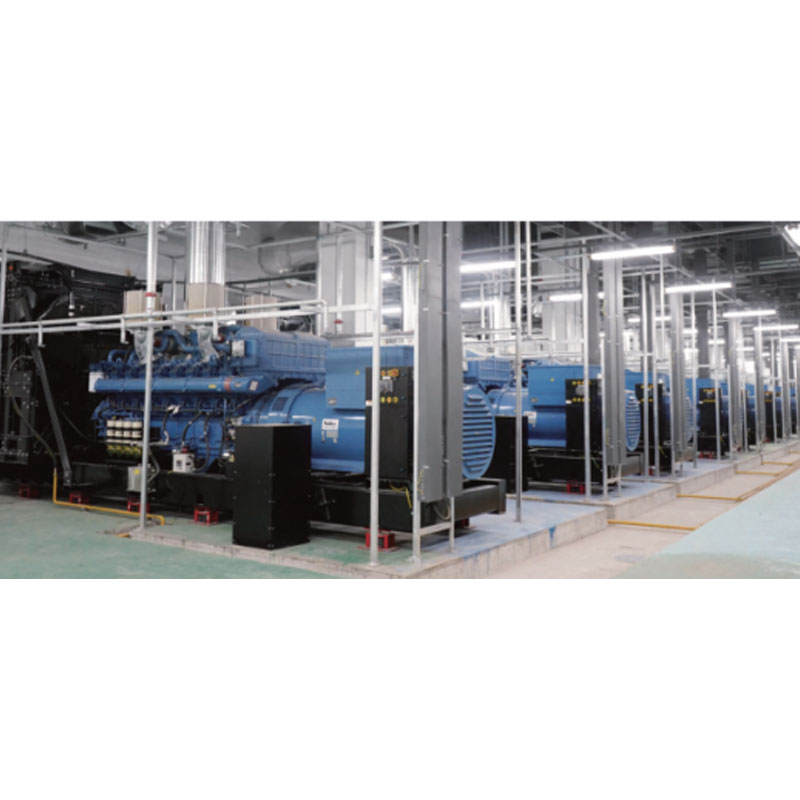
A striking example of a company that combines deep engineering competencies with a focus on high quality standards is Yuke (Shandong) Electrical Technology LLC. This professional Chinese company specializes in the development and production of comprehensive solutions in the field of autonomous and backup power supply. Having its own production base in Shandong province, equipped with modern equipment for assembly and testing, Yuke acts not just as a manufacturer, but as a solutions integrator. The company successfully integrates engines from the world's leading brands (Cummins, MTU, Perkins, SEM, Yuchai) into its own designs, adapting them to the stringent noise reduction and reliability requirements required for medical applications.
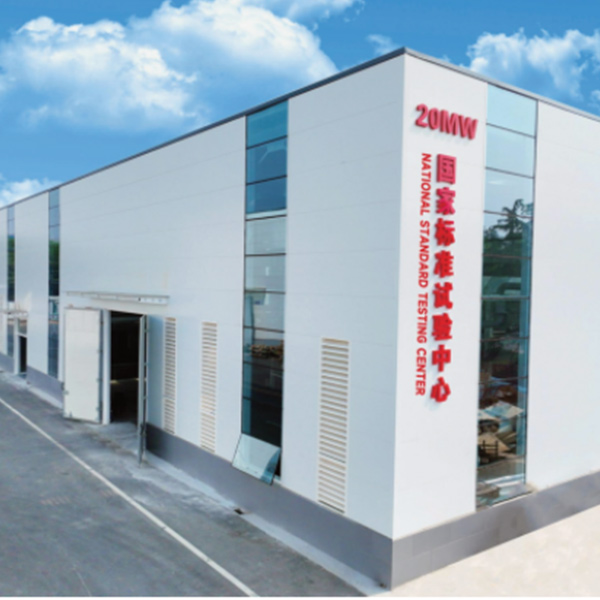
Particular attention in the Yuke portfolio is paid to silent generator sets and specialized solutions, including mobile stations and high-voltage units. A key advantage for medical customers is the multi-level quality control system implemented in production: each piece of equipment undergoes mandatory load tests lasting at least 4 hours, where the parameters of noise, vibration and voltage stability are recorded. This approach ensures that the supplied installations comply with the declared acoustic characteristics and international safety standards. In addition, the company is developing a network of service partners and providing full support - from design to post-warranty service, which is critical for the smooth operation of hospitals.
We recommend requesting a demonstration of the generator under load before purchasing to evaluate the noise and vibration levels for yourself. Pay attention to the build quality of the casing, the thickness of the metal, and ease of access to service points. Little things in execution often speak about the general level of production culture.
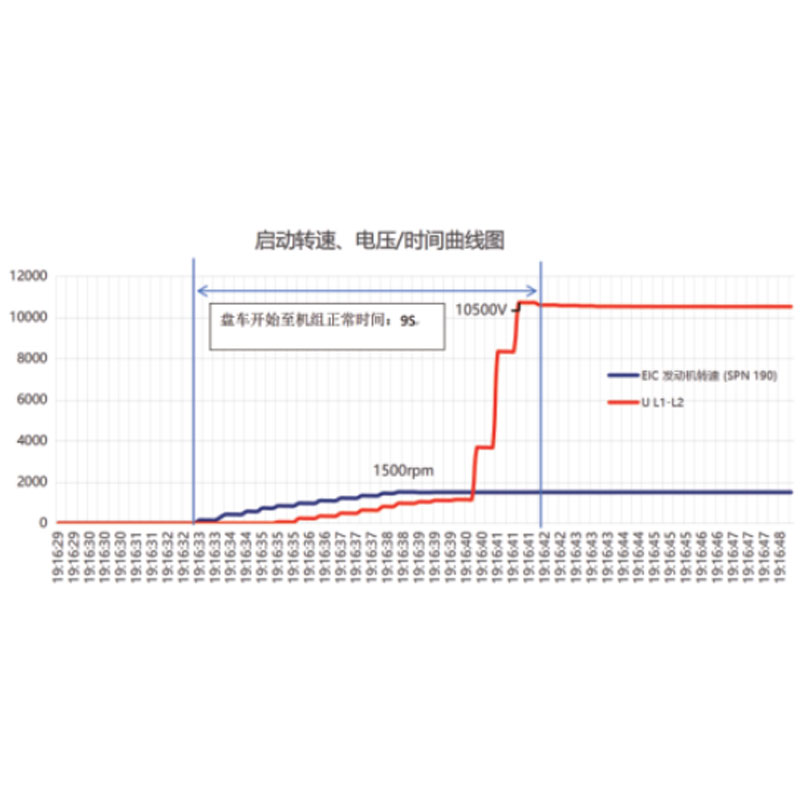
Remember that a reliable partner will offer you not just a product, but peace of mind. In an emergency when the city's power goes out, your generator should start automatically, get up to speed in seconds, and run quietly and steadily while doctors save lives. It is this reliability that is the true value of professional equipment.
If you are planning to upgrade your clinic's electrical system or build a new building, do not leave choosing a generator until the last minute. Contact us today for advice and a quote on a custom solution that fully meets your noise, environmental and reliability requirements.professional generators for medicine- this is our profile, and we are ready to guarantee the result, relying on proven technologies and the experience of such partners as Yuke (Shandong) Electrical Technologies LLC.
-


-
-


WeChat

-
WeChat