

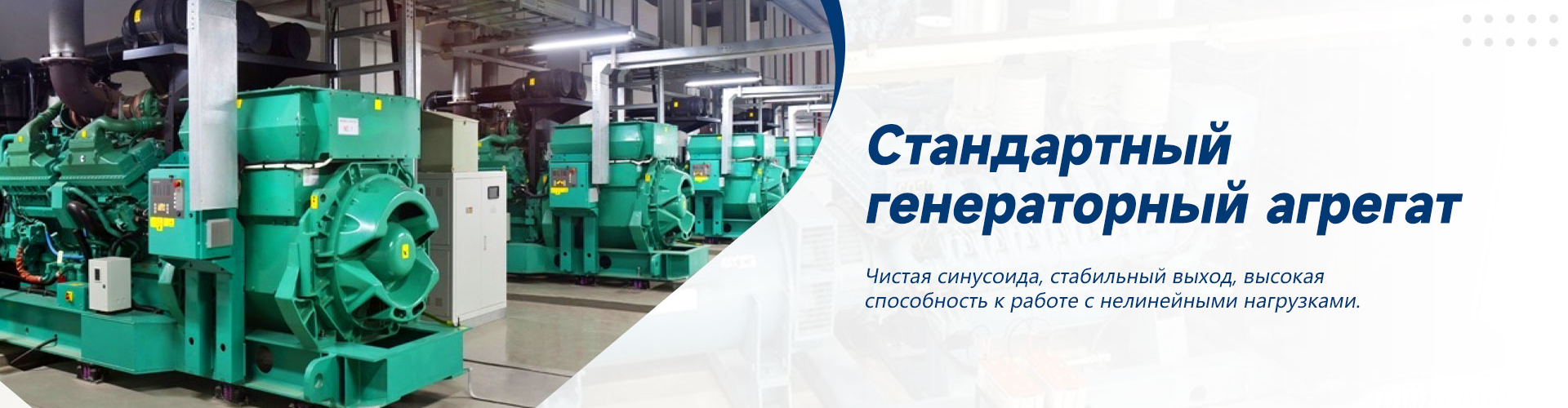
Installing a generator in a casing: pros and cons of the design
2026-07-17
- Why installing a generator in a casing is not just a “box”, but a critical element of reliability
- Technical advantages of closed design: noise, climate and safety
- Hidden disadvantages and operational risks of the casing design
- Comparative Analysis: Open Frame vs. Shroud
- Criteria for choosing a quality casing: what to look for when purchasing
- The role of a professional integrator: the experience of Yuke LLC
- Installation features and typical installation errors
- Business case: when does the casing pay for itself?
- Frequently Asked Questions
- Expert opinion and recommendations
Why installing a generator in a casing is not just a “box”, but a critical element of reliability
Installing a generator in a casing solves three main problems: reducing noise to 65-70 dBA, protecting it from precipitation and dust according to the IP54 standard, and preventing unauthorized access. In our practice of working with industrial facilities from Siberia to the Krasnodar Territory, we have seen how the lack of the correct casing led to failure of the stator winding due to condensation in just two winter months. Many customers mistakenly believe that any metal box is suitable for street use, but the difference between a serial factory solution and artisanal welding lies in the aerodynamics of air flow and vibration isolation. If you plan to use your equipment outdoors all year round, ignoring the nuances of casing design will turn savings at the start into multiple repair costs.
The market is saturated with offers where the “casing” is an option, but not all manufacturers take into account the thermal expansion of the metal or the correct organization of supply and exhaust ventilation. We have encountered situations where a 500 kW generator overheated and crashed precisely because the volume of the casing was designed without a reserve for the summer heat of +40°C. Proper installation of a generator in an enclosure requires a balance between sealing and efficient heat dissipation. Below we will analyze the real pros and cons of such structures, based on data from service reports and technical standards GOST R 53178-2008.
Technical advantages of closed design: noise, climate and safety
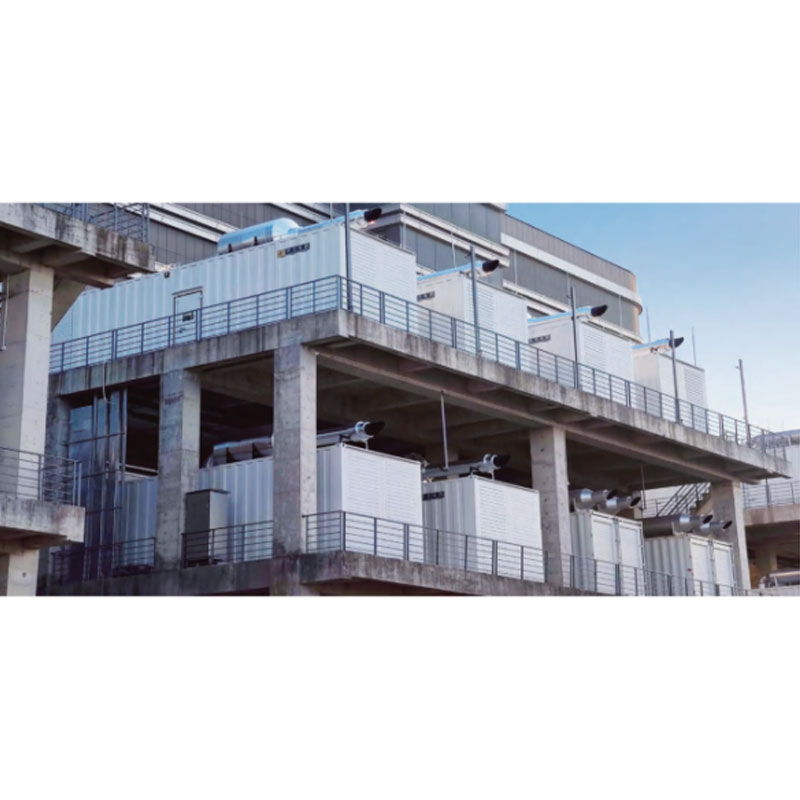
The main argument in favor of purchasing a unit in a casing is the ability to operate in any weather conditions without constructing a permanent building. Factory casings are made of galvanized steel with a thickness of 1.5 to 2.0 mm with powder polymerization, which ensures corrosion resistance of category C3 according to ISO 12944. Inside, the design necessarily includes a layer of sound-absorbing material (high-density mineral wool or polyethylene foam), which dampens the noise of the engine and exhaust system. Unlike open frame versions, where the sound level often exceeds 95 dBA at a distance of 7 meters, installing a generator in a high-quality casing reduces this figure to 70-75 dBA, which corresponds to sanitary standards for residential buildings.
Climatic design plays a decisive role in the choice. Standard housings are adapted to the temperature range from -40°C to +45°C. The key element here is the coolant and battery preheating system, which is integrated directly into the casing design. We have recorded cases where customers tried to insulate open generators on their own using improvised materials, which led to a fire due to contact of the insulation with the hot collector. The factory solution provides fireproof distances and heat-resistant partitions. In addition, the casing protects the control panel from direct moisture, which is critical for the electronics of the Deep Sea or ComAp controllers.
Operational safety also comes to the fore. The casing is equipped with lockable doors with locks that prevent unauthorized persons from accessing the fuel system and electrical terminals. This requirement is often dictated by insurance companies and occupational safety agencies. For diesel installations, protection against fuel spills is also important: the pan at the bottom of the casing has a volume of at least 110% of the capacity of the built-in tank, which prevents soil contamination in the event of an accident. Installing a generator in a casing with such a tray allows it to pass environmental inspections without the additional costs of constructing concrete traps.
However, there is a nuance that sellers rarely talk about: the weight of the structure. The casing increases the weight of the unit by 30-40%, which requires more powerful lifting equipment during installation and a reinforced foundation. If your site has soil load-bearing limitations, this may become a hidden cost. However, for 90% of stationary applications the benefits outweigh this disadvantage. It is recommended to immediately check with the supplier about the presence of lifting eyes on the casing frame, since their absence will complicate the positioning of the unit on site.
Hidden disadvantages and operational risks of the casing design
Despite the obvious advantages, installing a generator in a casing imposes serious restrictions on the cooling system. The main enemy of any closed unit is recirculation of hot air. If the casing is not designed correctly, the radiator begins to suck in its own heat exhaust, which leads to an increase in coolant temperature above the critical 95-98°C. We carried out measurements at a site in the Rostov region, where a 200 kW generator in a cheap casing lost up to 15% of its rated power in the summer due to thermal throttling. The manufacturer was forced to reduce the power to avoid overheating, which actually meant buying a more expensive device with a reserve.
The second significant disadvantage is the difficulty of performing routine maintenance. Access to filter elements, oil level dipstick and tension belts is difficult in the tight space of the casing. Technicians often have to completely remove side panels or even the roof to replace the air filter, increasing equipment downtime. In open versions, all service points are freely accessible. To minimize this risk, when ordering, you should request a configuration with full-height side-hinged doors or quick-release removable panels rather than bolt-on, which will rust after a year of use.
The cost of ownership also increases due to the need for regular cleaning of ventilation louvers. Fluff, dust and dirt clog the radiator honeycombs faster than on open models, since the air flow in the casing is more directed and intense. Ignoring cleaning your blinds twice a year is guaranteed to lead to localized overheating. In addition, the vibration load on the casing walls over time causes metal fatigue and cracks in the welds, especially if the vibration isolators between the engine and the frame are not selected correctly. One of our clients encountered the fact that after three years of operation, the casing began to resonate at certain speeds, creating additional low-frequency hum, which had to be eliminated by installing additional dampers.
Another technical point is the limitation on the height of the exhaust pipe. Compact housings often do not have room to install a full industrial muffler with low back pressure. It is necessary to use compact solutions, which may slightly reduce the life of the turbocharger due to increased pressure in the exhaust tract. This is not critical for standby operation (less than 500 hours per year), but for the main energy source (Prime Power) this factor must be taken into account when calculating the service interval. Always request an exhaust system diagram before purchasing.
Comparative Analysis: Open Frame vs. Shroud
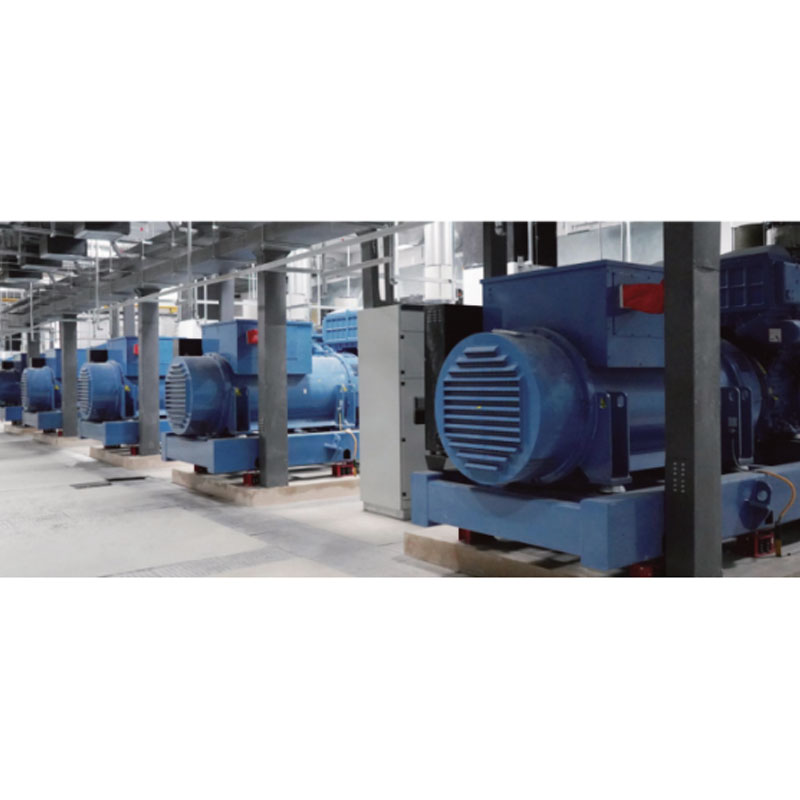
To make an informed decision, it is necessary to compare the characteristics of both options under specific operating conditions. Below is a detailed table based on the technical requirements for objects of various categories.
| Comparison parameter | Open Skid | Generator in casing (Canopy) |
|---|---|---|
| Noise level (7 m) | 95-105 dBA (separate room required) | 65-75 dBA (installation outdoors is acceptable) |
| Weather protection | Not available (IP20-IP23), hangar required | Full (IP54-IP55), work in rain and snow |
| Equipment cost | 20-30% cheaper than the basic version | Higher due to metal, insulation and work |
| Infrastructure costs | High (building construction, ventilation, heating) | Minimum (concrete slab or foundation blocks) |
| Maintenance access | Excellent, full access from all sides | Limited, requires removal of panels |
| Mobility | Requires a trailer or container for transportation | Ready for transport (often on skids) |
| Commissioning period | Long-term (months for building the premises) | Fast (days for installation on a prepared site) |
The table shows that the choice depends not so much on the price of the generator itself, but on the cost of preparing the site. If you already have a ready-made soundproofed room with supply and exhaust ventilation, purchasing an open version is economically justified. However, in most cases, the construction of a special building costs 2-3 times more than the cost of the casing itself. Installing a generator in a casing allows you to reduce the startup time of a facility from several months to several days.
For mobile teams and construction sites, the casing is the only option, as it protects equipment from vandalism and theft of expensive components (copper from the alternator, batteries). Open generators on construction sites become targets for theft within the first week. If your site is in a secure area with permanent staff, you may consider an open option, but be aware of the risks of contact corrosion in winter.
Criteria for choosing a quality casing: what to look for when purchasing
When evaluating business proposals, don't limit yourself to looking at photos. Request a general drawing from the manufacturer indicating the thickness of the metal and the type of insulation used. Cheap models often use steel with a thickness of 0.8-1.0 mm, which is subject to deformation when lifted by a crane and quickly corrodes. The optimal thickness for industrial units is from 1.5 mm. The insulation must be non-flammable (class NG or G1), since the use of ordinary foam rubber is prohibited by fire safety rules and creates a risk of rapid spread of fire in case of fire.
Pay attention to the design of the air intakes. They must be equipped with drop catchers and nets to prevent birds and rodents from entering. In our practice, there was a case when a mouse got into the control compartment through an unprotected hole and shorted the controller contacts, cutting off power to the hospital during a rolling blackout. A high-quality casing provides labyrinthine channels for air intake, which dampen noise, but allow a sufficient volume of flow to pass through. Also check for drainage holes at the bottom: water should not accumulate inside, otherwise it will lead to corrosion of the frame from below.
An important aspect is compatibility with additional equipment. Make sure that the casing provides space for installing an automatic transfer switchboard (ATS), large-capacity external fuel tanks, and industrial-type mufflers. It often happens that when trying to connect an external tank of 1000 liters, it turns out that the design of the casing does not allow the installation of fuel lines without breaking the seal. A good manufacturer offers modular solutions, where sections of the casing can be adapted to the specific needs of the project.
Certification also plays a role. Make sure that the casing has been tested for compliance with the climatic conditions of version UHL1 (for moderate and cold climates) in accordance with GOST 15150. This ensures that the door seals will not dry out in the cold, and the paint will not peel off under ultraviolet light. The presence of a certificate of conformity TR CU 010/2011 “On the safety of machinery and equipment” is a mandatory requirement for legal operation in the Russian Federation and the EAEU countries. Lack of documents can lead to problems when handing over the property to supervisory authorities.
The role of a professional integrator: the experience of Yuke LLC
Choosing a reliable supplier is as important as choosing the enclosure technology itself. In a market overcrowded with disparate offers, integrator companies stand out that are capable of providing a full cycle: from engineering calculations to post-warranty service. A striking example of this approach isYuke (Shandong) Electrical Technology LLC" This professional Chinese company specializes in the development and production of comprehensive solutions in the field of autonomous energy supply, combining advanced engineering competencies with strict quality control.
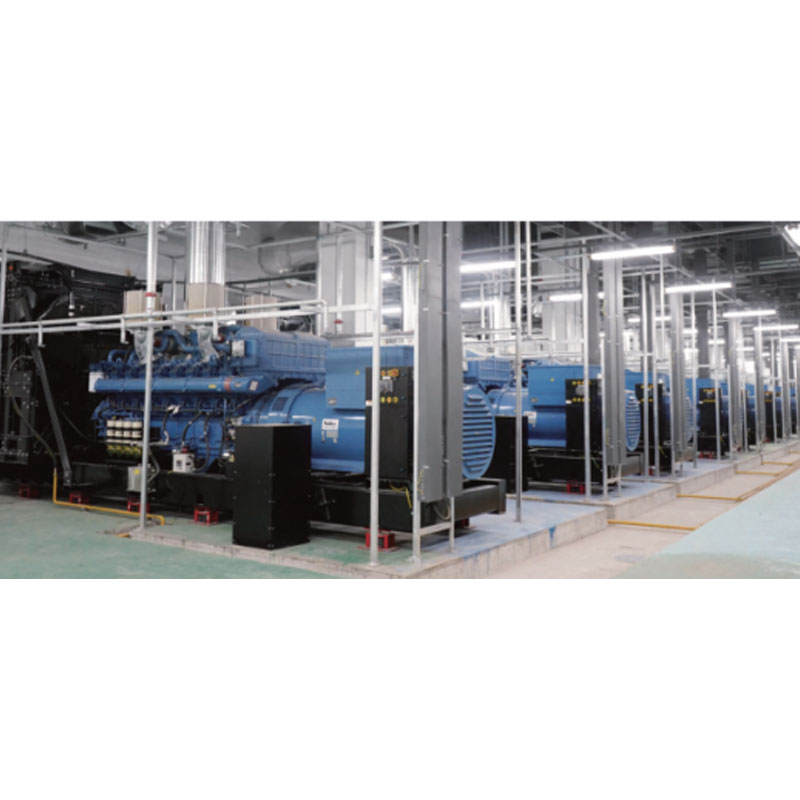
Unlike simple assemblers, Yuke acts as a full-fledged technology partner, using engines and generators from the world's leading brands (Cummins, MTU, Perkins, SEM, Yuchai) in its own optimized designs. Their portfolio includes not only classic diesel generator sets in soundproof enclosures of the VCD, VSD and VPD series, but also specialized solutions: mobile power station trailers, high-voltage installations and even liquid-cooled energy storage systems. The company’s key advantage is the adaptation of products to the specifics of the CIS regions and harsh climatic conditions, which directly resonates with the requirements for reliable casings described above.
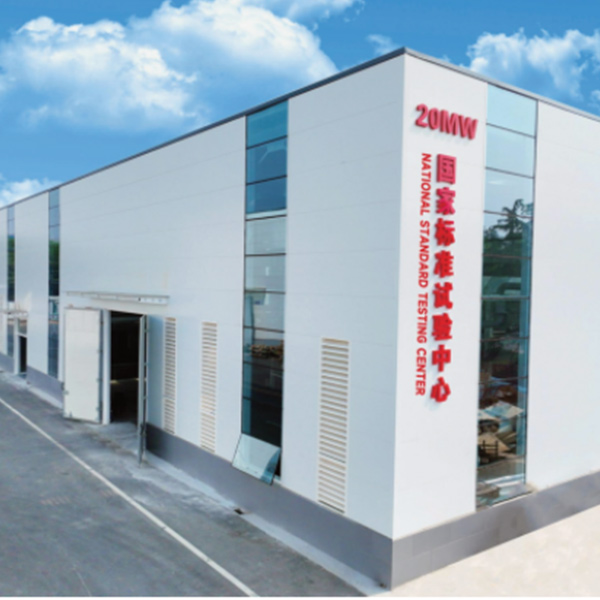
The Yuke production base in Shandong Province is equipped with modern equipment for multi-stage testing. Each piece of equipment undergoes mandatory load tests lasting at least 4 hours, where the parameters of noise, vibration, temperature and voltage stability are checked. This approach prevents the client from receiving units with aerodynamic defects or insufficient thermal insulation of the casing. The company adheres to the philosophy of “reliability through responsibility,” providing customers not just with hardware, but with a ready-made solution with technical support at the design stage and prompt delivery of original spare parts. For projects where the cost of error is high, a partnership with such an integrator becomes a guarantee of long-term uninterrupted operation.
Installation features and typical installation errors
Even the most advanced casing will not provide reliable operation if the installation technology is violated. The first and most common mistake is installing the generator on a flat surface without taking into account the wind direction. The air intake should not face the wall of the building or towards prevailing winds that carry dust. The minimum distance from the wall to the exhaust grille should be at least 1.5 meters, and preferably 2 meters, to ensure free exit of hot air. We have seen sites where a generator was placed in a niche, and it stalled after 15 minutes of operation due to instant overheating.
The second critical point is the organization of the foundation. The casing transmits vibrations to the base, so the use of rubber vibration mounts is mandatory. The concrete slab must be at least 20 cm larger than the installation dimensions on each side. A common mistake is to tightly connect the exhaust pipe to the wall of the building. The exhaust system must have a flexible insert (bellows) and be mounted on independent supports so that the weight of the pipe and thermal expansion do not destroy the engine exhaust manifold. The load on the turbine flange should not exceed the permissible values specified in the engine data sheet.
The electrical part requires special attention. The power cable must be inserted into the casing through sealed glands of the appropriate diameter. It is unacceptable to leave openings open, even temporarily, as this violates the IP protection rating and opens the way for condensation. The cables must be laid in cable channels inside the casing, protected from contact with hot engine parts. An error in phasing at the first start can damage the AVR (automatic voltage regulator), so checking the rotation of the fan and the direction of rotation of the alternator rotor must be carried out before connecting the load.
Don't forget about grounding. The casing body must be reliably connected to the object's grounding circuit with a copper conductor with a cross-section of at least 16 mm². This protects personnel from electric shock in the event of an insulation breakdown on the housing. Operating instructions often overlook this point, considering it obvious, but statistics show that one in five generators at remote sites is not properly grounded. This is a direct violation of the electrical installation rules (PUE).
Business case: when does the casing pay for itself?
Calculation of the total cost of ownership (TCO) shows that for projects with a service life of more than 3 years, the casing is almost always more profitable than building the room. Let's consider an example: the cost of a 100 kW generator in an open version is 1.2 million rubles, in a casing - 1.5 million rubles. The difference is 300 thousand. The construction of a block module or capital premises with ventilation, heating and lighting will cost at least 800 thousand - 1 million rubles. plus monthly electricity costs to heat the room in winter. Thus, installing a generator in a casing saves up to 50% of the initial infrastructure investment.
In addition, the liquidity of equipment in a casing is higher. When selling used equipment, buyers are more willing to consider turnkey options, ready for installation on a new site. An open generator that has stood for several years under a canopy often has traces of corrosion on the alternator and control panel, which reduces its estimated value by 20-30%. The casing preserves the presentation and technical condition of the internal components, acting as an effective barrier from an aggressive environment. It is an important asset on a company's balance sheet and is slower to depreciate.
For the rental business, enclosed generators are the de facto standard. Customers are willing to pay a premium for silence and mobility. Equipment downtime due to damage caused by moisture in the open version can cost the rental company its reputation and contract. The reliability provided by the casing is directly converted into profit. If you plan to rent out equipment, saving on the casing is unacceptable - this is a loss of competitive advantage.
Frequently Asked Questions
Is it possible to make a casing for a generator yourself?
Theoretically it is possible, but in practice we categorically do not recommend doing this for industrial capacities. Homemade designs rarely pass aerodynamic calculations, which leads to overheating and loss of engine warranty. In addition, the use of uncertified materials may violate fire safety standards. The factory casing is a tested piece of engineering, not just a welded box. The risks of failure of expensive equipment many times outweigh the savings on manufacturing.
What IP protection class is required for outdoor installation?
For reliable outdoor operation, the minimum required class is IP54. The first number (5) means protection from dust in quantities that disrupt the operation of the equipment, the second (4) means protection from splashes of water falling in any direction. The IP23 rating, which is often found on open frames, only allows for work under cover. If you plan to install the generator in an enclosure for operation in rain or sleet, make sure that the manufacturer guarantees IP54 compliance throughout, including cable entry points.
Does the casing affect fuel consumption?
The casing itself does not increase fuel consumption if the cooling system is designed correctly. However, if there is insufficient air exchange and the engine overheats, the efficiency drops and consumption can increase by 5-7%. Correct installation of the generator in a casing with optimal air channels maintains the specified flow characteristics. It is important to keep the radiator clean: a dust-clogged radiator in the casing causes the fan to work harder, taking power away from the crankshaft, which indirectly affects the economics of the process.
How often should the sound insulation in the casing be changed?
High-quality mineral wool insulation lasts the entire life of the generator (15-20 years), provided that the casing remains sealed. Replacement is required only if the panels are mechanically damaged or oil gets on the insulation (oil destroys the structure of the wool and reduces its fire resistance). Regularly inspect the inside of your doors for oil stains. If the insulation has become unusable, replacing it is a simple procedure, but requires the use of materials with a similar fire hazard class.
Expert opinion and recommendations
To summarize, we can say that installing a generator in a casing is the most rational solution for the vast majority of autonomous power supply problems. It eliminates the need for capital construction, protects investments from climate factors and reduces social tensions due to low noise levels. Despite some difficulties with maintenance and ventilation requirements, modern engineering solutions successfully mitigate these shortcomings. Choosing a casing is a choice in predictability of operation and long-term savings.
If you are faced with choosing a specific model, pay attention not only to the price, but also to the manufacturer’s service support. Having original body panels in stock is critical for quick repairs after force majeure. We recommend requesting a supplier reference list and contacting existing customers to learn about the actual performance of the equipment in your climate conditions. Feel free to request a thermal calculation for your specific project before paying the invoice.
Properly selected equipment will last for decades, becoming the reliable backbone of your business. Don't let the desire to save money at the procurement stage create problems at the operational stage. A professional approach to choosing a casing pays off with the first successful passage of peak load in a storm or frost. To receive a detailed technical audit of your project and select the optimal configuration, contact our engineers.
Catalog of enclosed generators with technical characteristics
-


-
-


WeChat

-
WeChat