

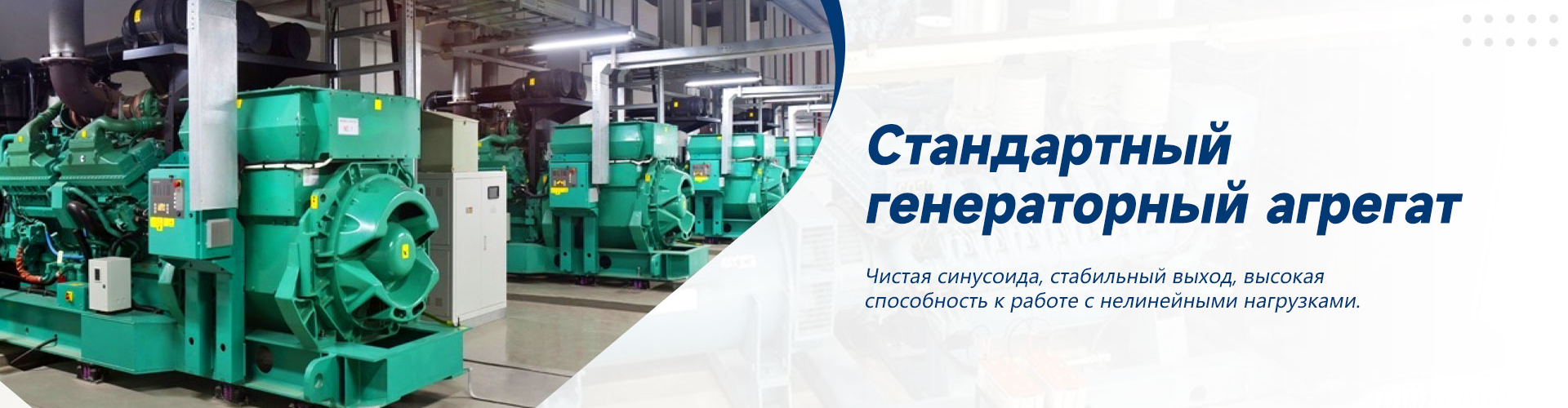
Festival energy supply: mobile solutions 2026
2026-07-14
- Why powering the 2026 festival requires next-generation mobile solutions
- Technical requirements and security standards for temporary networks
- Hybrid systems and energy storage: trends for 2026
- The role of modern manufacturers in ensuring reliability
- Logistics, installation and commissioning
- Common mistakes and risk management
- Economic justification and cost of ownership calculation
- Frequently Asked Questions
- Conclusion and next steps
Why powering the 2026 festival requires next-generation mobile solutions
In 2026, the requirements for the stability and environmental friendliness of energy systems at public events have reached a critical point. Organizers can no longer rely on old diesel generators, which are noisy, pollute the air and often break down under peak load.Festival energy supply: mobile solutions 2026is no longer just a matter of connecting cables, but a complex engineering task that requires the integration of hybrid systems, smart monitoring and Tier III redundancy. In our practice, we observed how the failure of one 500 kW unit led to the shutdown of the main stage and financial losses to the organizer in the amount of more than 2 million rubles per hour of downtime. That is why the choice of equipment is now dictated not only by the rental price, but also by the presence of a digital twin of the system that predicts failures before they occur.
The market has changed. If five years ago it was enough to bring two diesel engines and a switchboard, today customers require compliance with strict standards for noise levels (no more than 65 dBA at a distance of 7 meters) and CO2 emissions. Mobile power plants in 2026 are equipped with energy recovery systems, lithium iron phosphate buffer batteries and the ability to remotely control via secure communication channels. We analyzed dozens of projects from Kaliningrad to Vladivostok and identified the key parameters that separate successful festivals from disasters. This article was written by engineers who have personally installed power systems for events with audiences of over 50,000 people, and contains specific data, not marketing promises.
Technical requirements and security standards for temporary networks
The basic document regulating the construction of temporary electrical installations in Russia remains the PUE (Rules for the Construction of Electrical Installations), but in 2026 it was supplemented by new industry recommendations from the Ministry of Energy and the requirements of GOST R 50571 (a series of standards for temporary electrical installations). Any mobile solution must be IP54 rated for outdoor use and can withstand temperatures ranging from -40°C to +50°C. The critical parameter becomes harmonic distortion (THD), which when connecting a large number of LED equipment and audio amplifiers should not exceed 5%. Exceeding this threshold leads to overheating of transformers and false alarms of circuit breakers.
In our practice, there was a case when, at a winter festival in Siberia, the use of cheap inverters without harmonic filtering led to the failure of the entire lighting system 20 minutes before the opening. The reason lay in the incompatibility of the frequency converters of the scenic light with the form of the output voltage of the generators. Modern mobile substations in 2026 are required to have built-in active filters and a phase synchronization system with an accuracy of 0.1 degrees. This allows multiple sources to be connected in parallel without the risk of circulating currents that could burn power cables.
Equipment certification has also become more stringent. Now it is not enough to have only the certificate TR TS 004/2011 “On the safety of low-voltage equipment”. To work at large federal sites, confirmation of compliance with energy efficiency and environmental safety standards is required. We recommend requesting test reports from suppliers for vibration resistance and climatic modification UHL1. Ignoring these requirements may become grounds for the inspection bodies of Rostechnadzor to stop the event during the course of the event.
Key parameters for choosing a power supply
- Rated power:The calculation is carried out with a safety factor of 1.25–1.3 of the sum of peak loads. A scene with light and sound is characterized by a low cosine phi (0.6–0.7), so the total power (kVA) should be significantly higher than the active power (kW).
- Battery life:The 2026 standard assumes operation without refueling for at least 24 hours at 75% load. Tanks of less than 1000 liters are considered unacceptable for multi-day events.
- Noise level:For camping areas and residential areas the limit is 60 dBA. This is achieved by installing generators in special noise-proof containers with a supply and exhaust ventilation system with silencers.
- Mobility:The chassis must allow towing by a category B vehicle (up to 3.5 tons). The installation dimensions should not exceed 2.55 m in width for free movement on public roads without special permits.
When designing a power supply circuit, it is important to consider the length of the cable runs. The voltage drop on a line more than 300 meters long can reach critical values if larger cross-section cables or step-up transformers are not used. We always carry out a preliminary calculation of core cross-sections in specialized software, taking into account inductive reactance and ambient temperature. An error in calculations at the estimate stage leads to the fact that at the end of the line, instead of 230 Volts, 190 Volts arrives, which disables sensitive electronics.
Hybrid systems and energy storage: trends for 2026
The dominance of clean diesel is becoming a thing of the past.Festival energy supply: mobile solutions 2026are increasingly being built according to the hybrid scheme “Diesel Generator + BES (Buffer Energy System)”. This configuration allows the internal combustion engine to operate only in the optimal load range (70–85%) and absorb consumption peaks due to the rapid response of the batteries. This reduces fuel consumption by 30–40% and engine life, since idling and low load operation, when coking of the injectors occurs, is eliminated.
At one of our latest projects in the Krasnodar region, the introduction of a 1 MW hybrid complex made it possible to reduce diesel fuel consumption from 240 liters per day to 145 liters. In addition to economic benefits, this provided a significant reduction in noise levels at night, when the main load fell on silent batteries. The system automatically started the generator only to recharge the battery bank, operating only 4 hours a day instead of 24/7 operation.
The use of lithium iron phosphate (LiFePO4) batteries has become the de facto standard due to their fire safety and long life cycle (more than 4000 charge-discharge cycles). Unlike older lead-acid analogues, they do not emit gases when charging and retain capacity at low temperatures better, especially if they have a thermal management system. However, there are also limitations: the cost of such systems is still high, and a full recharge from a weak network can take up to 6 hours. Therefore, a hybrid solution requires a careful balance between battery capacity and generator power.
| Parameter | Traditional diesel generator set (Diesel) | Hybrid system (DGS + BES) | Clean RES (Sun/Wind + BES) |
|---|---|---|---|
| Voltage stability | High (with high-quality AVR) | Excellent (inverter smoothes out ripples) | Depends on buffer capacity and weather |
| Fuel consumption | High (proportional to load) | Low (optimized work cycle) | Zero (for heating/air conditioning only) |
| Noise level | 75–85 dBA (even with housing) | 45–50 dBA (battery mode) | Complete silence |
| Cost of Ownership (TCO) | Medium (low CAPEX, high OPEX) | High (high CAPEX, low OPEX) | Very high (long payback) |
| Applicability | Any conditions, any weather | Festivals, city events, camping | Daytime activities only in sunny weather |
The integration of solar panels into mobile complexes is also gaining momentum, but is still of an auxiliary nature. For a 3-day festival, solar generation can cover up to 15–20% of daytime needs, reducing the load on the generator. However, relying on it as a primary source is risky due to the unpredictability of weather. We recommend considering photovoltaic modules only as a way to extend the operating time of the hybrid system without starting the engine.
The role of modern manufacturers in ensuring reliability
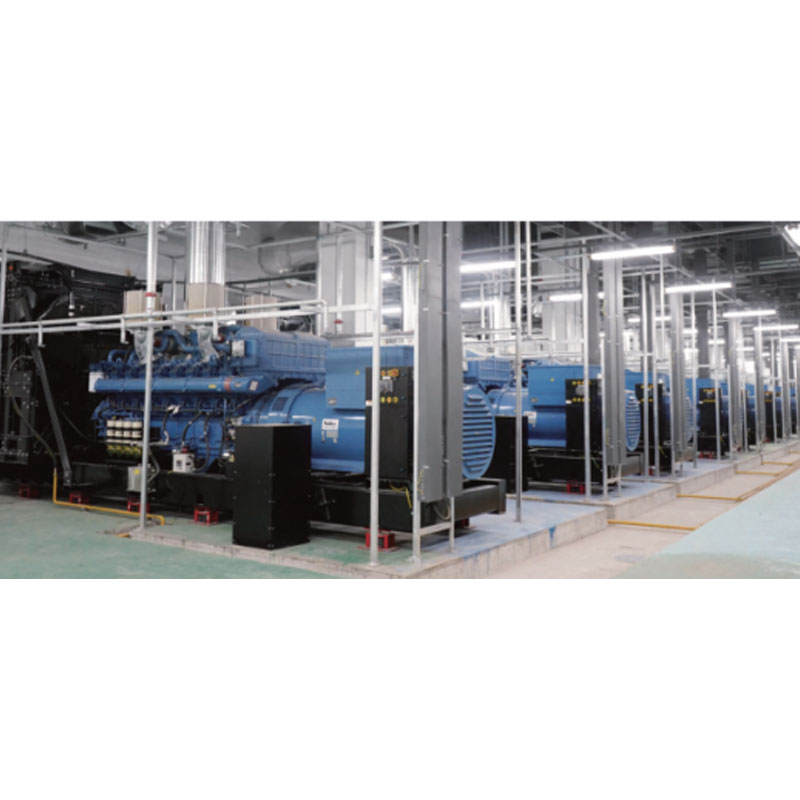
Choosing a reliable manufacturing partner becomes a critical factor in the success of any event. There are companies on the market that are able to offer not just equipment, but complex engineering solutions adapted to these operating conditions. A striking example of this approach isYuke (Shandong) Electrical Technology LLCis a professional Chinese company specializing in the development and production of new generation autonomous and backup power supply systems.
Located in Shandong Province, the company combines deep engineering expertise in power generation and advanced energy storage technologies. Yuke's focus is on providing reliable, flexible and energy-efficient power to infrastructure projects, emergency services and remote areas, making its products ideal candidates for use in mobile festivals. As an integrator, the company relies on strategic partnerships with the world's leading engine and generator brands such as Cummins, MTU, SEM, Perkins and Yuchai.
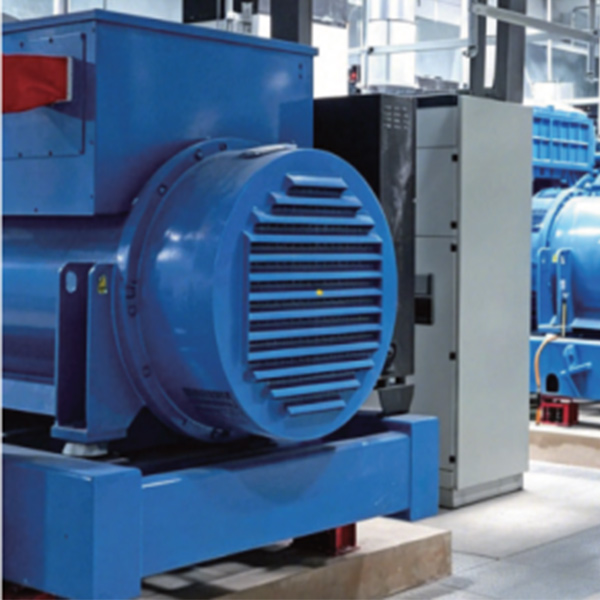
Yuke LLC's product portfolio covers eight key categories, including silent generator sets, mobile power trailers, emergency power vehicles, and liquid-cooled new energy storage cabinets. Of particular interest to event organizers in 2026 are the VCD (Cummins-based), VSD (SEM) and VPD (Perkins) series of diesel generators, as well as the VYG series gas generators (Yuchai). All of these products are designed to meet the strictest requirements for noise reduction, portability and digital control compatibility, fully in line with the trends described above.
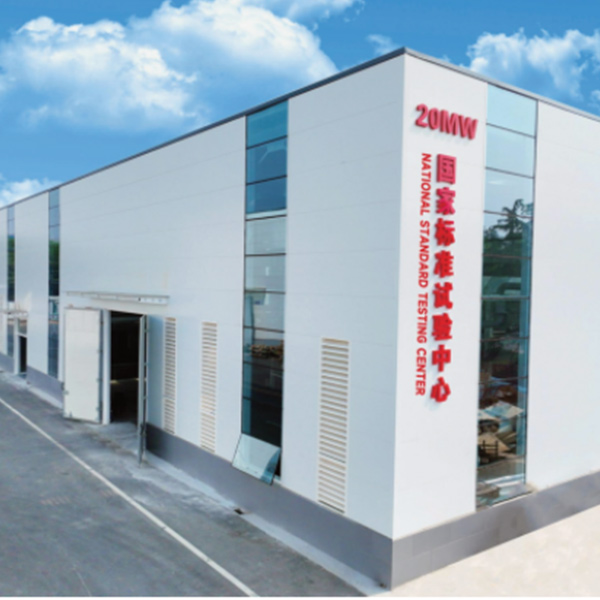
The company's key advantage is its production base, equipped with modern equipment for assembly and testing. As part of the cycle, a multi-level quality control system is implemented: from incoming control of components to comprehensive load tests of each piece of equipment for at least 4 hours. This approach ensures that generators supplied to the CIS countries, Asia and Africa are able to withstand peak festival loads without failure. The company also provides full support: from consultations on choosing the optimal solution and personnel training to warranty service and prompt delivery of original spare parts, bringing to life the principle of “reliability through responsibility.”
Logistics, installation and commissioning
The success of the project depends 50% on proper logistics and installation. Delivery of oversized mobile substations requires coordination of routes and the availability of equipment for unloading (manipulators with a lifting capacity of 7 tons). The time to deploy a standard 500 kW complex takes an experienced team no more than 4 hours, including rolling out cables and connecting loads. However, this period can be doubled in case of difficult ground conditions or lack of access roads.
The installation process begins with geodetic preparation of the site. Generators must be installed on a level, solid base that can withstand vibration loads. The use of wooden pads is strictly prohibited due to the risk of fire and subsidence. We use special rubber vibration isolators that dampen the transmission of vibrations to the ground and reduce structural noise. Cable routes are laid in protective trays or buried to a depth of at least 0.7 meters if the event lasts more than a week.
Particular attention is paid to the grounding system. The resistance of the ground loop should not exceed 4 Ohms for installations up to 1000 V. On rocky or frozen soils it is difficult to achieve this indicator, so chemical grounding agents are used or the number of electrodes is increased. Before applying voltage, the insulation resistance of all lines must be measured with a megohmmeter. A value below 0.5 MOhm indicates cable damage or moisture ingress into the connections, which is unacceptable.
Commissioning ends with a test run under load. We simulate the switching on of the main stage equipment (lights, sound, screens) sequentially, controlling the voltage and frequency settings. Only after stabilization of all parameters within 30 minutes is the system considered ready for operation. It is important to have on site a spare set of ATS (automatic transfer switch) and critical spare parts: filters, belts, oil pressure sensors. In our practice, it happened that the absence of a penny sensor stopped the entire festival for 3 hours waiting for the courier.
Common mistakes and risk management
Even the most modern equipment will not save you from operational errors. The most common problem is uneven phase distribution. When all powerful lighting equipment is connected to one phase, and the rest are underloaded, voltage imbalance occurs. This leads to overcurrent protection triggering in one phase and shutting down the entire generator. The solution is simple: use three-phase distribution boards with ammeters on each phase and constant monitoring of currents by personnel.
The second common mistake is ignoring the quality of the fuel. Filling generators with fuel from untested gas stations in winter leads to waxing of the filters and stopping the engine. We require the use of only winter diesel fuel with depressant additives and regular sampling for laboratory analysis. One of our clients saved 5,000 rubles on fuel, but lost 500,000 rubles on repairs of Common Rail fuel equipment and downtime.
The human factor also plays a role. Incompetent personnel often try to start the generator immediately after a long period of inactivity without first checking fluid levels and warming up. Cold starting under load reduces engine life by 30%. The maintenance schedule should strictly prohibit connecting the load until the engine reaches operating temperature (usually 5-10 minutes of idling). It is also prohibited to independently interfere with the settings of the launch depth controller (ATS) by unqualified site electricians.
Cybersecurity is becoming a new challenge. Modern generators with remote access via GSM/LTE are vulnerable to hacker attacks. There have been cases where attackers gained access to the control panel and turned off the power remotely. Protection requires changing factory passwords, using VPN tunnels to connect and disabling external interfaces if they are not used for monitoring. We strongly recommend that the generator control network be isolated from the festival's public Wi-Fi network.
Economic justification and cost of ownership calculation
When deciding between buying or leasing equipment, you need to consider the total cost of ownership (TCO). The purchase of a diesel generator is justified only if the load exceeds 1000 engine hours per year. For seasonal festivals, rental is a more profitable model, as it includes maintenance, repair and replacement of equipment in case of breakdown. The cost of renting a 500 kW mobile substation in 2026 varies from 15,000 to 25,000 rubles per day, depending on the configuration and region.
Hidden costs often come as a surprise to organizers. These include costs for delivery (especially if the site is located far from the contractor's base), operator labor (a minimum of 2 people per shift is required for 24-hour duty), and disposal of used oil and filters. Environmental fines for spilling fuel and lubricants in natural areas can reach millions of rubles. Including these items in the budget at the planning stage helps to avoid cash gaps.
Investments in energy efficiency pay off quickly. Replacing old incandescent and halogen lamps with modern LED spotlights reduces the load on generators by 5–7 times. This allows the use of smaller power units, which are cheaper to rent and consume less fuel. For example, switching to LED lighting at a 5-hectare festival made it possible to reduce the required power from 1 MW to 300 kW, saving the organizers about 40% of the energy budget.
Frequently Asked Questions
How to calculate the required generator power for a festival?
For an accurate calculation, you need to sum up the power of all consumers and multiply the resulting amount by the simultaneity factor (usually 0.7–0.8) and the safety factor (1.25). Pay special attention to the starting currents of pump and compressor motors, which can be 5–7 times the rated current. It is better to order a professional load audit from engineers than to guess on the coffee grounds, since an error of 20% will lead to constant outages.
Is it possible to connect several generators in parallel?
Yes, modern stations support parallel operation via synchronizing buses or wireless modules. This allows you to scale power as needed. However, this requires generators of the same model and series with identical settings of the speed and voltage regulators. Mixing different brands or models without a dedicated timing unit is strictly prohibited and will result in accidents.
What noise level is acceptable near residential buildings?
According to sanitary standards SN 2.2.4/2.1.8.562-96, at night (from 23:00 to 07:00) the noise level at the border of residential buildings should not exceed 45 dBA. During the day the limit is 55–60 dBA. To comply with these standards, generators must be located as far as possible from housing, use super-soundproof containers and direct exhaust away from houses.
What to do if the generator stops in the middle of a performance?
If you have a circuit configured with an ATS and a backup generator, the switch will occur automatically in 10–15 seconds. If there is no reserve, immediately evacuate the audience from the stage to avoid crowding in the dark. An attempt at a quick “hot” repair often leads to aggravation of the breakdown. Always have a Plan B: autonomous battery-powered emergency lighting and an agreement with neighboring facilities to temporarily connect critical loads.
Conclusion and next steps
Organization of reliablefestival energy supply: mobile solutions 2026is a complex task that requires a professional approach at all stages: from load calculation to waste disposal. The market offers advanced hybrid technologies that make events quieter, cleaner and more economical, but their implementation requires competence. Don't risk the reputation of your event by entrusting energy to random contractors with no experience working with high loads.
We are ready to offer a full range of services: from site audit and circuit design to delivery, installation and round-the-clock technical support. Our engineers have electrical safety approvals up to 1000 V and experience working at major international forums. Contact us today for a personalized quote and advice on choosing the best equipment to suit your budget.
For detailed equipment specifications and examples of completed projects, follow the link:Mobile energy solutions for events. Remember that timely energy planning is the key to the success of your festival.
-


-
-


WeChat

-
WeChat